account arrow-down-select arrow-down arrow-left arrow-right arrow-small bluesky book calendar close email eventbriteexternalfacebook instagram linkedin locationphone pinterest plus quote search tiktok time twitter video-icon

Spot birds of prey in Sussex

There’s something magnetic about birds of prey. These skilled hunters have appeared in myths, legends and religious beliefs since before Ancient Egypt existed. In Sussex, we’re lucky enough to be able to spot them. Seeing how many you can see and identify is a great challenge for any year or season.

Where to go

You can see birds of prey across most of Sussex, but some of our best reserves for seeing them are:

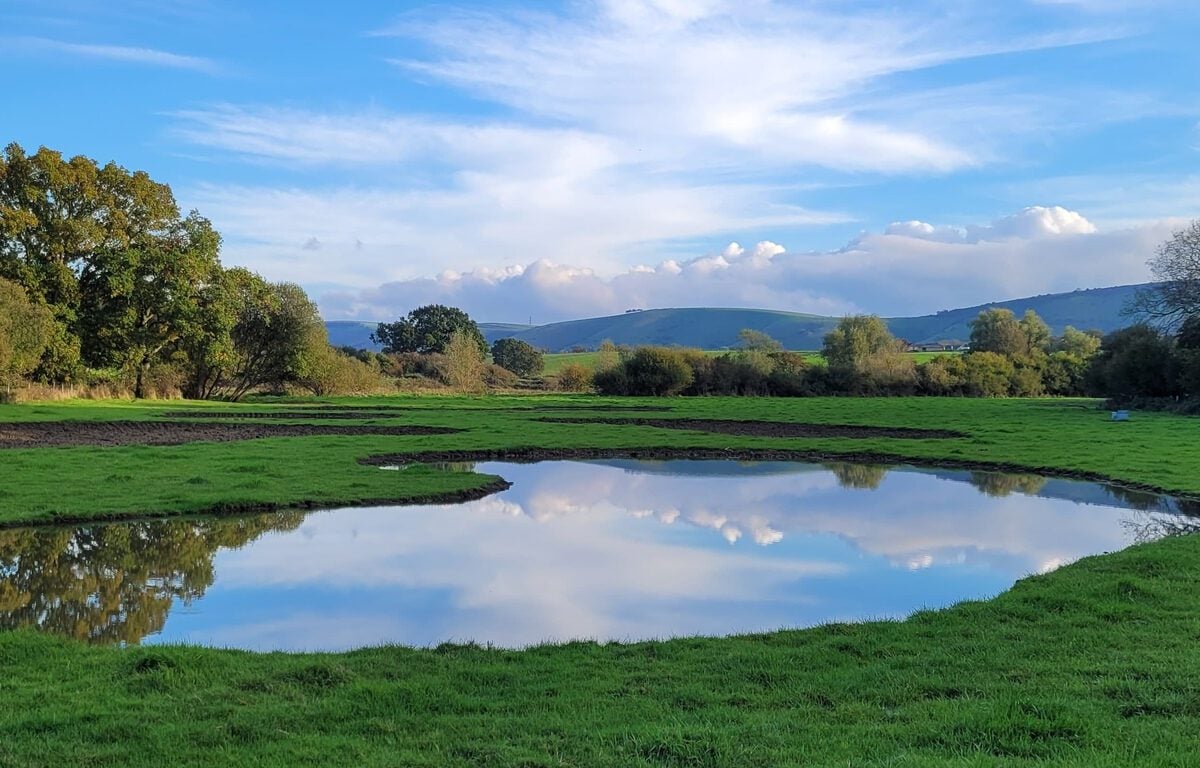
  • Amberley Wild Brooks
  • Rye Harbour
  • Woods Mill
  • Old Lodge

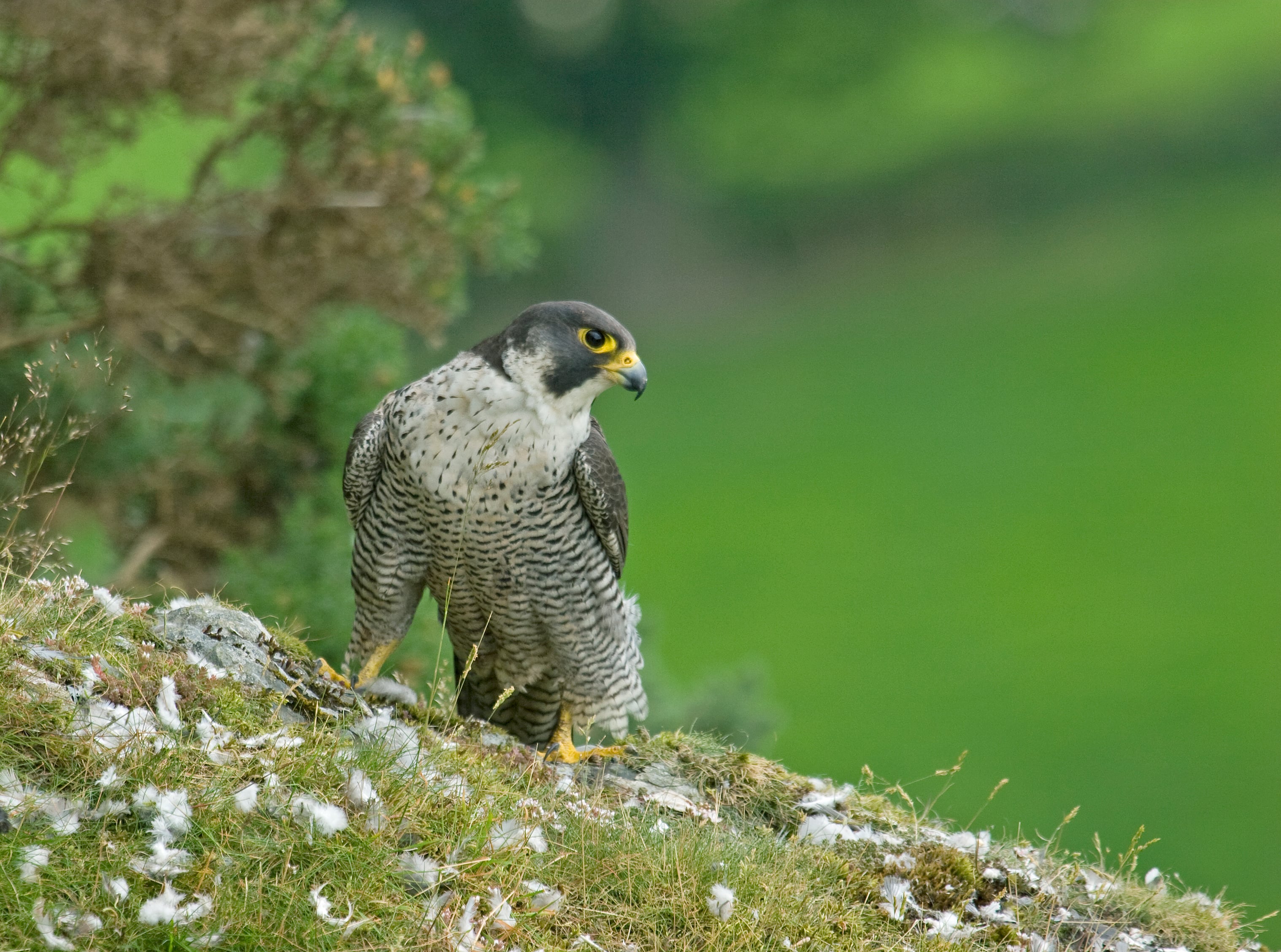
Chichester Cathedral and the Sussex Heights building on the Brighton Seafront have both been nesting spots for Peregrine Falcons for a number of years.

Top identification tips

Here are a few clues to help you ID common birds of prey in Sussex.

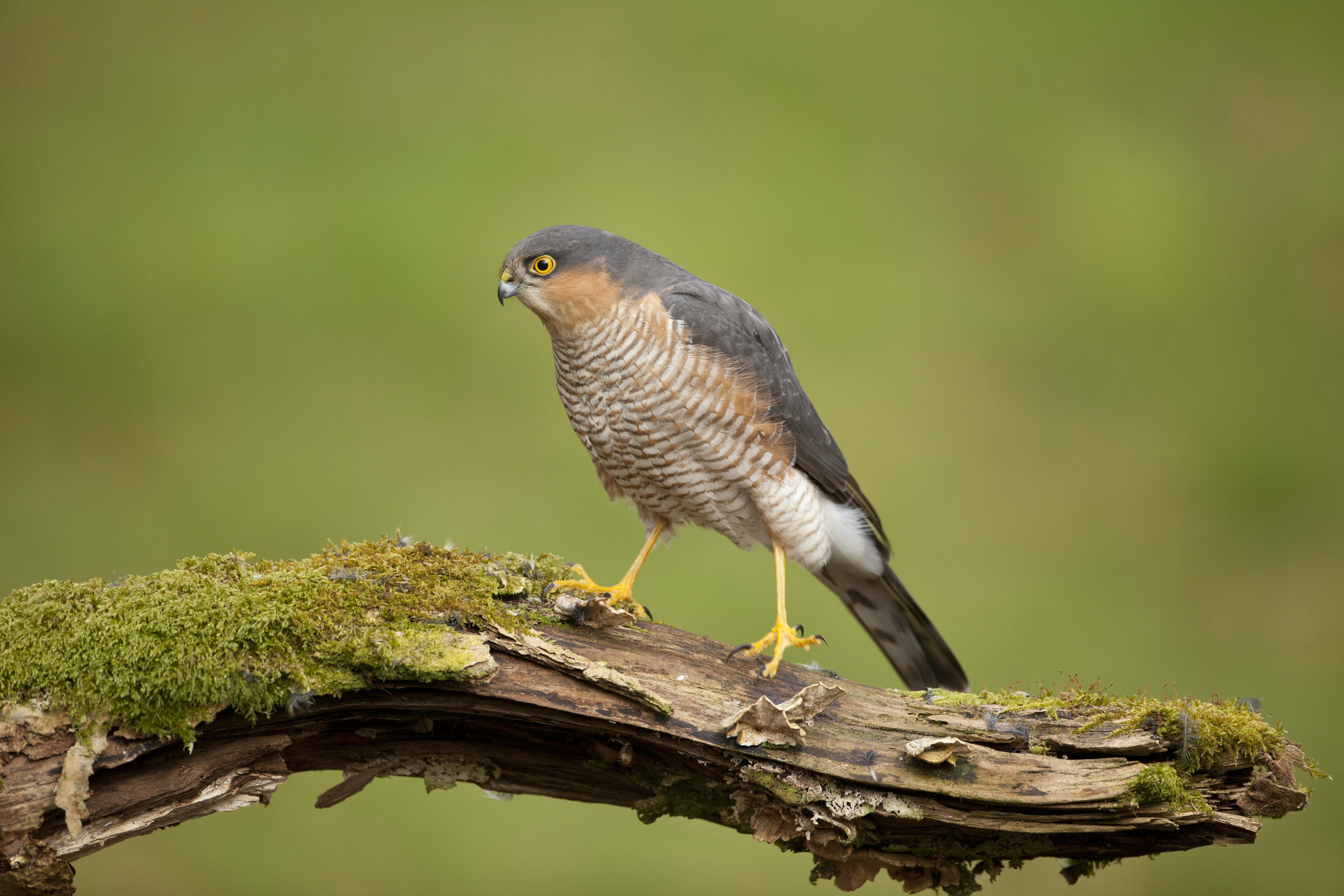
  • Sitting on a lawn or garden fence? Most likely a Sparrowhawk.
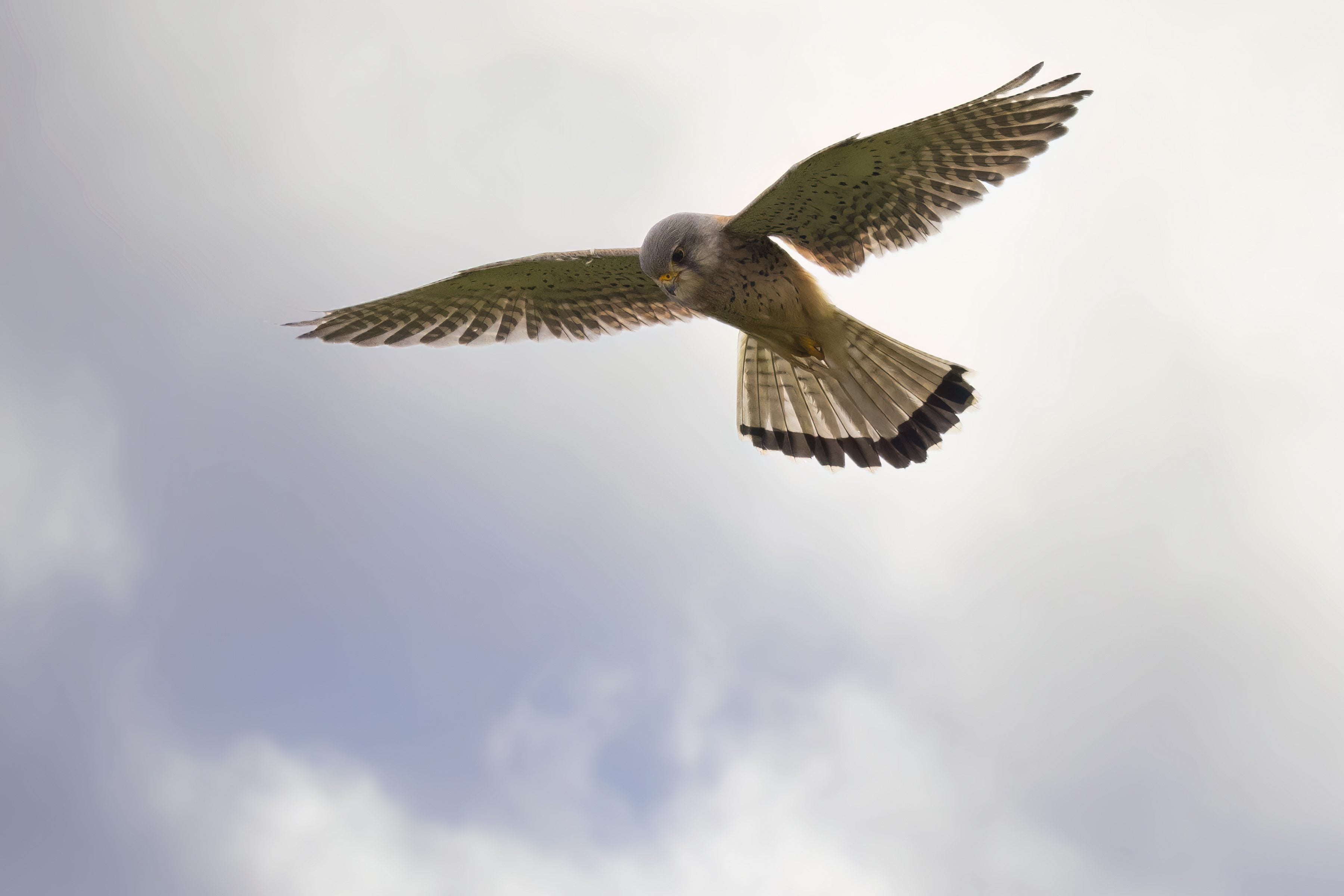
  • Hovers on the spot? Probably a Kestrel.
  • Nesting on a building? Most likely a Peregrine Falcon.
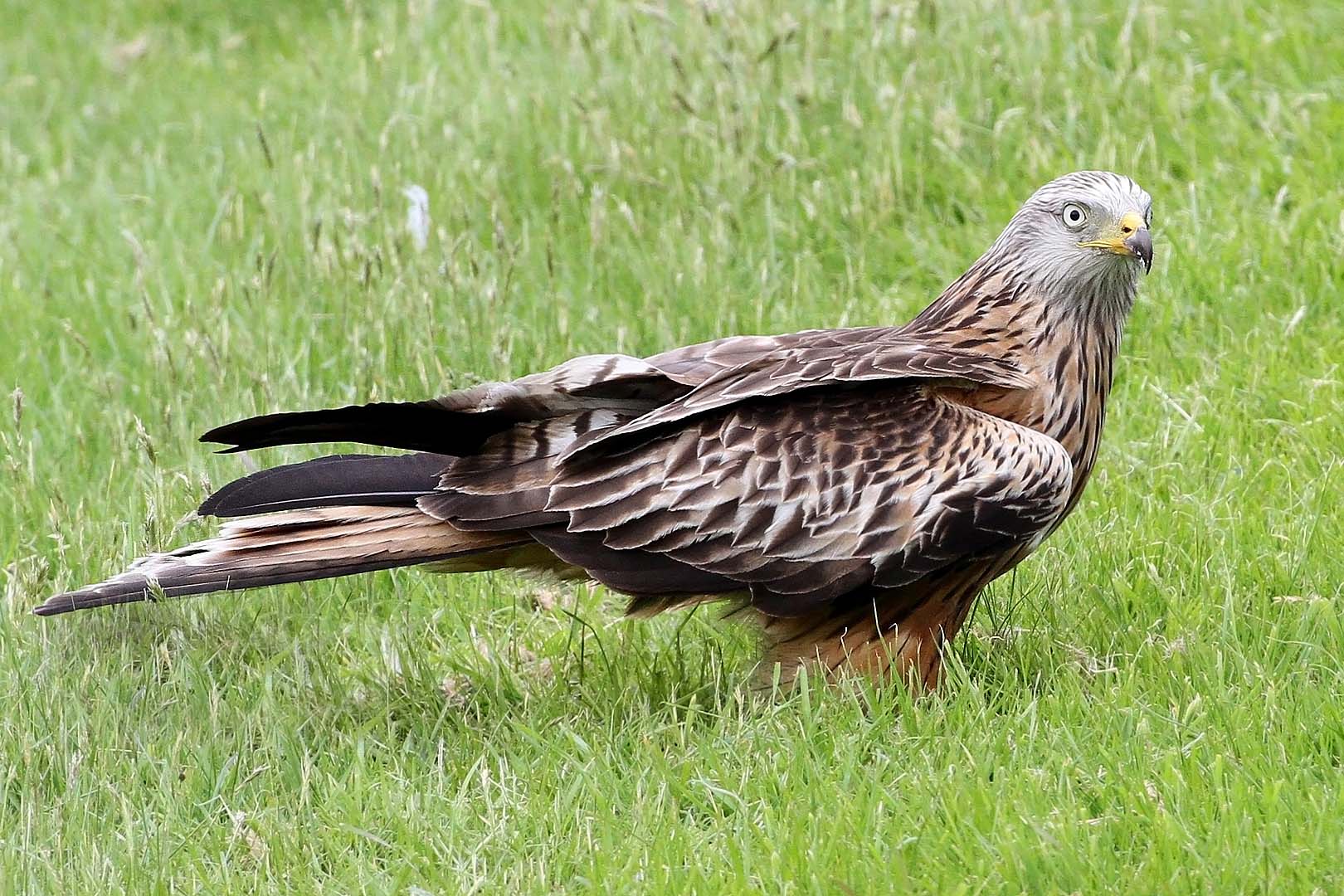
  • V-shaped tail? Red Kite.
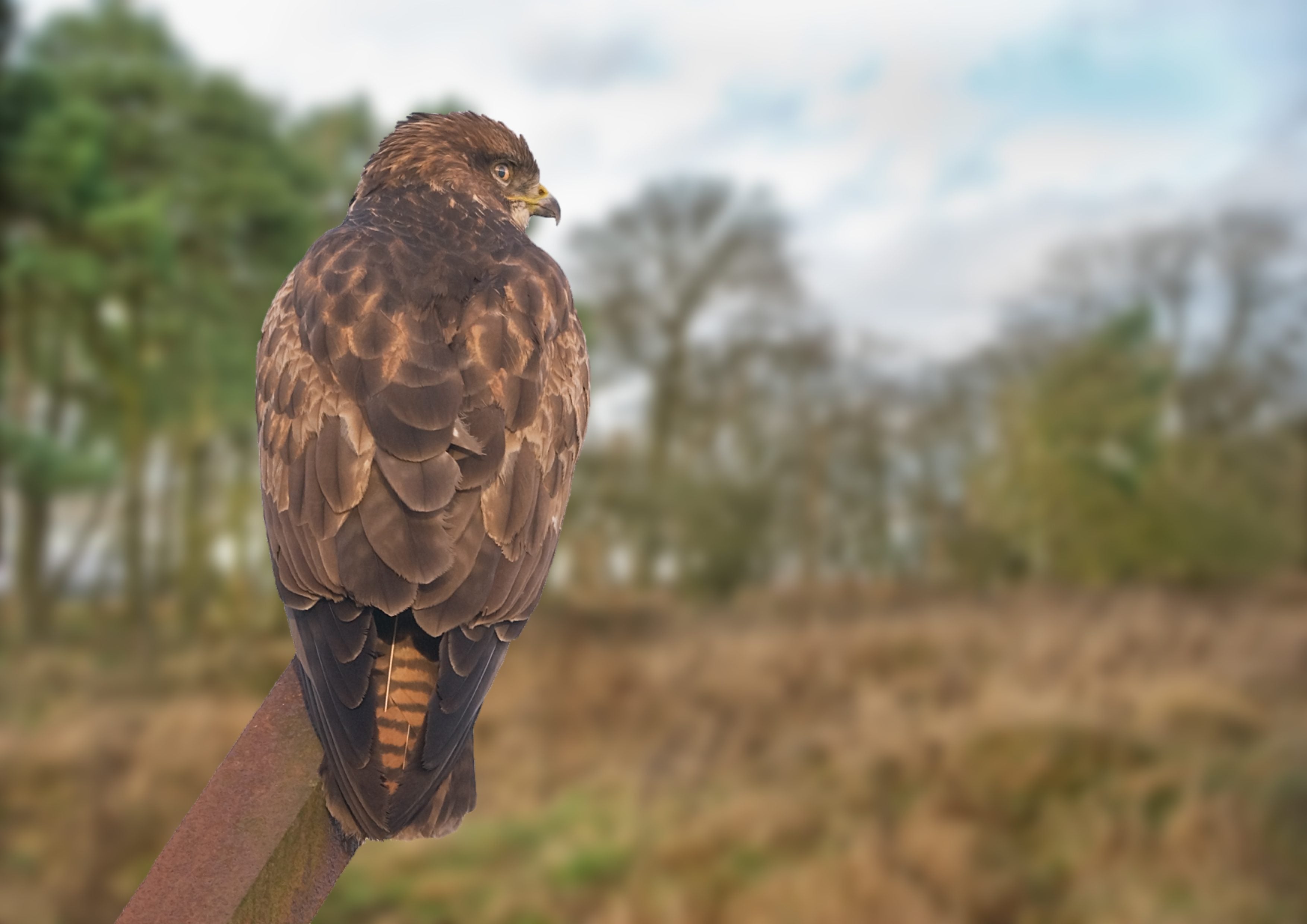
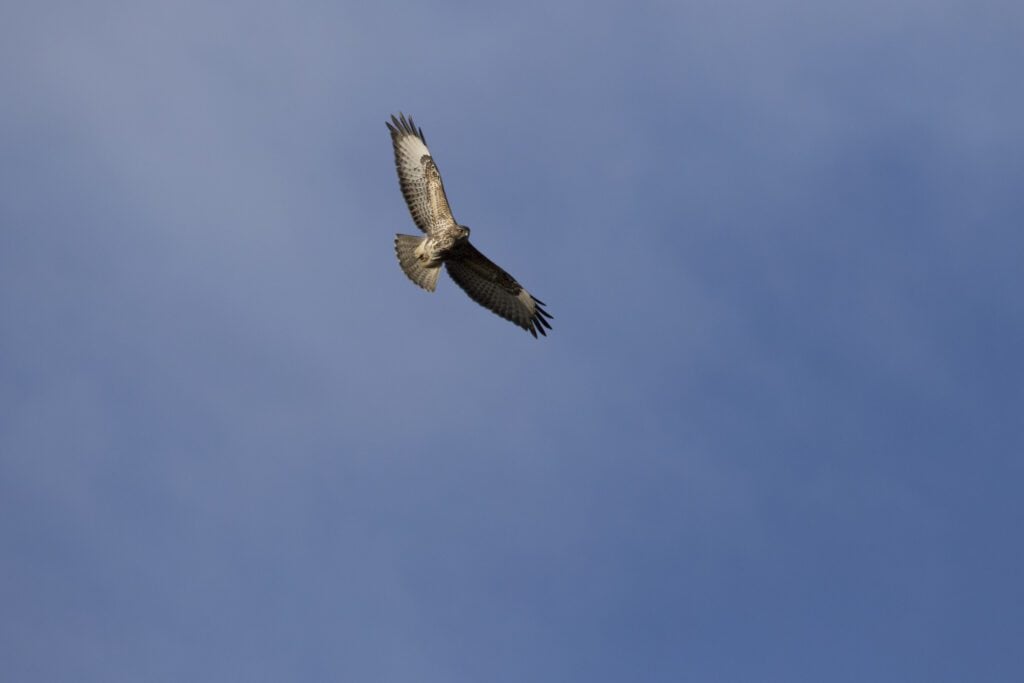
  • Circling high in the sky at midday? Likely a Red Kite or Buzzard.
  • Flying at very high speed: a Peregrine Falcon.

Top raptor-watching tips

  • Scan high perches, like poles and dead trees.
  • For falcons and hawks, go out in the early morning or late afternoon.
  • For Buzzards and Red Kites, mid-morning is a good time to spot them hunting.
  • For owls, dawn or dusk are the most likely time you will see them hunting.
  • Remember to look up in the middle of the day for Buzzards soaring in circles at altitude.
barn owl 1barn-owl-1

Looking out for owls

Owls are also birds of prey, but look quite different to other raptors with their flat faces and large eyes. Your best chance of seeing an owl in flight is close to dawn or dusk. There are five owl species that call Sussex home:

  • Little Owl
  • Barn Owl
  • Tawny Owl
  • Short-eared Owl
  • Long-eared Owl

How to identify owls

Discover the Sussex Top 5

There are around 20 species of raptors in Britain. These include hawks, eagles, harriers, falcons and owls. You can see 16 of these species in Sussex, although some are quite rare. These are the five you’re most likely to spot in Sussex, in order of size.

Being a bird detective

When you start out, it can be really tricky to identify a bird of prey as it swoops past. Even one just sitting on a post can be problematic. You get all excited, and there’s a lot to try and take in! It can help if you break it down and mentally note a few specific things to help you identify it. Remember, even experienced bird watchers struggle with raptors sometimes.

Size

how big is it? Is it bulky or slim?

Wings

are they short or very long in relation to its body?

Wingtips

are they pointy, rounded or like fingers?

Tail

is it long or short? Shaped like a fan, square or V?

Feathers

what colours and patterns stand out?

Legs

what colour are they? Long or short? Thick or thin?

Location

is it in a town, woodlands, field or along the road?

Flight

is it hovering, darting, gliding, diving straight down?

The Phantom of the Forest

Nicknamed ‘Phantom of the Forest’, Goshawks are extremely secretive, flying under the radar and shrouded in mysterious woodland wonder. It’s said their name was bestowed upon them by medieval falconers; Goose-hawk, for their apparent ability to take down geese.

goshawks c adam huttlygoshawks-c-adam-huttly
How we’re defending and restoring wild spaces in Sussex

To reach our ambitious goals to inspire action for wildlife, restore habitats and create climate-resilient landscapes, our work focuses on multiple different areas. Within each one there are elements of conservation, education and community engagement.