
Where to go
-
Bexhill Beach
-
Hastings Beach
-
Holywell Beach near Eastbourne
-
Hope Gap in the Seven Sisters Country Park
-
From Brighton Marina to Rottingdean
-
Worthing pier
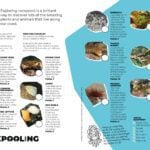
Remember, any rocks or structures along the beach that are underwater at high tide are likely to be homes to tiny sea creatures.
Top rockpooling tips
- Go rockpooling when the tide is going out.
- One to two hours before low tide is best.
- Wear sturdy shoes
- Remember your sunhat and sunscreen in summer
- Pick a bright, wind-free day to see more.
Top rockpooling tips
Most rockpools on the Sussex coast are found on soft, white chalk reefs. This is a globally rare habitat. What makes them different to most other coastal rocks is how soft they are. Sea creatures such as worms, piddocks (a kind of mollusc) and boring sponge can eat into the chalk, in turn creating homes for other creatures.
What to look out for when rockpooling
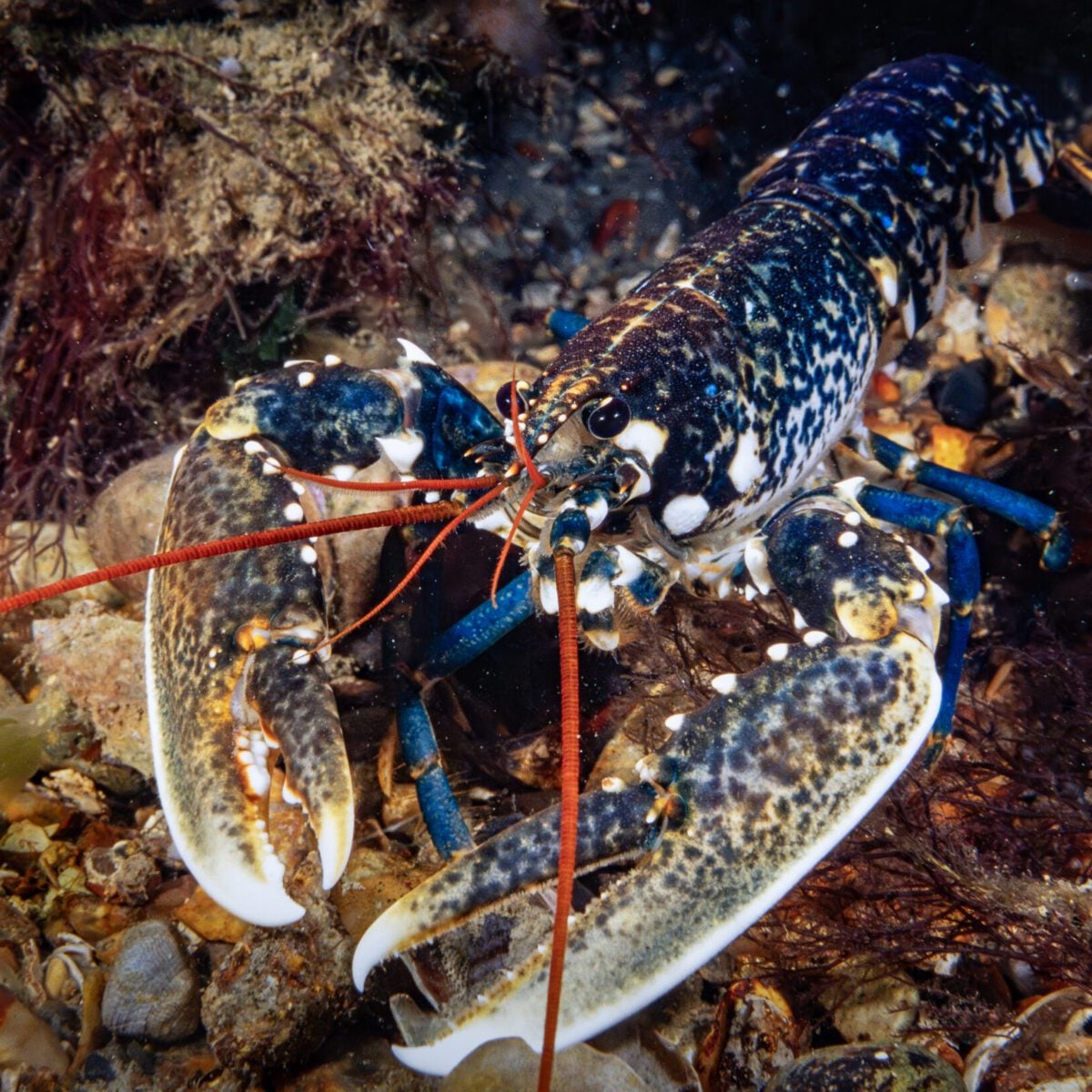
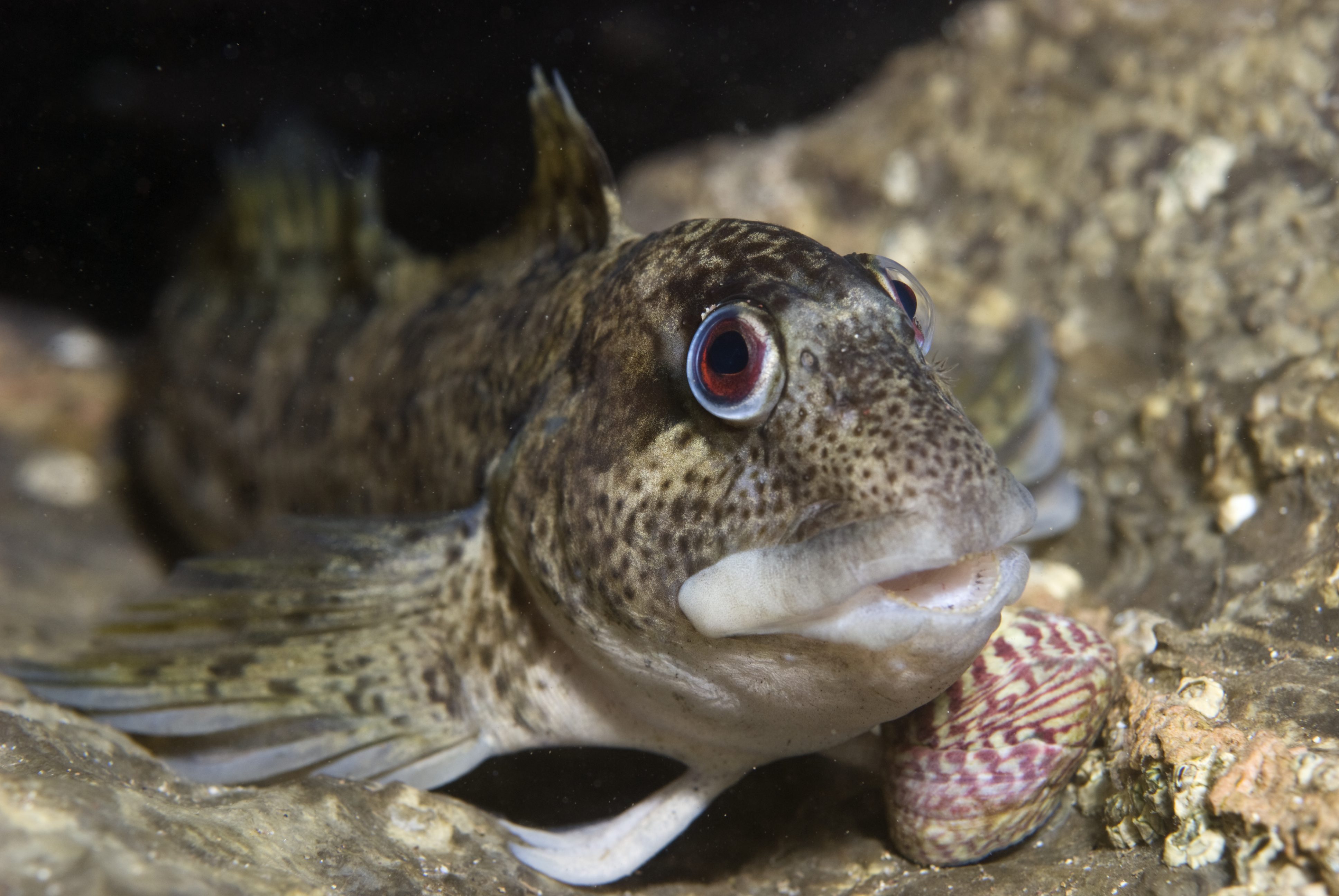
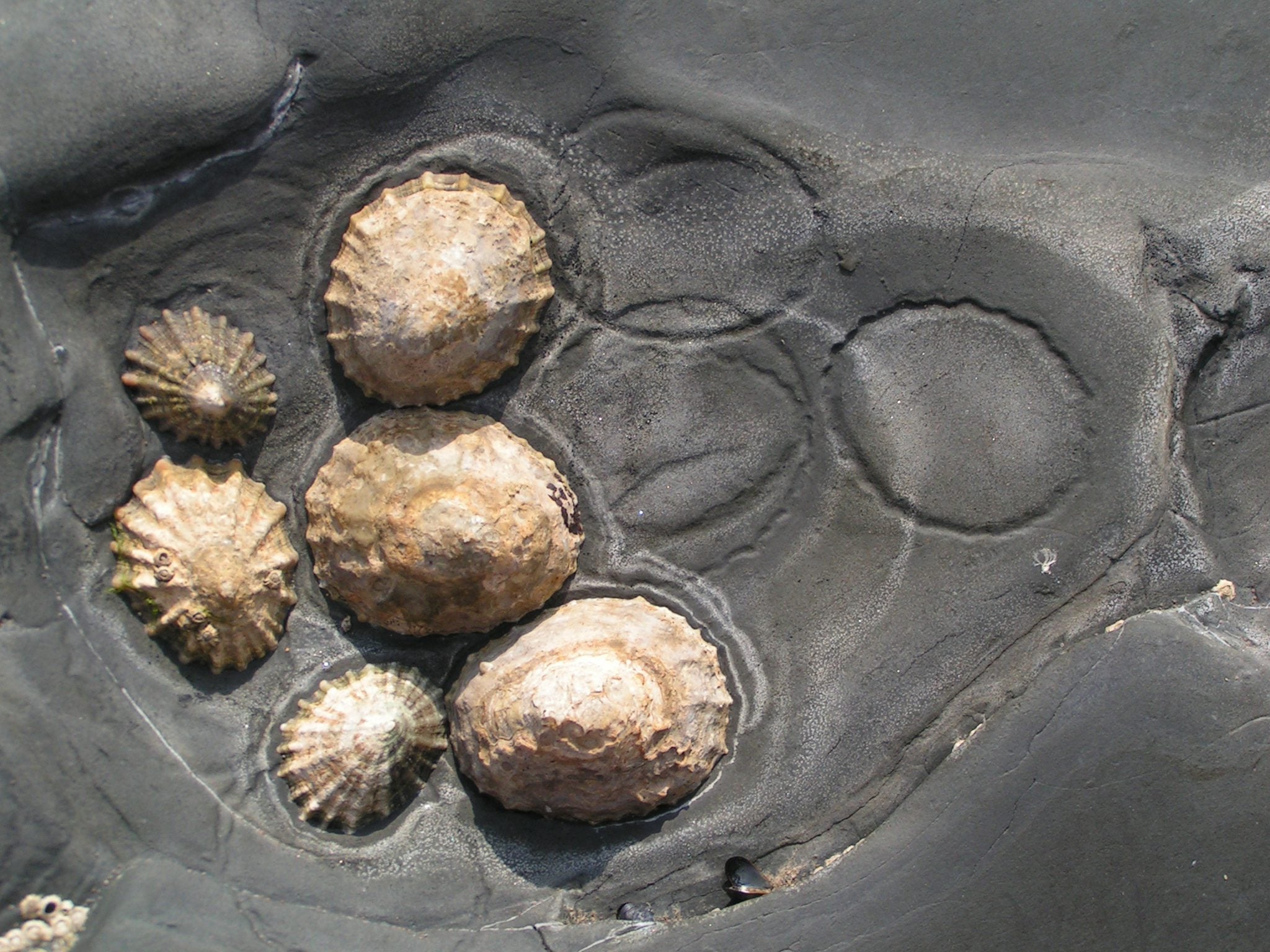
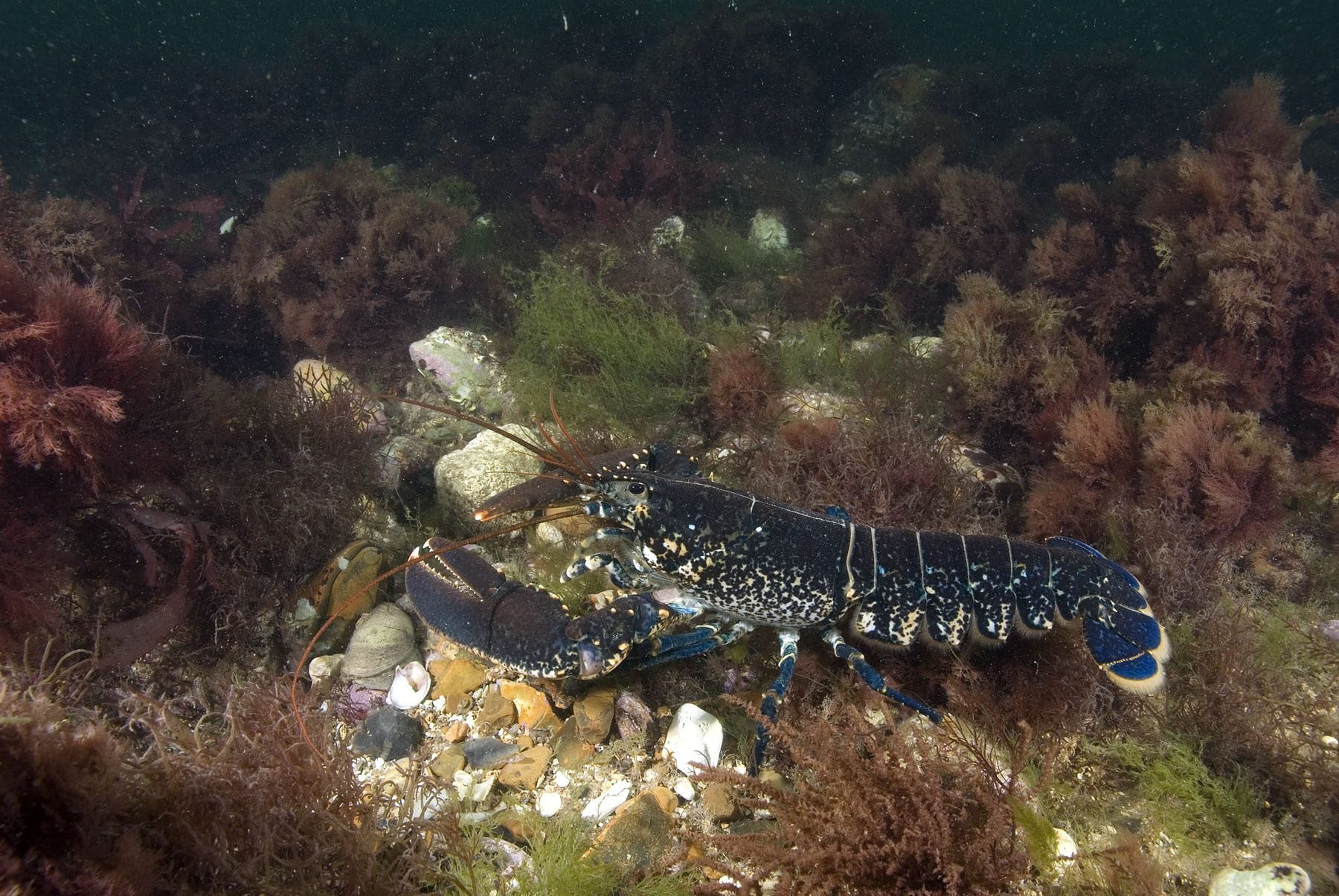
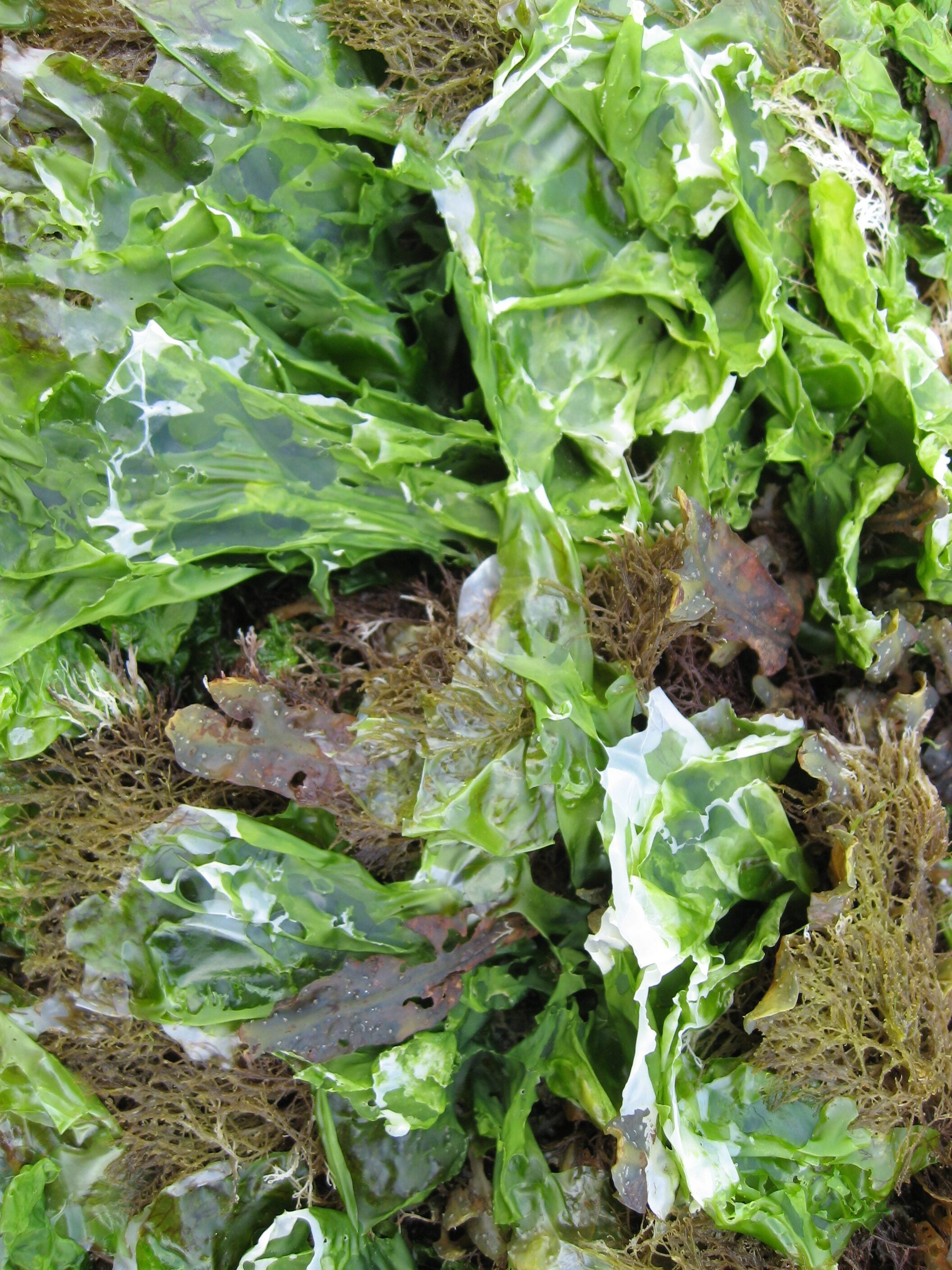
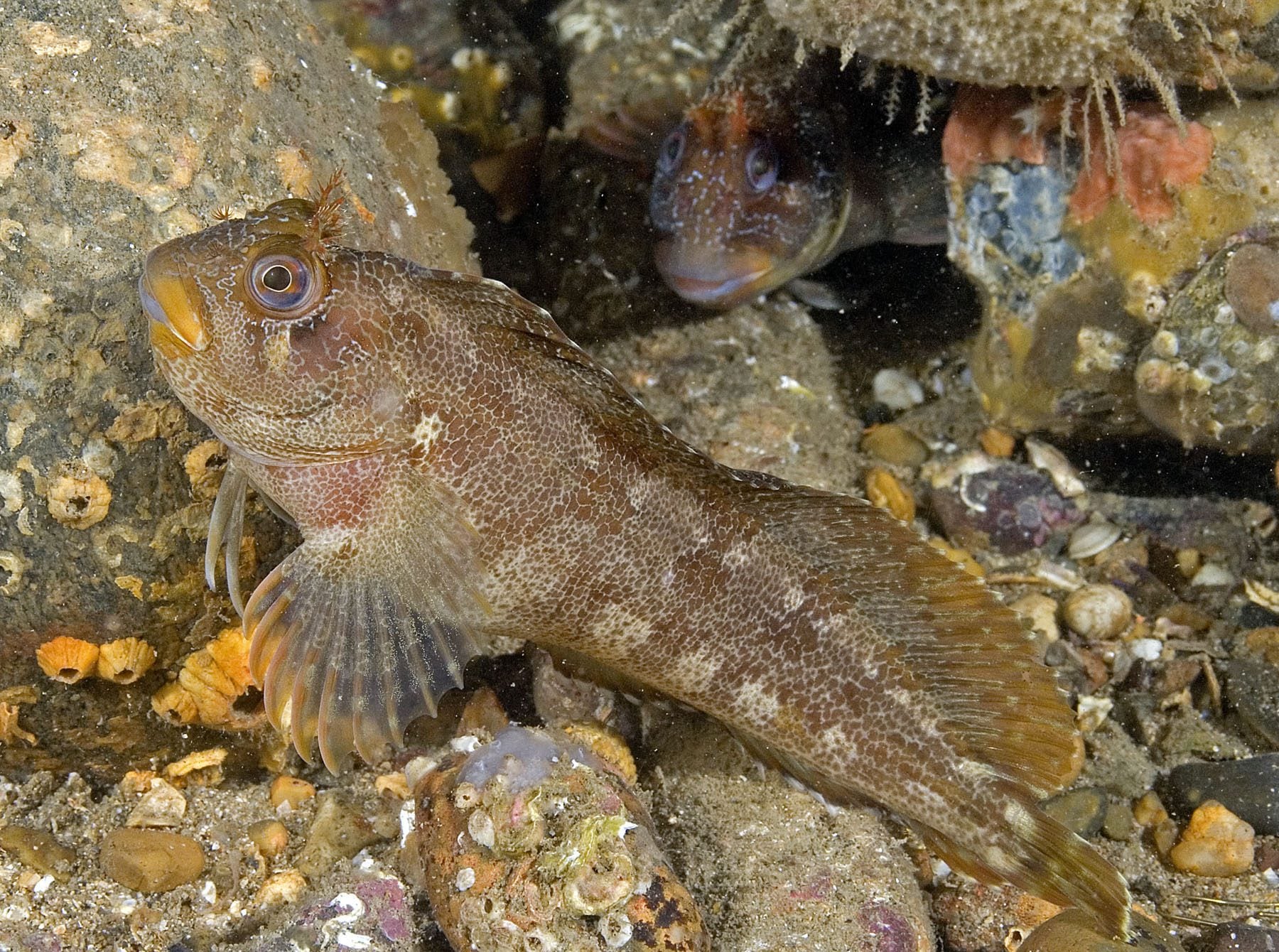
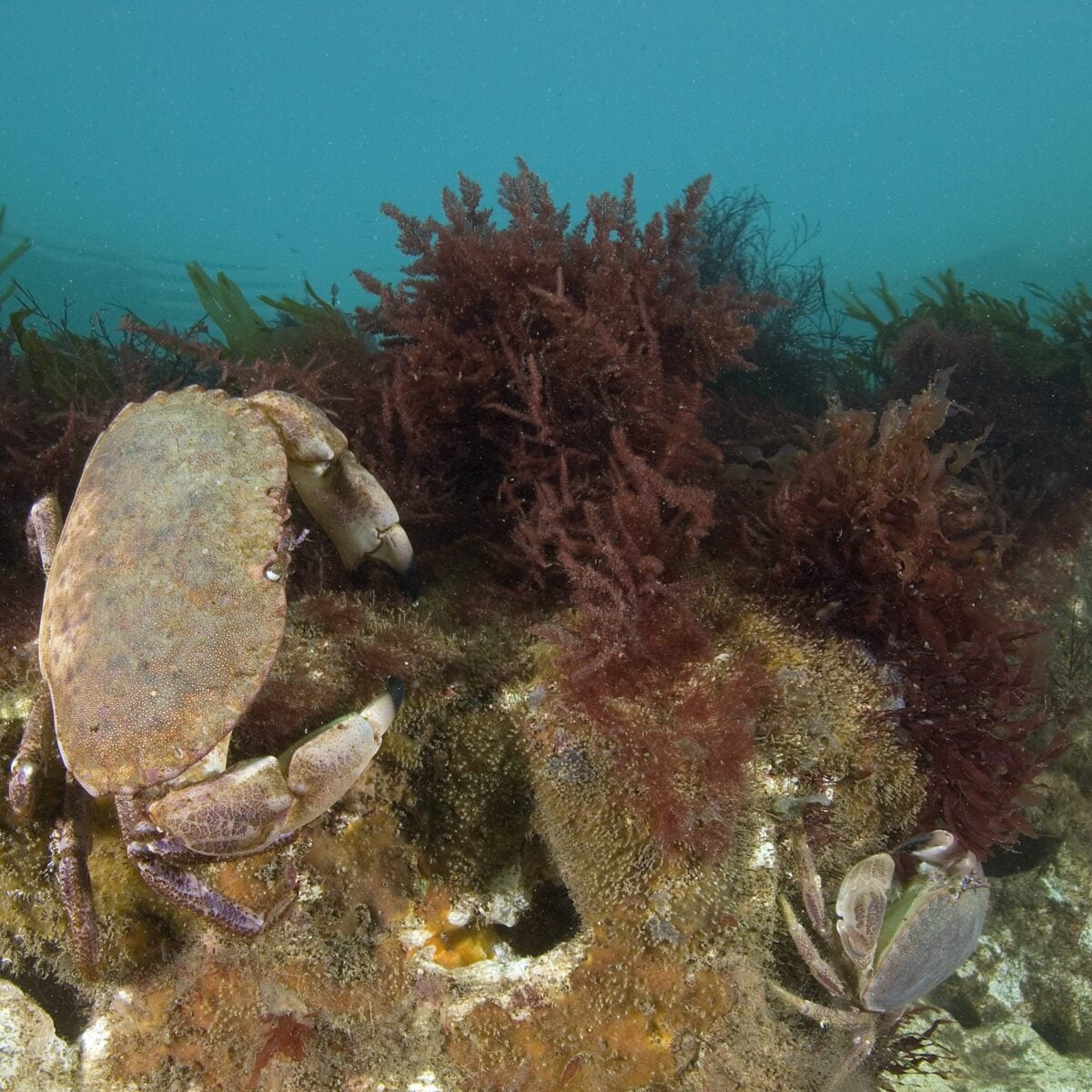
Limpets, piddocks and periwinkles, urchins and anemones, shore crabs and seaweed: our rockpools are filled with beautiful yet tough wildlife, many of them unexpectedly colourful. Everything you see in the rockpools lives in an ever-changing environment. Their homes battered by waves, they must constantly adapt to changes in temperature and exposure to the sun and wind.

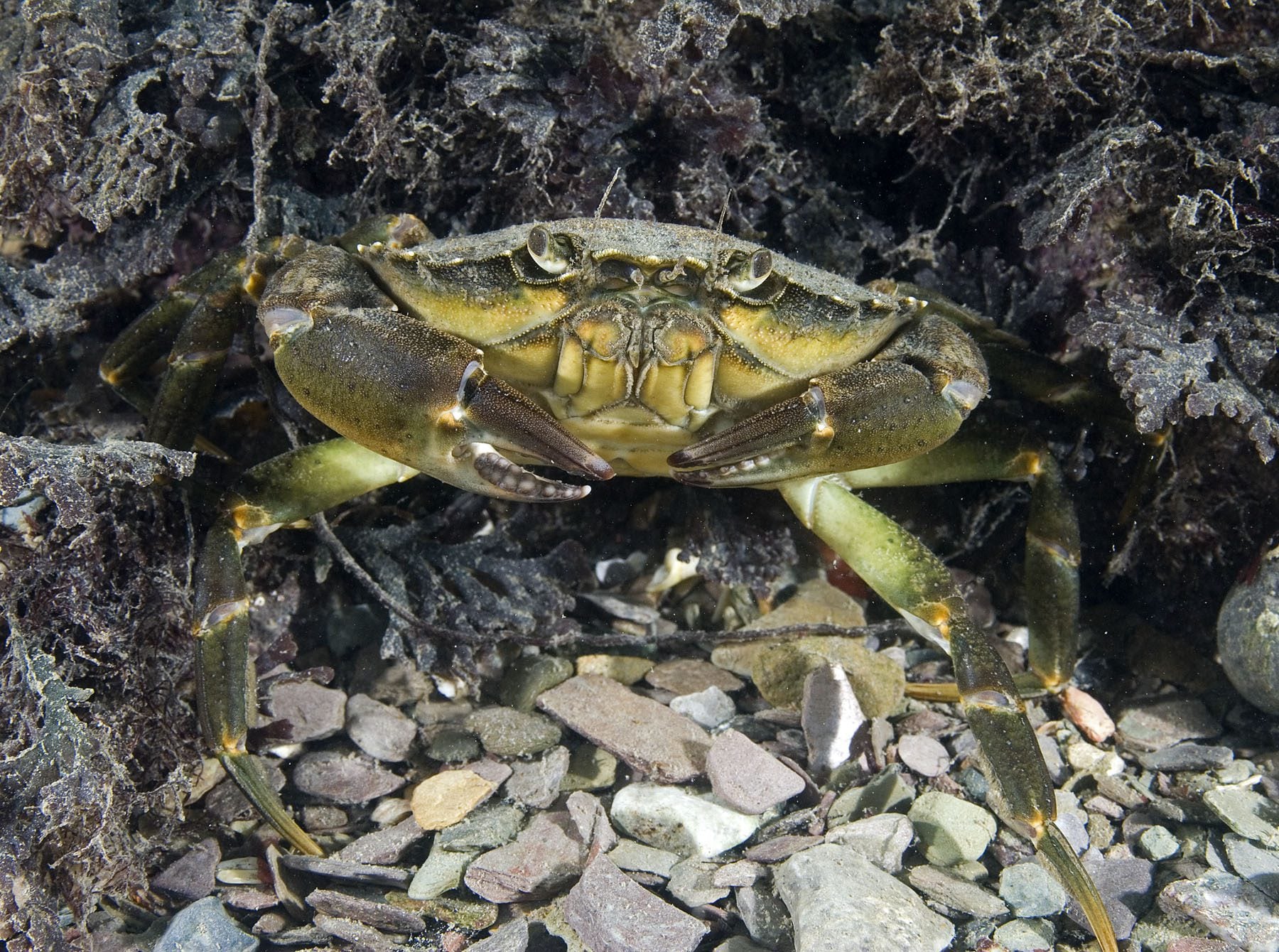
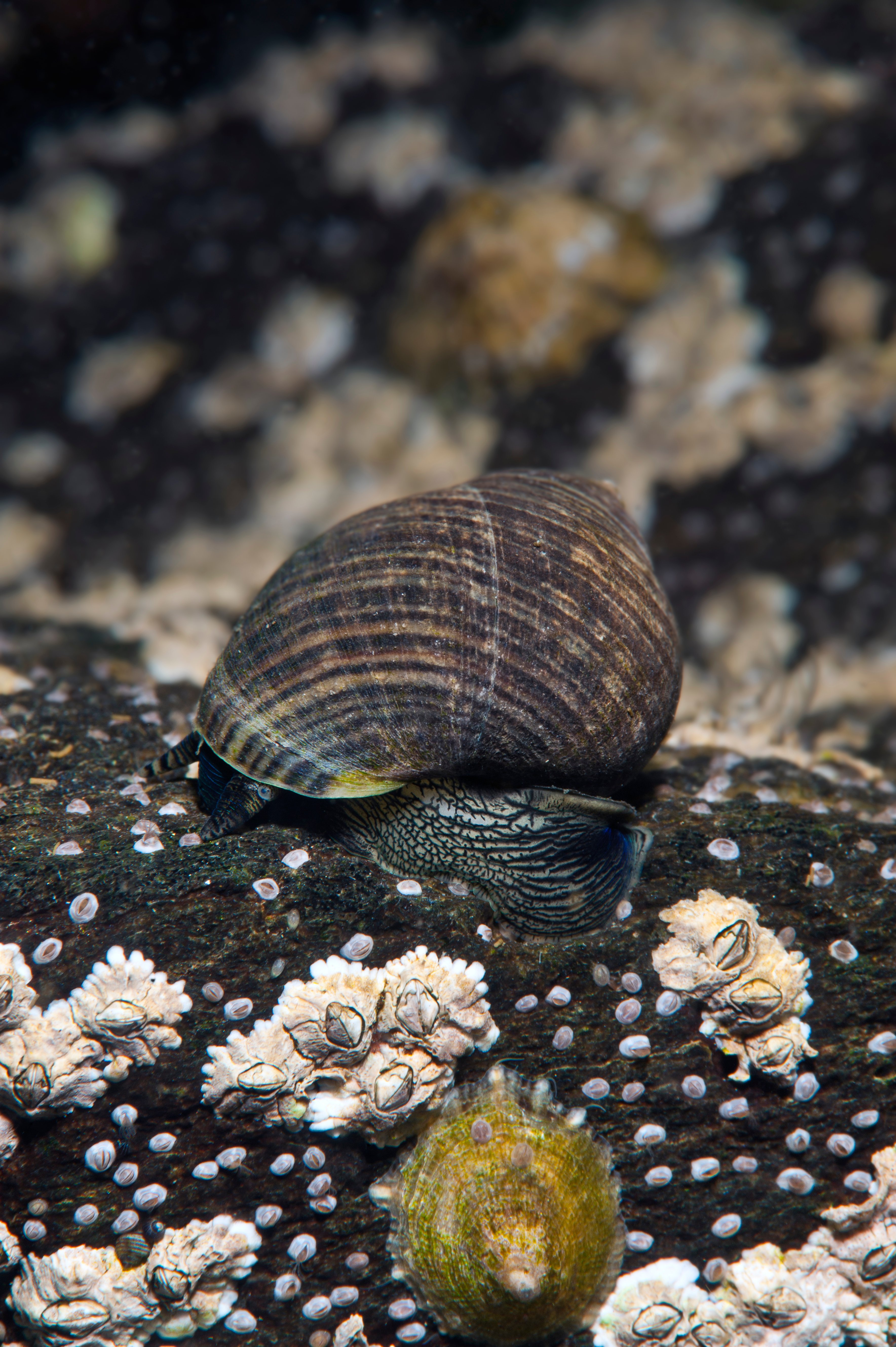
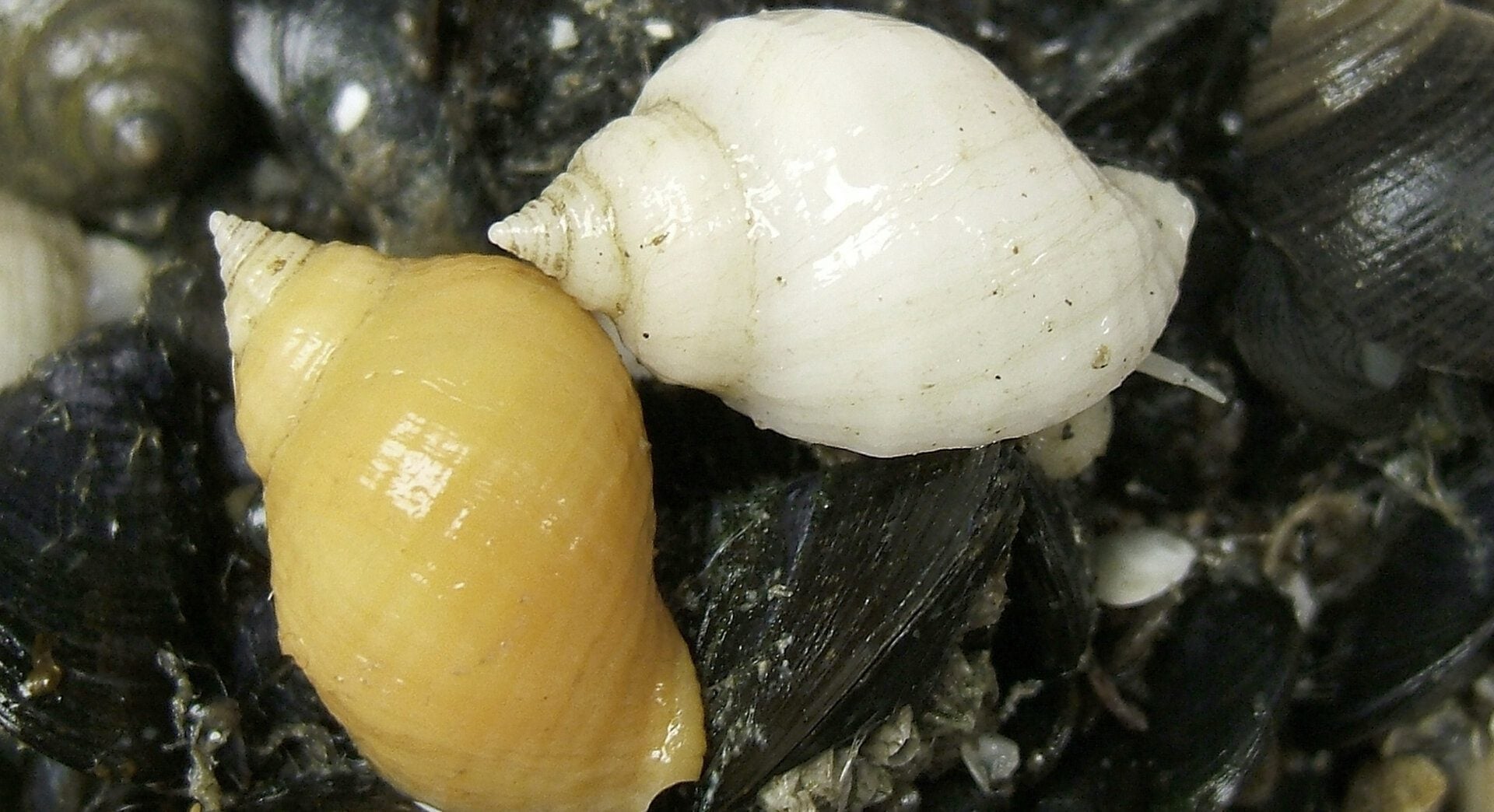
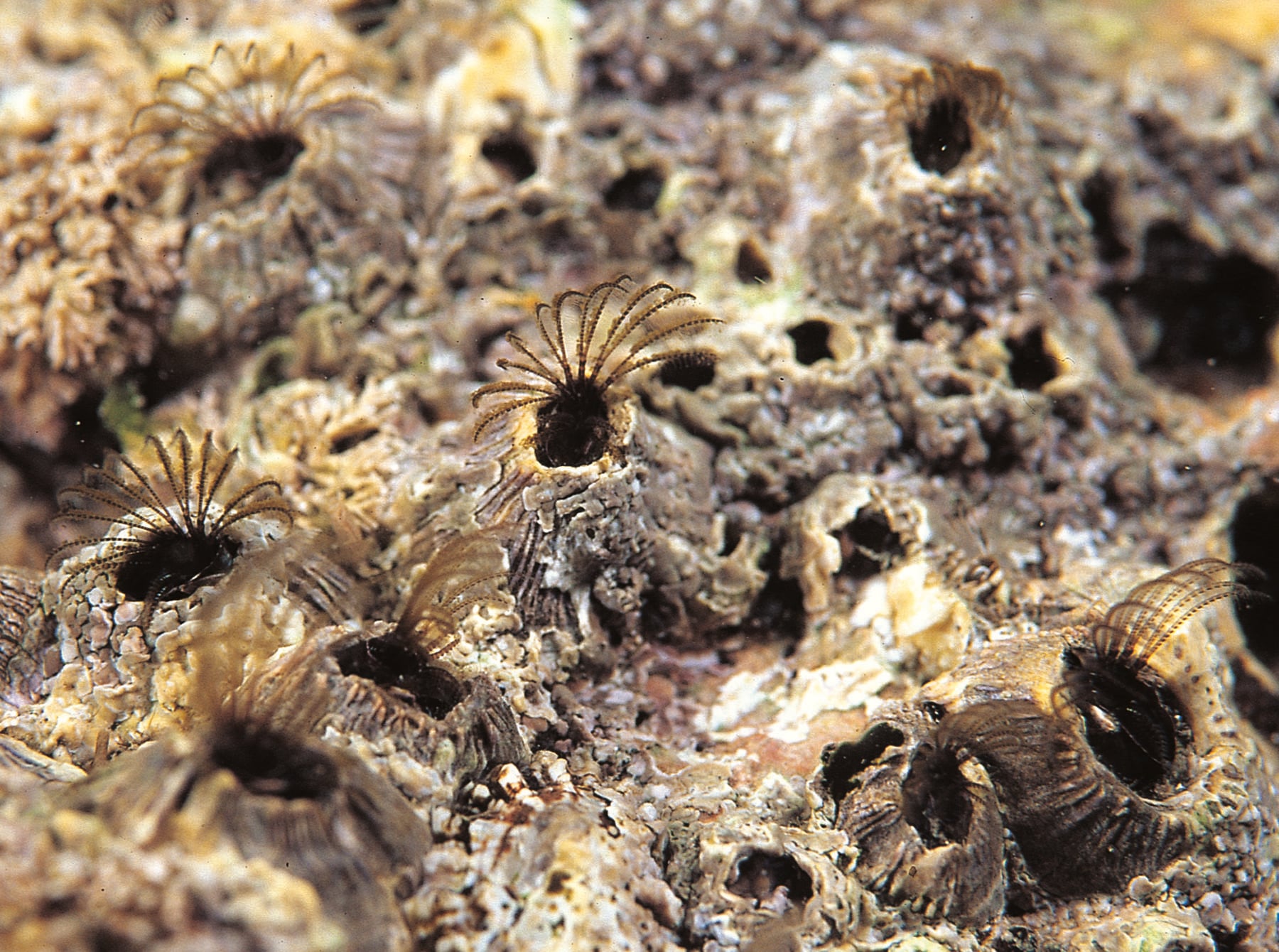
The Seashore Code protects you and nature
Follow the Seashore Code to keep both yourself and wildlife safe as you explore the rockpools. Many of our rockpools on the Sussex coast are found along chalk reefs, a very rare habitat that we need to protect.
Respect the rockpools – remember they are creatures’ homes
Always put rocks and seaweed back exactly as you found them
Be very gentle with animals, and put them back carefully where you found them
Leave all living plants and animals at the coast where they belong
Respect animals like limpets and anemones and leave them attached to the rocks
Give sea birds space so you don’t frighten them
Always take your litter home with you
Take care on slippery rocks don’t rush or run about
Keep an eye on the tide so you don’t get cut off
Keep a safe distance from cliffs
Keep away from soft mud and quicksand
Wash your hands before you put your fingers in your mouth or eat anything