Take action
Become a member
Memberships build our community and give us a predictable income, which lets us plan and sustain longer projects that can have a greater impact. The more members we have, the more we can do to protect the Sussex countryside and coast.
Make a donation
Membership builds our community and gives us a predictable income, which lets us plan and sustain longer projects that can have a greater impact. The more members we have, the more we can do to protect the Sussex countryside and coast.
Overview
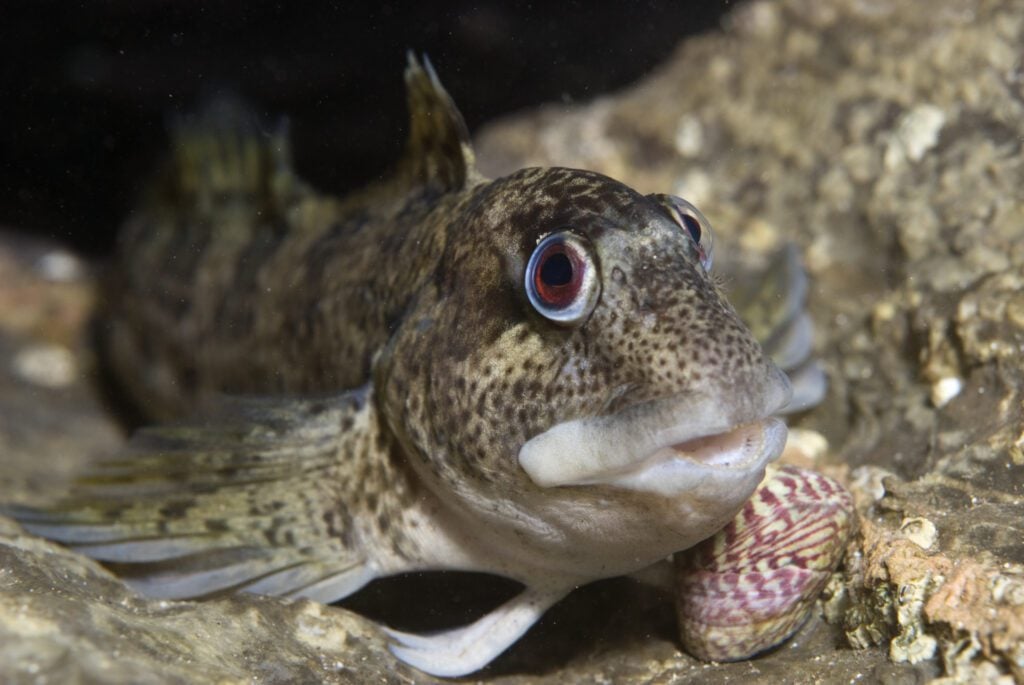
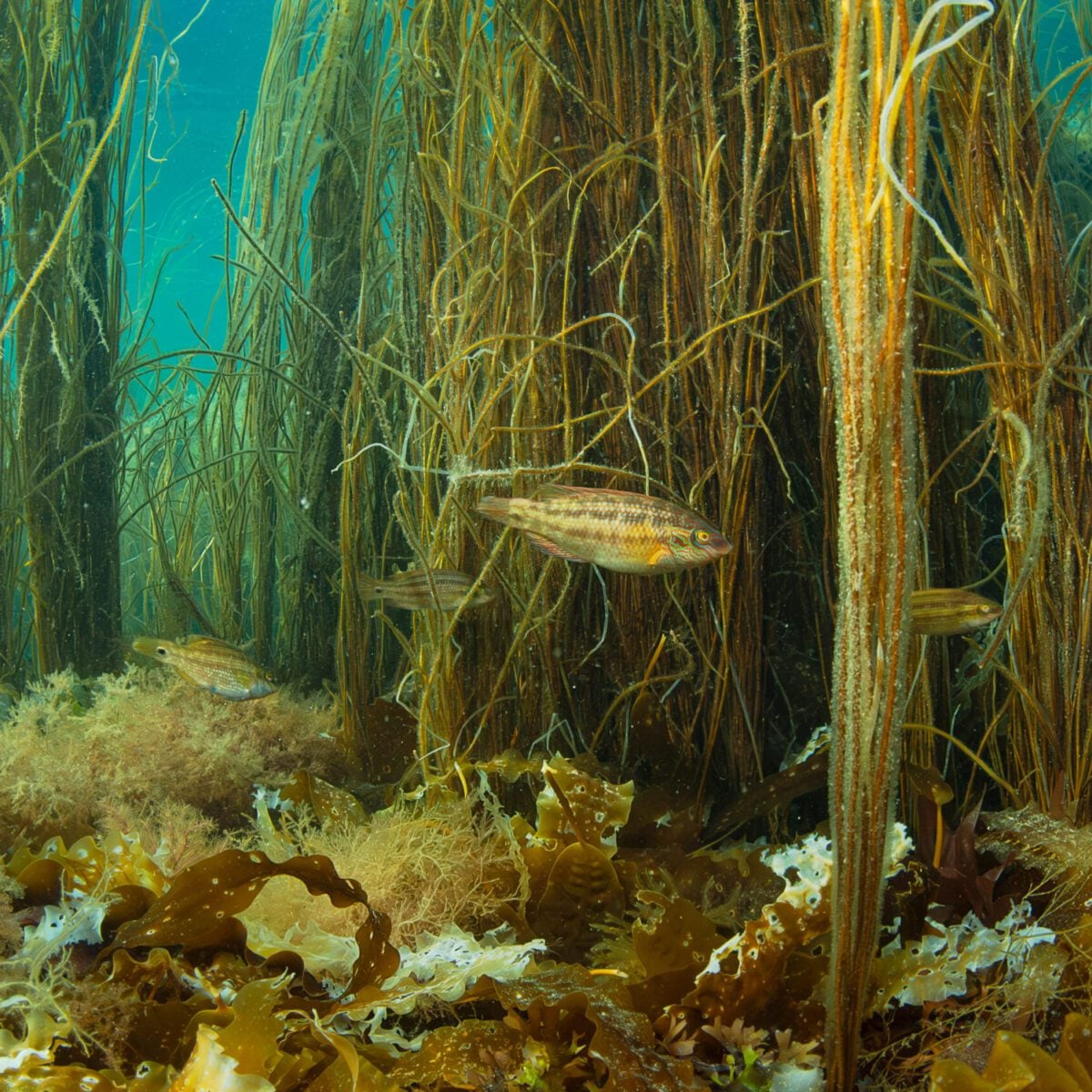
The Shanny is also known by the name Common Blenny. It is a small, elongated fish with a large head and big eyes. It is common in rockpools and shallow waters, but is shy and normally hides under stones or seaweed. They are quite hard to spot when they are lying still as their mottled colouration provides excellent camouflage.
Key Facts
- Variable in colour, normally brown or beige with darker blotches. Males are almost black during the breeding season (April-August). They can be distinguished from the larger Tompot Blenny as they have no tentacles on their heads.
- It is the male Shanny that guards the eggs. Once the female has laid the precious eggs, the father will guard them for over a month against hungry predators. During breeding and nesting, the male Shanny’s colouration darkens to almost black except for his lips which change to bright white.
- They will eat whatever they can find, from seaweed to barnacles and shrimps. The Shanny is sometimes known as the Sea Frog! They are able to survive out of water at low tide and, if disturbed, will leap back into the water – much like a frog does.
- Length: up to 17cm
Status
Common
Seasonality
All year round