Take action
Become a member
Memberships build our community and give us a predictable income, which lets us plan and sustain longer projects that can have a greater impact. The more members we have, the more we can do to protect the Sussex countryside and coast.
Make a donation
Membership builds our community and gives us a predictable income, which lets us plan and sustain longer projects that can have a greater impact. The more members we have, the more we can do to protect the Sussex countryside and coast.
Overview
There is something fascinating about the unknown of the big blue, and once you start to investigate, you realise how truly epic it is.
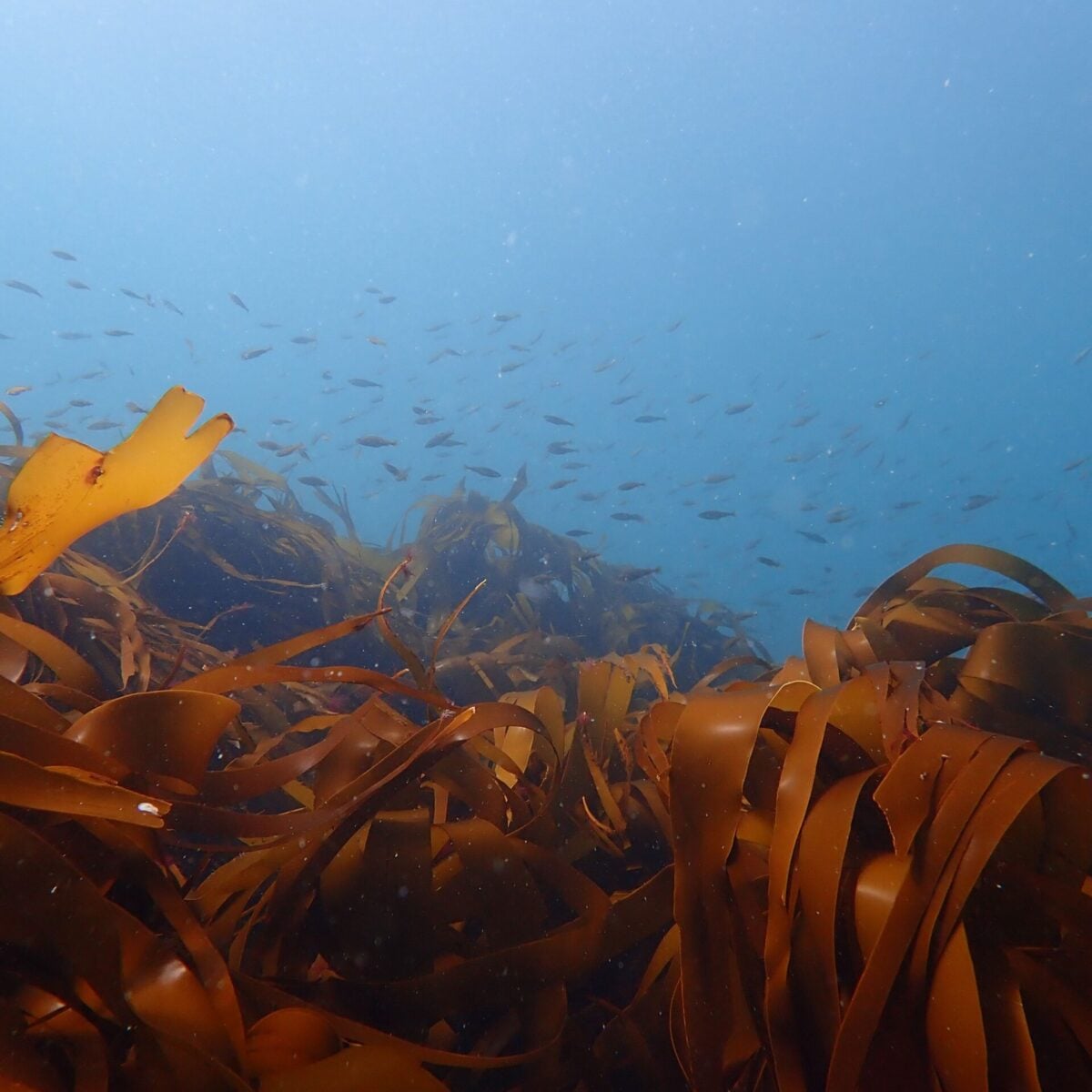
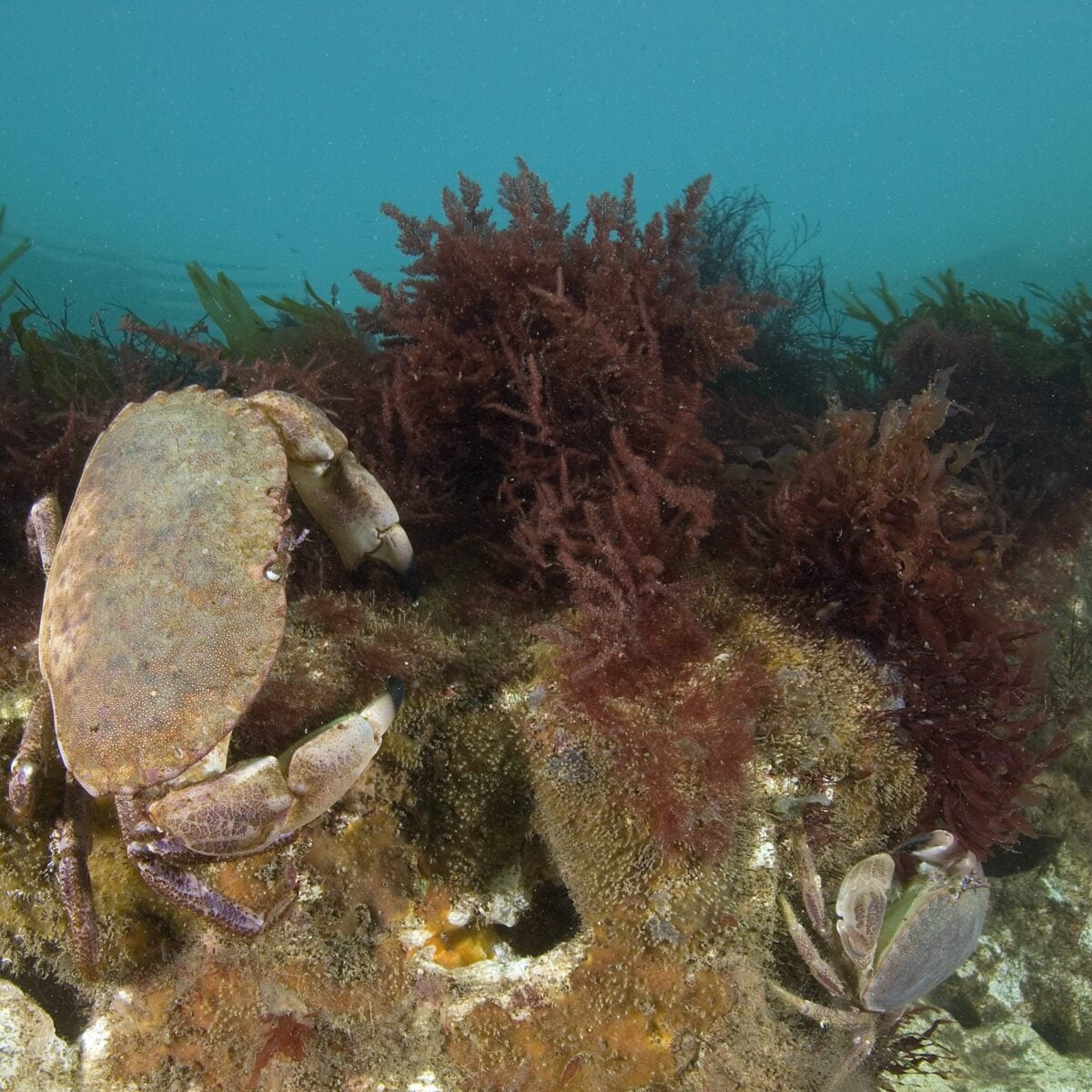
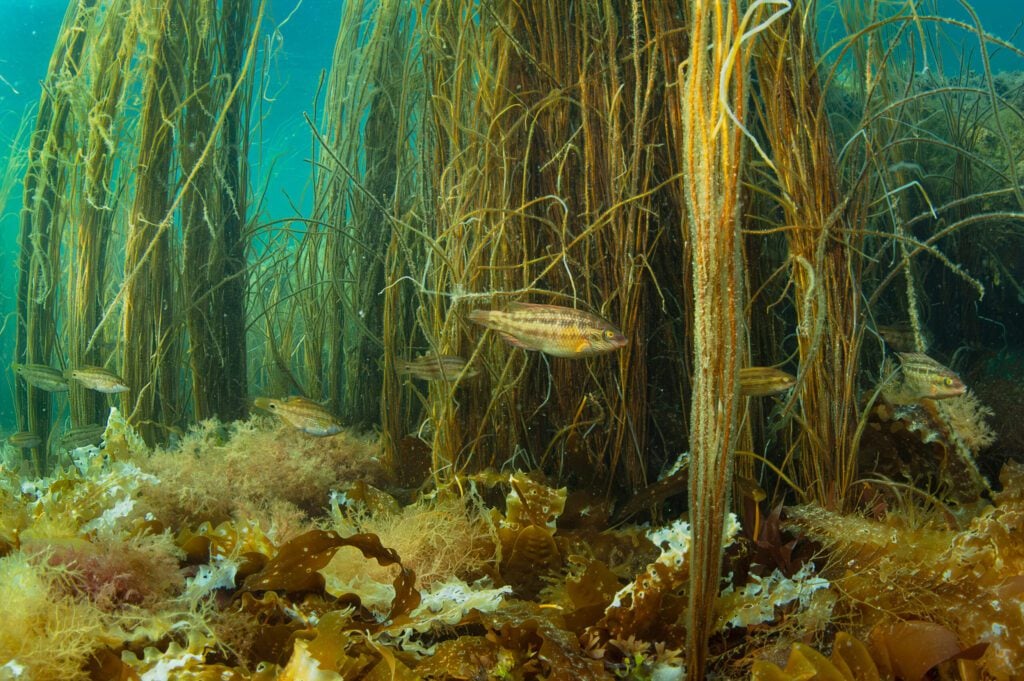
Although much is out of sight from land, the diversity of healthy UK waters has such colour and vibrancy, from royal blue Lobsters to neon Corkwing Wrasse, towering kelp forests and other-wordly nudibranchs.
Sussex seas
Sussex is home to a significant number of chalk reefs; a globally scarce habitat. Providing a rocky surface on the seabed for creatures to shelter and hold on to, these precious environments support high levels of biodiversity and thriving ecosystems.
We have one of the largest trawling byelaws in the UK, stretching from Chichester in the West to Rye in the East, which prohibits damaging trawling practices.
Sussex Wildlife Trust, and many other county-based organisations, advocate and campaign for our ocean, and are passionate about marine ecosystems being protected and restored in line with terrestrial environments.
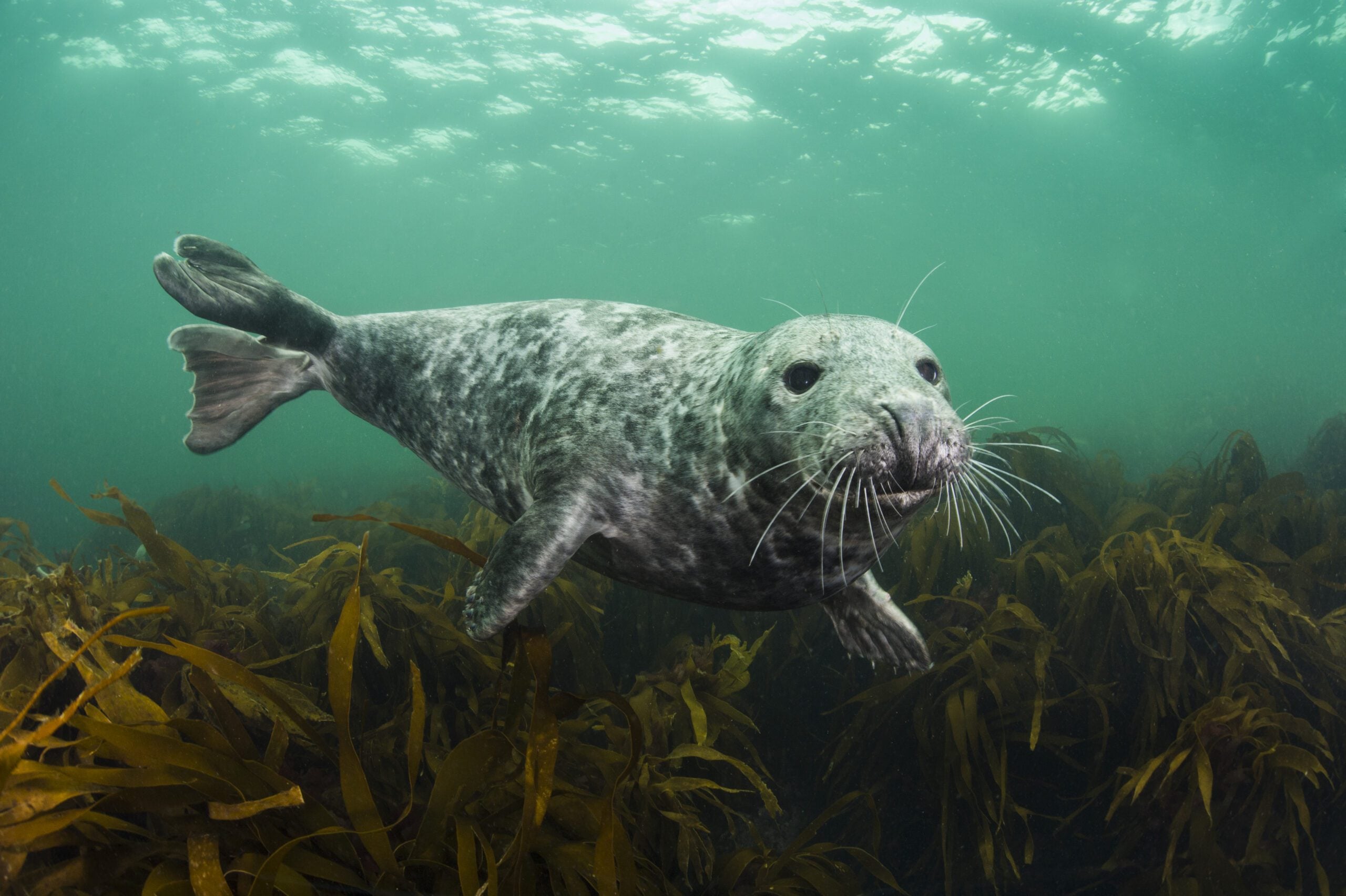
Our oceans are under threat
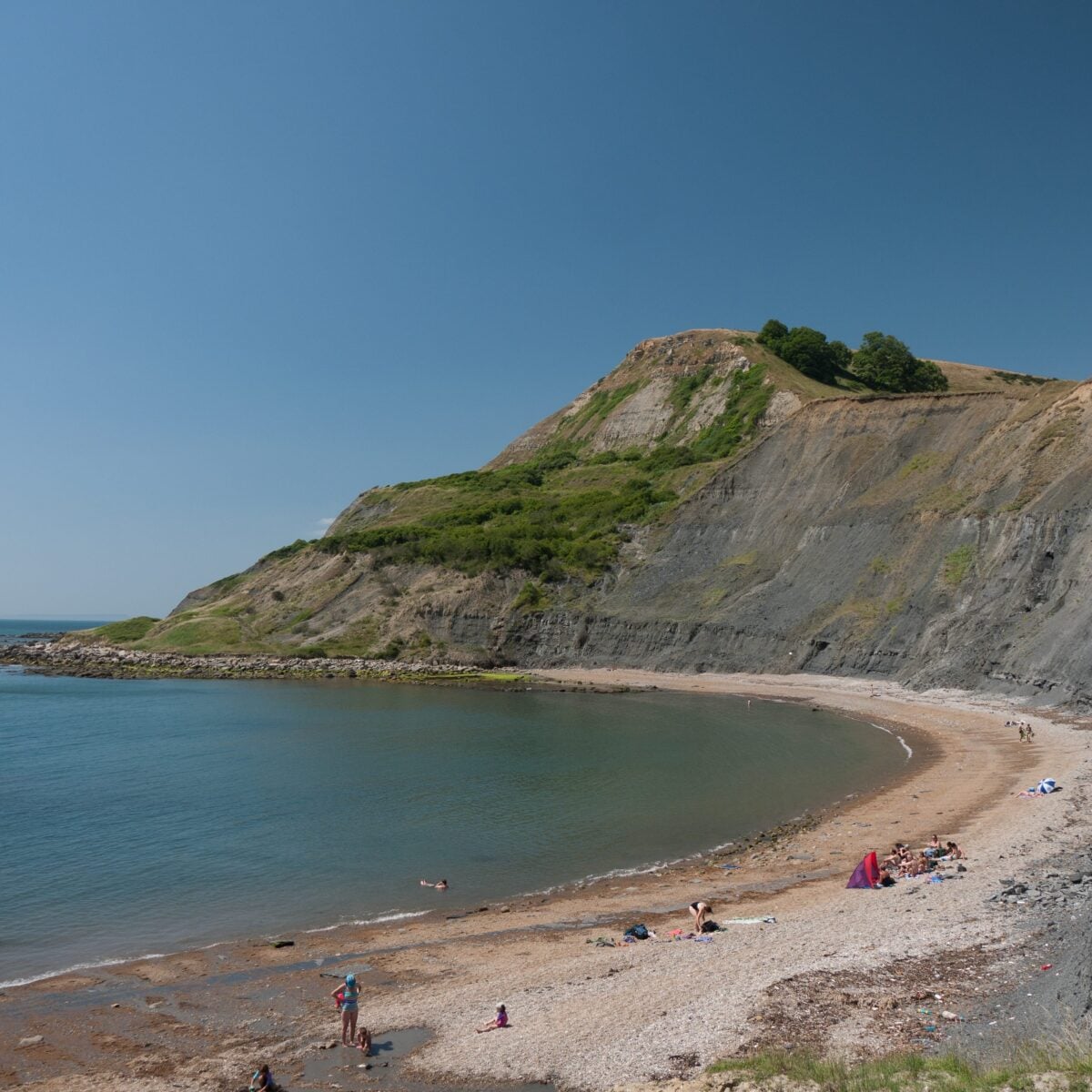
The UK is an island nation, and many of us in Sussex, and other coastal counties, value the access and connections being sea-side provides. But our oceans are not a luxury. They are a lifeline. A critical feature of our ecosystem, which we and all other life on earth could not survive without. Our disconnect with the ocean environment is contributing to its demise, and we must turn it around.
As a result of its richness, our marine environment is under threat. Overexploitation of fish stocks is causing the decline of many once-familiar species. Pollution from sewage discharge, oil spills and nutrient run-off is extremely toxic to sea life, while physical disturbance from dredging, mobile fishing gear, boat anchoring and coastal development are also taking their toll on marine habitats.
How can you help to protect Sussex seas?
- If you do eat fish, avoid the ‘Big 5’ – prawns, tuna, salmon, haddock and cod
- Take your beach litter home – even litter placed in bins can escape and blow into the water
- Give marine life lots of space – whether seals hauled out on beaches, birds on the shingle, or fish seen when diving, watch respectfully from a distance
- Take part in a beach clean to help keep our coastline free of harmful pollution