Take action
Become a member
Memberships build our community and give us a predictable income, which lets us plan and sustain longer projects that can have a greater impact. The more members we have, the more we can do to protect the Sussex countryside and coast.
Make a donation
Membership builds our community and gives us a predictable income, which lets us plan and sustain longer projects that can have a greater impact. The more members we have, the more we can do to protect the Sussex countryside and coast.
Overview
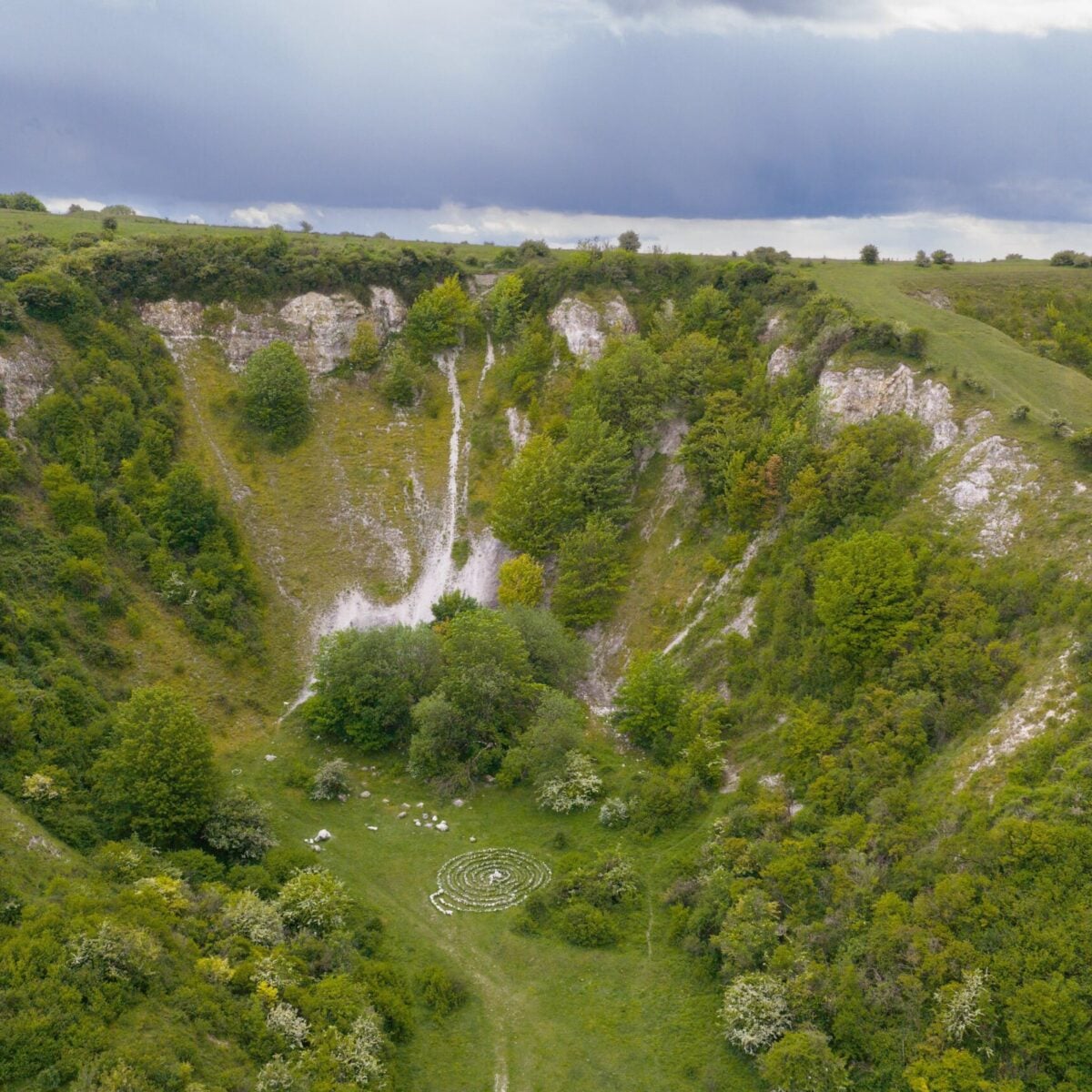
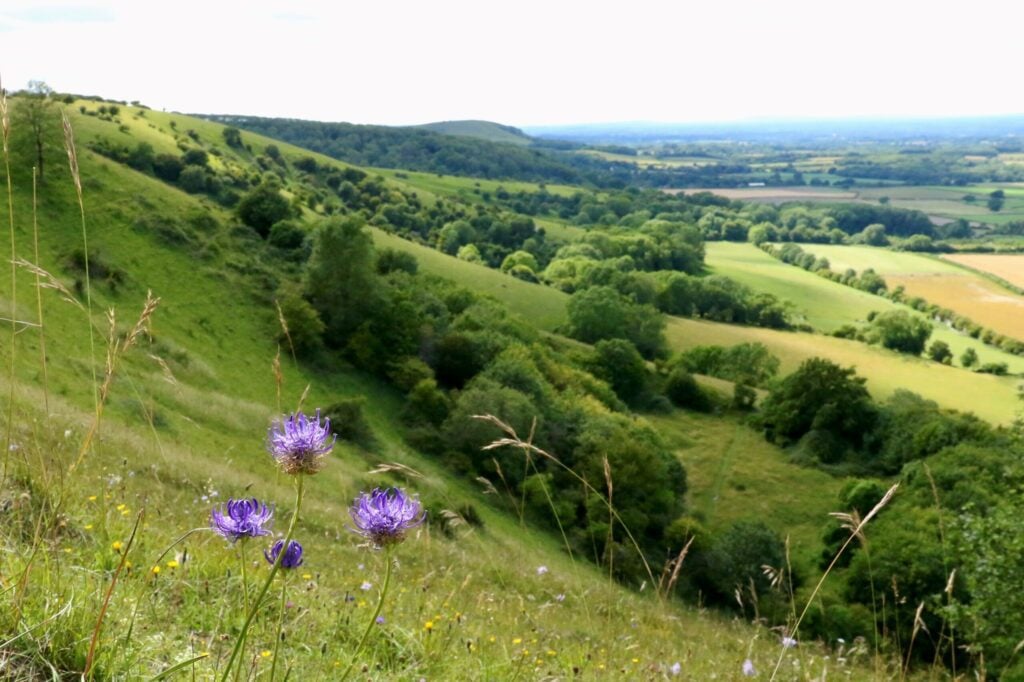
In summer, well-kept chalk grassland is a riot of colours, with one of the greatest diversities of life of any UK habitat.
Soils on chalk tend to be thin and low in nutrients. While that may sound like a bad thing, it means that plants have to work hard to survive, and no one species can dominate. This sets the scene for a varied mosaic of flowers to coexist, which in turn support communities of insects.
Careful grazing is vital to maintain the wild species diversity on chalk grassland, keeping much of the sward low. Sussex Wildlife Trust uses a combination of sheep, cattle and ponies to protect chalk grassland on downland reserves such as Ditchling Beacon and Malling Down.
Why Sussex?
Encompassing much of the South Downs, Sussex has some of the biggest areas of chalk of any county in England. A long history of grazing on the South Downs has created specialised and globally rare habitats.
Here in Sussex, chalk grassland is our local speciality. It’s a habitat so intricately diverse that it has been dubbed the European equivalent of tropical rainforest. If you were to shrink down to the size of a Yellow Meadow Ant, one of the Downs’ myriad insect inhabitants, it would feel like trekking through dense jungle, complete with towering grasses and colourful, exotic flowers.
Chalk grassland history
Chalk grassland is thought to include some of our most ancient grasslands. Woodland clearance, which started during the Mesolithic Period, may have occurred first in areas where the woodland was sparse, such as on the thin, well-drained soils found over limestone. Subsequent grazing prevented natural succession back to scrub and woodland and, together with the thin soils, discouraged more vigorous, bulky plants. Together with the warm, dry climate, this created conditions suitable for the characteristic flora and fauna we so appreciate today.
How can we protect and restore chalk grassland?
- Avoiding intensive farming on chalk grassland, including the modification of pasture with artificial fertilisers and herbicides
- Careful grazing – the right grazing in the right place at the right time
- Celebrating how rare and precious this habitat is so that more people fight to save it