
By David Nash and Peter Anderton – Sussex Geodiversity Partnership
The geodiversity of an area covers everything; from the types of rocks, minerals, fossils, soils and landforms that are found there, to the processes, like river erosion, that shape the landscape today and sculpted it in the past.
Under our feet
Geodiversity plays a fundamental role in sustaining human life, which is why the United Nations celebrate International Geodiversity Day every 6th October. For example, rocks and sediments provide geological resources that underpin the development of modern economies. River flow is maintained during dry spells by the input of geologically stored groundwater. Crucially, geodiversity also provides the foundation for all habitats, ecosystems and biodiversity. In Sussex, geodiversity is dominated by the chalk rock that underlies the South Downs and by the older sandstones and clays that underlie the High Weald, Low Weald and the Wealden Greensand landscapes.
Travel back in time
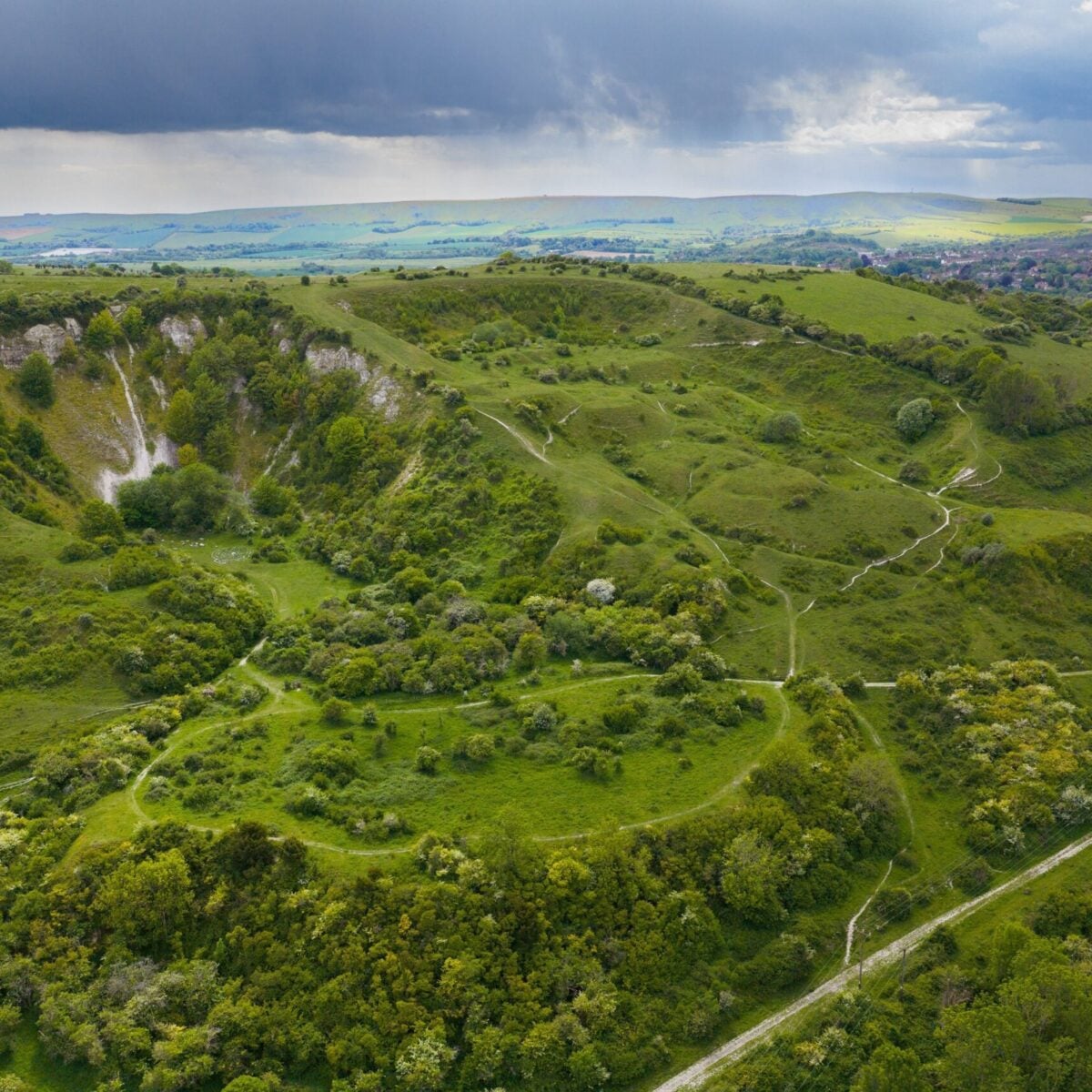
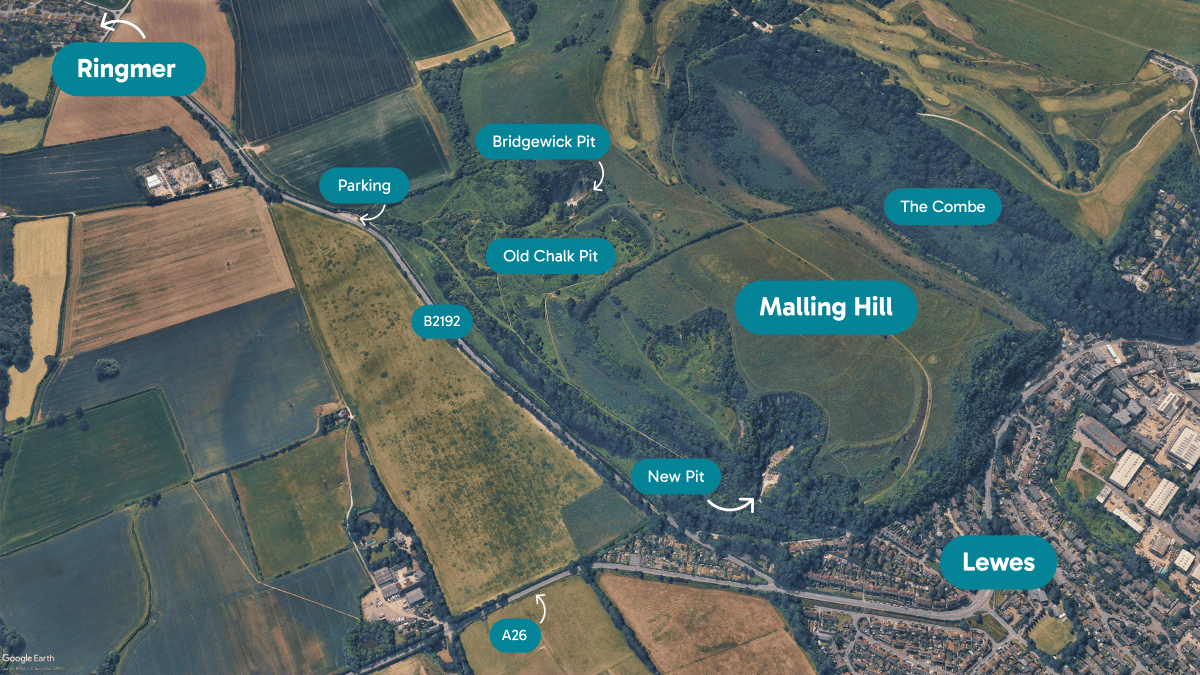
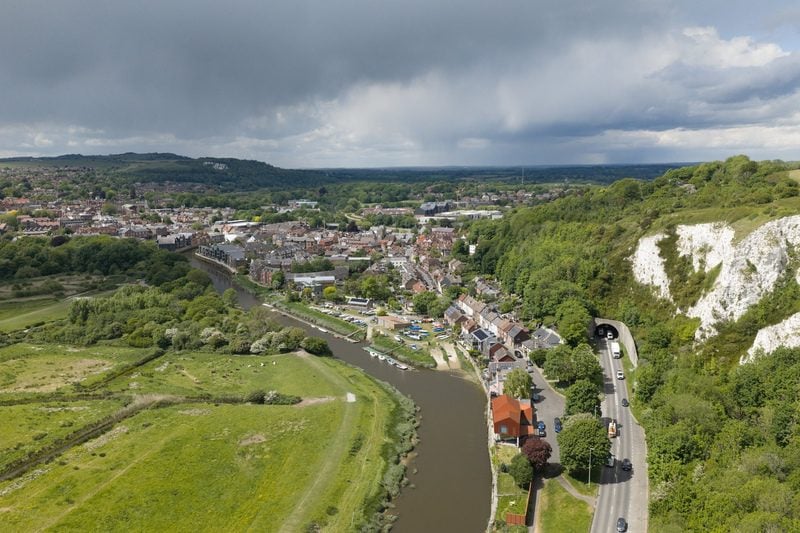
If you want to appreciate the relationship between geodiversity, biodiversity and society, take a trip to the Malling Down Nature Reserve, just east of Lewes. Aside from amazing views across the River Ouse, the reserve contains excellent exposures of chalk rock. The chalk was deposited between 66 and 100 million years ago during the Upper Cretaceous period and has been used over the centuries for a variety of agricultural and industrial purposes. For most of that time it was extracted from small pits, but the industrial revolution led to the excavation of large quarries.
Finding fossils within the chalk pits
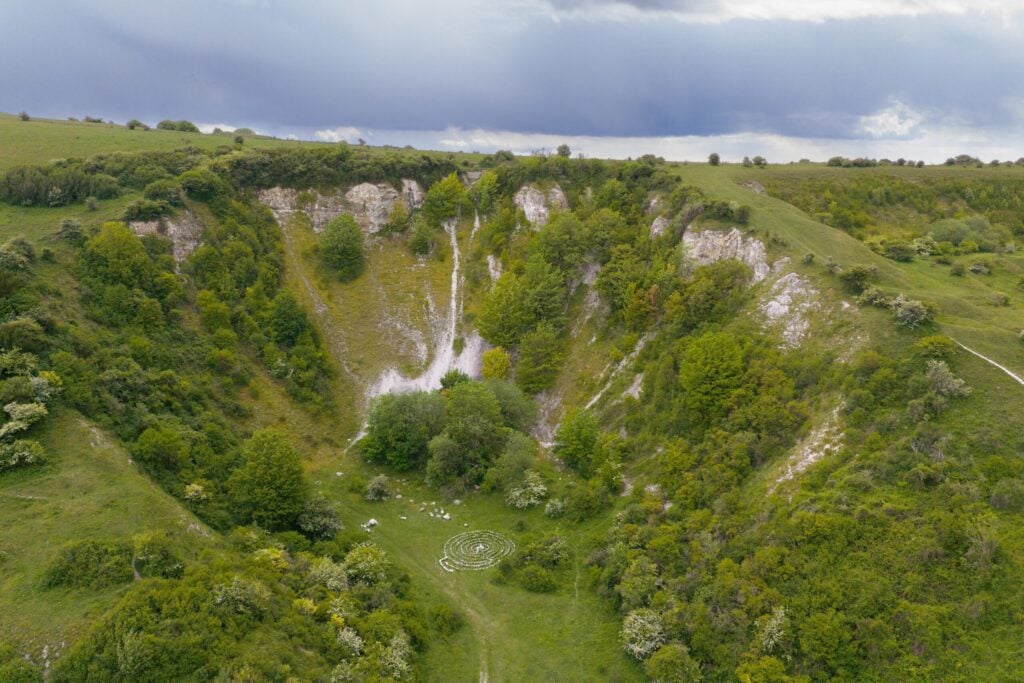
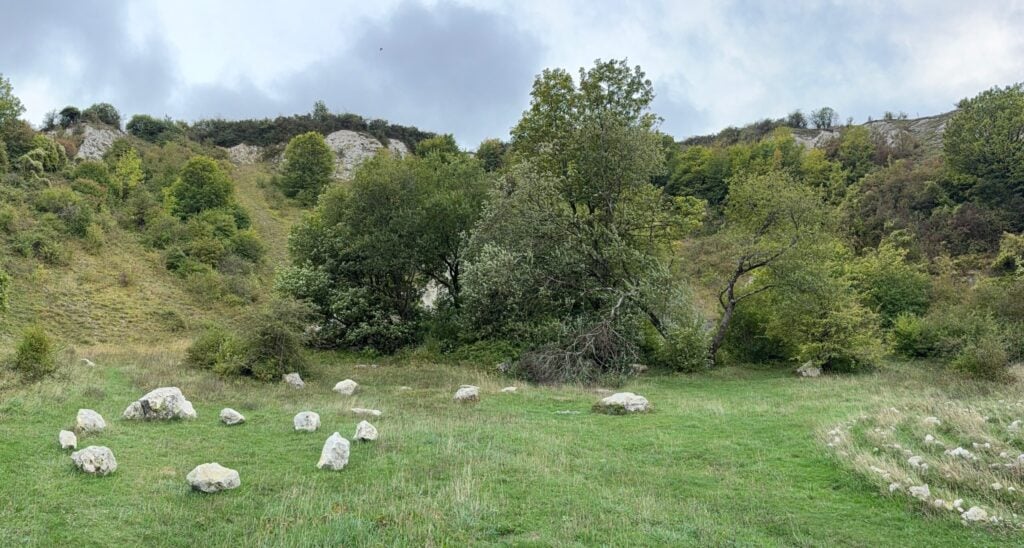
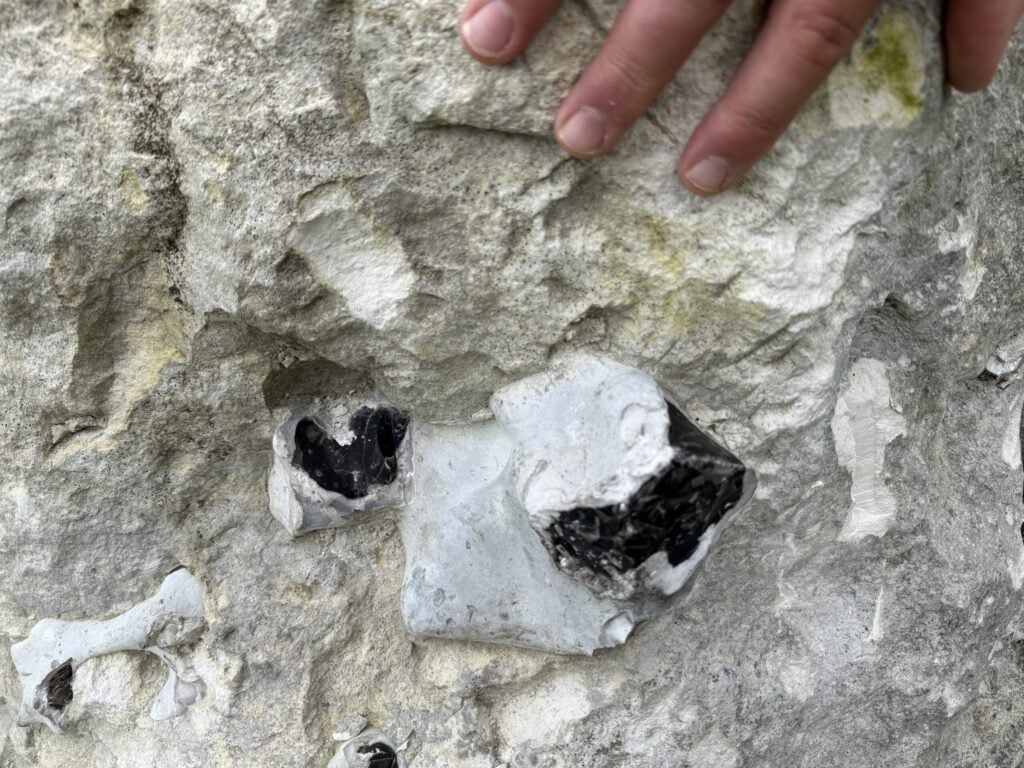
Bridgewick Pit, in the northeast corner of the Nature Reserve, is a safe and publicly accessible place to see the chalk. The pit is overgrown but low cliffs of white chalk are visible at the top of the debris slope. Large blocks of chalk lie on the quarry floor, some relatively fresh and white, and others weathered and grey. Many contain irregular shaped flints as well as characteristic fossils such as brachiopods, bivalves and echinoids. These indicate a marine environment of deep, clear waters, at the time the chalk was deposited.
Chalk soils driving biodiversity
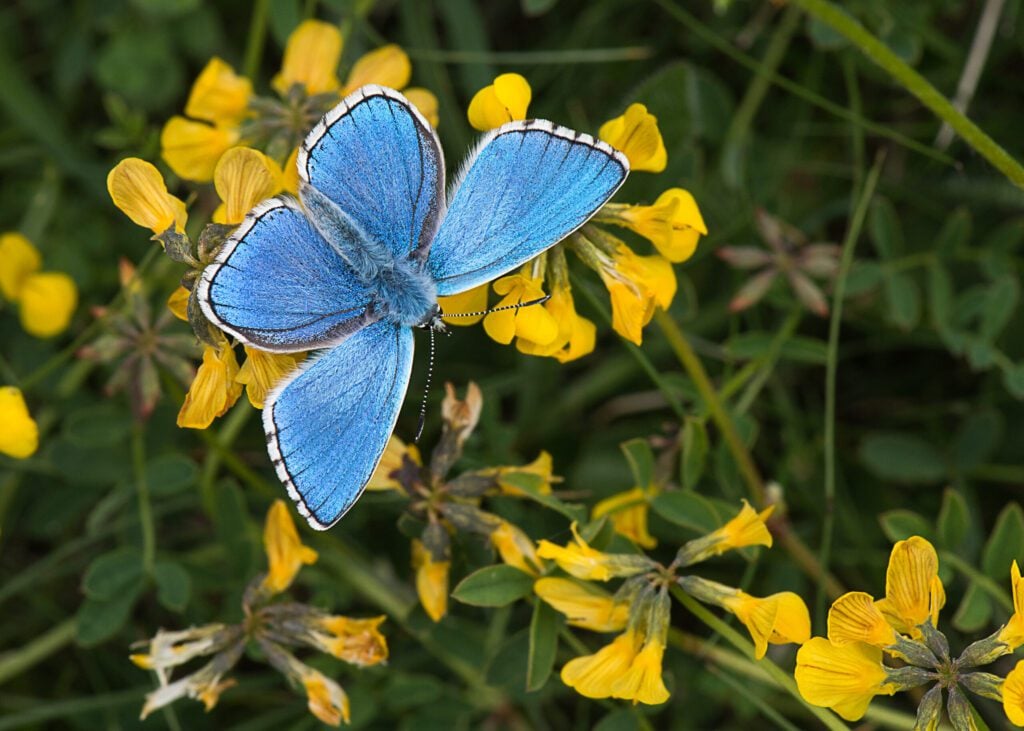
Having visited the pit, take a walk towards Malling Hill and see the grasslands that cover the hillside. The range of plant species here is directly influenced by the chalk bedrock. Chalk soils are typically thin and infertile; inhospitable for many plant species. However, these soils do create the perfect habitat for rare chalk grassland wildflowers including the Round-headed Rampion, Common Spotted, Fragrant and Musk Orchids. These plants, in turn, support a variety of insects, including the rare Adonis Blue butterfly. This diversity of species would not be here if it wasn’t for the geodiversity of the chalk in its solid and weathered form.
For more information on geodiversity, head to the Sussex Geodiversity Partnership and Lewes History Group.
Leave a Reply