Take action
Become a member
Memberships build our community and give us a predictable income, which lets us plan and sustain longer projects that can have a greater impact. The more members we have, the more we can do to protect the Sussex countryside and coast.
Make a donation
Membership builds our community and gives us a predictable income, which lets us plan and sustain longer projects that can have a greater impact. The more members we have, the more we can do to protect the Sussex countryside and coast.
Overview
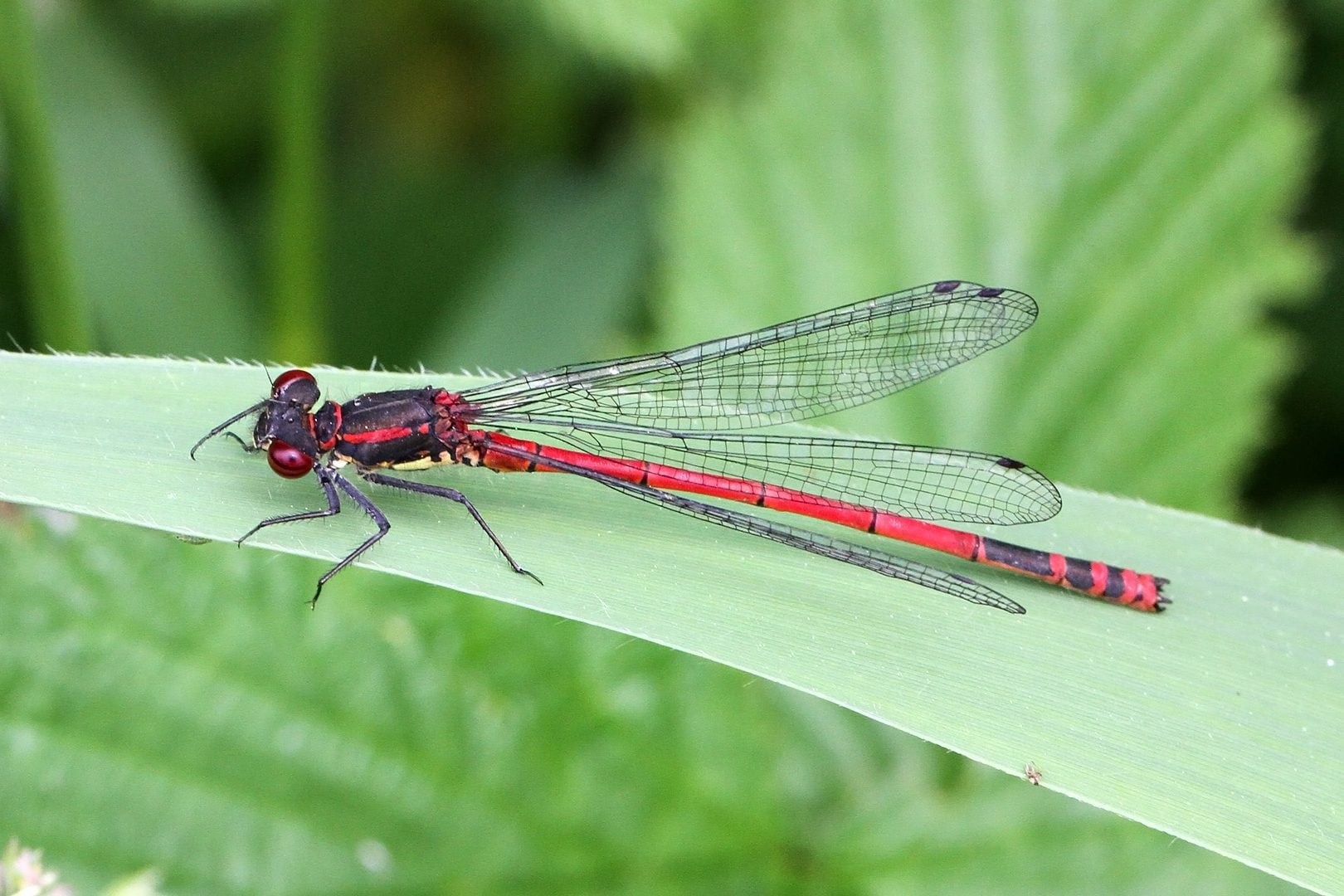
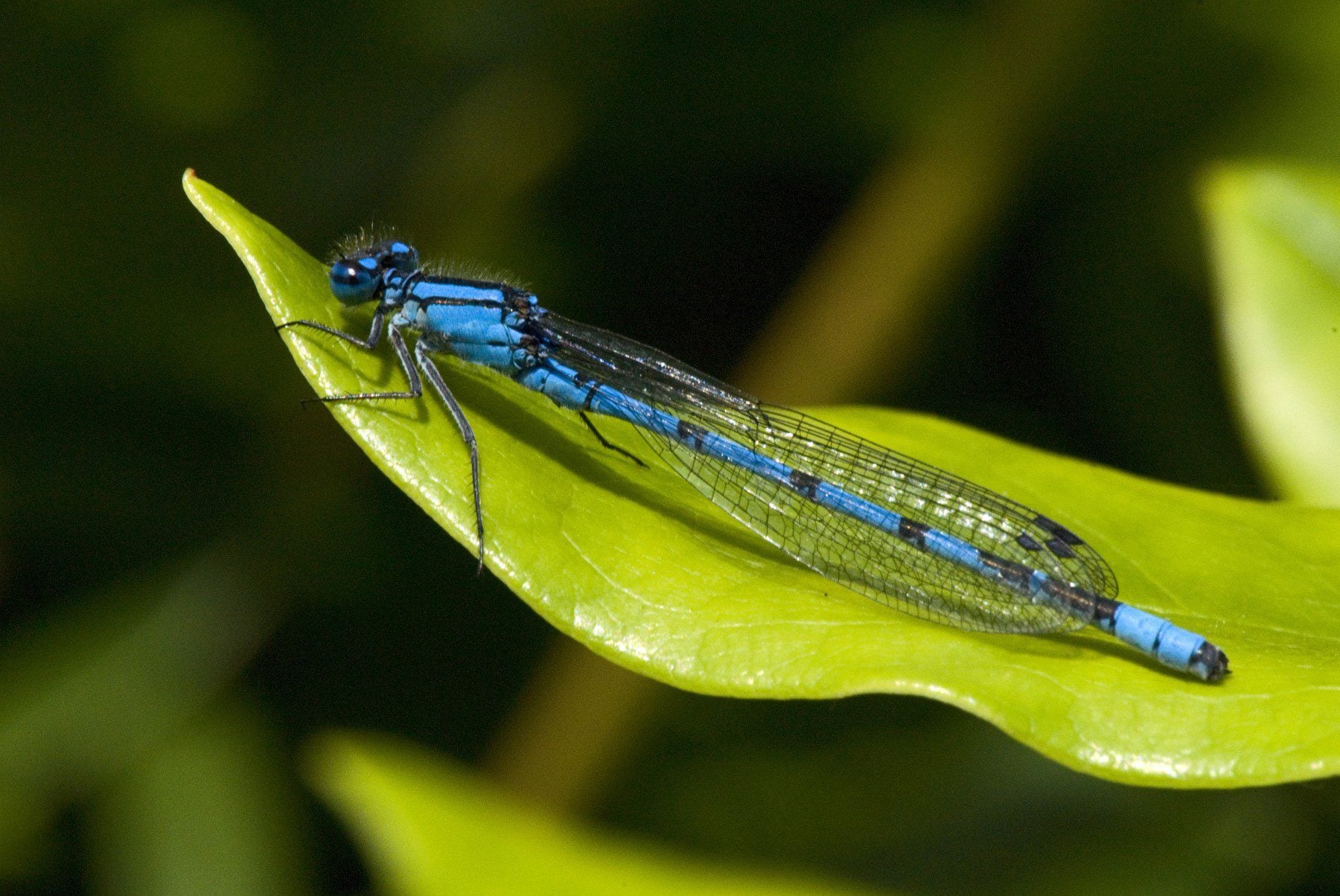
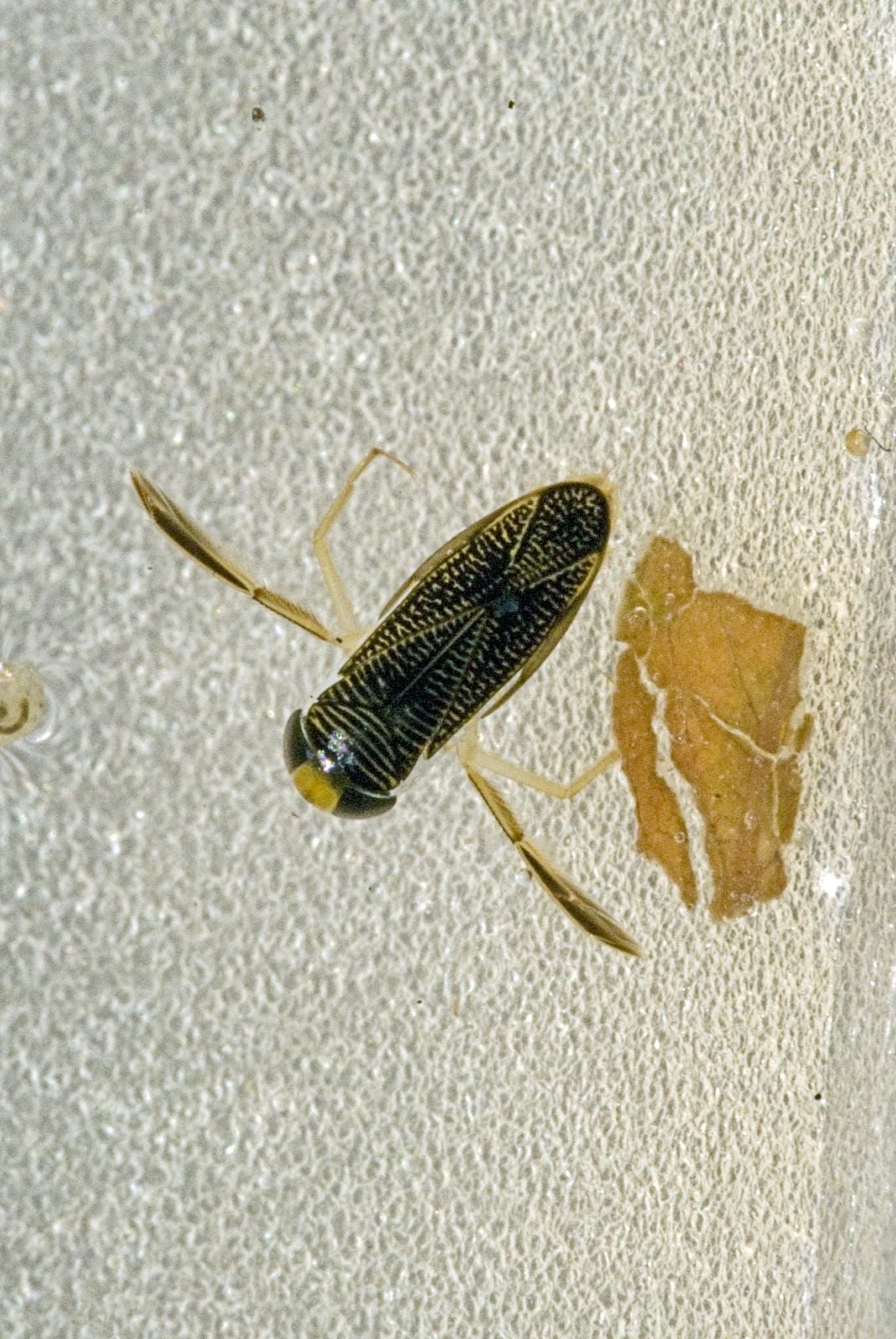
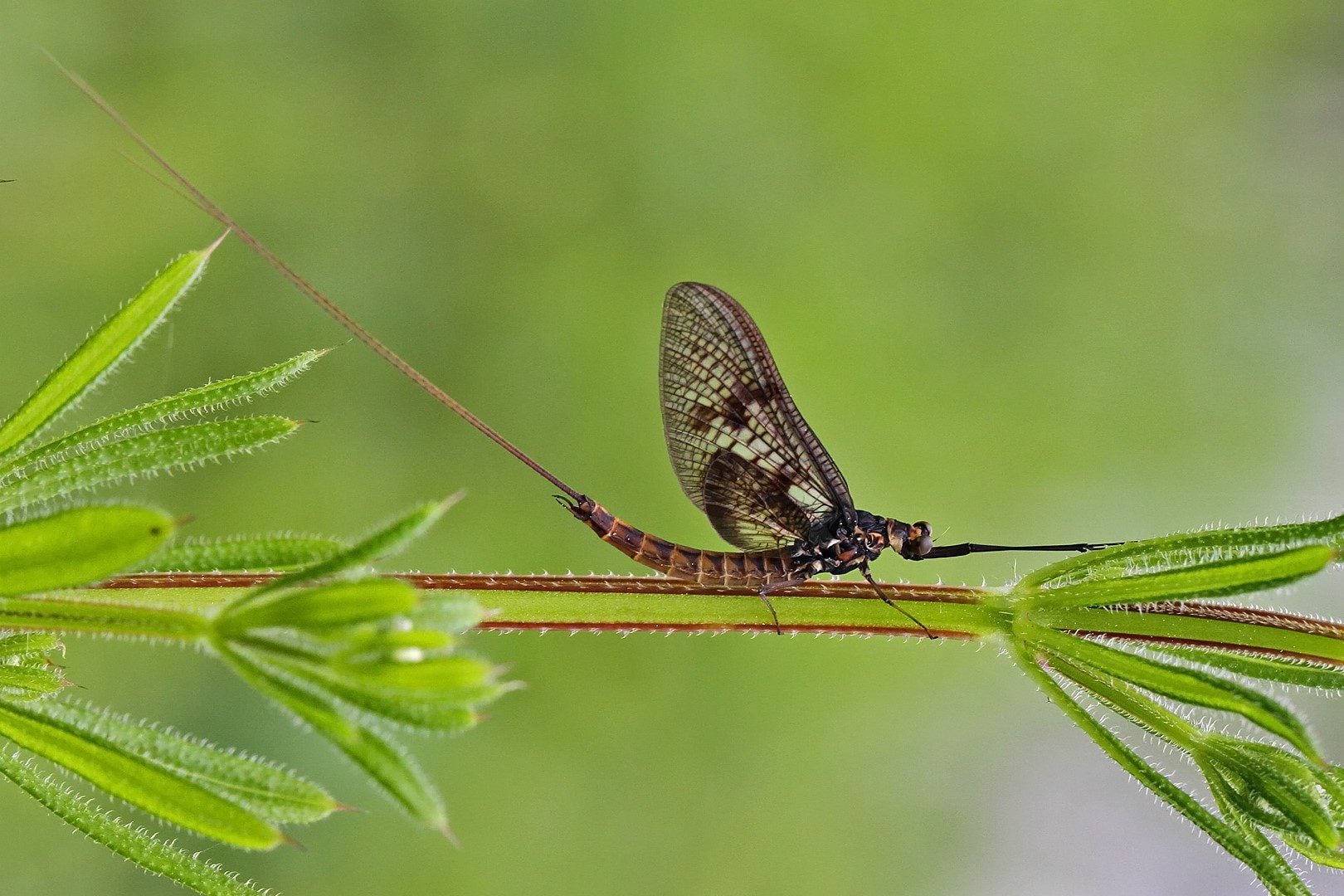
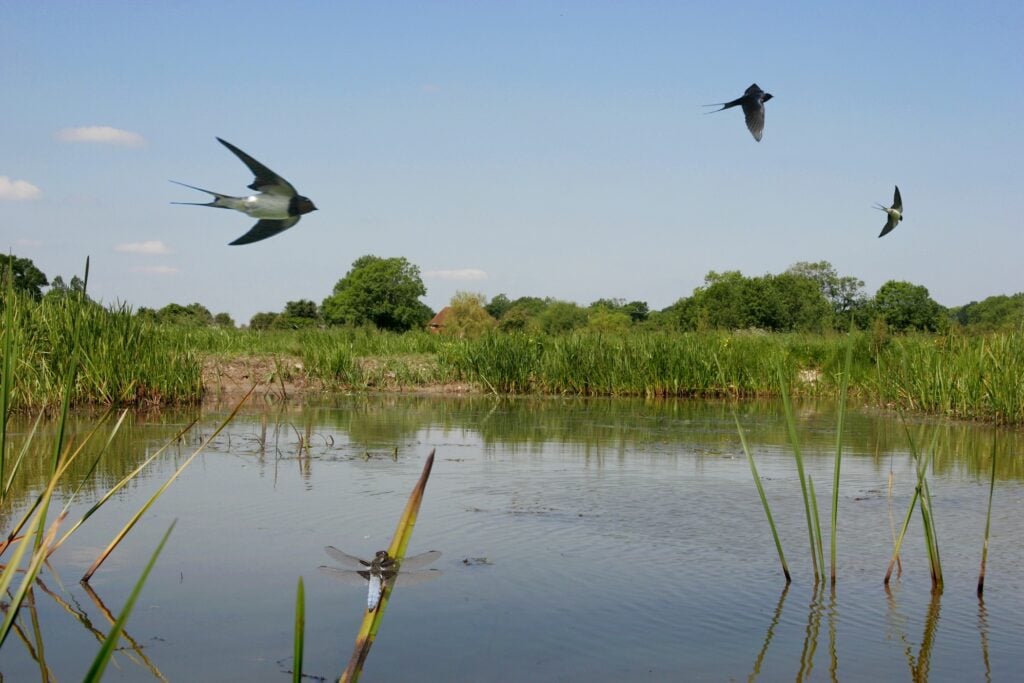
Welcome to the place where water and dry land meet. Our wetlands are bursting with biodiversity, from dabbling ducks to damselflies and carnivorous plants to Curlews.
The rain-drenched lands of the UK offer perfect conditions for the formation of wetlands, and the lives of animals, plants and people depend on our wetlands being healthy. Wetland store carbon and slow the flow of water, cleaning it naturally and reducing flood risk downstream. They support an abundance of plant life, which in turn provide perfect shelter, nurseries and breeding grounds for wildlife.
Sussex wetlands
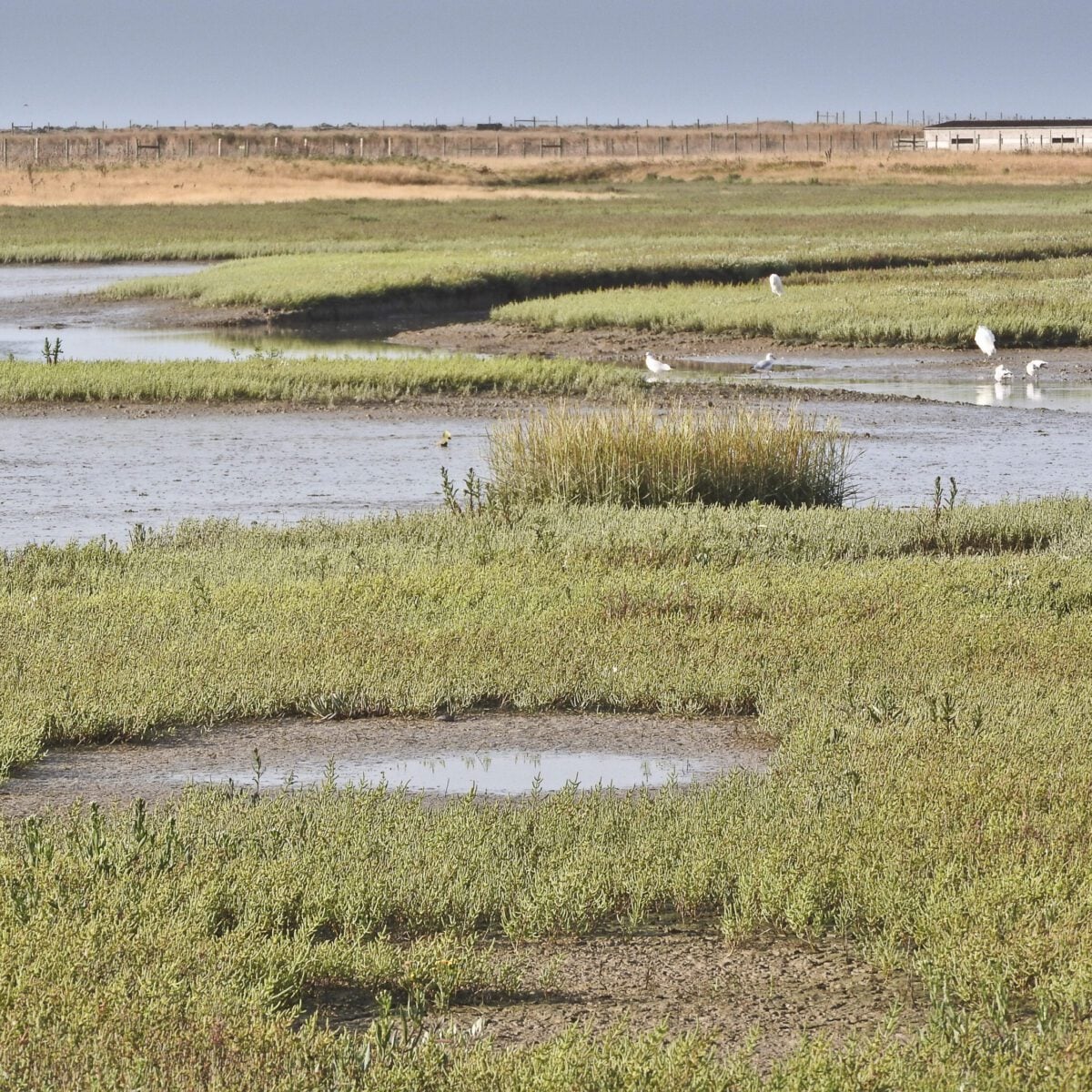
Sussex is home to some stunning wetland landscapes. We have coastal lowlands such as the grazing marshes at Pevensey levels and saltmarshes at Rye Harbour nature reserve. There are rare reedbeds at Filsham and spectacular marshlands such as Amberley Wildbrooks.
The county has a unique geology which creates very unusual wetlands. Chalk streams, wet heathlands, acid fens, ancient floodplain woodlands and sandstone gills are just a few of our rare wetland types. Sussex is host to nationally and internationally important populations of wetland species including the Club-tailed Dragonfly, Great Crested Newts, the Little Whirlpool Ramshorn Snail, and many wetland birds.
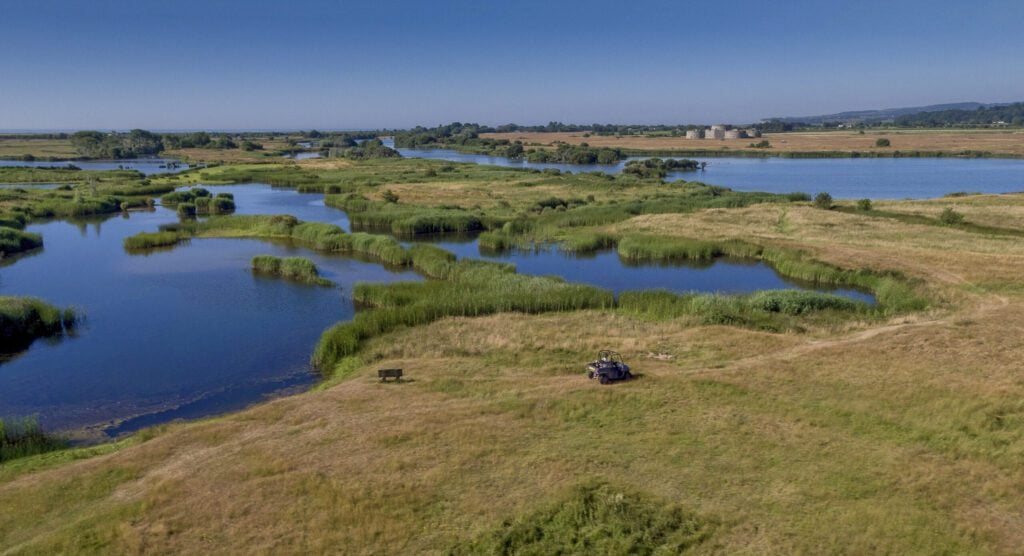
A natural solution to climate change
Plant matter steadily decays and accumulates in the waterlogged conditions of wetlands, meaning they are hugely important for holding carbon.
However, the ability of a freshwater wetland habitat to capture carbon varies according to the condition of the wetland. Good management is critical to ensuring that the habitat can store more carbon for years to come. It is also vital that our remaining high-quality wetlands are protected, as it can take decades for restored wetlands to be able to draw down carbon at the same rate as natural wetlands.
Threats and pressures to wetlands
In some areas of the UK we have lost over 90% of our wetland habitat. In Sussex, our wetlands are fragmented and degraded and some are at risk of disappearing entirely. Estimates suggest at least 80% of Sussex wetlands have been damaged and destroyed.
Abstraction (removal of water), development, agriculture, pollution, drought and climate change have all taken their toll on Sussex rivers and wetlands. Floodplains have been drained, river channels straightened, deepened and engineered. Many wildlife species historically associated with wetlands have suffered massive declines, including a number of significant wading birds, mammals and plants. It is thought that Sussex Water Voles have declined by over 98% in 30 years, and that eel populations have declined by over 90% internationally.
By reducing drainage and over-abstraction, supporting the return of Beavers, and naturalising rivers, wetlands will be able to lock up more carbon, support more wildlife, and provide many other vital benefits like flood prevention.
We are working to deal with some of these complex wetland issues and to reverse some of the worst damage to our wetlands – and there are things you can do too.
How can you help to protect wetland habitat?
- Policies to protect wetlands, such as restricting abstraction (the removal of water), as well as projects to restore them, are important tools to help the UK to build nature-based solutions to climate change – contact your MP to demand better protection for these wildlife havens.
- Be mindful of your water usage – consider a water butt in the garden, turn off the tap when brushing your teeth, take a shorter shower; these seem like small things, but can all contribute to the health of our waterways.
- Keep pets out of waterways – pet flea treatments holding harmful pesticides can leach off into rivers, contributing to pollution and damaging wetland wildlife.