Take action
Become a member
Memberships builds our community and gives us a predictable income, which lets us plan and sustain longer projects that can have a greater impact. The more members we have, the more we can do to protect the Sussex countryside and coast.
Make a donation
Membership builds our community and gives us a predictable income, which lets us plan and sustain longer projects that can have a greater impact. The more members we have, the more we can do to protect the Sussex countryside and coast.
Overview
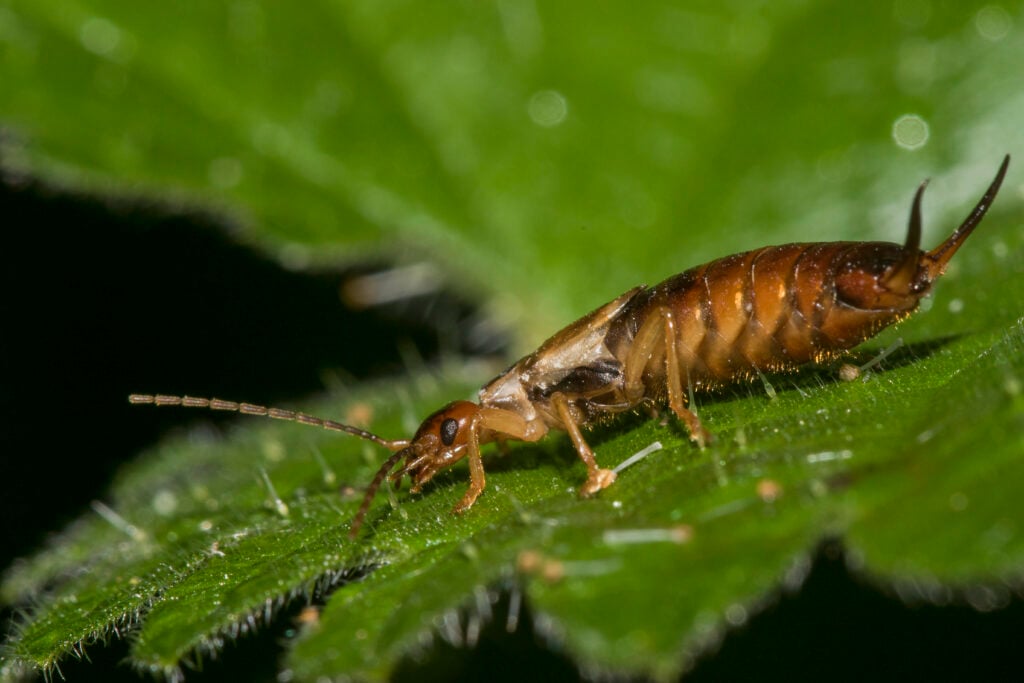
The Common Earwig is nocturnal, scavenging on dead plant and animal matter at night and retreating to hide under stones or in rotten logs during the daytime.
Female Common Earwigs are excellent mothers: laying their eggs in damp crevices, they guard the nest and gently clean the eggs until the young hatch. They will then guard the young until they are ready to fend for themselves. The pincers of the common Earwig can give a human a small nip, but they are generally used to scare off predators.
Key Facts
- The Common Earwig is a large earwig and the only species which is common and widespread in the UK. A familiar insect, it has a dark brown, elongated body with pincers at the end. The pincers are more curved in males than in females.
- There are more than 1,000 species of earwig worldwide, but only four are native to the UK.
- Length: 1.3-1.8cm
Status
Common.




Seasonality
All year round