Take action
Become a member
Memberships builds our community and gives us a predictable income, which lets us plan and sustain longer projects that can have a greater impact. The more members we have, the more we can do to protect the Sussex countryside and coast.
Make a donation
Membership builds our community and gives us a predictable income, which lets us plan and sustain longer projects that can have a greater impact. The more members we have, the more we can do to protect the Sussex countryside and coast.
Overview
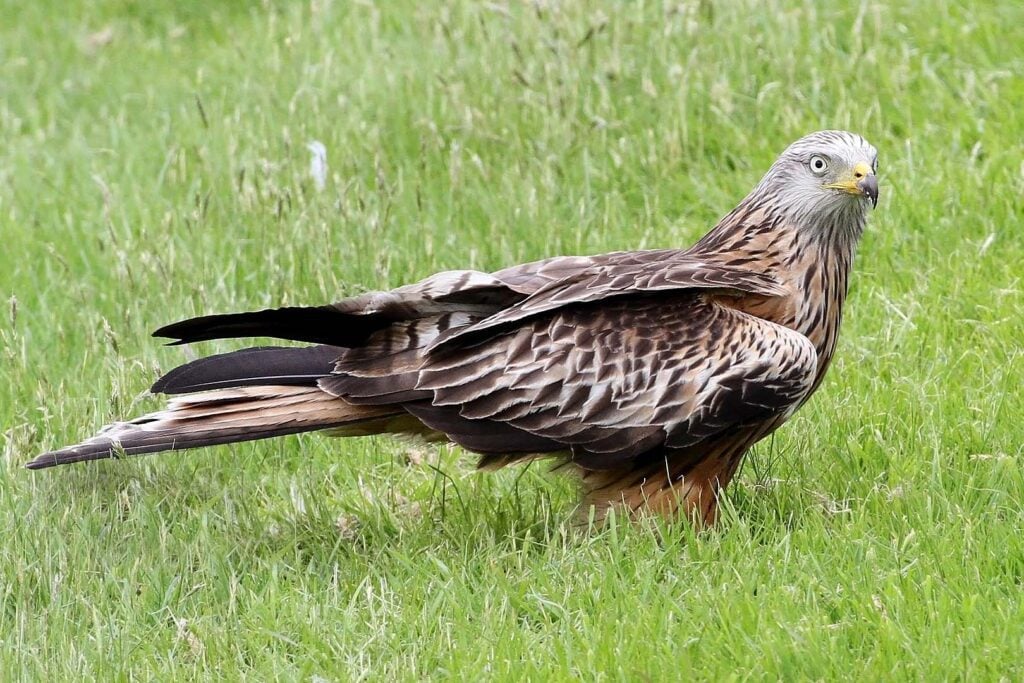
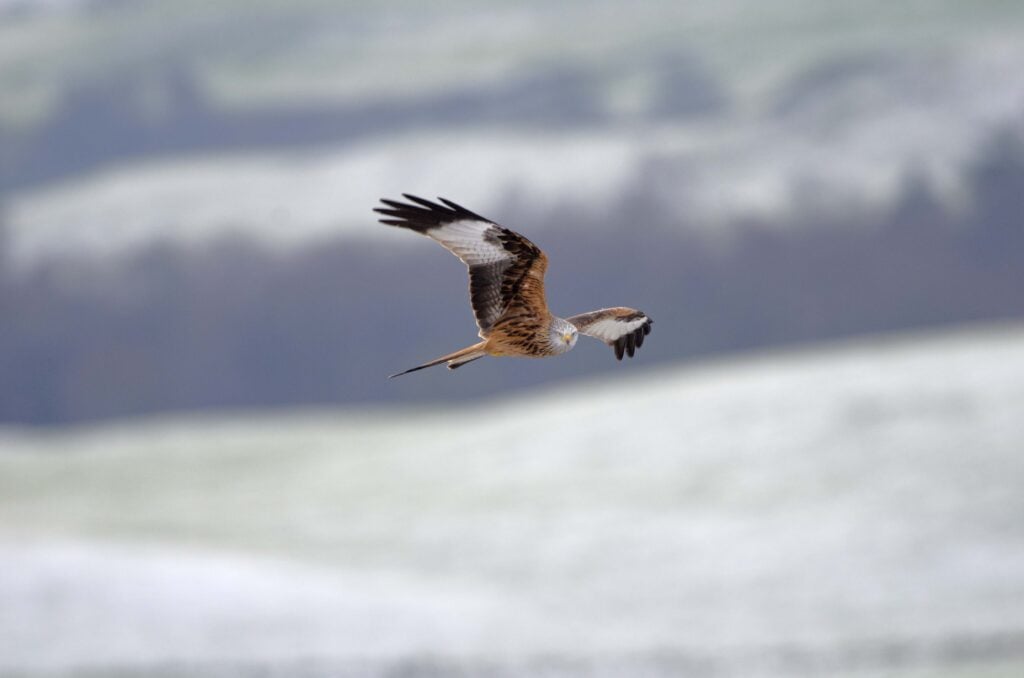
Once considered a threat to game birds and domestic animals, the Red Kite was hunted close to extinction in the UK. Rather than purely hunting for food, Red Kites are in fact largely scavengers, so mainly eat carrion and small prey like rabbits.
Now a protected species, and following several reintroduction attempts, the number of Red Kites has recovered and they can be spotted in lots of places across the UK, including Sussex. Listen out for their ‘mewing’ calls!
Key Facts
- The Red Kite is a large bird of prey with angled, red wings that are tipped with black and have white patches underneath in the ‘hand’. It has a long, reddish-brown, forked tail.
- Red Kites were common in Shakespearean London, where they fed on scraps in the streets and collected rags or stole hung-out washing for nest-building materials. Shakespeare even referred to this habit in ‘The Winter’s Tale’ when he wrote: ‘When the kite builds, look to lesser linen’.
- The nest of a Red Kite is an untidy affair, often built on top of an old crow’s nest. It is lined with sheep’s wool and decorated with all kinds of objects like paper, plastic and cloth.
- Length: 58-64cm Wingspan: 1.8m Weight: 1-1.2kg Average lifespan: 4 years
Status
Classified in the UK as Green under the Birds of Conservation Concern 5: the Red List for Birds (2021). Protected in the UK under the Wildlife and Countryside Act, 1981. Listed as Least Concern on the global IUCN Red List of Threatened Species.
Seasonality
All year round