Take action
Become a member
Memberships builds our community and gives us a predictable income, which lets us plan and sustain longer projects that can have a greater impact. The more members we have, the more we can do to protect the Sussex countryside and coast.
Make a donation
Membership builds our community and gives us a predictable income, which lets us plan and sustain longer projects that can have a greater impact. The more members we have, the more we can do to protect the Sussex countryside and coast.
Overview
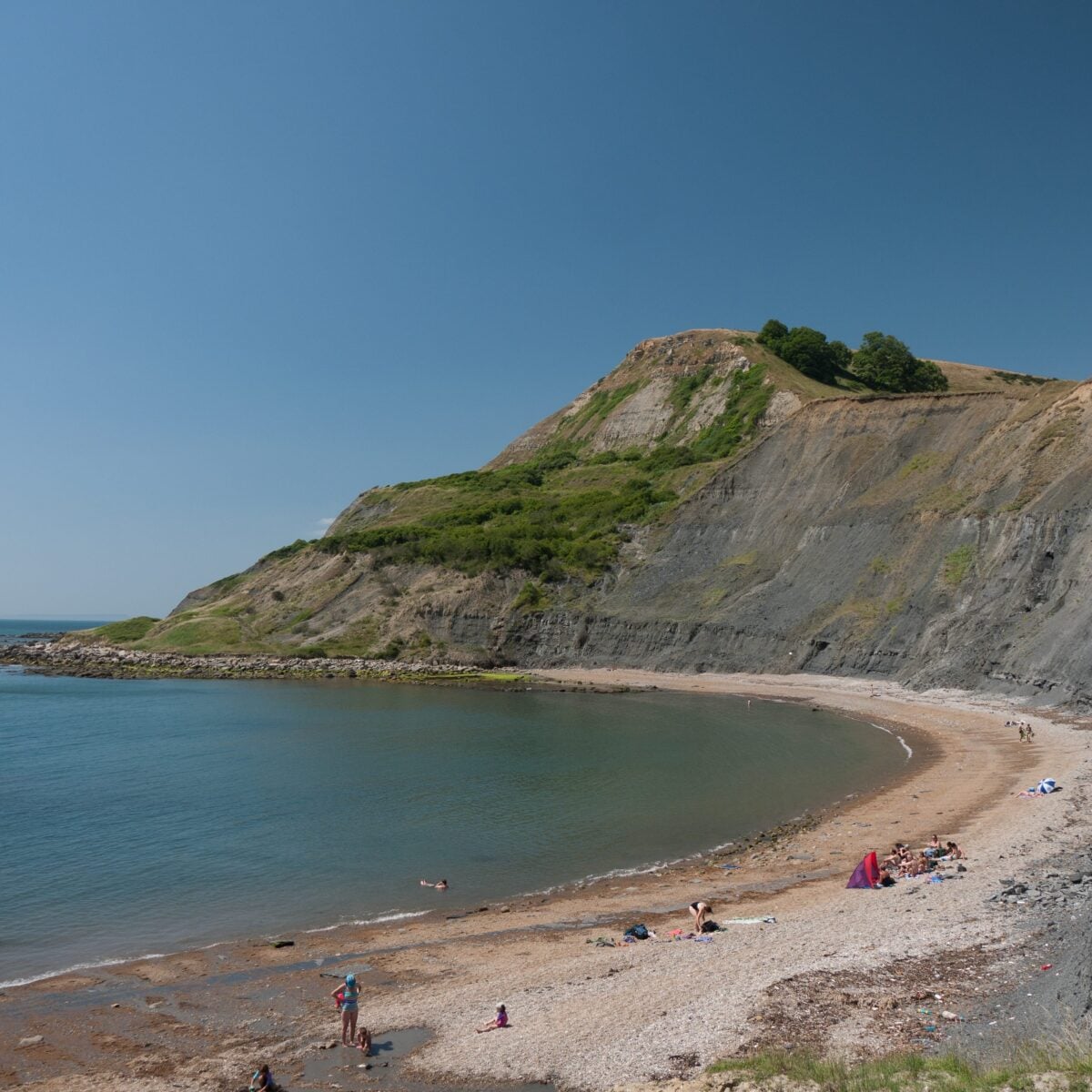
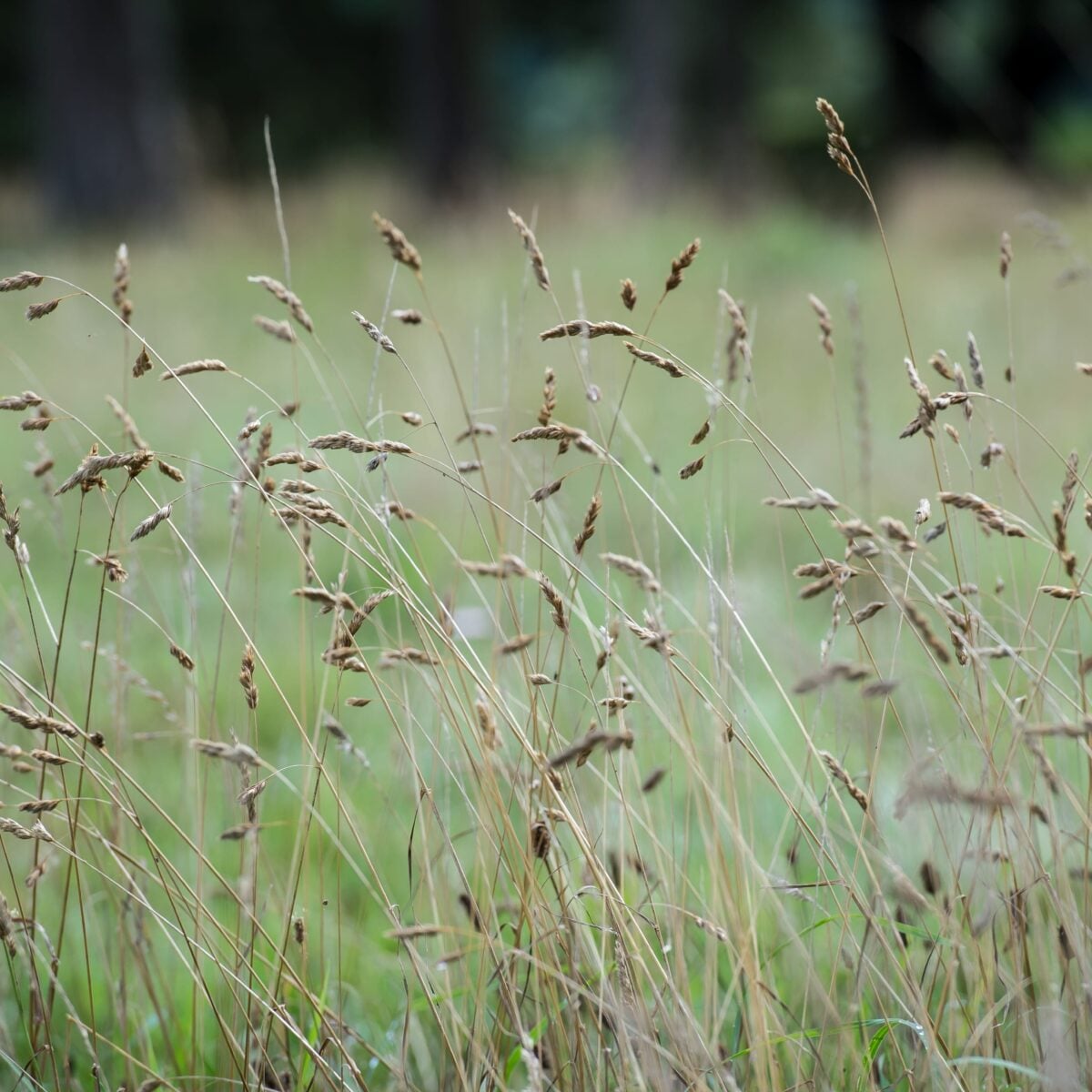
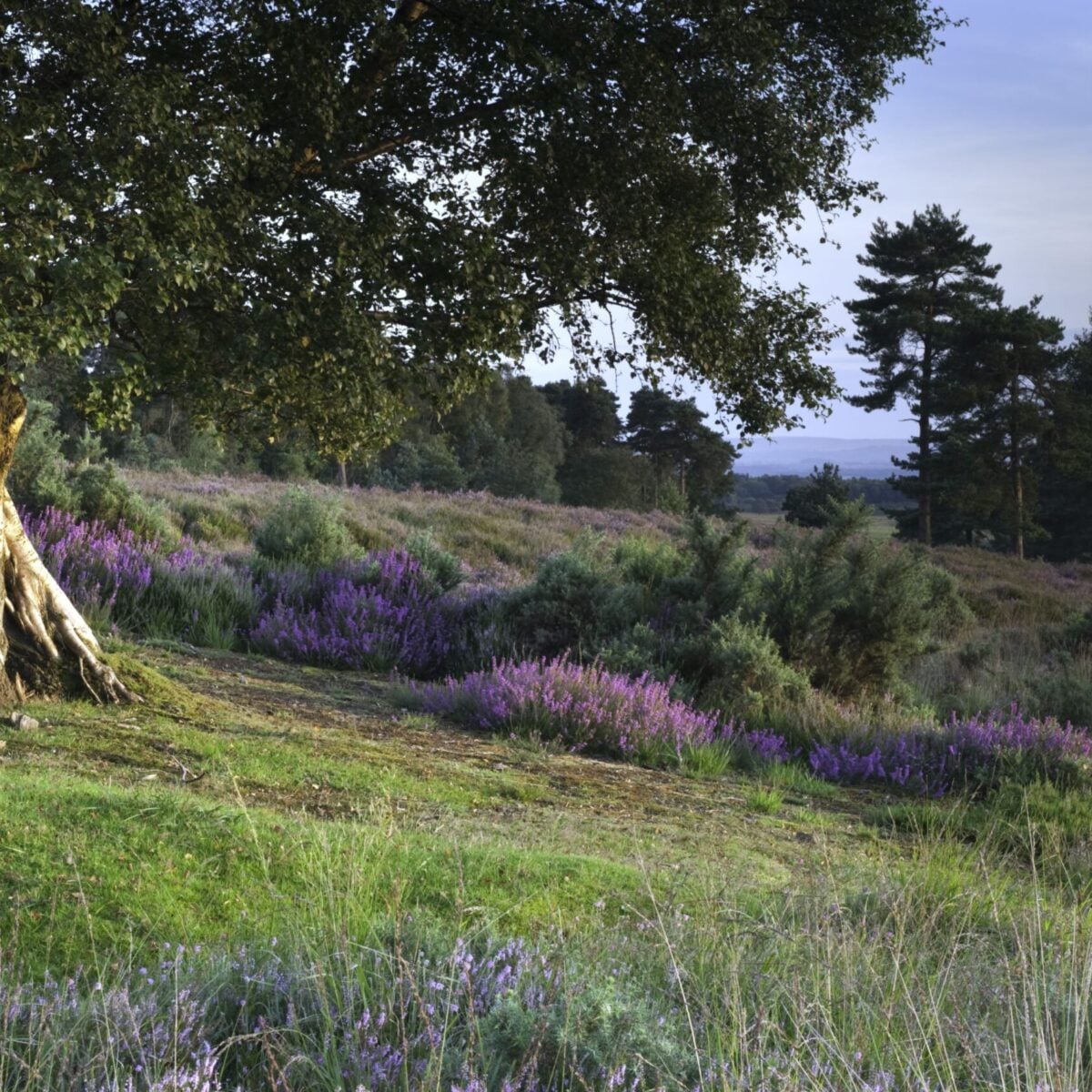
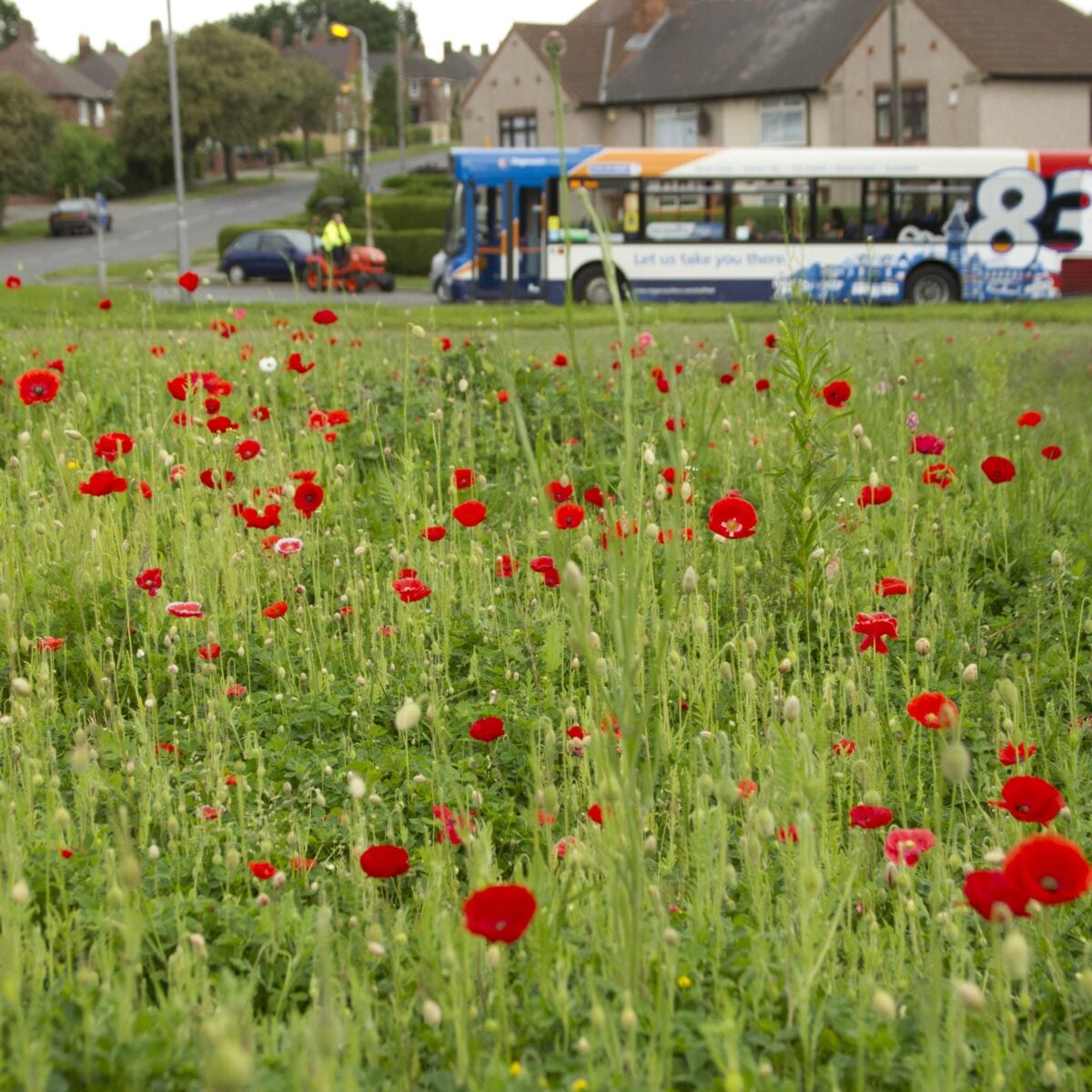
A little larger than a Feral Pigeon, Kestrels prefer open habitats like grassland, farmland and heathland, but can be seen in towns and villages.
They nest in holes in trees, old buildings and abandoned crows’ nests, laying between four and five eggs. When they hatch, both parents help to feed the young chicks.
Key Facts
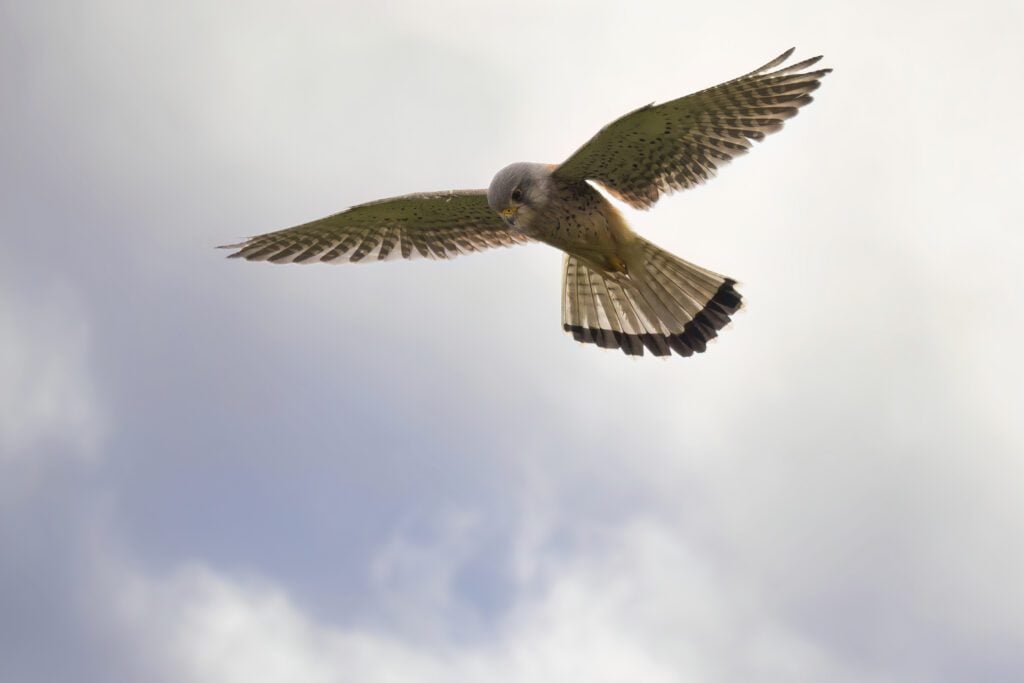
- Kestrels are typically seen hovering, their pointed wings held out. Males have a grey head and tail with a prominent black band, a gingery-brown back and a creamy underside which is speckled with black. Females are similar, but with a more uniform brown back and dark bands on the tail.
- The familiar behaviour of the Kestrel gives it one of its old country names: the ‘windhover’. The Kestrel has the ability to keep its head still while it hovers – even in strong winds – helping it to pinpoint its prey by sight.
- Length: 33-39cm Wingspan: 76cm Weight: 190-220g Average lifespan: 4 years
Status
Classified in the UK as Amber under the Birds of Conservation Concern 5: the Red List for Birds (2021).
Seasonality
All year round