account arrow-down-select arrow-down arrow-left arrow-right arrow-small bluesky book calendar close email eventbriteexternalfacebook instagram linkedin locationphone pinterest plus quote search tiktok time twitter video-icon

South East Pine Marten Restoration Project

Kent Wildlife Trust and Wildwood Trust, in collaboration with Sussex Wildlife Trust, are assessing the possibility of restoring Pine Martens to the South East of England.

© Paul Parsons
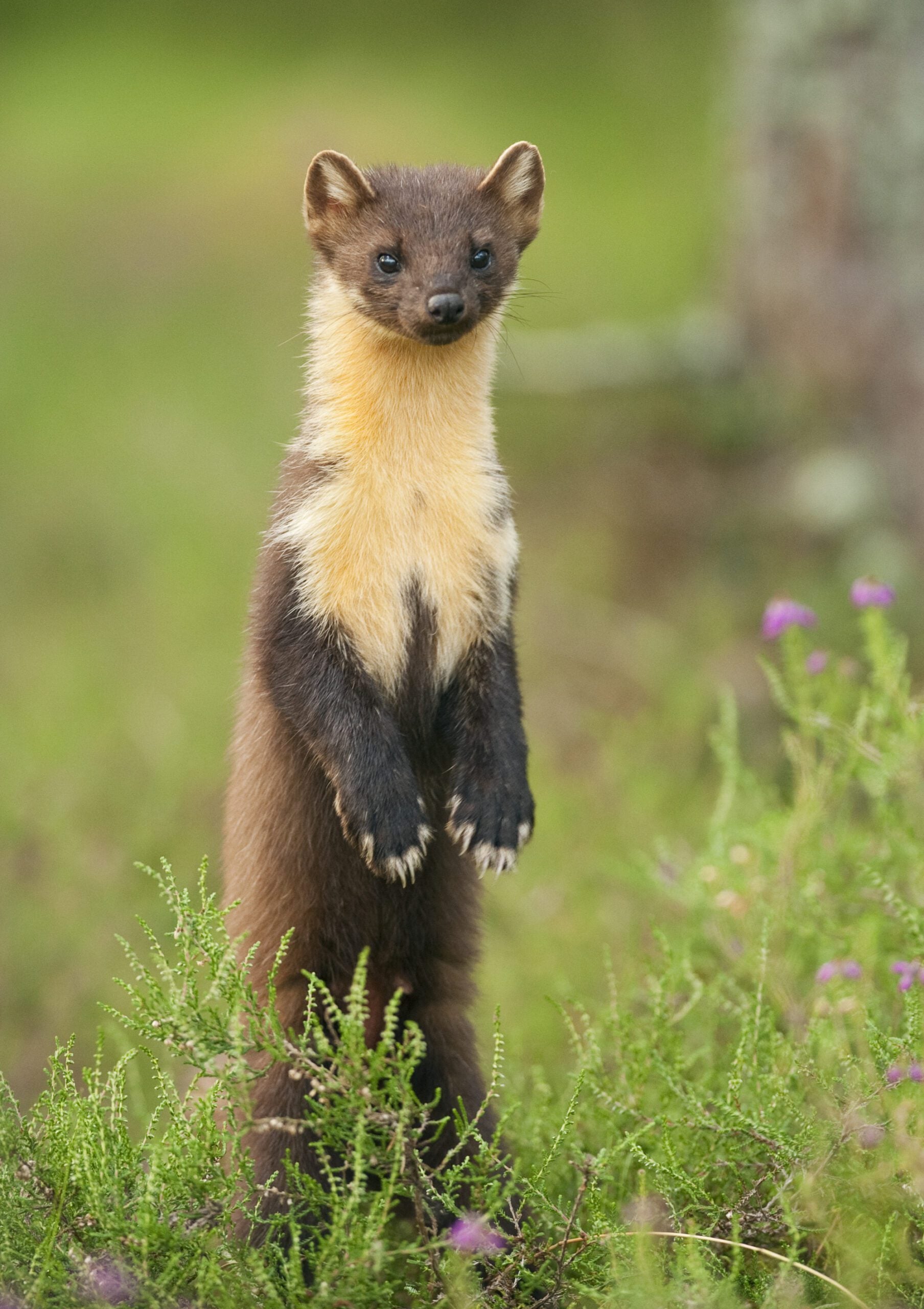
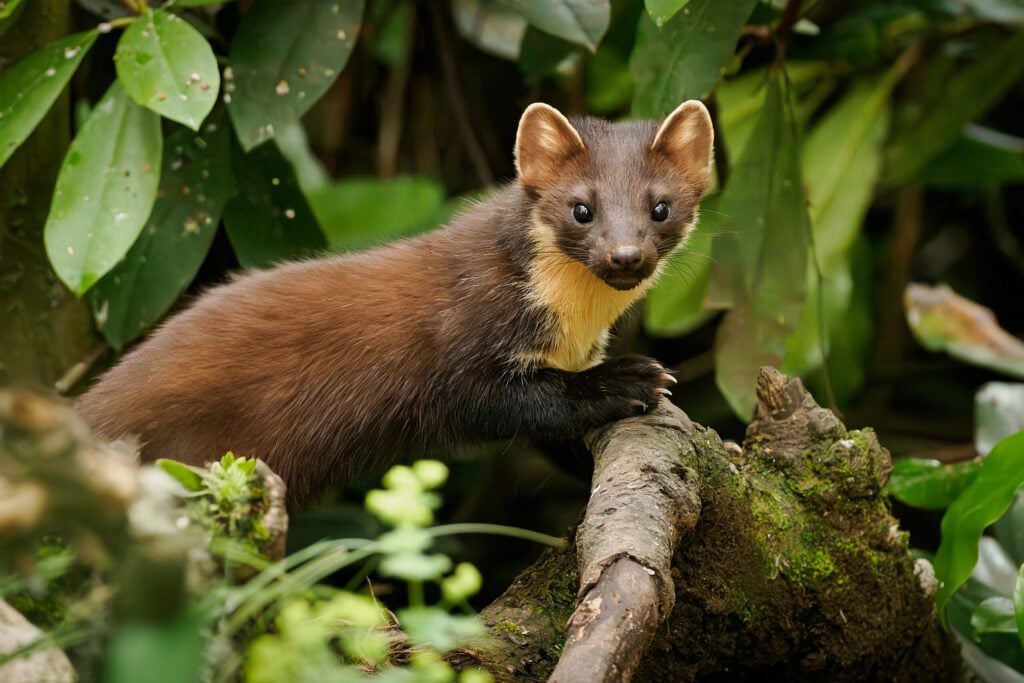
Pine Marten © Paul Parsons
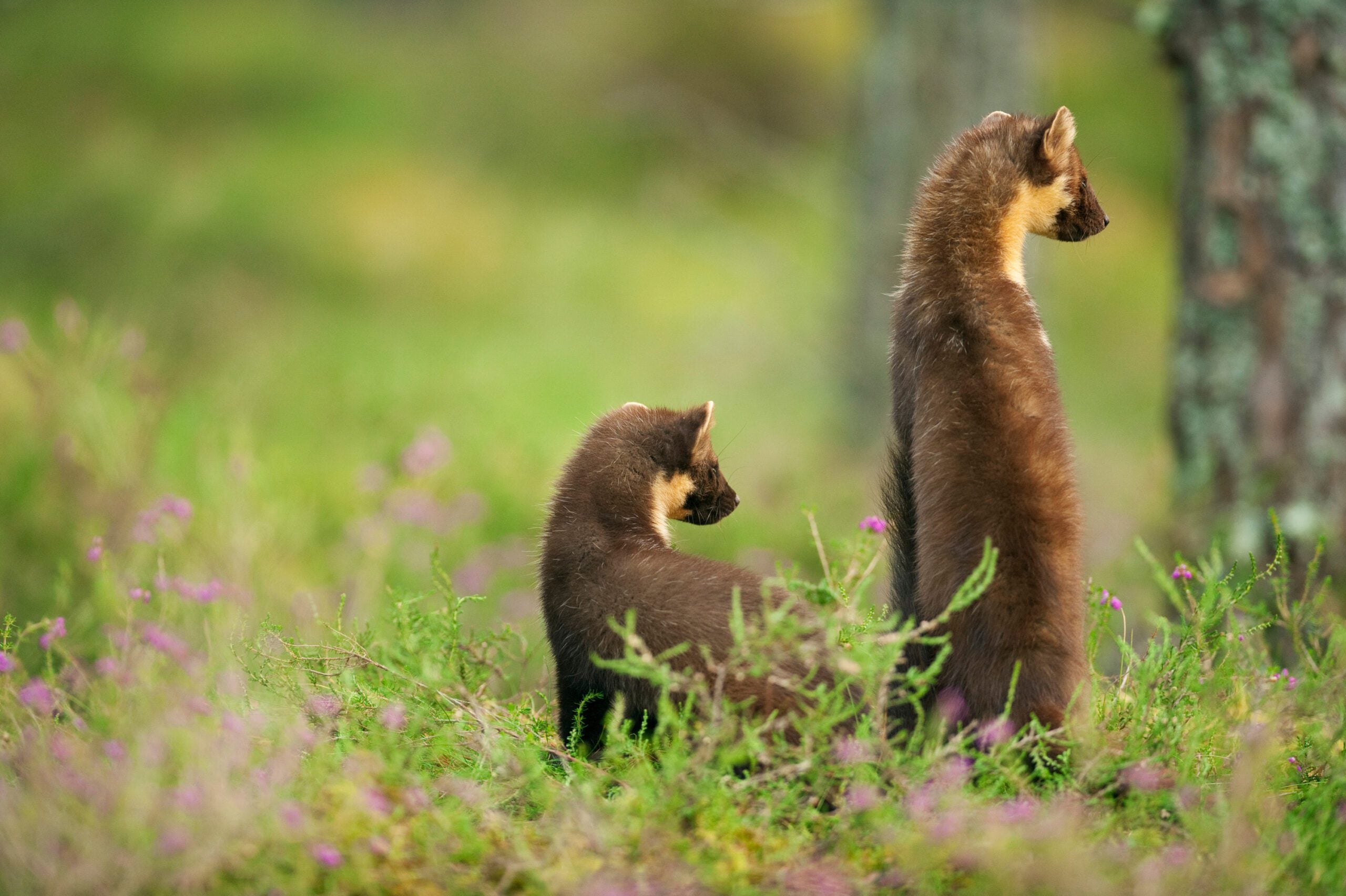
Pine Martens flip Terry Whittake r 2020VISION 1© Terry Whittaker / 2020VISION

Pine Marten

The European Pine Marten (Martes martes) was considered functionally extinct in England due to extensive hunting and loss of habitat throughout the 19th century. Today, this rare species is found mainly in Scotland and Ireland, and has also been re-introduced into fragmented areas in other parts of the UK.

We would like to see the restoration of Pine Martens to the South East of England explored as they are part of Britain’s natural fauna and play important roles which contribute to a biodiverse environment, by dispersing the seeds they eat as well as influencing small mammal populations through predation as part of their varied diet.

The project

This project is in its early stages. We are currently determining whether the habitat in the South East is suitable for Pine Martens, and talking to a range of local people and stakeholders about how they feel about Pine Martens and their potential reintroduction (these are called ecological and social feasibility studies).

We are forming a stakeholder working group to enable discussions between a range of key organisations and community groups. This stakeholder working group will be a key component in determining the outcomes of the South East Pine Marten project. We will share information about the members once confirmed.

For more information about the project, please contact Suzanne Kynaston at Wildwood Trust or Kent Wildlife Trust

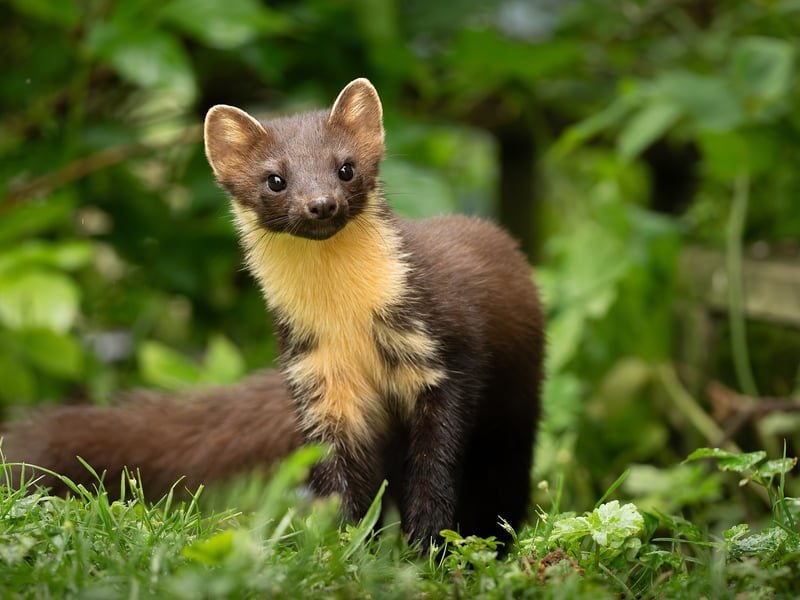
Pine Marten Terry Whittaker 2020VISION 2© Terry Whittaker / 2020VISION

FAQs

What is a Pine Marten?

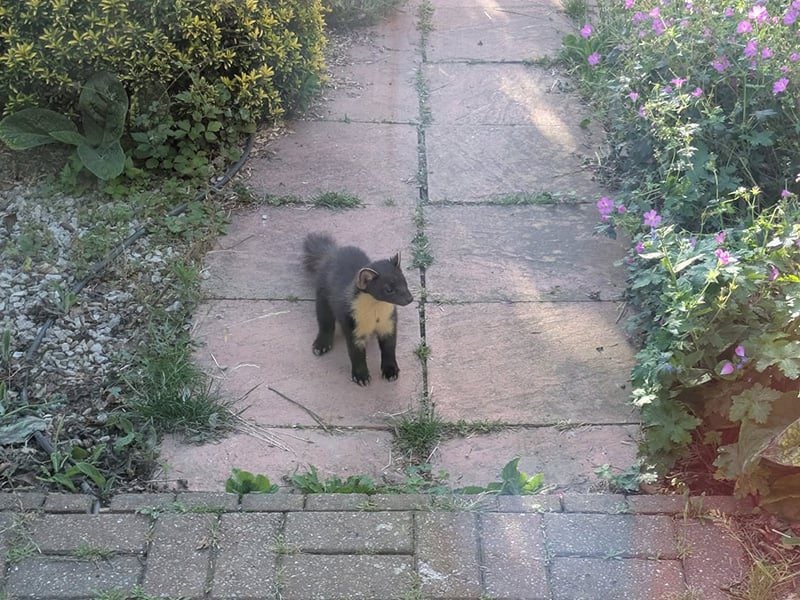
Pine Martens are a member of the mustelid family, which includes badgers, otters, stoats, weasels and polecats. The Pine Marten is the size of a small domestic cat, with rich brown fur, a creamy-yellow chest ‘bib’, prominent rounded ears and a long bushy tail.

Are Pine Martens native to Britain?

Yes, they are a native species that was on the verge of extinction due to extensive hunting and habitat loss, but numbers are now slowly recovering, particularly in Scotland. In 2019, the first English reintroduction of the species began in the Forest of Dean in Gloucestershire and, more recently, an established population – likely present for at least two decades – has been discovered thriving in the New Forest in Hampshire.

What do Pine Marten eat?

Pine Martens have an extremely varied diet, though they will generally consume what is locally and seasonally abundant. The most significant prey for Pine Martens are small mammals such as Field and Bank Voles, though they will also sometimes eat birds and their eggs, invertebrates including beetles and wasps’ nests, and large quantities of berries in the autumn. Crucially, Pine Martens are a native predator. Therefore, other native species like Red Squirrels will have evolved alongside Pine Martens and should have some inherent fear of them, reducing their chance of predation. Scientific studies have shown that the presence of apex predators in an ecosystem helps to keep stable and healthy prey populations.

Why do Pine Martens need conserving?

Pine Martens are one of Britain’s rarest mammals with a population estimated to be around 4,000. Humans were responsible for the decline of Pine Martens across the UK due to habitat destruction and persecution, eventually pushing them to the brink of extinction. Pine Martens have a long lifespan and breed slowly, only producing one or two kits every few years. Therefore, their natural recovery across Britain, resulting from the stronghold population in Scotland, will take a very long time. There have been previous successful reintroductions of the Pine Marten into Wales and the Forest of Dean, and a few smaller populations remain in other places. For these populations to be genetically and geographically viable in the long-term we need to create other populations which help to link them all together.

Why reintroduce Pine Martens into the South East?

This project provides an opportunity to help this native species recover in places that used to be its home. Research has identified potential locations throughout the South East where it may be possible to reintroduce Pine Martens successfully. Based on this evidence, and the opportunity to connect to an existing population in Hampshire, the South East is deemed to be an ecologically viable region to restore Pine Martens.

Pine Martens thrive in mosaic landscapes which contain large woodland complexes – and there are a number of these in the South East including Ebernoe Common, the New Forest, Ashdown Forest and the wider High Weald National Landscape. The average territory size for Pine Martens is about 10-25 km2 for males and about 5-15 km2 for females. Pine Martens are also a flagship species for habitat restoration and ‘Nature Recovery Networks’ that will help to provide ecological resilience for people against climate change, and important habitat for a range of species by creating a more biodiverse and connected landscape.


When will the South East Pine Marten Restoration Project start?

The project is in the early stages of development. We are currently looking into whether it is ecologically and socially feasible to reintroduce Pine Martens into the South East. Although previous research shows the South East is ecological viable, this project will also conduct this research to ensure the information is up to date and still correct, as habitats and landscape change over time. Based on best practice from previous reintroduction projects, it is vital to engage and co-develop such projects in collaboration with stakeholders to ensure the project’s success. We are therefore in the process of establishing the South East Pine Marten Stakeholder Working Group, being coordinated by the Project Committee (Kent Wildlife Trust, Wildwood Trust and Sussex Wildlife Trust). If the feasibility research shows that reintroduction is possible and sustainable, the stakeholder working group and committee will work together to develop a 10 year strategy to restore Pine Martens to the South East.

Join the Sussex Wildlife Trust community

Become a member today to protect nature for tomorrow

As a member, you get access to free guided nature walks, magazines about local wildlife, discounts on courses and events, and a guide to our reserves.

Not quite ready to join but want to help?

Donate to help create a wilder future for nature in Sussex

Choose to give money to a specific cause, or to our work to manage local reserves, defend nature, and create wonderfully wild spaces on land and beneath the waves.