Take action
Become a member
Memberships build our community and give us a predictable income, which lets us plan and sustain longer projects that can have a greater impact. The more members we have, the more we can do to protect the Sussex countryside and coast.
Make a donation
Membership builds our community and gives us a predictable income, which lets us plan and sustain longer projects that can have a greater impact. The more members we have, the more we can do to protect the Sussex countryside and coast.
Overview
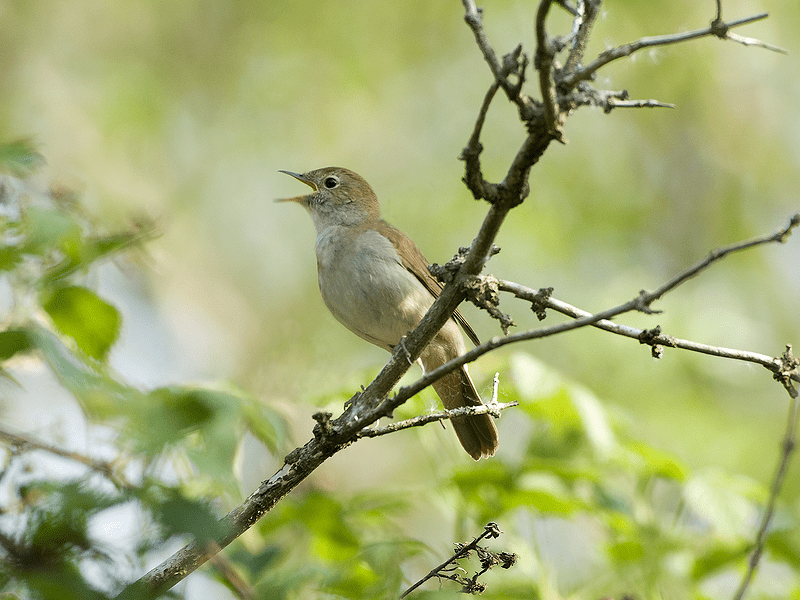
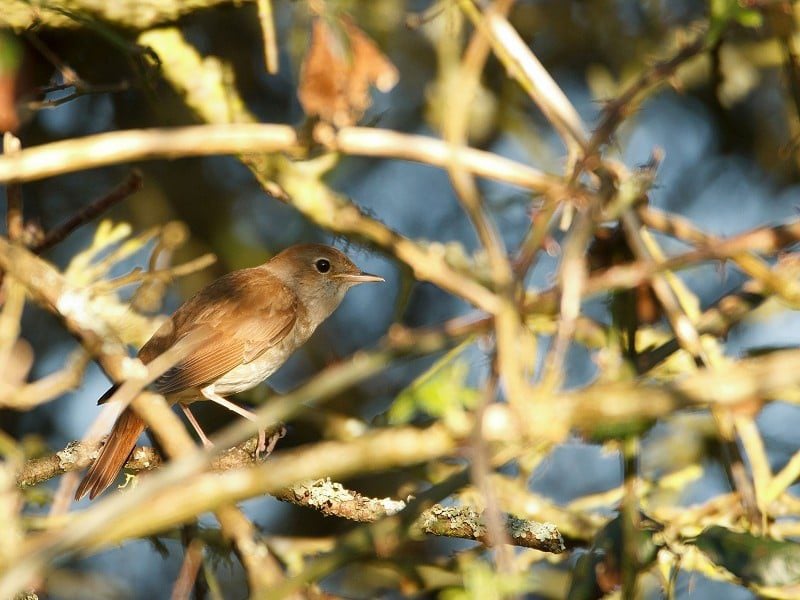
Nightingales are summer visitors from Africa, and sing brilliantly, but only for a few weeks, in mid to late spring. Numbers have plummeted in the UK, but Sussex has one of the largest remaining populations.
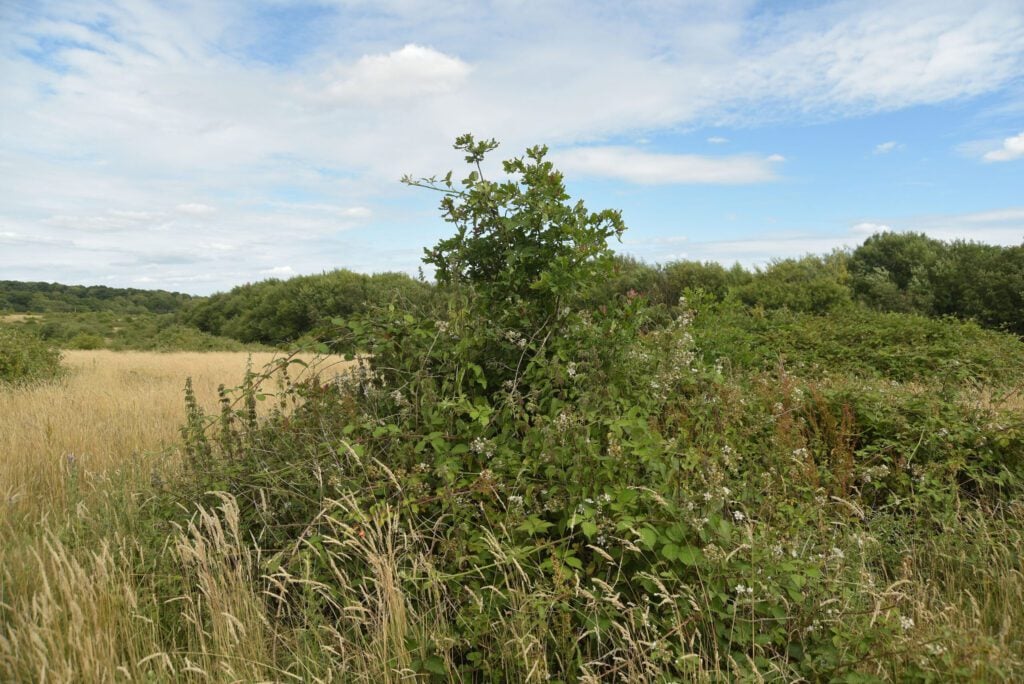
A shy bird, the Nightingale is about the same size as a Robin and a summer visitor, arriving here in April and leaving in September. Nightingales nest in dense scrub, from where they sing their famously beautiful melodies throughout the day and at night.
Key facts
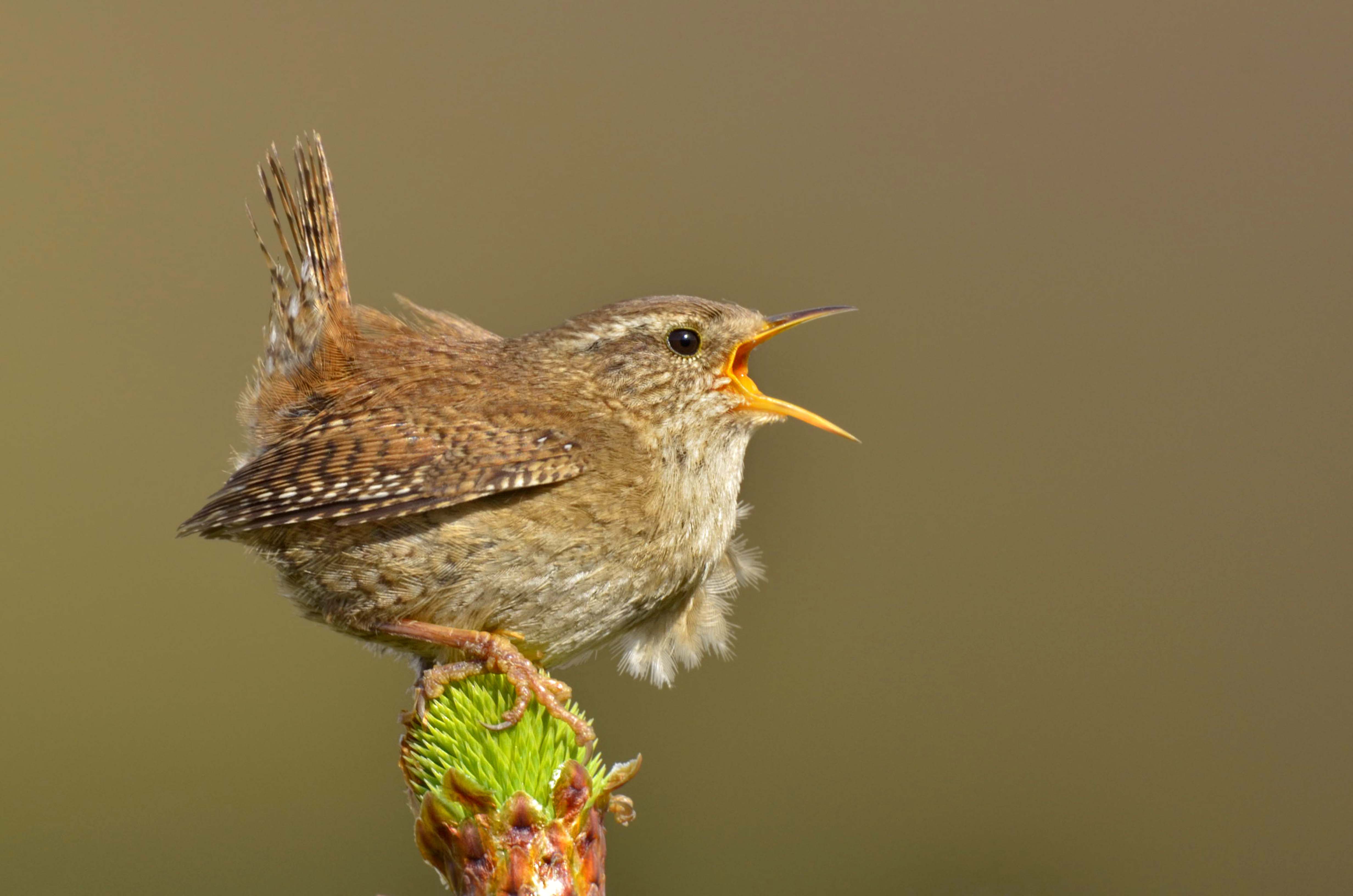
Nightingales are around the size and shape of a Robin, but without the orange chest. They can be very difficult to see, and rarely pose out in the open away from their preferred dense vegetation.
- Varied song
Their song is one of the most varied of all our birds, with hundreds of different phrases, delivered between dramatic pauses - Early males
Males arrive first, early in April, and sing through the night to attract passing females - Radio stars
Their song was the first wild sound ever to feature on radio, when famous cellist Beatrice Harrison performed a live duet with a Nightingale from her Surrey garden in 1924 – an event so popular it was repeated every spring until 1936 - Migration
Nightingales travel around 3000 miles between the wintering grounds in West Africa and their breeding grounds in Sussex - Croaks and whistles
When not singing, Nightingales sometimes make a frog-like call or a sharp whistle
Status
Some 90% of the UK Nightingale population has been lost since the 1960s, with an especially large drop in the 20th century. In common with many long-distance migrants, this appears to be due to a combination of factors, especially loss of suitable breeding places, increased challenges along their migration routes, and degradation of habitats in Africa.
Of around 5,500 pairs that breed in the UK each summer, Sussex holds perhaps 10-15% of the national population. These birds are widely scattered, but mainly north of the Downs, in the river valleys and High Weald.
Classified in the UK as Red under the Birds of Conservation Concern 5: the Red List for Birds (2021).
Seasonality
Nightingales arrive in Sussex in April, and usually sing until late May. Pairs may raise one or two broods of young, before beginning their long migration south in August.
How we can help Nightingales
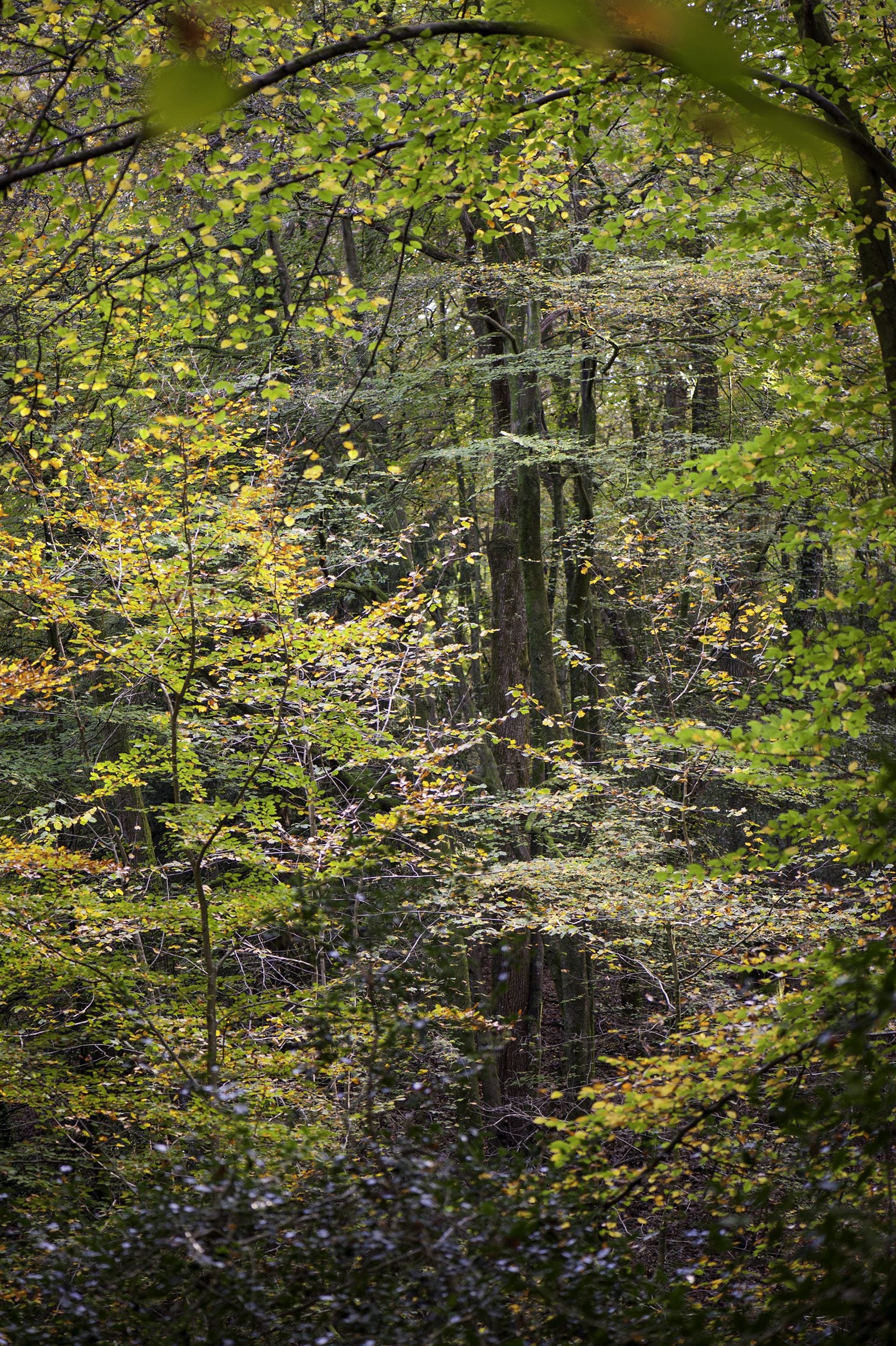
- Increase areas of woodland understorey through better management
- Create new areas of dense scrub
- Allow hedgerows to thicken up and widen
- Reduce the use of pesticides and help insect populations recover
- Support projects that protect habitats along their European and African migration routes and in their African wintering grounds
- Take action on emissions to lessen the impact of climate change
Video
Watch a Nightingale singing
Making your presence known with song can be dangerous. This bird is using an unusually open perch – and keeping a careful watch as he throws out his array of extraordinary sounds.