Overview
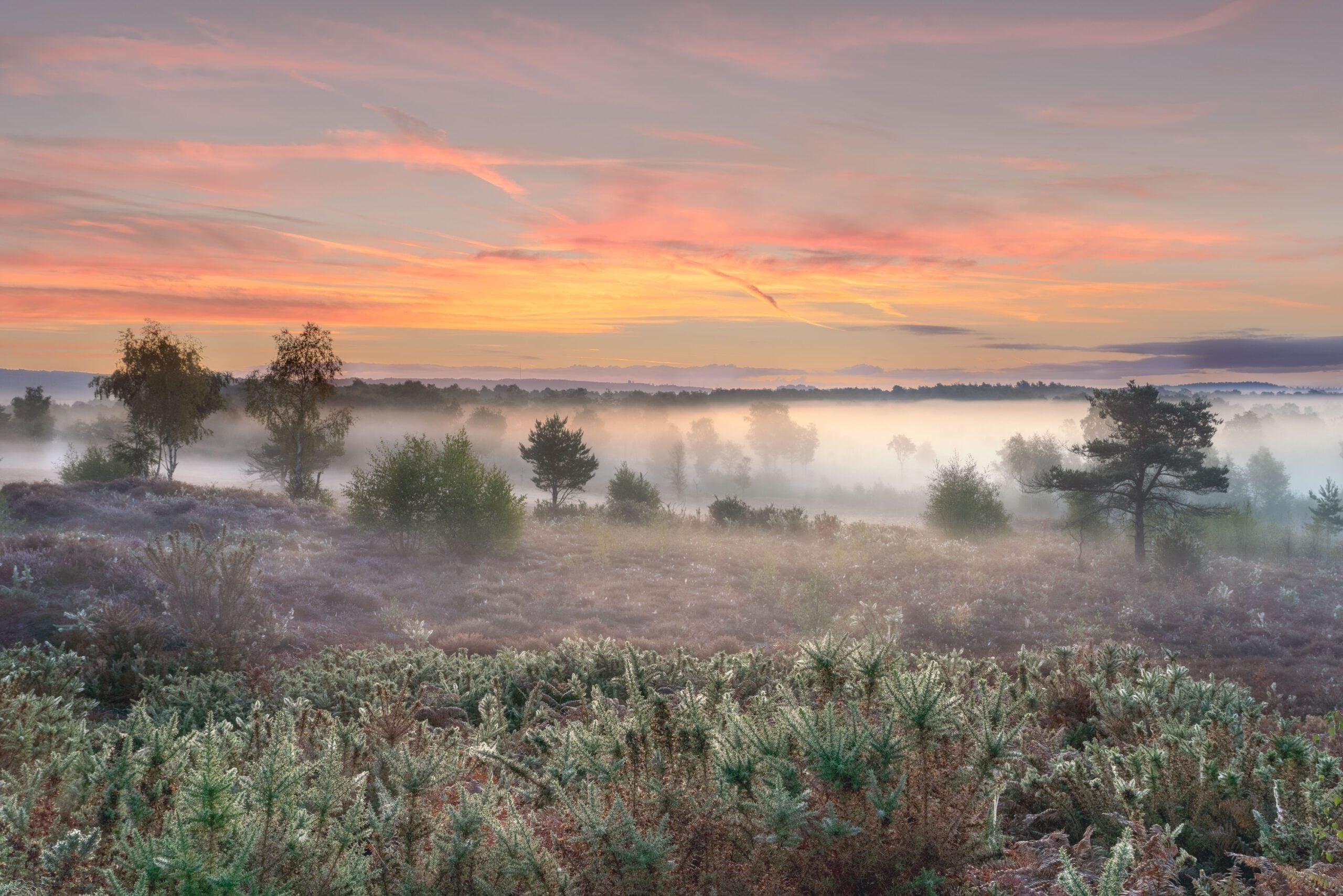
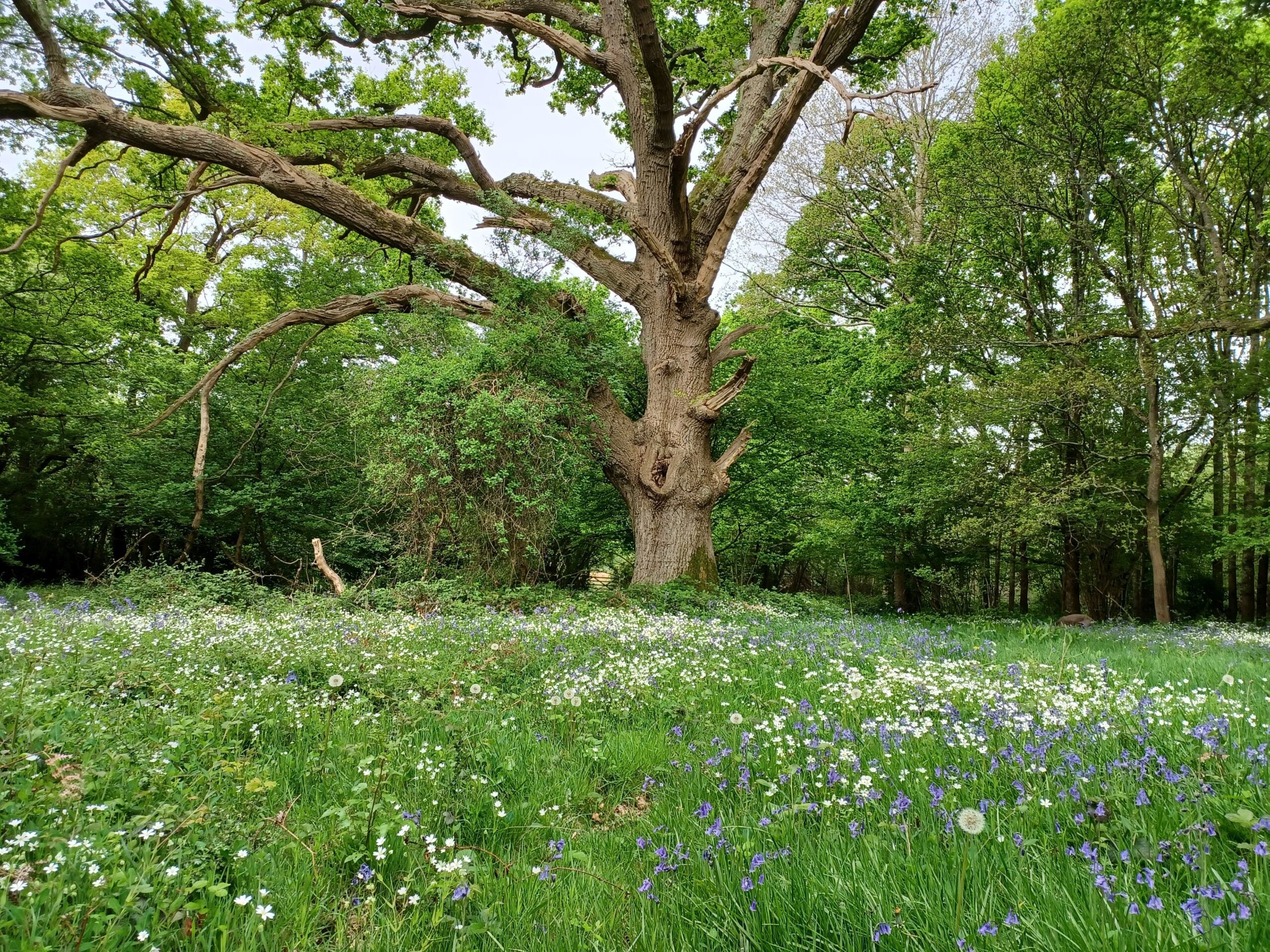
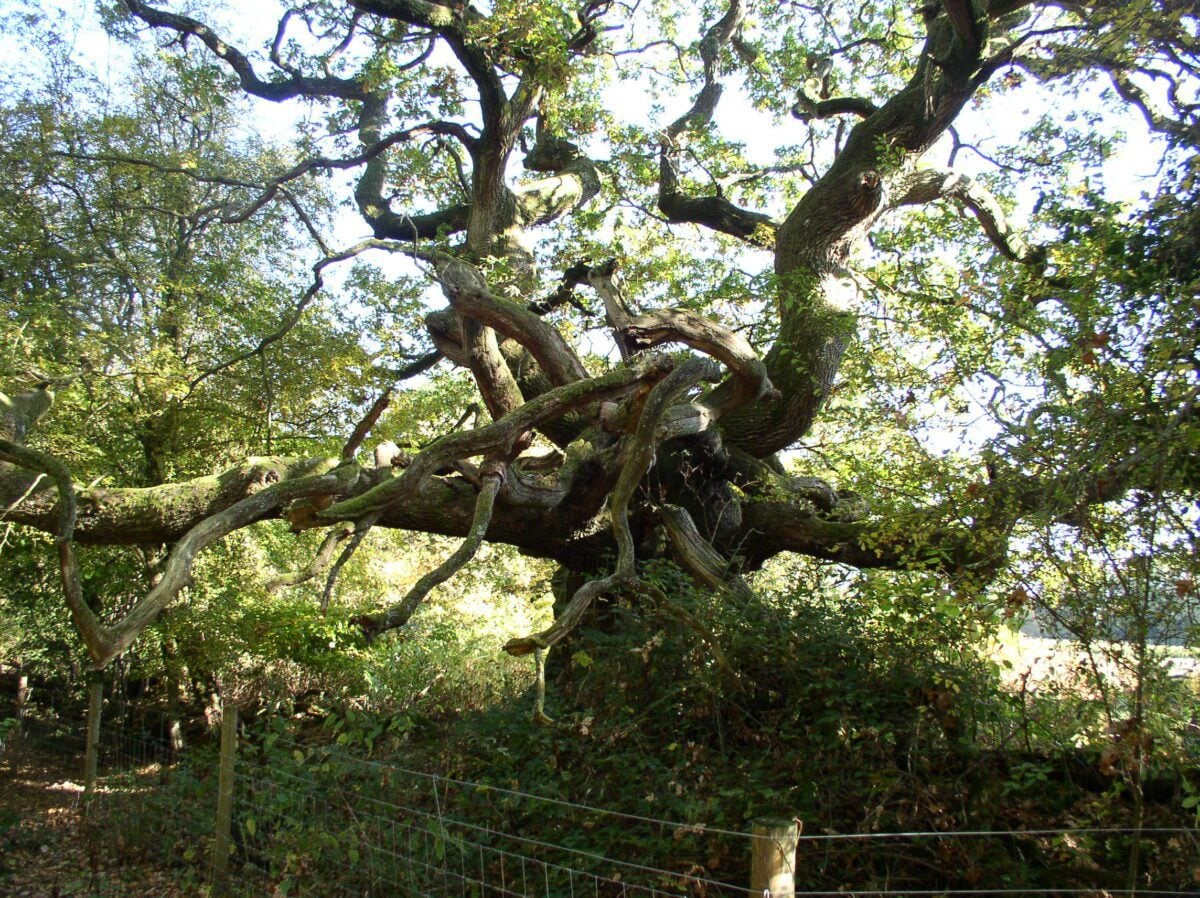
From ancient giants to miniscule wonders, the mosaic habitat of Ebernoe is a spectacular example of an ecosystem working in harmony.
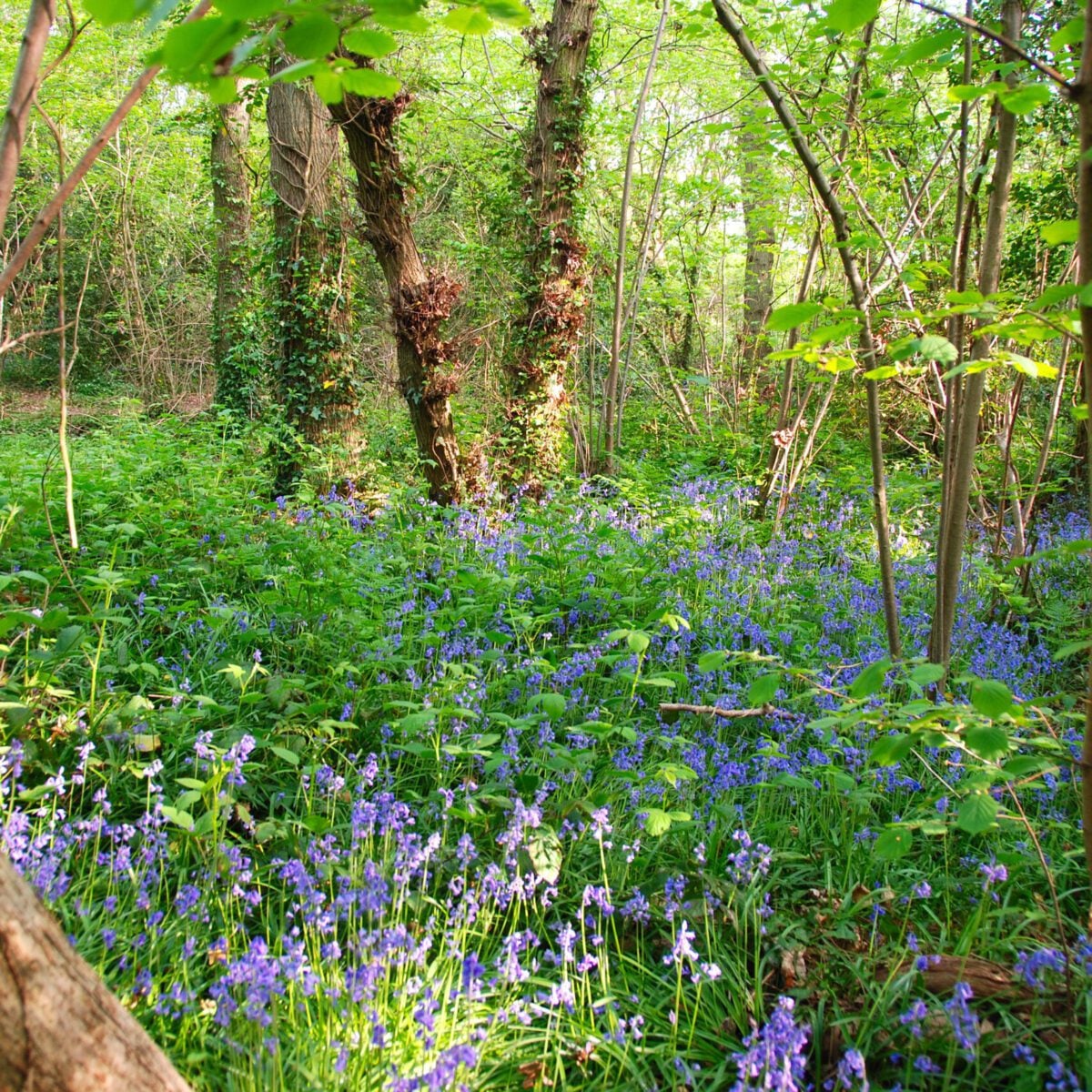
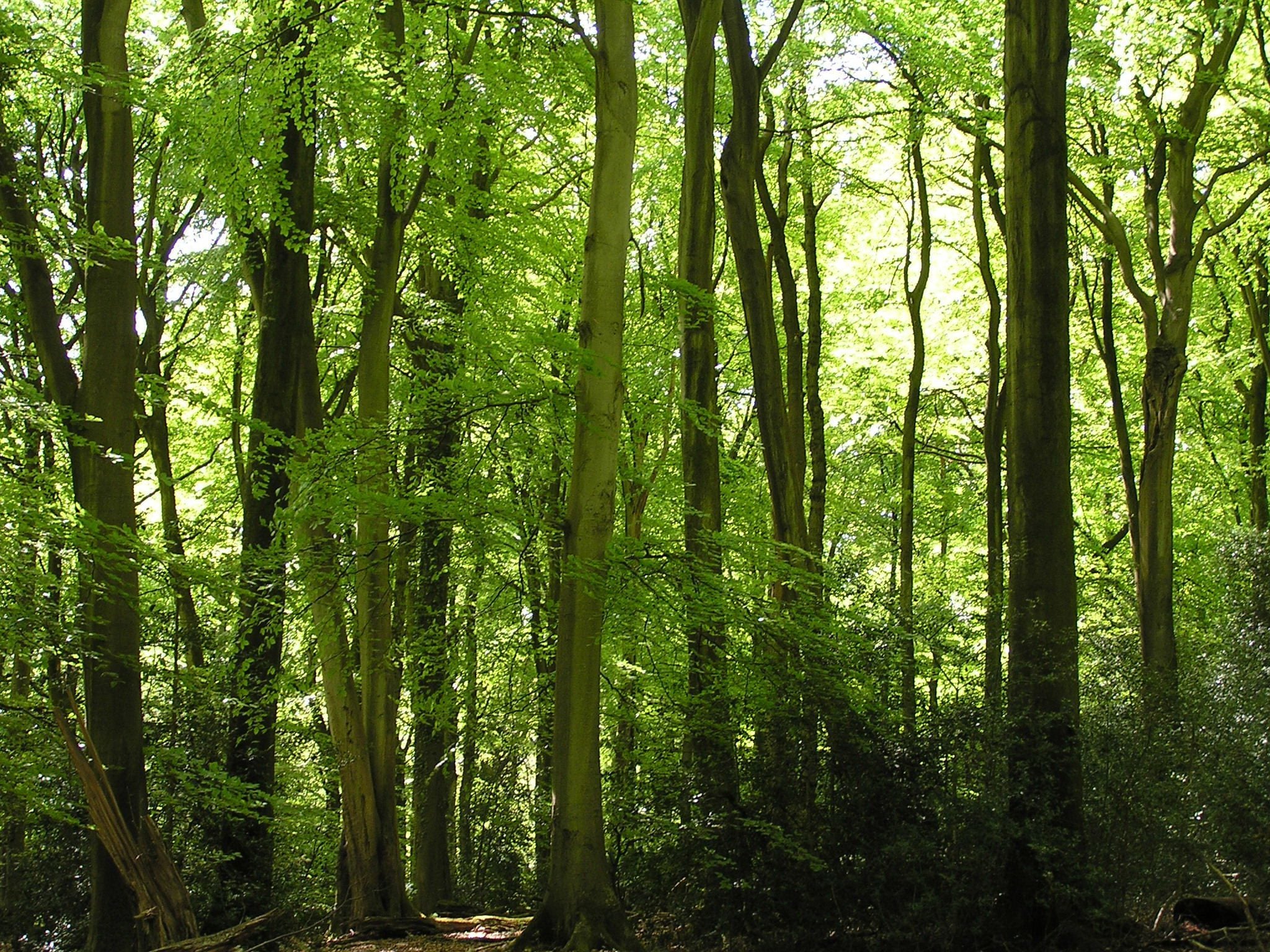
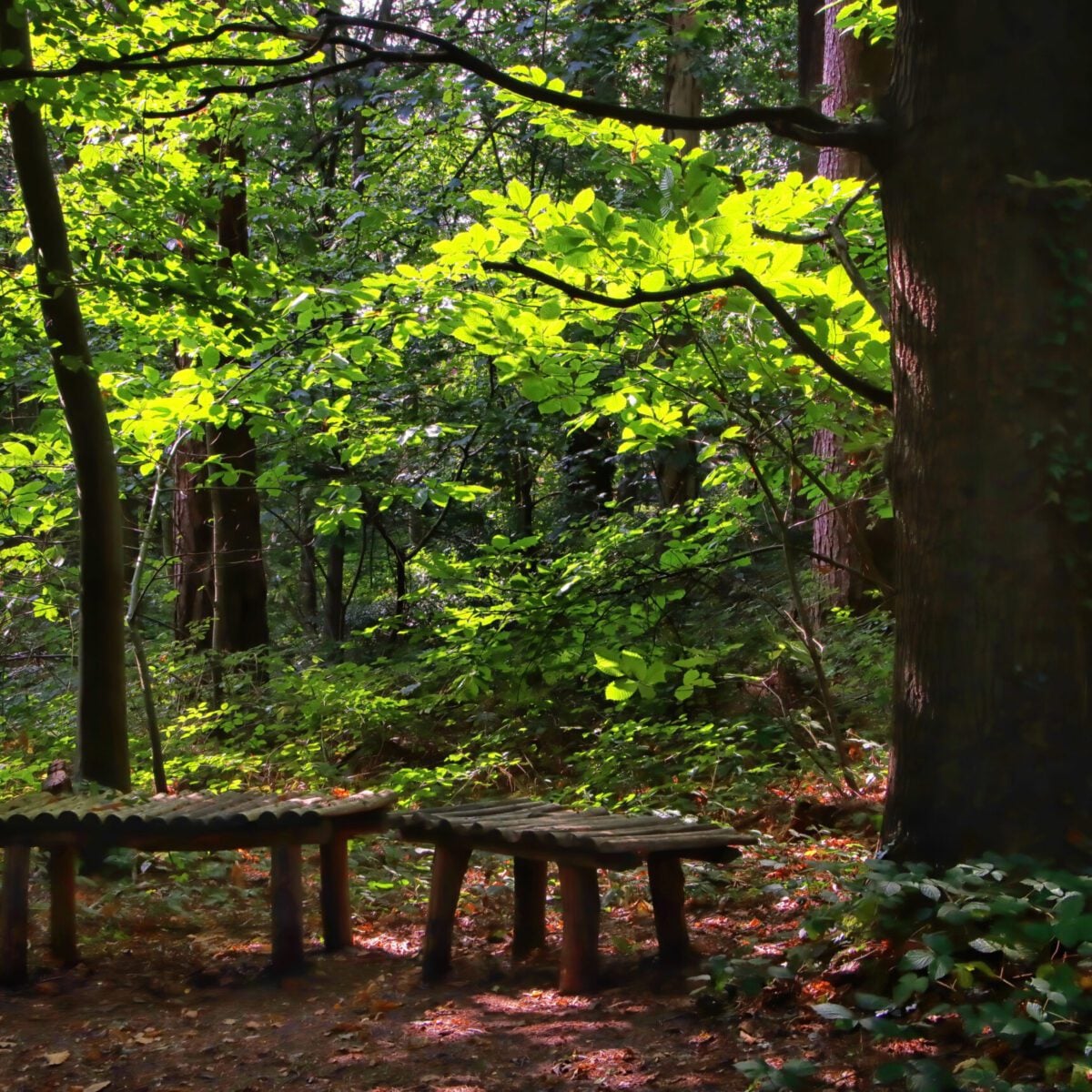
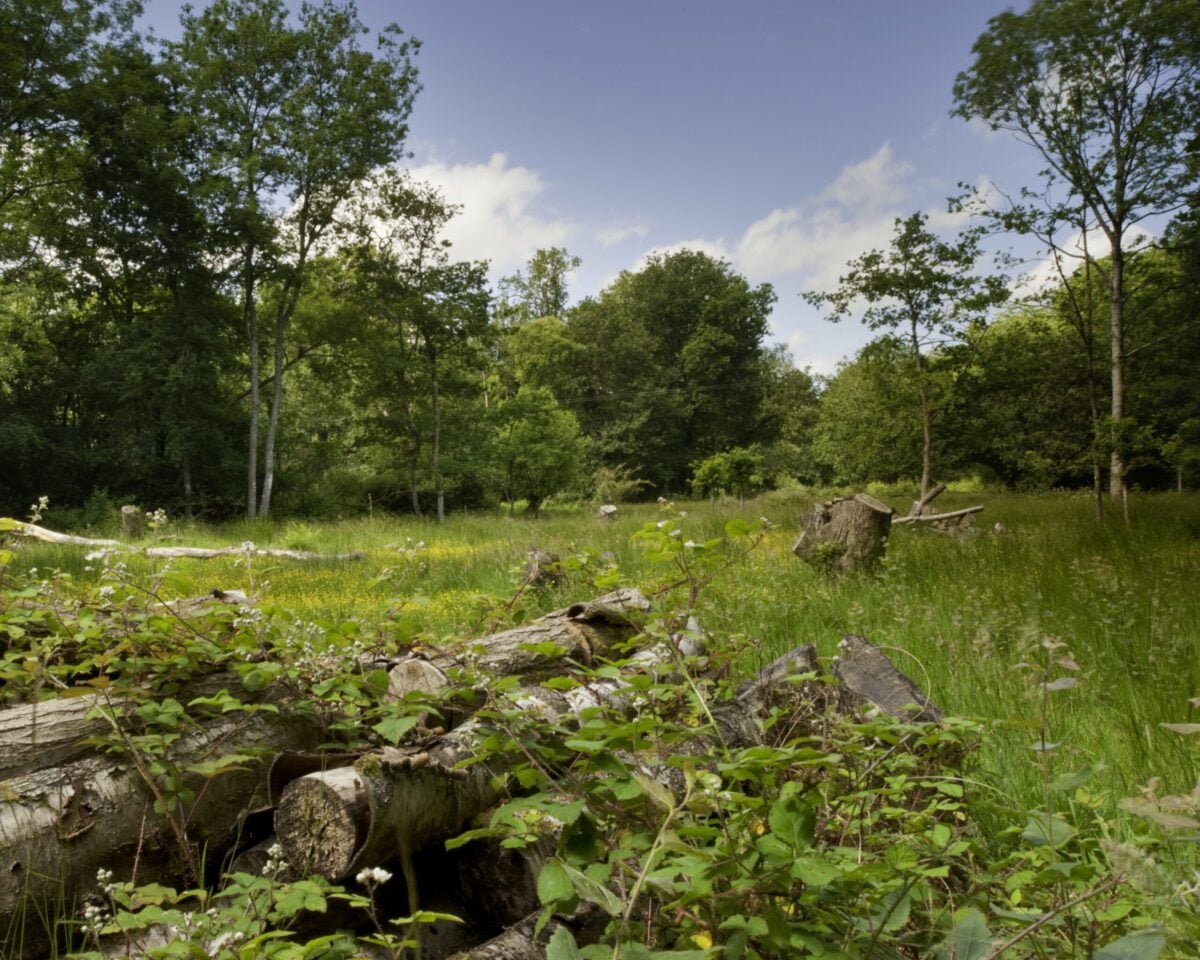
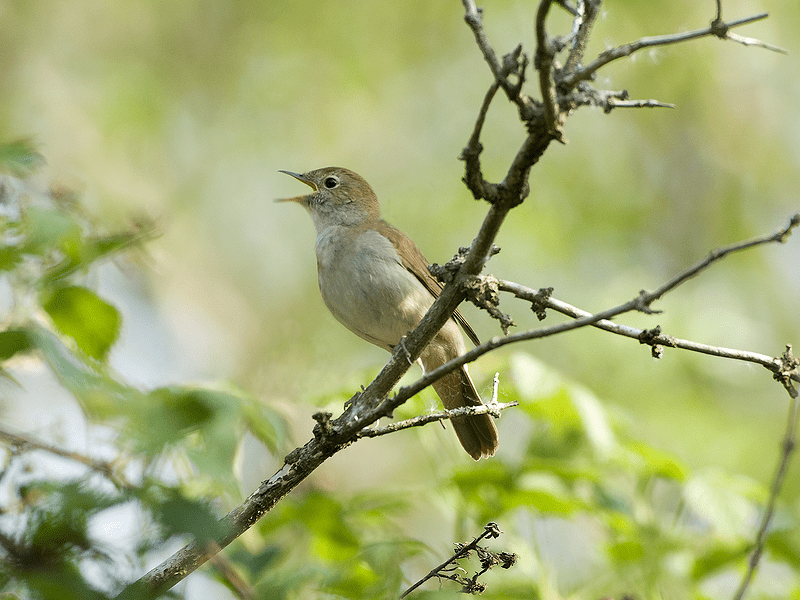
Woodland paths wind through towering trees and dappled glades bursting with birdsong in the spring. Mossy deadwood houses soil-strengthening fungi and a wealth of insects, perfect for crisp autumn discoveries.
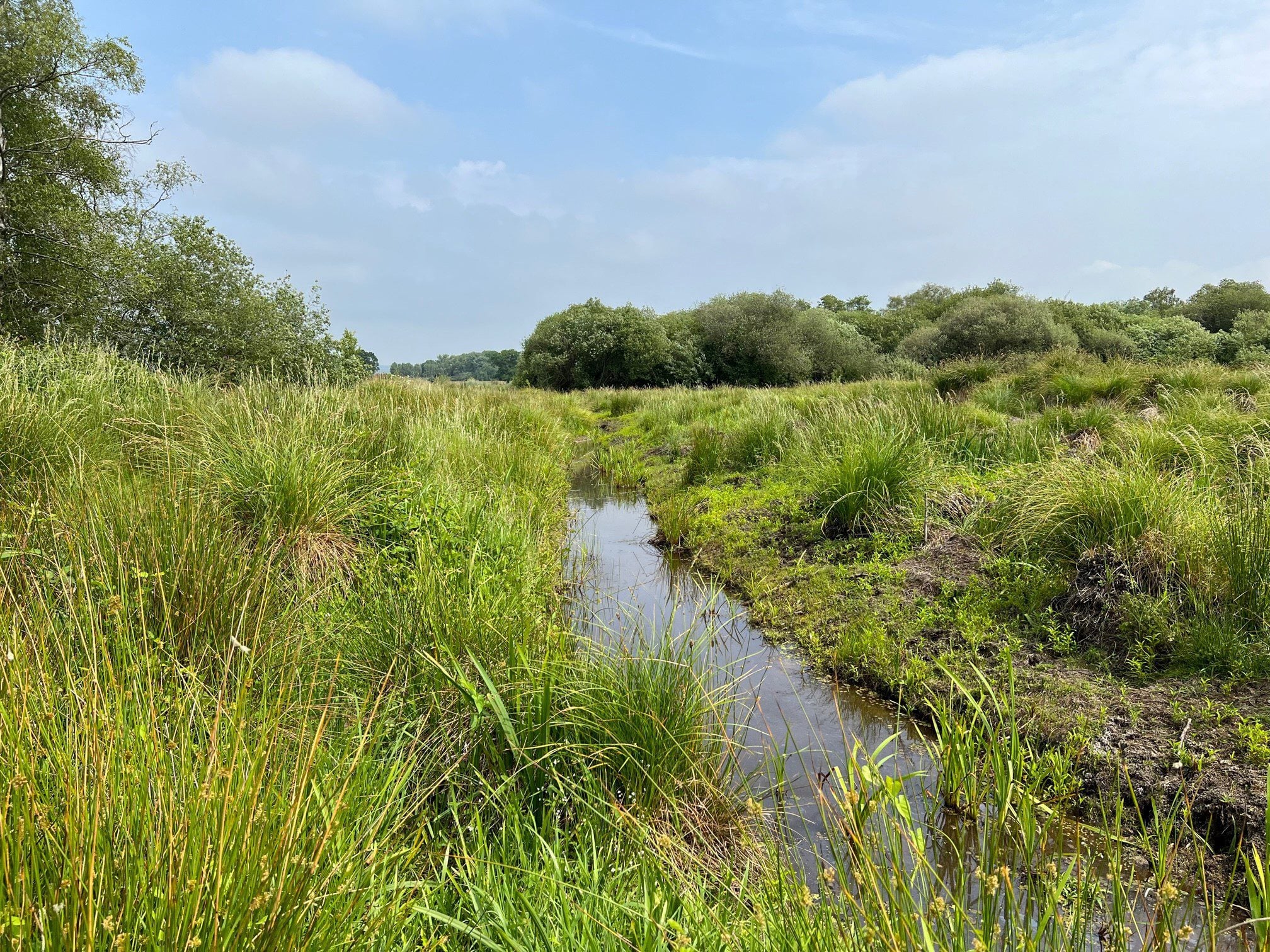
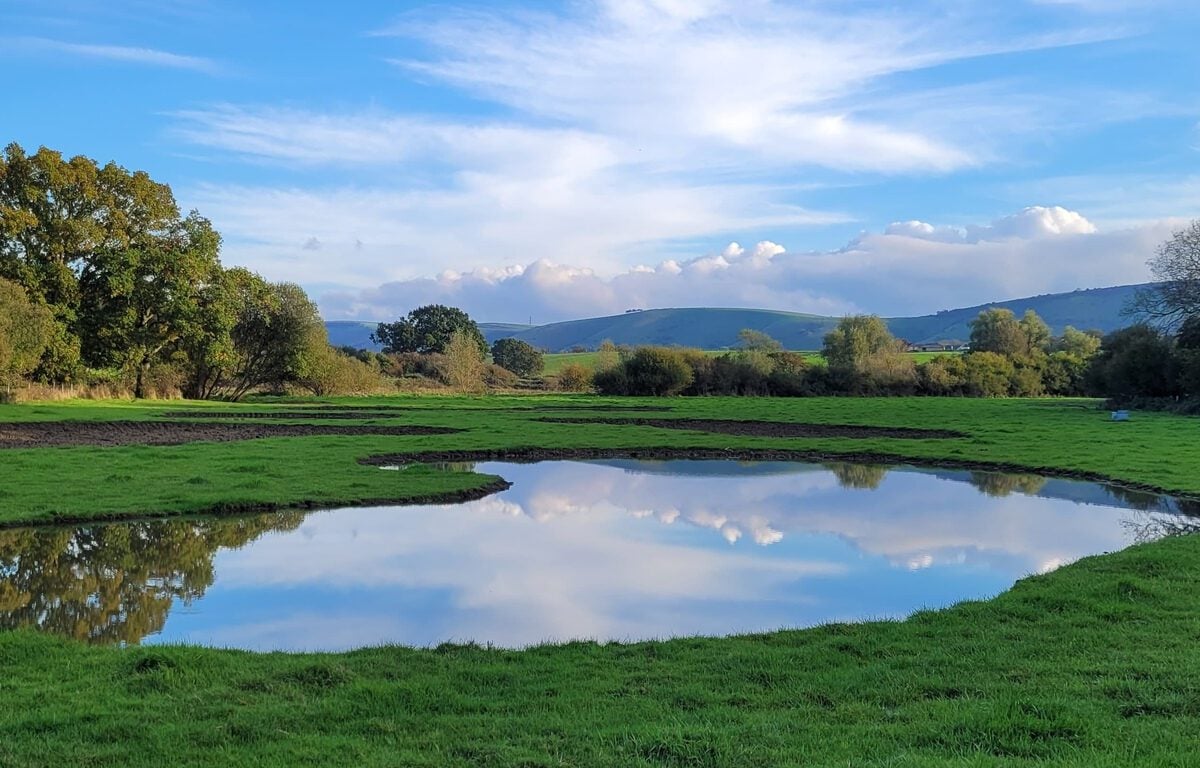
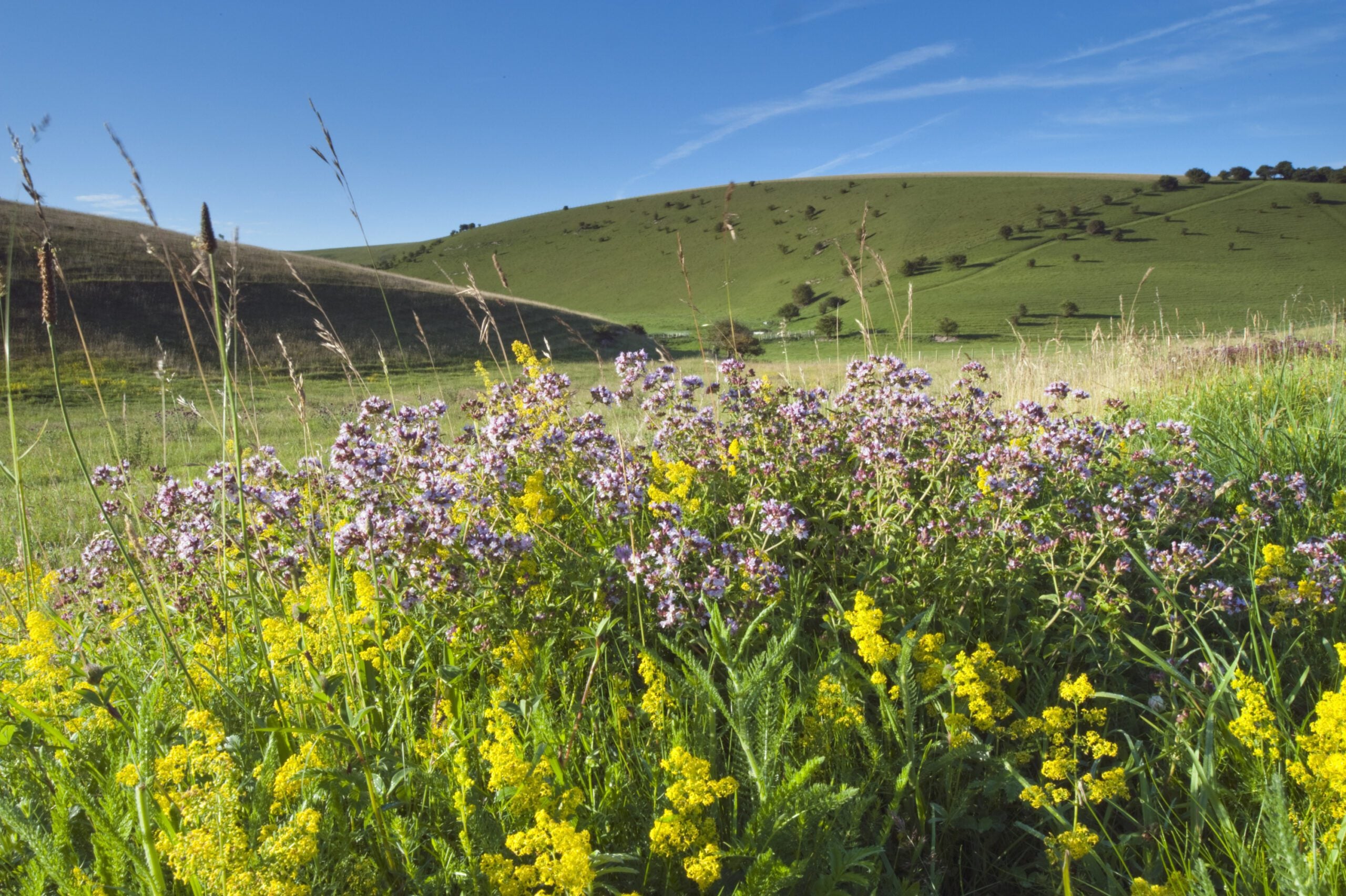
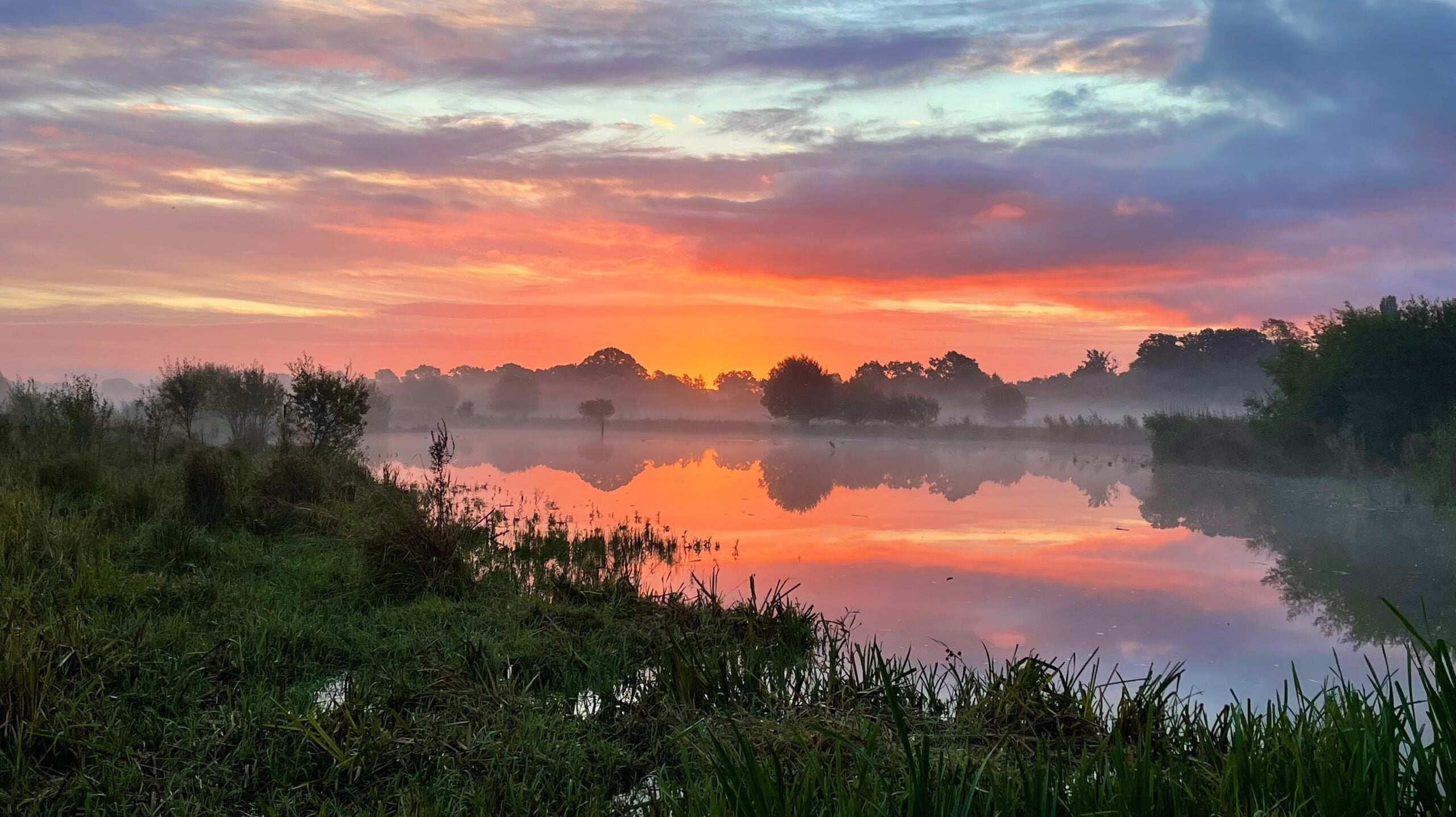
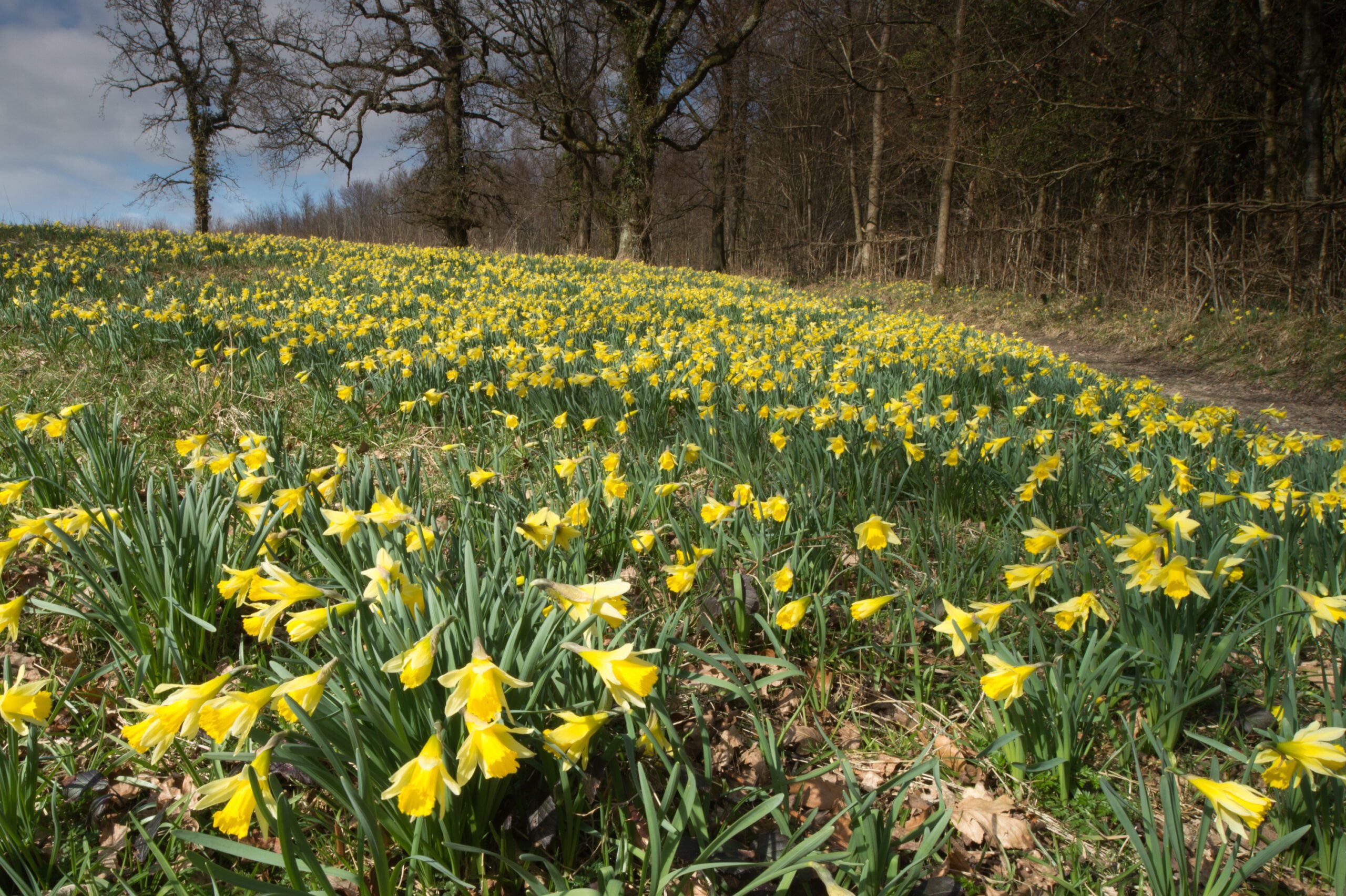
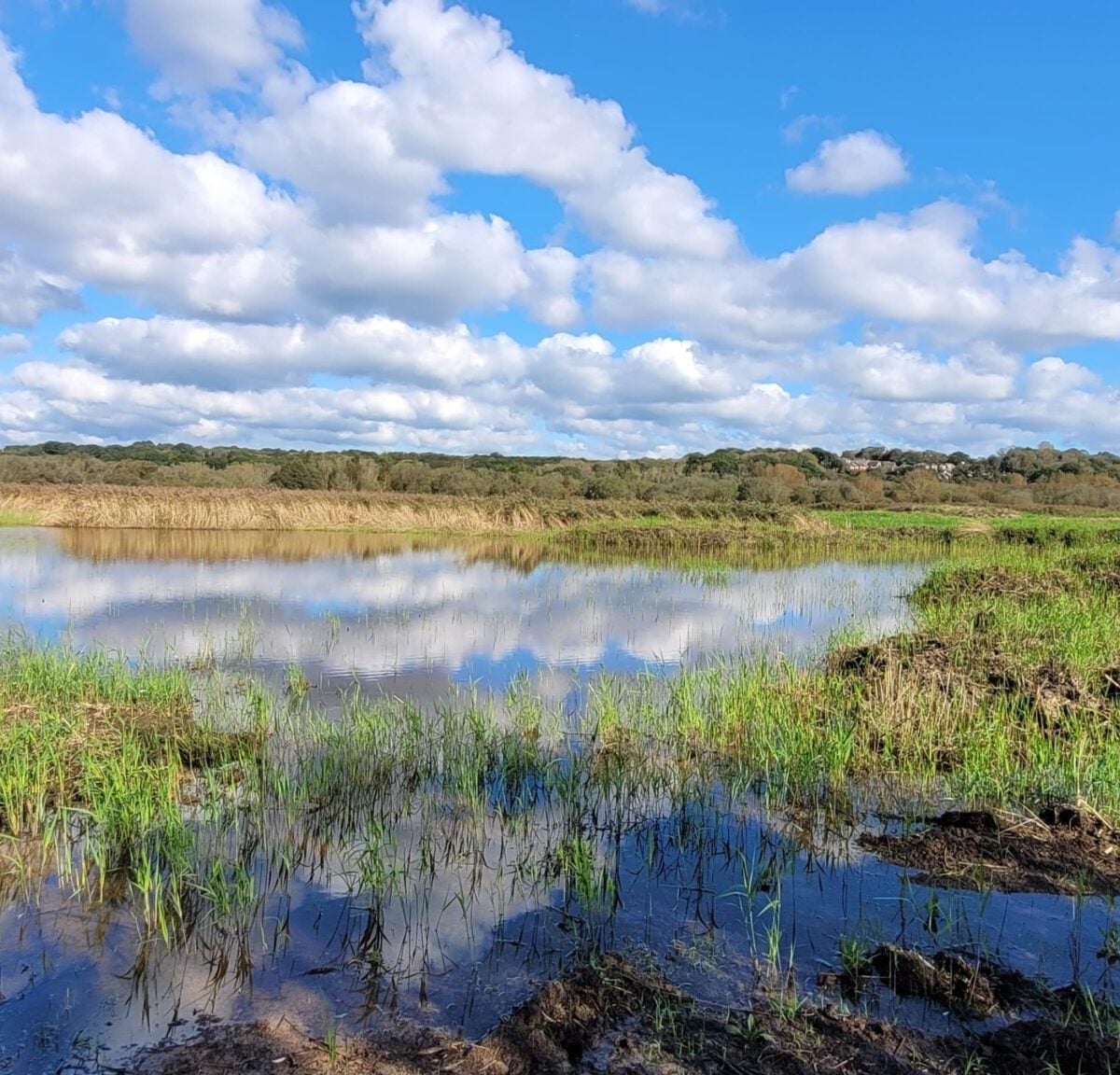
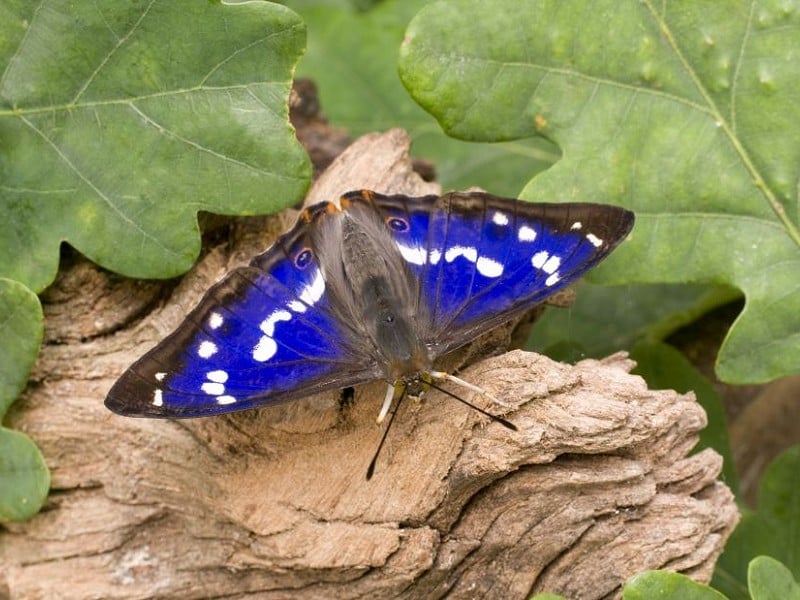
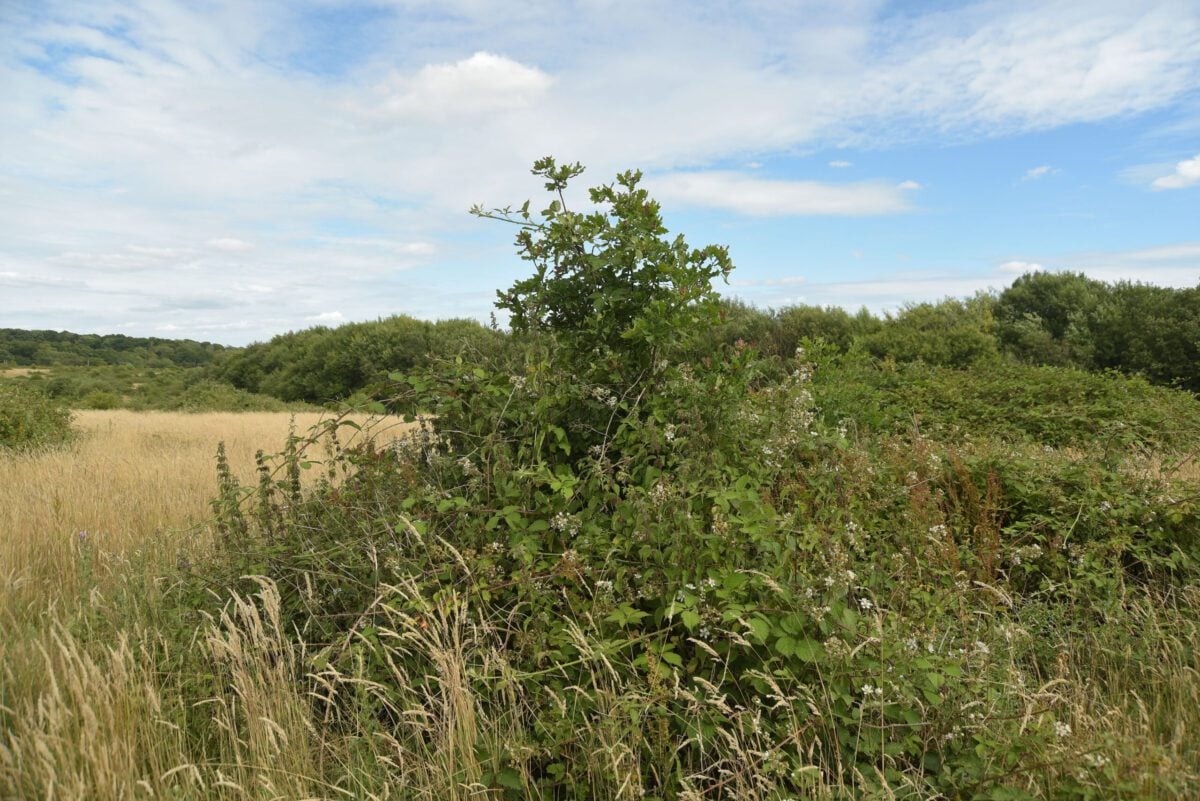
Cattle lazily graze lush grassland commons, creating space for bees, butterflies, and other pollinators in their wake. The area is peppered with streams and ponds, primed for amphibian activity. To strengthen interconnectivity and wildlife accessibility between these different habitats, we have actively taken on more land around the site, piecing together the Ebernoe jigsaw and forming the Wildlands.



Henri Brocklebank Director of ConservationEveryone I know who has an involvement with Ebernoe Wildlands is passionate about the site.
Know before you go
Open at all times
Reserve size – 157 hectare
Free to visit
All our open reserves our free to visit, but if you enjoy your visit please consider donating to Sussex Wildlife Trust to help us manage these special places
How to get here
Postcode: GU28 9LD
The reserve is about five miles north of Petworth. There is a car park at Ebernoe Church, off Streel’s Lane, from which you can access the reserve.
Getting around the reserve
The reserve is not easily wheelchair accessible, due to the slopes and muddy paths. There are some steps.
Dogs welcome on leads
Dogs are welcome but please keep them under close control and clean up after your dog.
Nearest toilet 5 miles
The are no toilets on site, but there are several located in Petworth and surrounding villages.
Check Toilet Map for the nearest options
Dos and don’ts
- Keep your dog on a lead
- Don’t pick flowers or forage, including fungi
- No camping
- Take your litter home
- Tell us what nature you’ve seen via iRecord
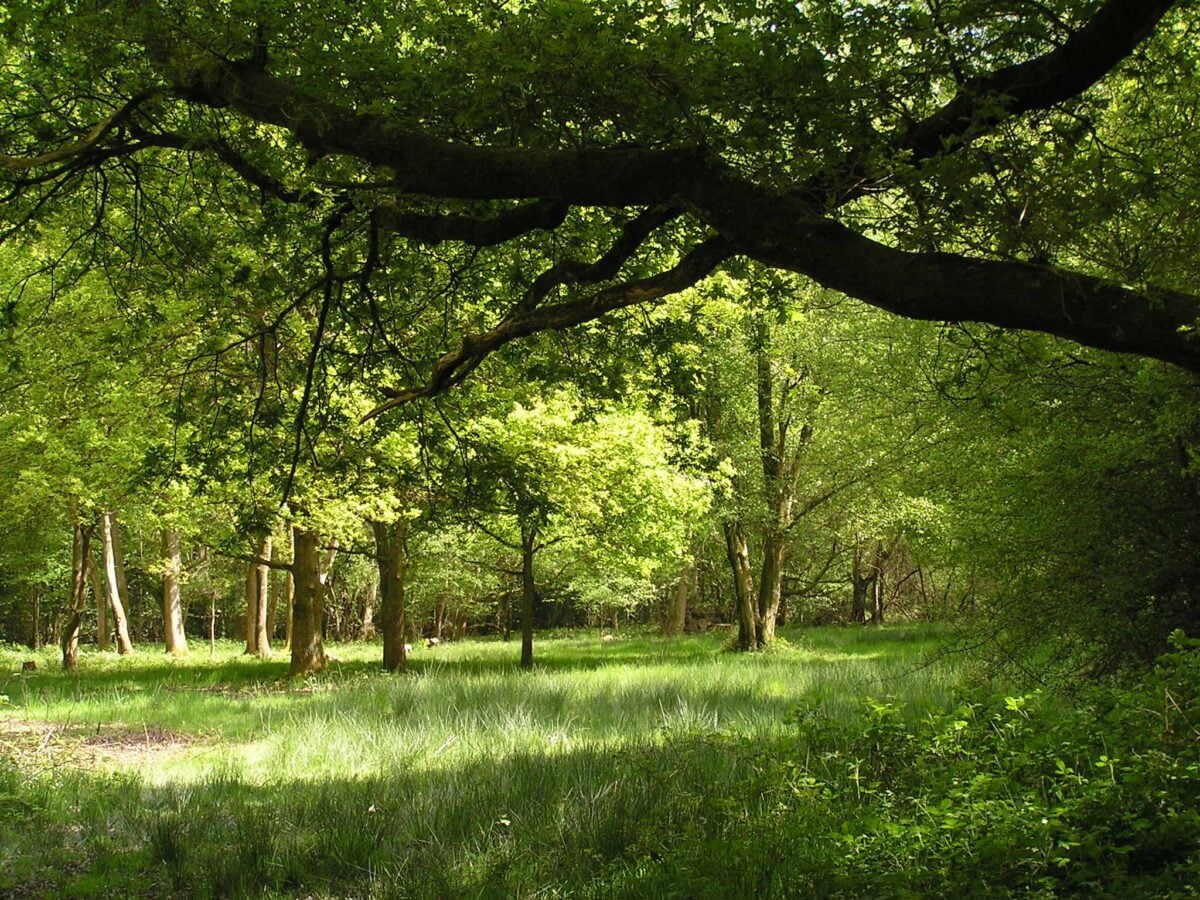
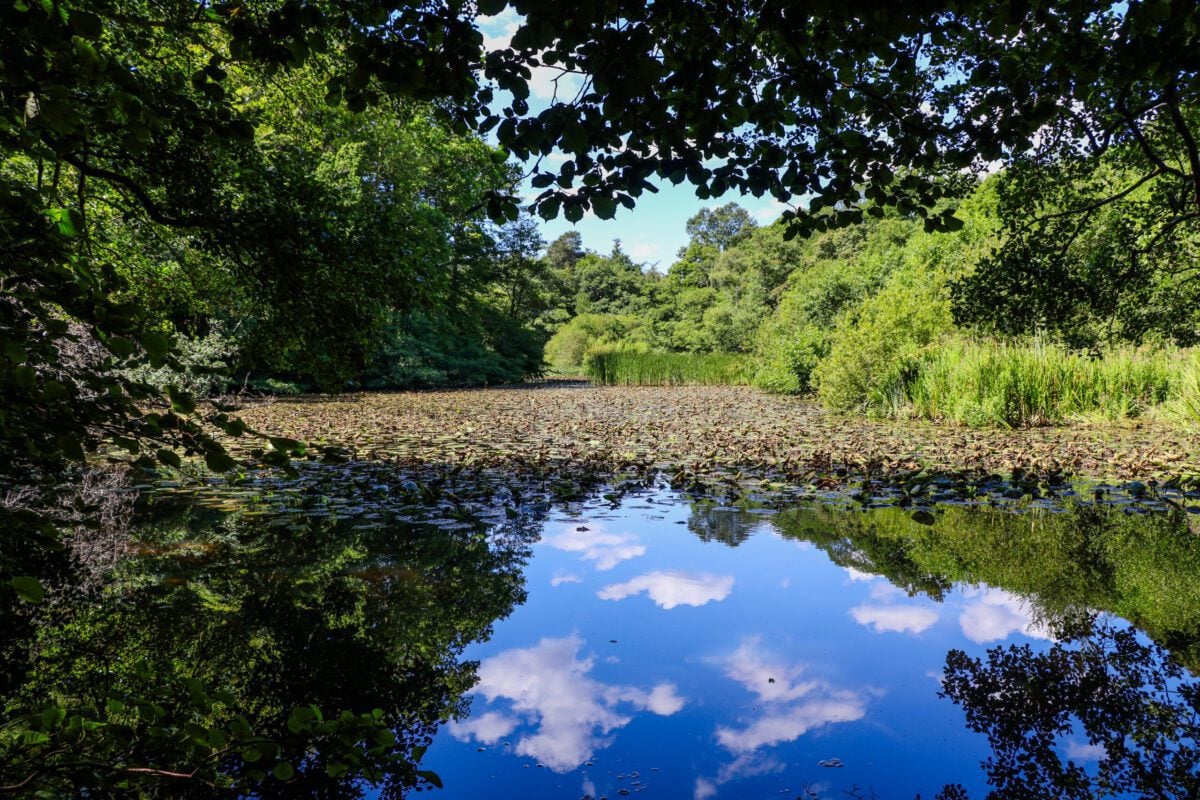
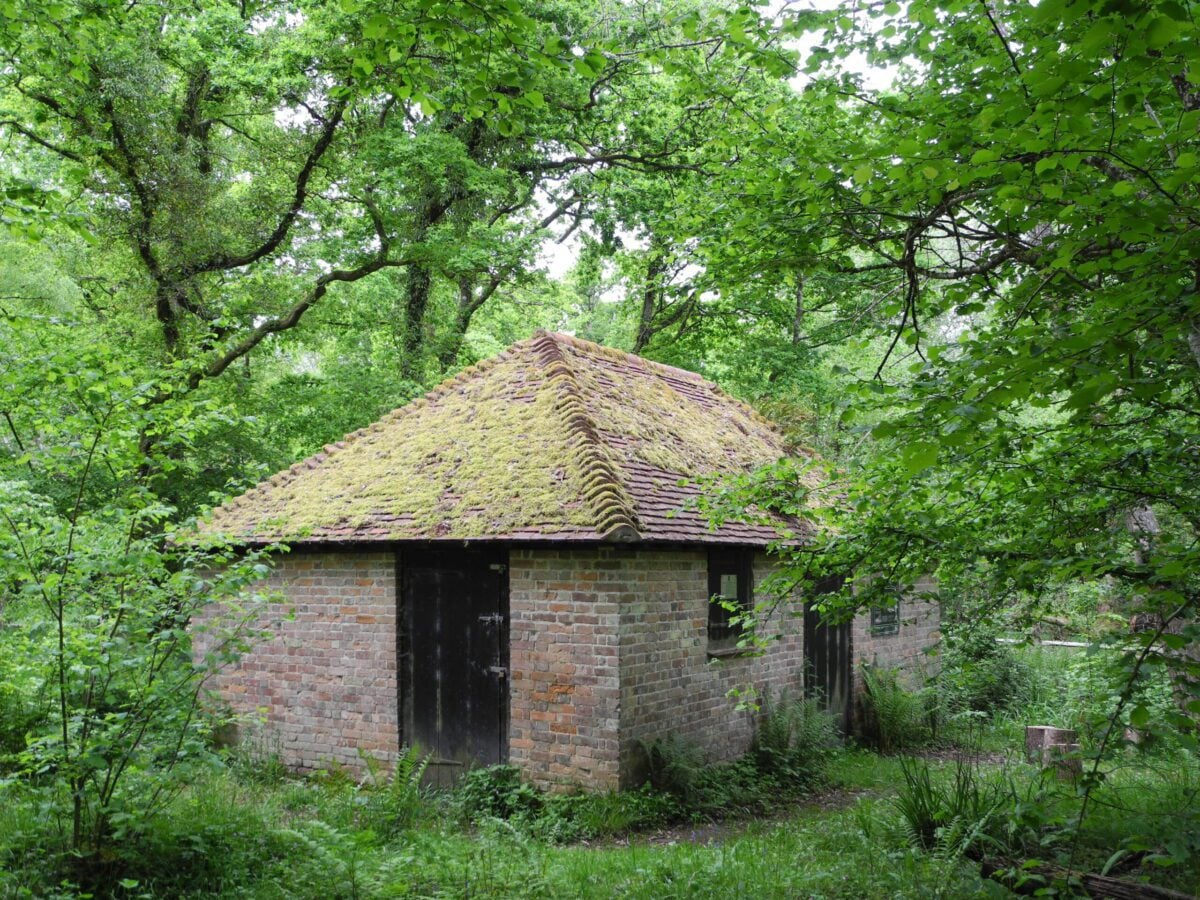
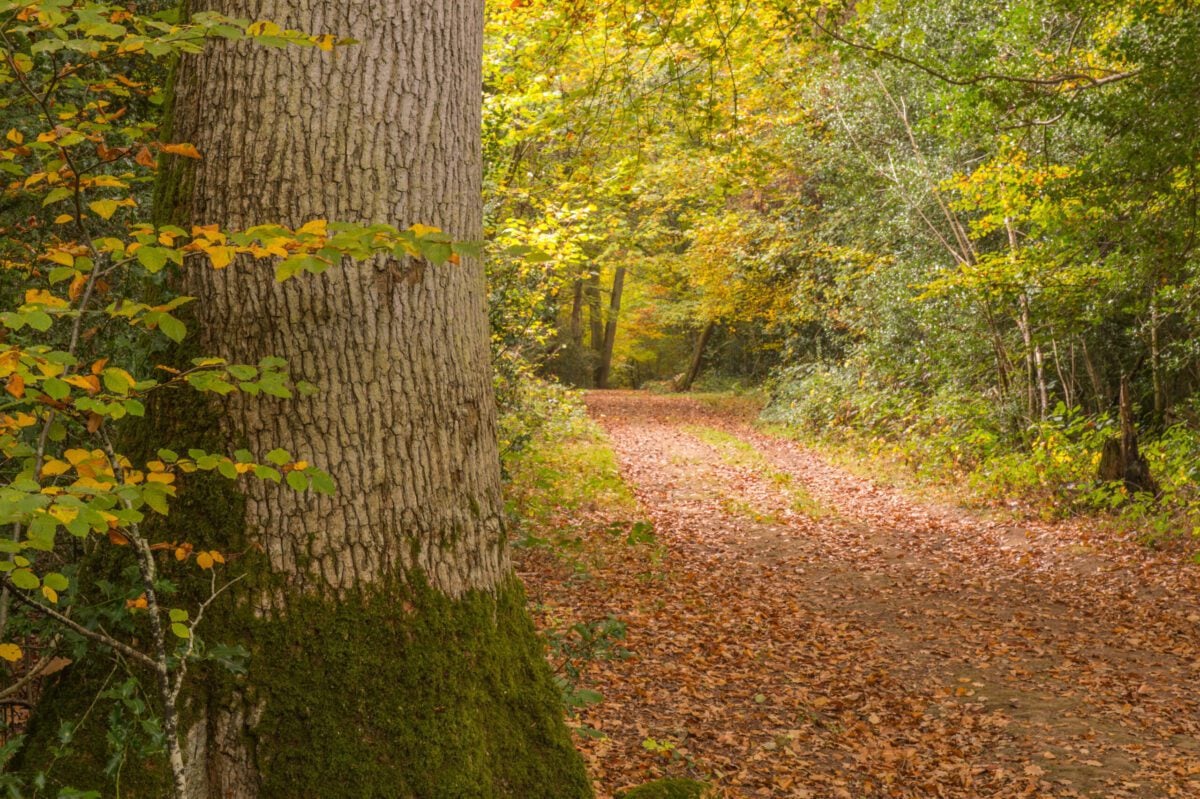
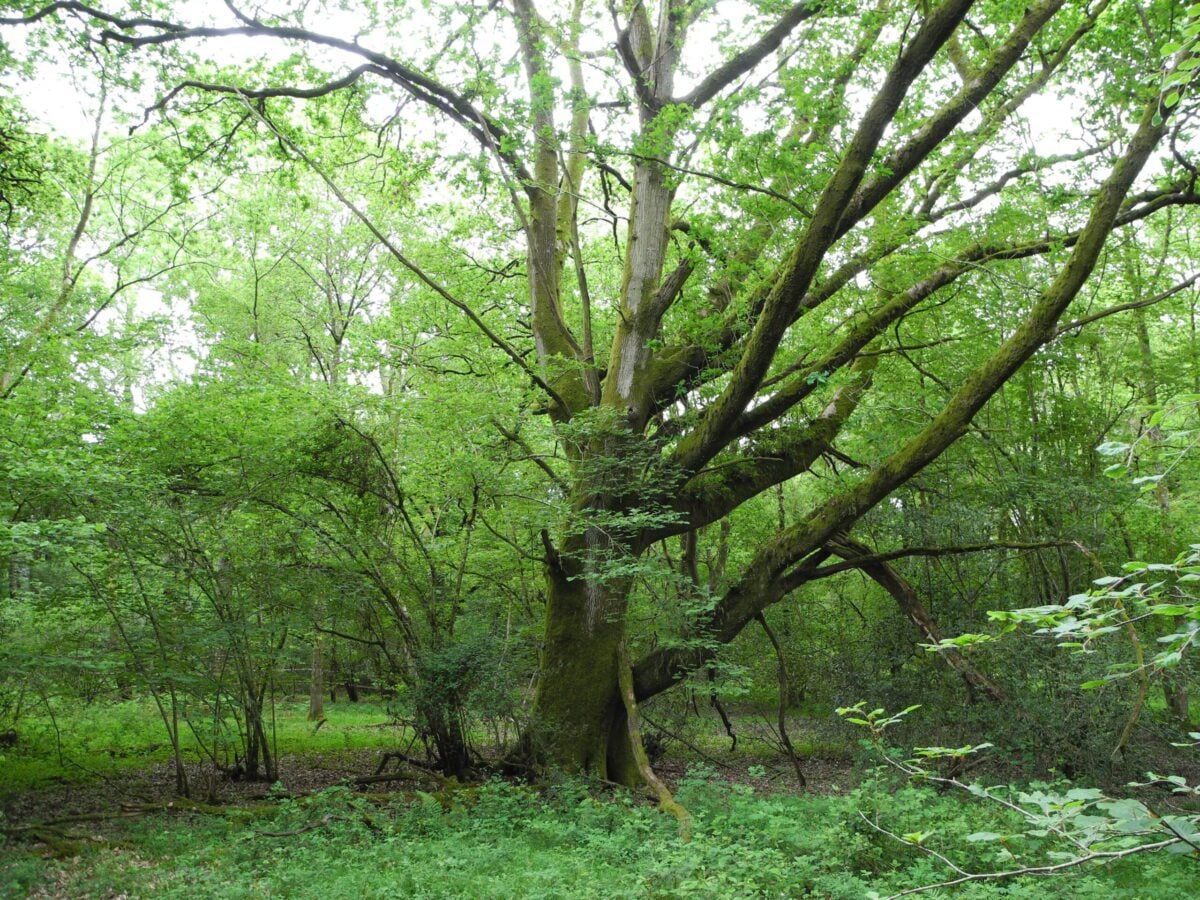
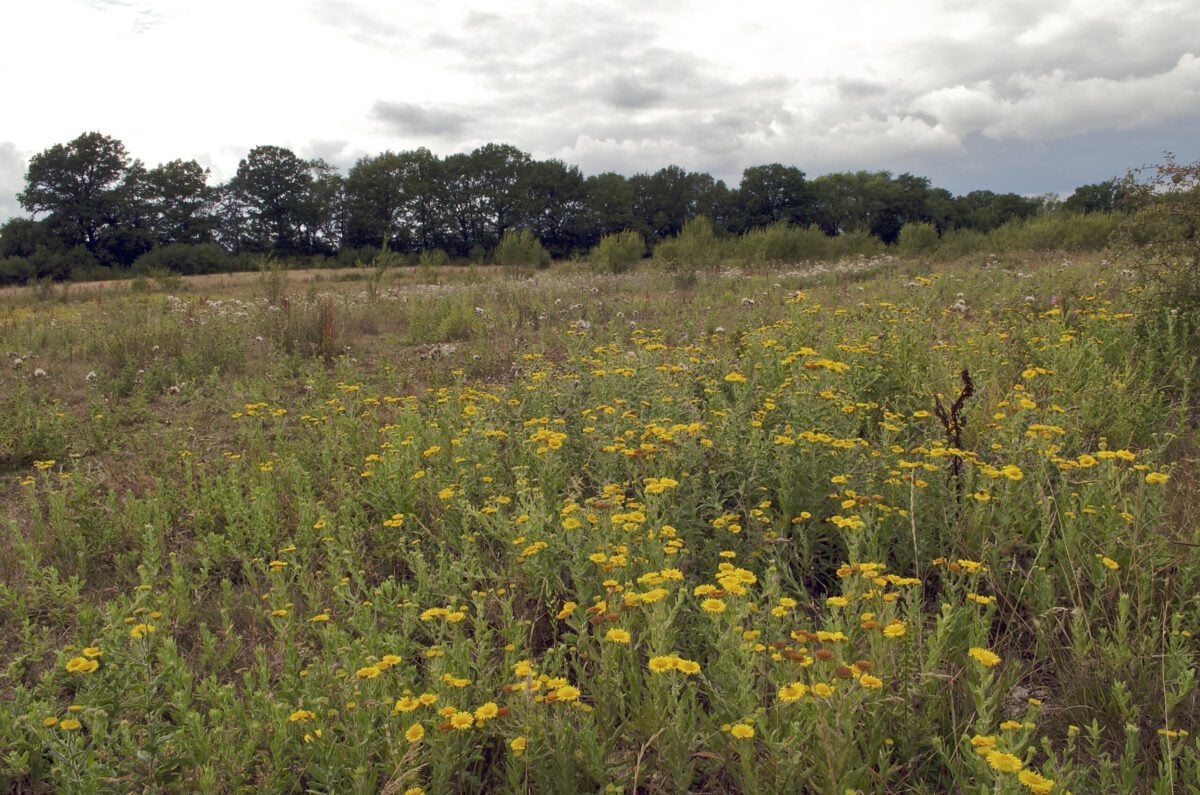
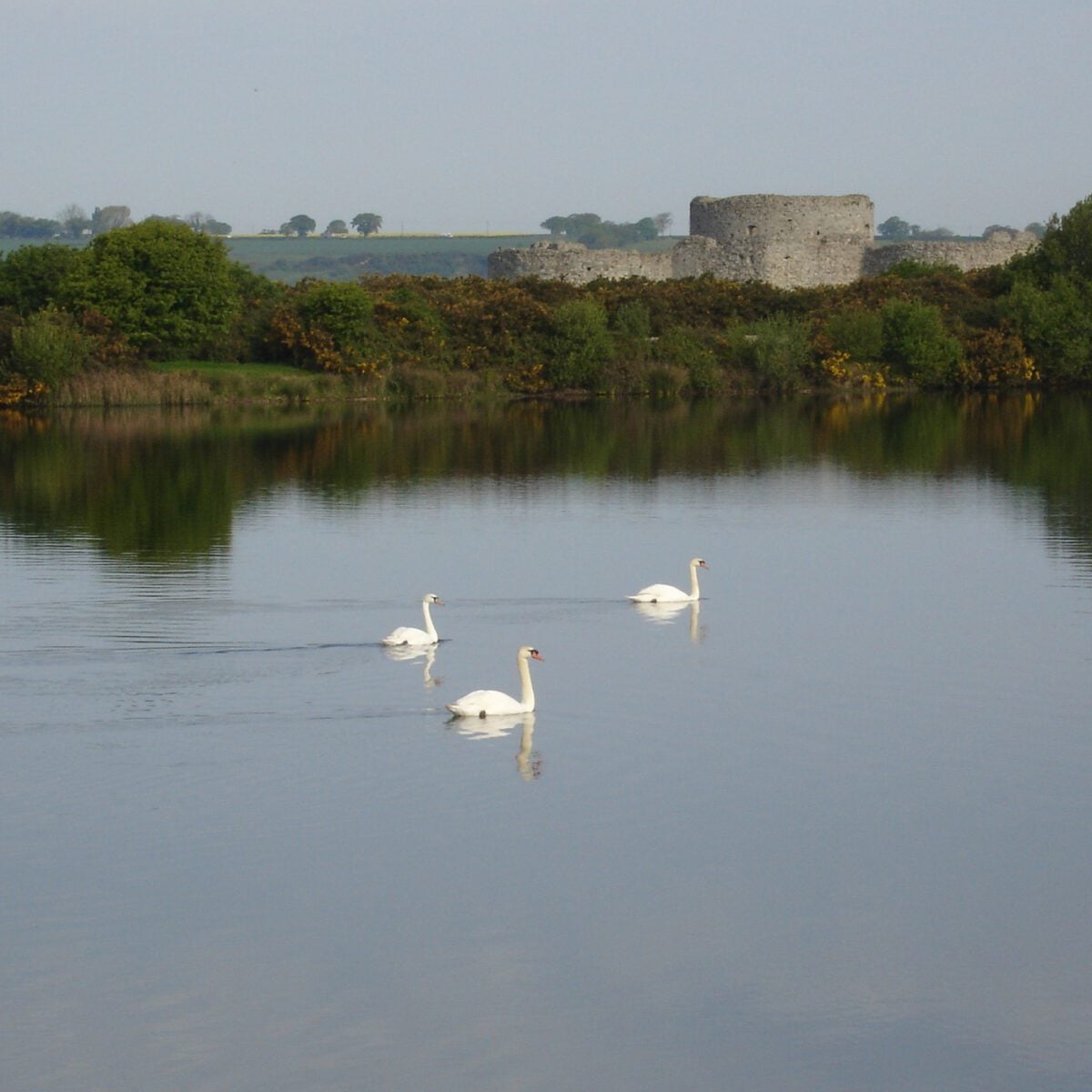
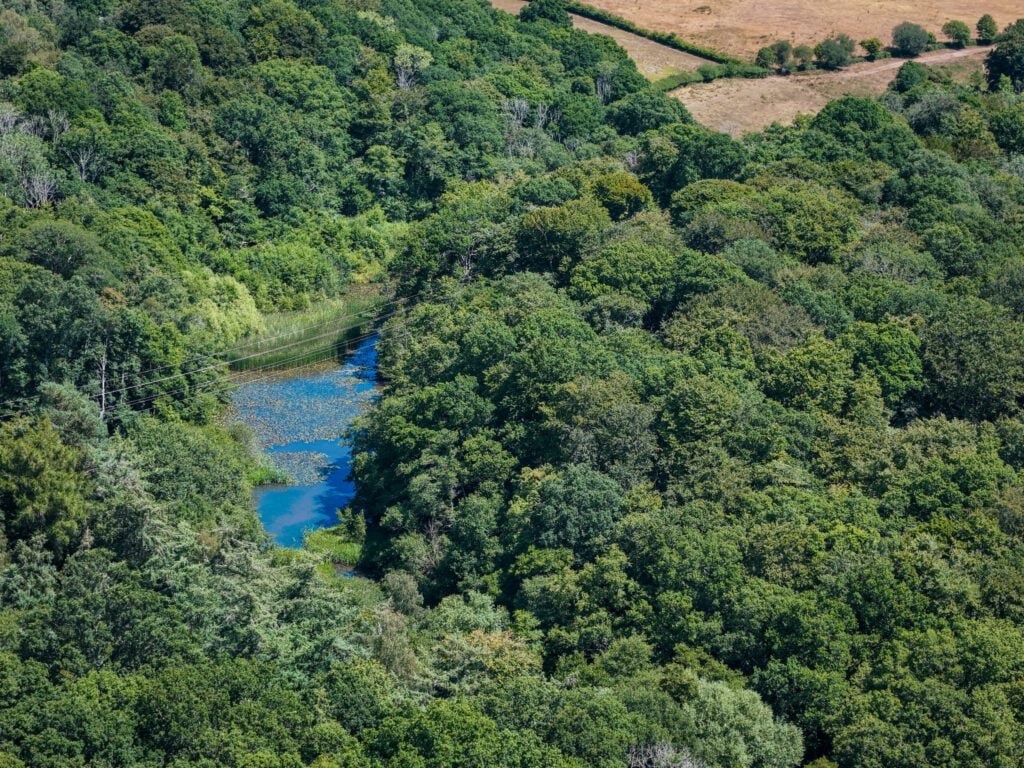 Furnace Pond © Kai Hilton / Amy King
The story of the reserve
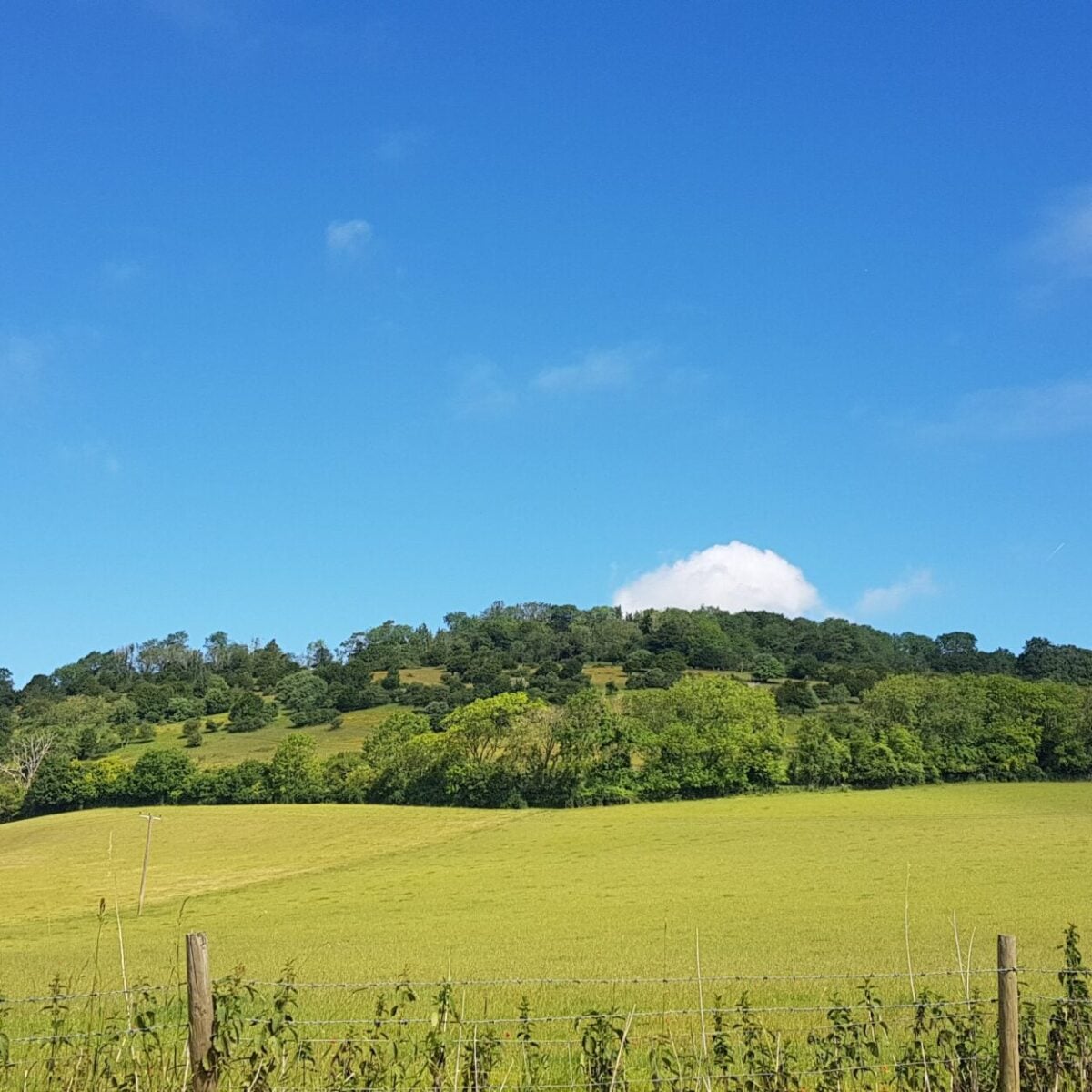
The site is dominated by wood pasture, a now-rare landscape of mixed meadows and mature trees. This was created through centuries of traditional use by ‘commoners’, who would turn out their pigs and cattle into the area to graze, browse and forage.
Later, most of what is now the reserve was owned by the Peachey family, who encouraged the building of the school house and the church that can be seen from the car park.
Sussex Wildlife Trust bought Ebernoe Common in 1980, and set about restoring many of the site’s habitats. Over time, several parcels of adjoining land have been acquired, forming an interconnected suite of habitats in various stages of restoration and rewilding, and now known collectively as Ebernoe Wildlands.
Did you know?
Rare birds
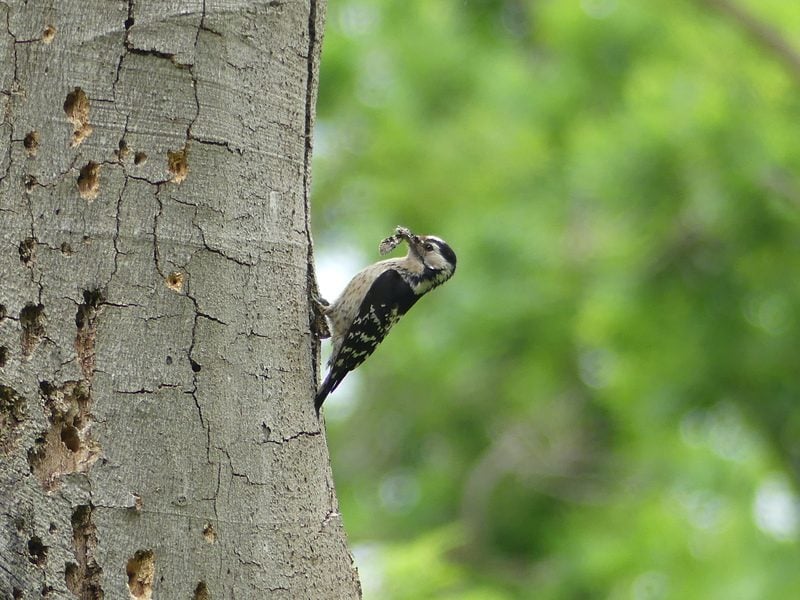
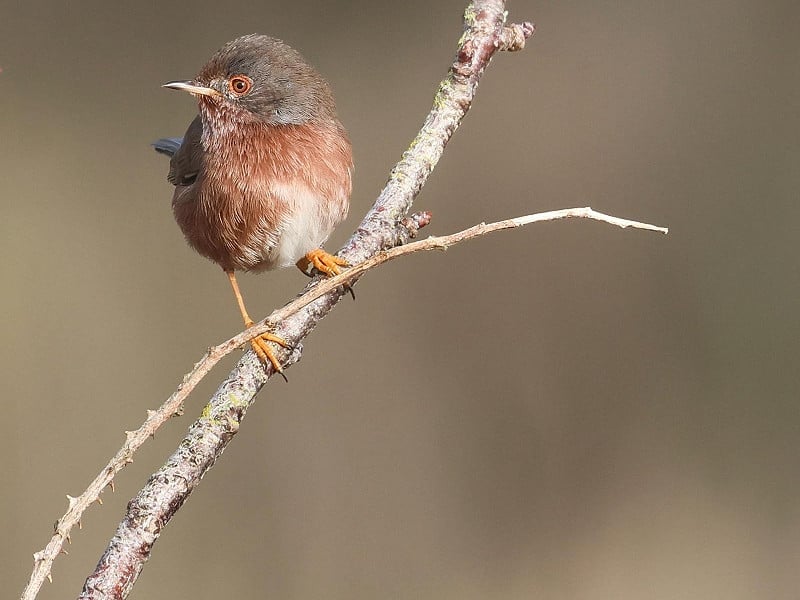
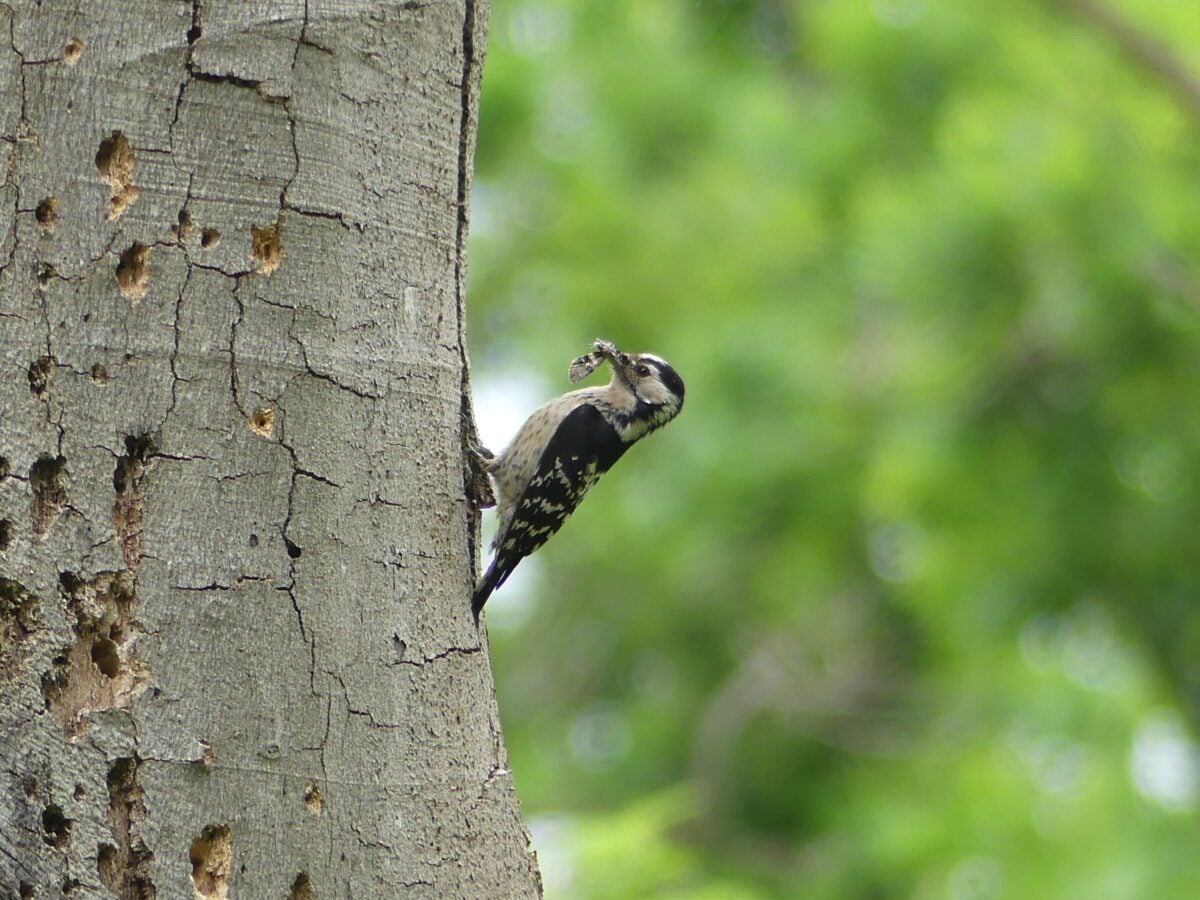
The ancient woodland is home to some of Sussex’s scarcest breeding birds, including Lesser Spotted Woodpecker, Hawfinch and Goshawk.
Industrial past
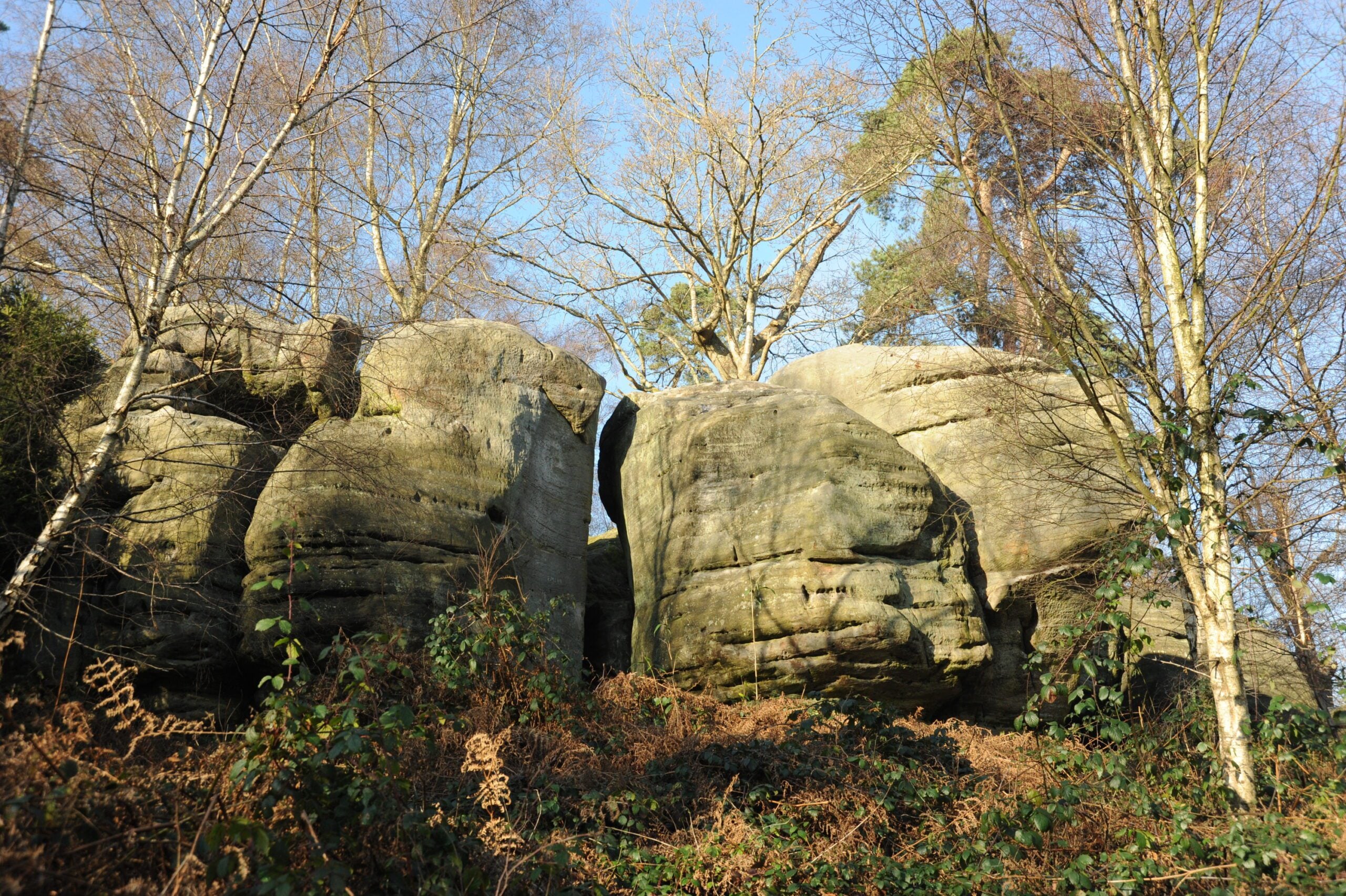
Evidence of centuries of industrial use on the site includes brickworks, ponds, an iron furnace site, clay pits and a small quarry.
Bats galore
14 of the UK’s 17 species of breeding bat have been recorded at the reserve.
Fantastic for fungi
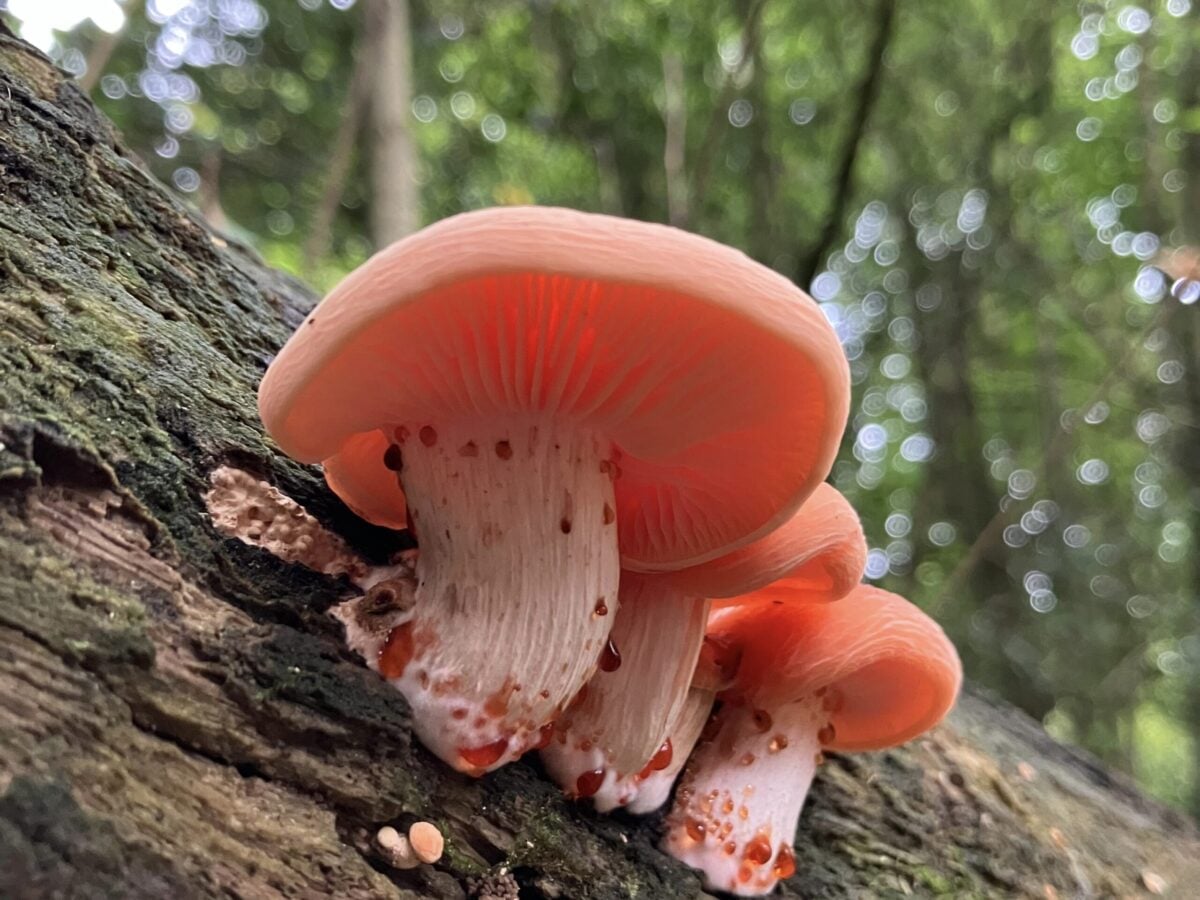
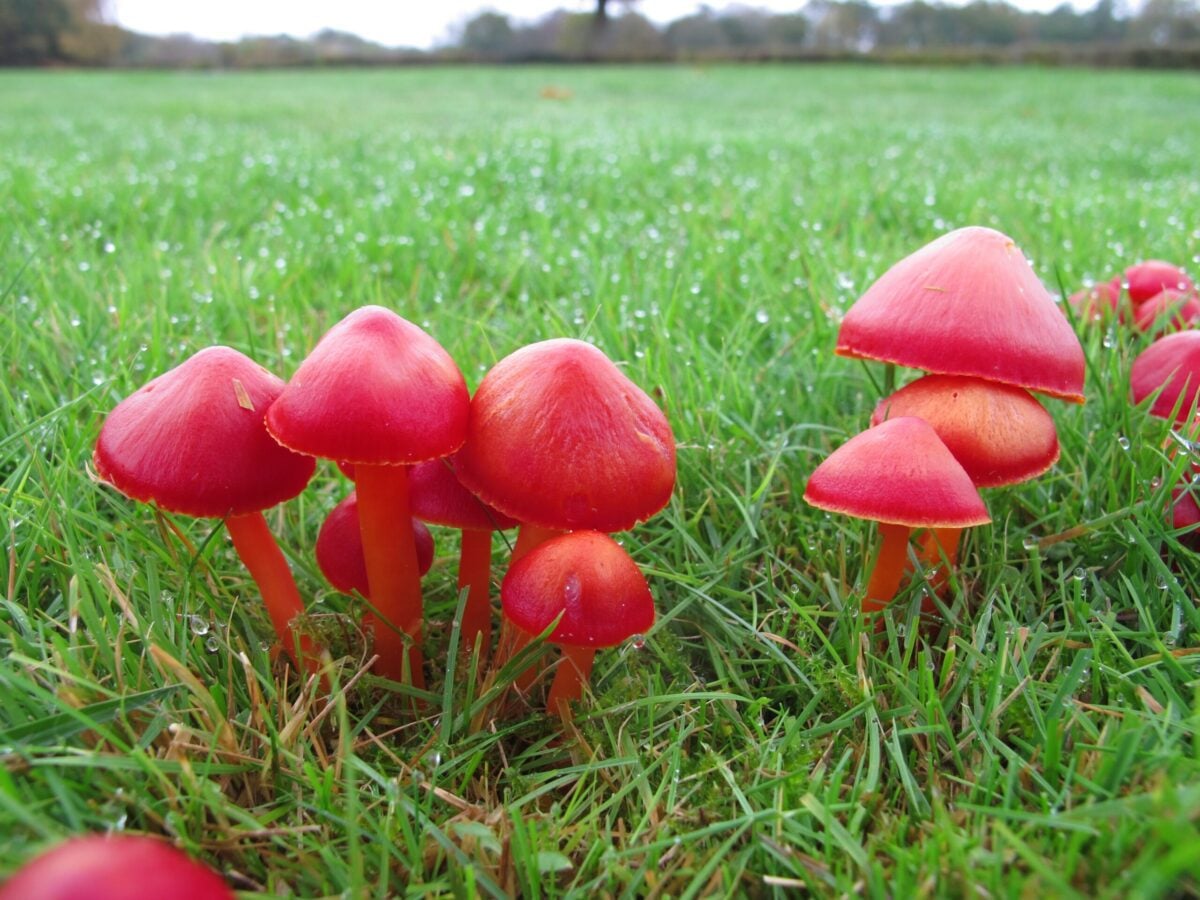
Over 1,000 species have been recorded, with many of the most fascinating mushrooms to be found in autumn – please enjoy looking, but leave them unpicked.