Take action
Become a member
Memberships builds our community and gives us a predictable income, which lets us plan and sustain longer projects that can have a greater impact. The more members we have, the more we can do to protect the Sussex countryside and coast.
Make a donation
Membership builds our community and gives us a predictable income, which lets us plan and sustain longer projects that can have a greater impact. The more members we have, the more we can do to protect the Sussex countryside and coast.
Overview
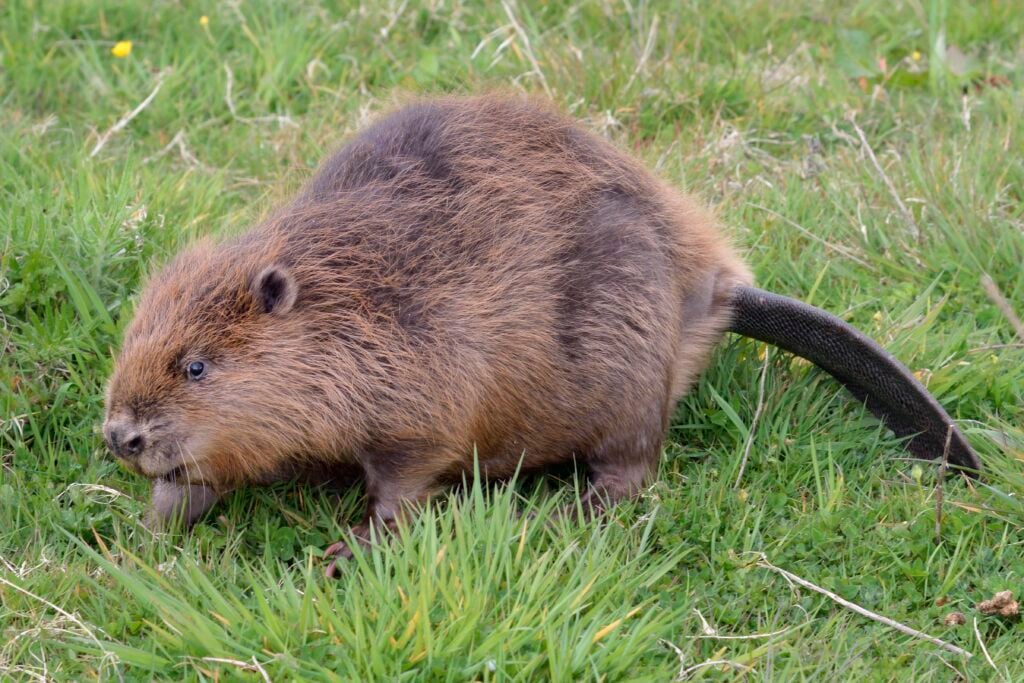
Beavers, our largest rodents, are known as a keystone species – one that plays a critical role in creating thriving ecosystems from which a wealth of wildlife benefits. By creating dams, making ponds, and forming canals to swim around their territory, beavers create habitat that helps lots of other wildlife to thrive.
Key facts
- Strong swimmers
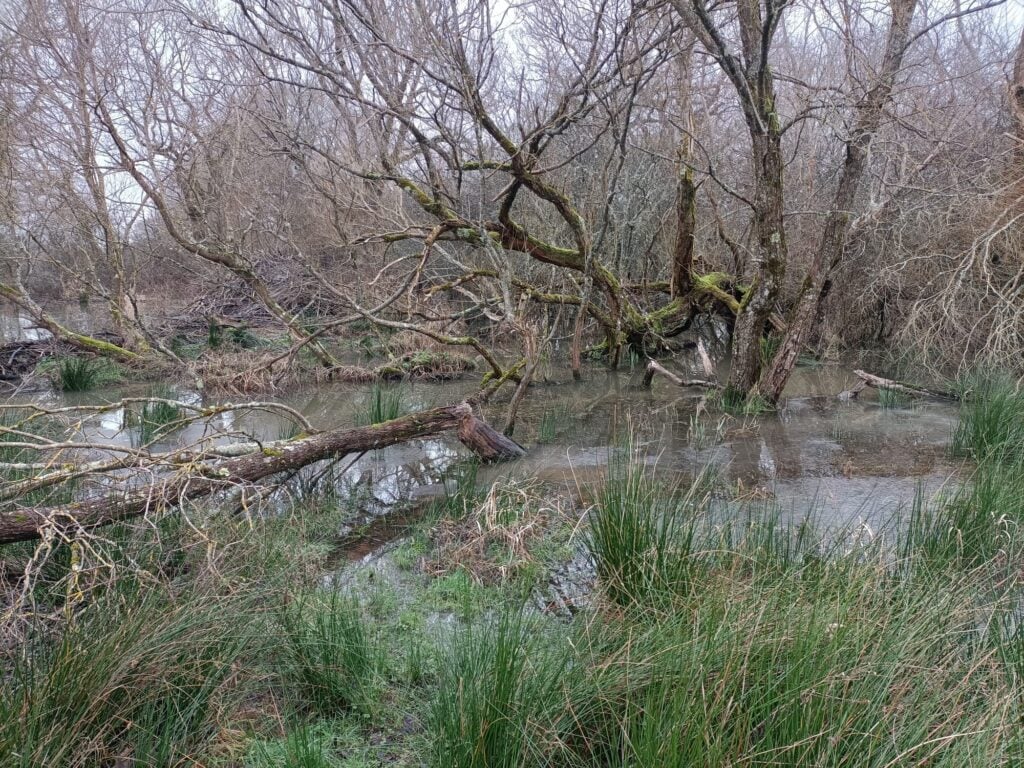
Beavers are slow on land but excellent swimmers, so they feel safest when they’re close to deep water (around 70cm deep). If the water isn’t deep enough for them, Beavers can make it deeper. They use mud, wood, and stones to build dams across shallow rivers, streams and ditches. - Pairs for life
Pairs usually stay together for life. Breeding takes place between December and April and the pregnancy lasts for 103-108 days. Females give birth to their litter of 1-6 young in early summer (the average litter is two or three young). The young, called kits, can breed at two years old, but don’t tend to breed successfully until they’re at least three. - Plant-based diets
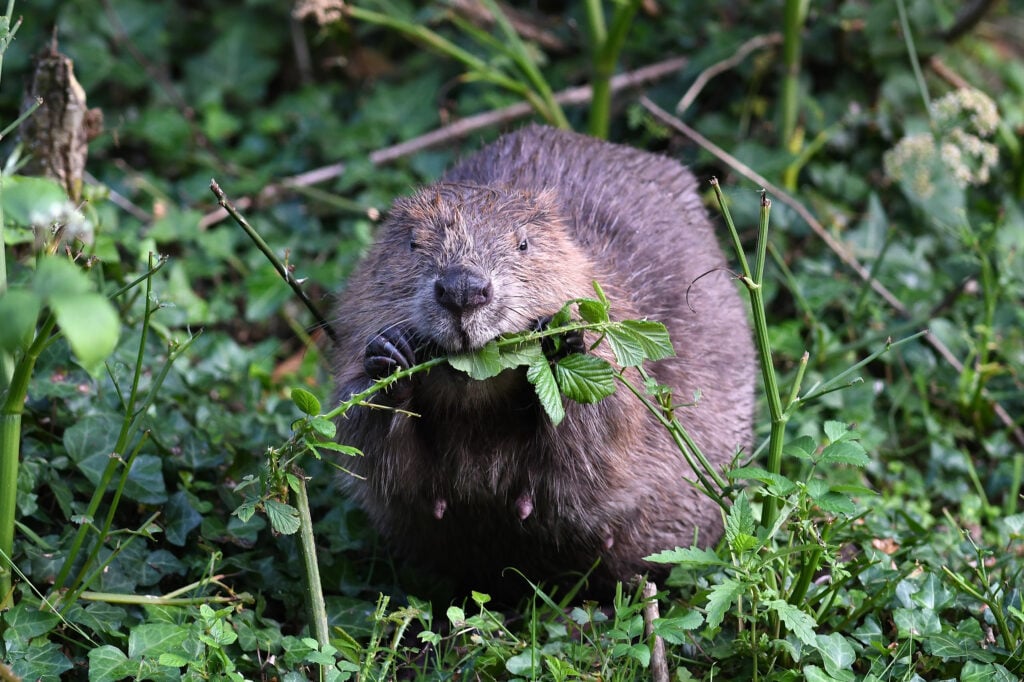
Beavers are herbivores, feeding entirely on plants. In summer, they prefer pond weeds, grasses, leaves and other parts of plants. In winter they eat the bark of trees, favouring willows, poplars and Alder. - Colourful teeth
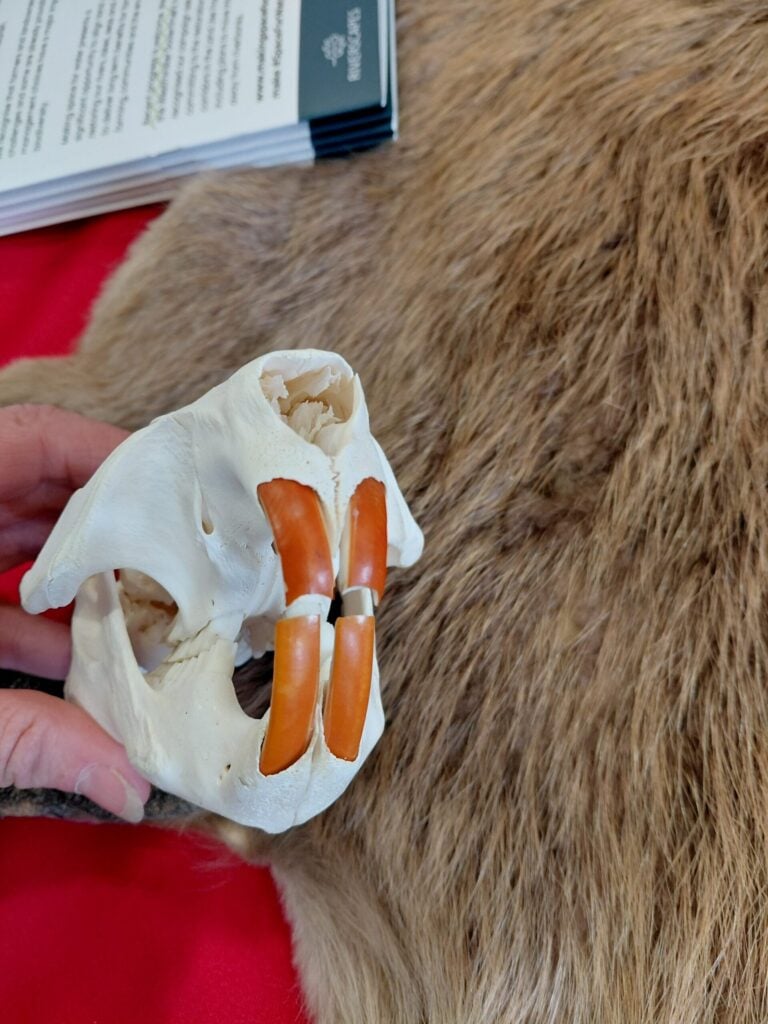
Beavers have iron in the enamel on their teeth, which gives them extra strength for gnawing through wood, as well as making them a distinctive orange colour. - Dawn and dusk
Beavers are crepuscular, meaning they are most active at dawn and dusk. - Flood defenders
Beaver dams can prevent flooding further down the river, keep water flowing during droughts, and even filter the water passing through them to reduce pollution.
Status
Beavers were once found throughout Britain, but were hunted to extinction in the 16th century for their fur, meat, and the oil in their scent glands, which was used in medicine and even perfumes.
Now Beavers are back! Thanks to the work of The Wildlife Trusts and other conservation charities, Beavers are being re-introduced into different parts of the UK. Many Wildlife Trusts, including Sussex, are running projects with the ambition that one day Beavers will be widespread in the wild once more.
Seasonality
Beavers do not hibernate, and are active all year round. It’s easiest to catch sight of a Beaver during the spring and summer months, when they emerge before darkness falls.
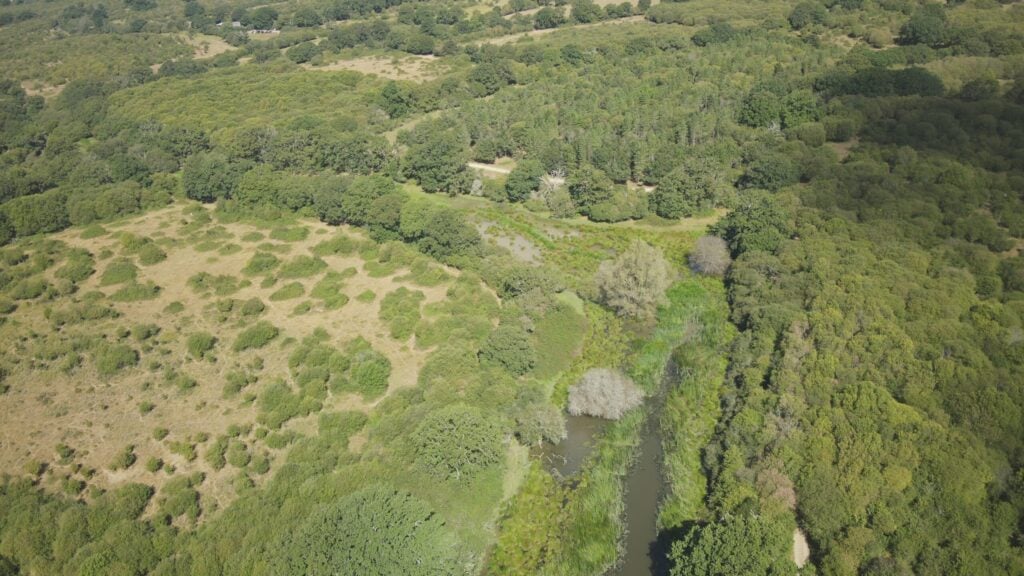 Beaver enclosure from the air © Matt Phelps / Knepp Wildlands
 Engineers assemble
Find out how Sussex is bringing back Beavers
With drought, flooding and pollution high on the list of challenges for our county, the race is on to restore Beavers to our catchments.