Take action
Become a member
Memberships build our community and give us a predictable income, which lets us plan and sustain longer projects that can have a greater impact. The more members we have, the more we can do to protect the Sussex countryside and coast.
Make a donation
Nature in Sussex is struggling right now. Every pound counts when it comes to the critical work needed to help nature recover. No matter how big or small, your donation will help us make a difference together.
Overview
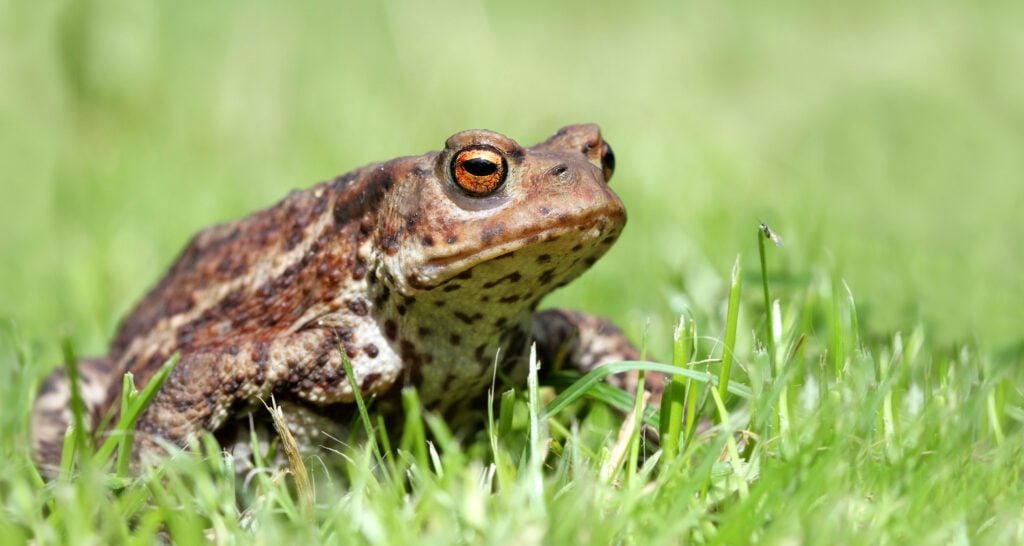
Common Toads are amphibians, breeding in ponds during the spring and spending much of the rest of the year feeding in woodland, gardens, hedgerows and tussocky grassland. They hibernate over winter, often under log piles, stones or even in old flower pots!
Toads are famous for their mass migrations back to their breeding ponds on the first warm, damp evenings of the year, often around St. Valentine’s Day. Common Toads tend to breed in larger, deeper ponds than Common Frogs. Toad tadpoles contain toxins that make them unpleasant for predators to eat, allowing them to survive in deep ponds containing fish, which would eat the tadpoles of frogs. Adult toads also contain these toxins, stored in their skin glands. Common Toads mainly feed on slugs, snails and other invertebrates, but larger toads have been known to eat small Slow Worms and Grass Snakes, and even Harvest Mice.
Key Facts
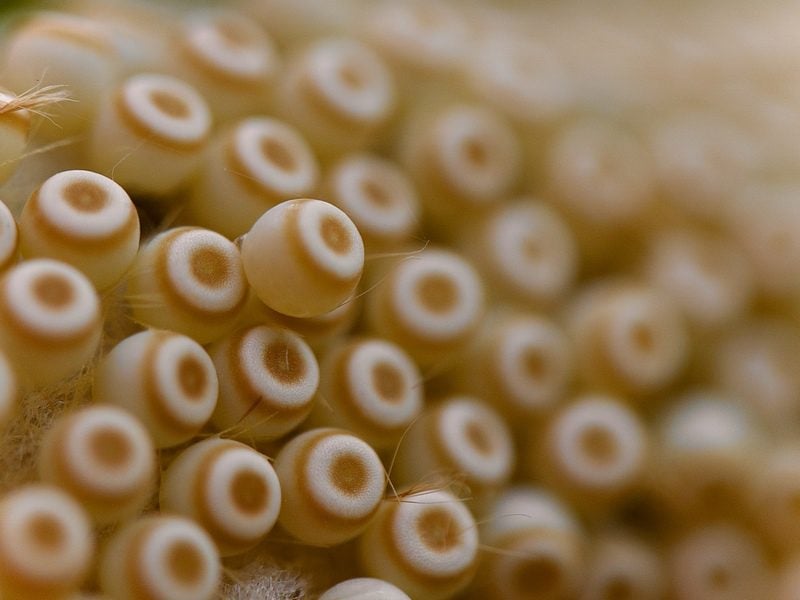
- The Common Toad has olive-brown, warty skin, copper eyes and short back legs. It walks rather than hops, and lays its spawn in long strings around aquatic plants, with two rows of eggs per string.
- Our cities and towns pose a threat to Common Toads; busy roads often block migration paths, making it difficult for them to reach their breeding ponds. It is estimated that 20 tonnes of unlucky toads are killed on the UK’s roads every year. If more than 1,000 toads are known to hop across a road in a particular spot, it is dubbed a ‘toad crossing’. On suitable nights for migration, volunteer groups (known as ‘toad patrols’) gather at these spots to help the toads safely across the road.
- Length: 8-13cm Weight: up to 80g Average lifespan: up to 4 years.
Status
Protected in the UK under the Wildlife and Countryside Act, 1981. Priority Species under the UK Post-2010 Biodiversity Framework.
Seasonality
February to October