
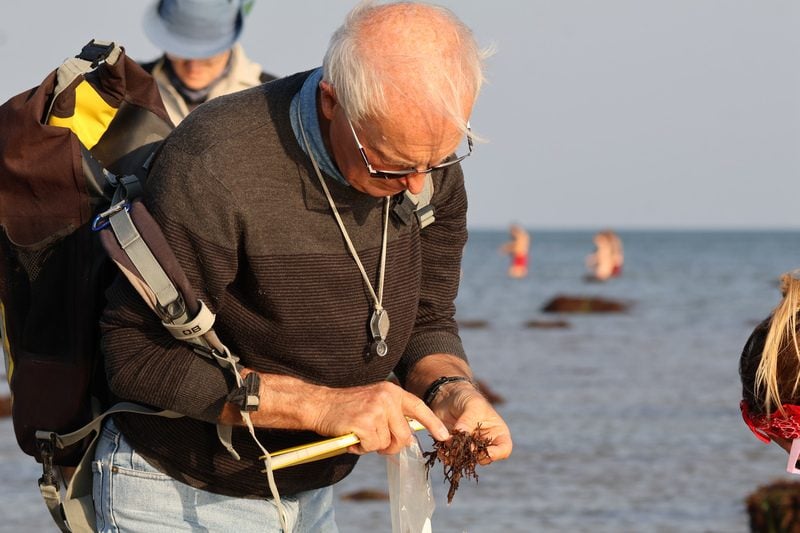
Sarah Ward, Marine Conservation Officer: “With all the hard work Ian Tittley has put into creating his Sussex Seaweed Atlas over the last couple of years, it was an absolute no-brainer for me when nominations opened for the annual National Biodiversity Network (NBN) Awards for Wildlife Recording.
These awards were set up to recognise significant achievement and celebrate success in wildlife recording and information sharing in the UK – something that Ian does quite naturally.
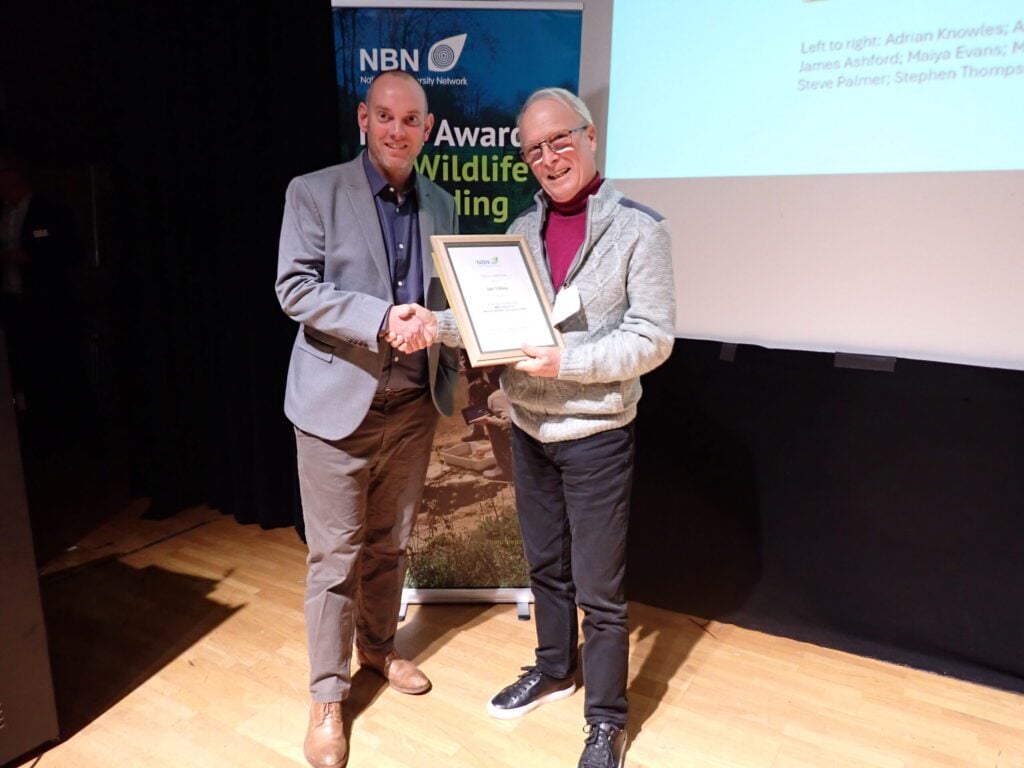
We were overjoyed when we heard the news that Ian has won the NBN Award for Marine Wildlife Recording. We greatly value Ian’s expertise and enthusiasm here in Sussex, so to have it recognised on a wider scale is even better.
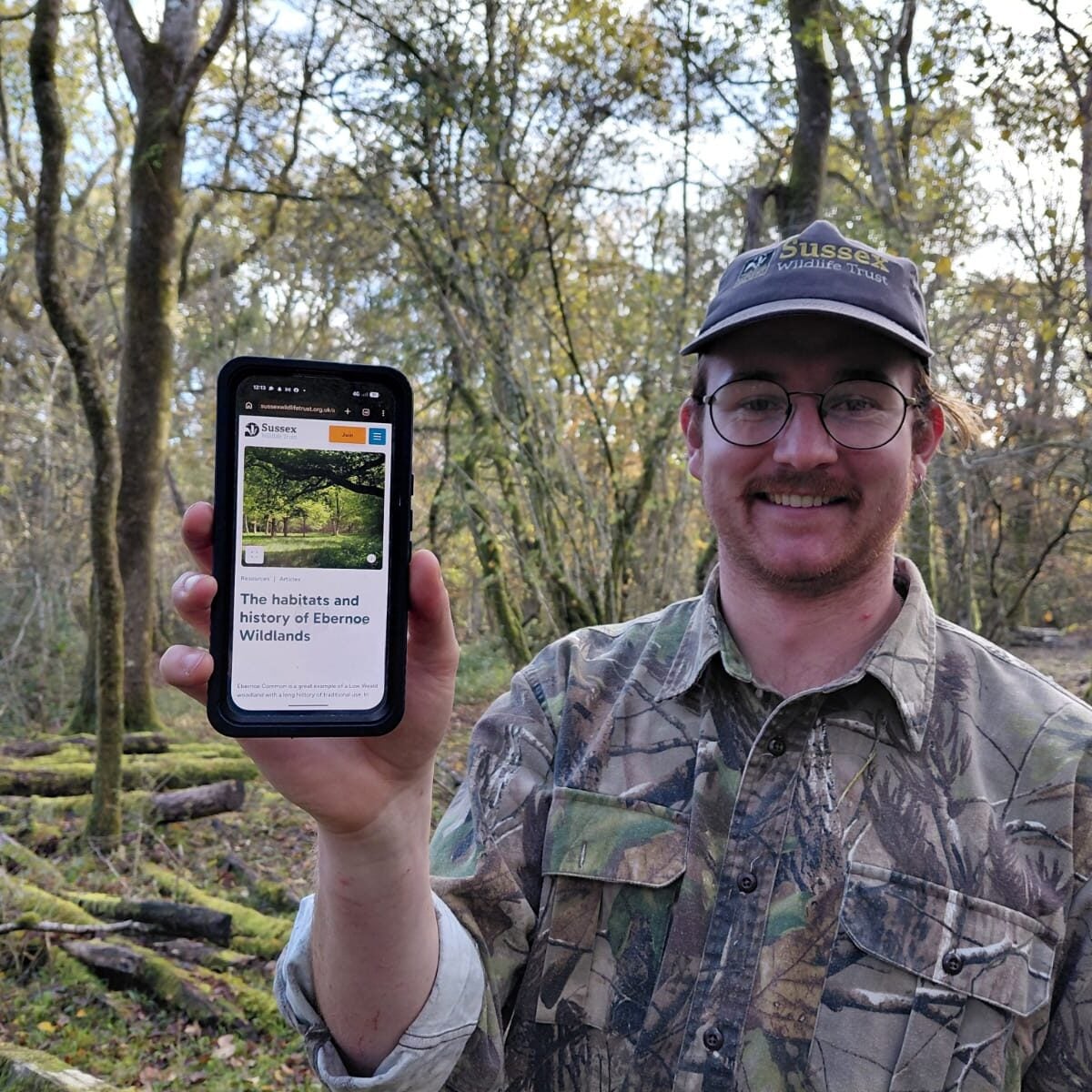
Ian’s Atlas is now live –
Watch this space for further information about the Atlas, what it all means, and how to use it. But for now we just want to say WELL DONE IAN!
And to find out more about Ian and the Atlas, here’s an interview Communications Officer, Emma Chaplin, did with Ian about a few months ago for our Members magazine:
Why are seaweeds important to us?
Everyone, every day, uses a product that comes from seaweed. Think on that when brushing your teeth or eating an ice cream!
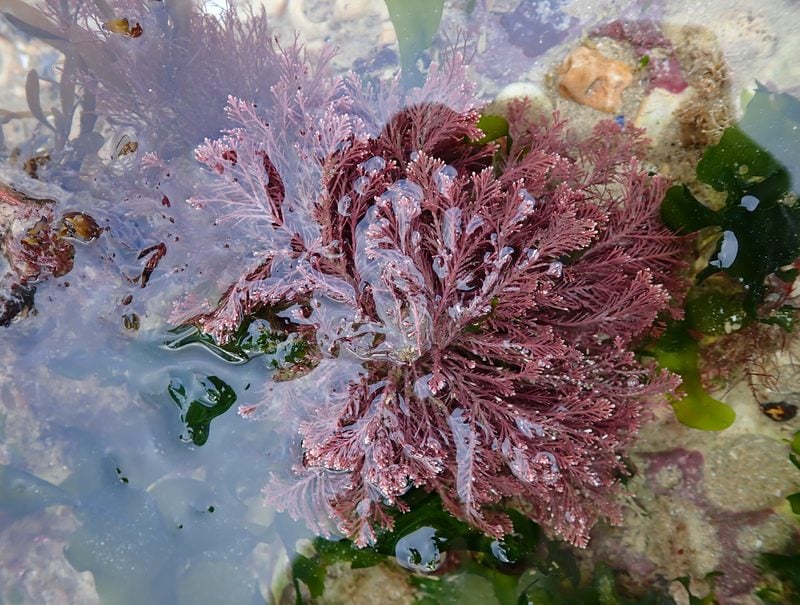
There are some great common names for seaweed. My favourite is Landlady’s Wig. What are yours?
I get a giggle from Showy Shaggy Hairweed (Ulothrix speciosa) and Little Fat Sausageweed (Champia parvula)!
How did you become interested in seaweed?
My interest in natural history started at school, which led to working life at the Natural History Museum. I became a researcher on seaweeds and a Trustee of Kent Wildlife Trust, setting up its ‘marine group’, a precursor to Shoresearch.
I was fascinated by the magnificent chalk coasts of Kent and Sussex. I published A new atlas of the seaweeds of Kent ten years ago, then decided Sussex should be next.
I’ve visited and recorded in every area of coast in Sussex, and Sussex Wildlife Trust Seasearch colleagues did 40 dives to sample subtidal seaweed. Altogether, we’ve brought together over 19,000 past and present records. Currently 408 species of seaweed (60% of British species) are known for Sussex, and I’ve confirmed 322 of them.
What changes have you seen?
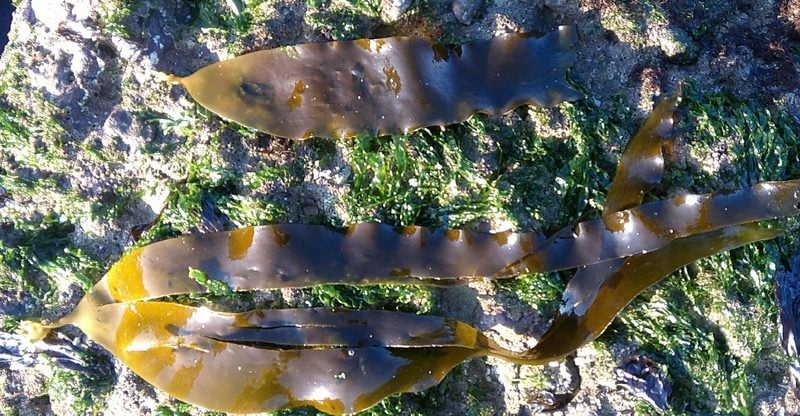
The most dramatic was the near loss of the county’s kelp species. Gains include the arrival of non-native species, such as Caulacanthus okamurae (Pom-pom Weed) and Sargassum muticum (Wireweed), both of which have changed the seashore seaweed community.
The native species Chondracanthus acicularis (Creephorn) has spread eastwards along the Sussex coast, probably due to the warming of our inshore waters.
Who is the Atlas aimed at?
Anyone interested in seaweed! It’s a resource for professional marine biologists, but it also has simple descriptions, maps and illustrations, which are helpful for Shoresearch citizen scientists.
Leave a comment