
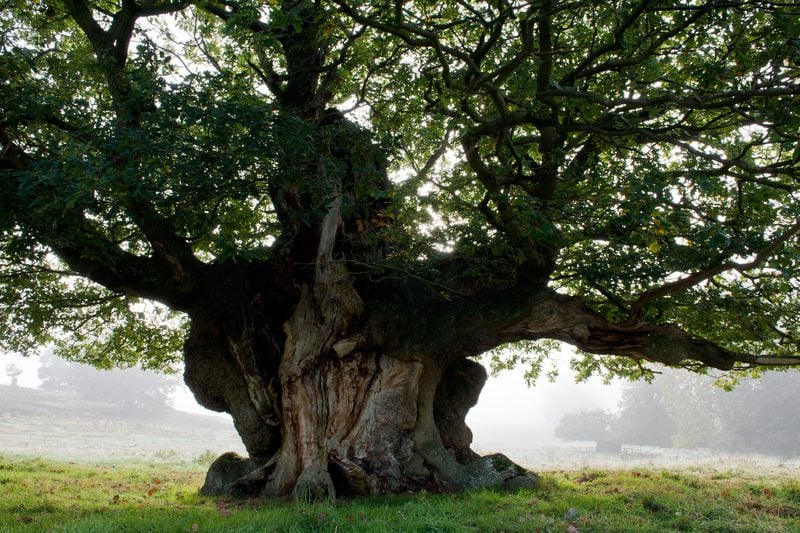
What if we regarded trees (and rivers, and other aspects of the natural world) as being kin?
This sense of relationship and responsibility is one of the ideas informing the Rights of Nature movement, which calls for nature to be recognised as having rights of its own.
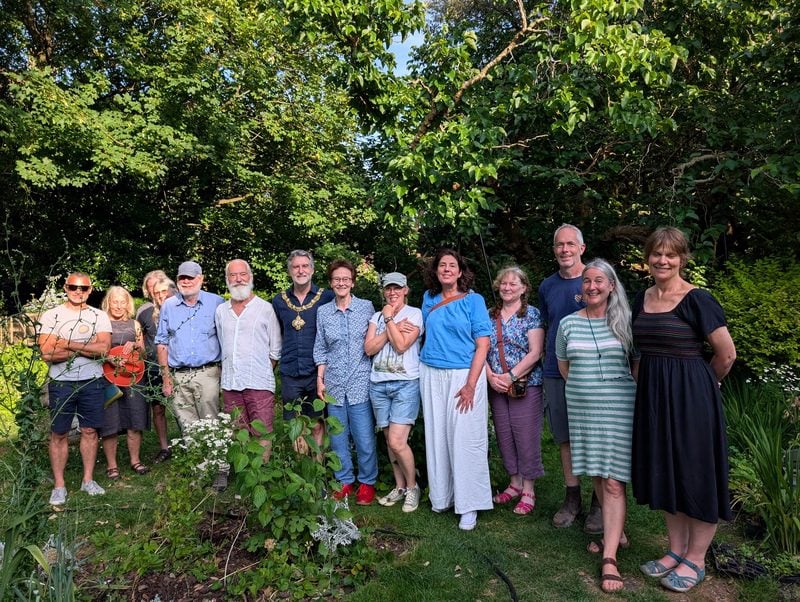
Lewes Town Council recently passed a Rights of Trees Charter, created by a local group of committed individuals and representatives of organisations, who collectively call themselves ROOTS (Rights Of Our Trees). This follows the Rights of River Charter that Lewes District Council passed in 2025, which gave the River Ouse ‘rights’ to improve water quality and restore wetlands. They were the first in Britain to do so, and since then, 22 other local government bodies have sought to pass similar charters.
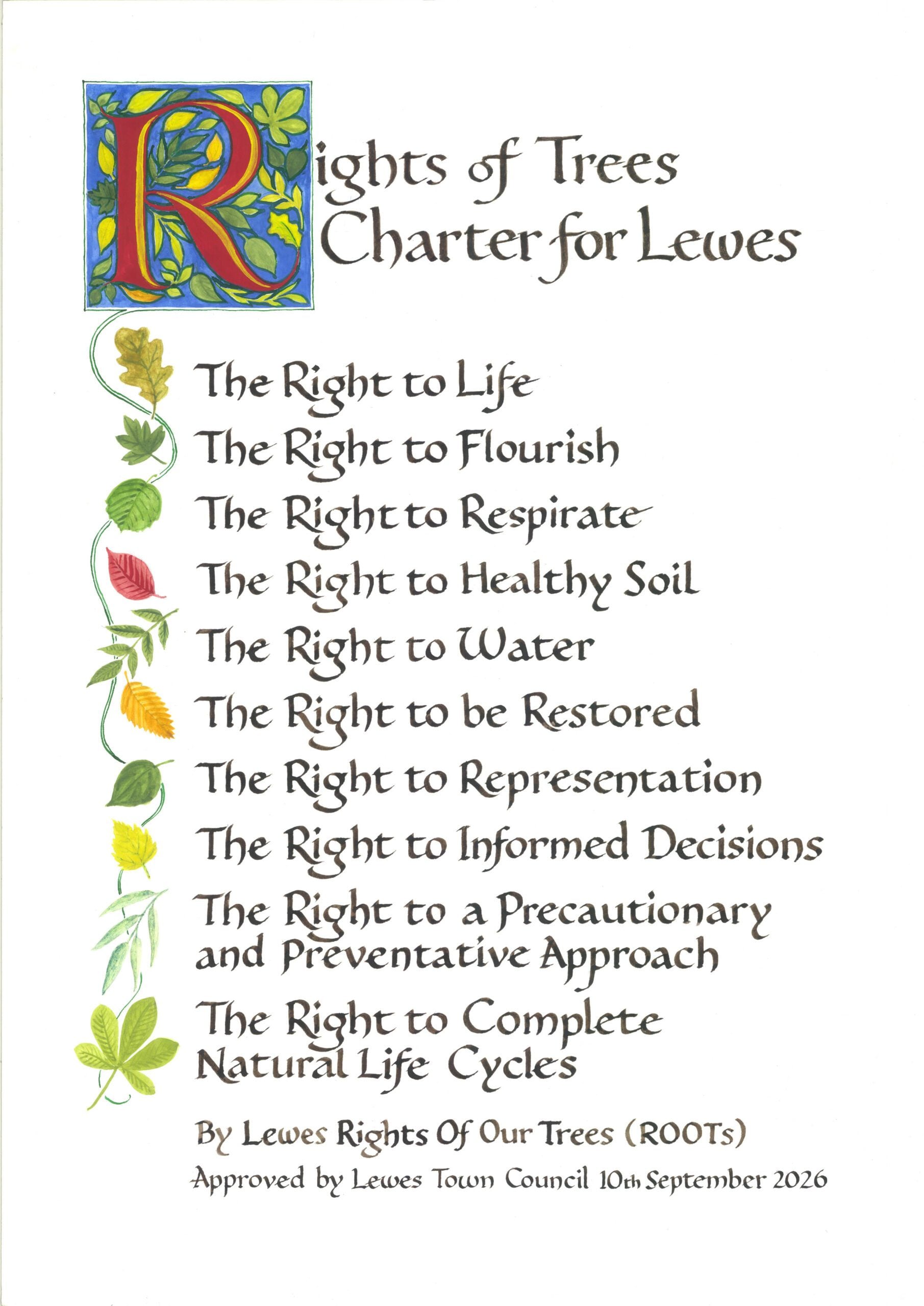
The whole point of the enormous amount of hard work, by a lot of people, that goes into such things, is do exactly that – to spread the word. To kickstart a movement. To get people to think differently, so that, instead of regarding trees as commodities we can replace or chop down – we think about what they give us – shelter, oxygen, support and housing for umpteen species – and consider how we support them in return for this. As you can see above, the Charter says that trees have the right to life, for example, and to flourish, to respirate, and have healthy soil and water.
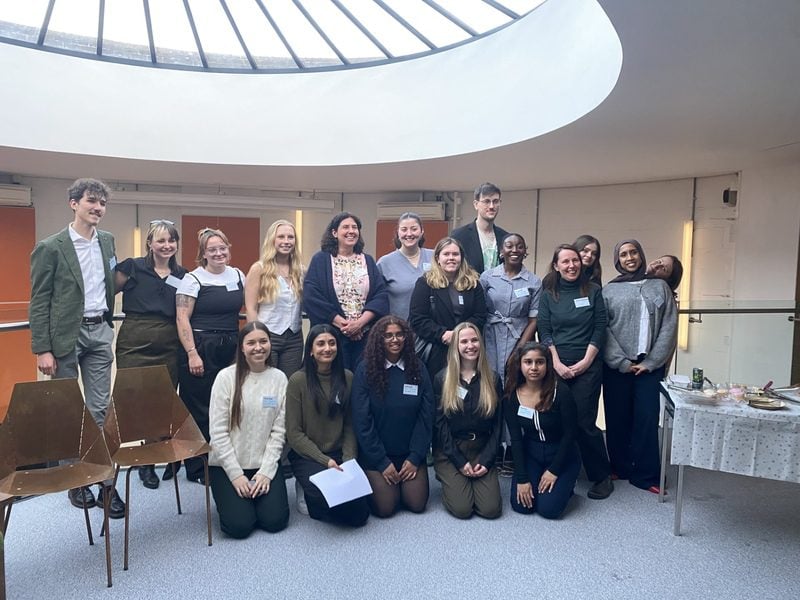
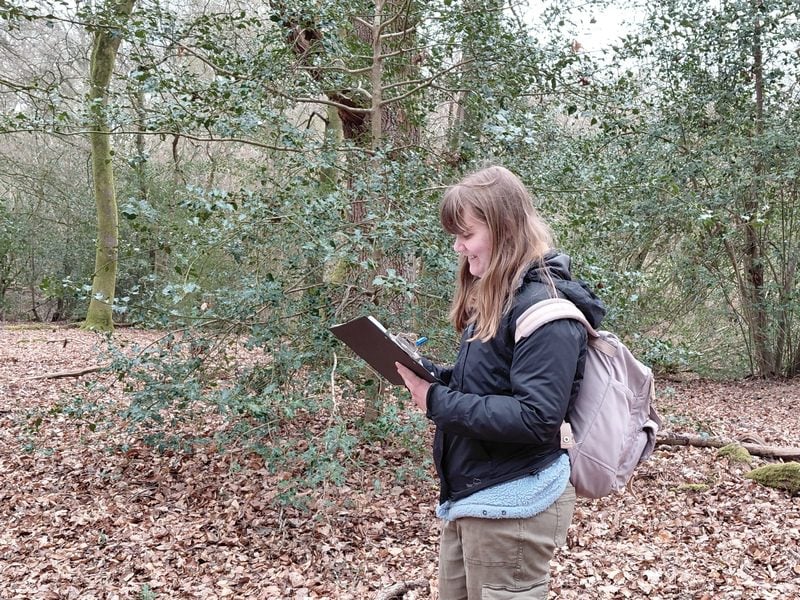
Alongside the Charter, environmental law academic and solicitor, Jo Smallwood, and a group of her University of Sussex Environmental Justice Law Clinic students, spent three years developing a Rights of Trees, Woodlands and Forests Toolkit. It is intended as a resource that can be used by anyone interested in guardianship and a voice for nature, to help communities and councils translate ideas into practical action.
Jo tells us: “We’re frequently approached by individuals, communities and local groups desperate to save much-loved trees and ancient woodlands. Too often, the legal tools available fall short. Our frustration with the lack of power environmental law has is what’s inspired this Toolkit.”
“For me, the central question is whether we can learn to see trees as living beings with needs and interests of their own, and reflect that understanding in the decisions we make.”
The Trees Charter is not binding – but instead: “Its potential lies in changing how the council and community care for trees and make decisions affecting them.”
Lewes is a place where revolutionary Tom Paine lived and was inspired to write The Rights of Man (there’s even a pub named after it). So it seems fitting that it’s also a town that wants to help kickstart a revolution in the way we perceive the natural world and “imagine things differently”.
Leave a comment