Take action
Become a member
Memberships builds our community and gives us a predictable income, which lets us plan and sustain longer projects that can have a greater impact. The more members we have, the more we can do to protect the Sussex countryside and coast.
Make a donation
Membership builds our community and gives us a predictable income, which lets us plan and sustain longer projects that can have a greater impact. The more members we have, the more we can do to protect the Sussex countryside and coast.
Overview
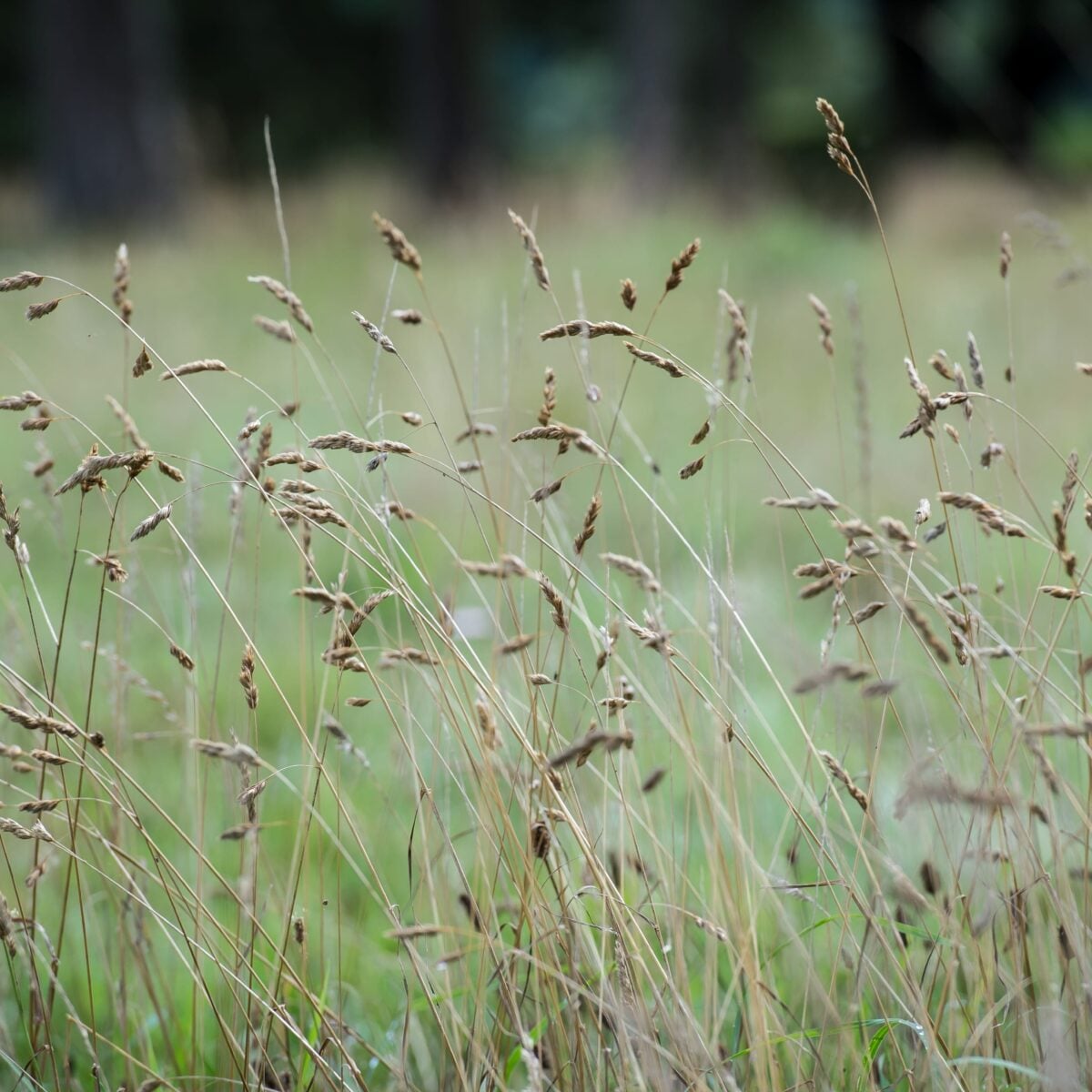
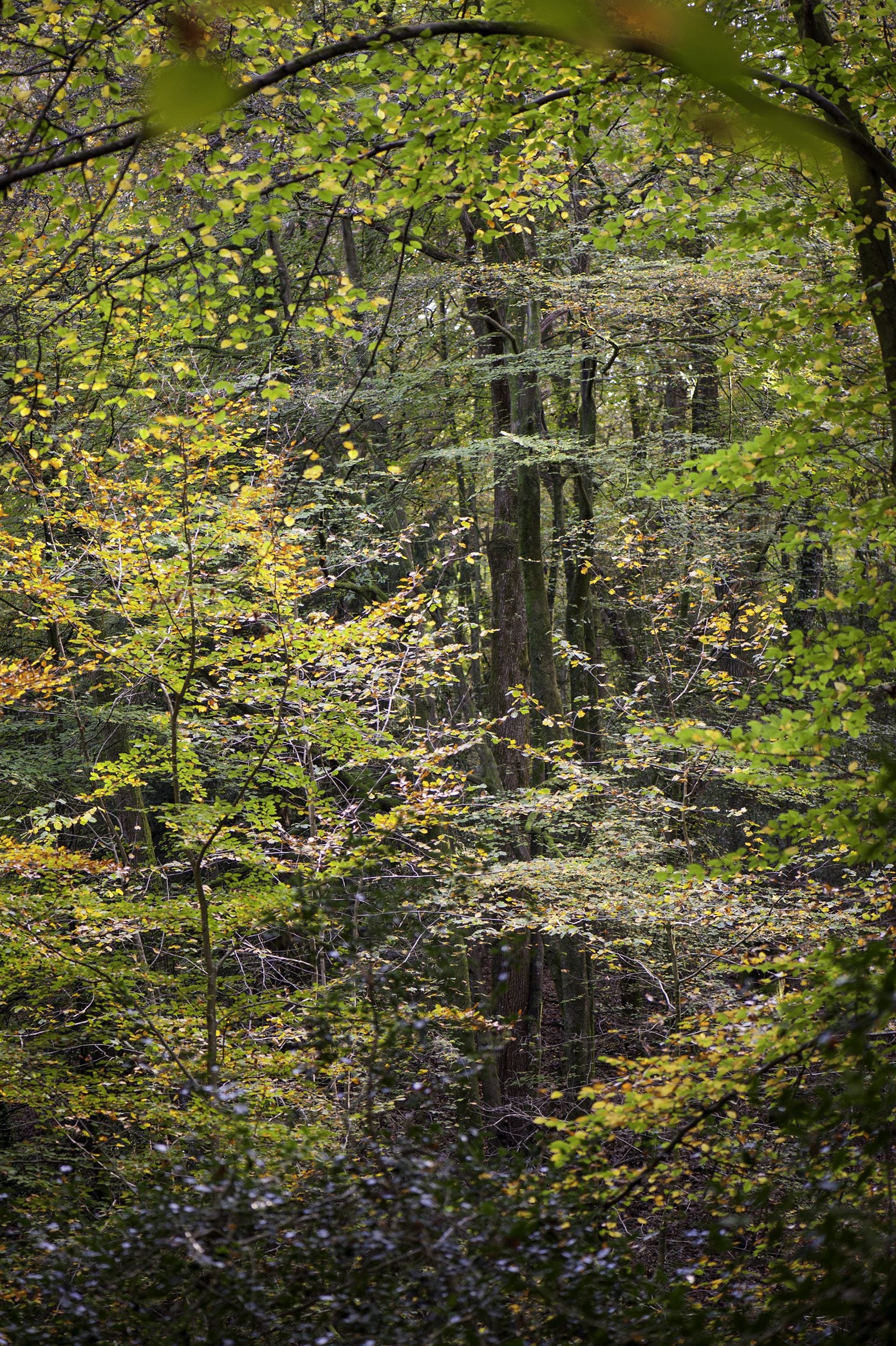
The Duke of Burgundy can be found on chalk and limestone grasslands with some slopes or scrub to provide shelter, or sometimes in woodland with large rides, glades and clearings. Their numbers have crashed in recent decades. Since the 1980s, their distribution has shrunk by around 89%; they are now only found in a few parts of England.
Male Duke of Burgundys are very territorial. They defend small, sunny patches a few metres wide. They’ll often perch on a plant, waiting to chase off rivals or follow any females that fly by. After mating, females flutter from foodplant to foodplant, laying their eggs on the undersides of leaves. The caterpillars feed on primroses and cowslips, where they spend the day hiding near the base of the plant, climbing up to feast on leaves during the night. In late summer, the fully-fed caterpillars pupate on the ground or in a grassy tussock. They will emerge as butterflies the following spring.
Key Facts
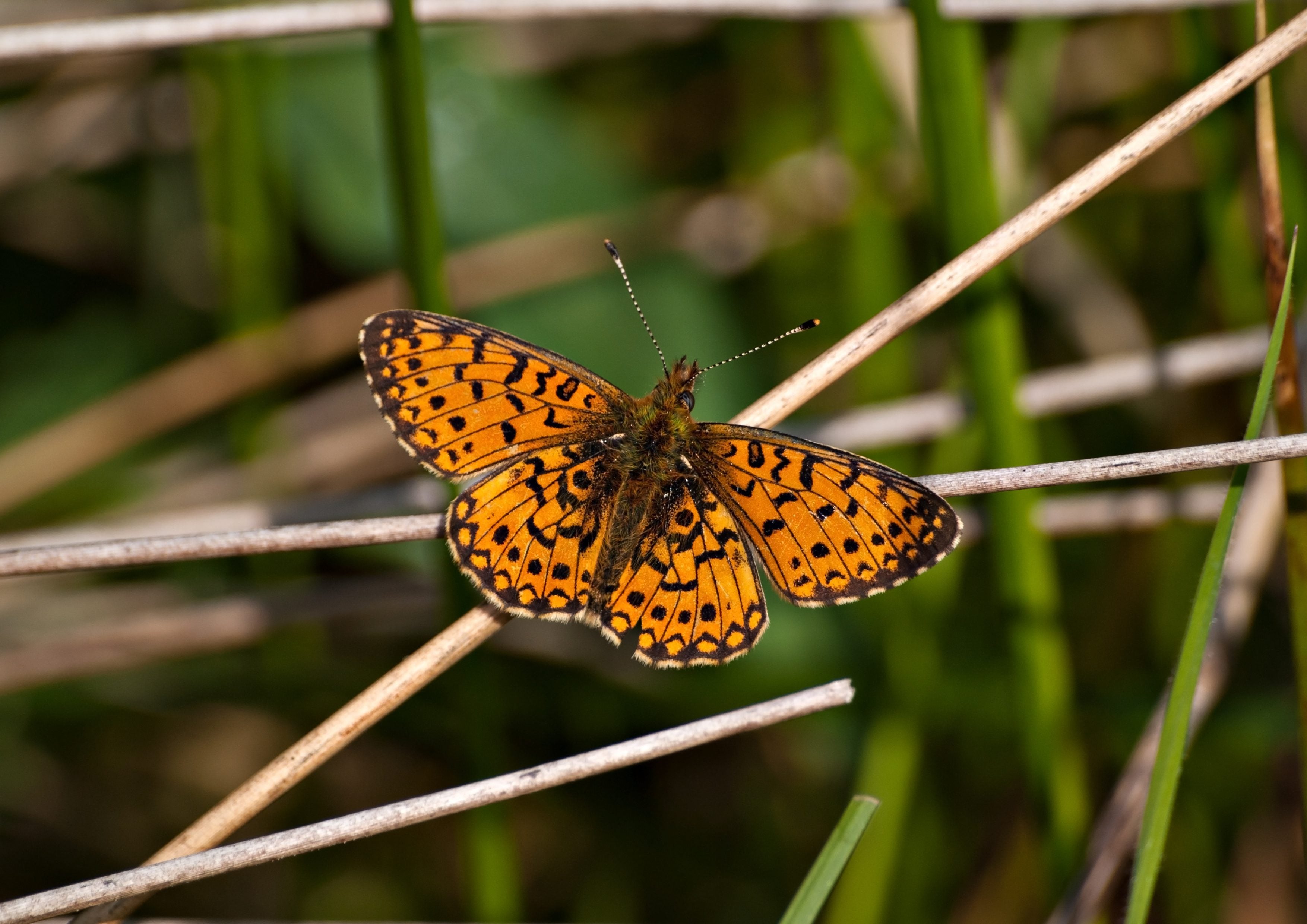
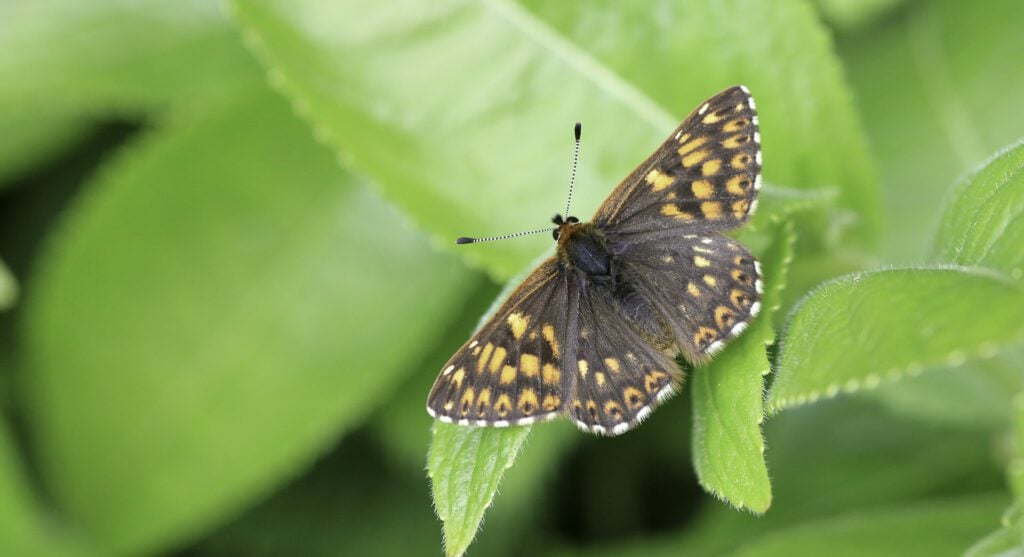
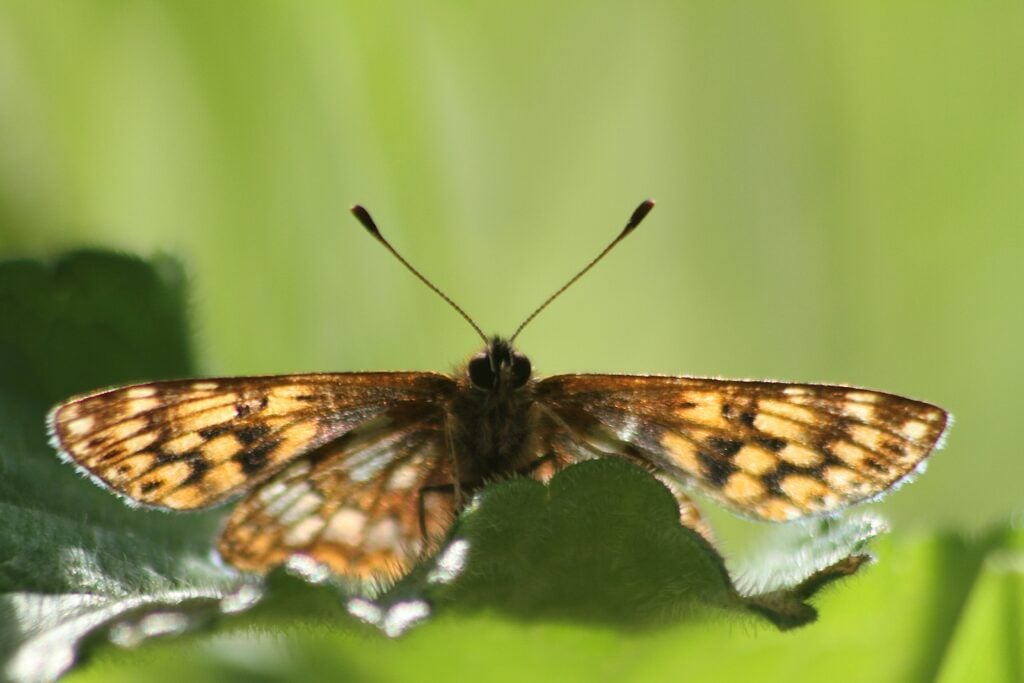
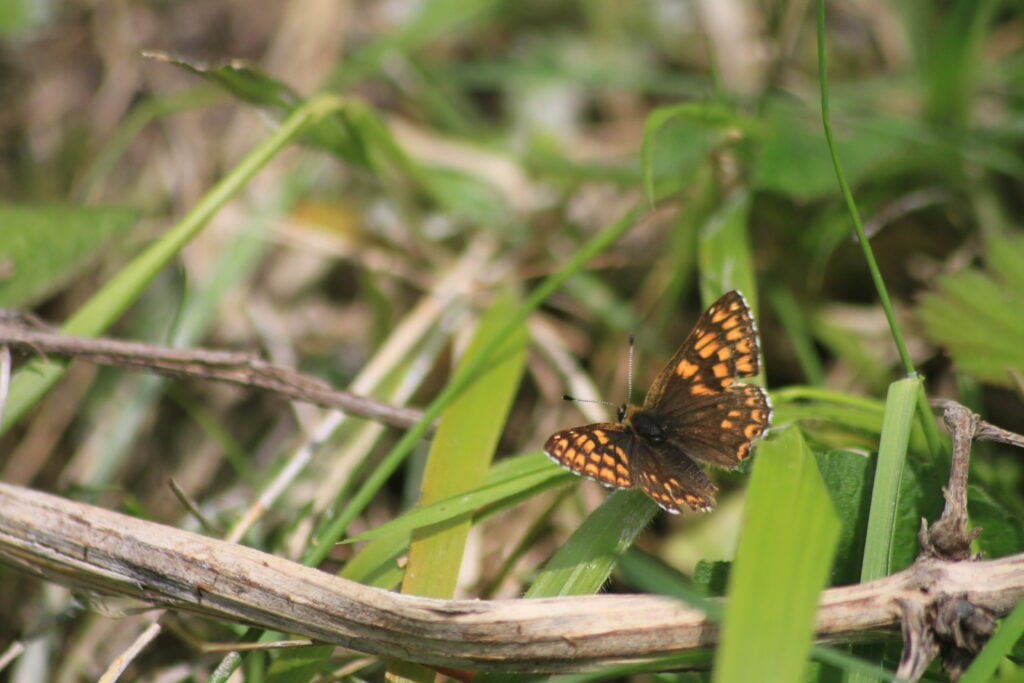
- A very small orange and brown butterfly. The uppersides of the wings are brown with a mosaic of orange markings. The undersides of the hind wings are dark orange-brown with rows of white spots. All wings have a chequered brown and white border. Caterpillars are brown and covered in grey hairs. They have an orange head and a dark line running along the back, with distinct black spots spaced out within the line. They also have a row of faint yellow patches each side of the dark line.
- The Duke of Burgundy belongs to a group of butterflies known as the ‘metalmarks’, though it is the only member of this group found in the UK. Most male metalmark butterflies, including the Duke of Burgundy, only have four functional legs – the front legs are reduced and not used for walking. Females have six functional legs.
- Wingspan: 30 mm
Status
UK BAP status: Priority Species
Seasonality
Adults: April to June