Take action
Become a member
Memberships builds our community and gives us a predictable income, which lets us plan and sustain longer projects that can have a greater impact. The more members we have, the more we can do to protect the Sussex countryside and coast.
Make a donation
Membership builds our community and gives us a predictable income, which lets us plan and sustain longer projects that can have a greater impact. The more members we have, the more we can do to protect the Sussex countryside and coast.
Overview
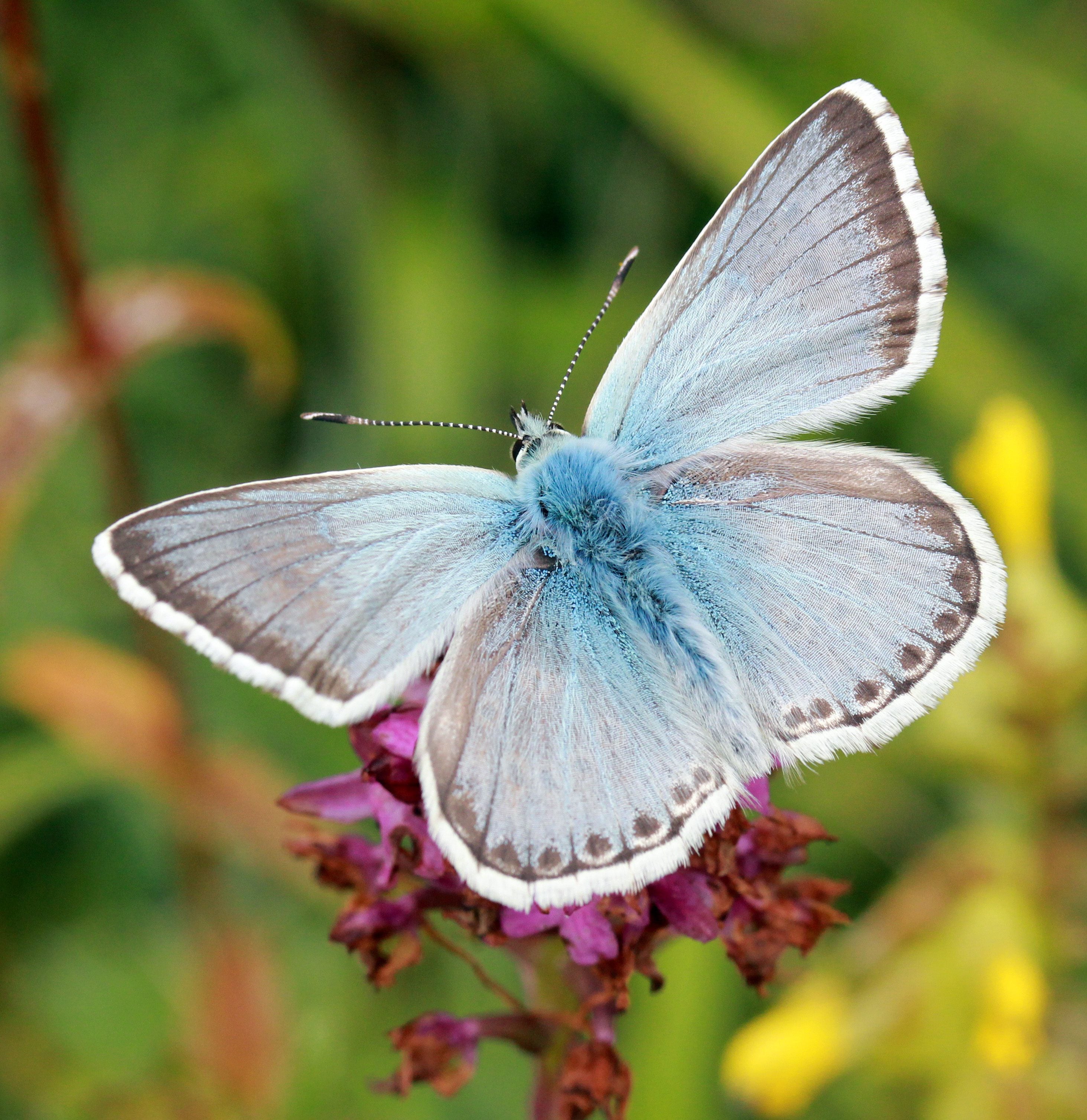
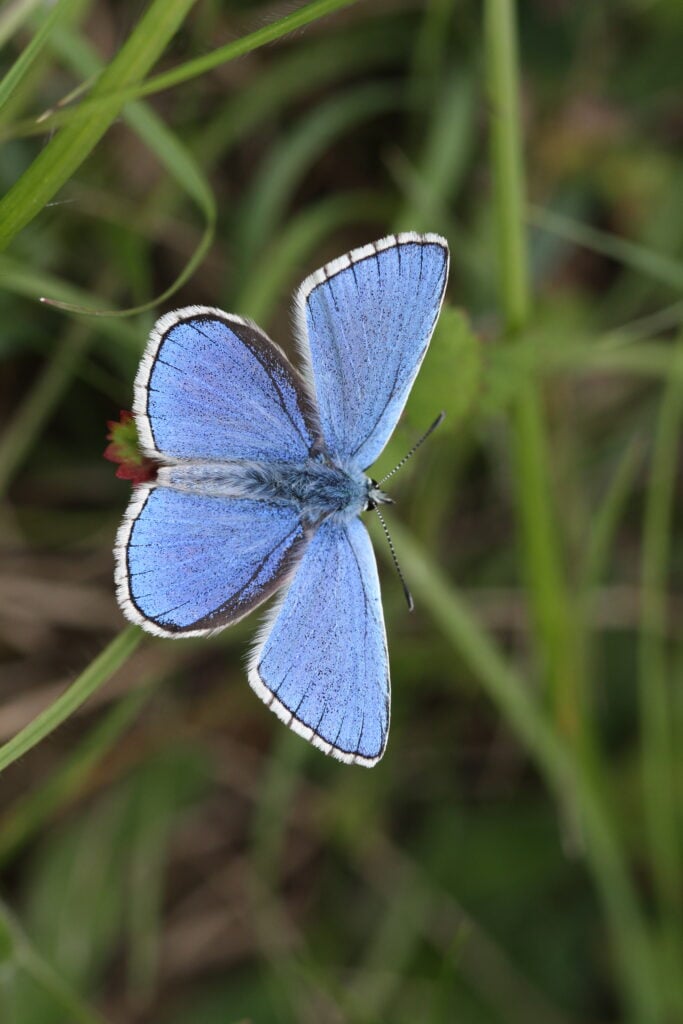
The Adonis Blue is the rarest of the blue butterflies in the UK. It is found on sunny, south-facing grassland that is rich in herbs – both caterpillars and adults feed on Horseshoe Vetch. They don’t travel far, so colonies can become isolated and vulnerable to extinction if their habitat is disturbed.
Key Facts
- Male Adonis Blues are a vivid, sky-blue or turquoise colour. There are fine black lines on the wings that extend into the white fringe. Females are generally brown, though this can vary and some may be quite blue.
- The caterpillars of the Adonis Blue are always found with ants! The ants protect the caterpillars in return for a sugary substance that they produce.
- Wingspan: 3.0-4.0cm
Status
Protected in the UK under the Wildlife and Countryside Act, 1981.
Seasonality
May to September – this species has two broods per year, so adults can be seen from mid-May until the end of June, and then from early August until the end of September.