Take action
Become a member
Memberships builds our community and gives us a predictable income, which lets us plan and sustain longer projects that can have a greater impact. The more members we have, the more we can do to protect the Sussex countryside and coast.
Make a donation
Membership builds our community and gives us a predictable income, which lets us plan and sustain longer projects that can have a greater impact. The more members we have, the more we can do to protect the Sussex countryside and coast.
Overview
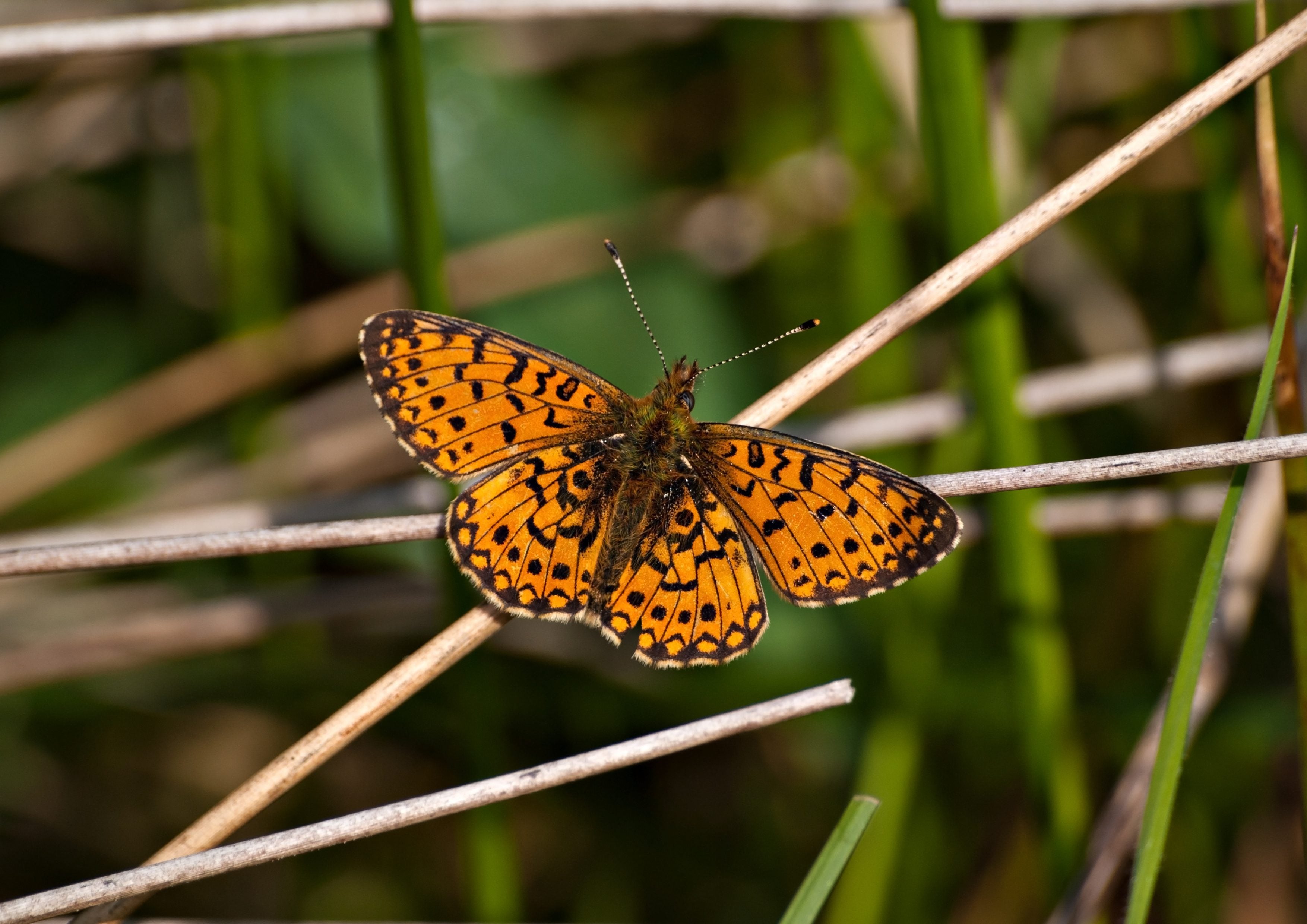
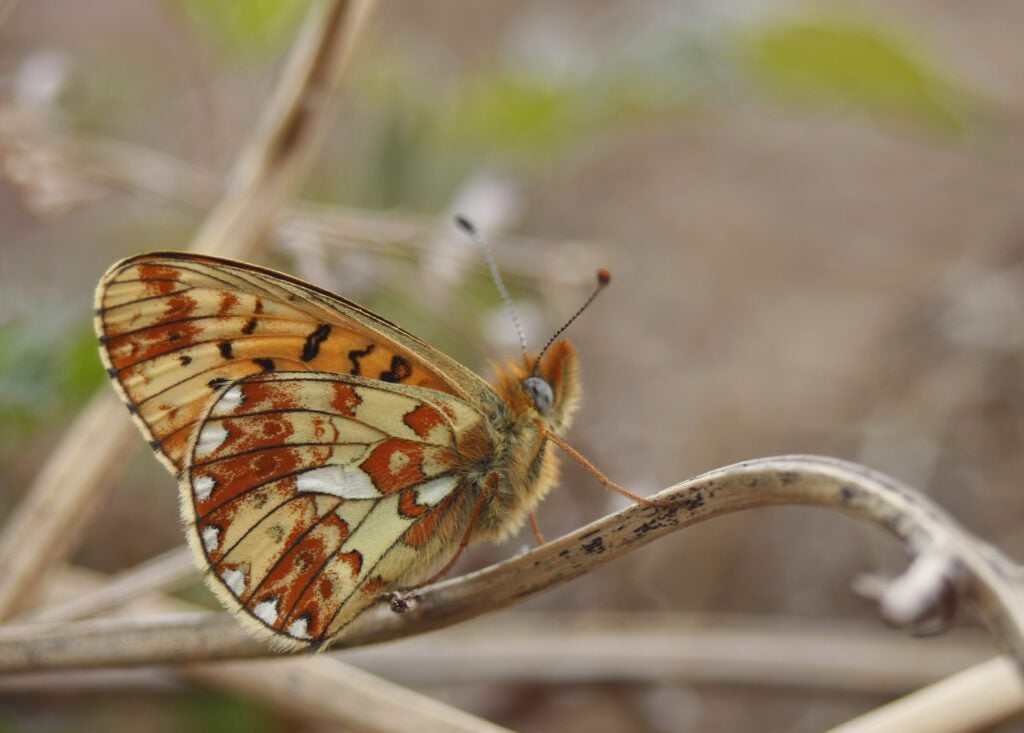
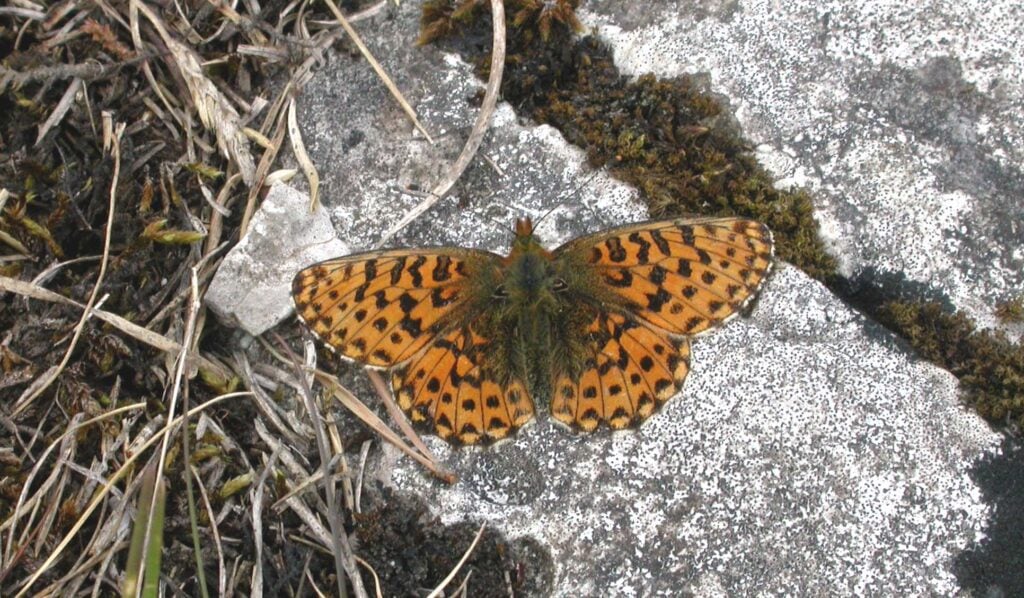
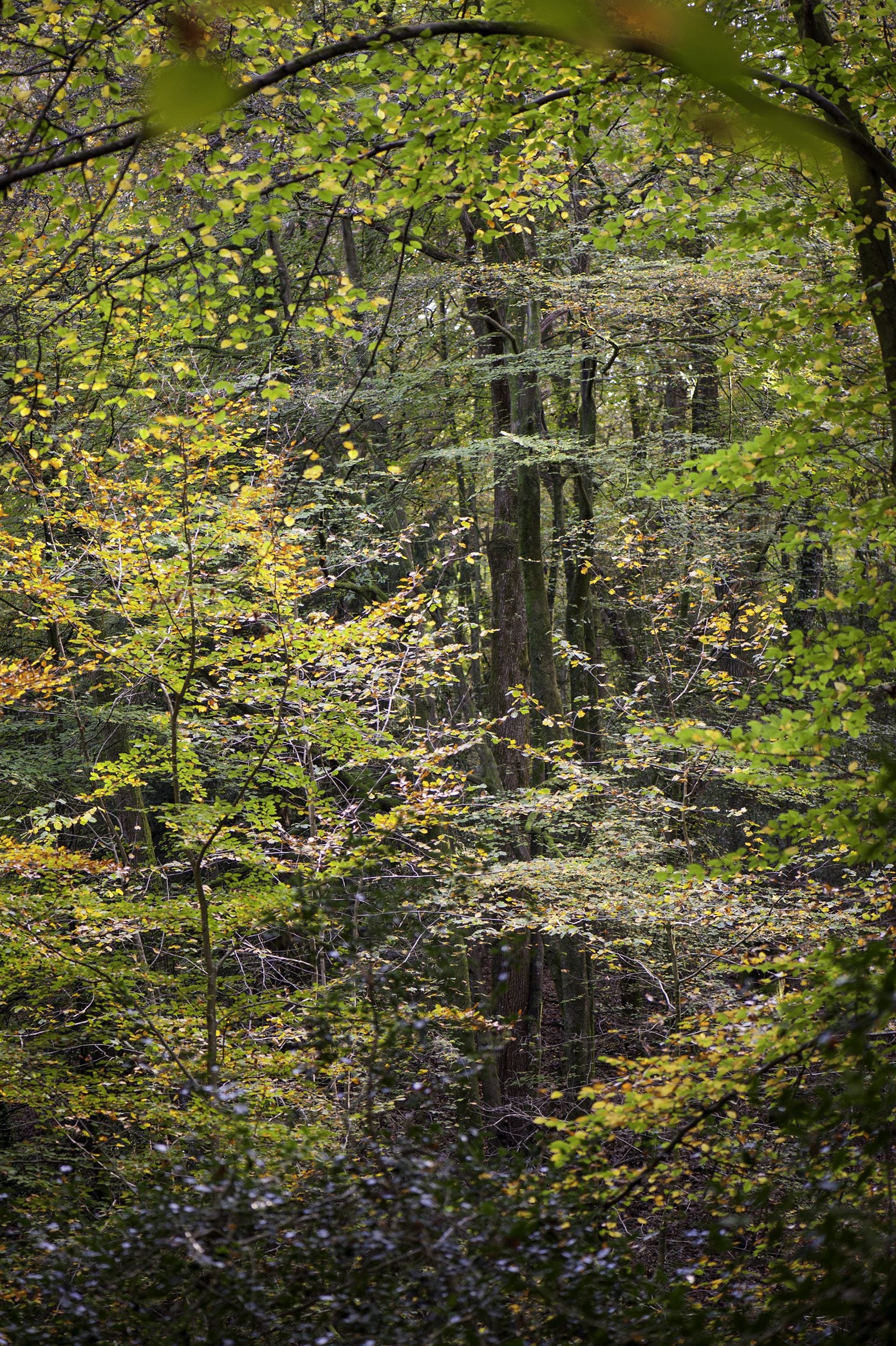
Once known as the ‘Woodsman’s Friend’, Pearl-bordered Fritillaries followed the work of foresters as they cut the trees. This tells us a lot about their needs – clear areas with lots of light. These places allow Common Dog-violet to grow, which are the food for this butterfly’s caterpillars.
Key Facts
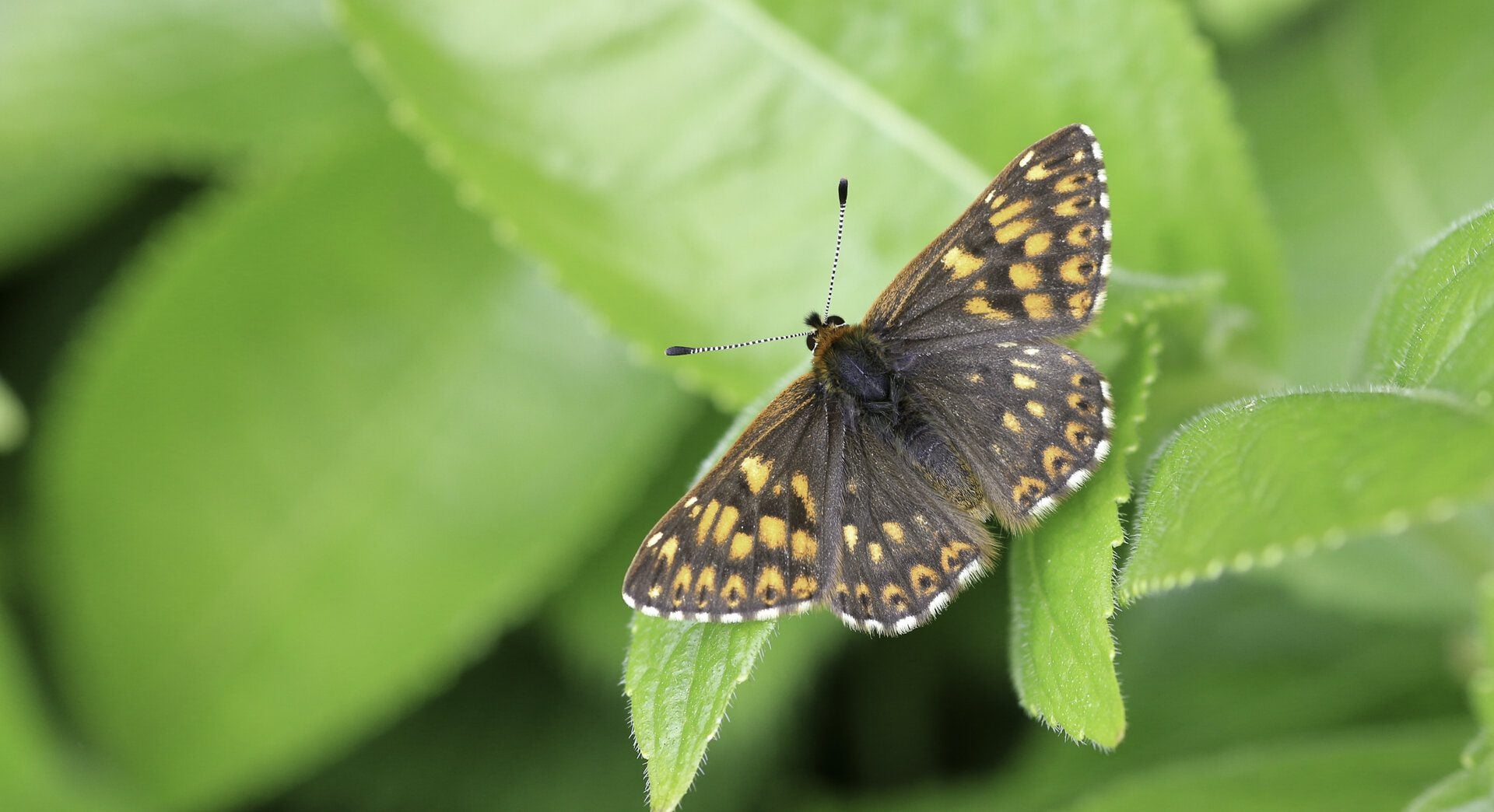
- The undersides of the wings are beautifully patterned like a stained-glass window with a row of seven silvery spots or pearls along the outer edge, which gives the butterfly its name.
- Their orange colouring and fast, low flight makes them difficult to spot against a background of dry bracken and old leaves.
- The caterpillars feed for a few weeks after they hatch before stopping and becoming dormant until early the next spring when they wake up to feed on the freshly sprouting violets.
- In some years a partial second brood can take place, and more adults are seen flying in August.
Status
Nationally, more than 95% of Pearl-bordered Fritillaries disappeared between 1976 and 2015.
They are protected under the Wildlife and Countryside Act 1981 and a Priority Species under the UK Post-2010 Biodiversity Framework, and are now considered to be at high risk of extinction in the wild.
In recent years, concerted efforts in Sussex have been made to help this species. Results so far are encouraging, with more butterflies being found in the established populations and some movement into new areas.
Seasonality
The first adults appear in the second half of April and can usually be seen on the wing through to the beginning of June with, very occasionally a second brood later in the year. In Sussex adults have been observed in September.
Four fritillaries
There are four species of fritillary butterfly that can be found in Sussex, and all have similar markings on their upper-wings – rich orange with an array of black spots and streaks.
- Silver-washed Fritillary – a familiar sight in late summer when it is likely to be encountered flying at speed along the rides of most “good” woodlands.
- Dark Green Fritillary – slightly smaller, and a species that can also be common in Sussex but is more likely to be found flying in the flower-rich chalk grasslands of the South Downs.
- Small Pearl-bordered Fritillary – far less frequently seen and a very close relative of the Pearl-bordered Fritillary
How we can help the Pearl-bordered Fritillary
- Restore traditional woodland management practices. Coppicing on a long rotation, for example 15 years with Sweet Chestnut, is especially valuable.
- Create wildlife corridors – widely scattered populations in ‘islands’ of habitat make it hard for species to thrive. Connecting up suitable habitats will help butterflies to wander and mix, creating healthy and more resilient populations.
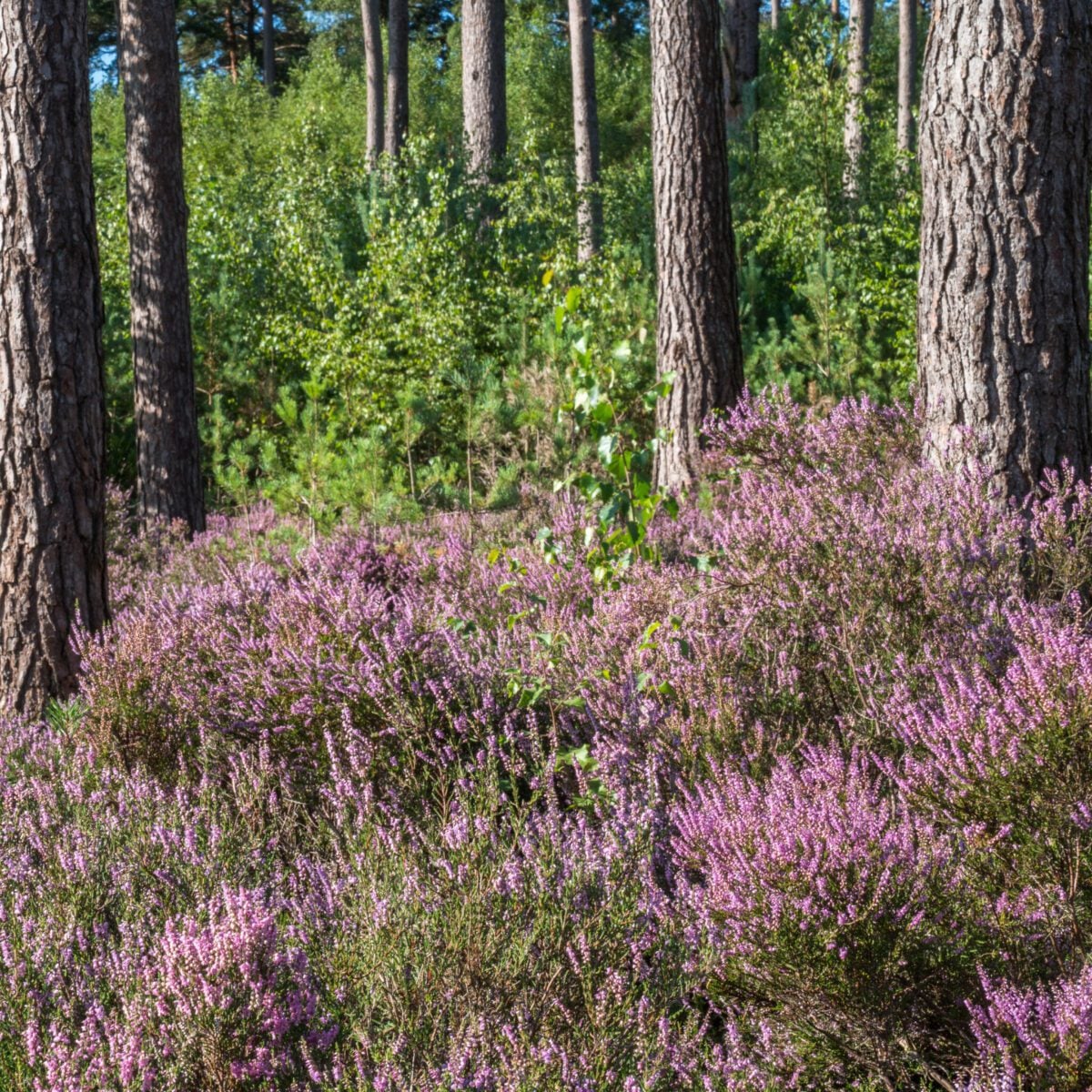
Graffham Common is the only Sussex Wildlife Trust reserve to have recorded Pearl-bordered Fritillary this century. The three significant populations in Sussex are at Rewell Wood, near Arundel, in West Sussex, and at Abbot’s Wood, the Rowland Wood and Park Corner Heath reserve in East Sussex.