Overview
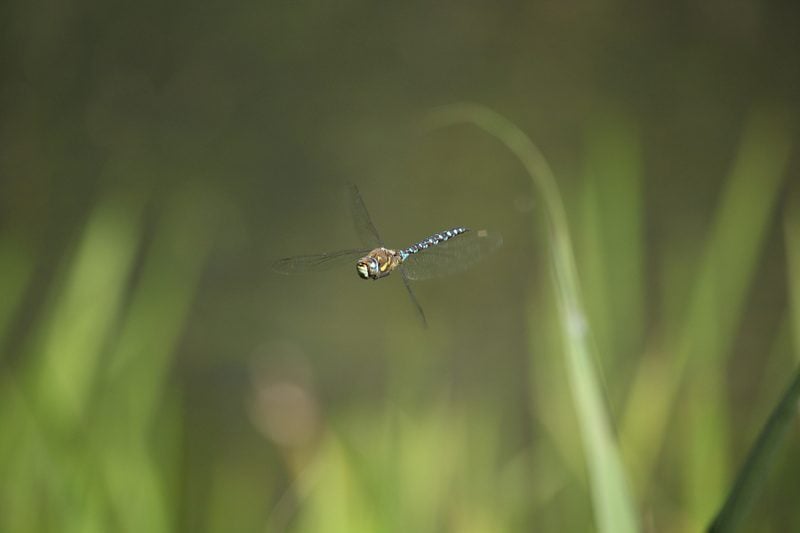
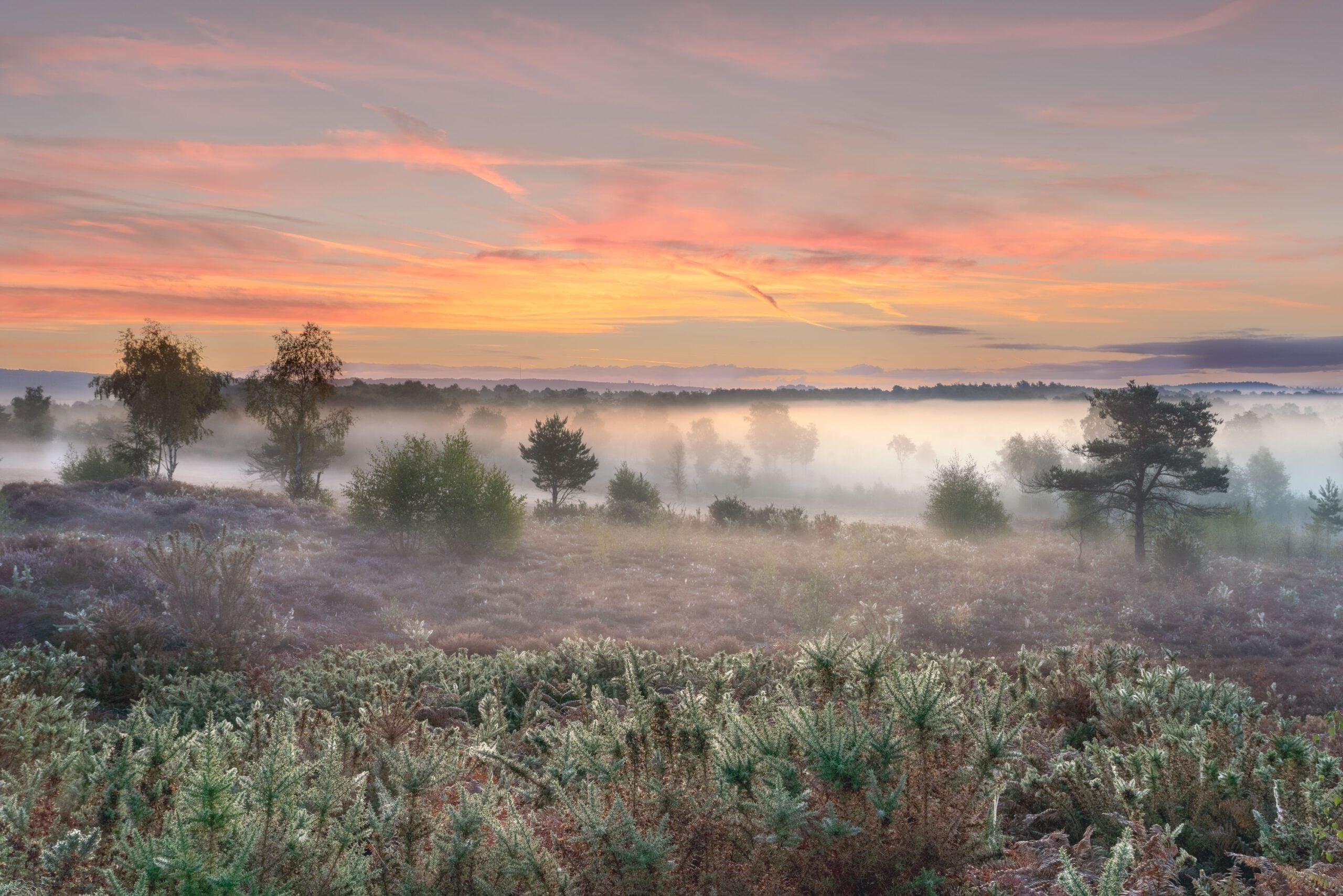
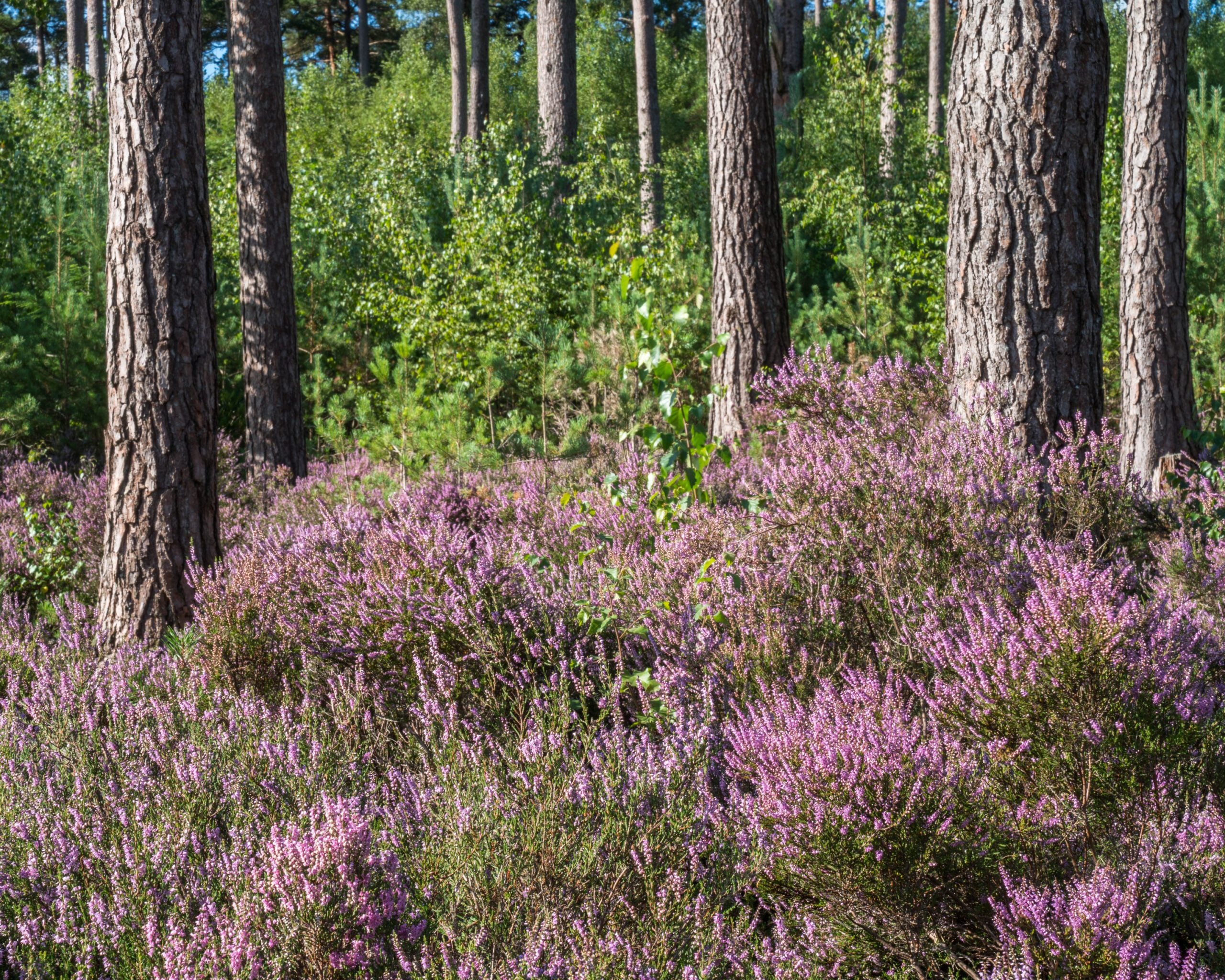
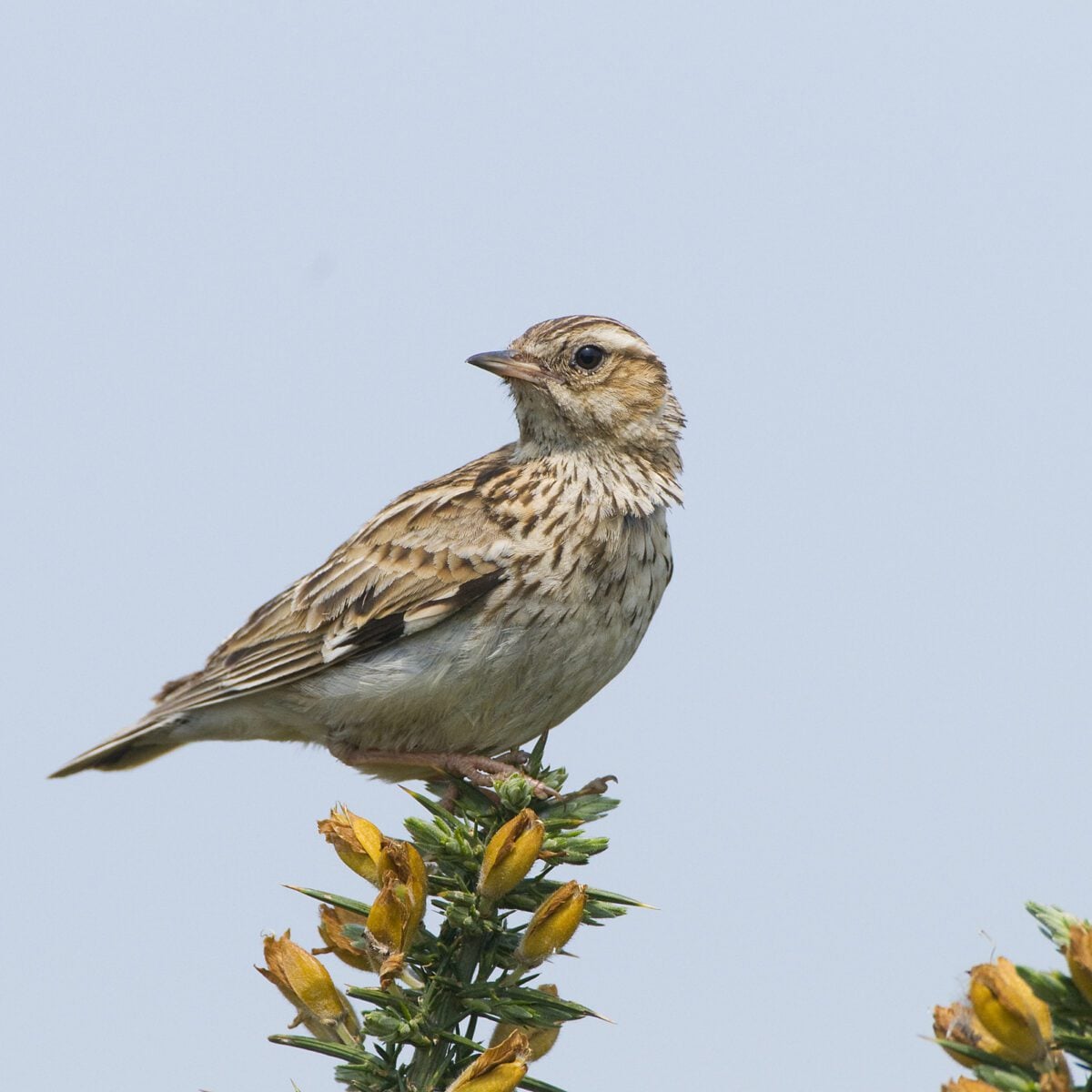
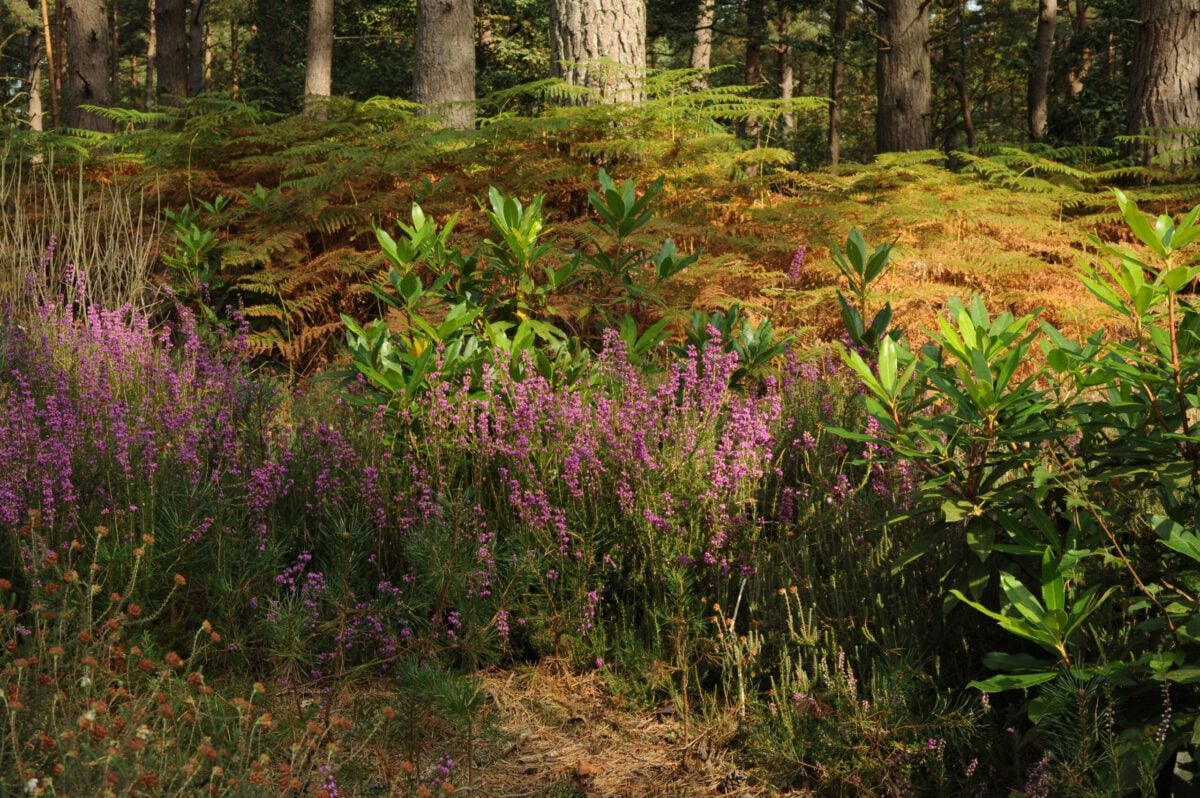
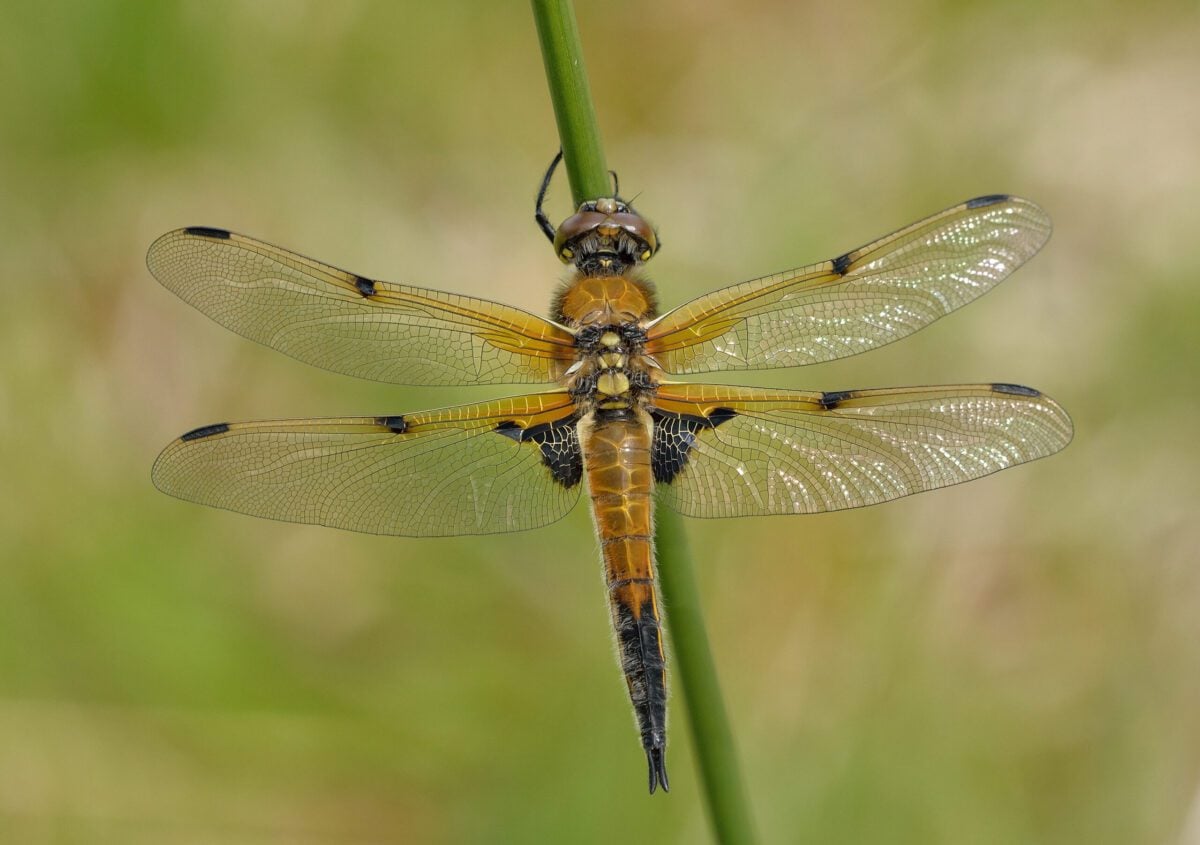
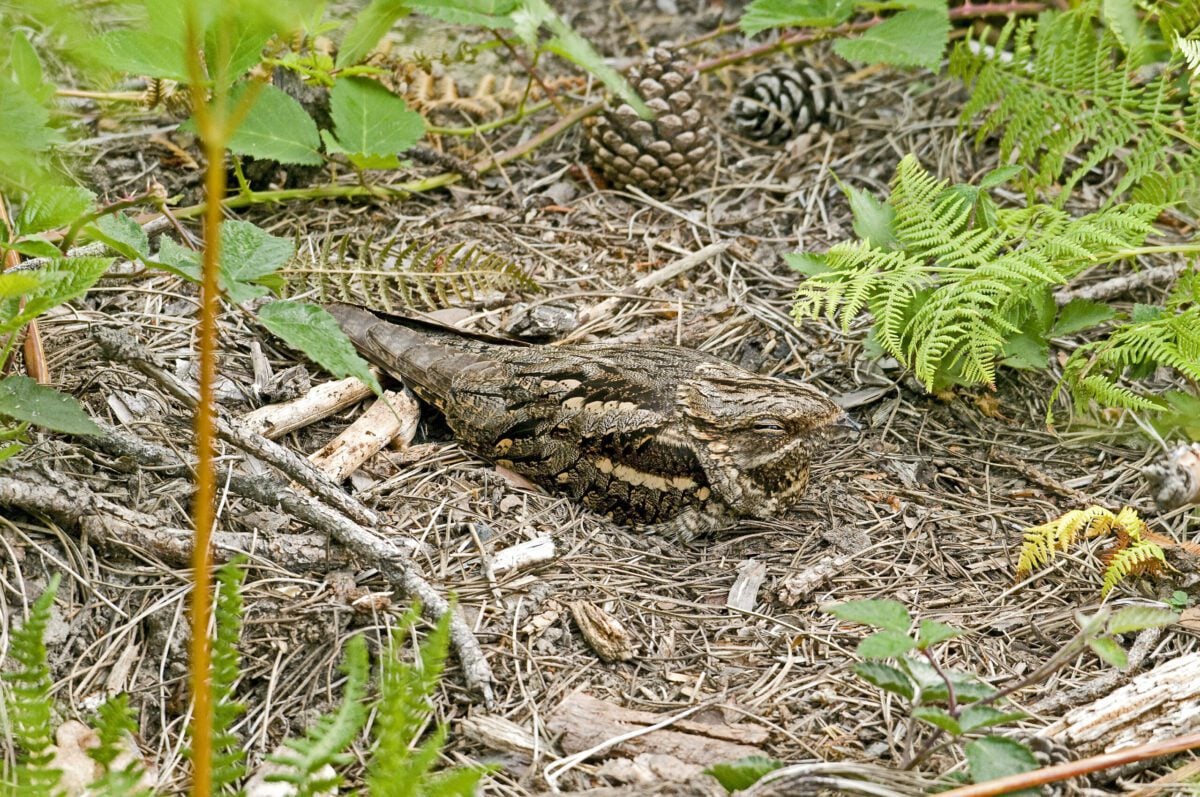
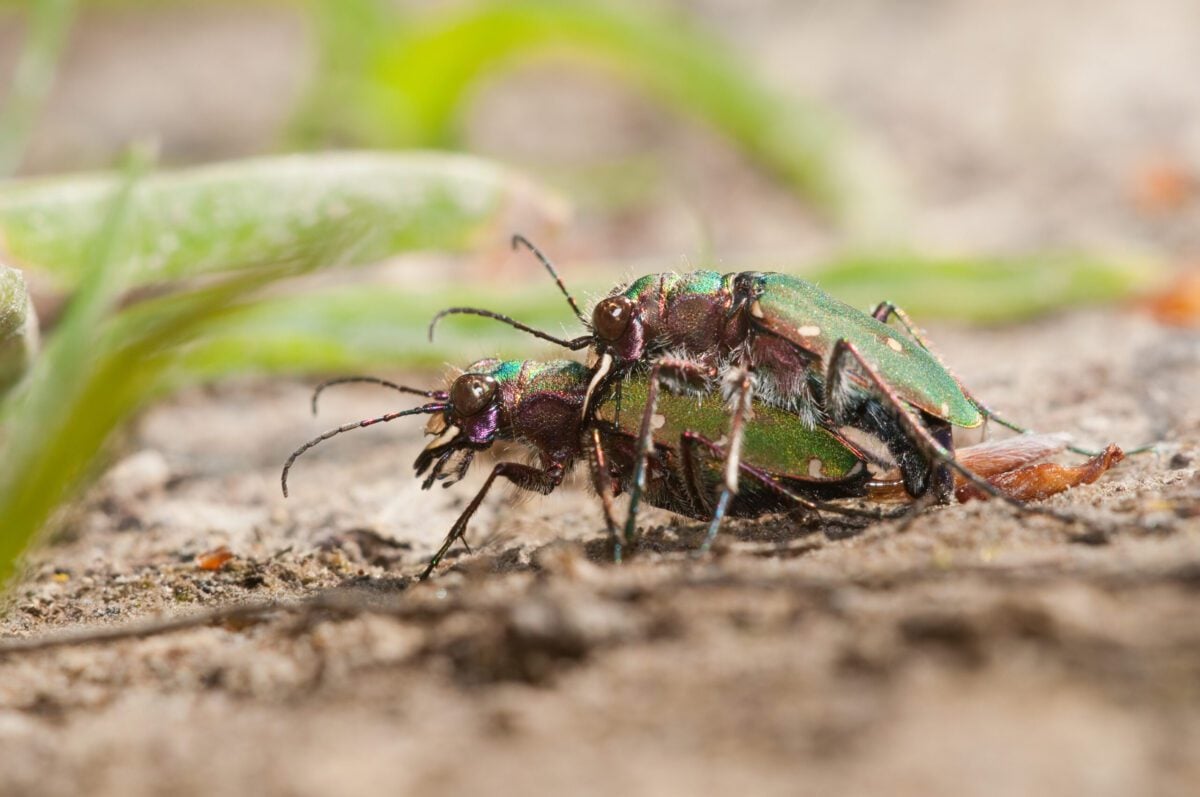
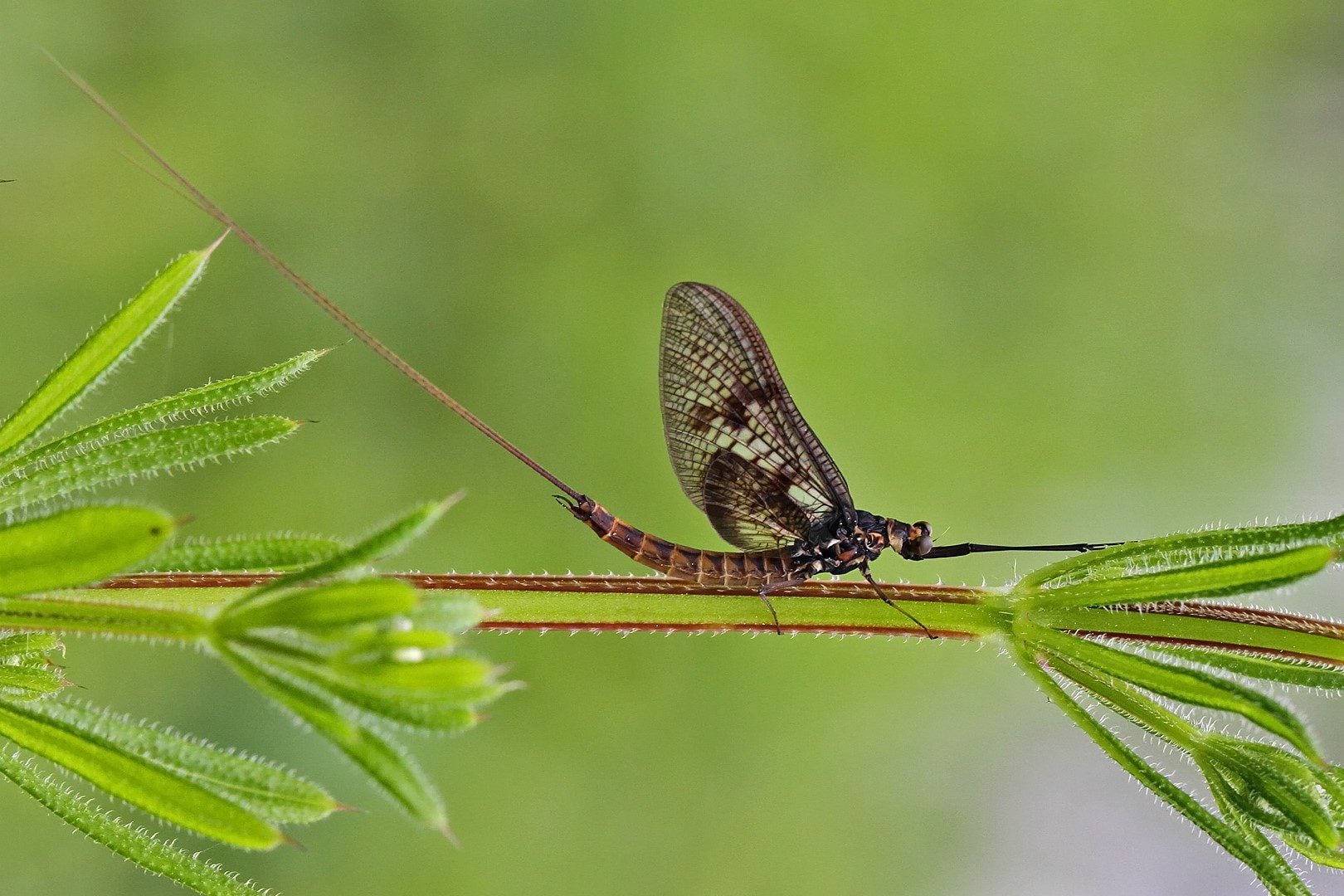
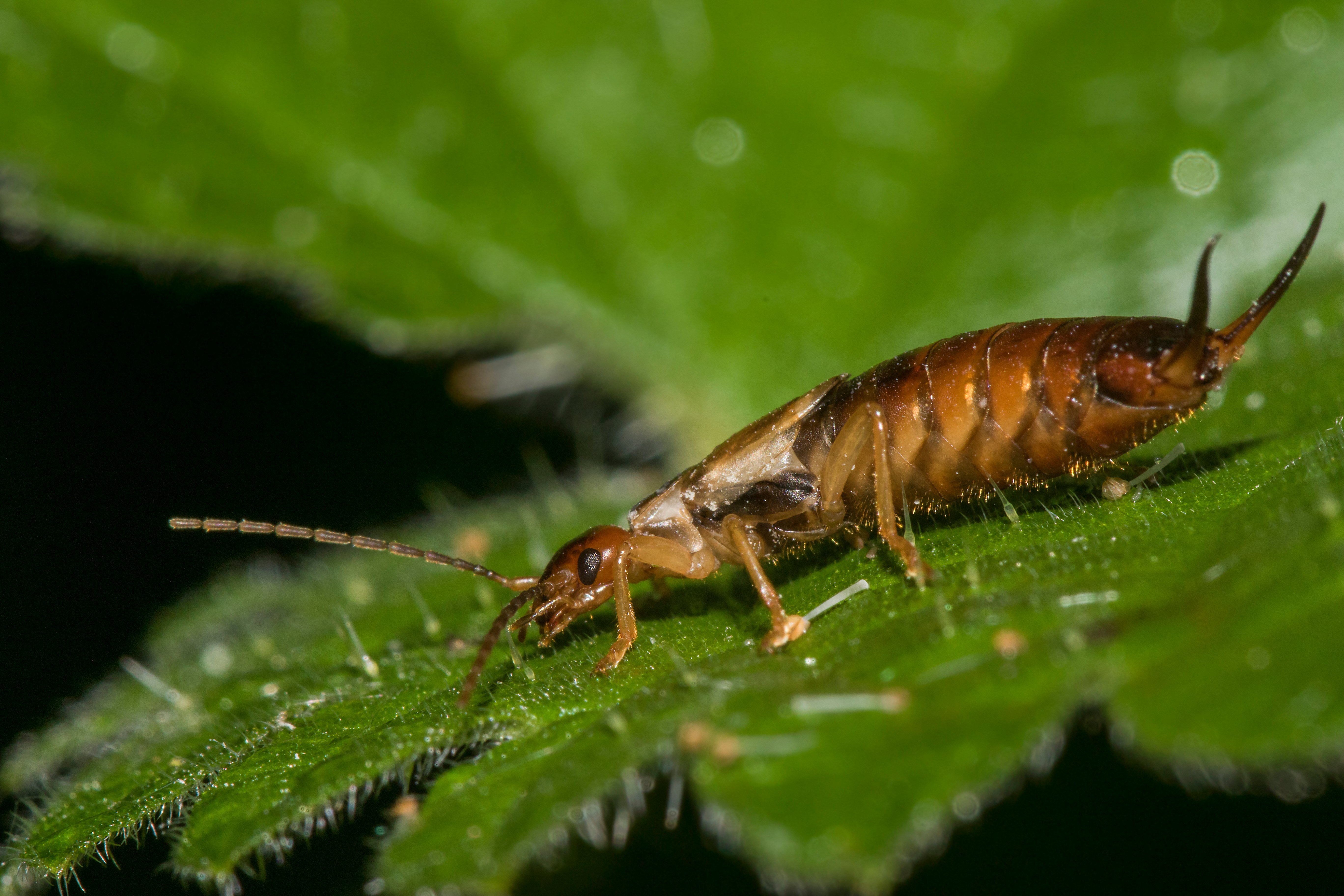
A mosaic of wet and dry sandy soils, Graffham is a great place for fans of invertebrates, with many nationally scarce species of beetle, spider, ant, bee and wasp found here. You might hear Woodlark, Nightjar and Tree Pipit on the open heath, and, if you are lucky, catch a glimpse of Crossbills or Spotted Flycatcher among the trees.
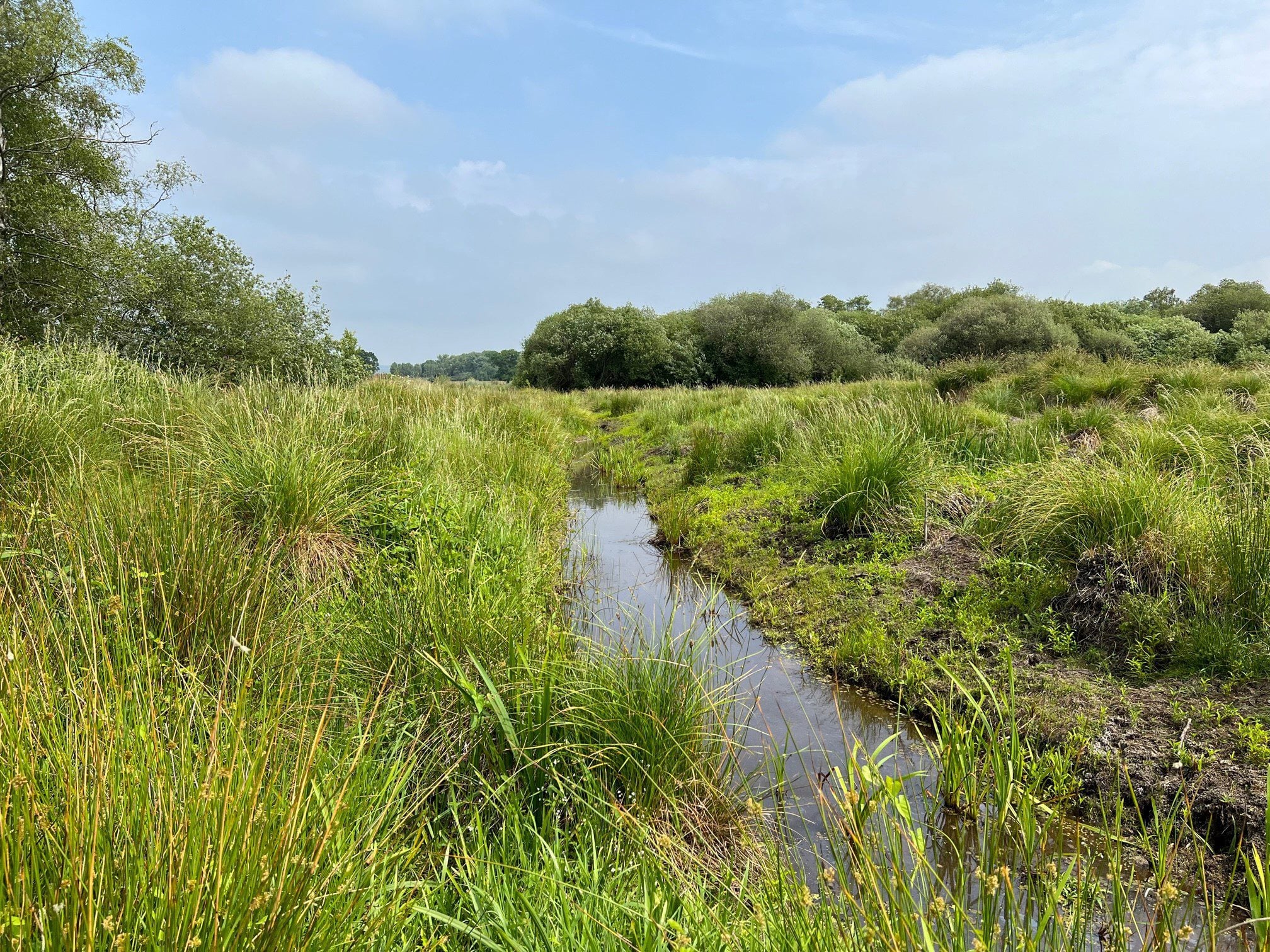
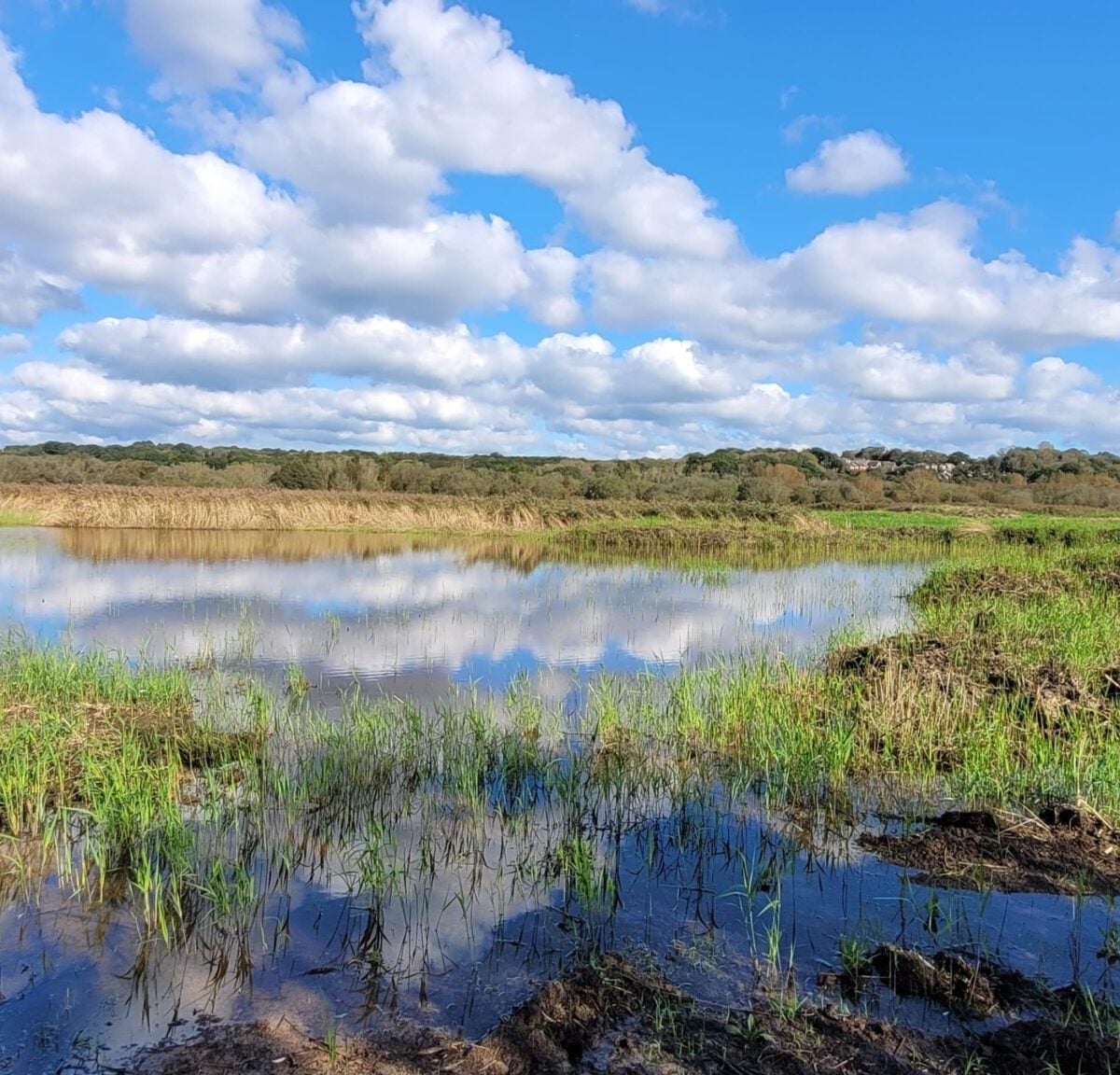
There are fragments of mire habitat (meaning areas that are very wet and humid), which mean rare flora, such as Marsh Clubmoss, carnivorous sundews, and Hare’s Tail Cottongrass grow on the reserve.
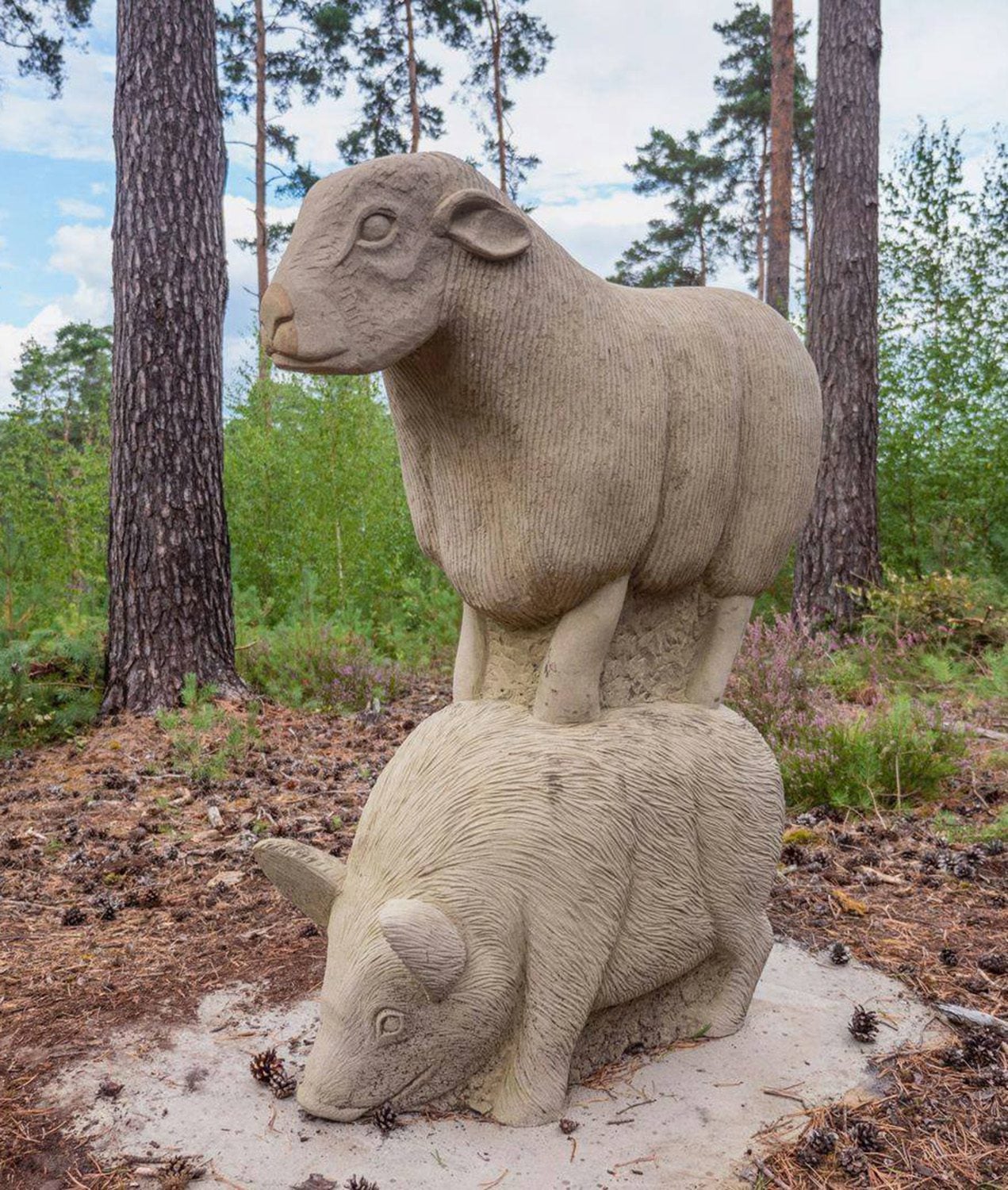
Take a look at Graeme Mitcheson’s ‘Sheep-Pig’ sculpture, situated in the eastern section, which forms part of the South Downs Sculpture Trail. It was inspired by a map, drawn in 1625, featuring a tiny drawing of both animals (almost appearing to be standing on top of one another) indicating that the area was common land, where both sheep and pigs grazed.



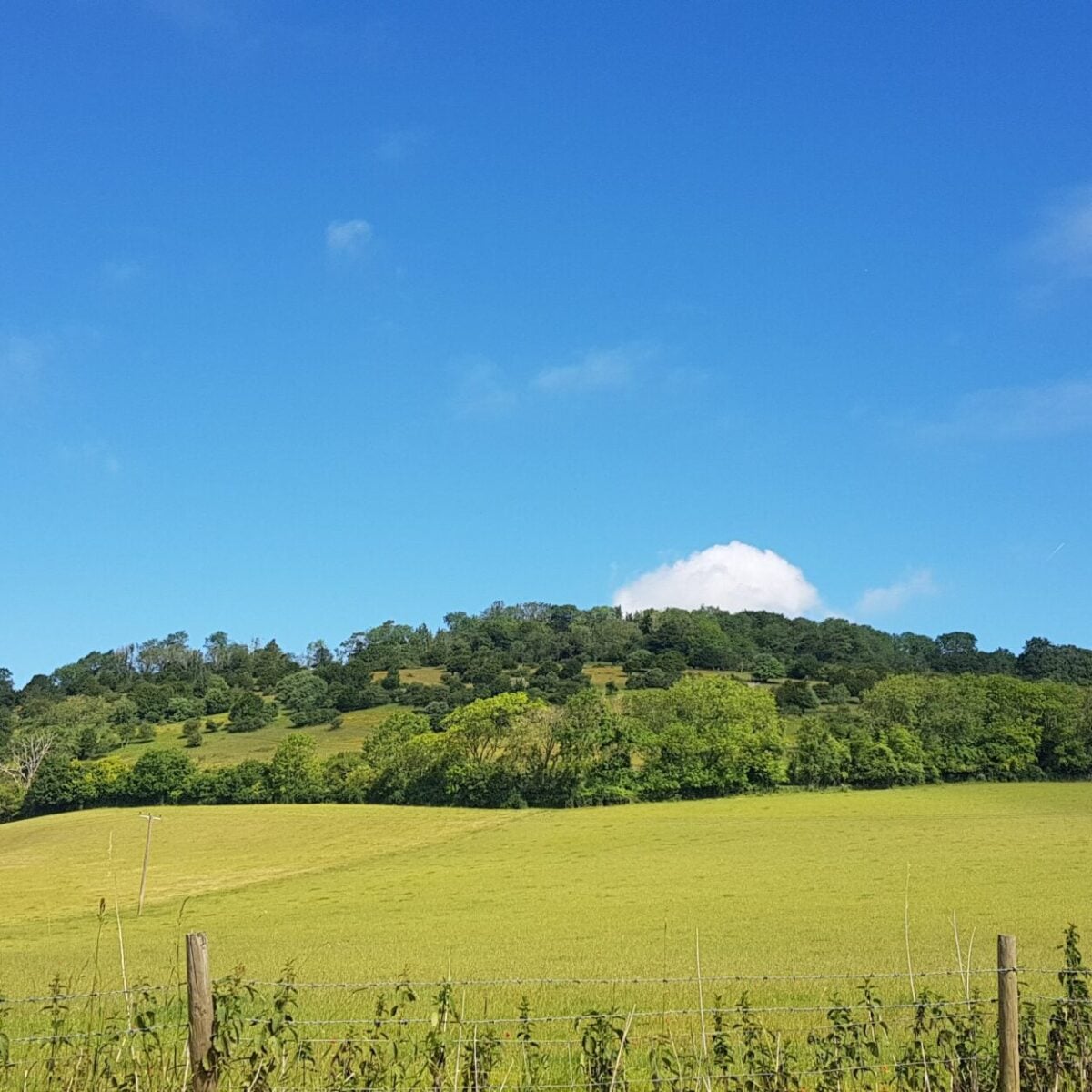
Dav Bridger RangerIf you climb the hill, you can see the remaining pine plantation beyond the southern border. That shows how vastly the biodiversity of the reserve has improved since we’ve been actively restoring heathland here.
Know before you go
Opening times
The reserve is open at all times
Free to visit
All our open reserves our free to visit, but if you enjoy your visit please consider donating to Sussex Wildlife Trust to help us manage these special places
Reserve size – 36 hectares
Graffham West and East total 36 hectares
How to get here
Located between Midhurst and Petworth, there are two sites on either side of the Selham to Graffham road. Neither have a car park, so parking is in the occasional lay-bys along the Selham to Graffham roadside, or opposite Fitzlea Wood (eastern site).
This link takes you to Graffham Common Road, just outside the reserve: https://maps.app.goo.gl/jkXENugMHfNLhu3S7
Please ensure you park safely and do not block access gates.
Getting around
The western site is fairly level, but the tracks are unsurfaced and can be wet all year round. The eastern site is partly level, with some very steep paths. The ground can be uneven and wet on the low ground. The site is fenced and has gates on all paths.
Dogs welcome on leads
Dogs are welcome, but please keep them under close control to protect ground-nesting birds.
Toilets
Toilets are available nearby in Petworth and Midhurst.
Check Toilet Map for a range of options.
Dos and don’ts
- Keep your dog on a lead
- No fires or barbecues
- Take your litter home
- Don’t pick flowers or forage
- No camping
- Tell us what nature you’ve seen via iRecord
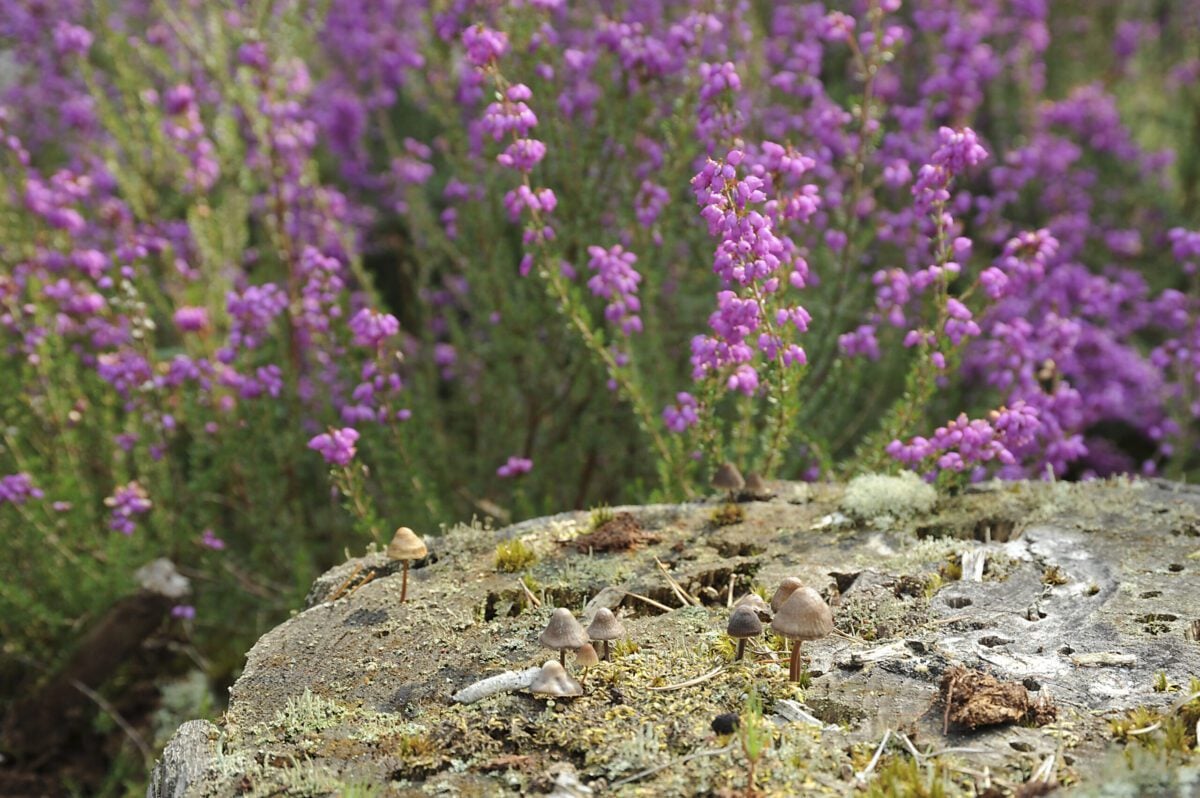
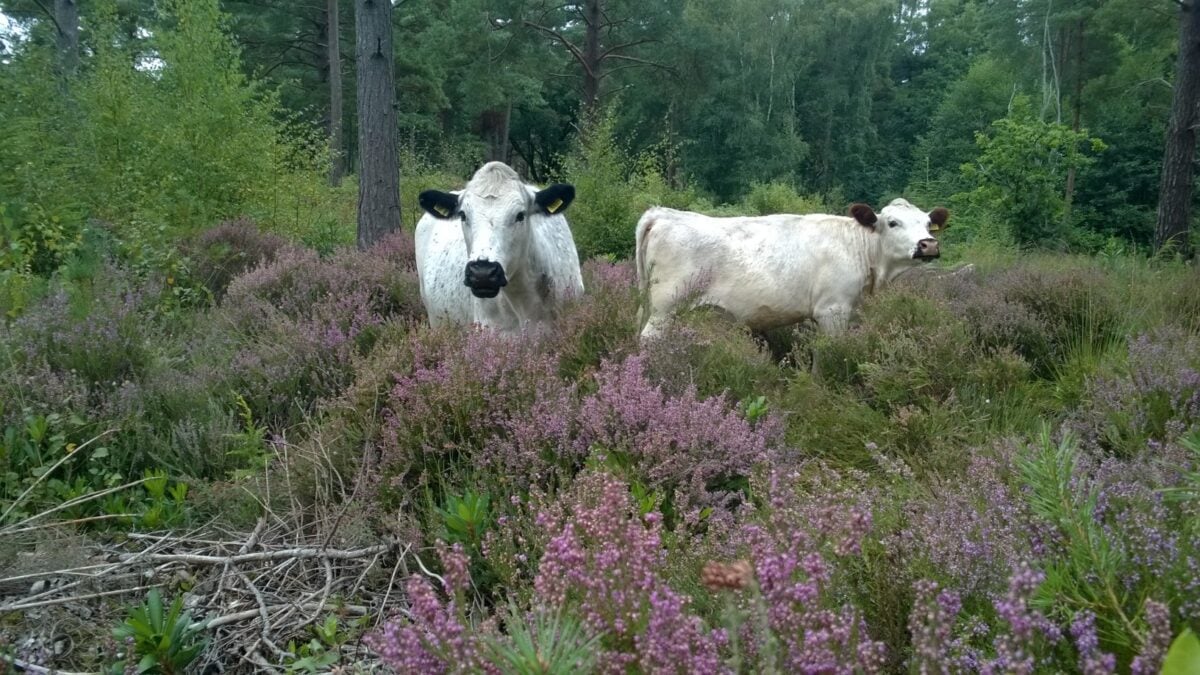
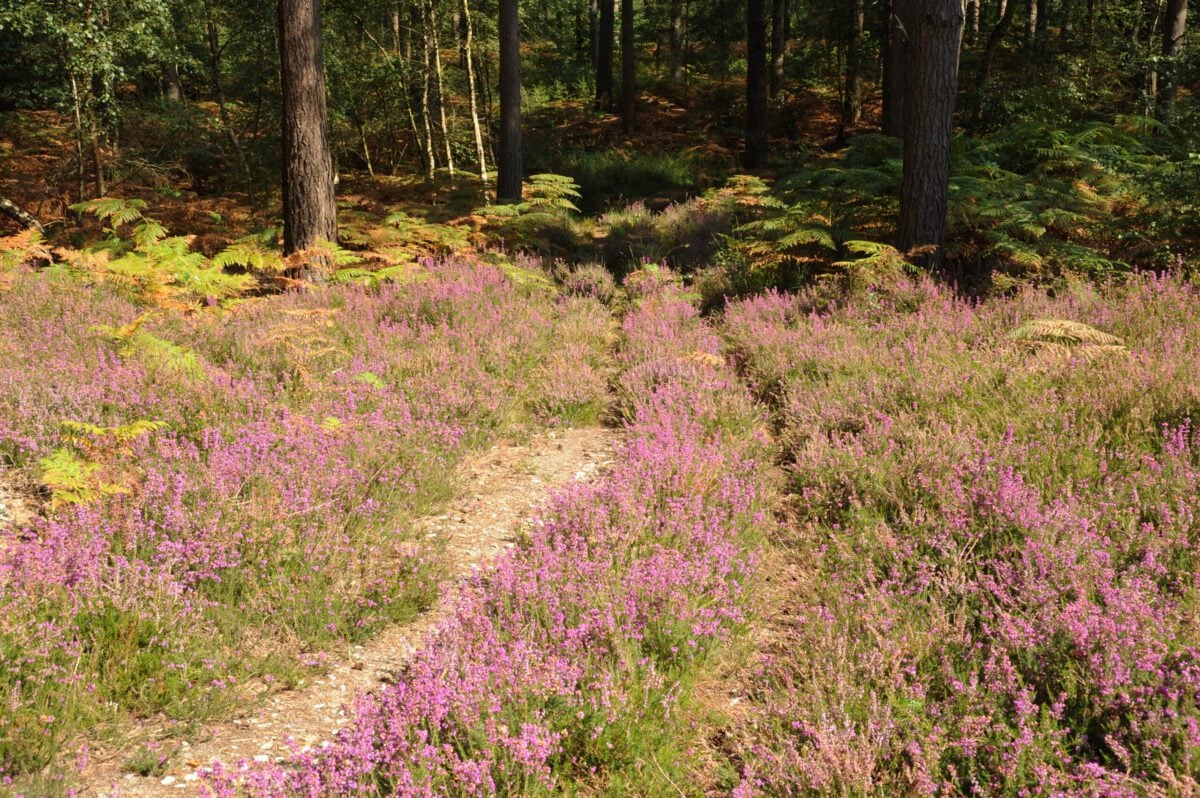
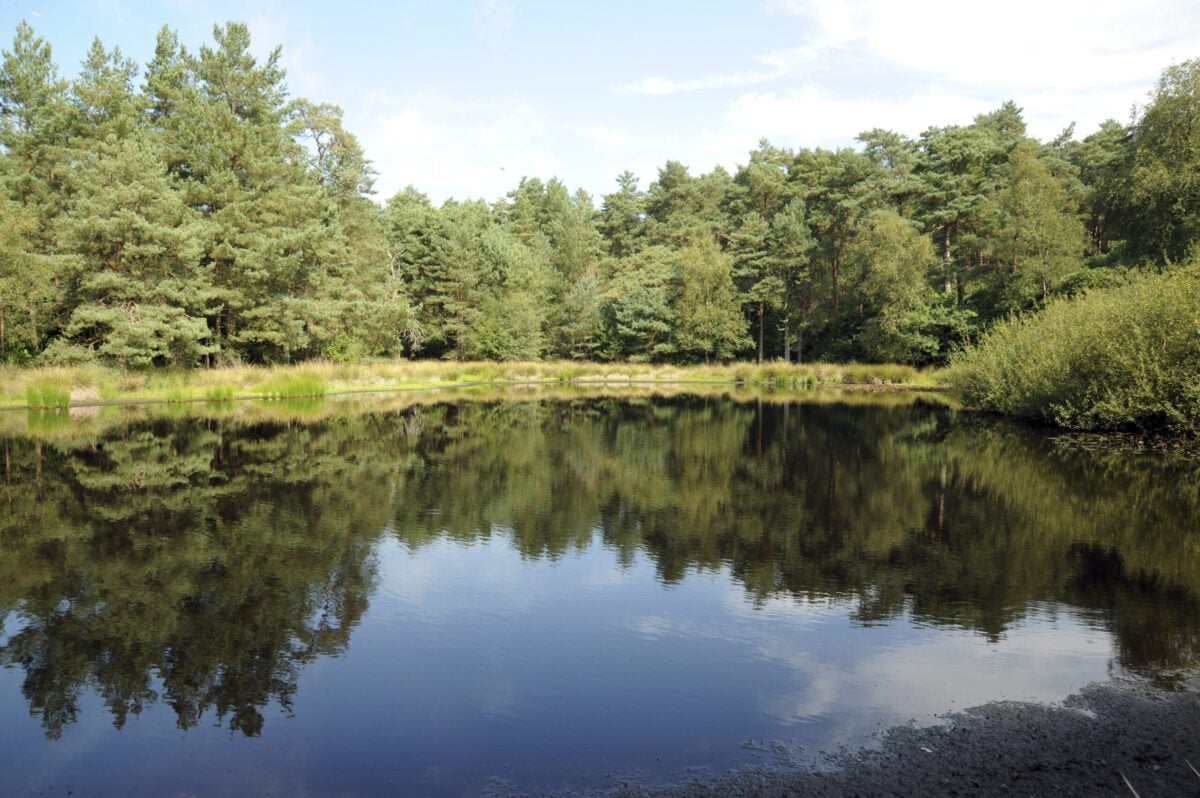
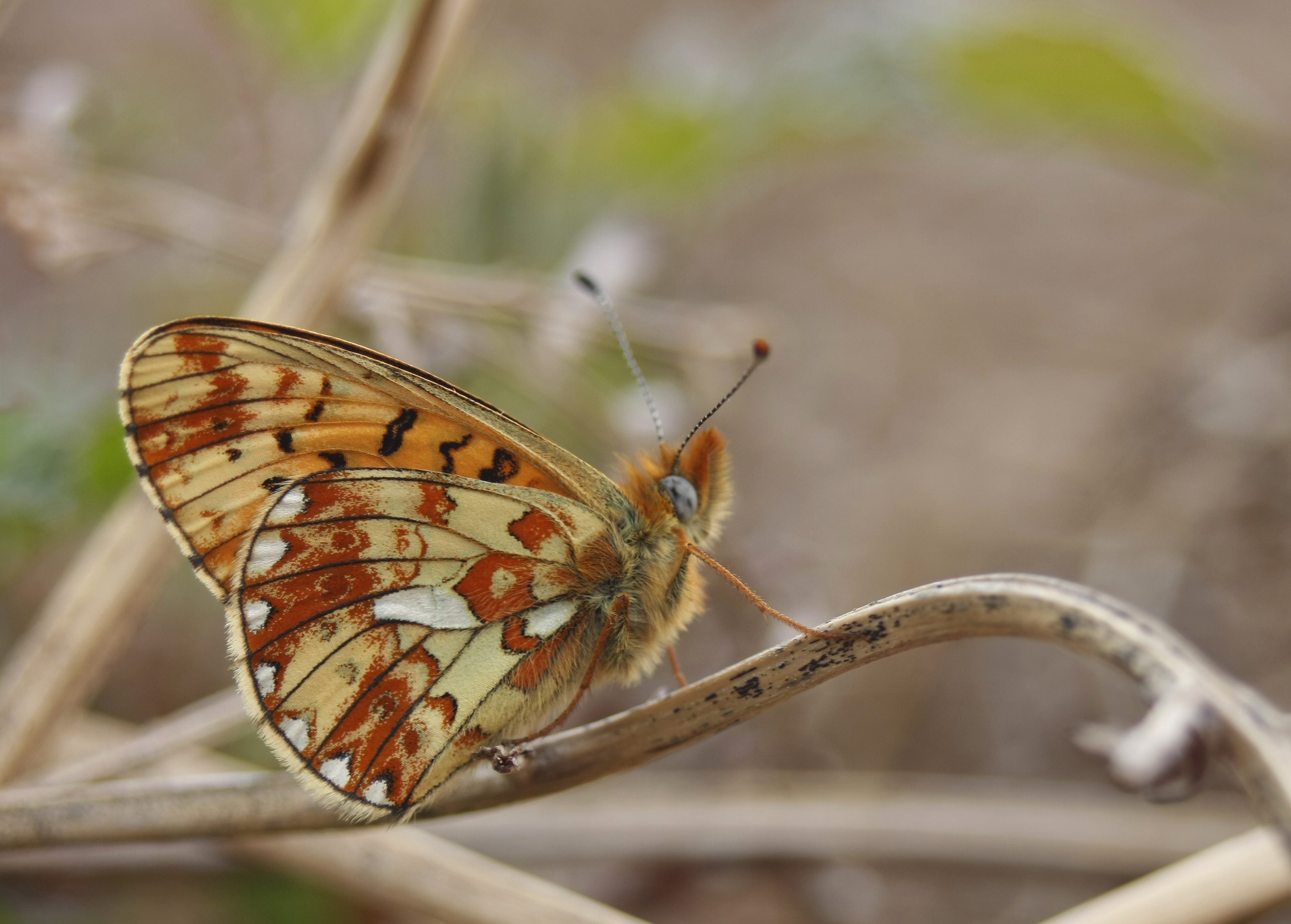
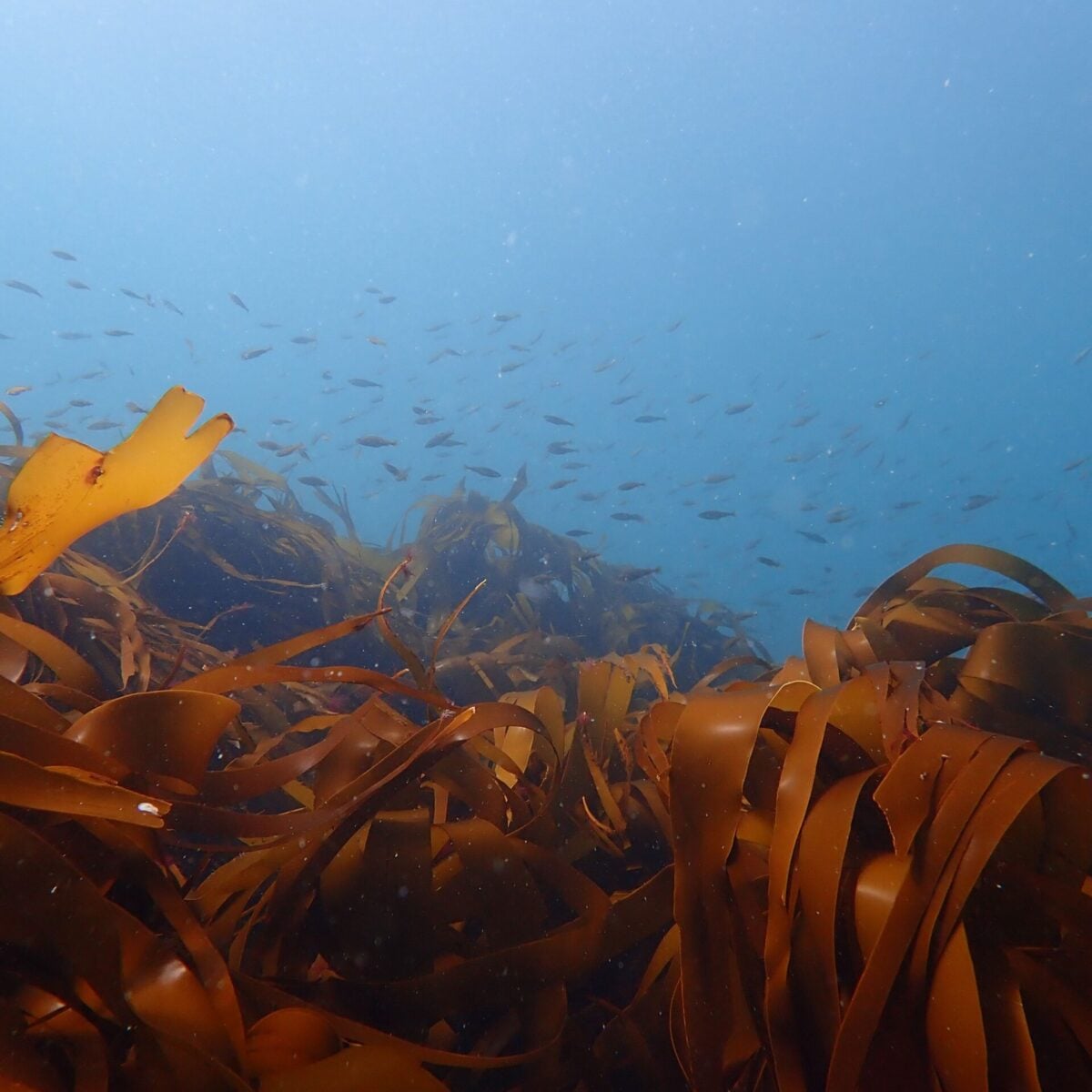
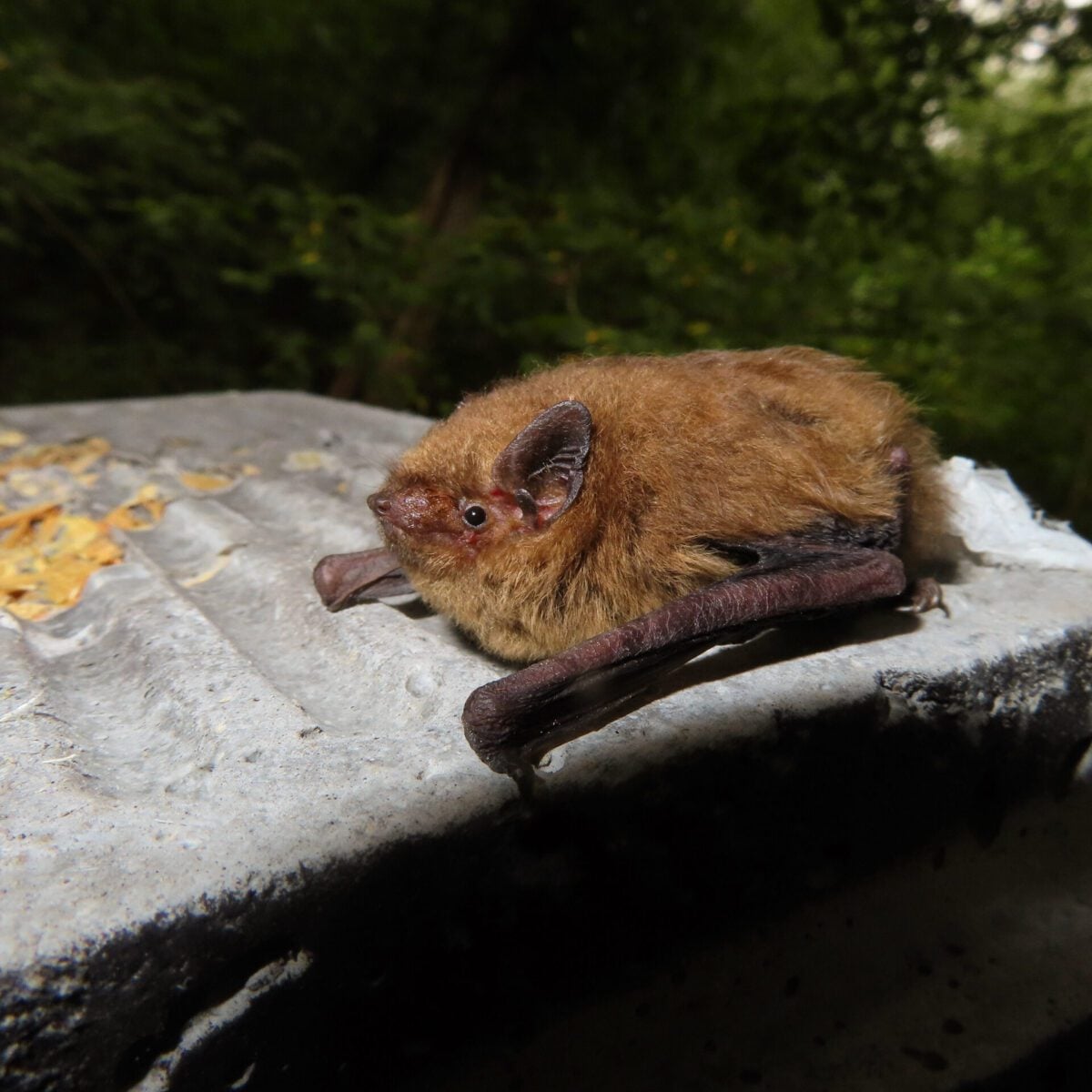
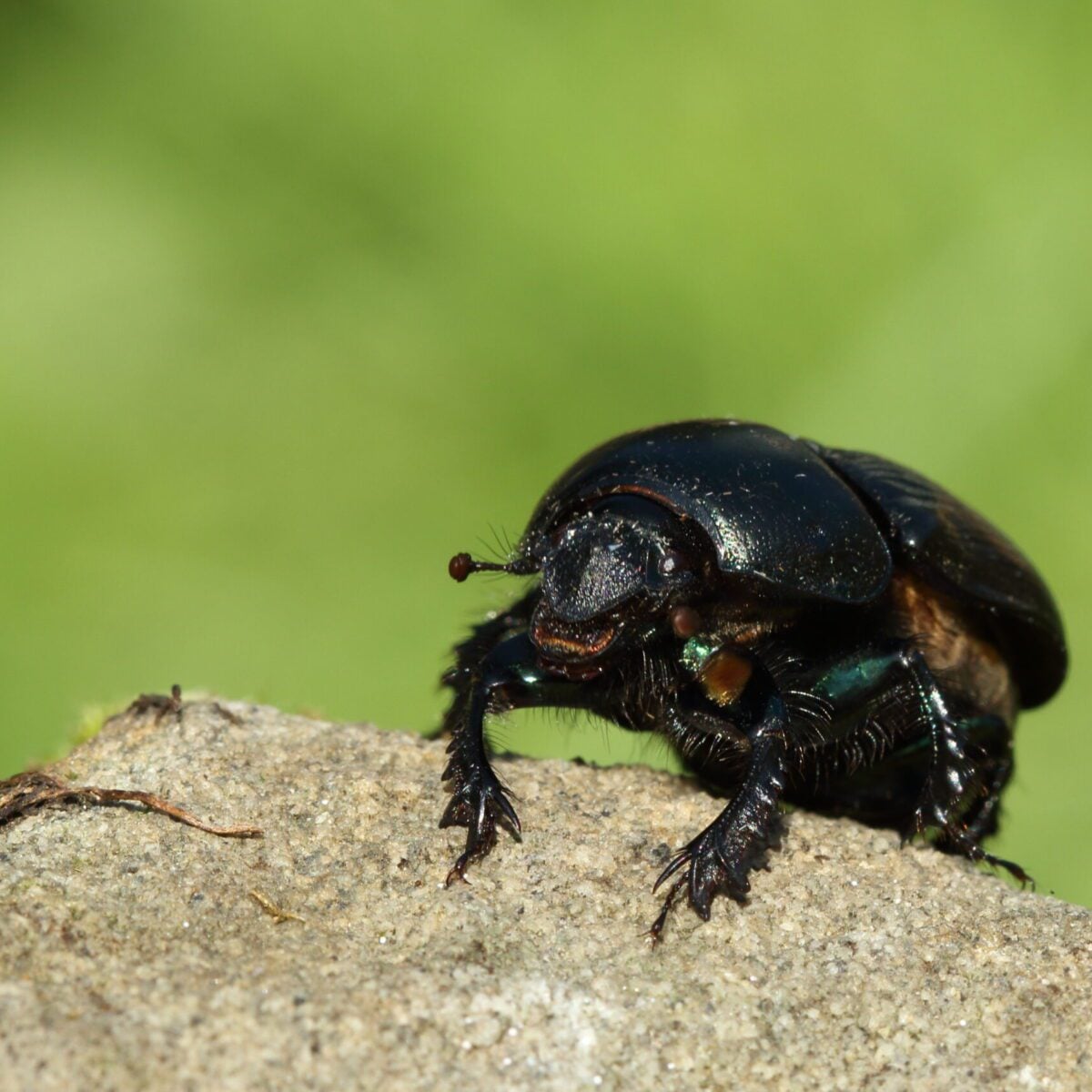
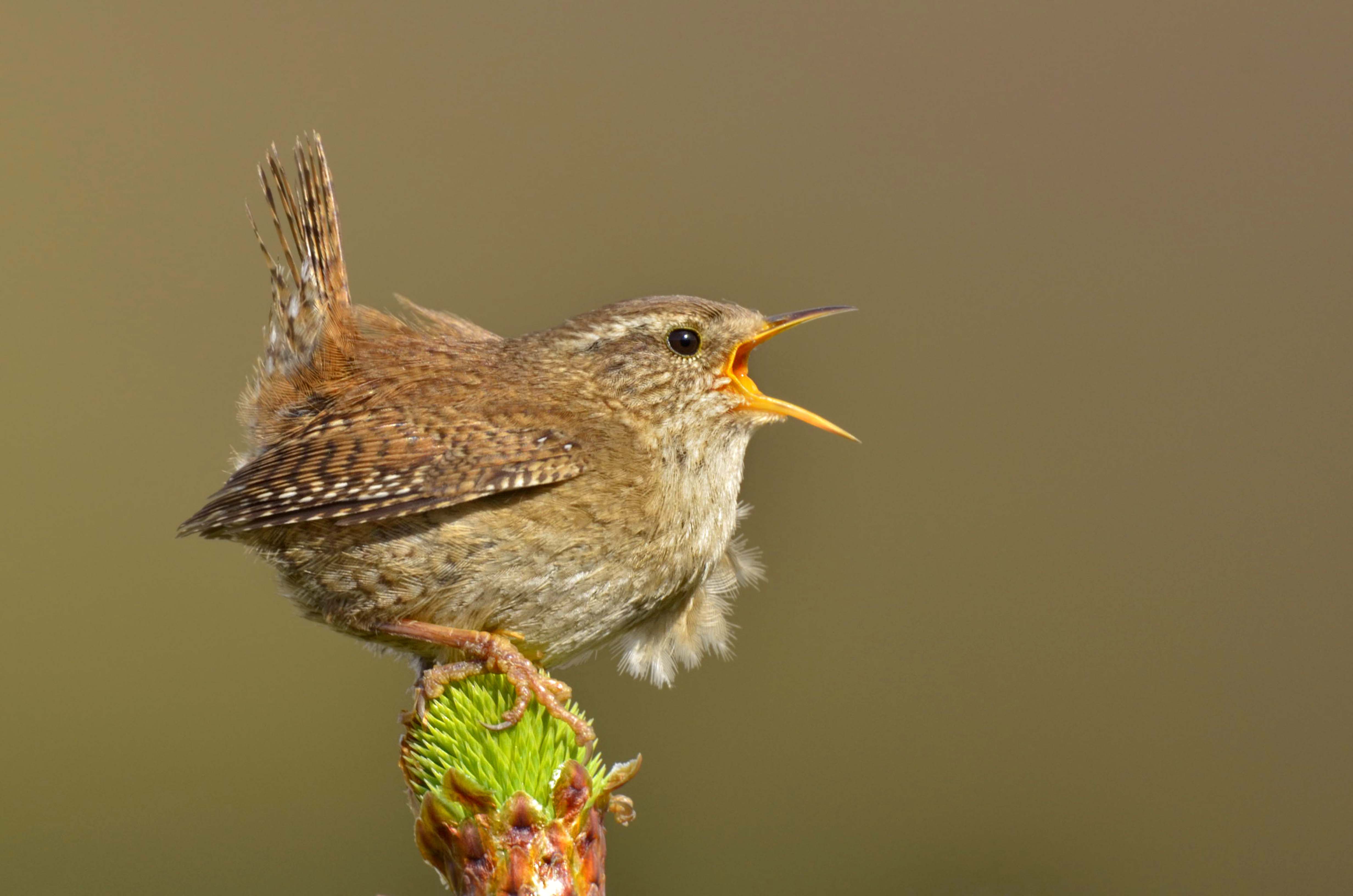
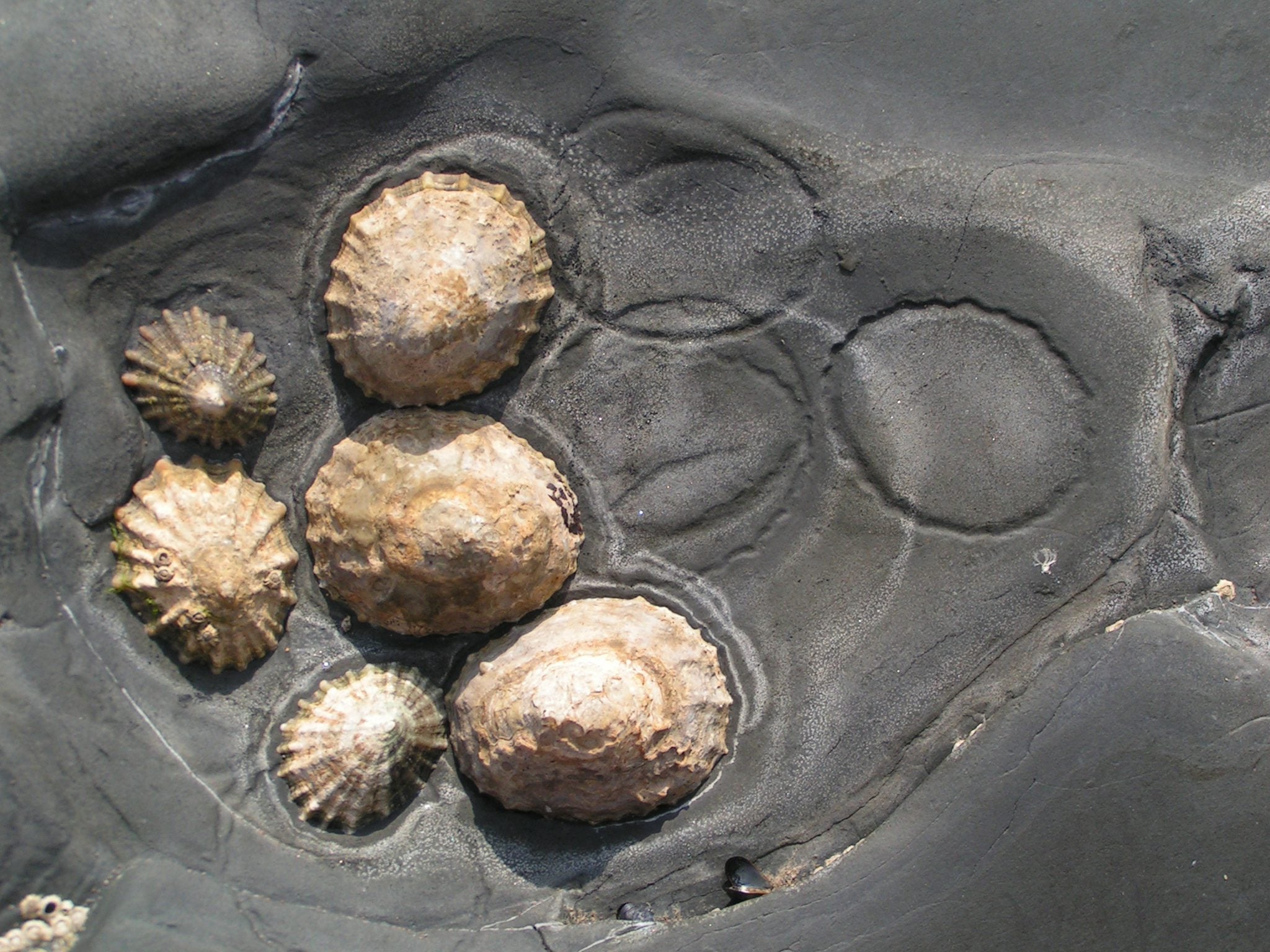
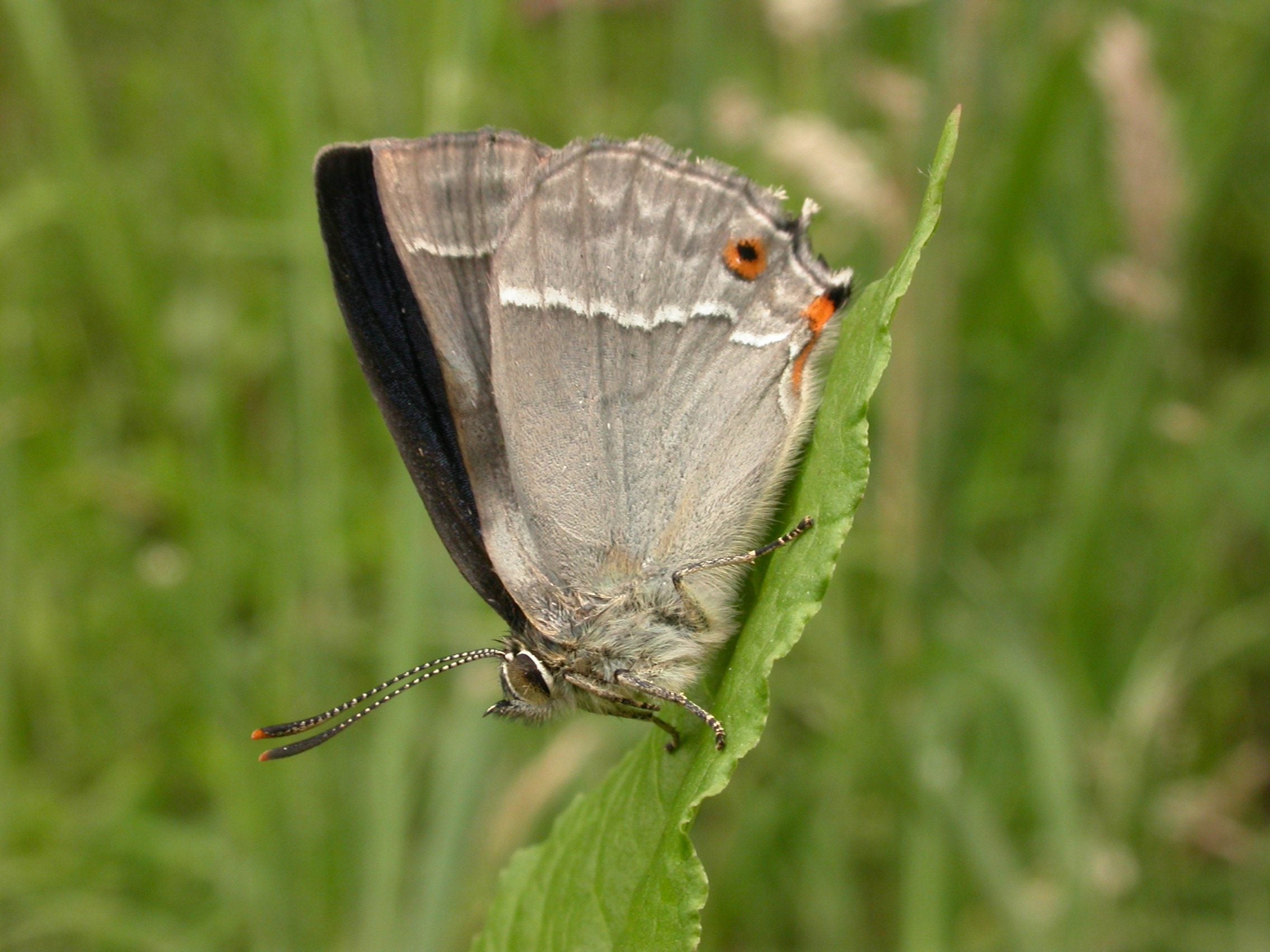
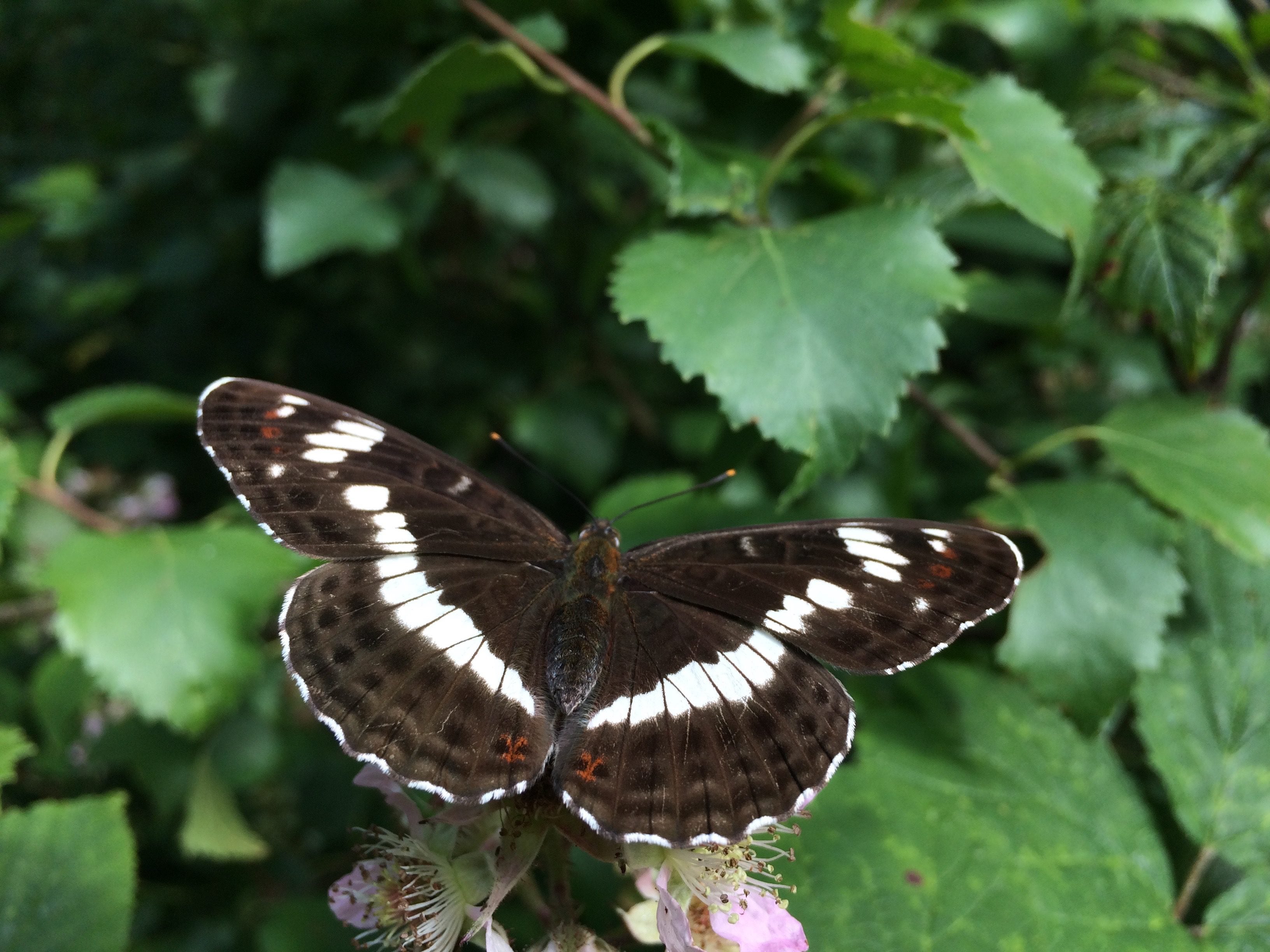
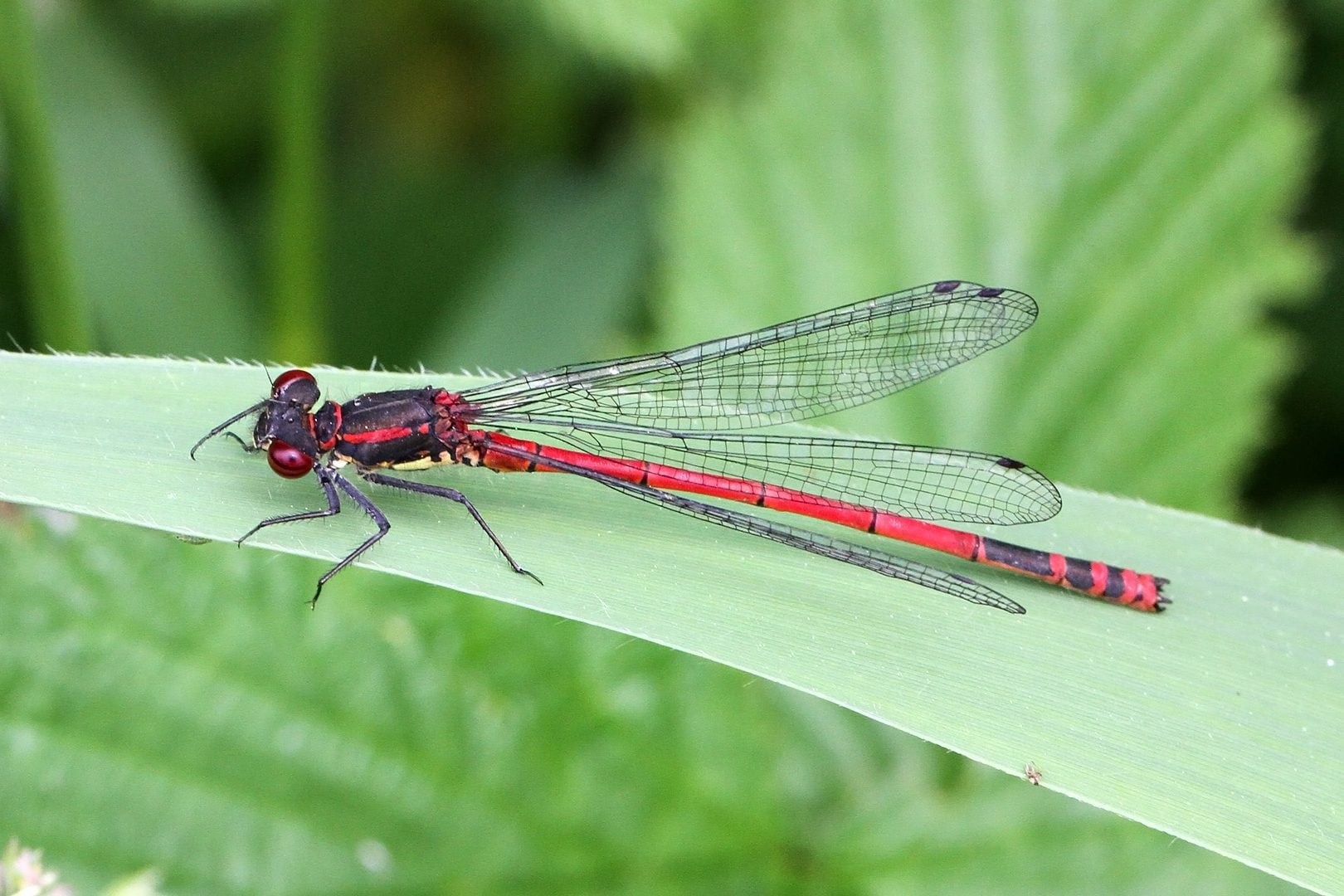
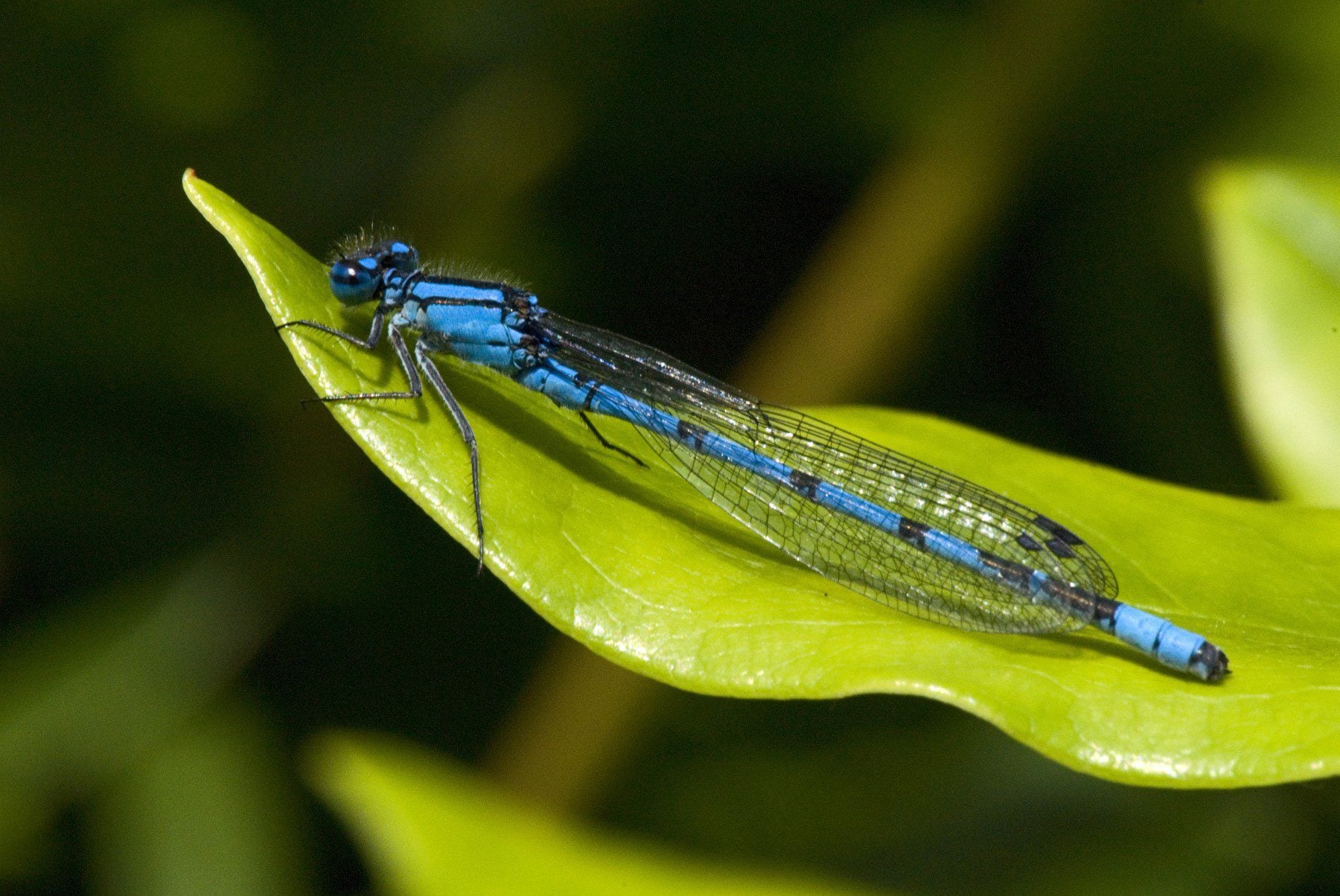
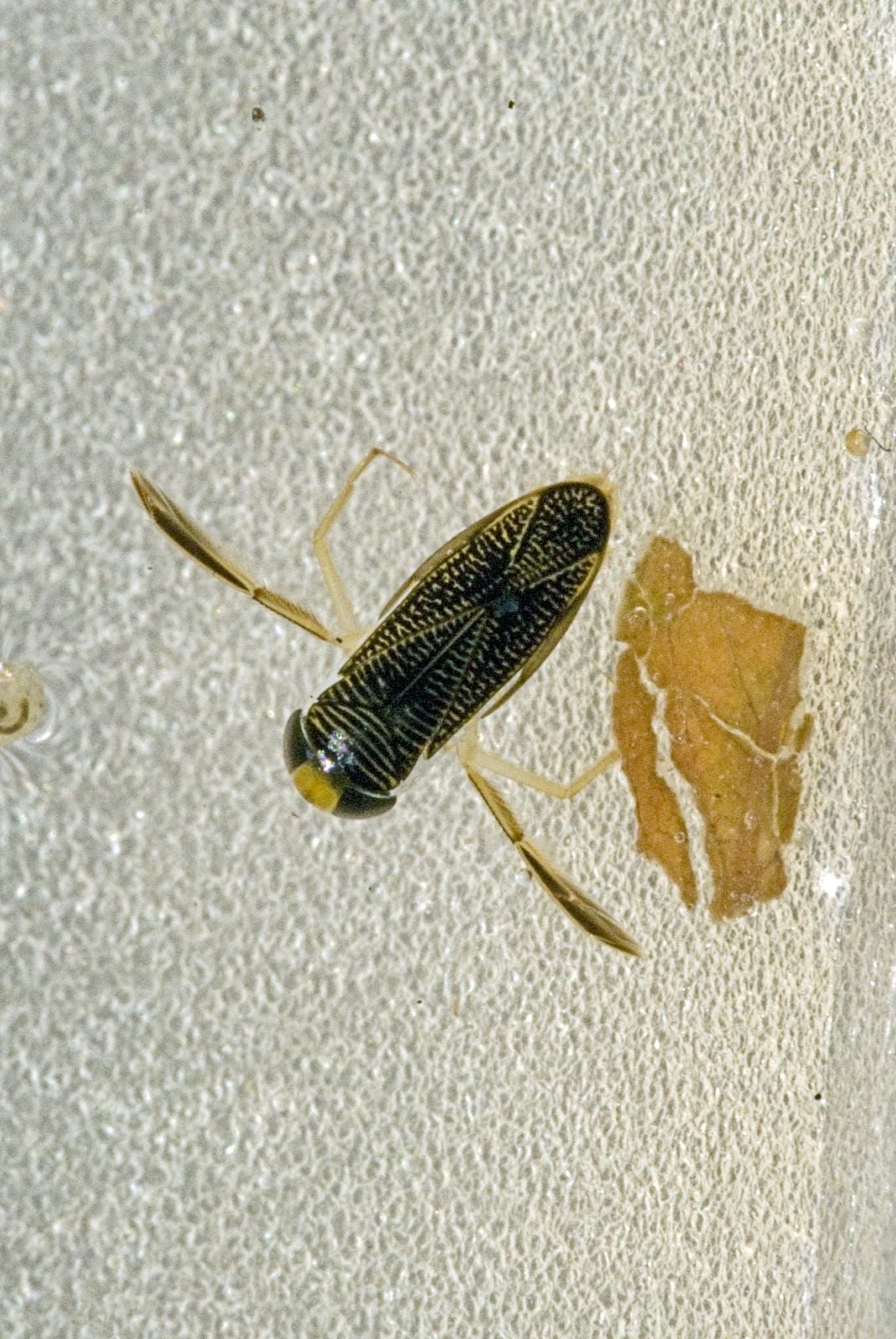
 © SDNPA
The story of the reserve
The reserve comprises two sections, east and west, split by Graffham Common Road.
Sussex Wildlife Trust purchased the reserve in 2009 as a key link in the historic chain of Greensand Heaths. We have since been restoring what had become a pine plantation, back to heath and heath-pasture, by clearing pine and Rhododendron. With Ambersham Common to the west, and Lavington Common to the east, Graffham is in an ideal position to improve habitat connectivity between the two areas, acting as a wildlife corridor to boost biodiversity.
More recently, Sussex Wildlife Trust and the South Downs National Park Authority (SDNPA) combined forces to help improve and maintain Graffham Common as an area of lowland heathland.
The whole area is home to a number of ancient burial mounds dating back 4000 years or more.
Did you know?
Snaking through
The Serpent Trail, a long-distance route encompassing many of the Greensand Heaths in the area, runs through both parts of the reserve.
A little perspective
Walk to the top of Gallows Hill for views of Petworth House and imagine darker times when those found guilty of relatively minor crimes were likely hanged here.
World War Two connection
In more modern times the site was used for training Canadian soldiers in preparation for the D-Day landings aerobatics.