
Take action
Become a member
Memberships build our community and give us a predictable income, which lets us plan and sustain longer projects that can have a greater impact. The more members we have, the more we can do to protect the Sussex countryside and coast.
Make a donation
Nature in Sussex is struggling right now. Every pound counts when it comes to the critical work needed to help nature recover. No matter how big or small, your donation will help us make a difference together.
Overview
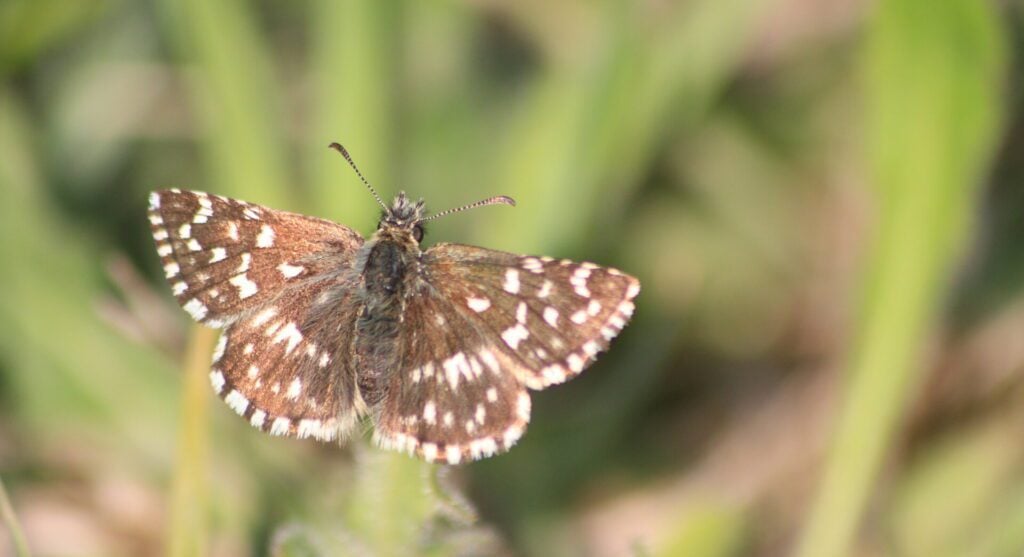
The Grizzled Skipper is the smallest of our skippers and the earliest to appear in spring. It has a fast, darting flight pattern, so is easiest to see in the early morning when it basks on bare ground in the sunshine.
Grizzled Skippers require short, mixed vegetation that is usually created by grazing on chalk grassland or in woodland clearings. The caterpillars feed on a variety of plants, including Wild Strawberry, Bramble, Agrimony, Salad Burnet and Creeping Cinquefoil.
Key Facts
- The Grizzled Skipper has dark brown wings with an intricate, white chequerboard pattern. The wings have white fringes, with dark lines running through them. The Dingy Skipper is similar, but is larger and has duller wings.
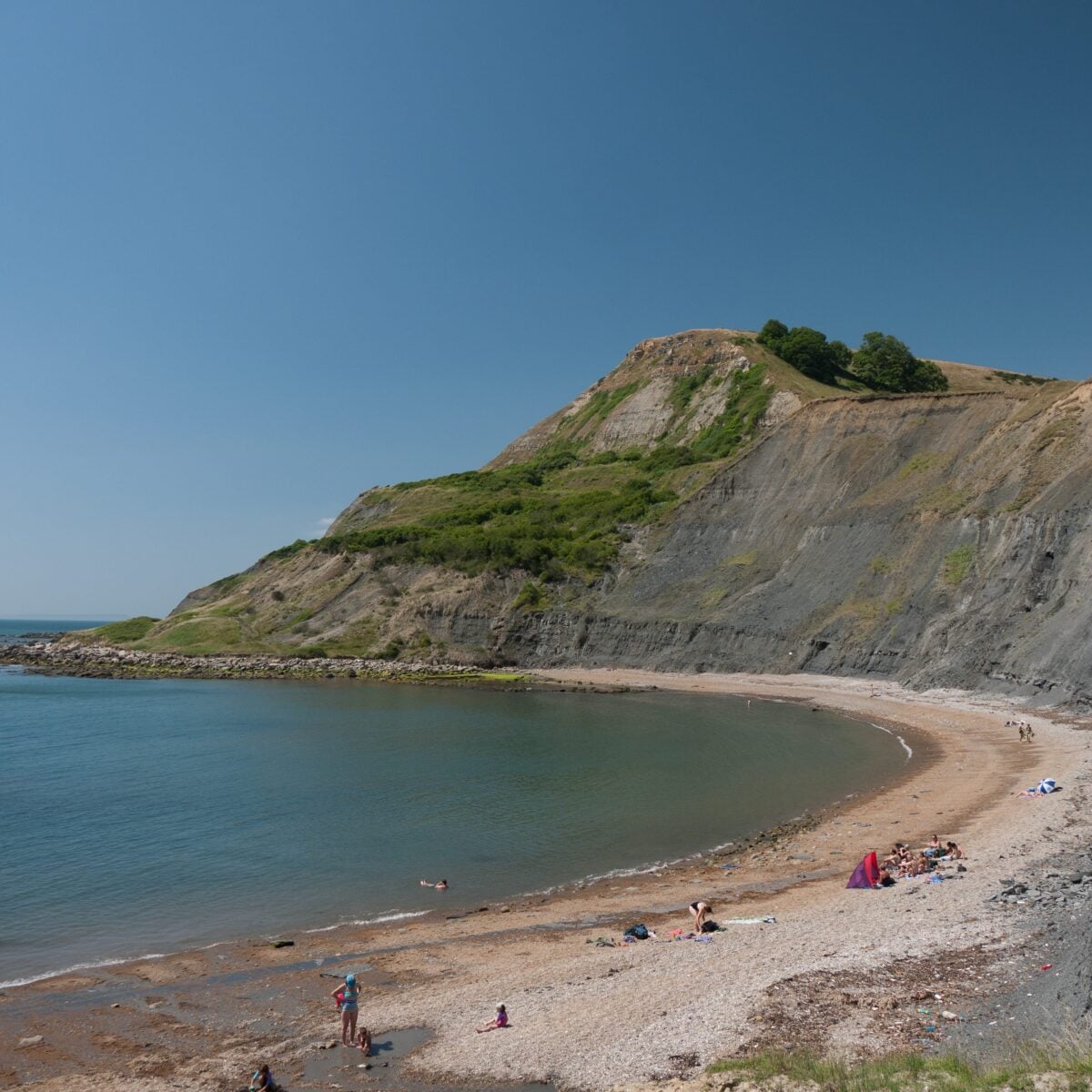
- Although the Grizzled Skipper prefers unimproved chalk grassland and woodland rides, it has recently spread on to old industrial sites, such as mineral workings, spoil heaps, railway lines and even rubbish tips!
- Wingspan:2.3-2.9cm
Status
Priority Species under the UK Post-2010 Biodiversity Framework.
Seasonality
April to August