account arrow-down-select arrow-down arrow-left arrow-right arrow-small bluesky book calendar close email eventbriteexternalfacebook instagram linkedin locationphone pinterest plus quote search tiktok time twitter video-icon

Peacock

(Aglais io)

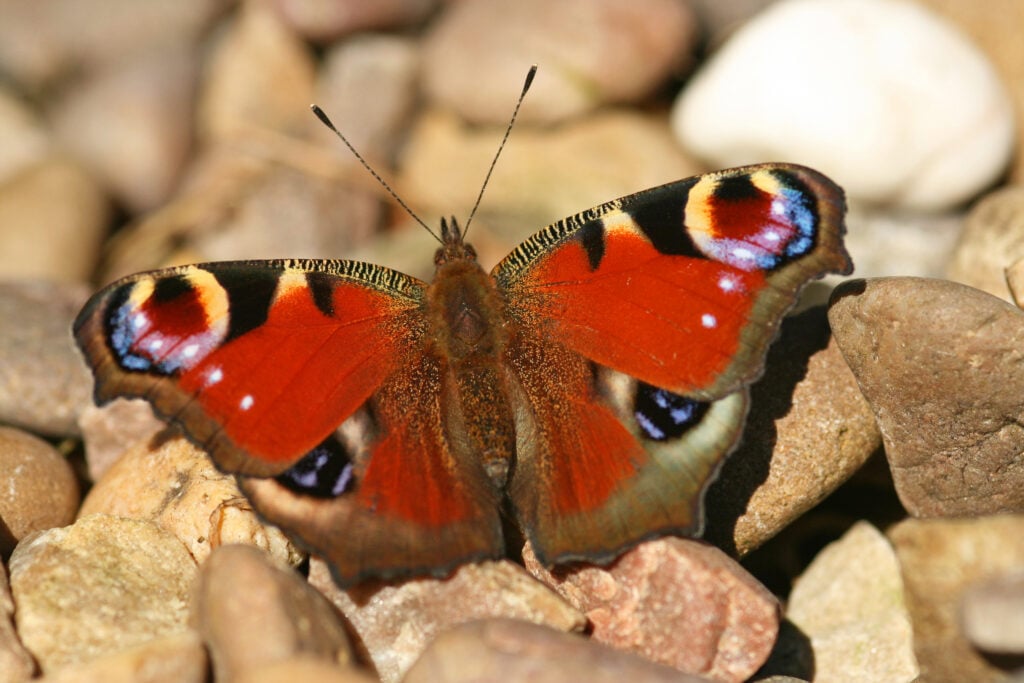
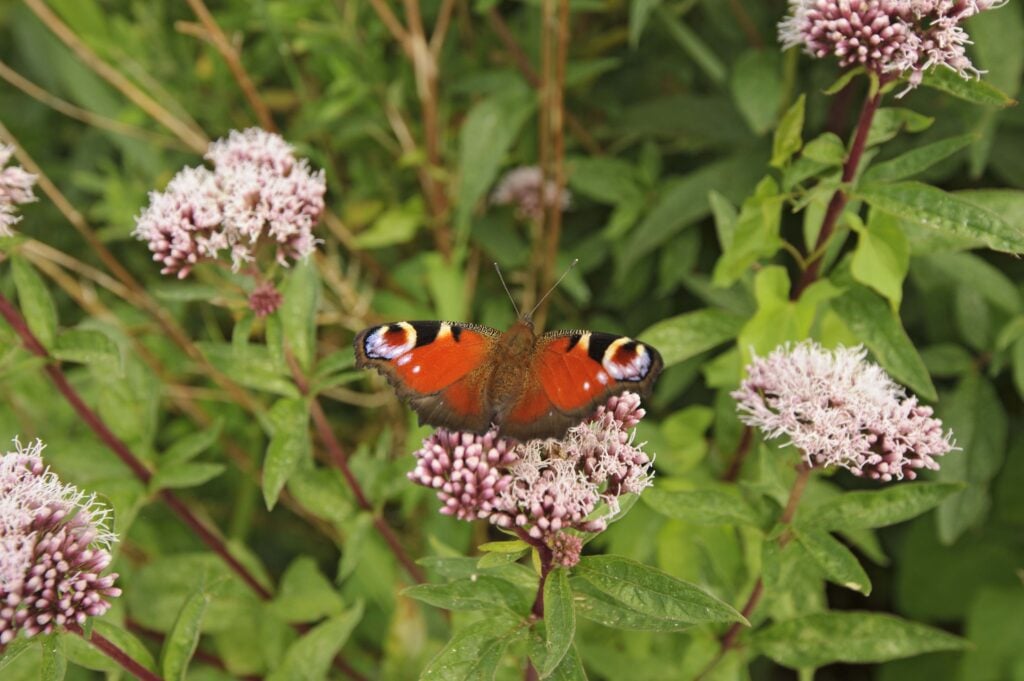
The markings of the Peacock are unmistakeable – big, blue 'eyes' just like a Peacock's tail feathers. It can be seen feeding on flowers all year-round during warm spells, and overwinters as an adult.

Peacock © Rachel Scopes
Peacock © Terry Whittaker/2020VISION

Take action

Become a member

Memberships builds our community and gives us a predictable income, which lets us plan and sustain longer projects that can have a greater impact. The more members we have, the more we can do to protect the Sussex countryside and coast.

Make a donation

Membership builds our community and gives us a predictable income, which lets us plan and sustain longer projects that can have a greater impact. The more members we have, the more we can do to protect the Sussex countryside and coast.

Overview

A common butterfly, the Peacock is a regular visitor to our gardens where it feeds on Buddleia and other flowers, and the caterpillars feed on Common Nettles.

Peacocks are on the wing throughout the year, having a single brood, and they overwinter as an adult. They range far and can also be found in the shelter of woodland rides and clearings.

Key Facts

  • The Peacock is deep-red with black spots and blue ‘eyespots’ on both the forewings and hindwings. Its underside is dark brown, making the wings look like dead leaves.
  • When alarmed, the Peacock is able to make a hissing noise by rubbing its wings quickly together. Coupled with its huge eyespots, it becomes a scary prospect for would-be predators.
  • Wingspan: 6.3-7.5cm

Status

Common.

Seasonality

All year round
Video

Peacock video

Peacock

Discover species that call Sussex home

More than 10,000 species of plants, animals, birds, insects and invertebrates call our nature reserves home. From bats to beetles, orchids to oaks, and butterflies to birds of prey, there’s an impressive diversity of life to discover and experience across the habitats of Sussex.

Join the Sussex Wildlife Trust community

Become a member today to protect nature for tomorrow

As a member, you get access to free guided nature walks, magazines about local wildlife, discounts on courses and events, and a guide to our reserves.

Not quite ready to join but want to help?

Donate to help create a wilder future for nature in Sussex

Choose to give money to a specific cause, or to our work to manage local reserves, defend nature, and create wonderfully wild spaces on land and beneath the waves.