Take action
Become a member
Memberships build our community and give us a predictable income, which lets us plan and sustain longer projects that can have a greater impact. The more members we have, the more we can do to protect the Sussex countryside and coast.
Make a donation
Nature in Sussex is struggling right now. Every pound counts when it comes to the critical work needed to help nature recover. No matter how big or small, your donation will help us make a difference together.
Overview
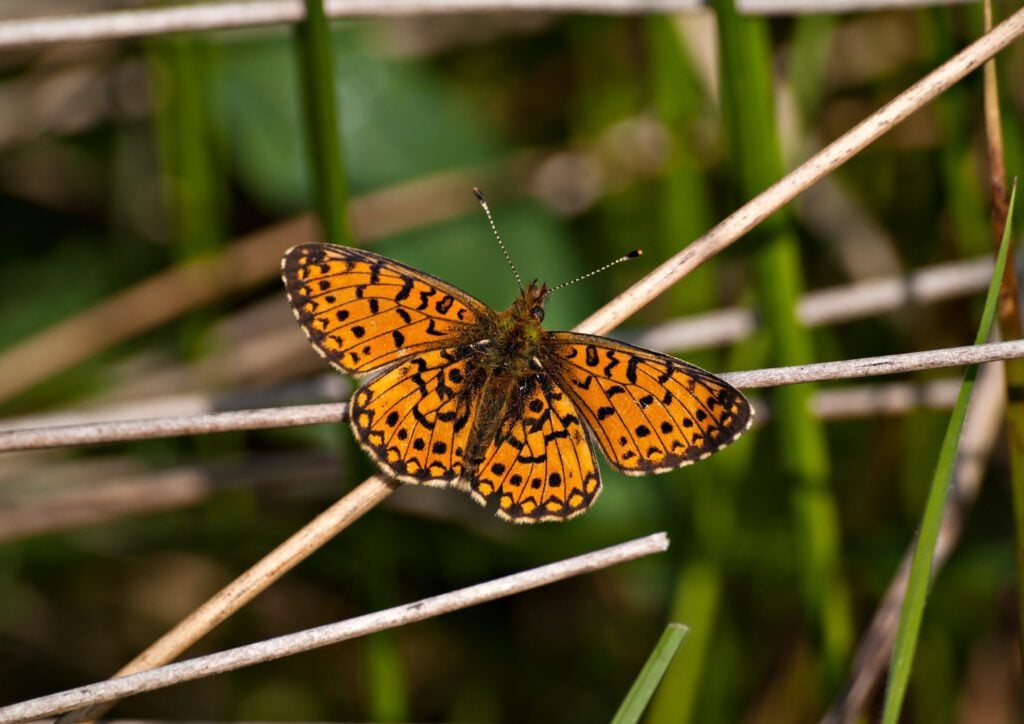
The Small Pearl-bordered Fritillary is widespread but has undergone severe declines. It occurs in damp, grassy habitats, as well as in woodland clearings and on moorland.
The adults fly low to the ground using a flutter-and-glide pattern, stopping to nectar at bramble and thistle flowers. The caterpillar feeds on violets, typically Common Dog-violet and Marsh Violet.
Key Facts
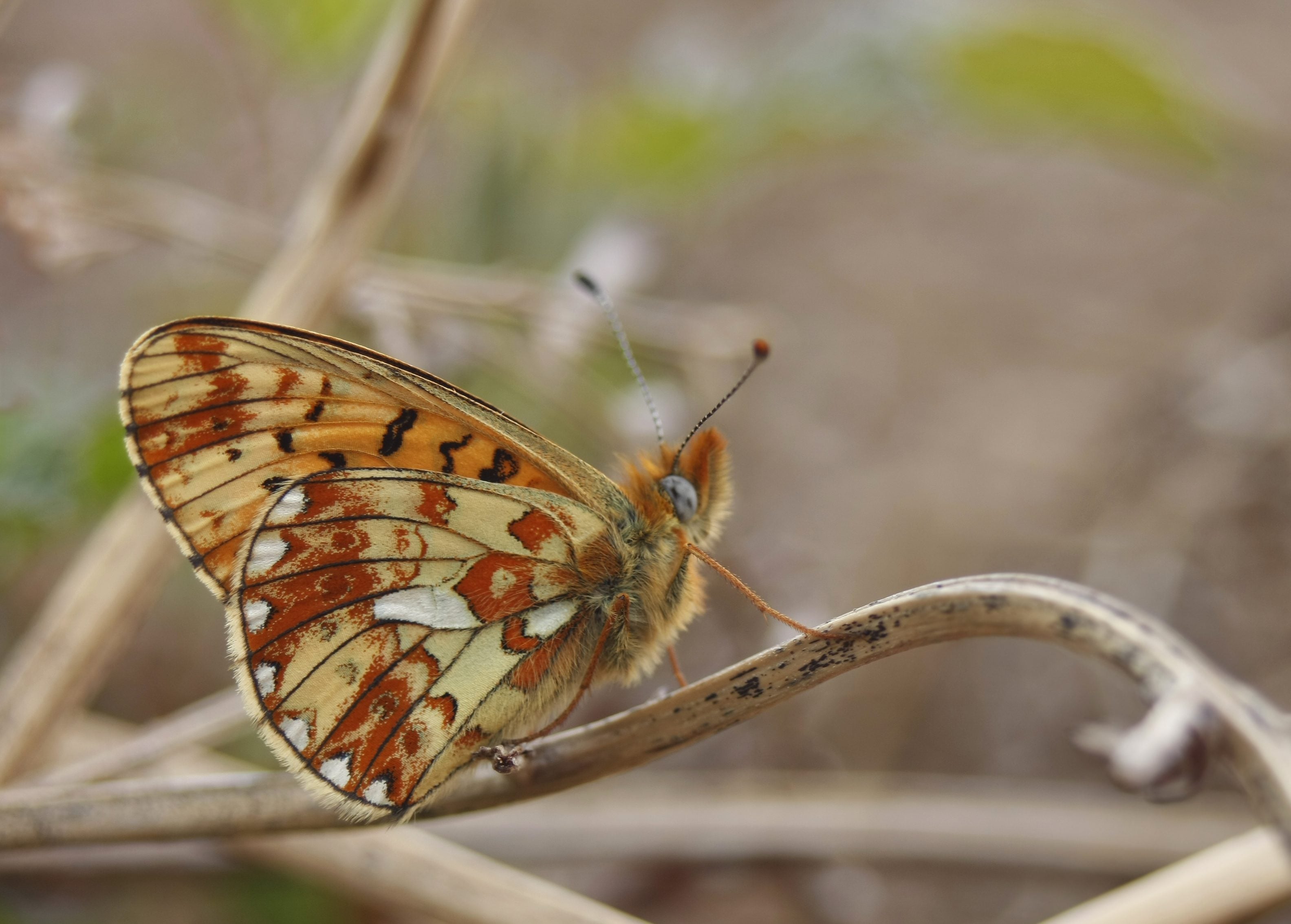
- The Small Pearl-bordered Fritillary is an orange butterfly with black marks on the upperside of the wings. It has black-and-silver markings on its underside, along with a row of white ‘pearls’ on the outer edge of the wing.
- It can be confused with the Pearl-bordered Fritillary, which is similar in size and appearance. They are most easily distinguished by their undersides – each has a row of seven pearls, but the Pearl-Bordered Fritillary exhibits two very distinct additional pearls, while the small pearl-bordered fritillary has a colourful mosaic of white, orange and brown markings.
- The Small Pearl-bordered Fritillary first emerges in southwest England in May. The timing of emergence moves gradually northwards, and it does not appear until June in Scotland. Its early appearance in the south means a second brood is possible.
- Wingspan: 3.5-4.4cm
Status
Priority Species under the UK Post-2010 Biodiversity Framework.
Seasonality
May to August