Overview
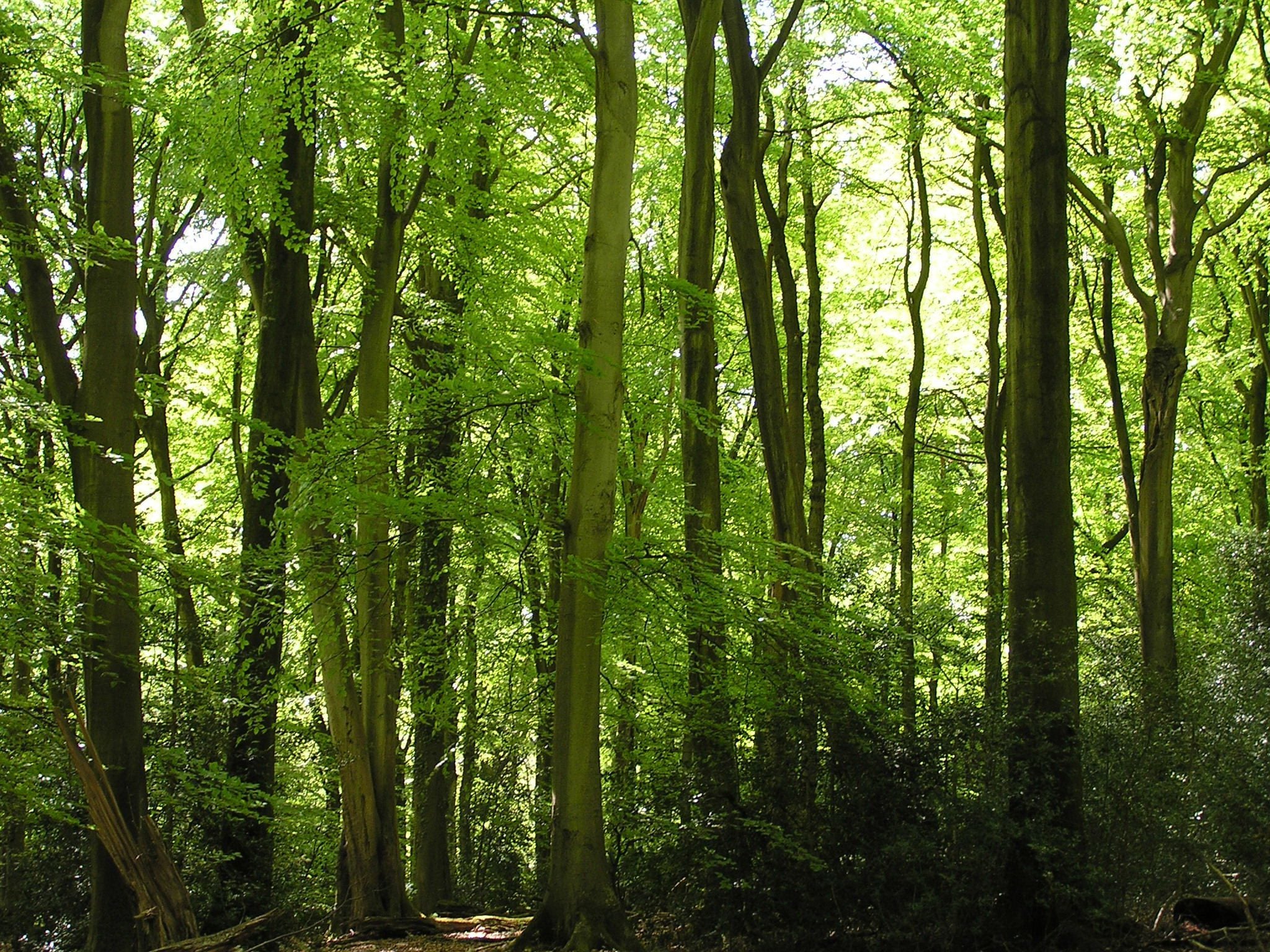
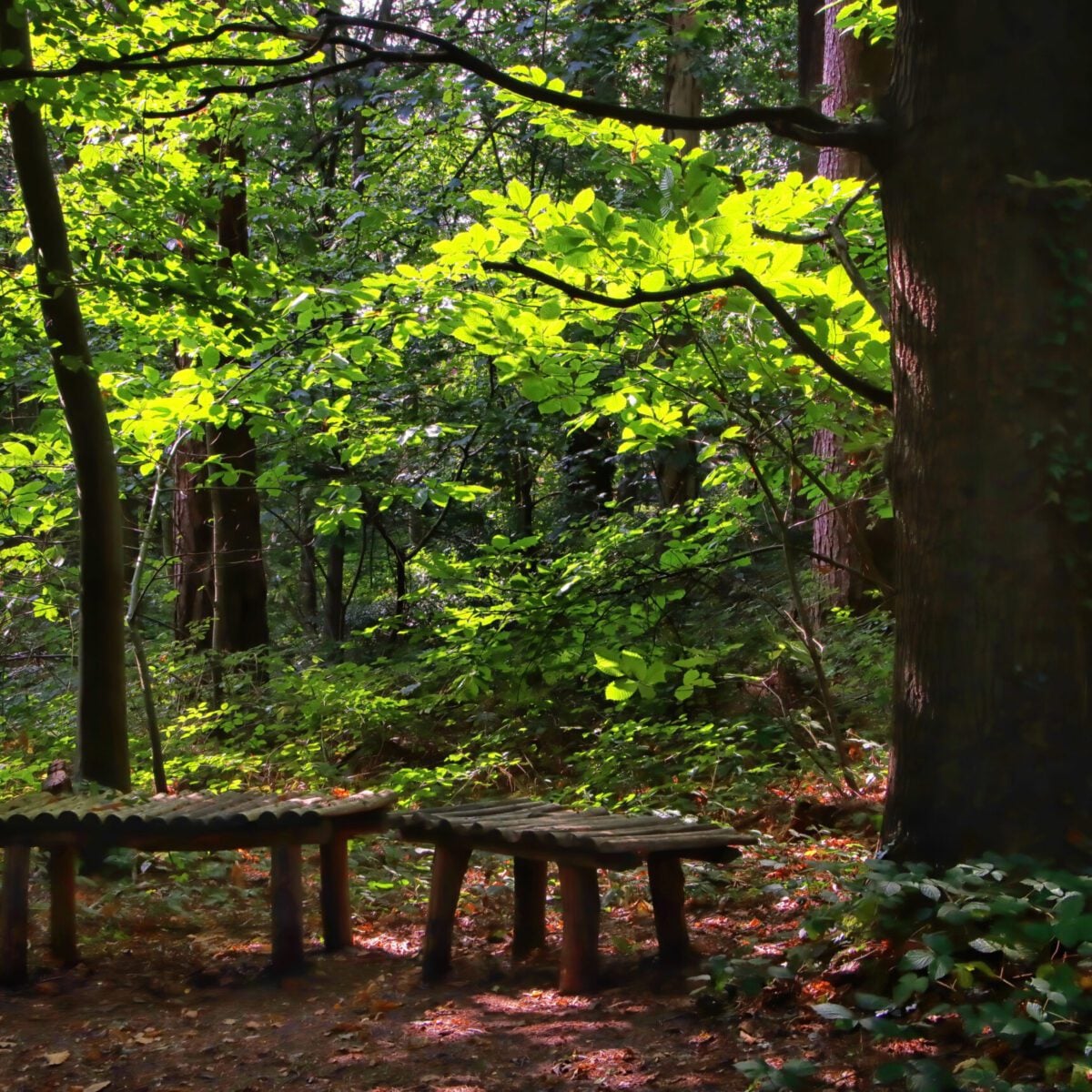
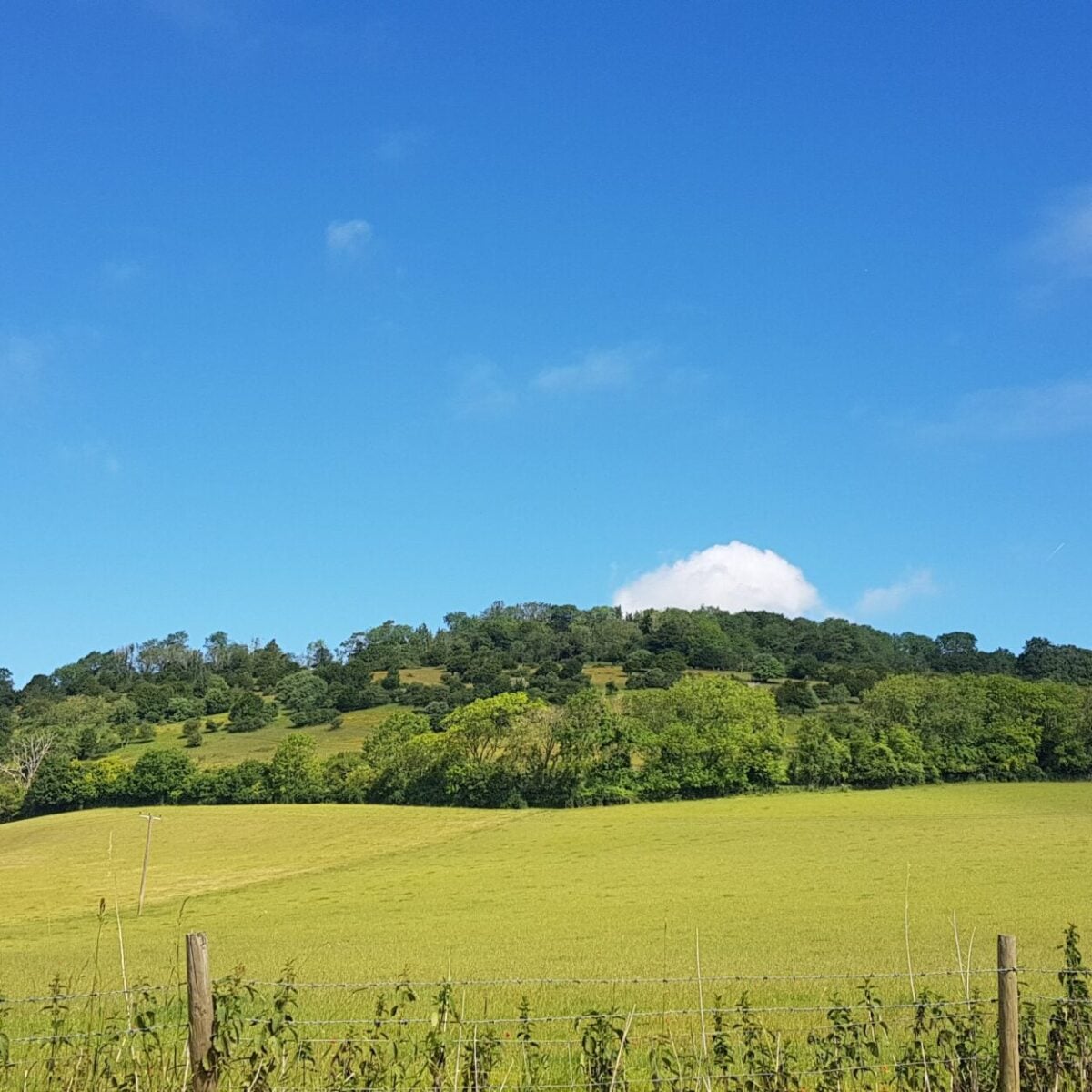
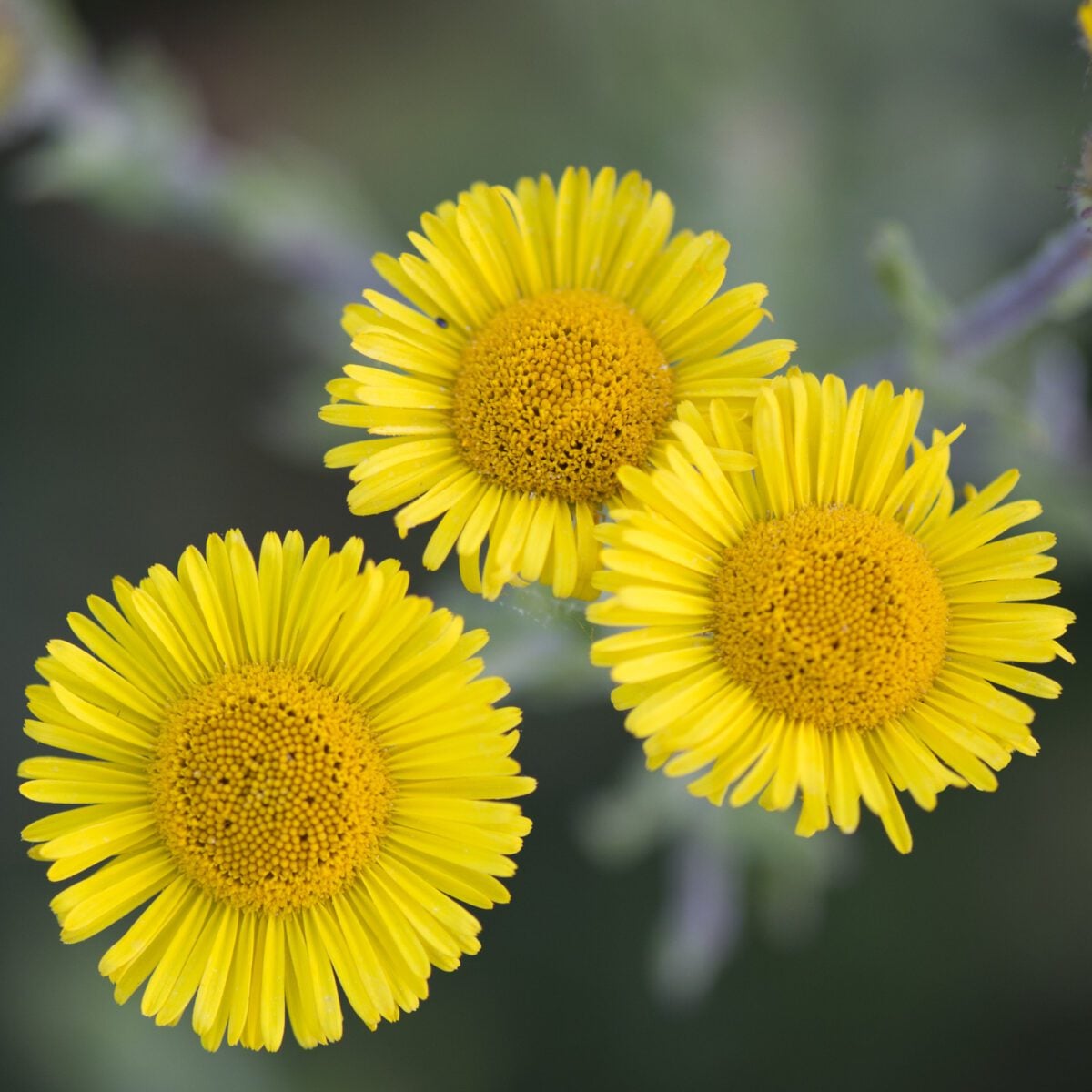
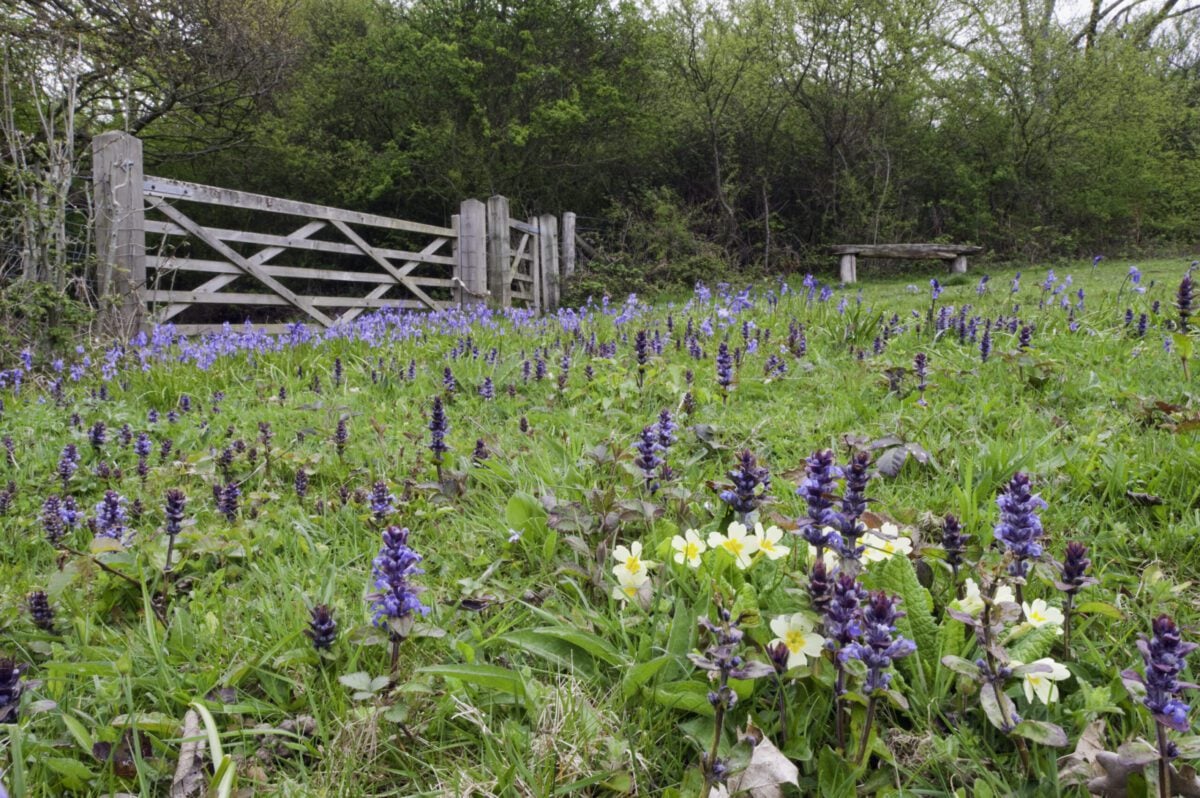
Tucked into a steep valley on the edge of Hastings, Marline Valley is a hidden gem where ancient woodland, flower-rich meadows and a rare Sussex ghyll stream come together in a surprisingly rich and varied nature reserve.
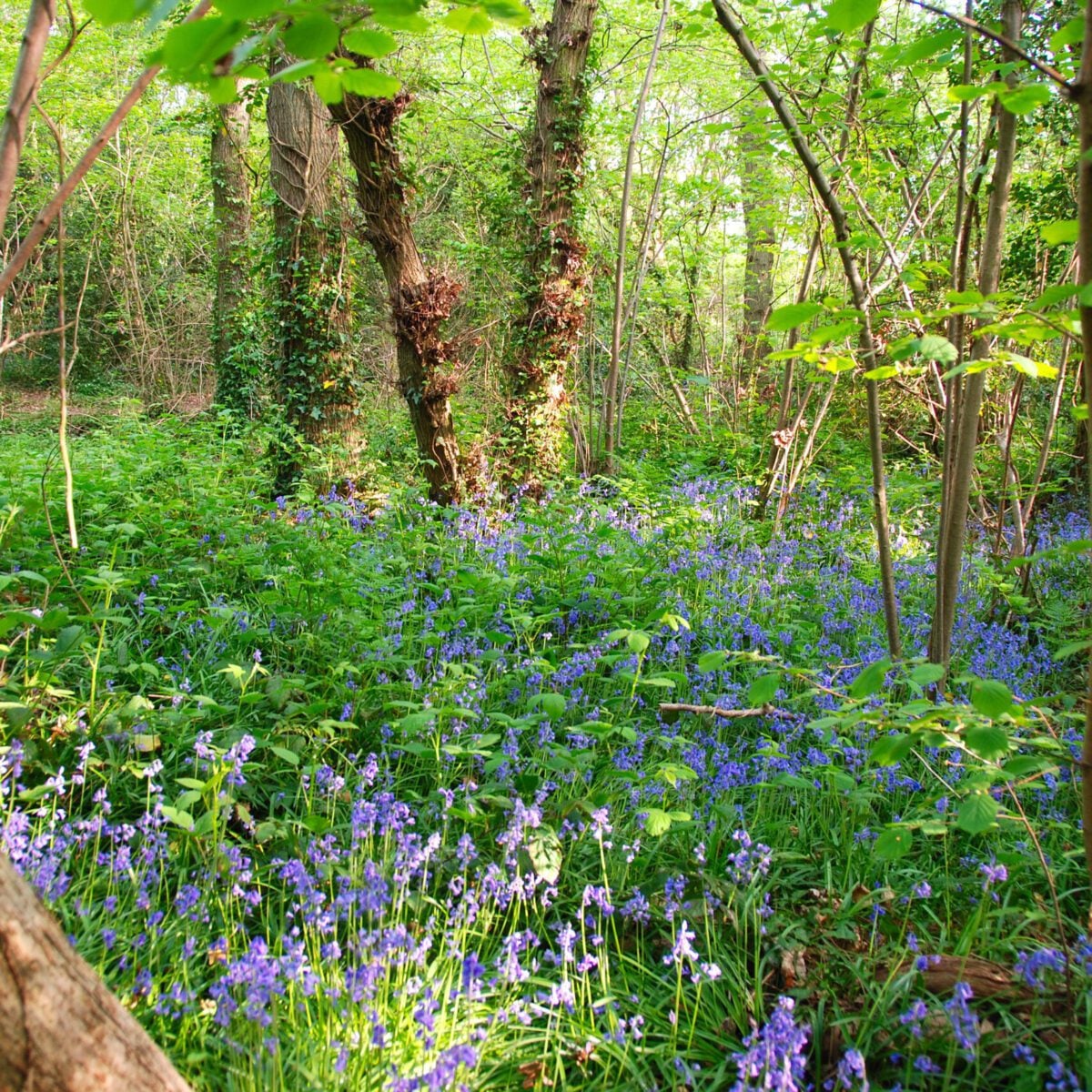
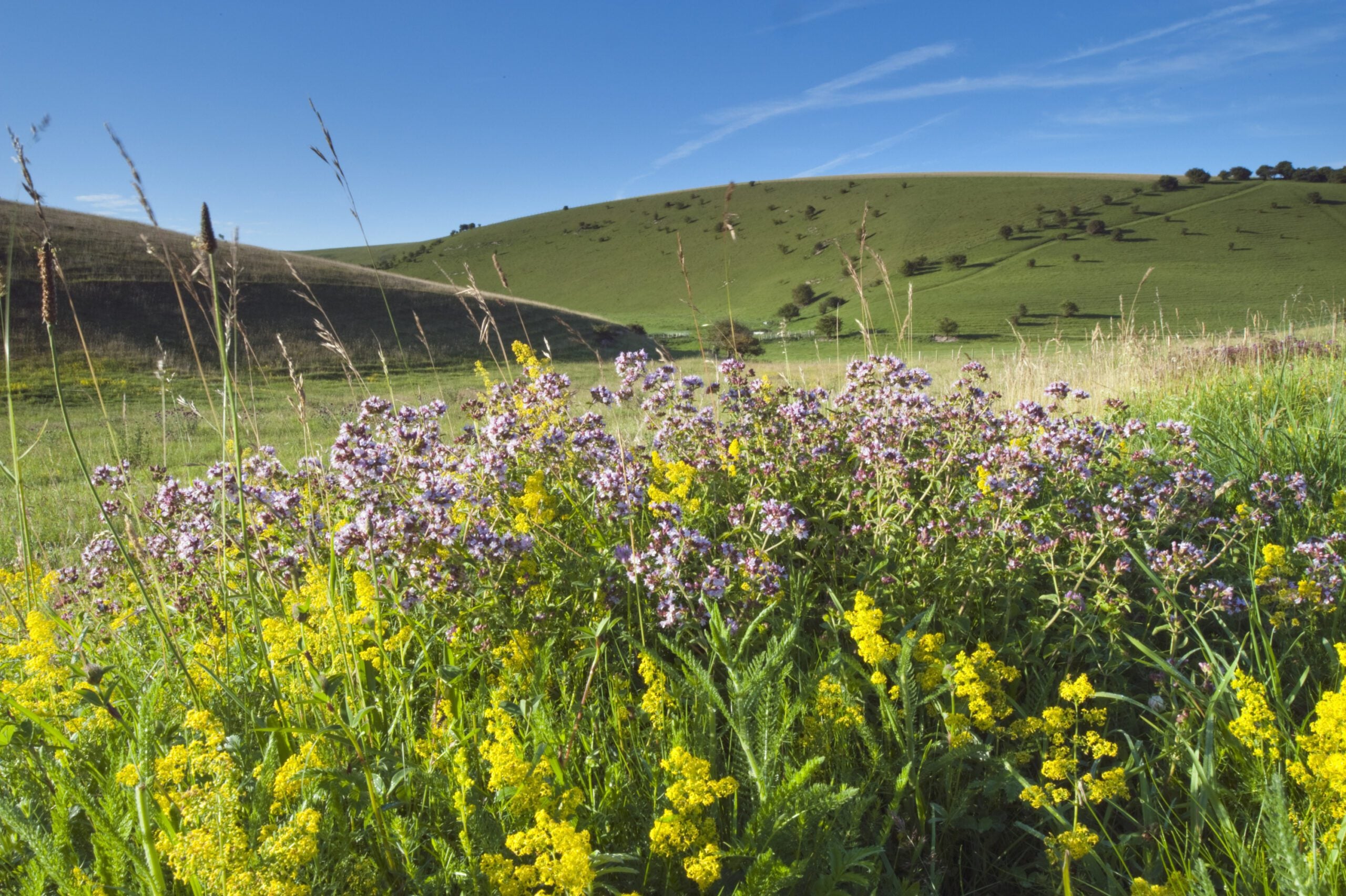
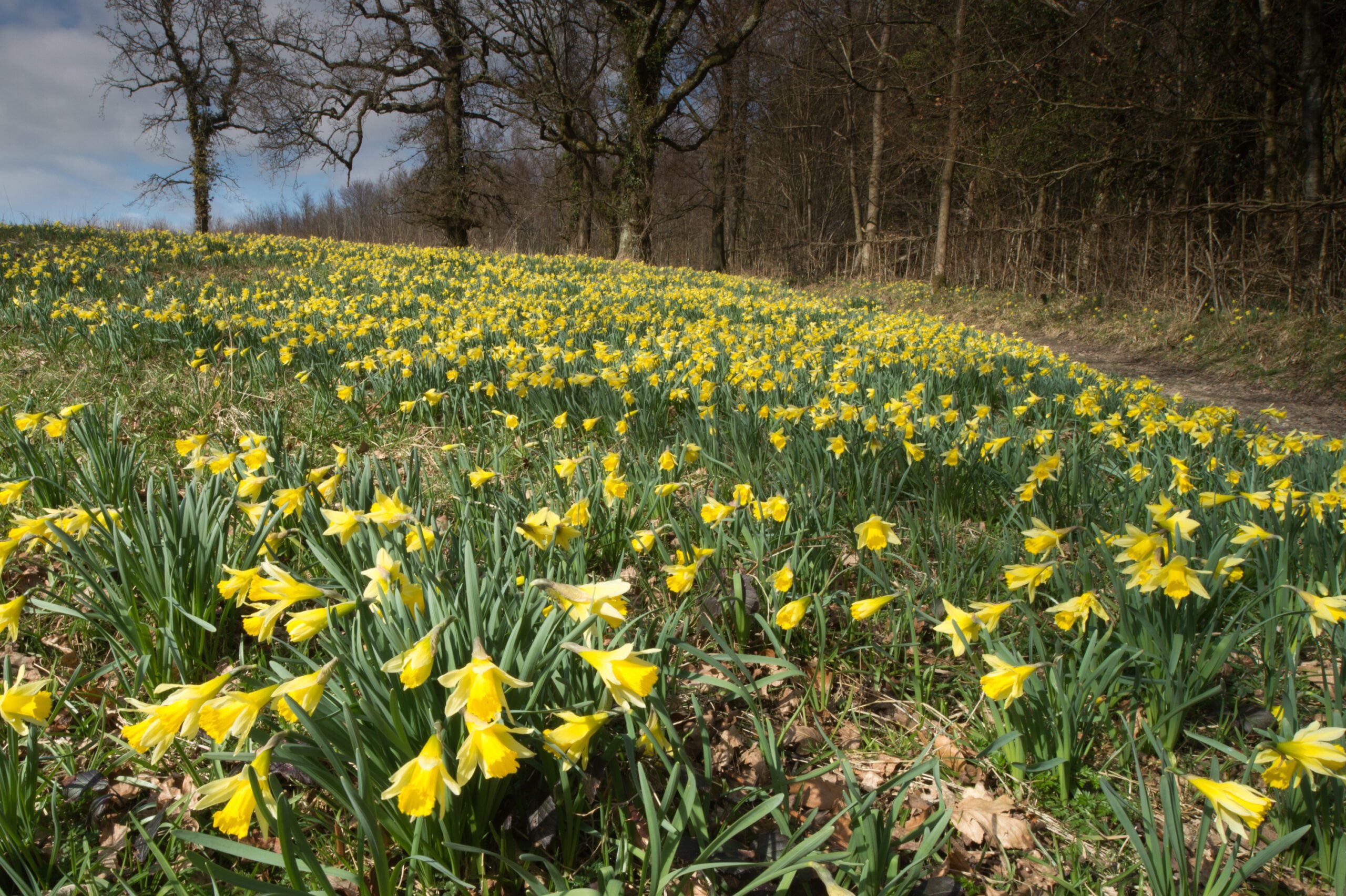
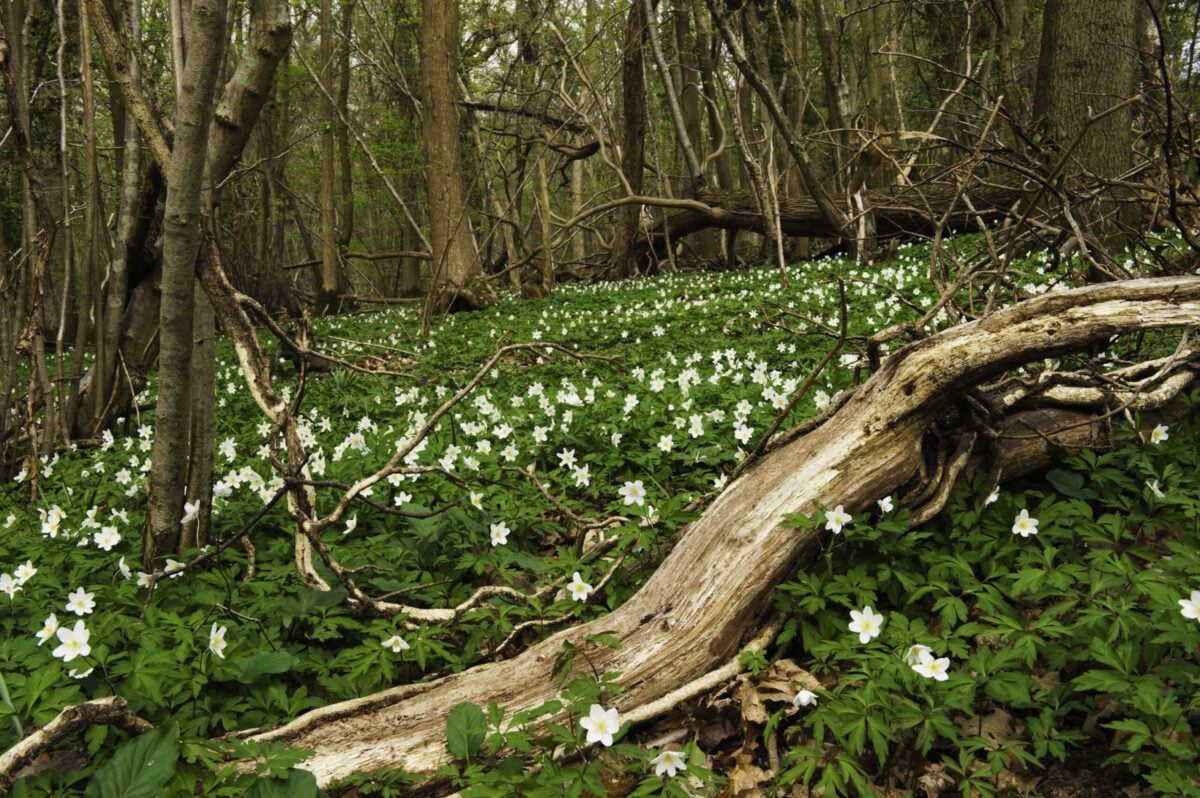
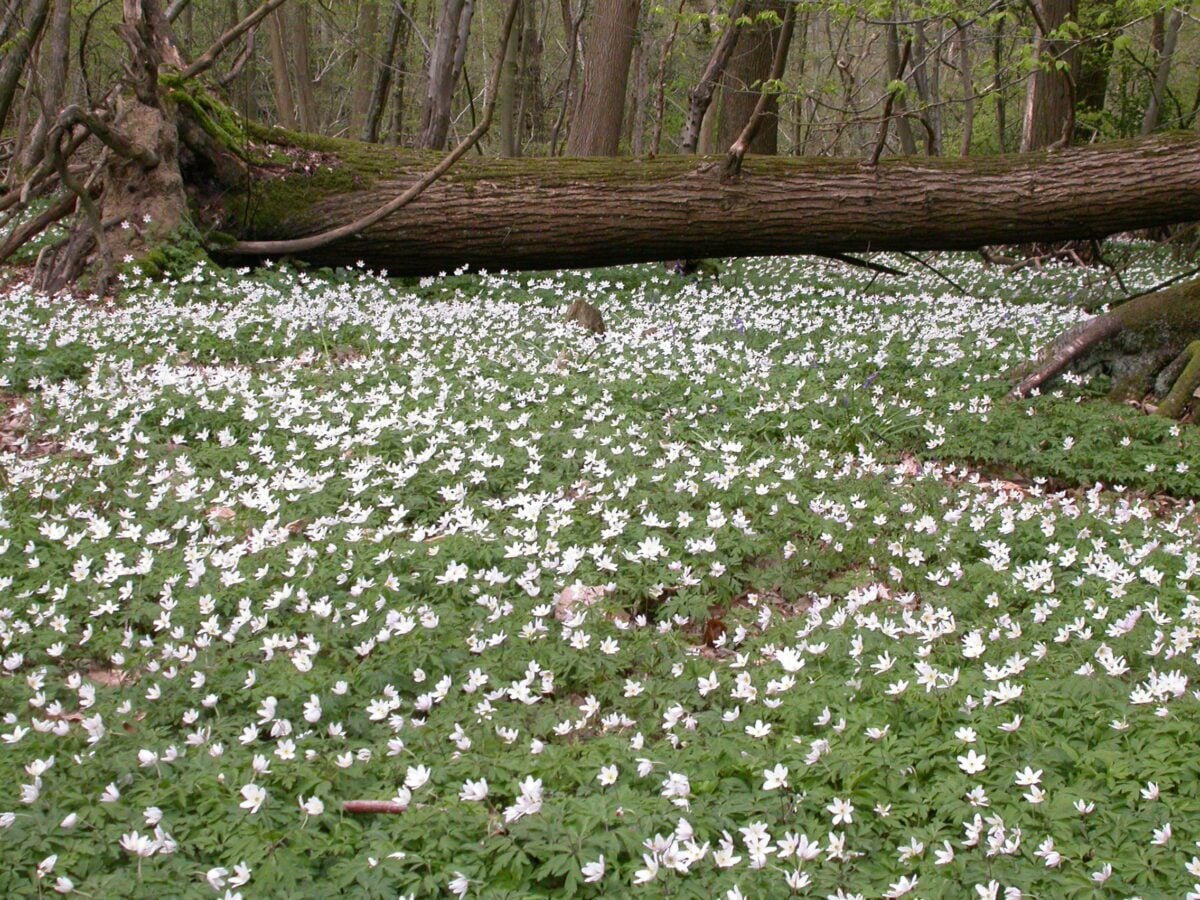
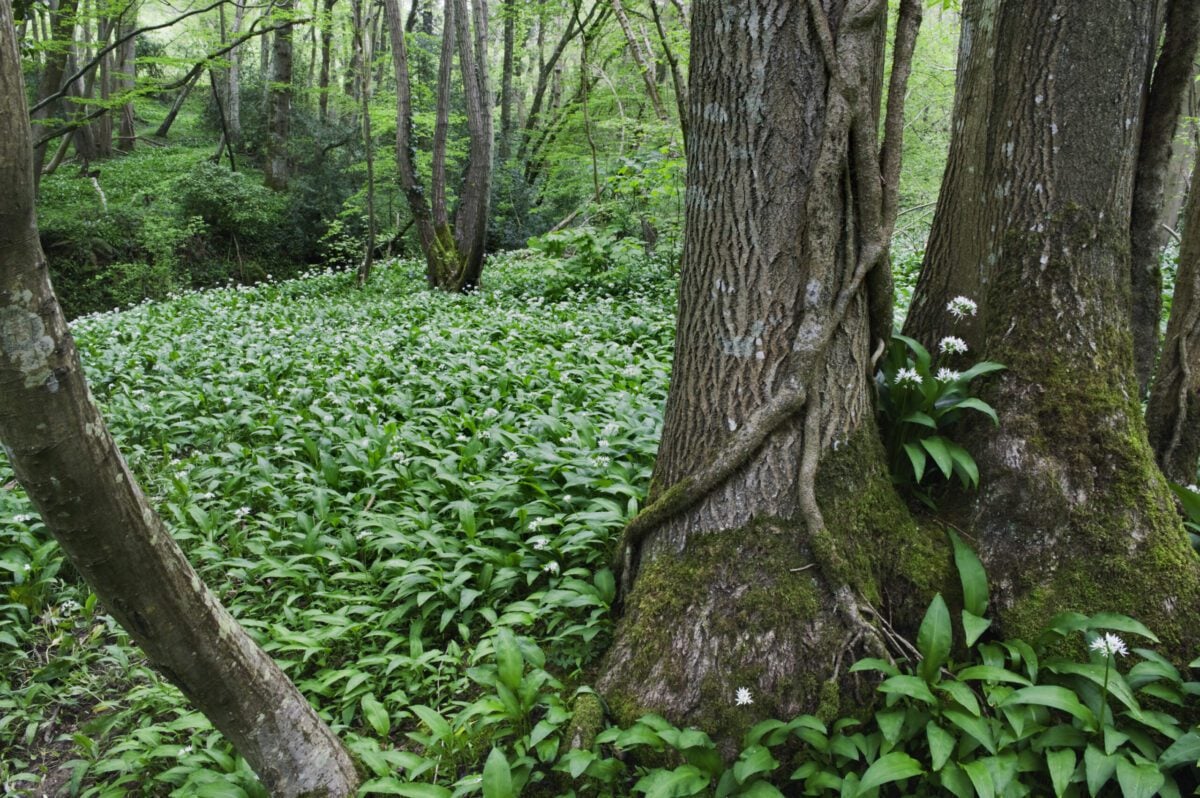
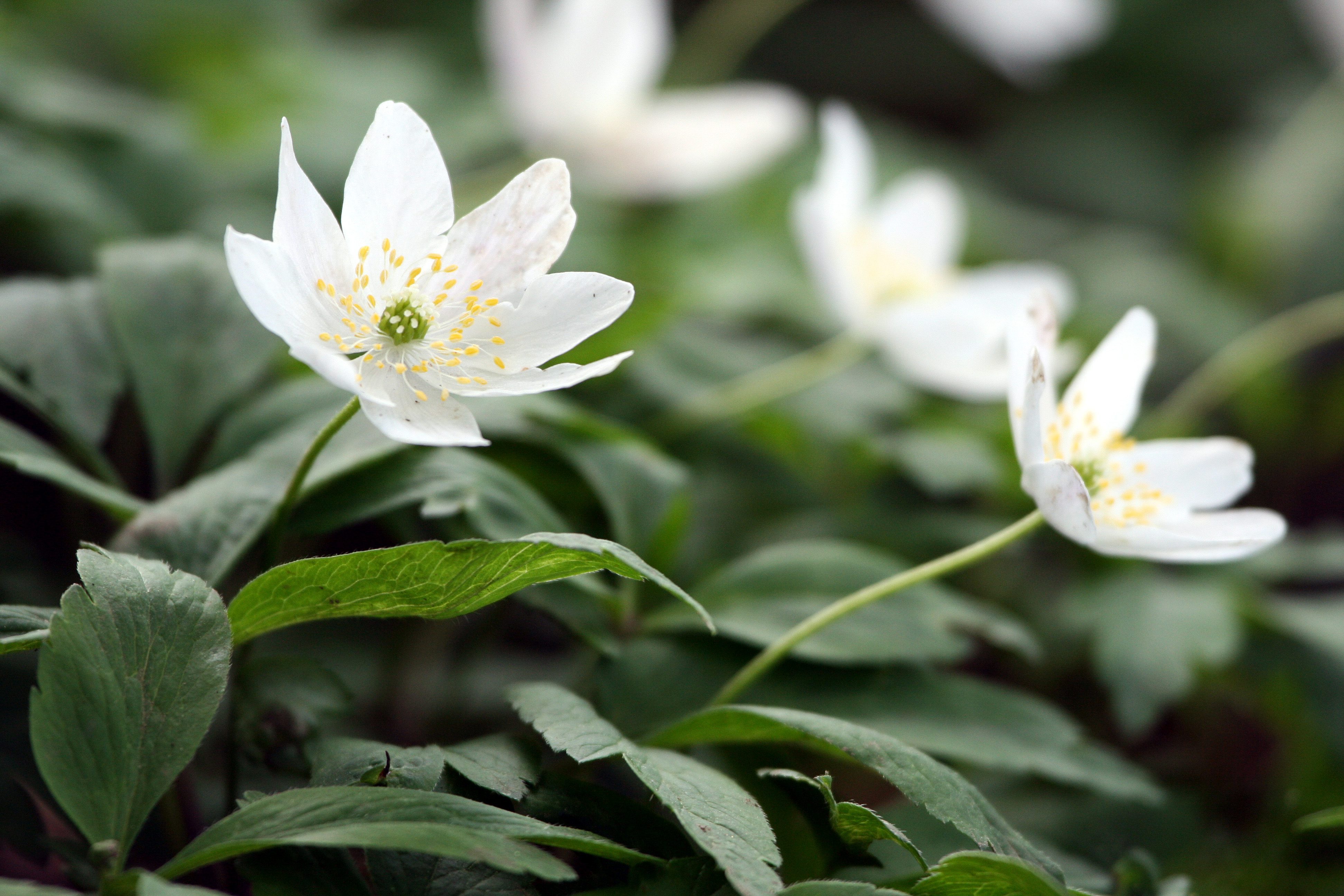
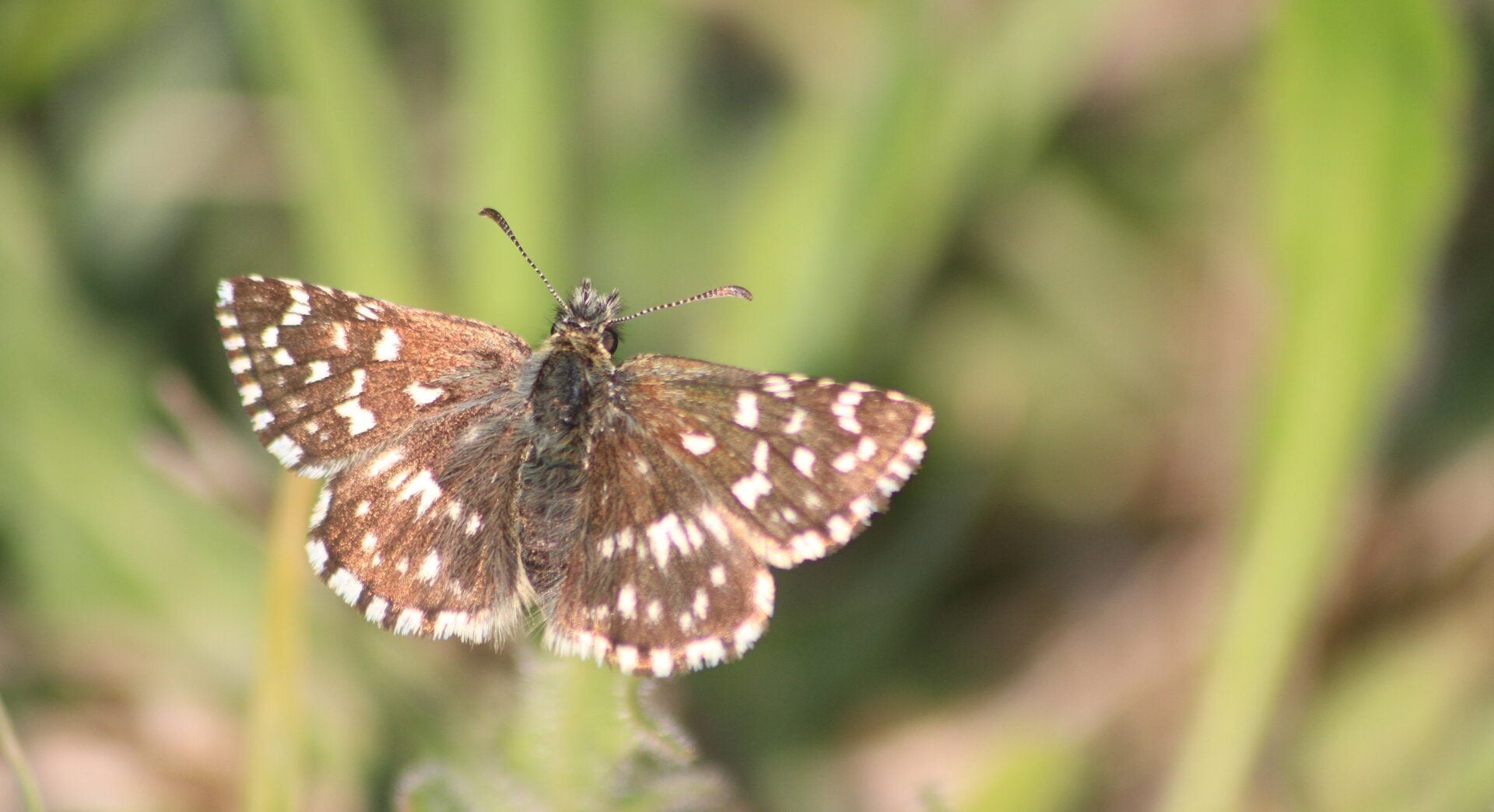
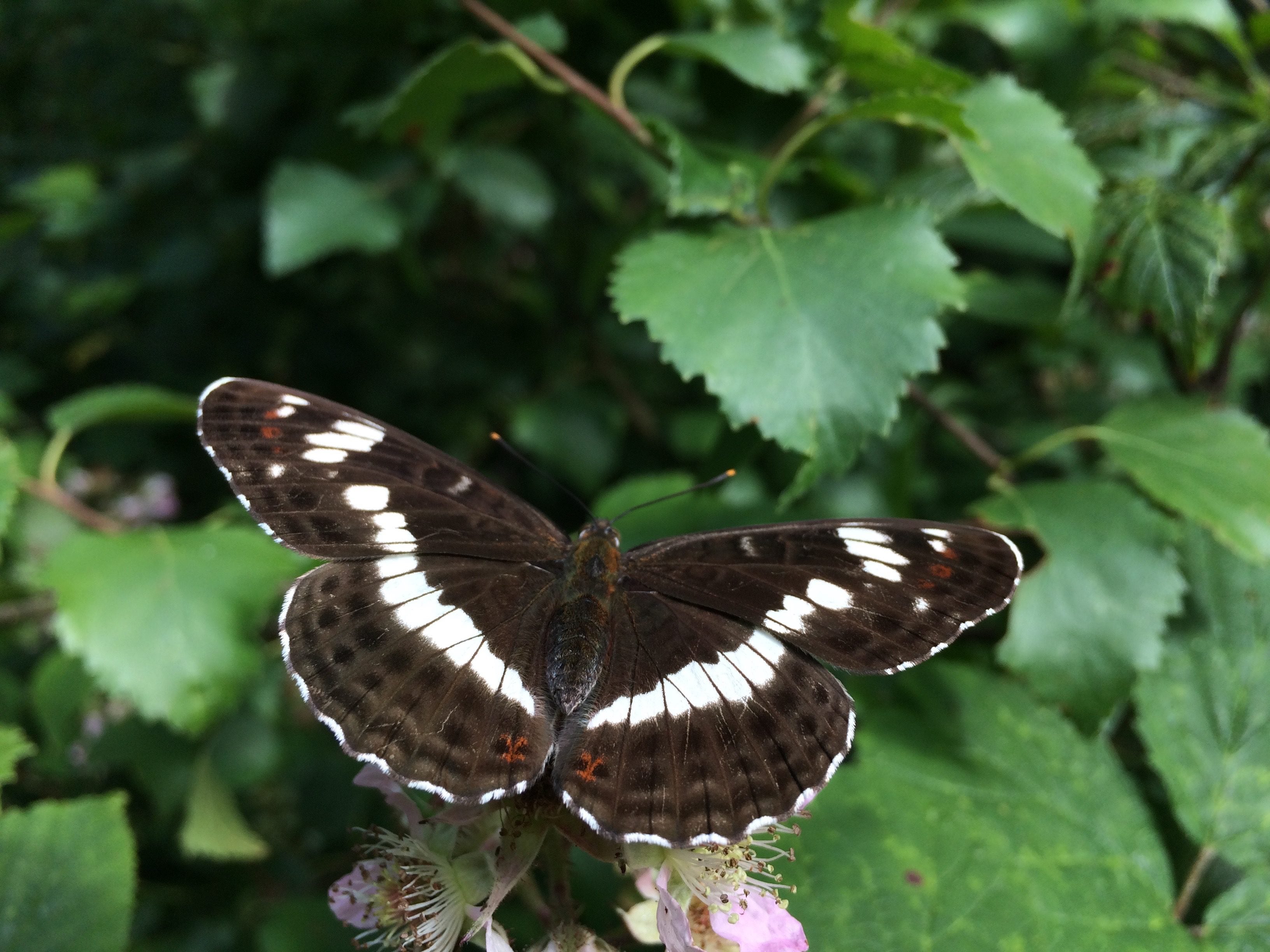
In spring, the woodland floor is alive with Bluebells and Woods Anemones. The air fills with the scent of Wild Garlic drifting up from the water’s edge. Come summer, the orchid-filled meadows hum with bees and butterflies.
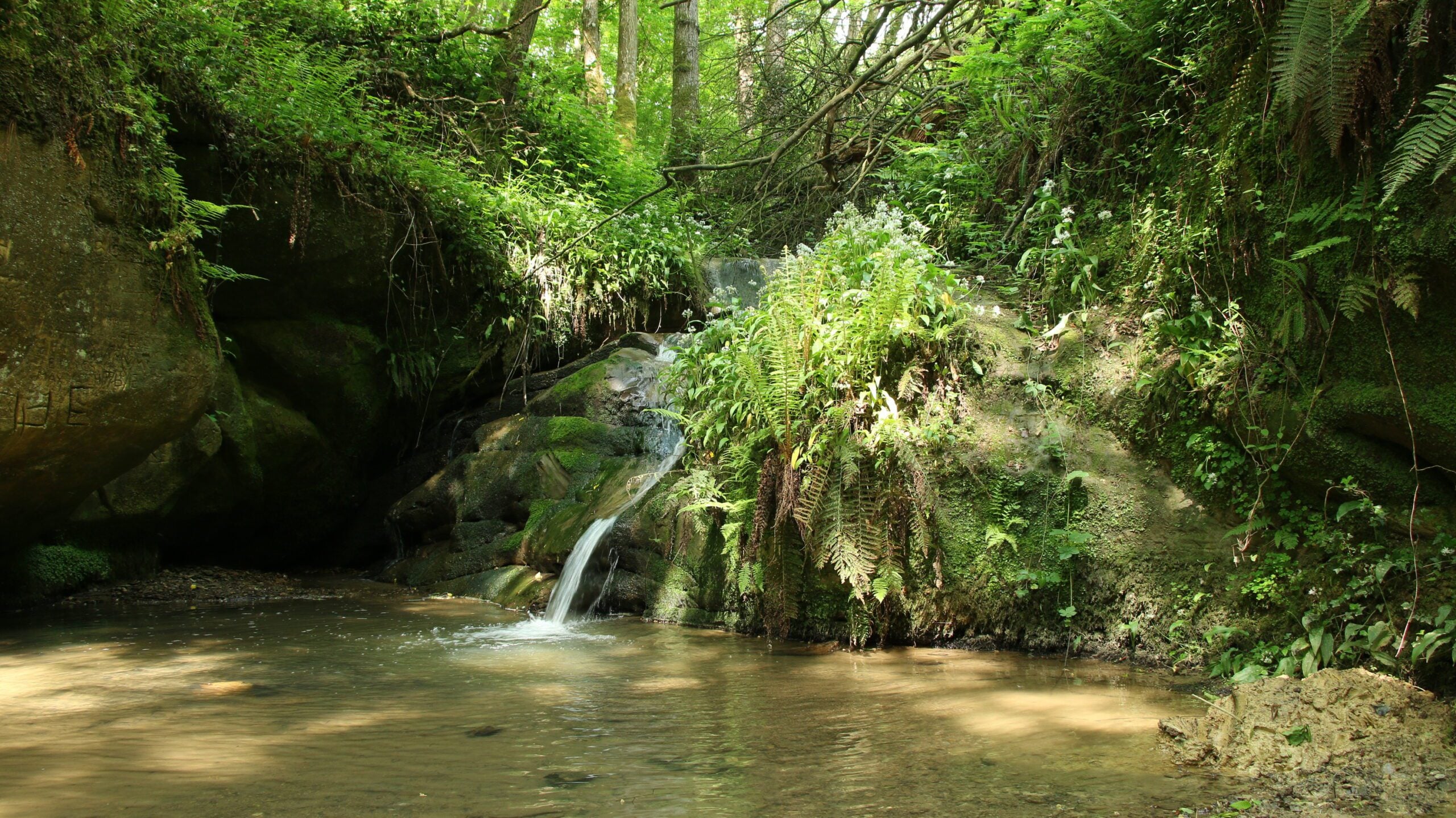
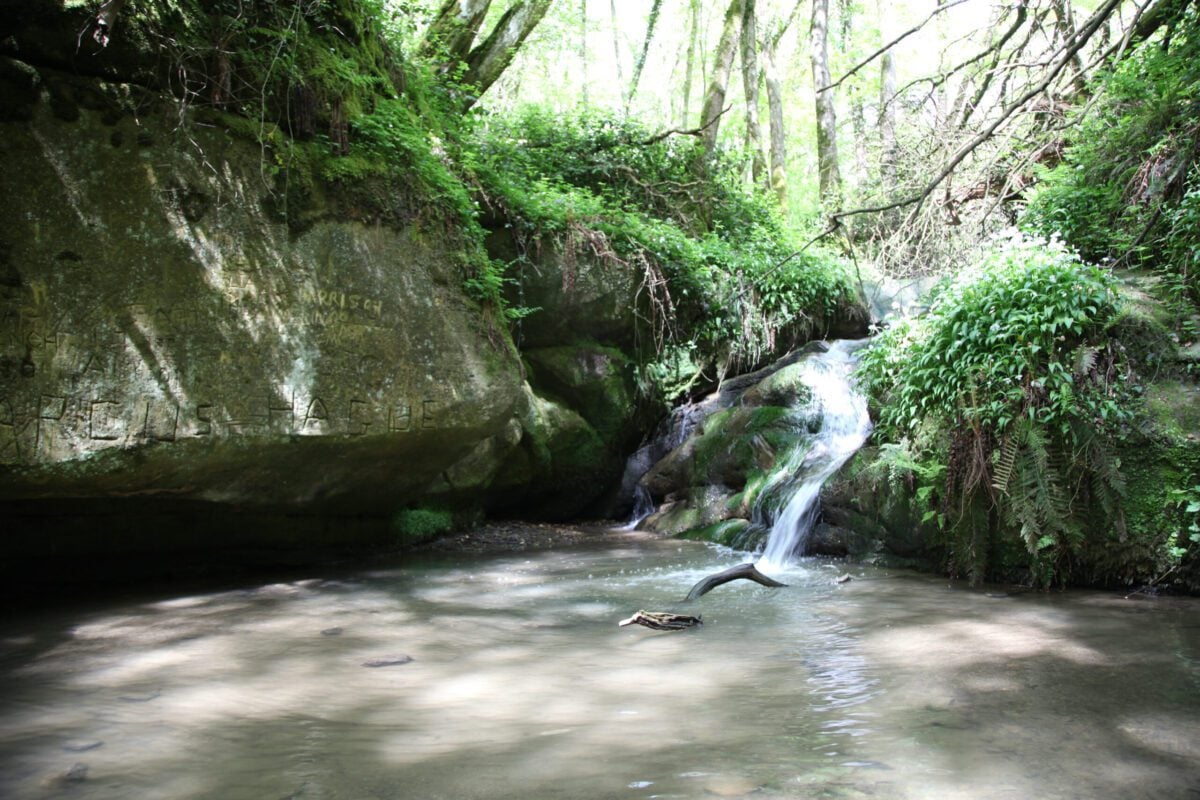
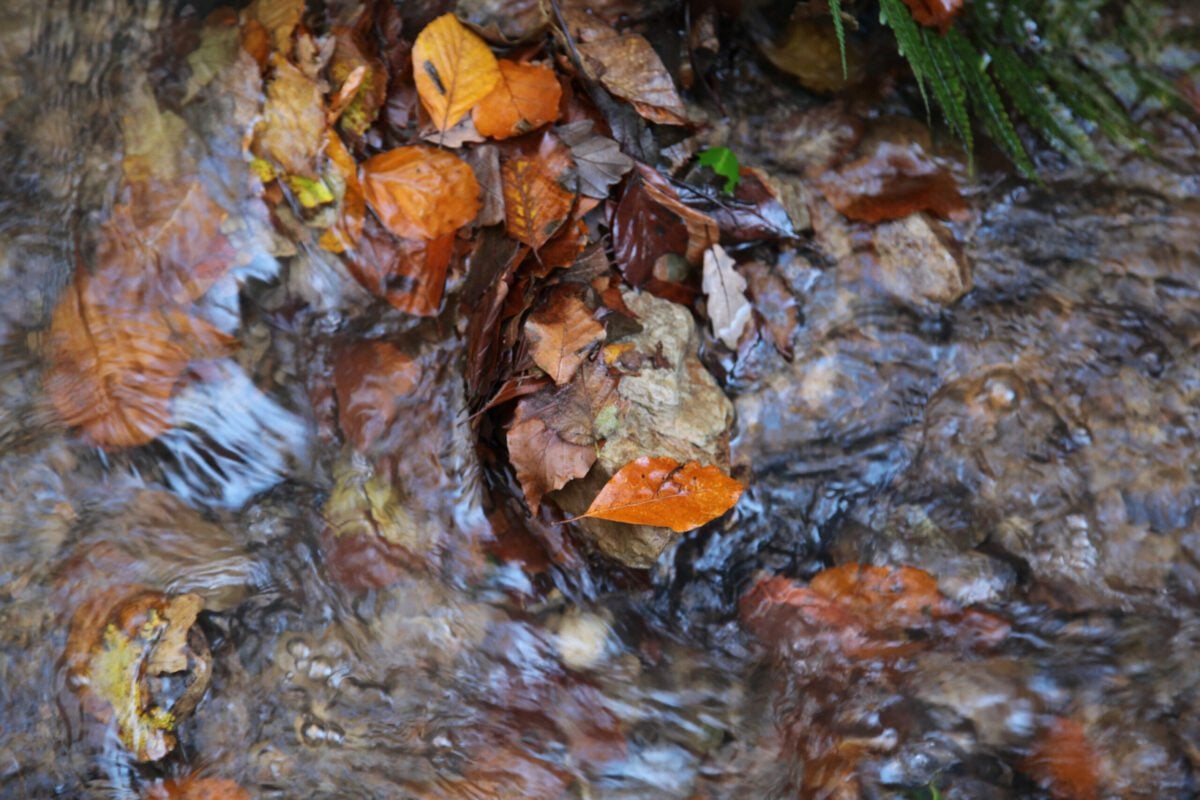
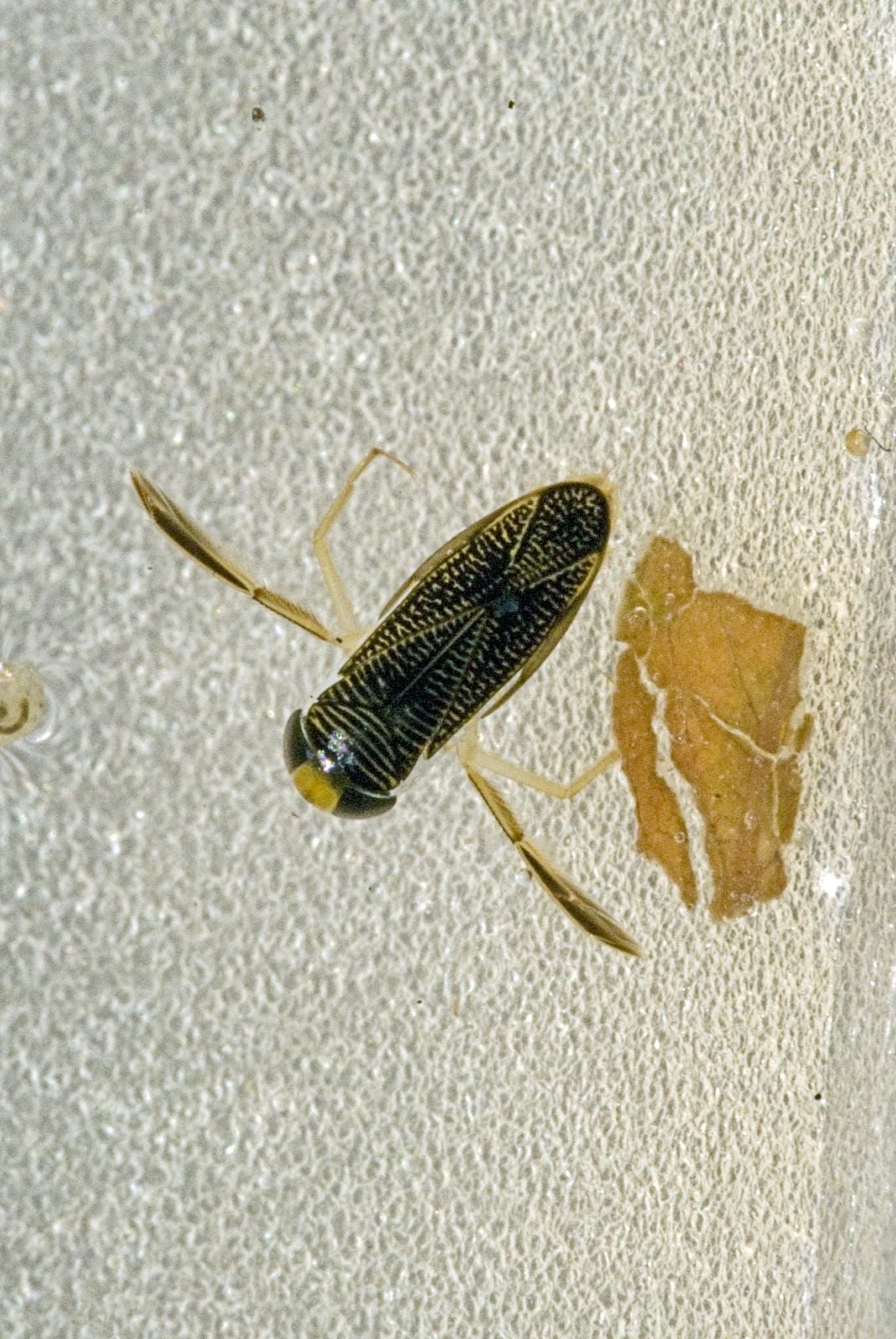
A crystal-clear ghyll stream meanders through the steep valley, tumbling over occasional waterfalls, its constant cool temperature nurturing mosses and ferns you’d more usually find in the far north or west of Britain.


Owen Johnson Volunteer Reserve ManagerRight on the edge of urban Hastings, the Marline Valley is a wonderfully preserved fragment of High Wealden countryside at its very best: a patchwork of Bluebell woods and meadows which retain an astonishing variety of wildflowers and associated insects. And there’s a secret ghyll, with picturesque waterfalls where rare mosses and liverworts have persisted for thousands of years. Our aim is to keep all this just as it is, in the face of increasing changes and threats.
Know before you go
Opening times
The reserve is open at all times
Free to visit
All our open reserves our free to visit, but if you enjoy your visit please consider donating to Sussex Wildlife Trust to help us manage these special places
Size – 43 hectares
How to get here
Postcode: TN38 9NY
Marline Valley is one mile north-west of Hastings on Queensway (B2092). Parking is limited due to roadside barriers. We recommend parking in Napier Road or nearby and crossing Queensway on foot to pick up one of the footpaths.
Getting around
There are many paths through the reserve, but the valley is steep and can be muddy. There are several gates and steps. Steep paths are not suitable for wheelchairs or buggies.
Dogs welcome on leads
Dogs are welcome, but please keep them under close control.
Dos and don’ts
- Keep your dog on a lead
- No fires or barbecues
- Take your litter home
- Stop and listen to the ghyll stream
- Tell us what nature you’ve seen via iRecord
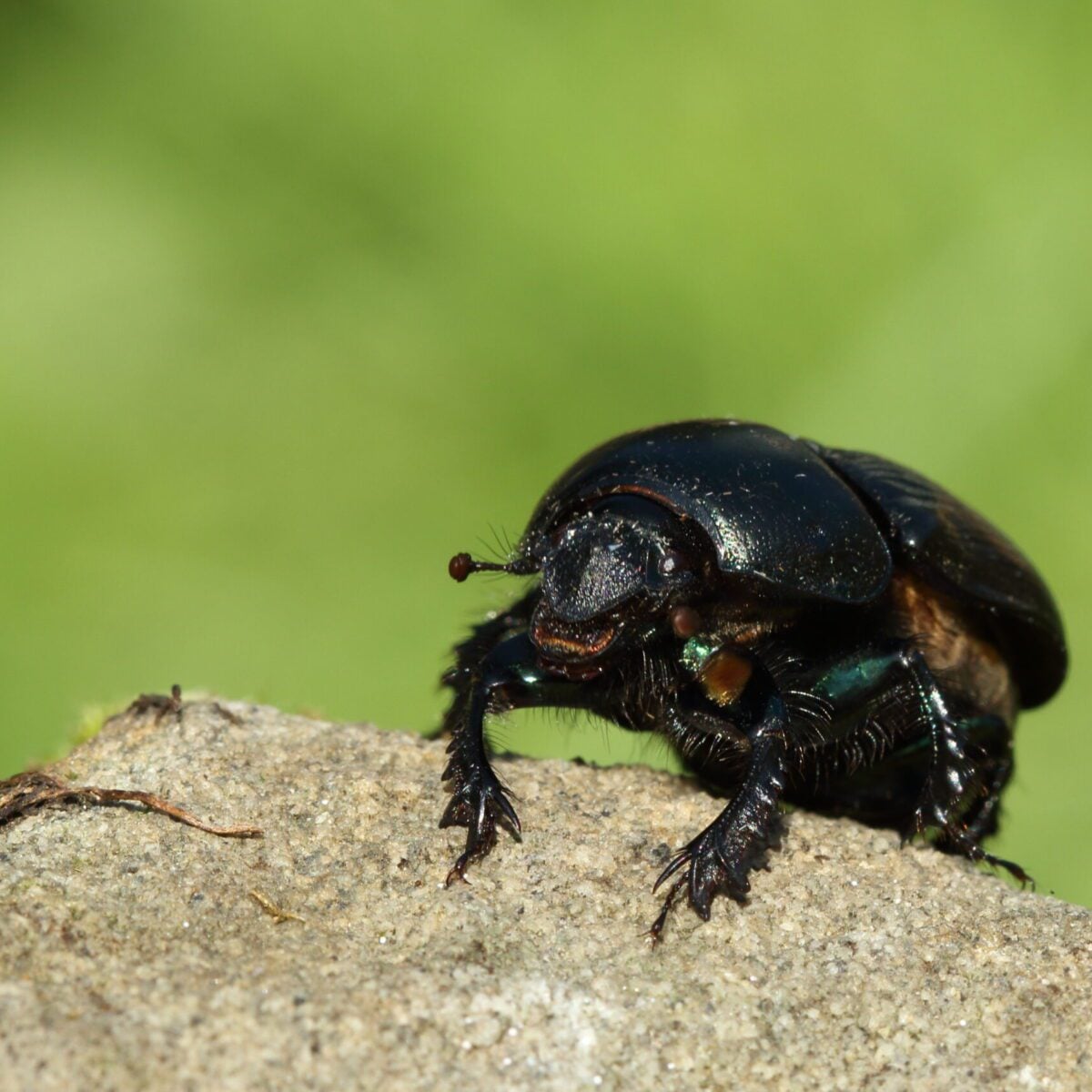
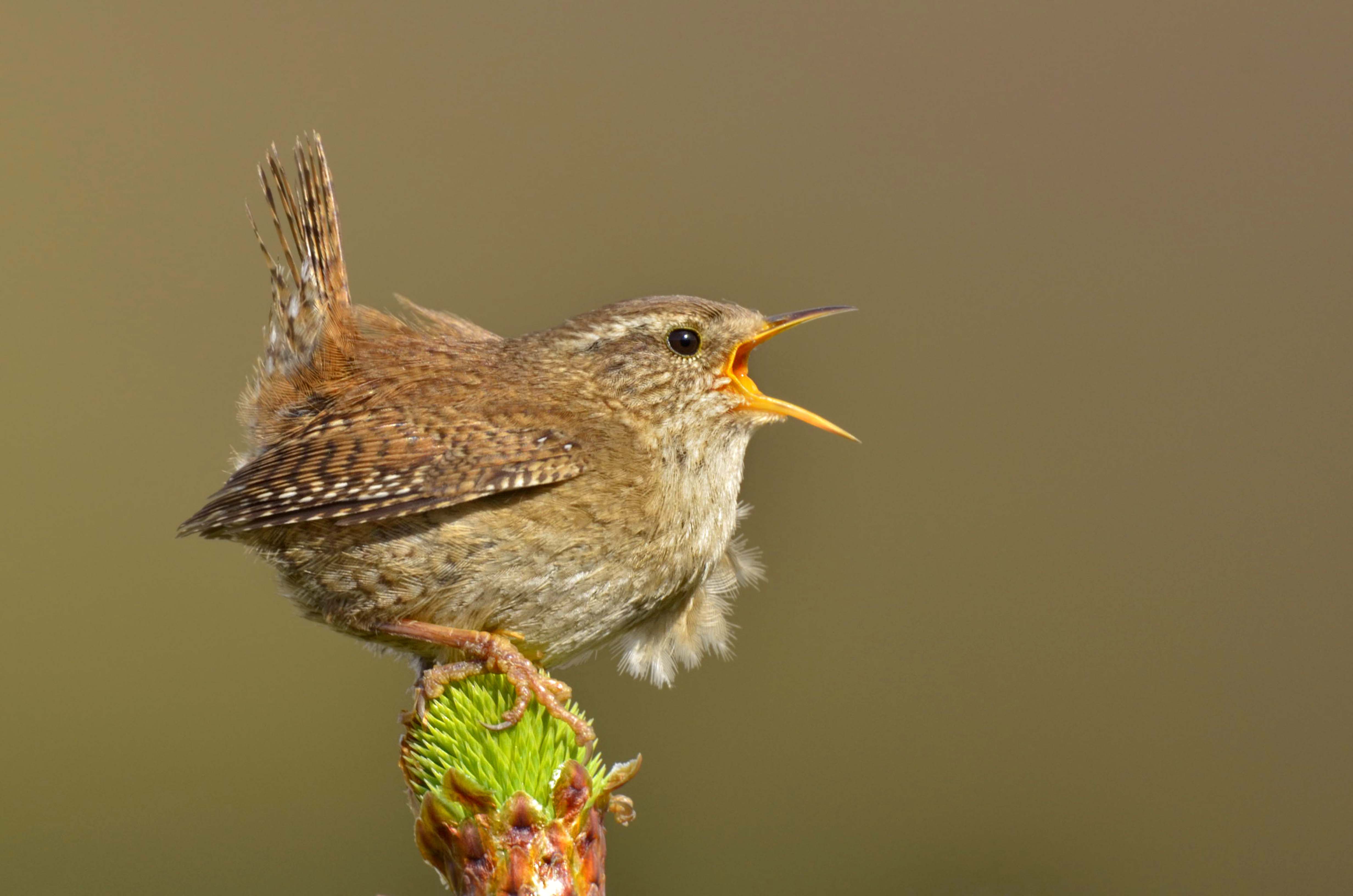
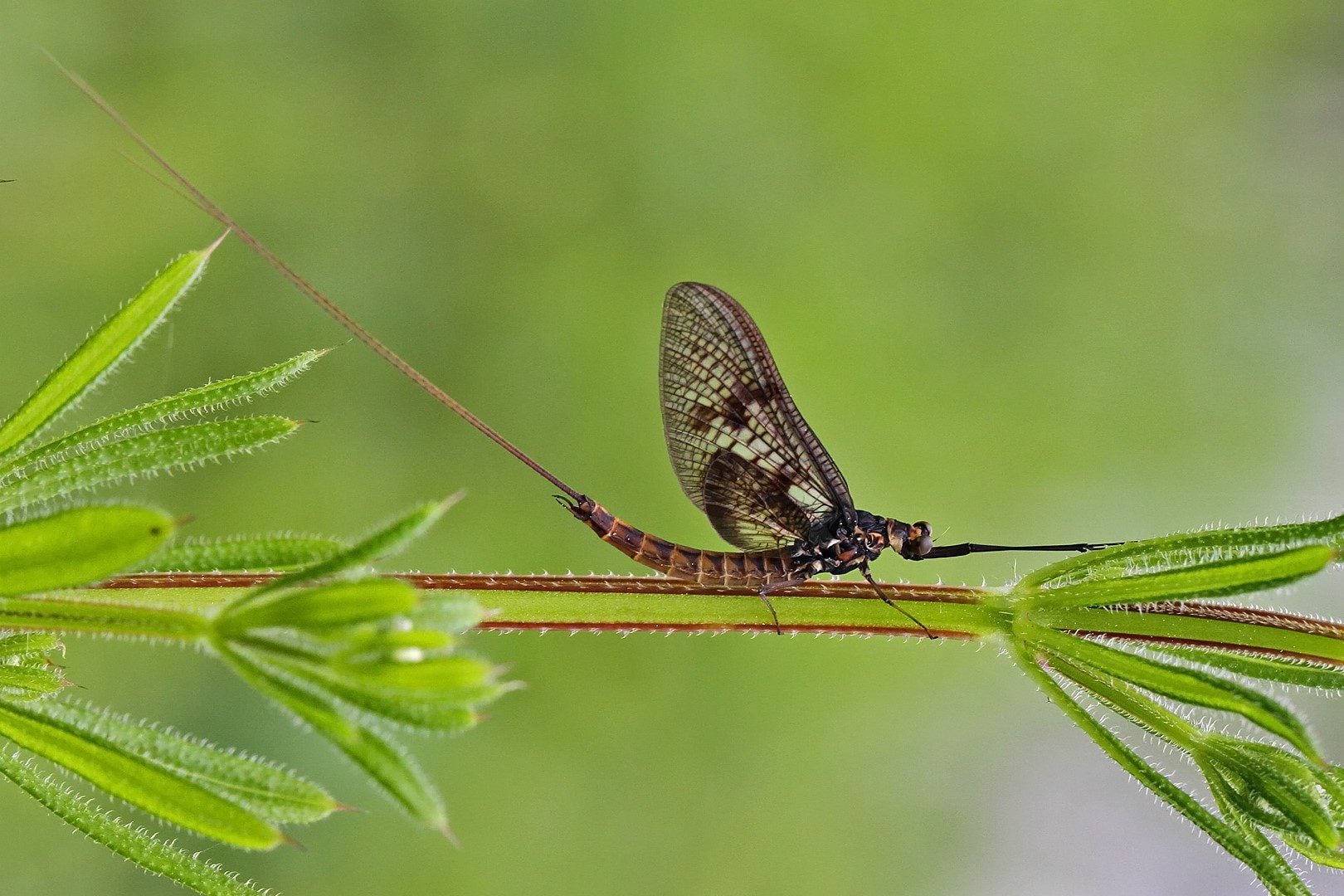
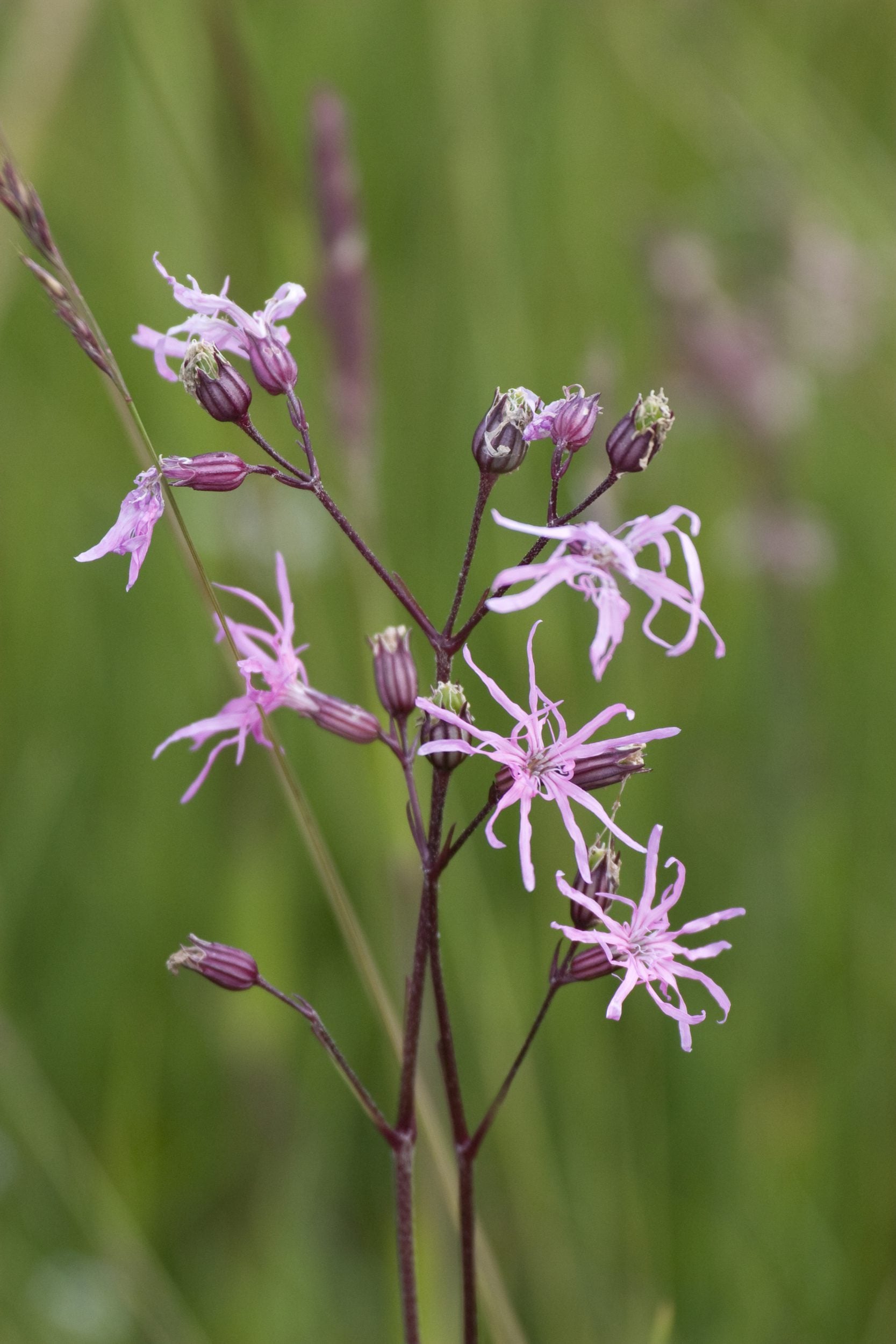 © Darin Smith
The story of the reserve
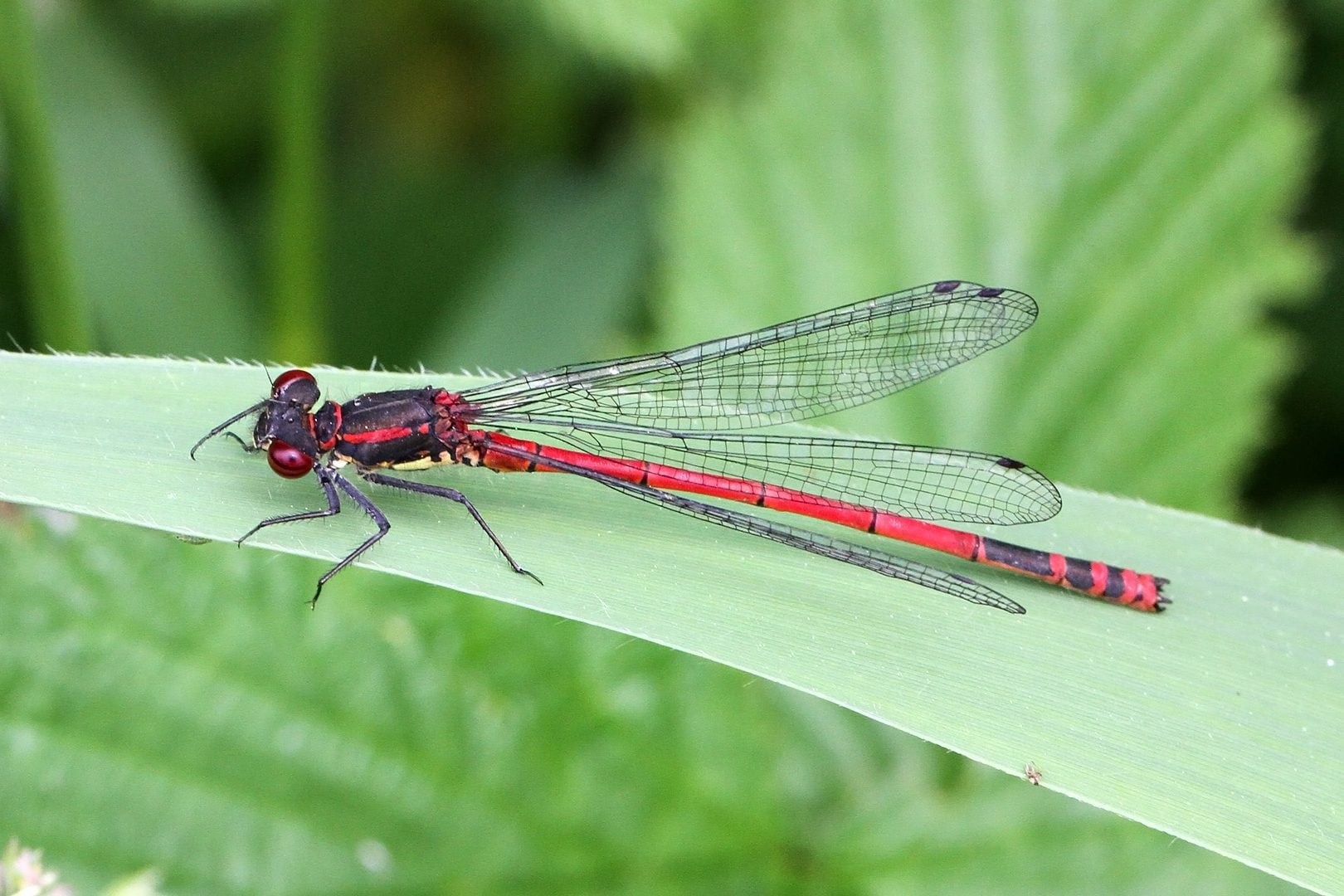
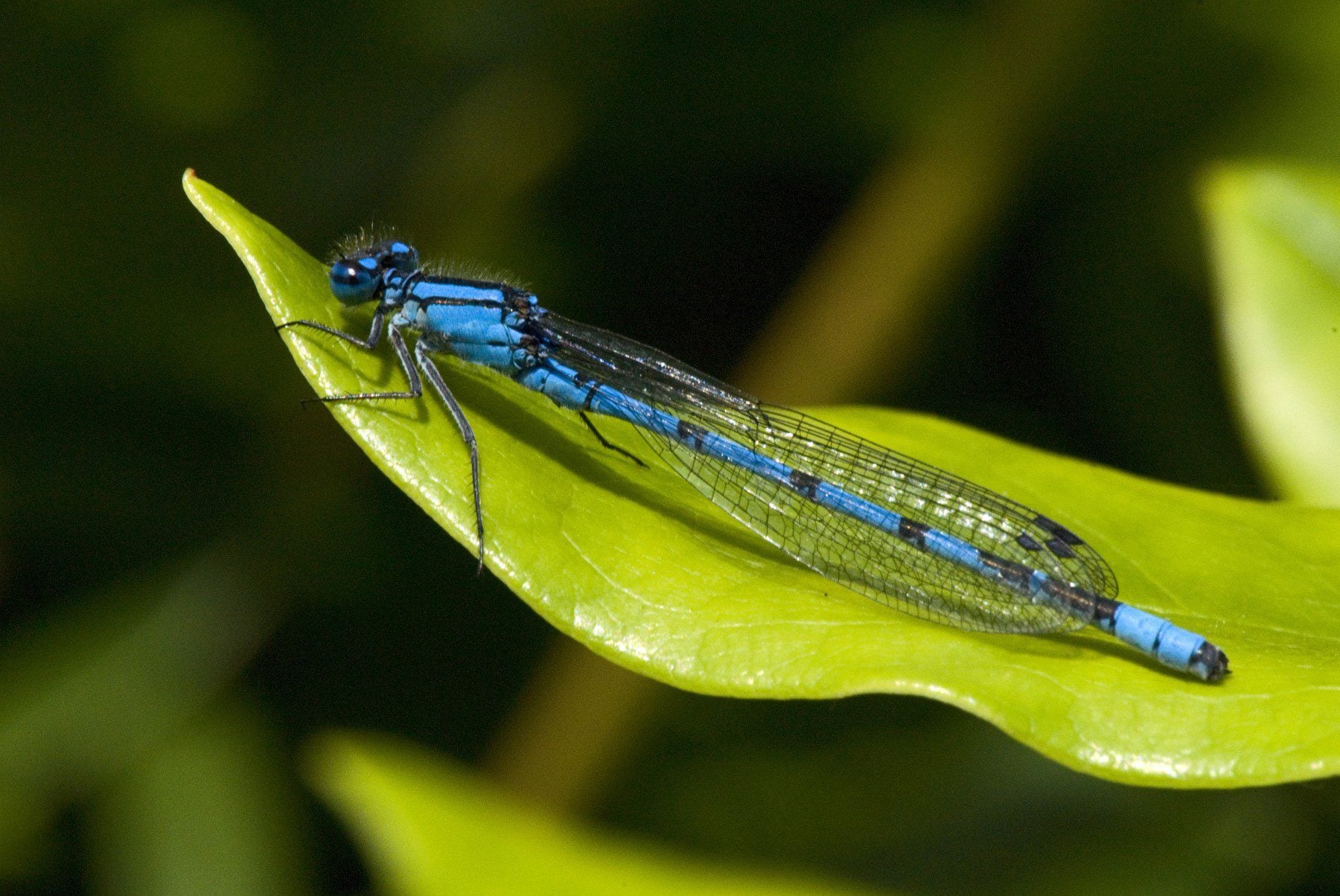
Marline Valley has been shaped by centuries of traditional land management. The woodland was once coppiced on a regular rotation, a practice that created the light, scrubby edges perfect for warblers and invertebrates that still thrive here today. The meadows have been managed without fertilisers for many years, preserving their extraordinary wildflower diversity. Leased from Hastings Borough Council since the 1980s, the valley is now a designated Site of Special Scientific Interest and Local Nature Reserve, a recognition of just how special this place is.
Did you know?
Fern-tastic
The ghyll stream maintains a near-constant temperature all year round. This creates the perfect conditions to support rare mosses and ferns more typical of northern and western Britain
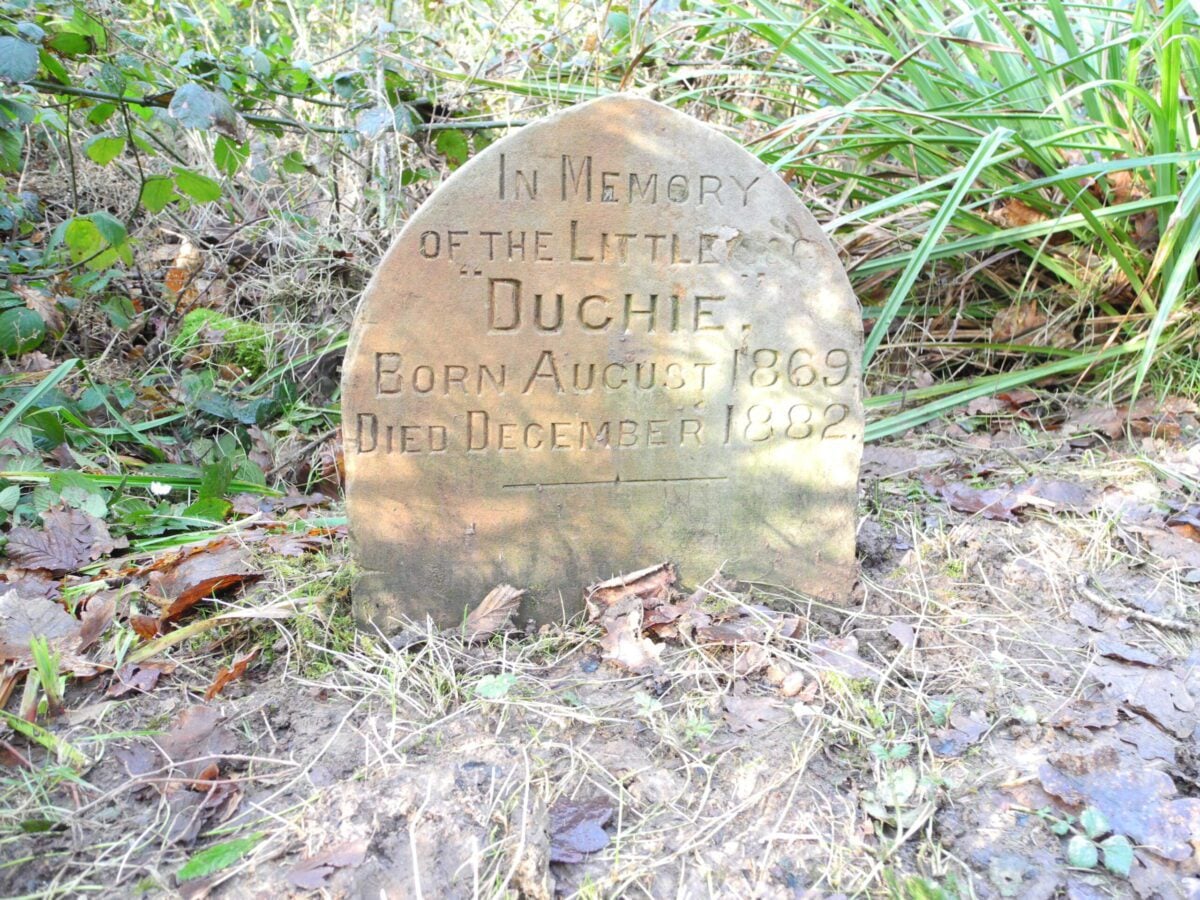
Little Duchie’s gravestone
Look out for the Victorian headstone of a pet rabbit that died in 1882.
Meadow maker
Yellow Rattle, a plant that parasitises the roots of grasses, grows here in large quantities, helping to keep the meadow sward open and flower-rich.
Look closer
The unimproved meadows are home to genuine rarities including Adder’s-tongue Fern, Dyer’s Greenweed and Pepper-saxifrage.