

Take action
Become a member
Memberships build our community and give us a predictable income, which lets us plan and sustain longer projects that can have a greater impact. The more members we have, the more we can do to protect the Sussex countryside and coast.
Make a donation
Nature in Sussex is struggling right now. Every pound counts when it comes to the critical work needed to help nature recover. No matter how big or small, your donation will help us make a difference together.
Overview
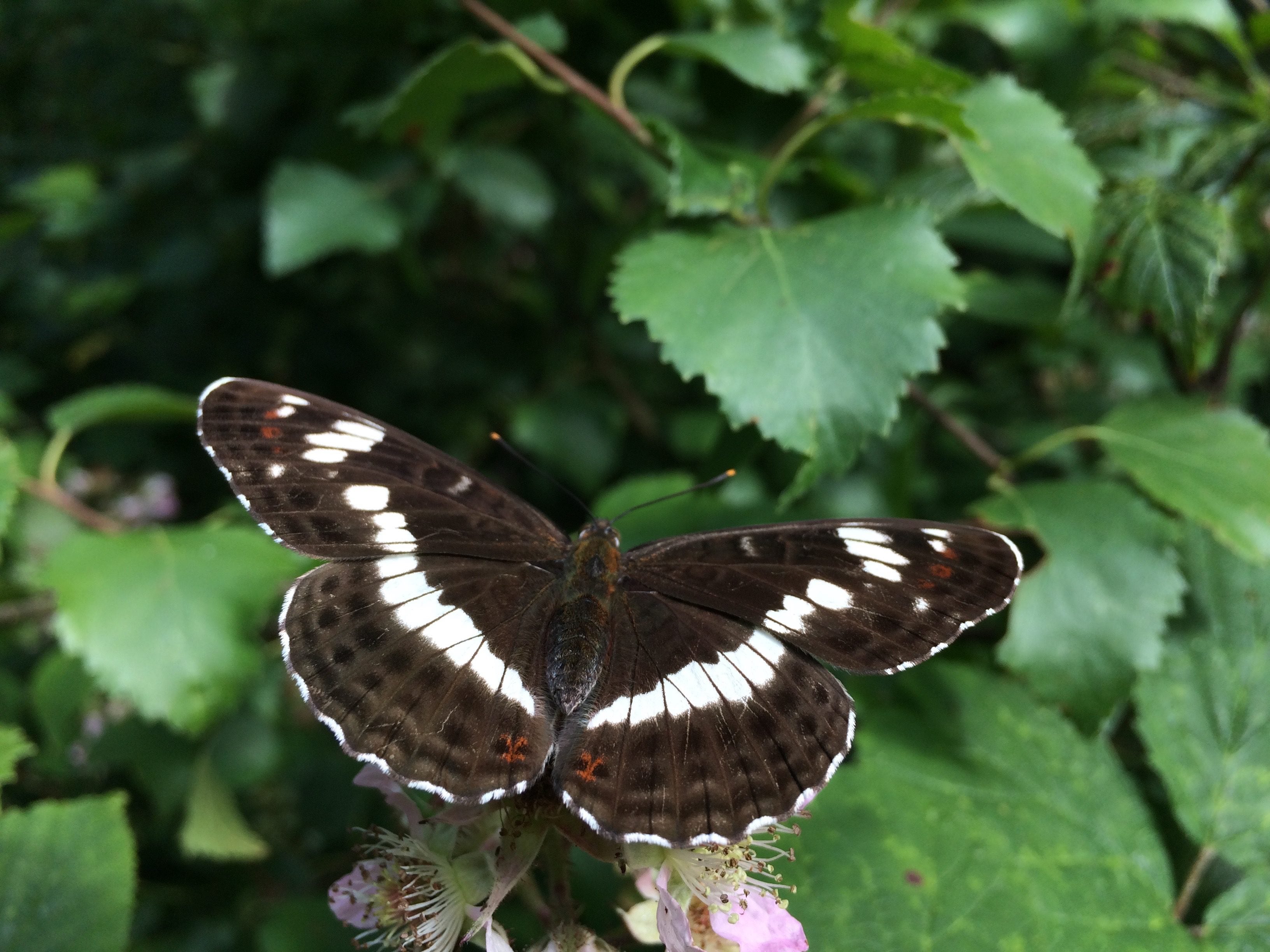
Swaying in a gentle breeze, the delicate, pink flowers of Ragged-robin can be a joy to behold in any wildflower meadow, damp pasture or woodland ride. But it’s not just passing humans that benefit from its star-shaped blooms – bumblebees, butterflies and Honeybees all enjoy the nectar it produces.
Key Facts
- Ragged-robin is a perennial. It has much-divided, pink flowers (hence the name ‘Ragged’) and narrow, grass-like leaves.
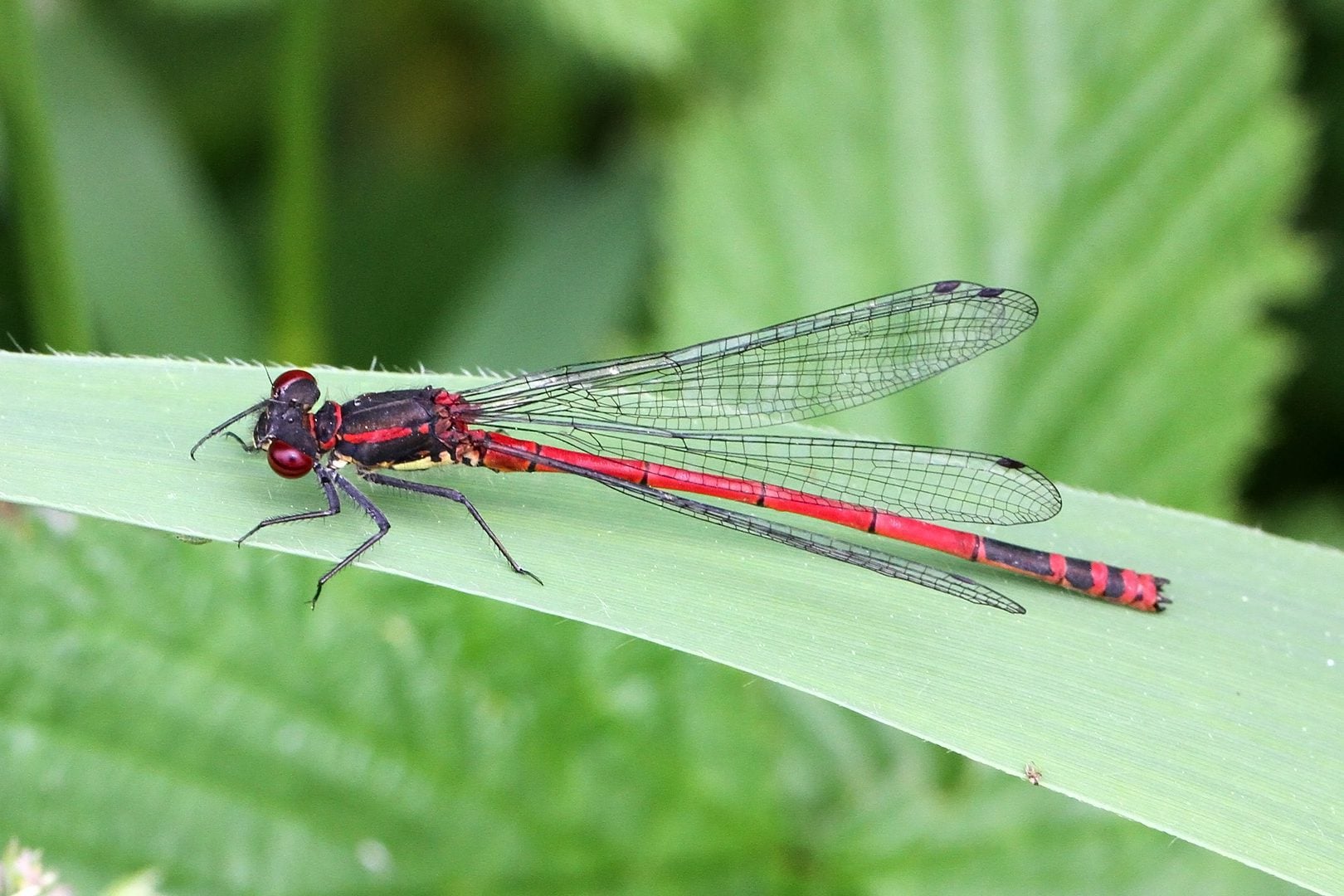
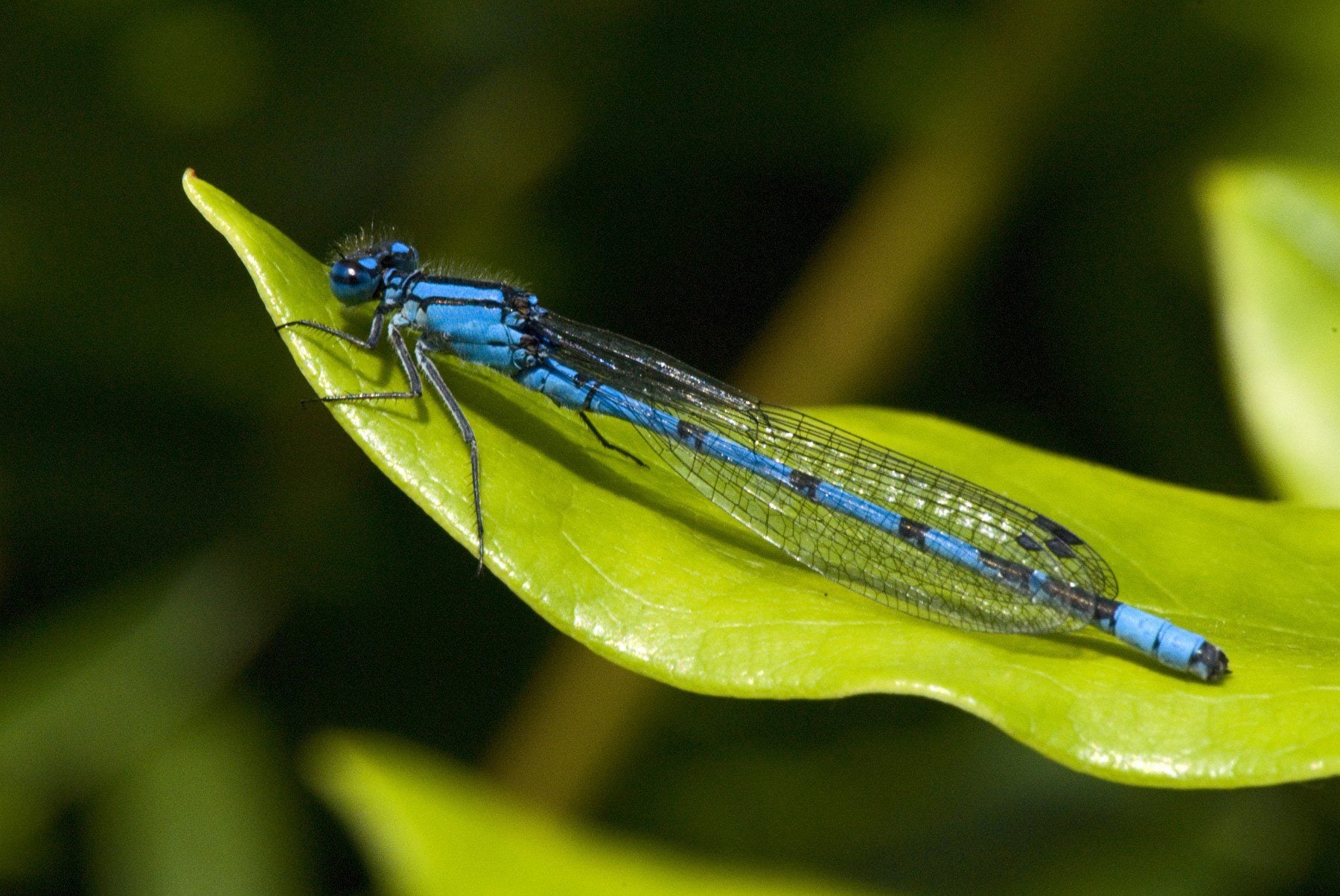
- Perhaps you don’t know what to do with a waterlogged area of your garden, or you fancy extending the borders of your pond to make it more wildlife-friendly? If this is the case, a bog garden could be the ideal answer. Moisture-loving plants, such as Ragged-robin, will thrive here, attracting dragonflies, bees and butterflies, which, in turn, bring frogs, toads and other animals. To find out more visit our Wild About Gardens website.
- Height: up to 75cm
Status
Declining.
Seasonality
May to August