Take action
Become a member
Memberships build our community and give us a predictable income, which lets us plan and sustain longer projects that can have a greater impact. The more members we have, the more we can do to protect the Sussex countryside and coast.
Make a donation
Membership builds our community and gives us a predictable income, which lets us plan and sustain longer projects that can have a greater impact. The more members we have, the more we can do to protect the Sussex countryside and coast.
Overview
Fulmars are members of a group of birds known as ‘tubenoses’, or ‘petrels’, which includes both giant albatrosses and tiny storm petrels.
In the 1800s, Fulmars only nested in one or two places on islands in the far north of Scotland. Since then, they have expanded their range and can be found around the UK’s coast, nesting in colonies on cliffs or flocking to feed out at sea.
Facts
- How to identify
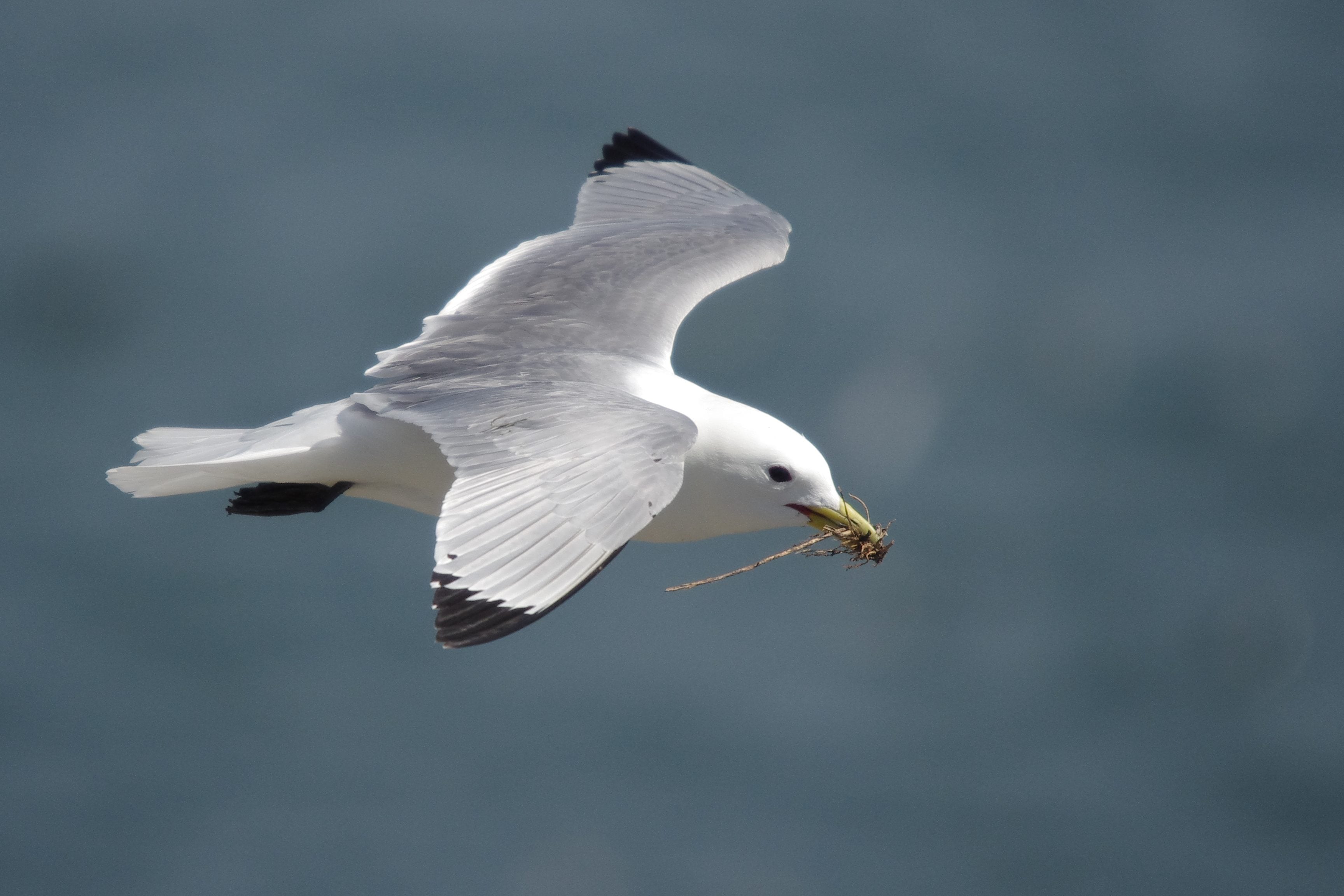
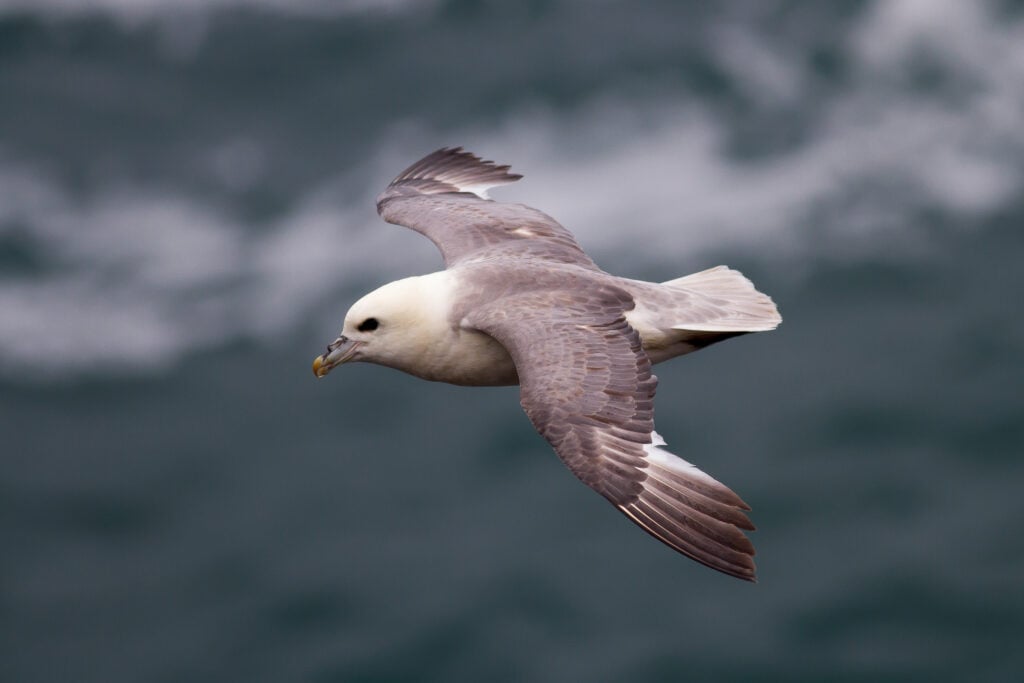
The Fulmar looks similar to a gull, but with straighter, stiffer wings and a thickset neck. It has a white head and underside, grey wings and grey-yellow beak. - Did you know
If threatened, nesting Fulmars will spit a foul-smelling oily mixture on to intruders. In the 1900s, this oil was considered valuable for its medicinal properties, so fulmars were harvested by the inhabitants of the islands they visited. - Key stats
Length: 44-50cm
Wingspan: 1-1.2m
Weight: 610-1000g
Average lifespan: 44 years
Status
Classified in the UK as Amber under the Birds of Conservation Concern 5: the Red List for Birds (2021).
Seasonality
January to December