Take action
Become a member
Memberships build our community and give us a predictable income, which lets us plan and sustain longer projects that can have a greater impact. The more members we have, the more we can do to protect the Sussex countryside and coast.
Make a donation
Membership builds our community and gives us a predictable income, which lets us plan and sustain longer projects that can have a greater impact. The more members we have, the more we can do to protect the Sussex countryside and coast.
Overview
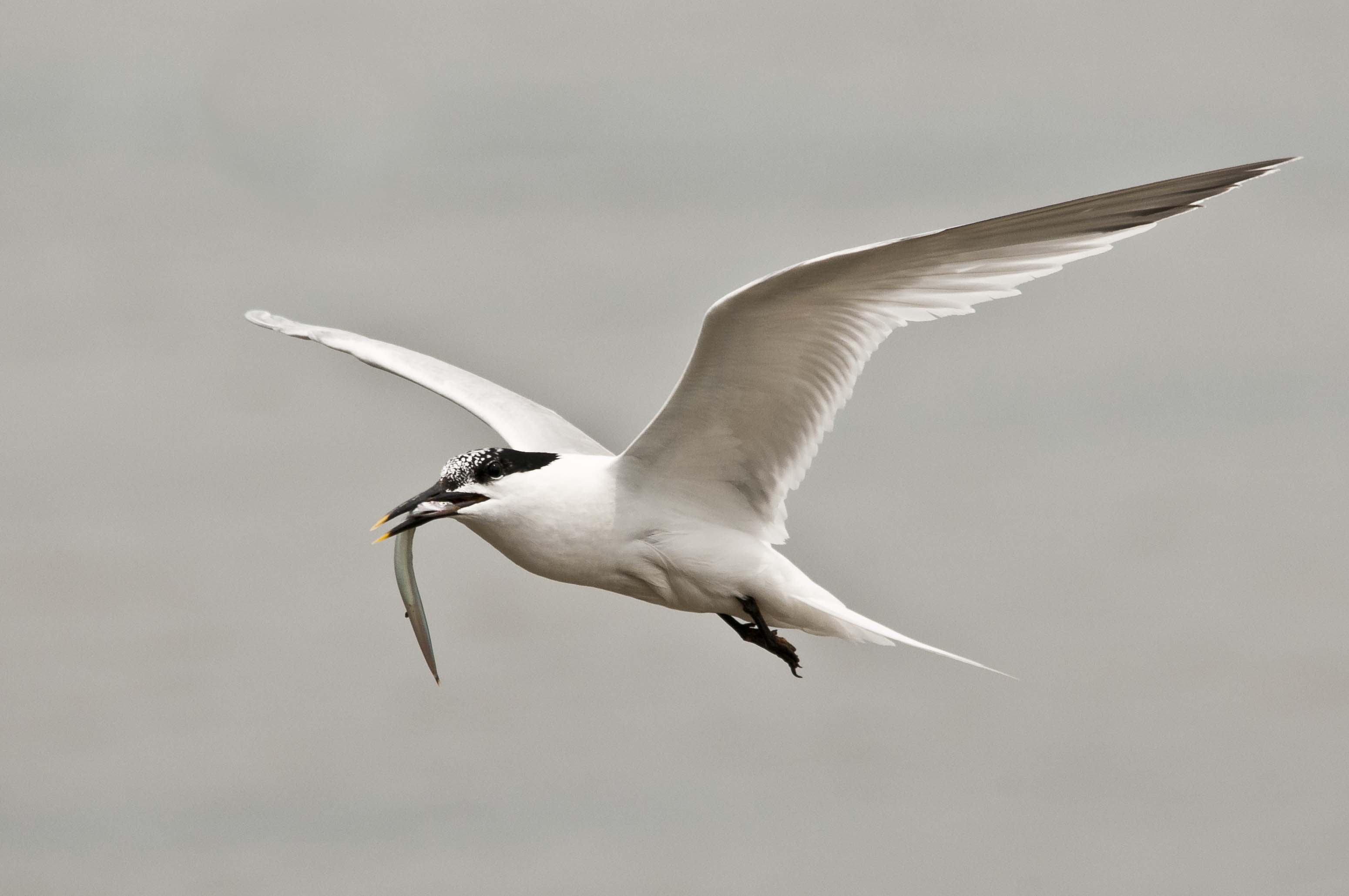
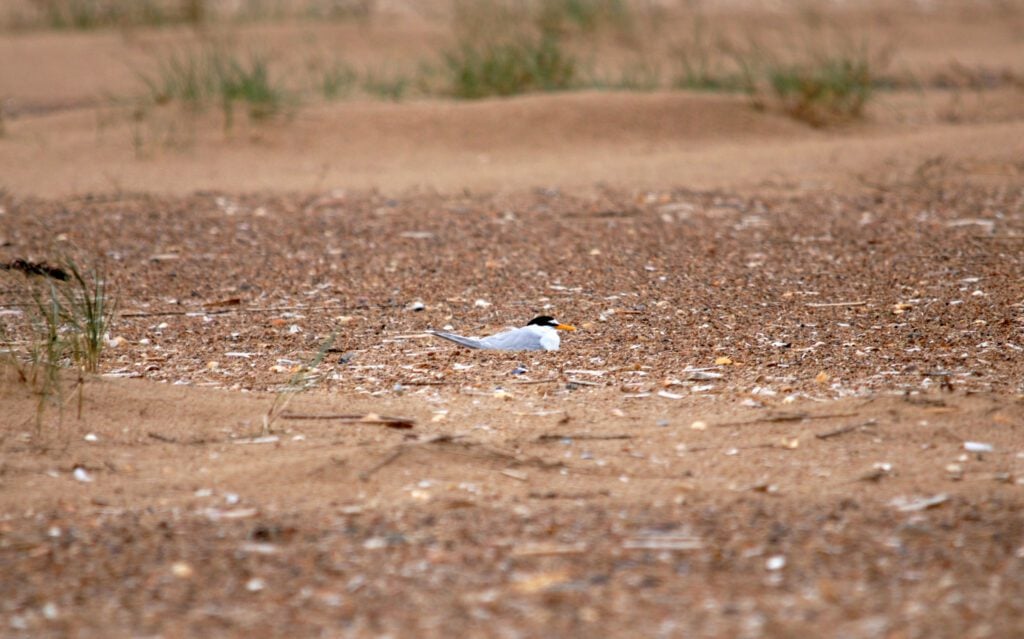
Living up to its name, the Little Tern is the UK’s smallest tern and can be seen nesting on gravelly beaches in small colonies. It feeds just offshore, hovering above the water before diving in to catch its prey of small fish.
Key Facts
- Silvery-grey above and white below, the Little Tern has a black cap, a black eyestripe, and a white forehead. It has a short tail, tiny, yellowy-orange legs, and yellow bill with a black tip.
- During their courtship, male Little Terns put on impressive aerial displays that involve carrying fish to attract mates. The females will chase them high up into the sky; the males then descending at a glide with their wings forming a ‘V’ shape.
- Length: 22-24cm Wingspan: 48-55cm Weight: 49-63g Average lifespan: 12 years
Status
Classified in the UK as Amber under the Birds of Conservation Concern 5: the Red List for Birds (2021). Protected in the UK under the Wildlife and Countryside Act, 1981.
Seasonality
April to September – a summer visitor to Europe, the Little Tern spends the winter in Africa.