
Take action
Become a member
Memberships build our community and give us a predictable income, which lets us plan and sustain longer projects that can have a greater impact. The more members we have, the more we can do to protect the Sussex countryside and coast.
Make a donation
Membership builds our community and gives us a predictable income, which lets us plan and sustain longer projects that can have a greater impact. The more members we have, the more we can do to protect the Sussex countryside and coast.
Overview
The Common Tern is a medium-sized tern and the one you are most likely to see inland, as well as at the coast. Common Terns breed on shingle beaches, rocky islands and inland on the gravelly shores of lakes and rivers.
They are noisy in their colonies and, like most terns, will attack intruders threatening their nests. They hover over the water before plunge-diving to catch their fish prey.
Key Facts
- Common Terns and Arctic Terns can be very difficult to tell apart. The Common Tern is whiter below, has shorter tail streamers, and has a longer bill, which is orangey-red with a black tip. It is silvery-grey above, with a black cap and short, red legs.
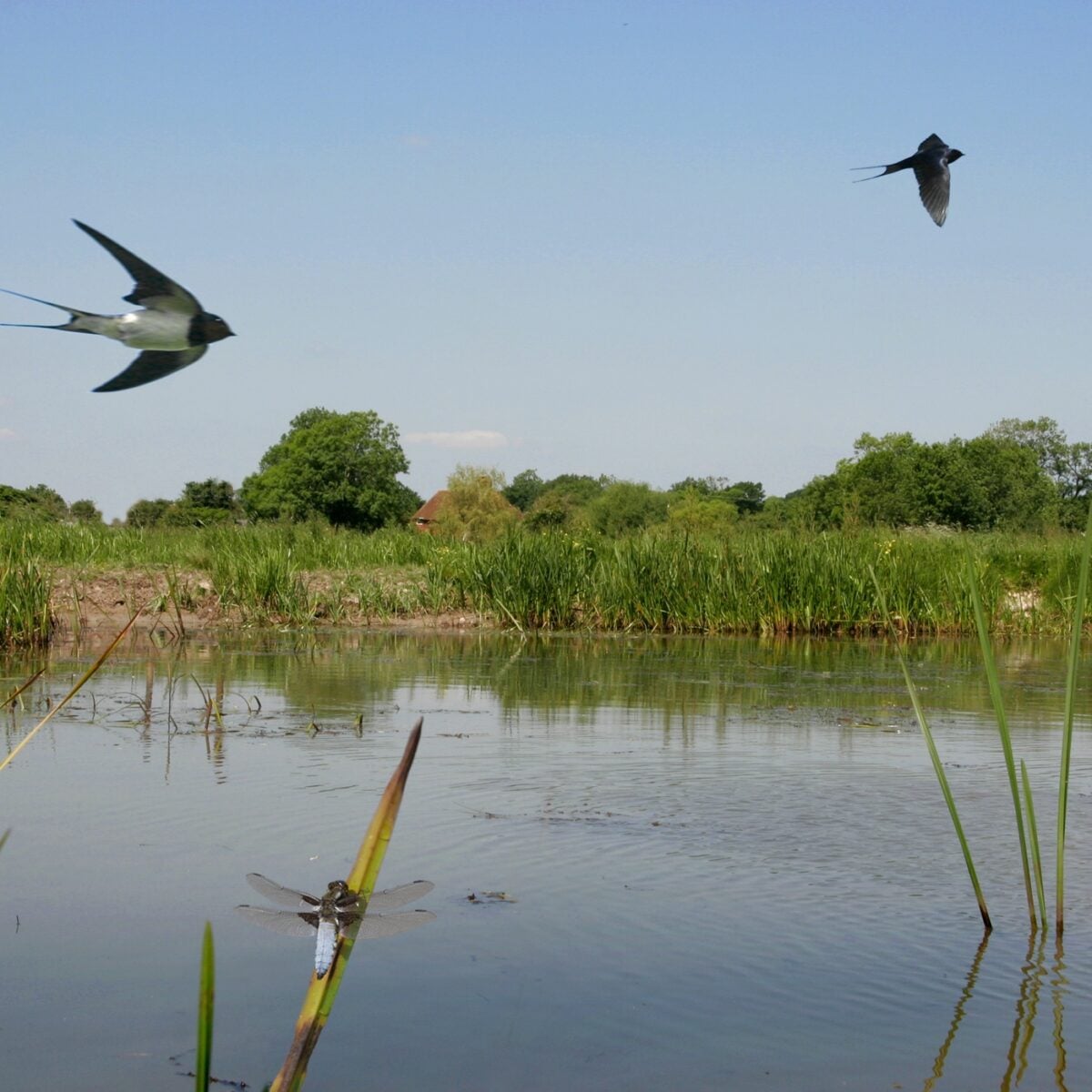
- The Common Tern’s long tail ‘streamers’ (feathers extending past the main tail) have earned it the nickname ‘sea-swallow’.
- Length: 31-35cm Wingspan: 77-98cm Weight: 90-150g Average lifespan: 12 years
Status
Classified in the UK as Amber under the Birds of Conservation Concern 5: the Red List for Birds (2021).
Seasonality
April to September