Take action
Become a member
Memberships builds our community and gives us a predictable income, which lets us plan and sustain longer projects that can have a greater impact. The more members we have, the more we can do to protect the Sussex countryside and coast.
Make a donation
Membership builds our community and gives us a predictable income, which lets us plan and sustain longer projects that can have a greater impact. The more members we have, the more we can do to protect the Sussex countryside and coast.
Overview
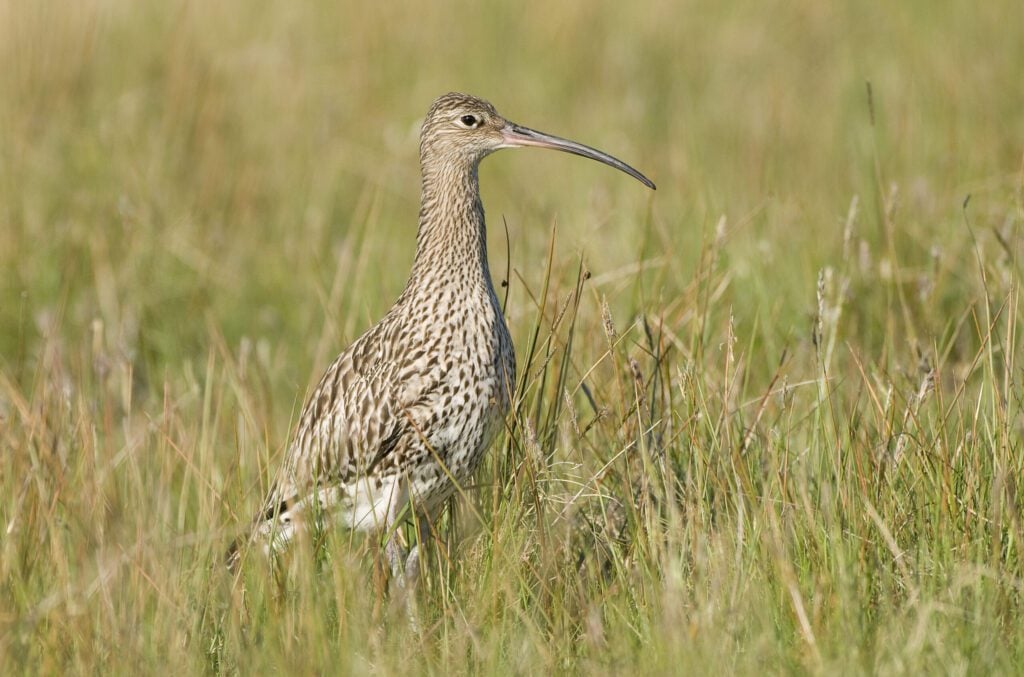
The Curlew is a very large, tall wader, about the same size as a female Pheasant. Its haunting, accelerating display call is unmistakable, but not often heard now in the south-east of England, where breeding has almost disappeared. From July onwards, numbers start to build around the Sussex coast, peaking in January.
Key Facts
- Curlew are mottled brown and grey, with long, bluish legs and a long, downcurved bill that is pink underneath.
- They can be distinguished from the smaller Whimbrel by the Curlew’s longer bill and plain head pattern.
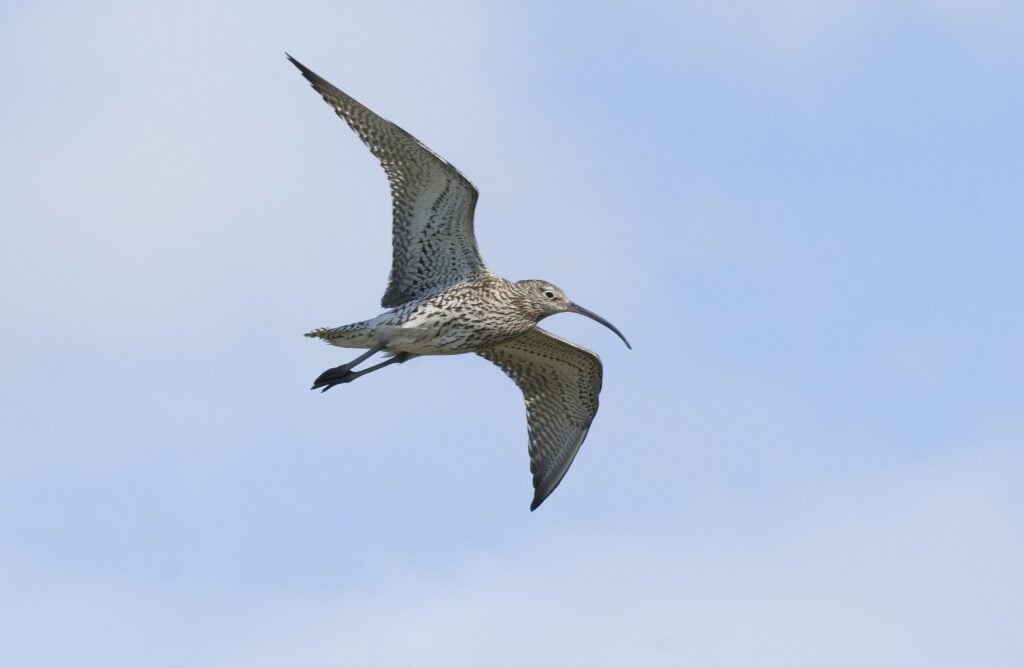
- When they fly, Curlew have a white wedge on the rump.
- An old Scottish name for the Curlew is ‘whaup’ or ‘great whaup’.
- Its evocative call has been immortalised in the poem, The Seafarer, which dates back at least to 1,000 AD, but may be even older: “I take my gladness in the… sound of the Curlew instead of the laughter of men”.
- Length: 50-60cm Wingspan: 90cm Weight: 770g-1kg Average lifespan: 5 years
Status
Classified in the UK as Red under the Birds of Conservation Concern 5: the Red List for Birds (2021). Priority Species under the UK Post-2010 Biodiversity Framework. Listed as Near Threatened on the global IUCN Red List of Threatened Species.

Seasonality
All year round, with the lowest numbers in mid-summer.