
Overview
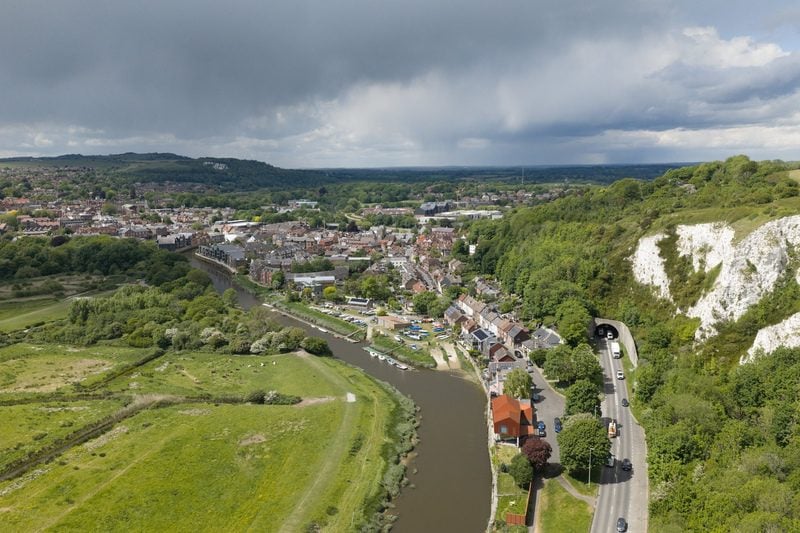
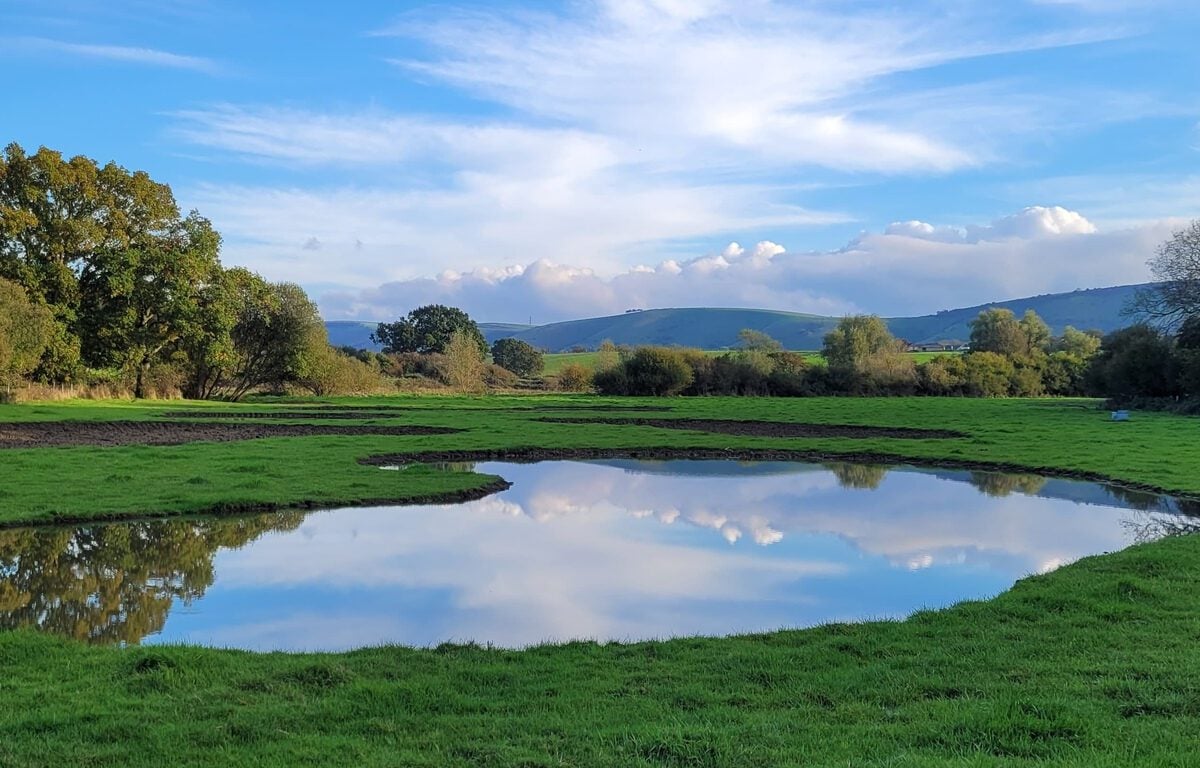
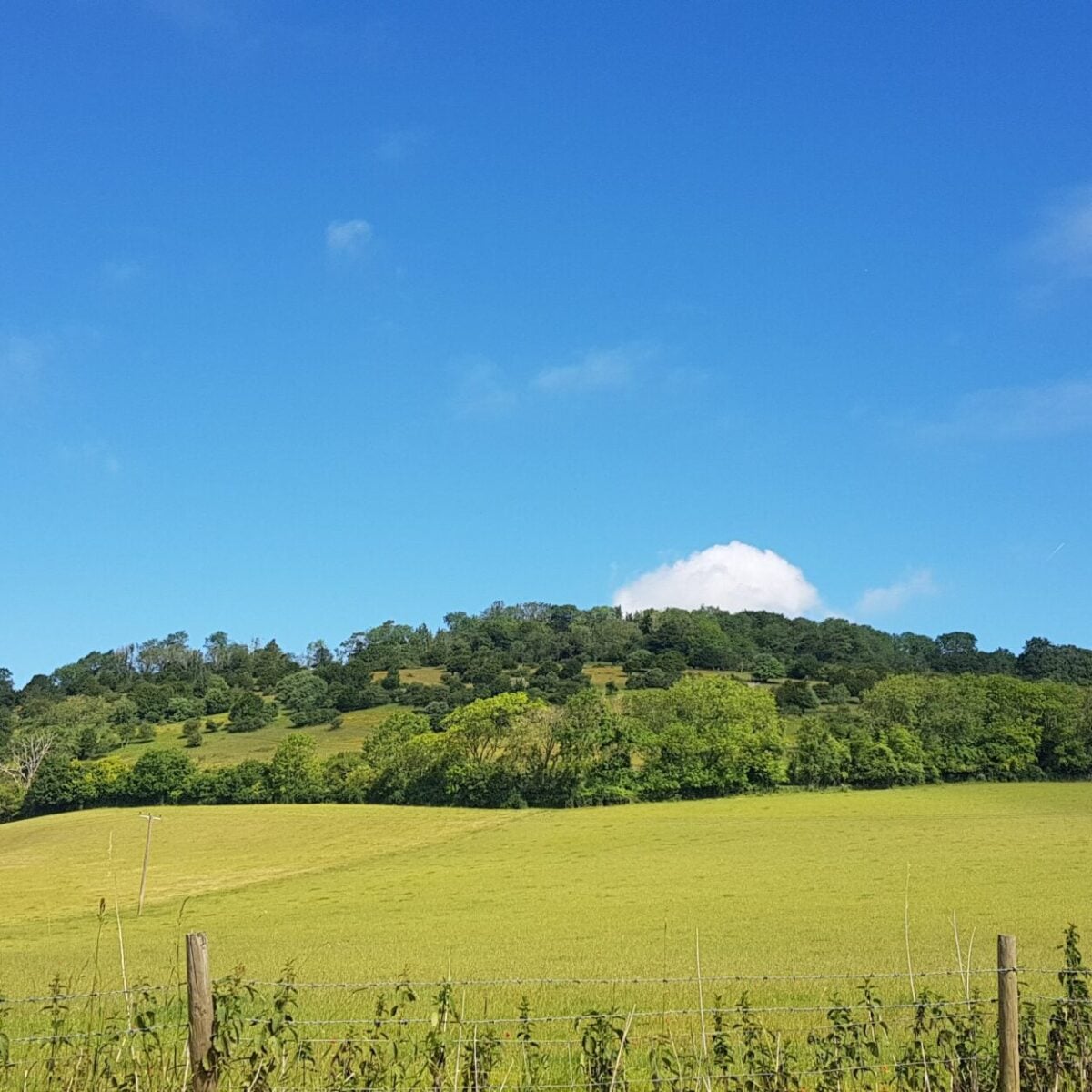
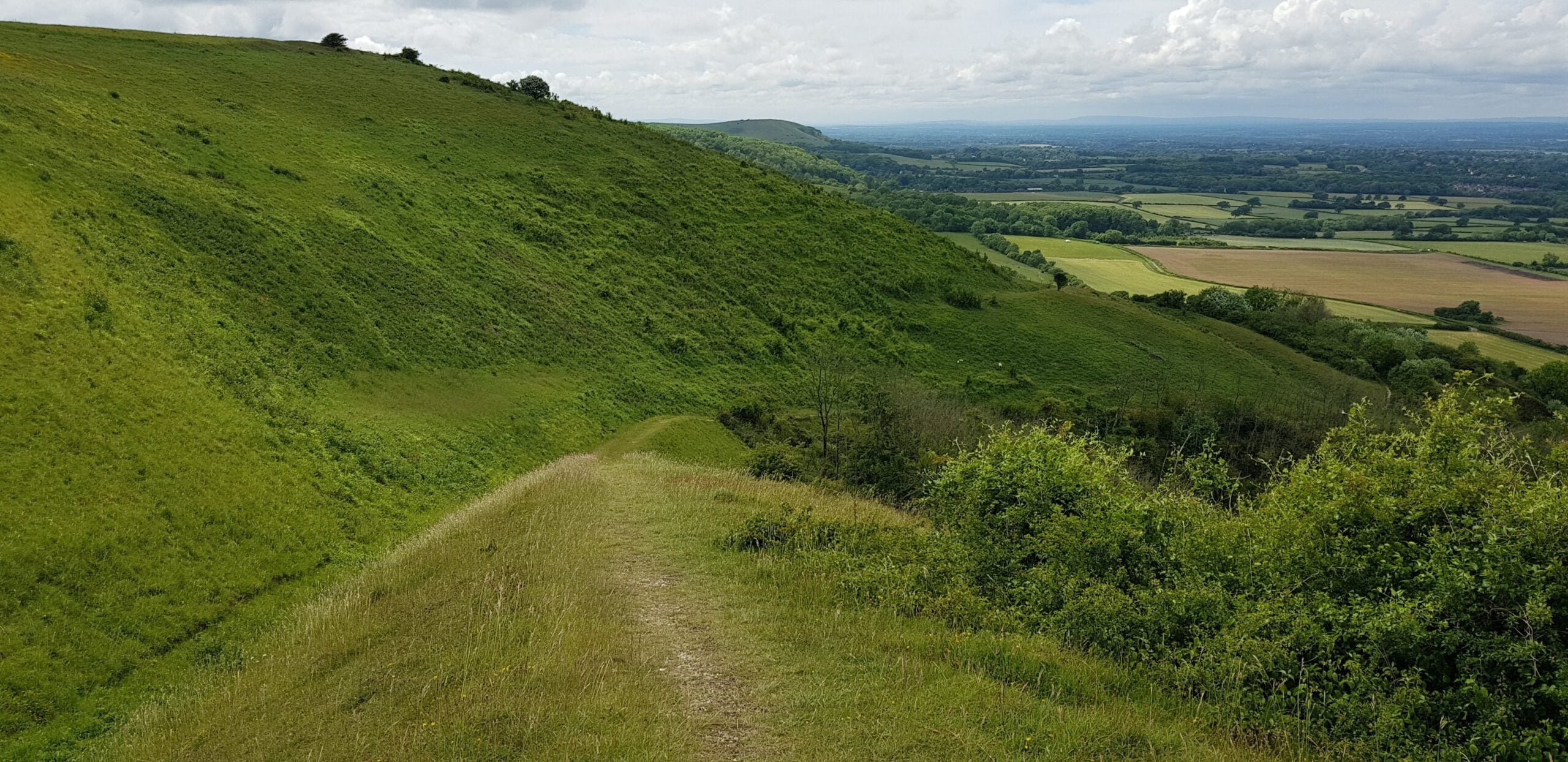
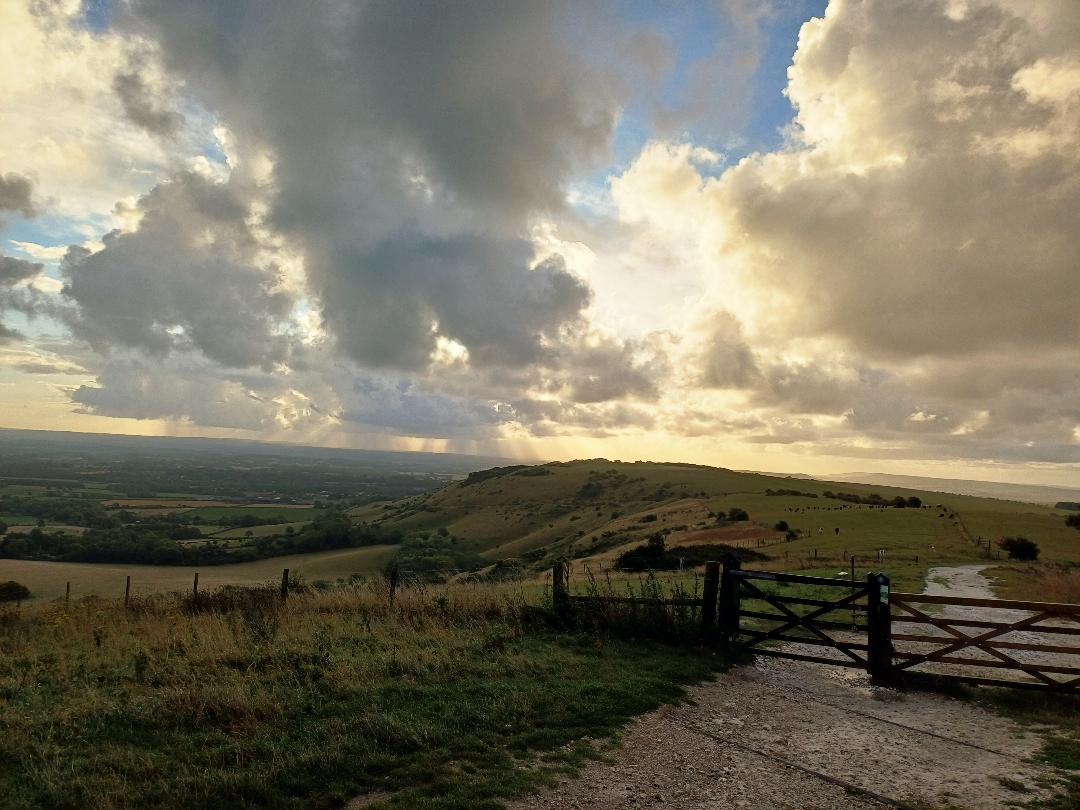
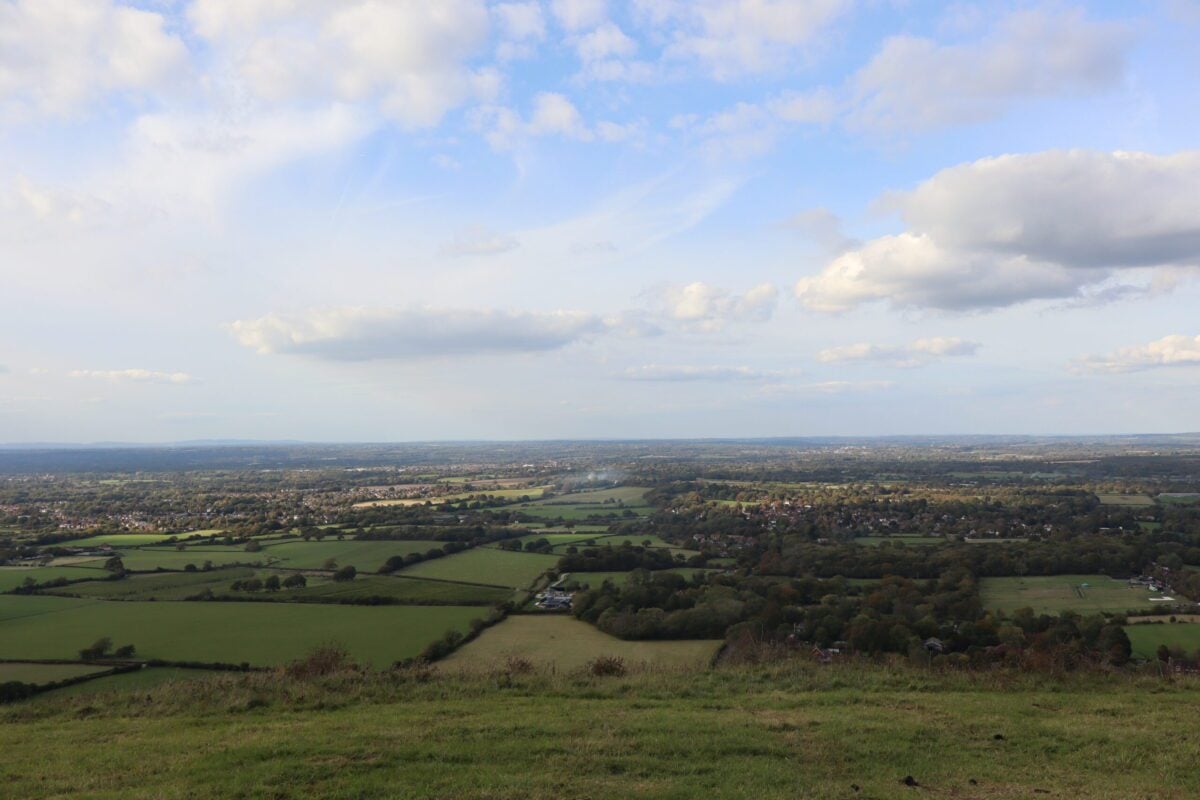
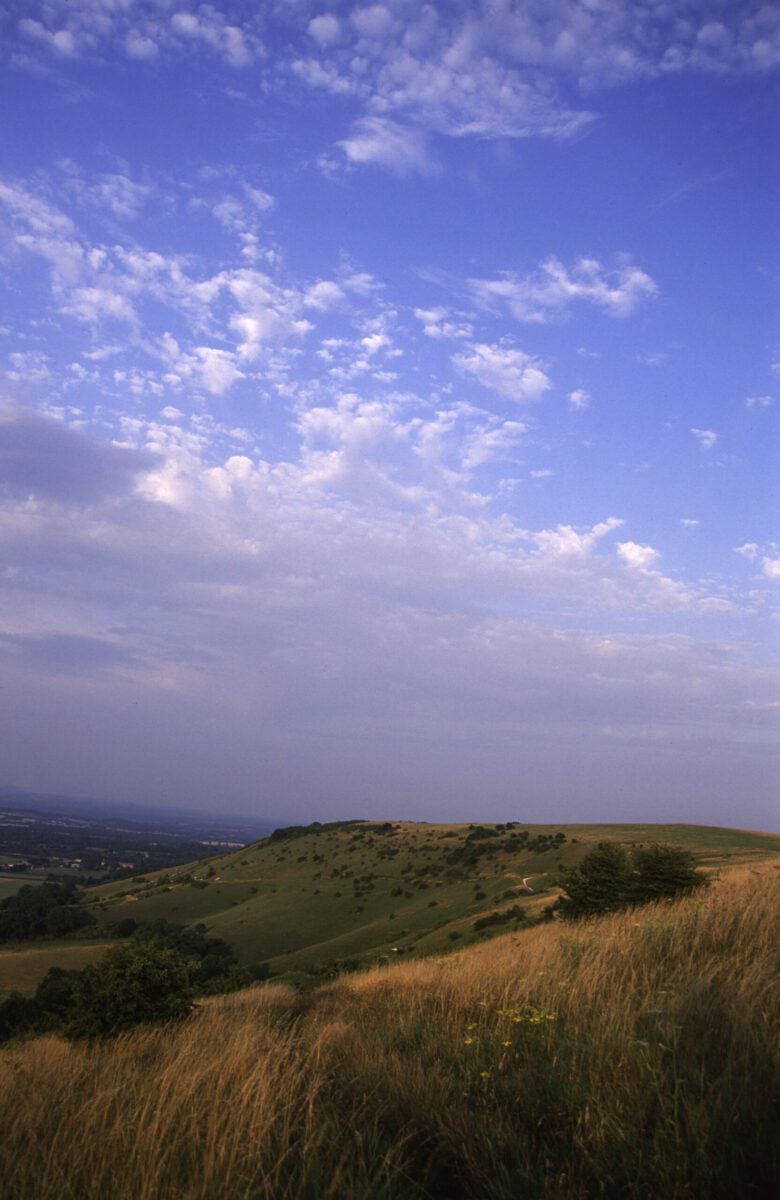
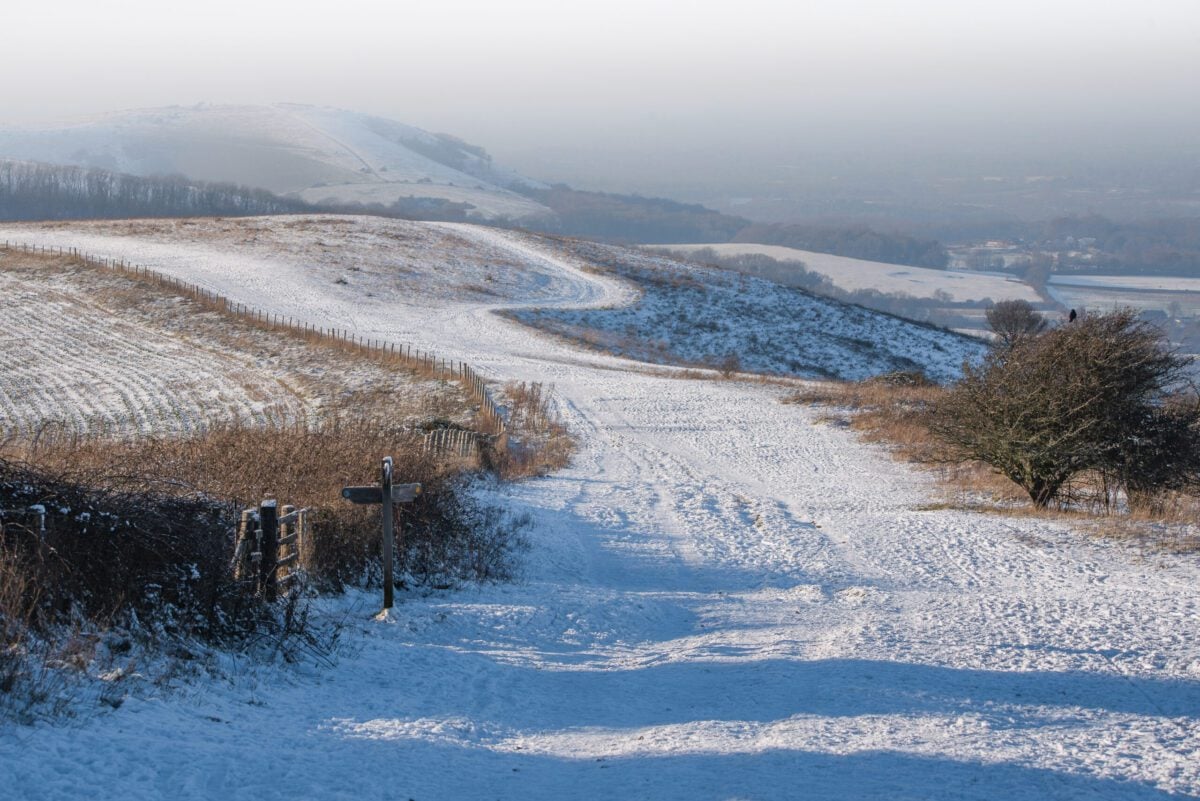
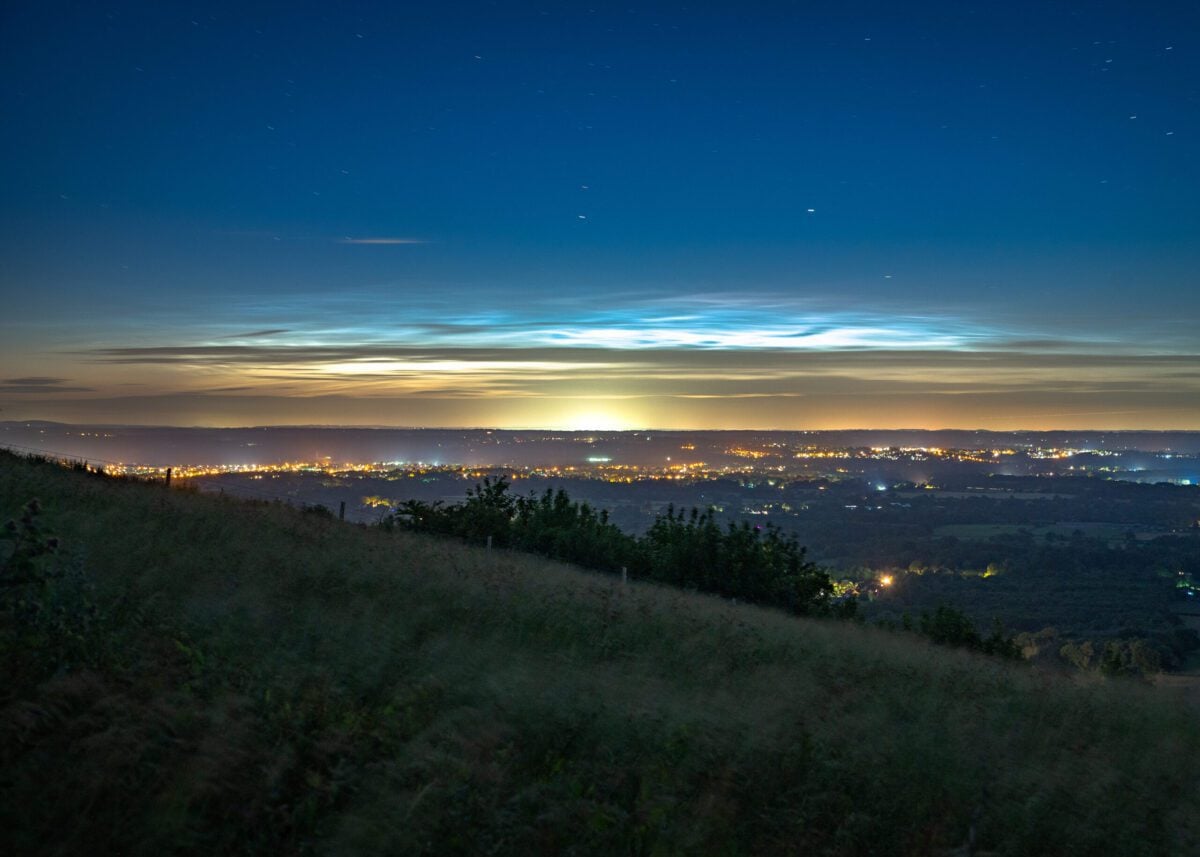
A place to take stock and get perspective. Views in Sussex rarely get more spectacular than this. Ditchling Beacon is one of the highest points on the South Downs, with commanding panoramic views over to the coast, Ashdown Forest and the North Downs.
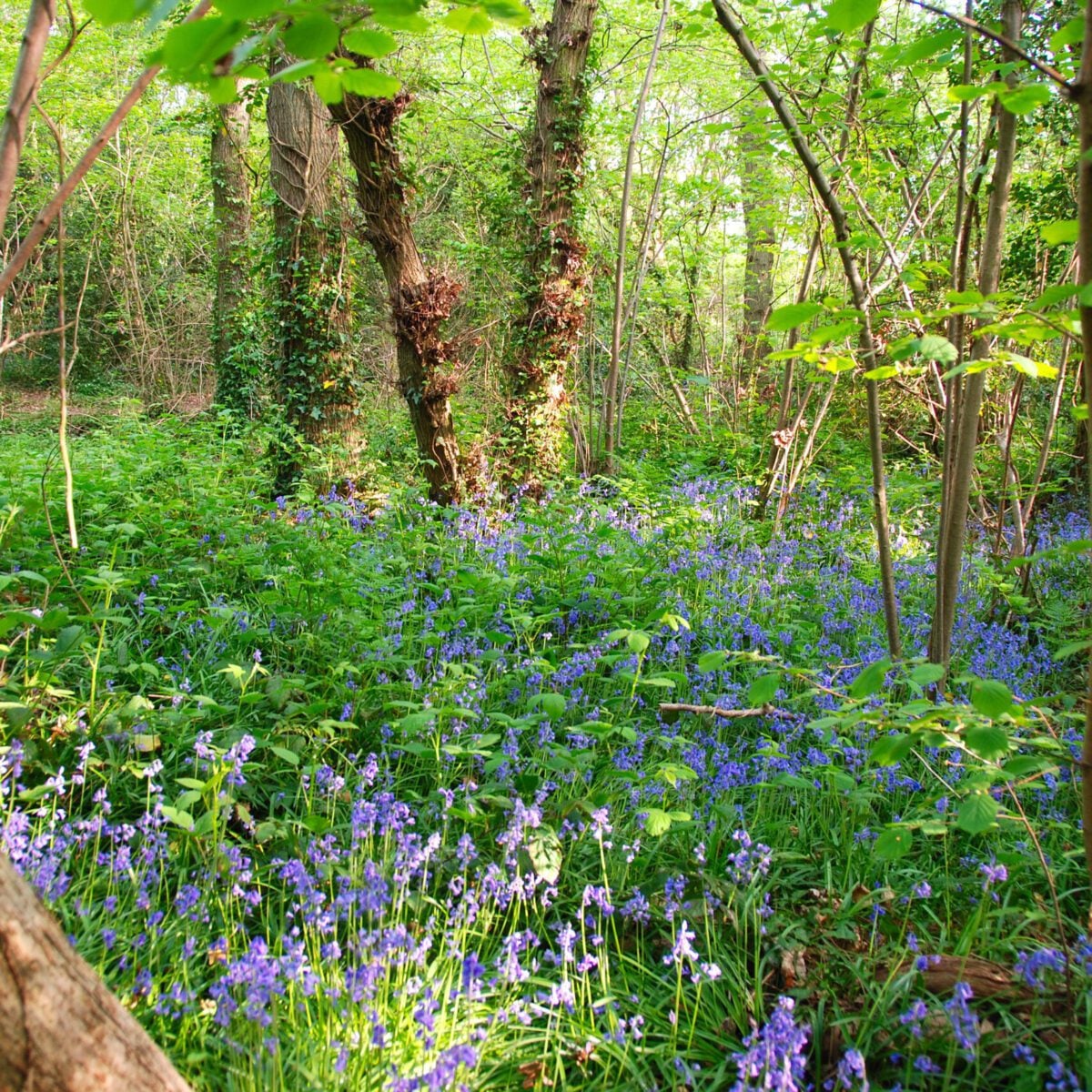
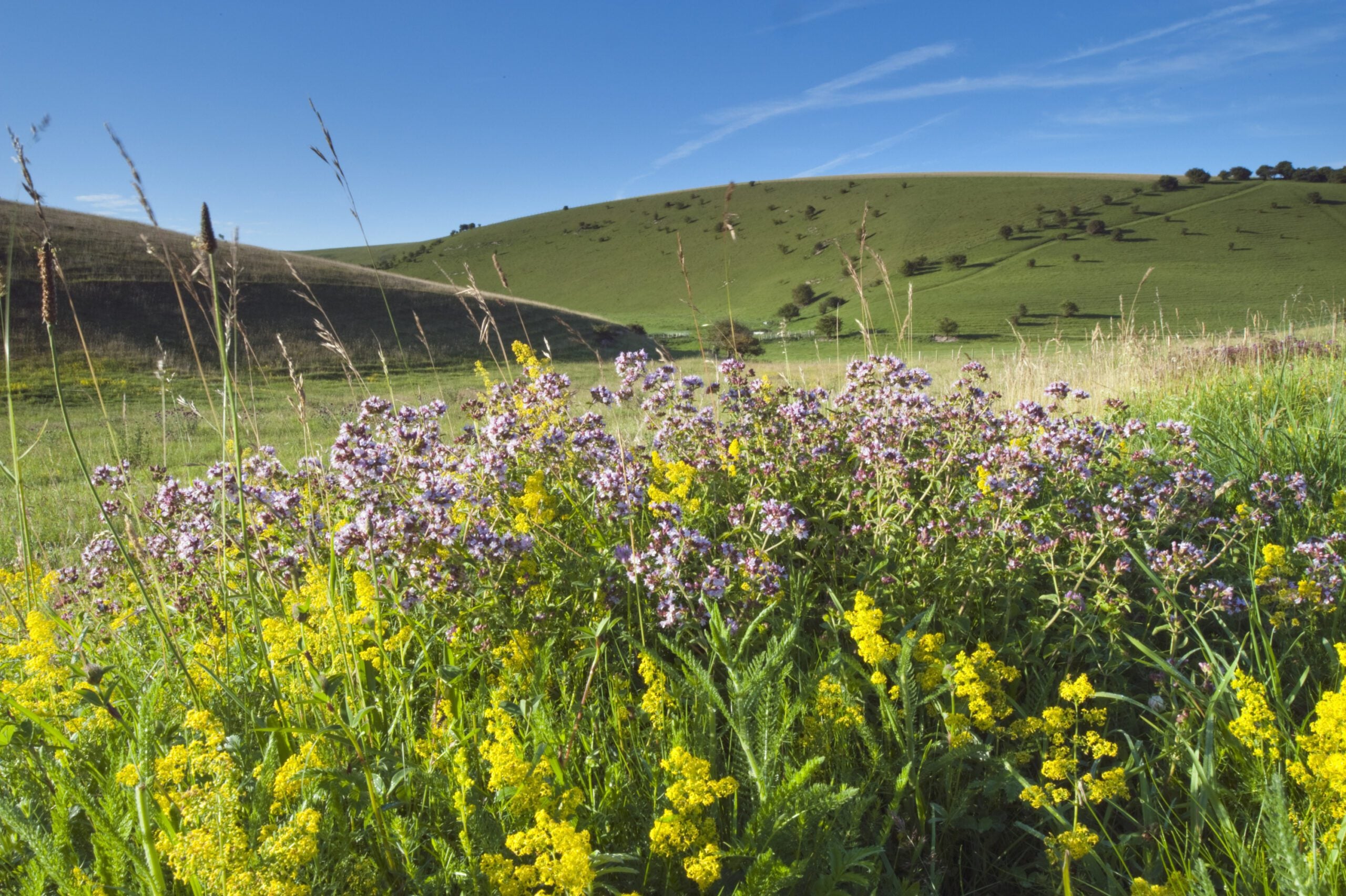
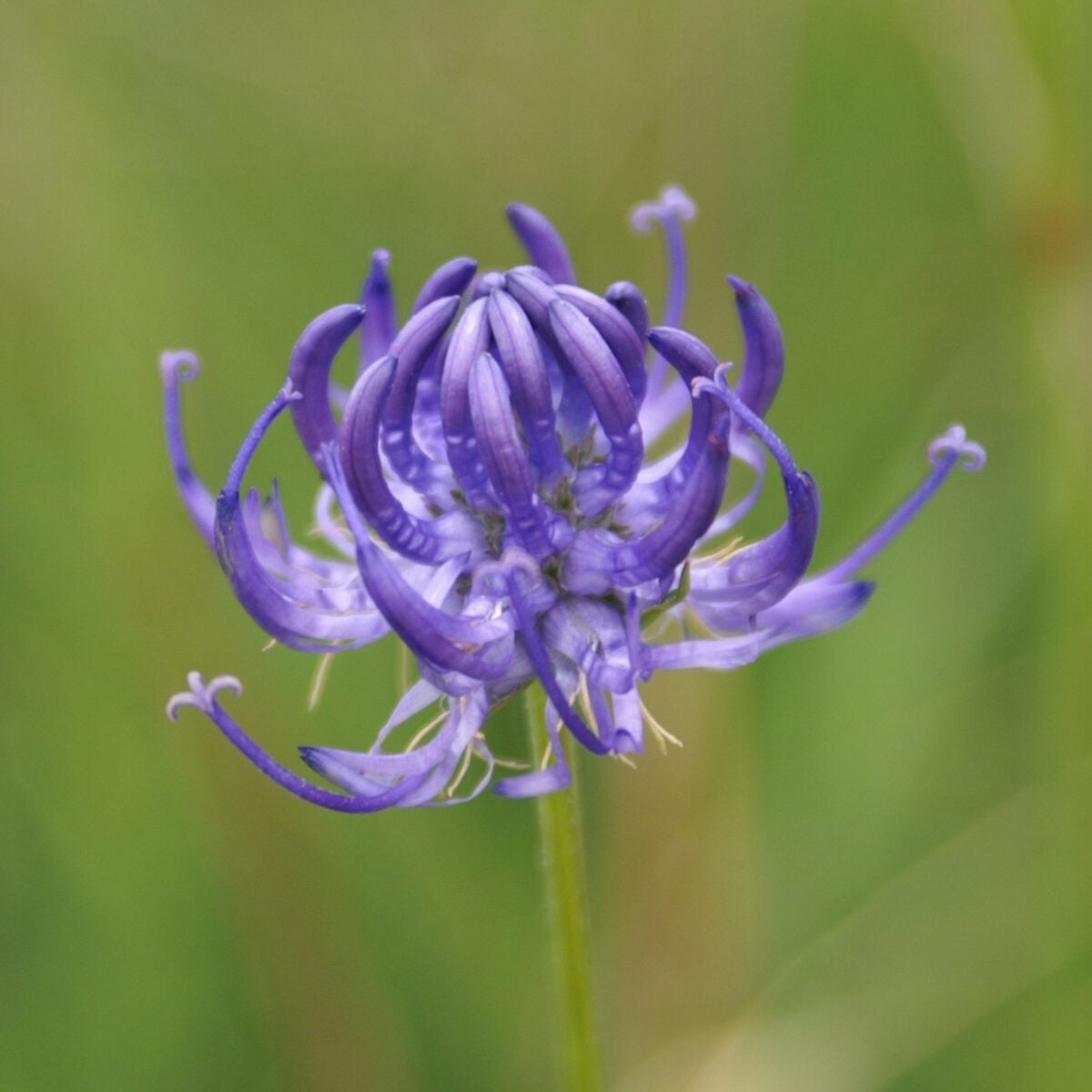
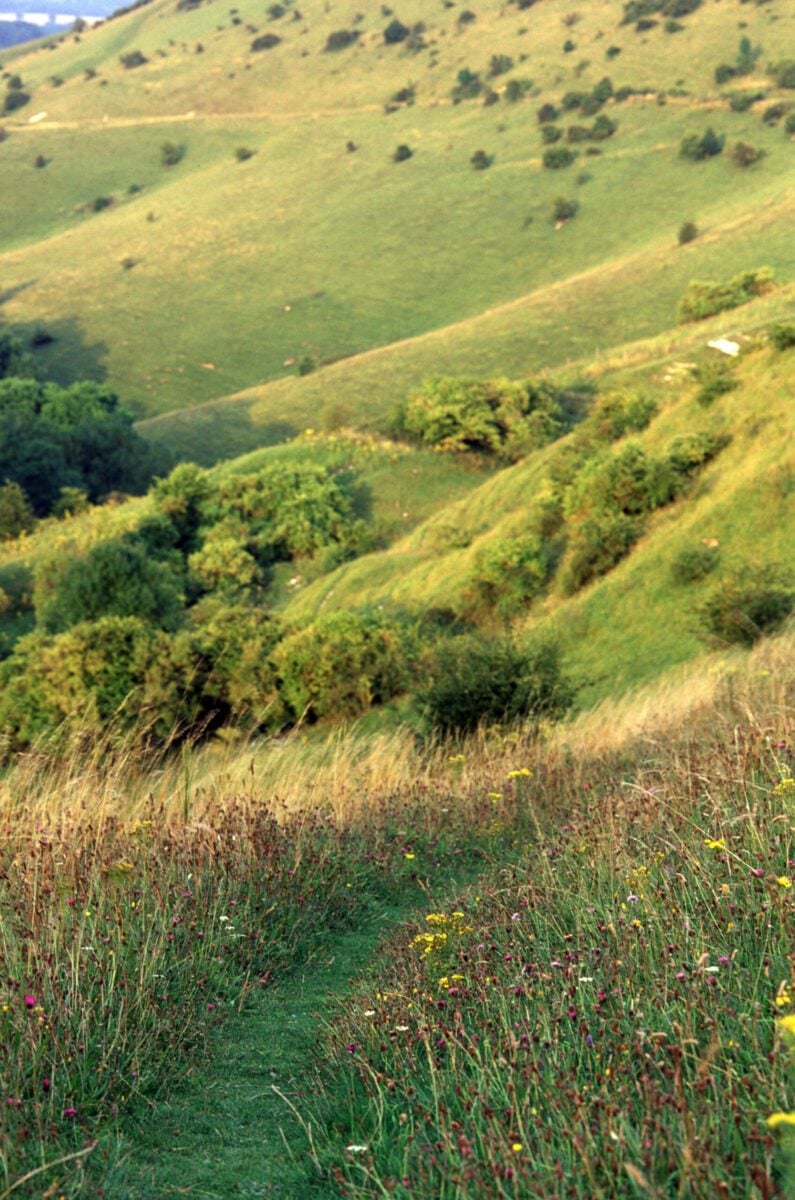
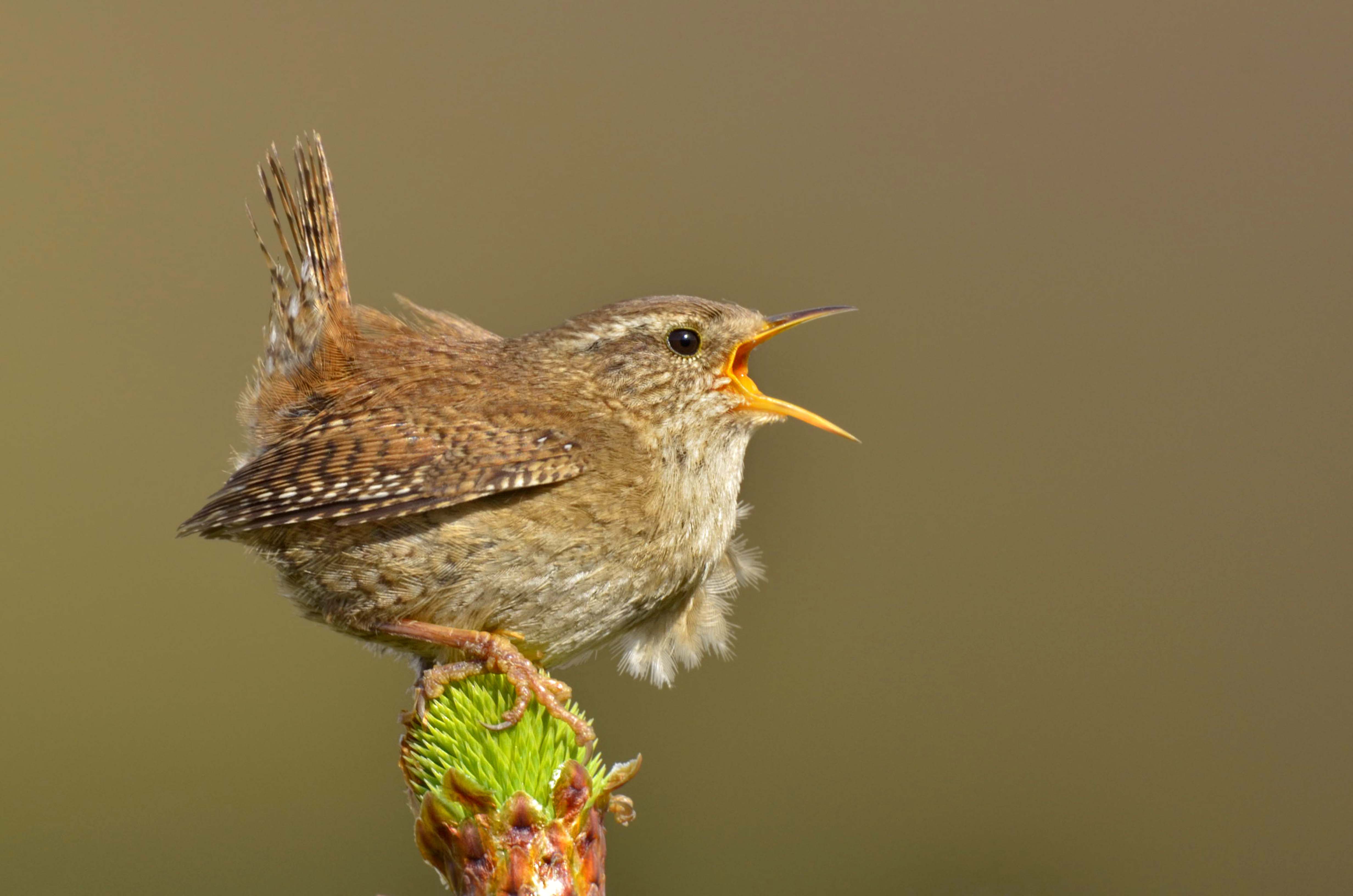
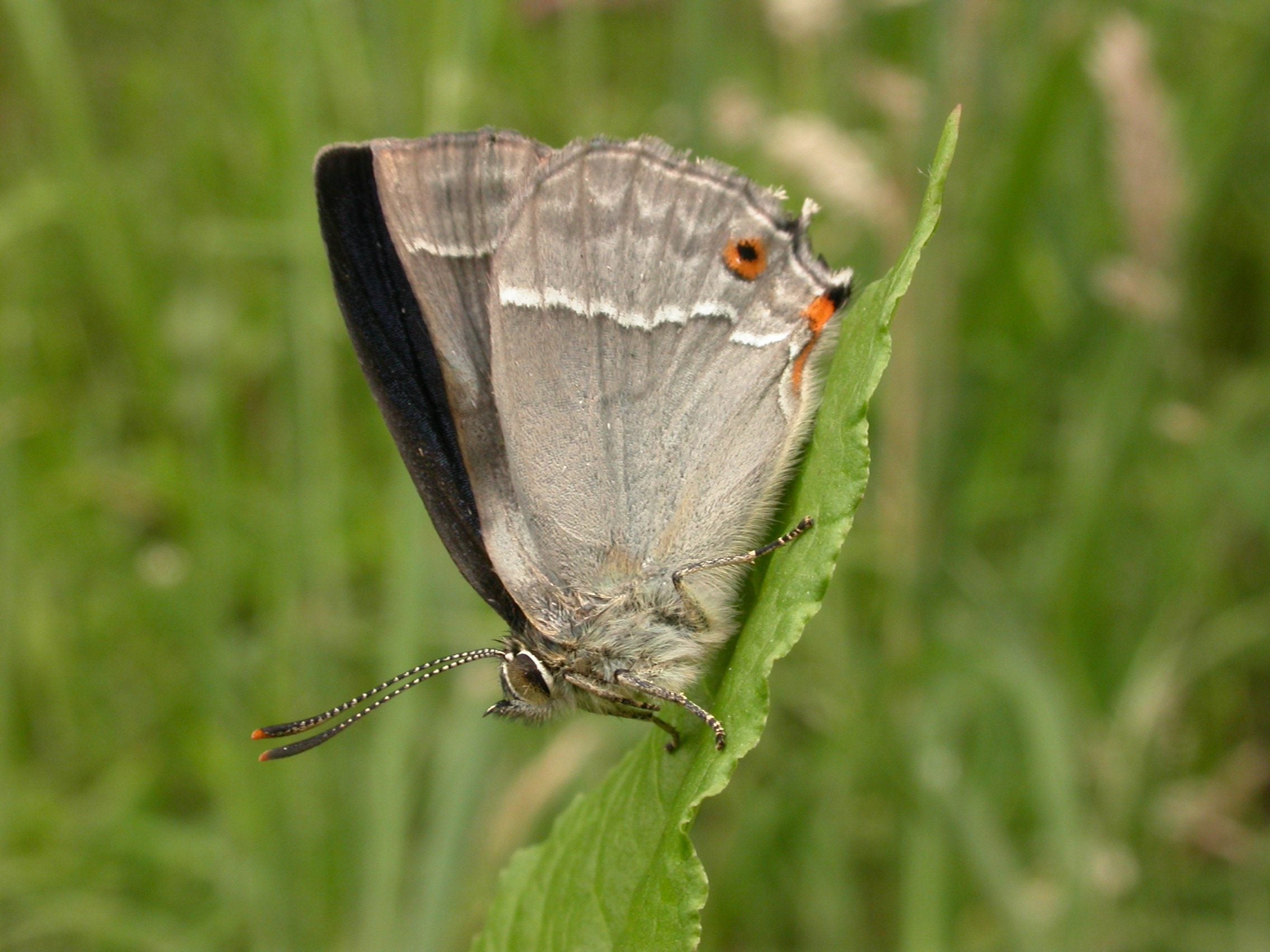
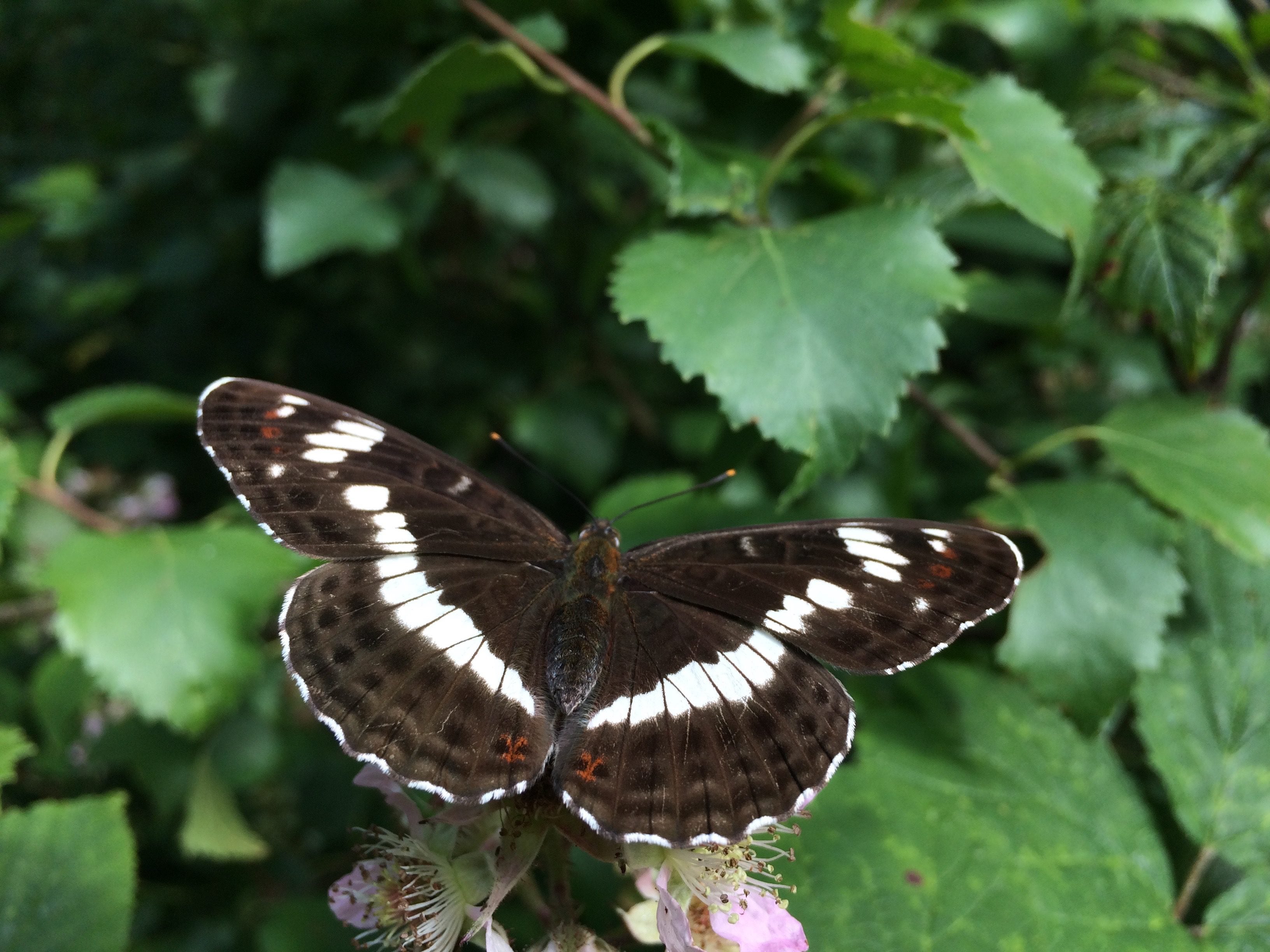
It’s located just south of the pretty village of Ditchling. Look out for lovely butterflies, some rare, and a range of chalk downland specialist wildflowers. The beautiful fern-like moss, Thuidium assimile, carpets the area in places, with Ditchling Beacon being one of few sites for this species in Sussex.



Steve Tillman former Reserves ManagerWorking at Ditchling Beacon for many years provided me with many highlights, such as finding the elusive Musk Orchid, a key species for the site, and seeing the return of the Silver-spotted Skipper butterfly.
Know before you go
Opening times
The reserve is open at all times
Reserve size – 24 hectares
Free to visit
All our open reserves our free to visit, but if you enjoy your visit please consider donating to Sussex Wildlife Trust to help us manage these special places.
How to get here
Postcode:BN6 8XD
Accessible via the South Downs Way. Buses run up here from Brighton and Ditchling. The car park is small and popular. National Trust members can park free of charge. Non-members can pay with cash at the car park machine or using the JustPark system.
Getting around
Fantastic access to the South Downs Way. But as soon as you are off the scarp slope, take care, it’s one of our steepest sites.
Dogs welcome on leads
Dogs are welcome, but so that they do not affect other people and our wildlife, please keep them under close control and clean up after your dog.
Dogs need to be on leads when sheep are grazing this nature reserve.
Toilets on site
There are pubs in Ditchling village
Dos and don’ts
- Enjoy the views
- Keep your dog on a lead around sheep
- No fires or barbecues
- No picking of flowers or foraging
- Take your litter home
- No camping
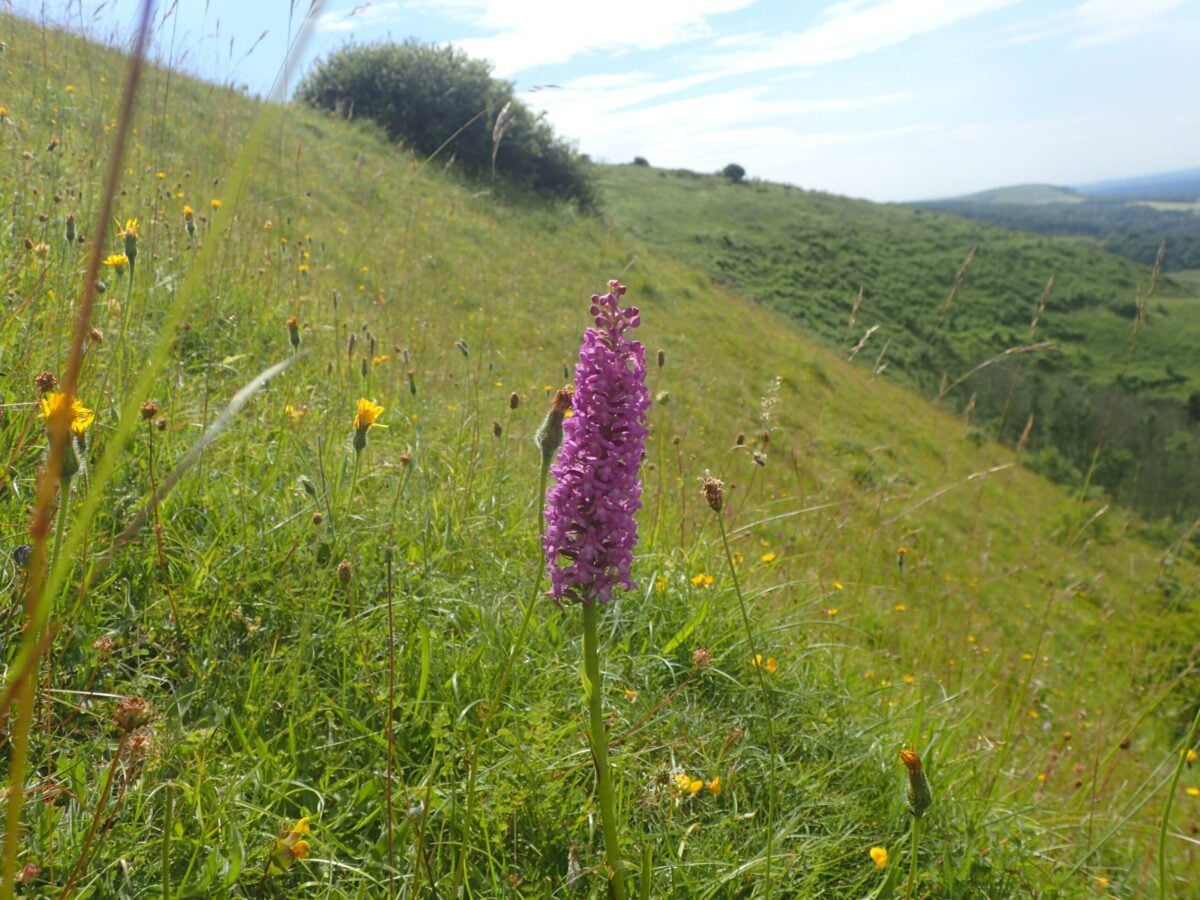
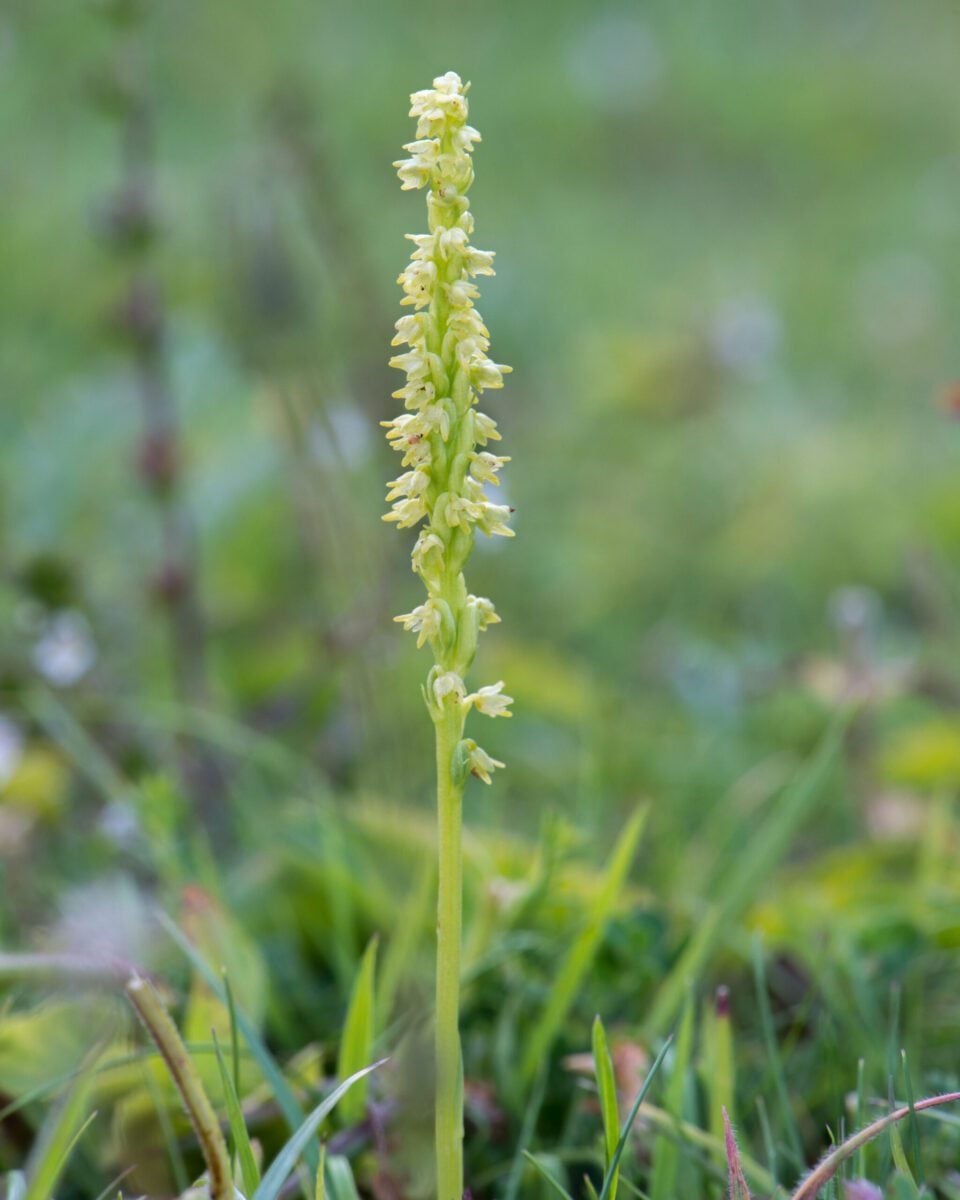
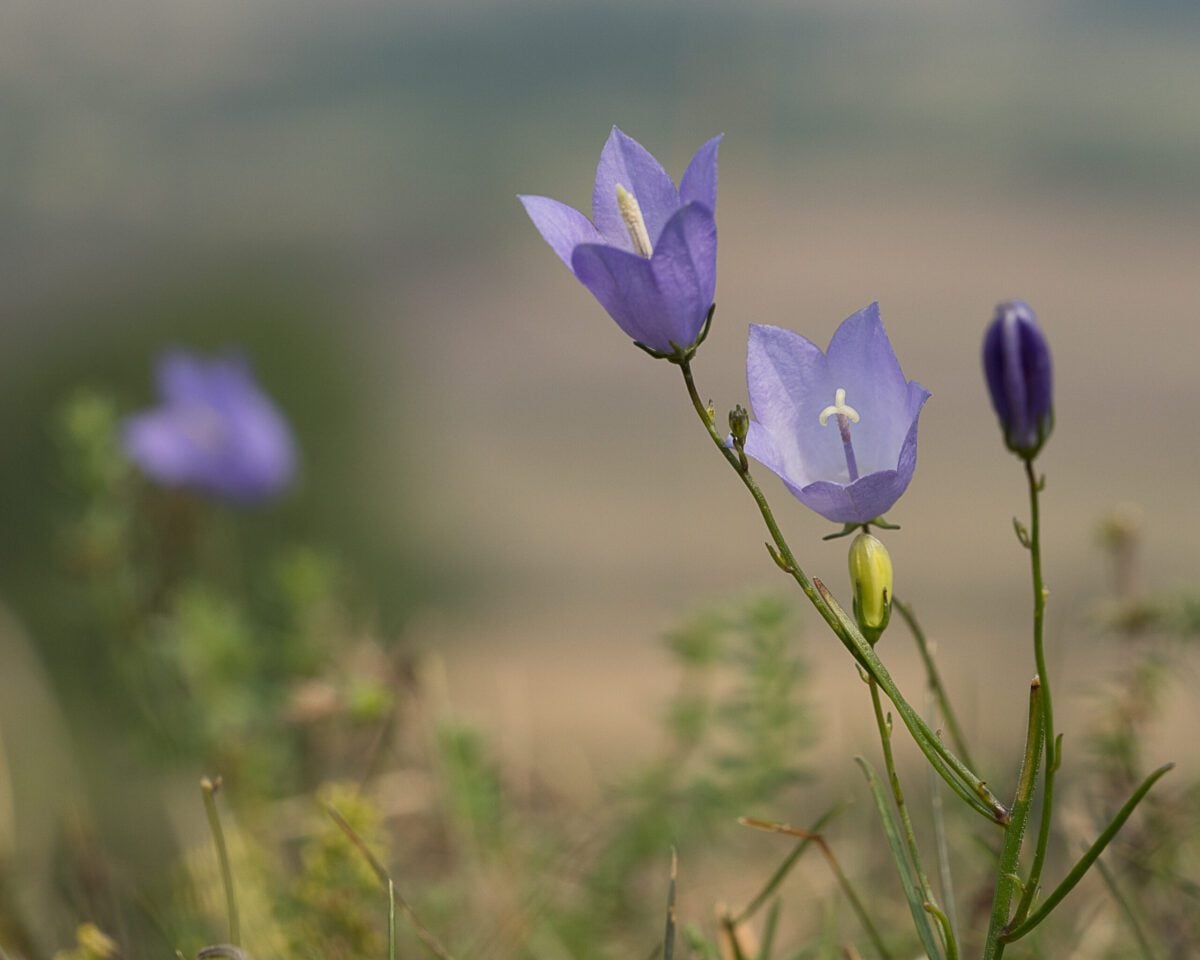
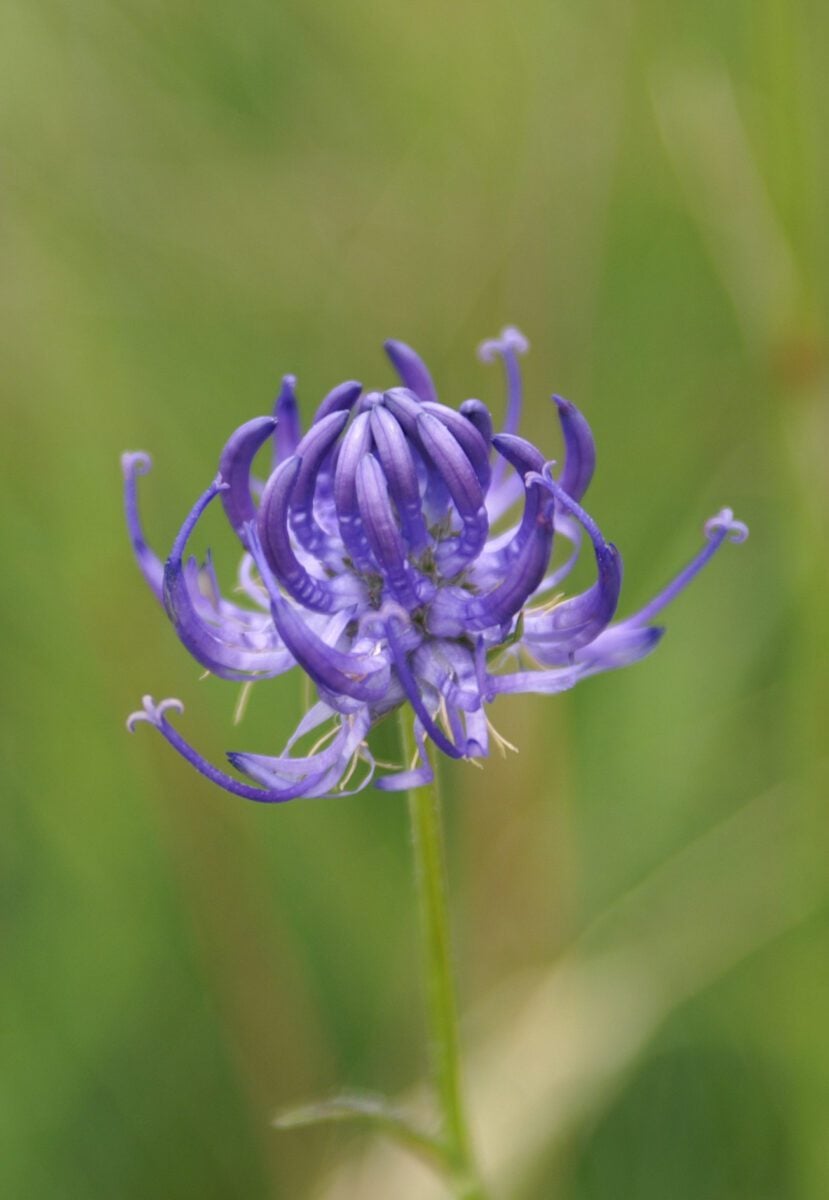
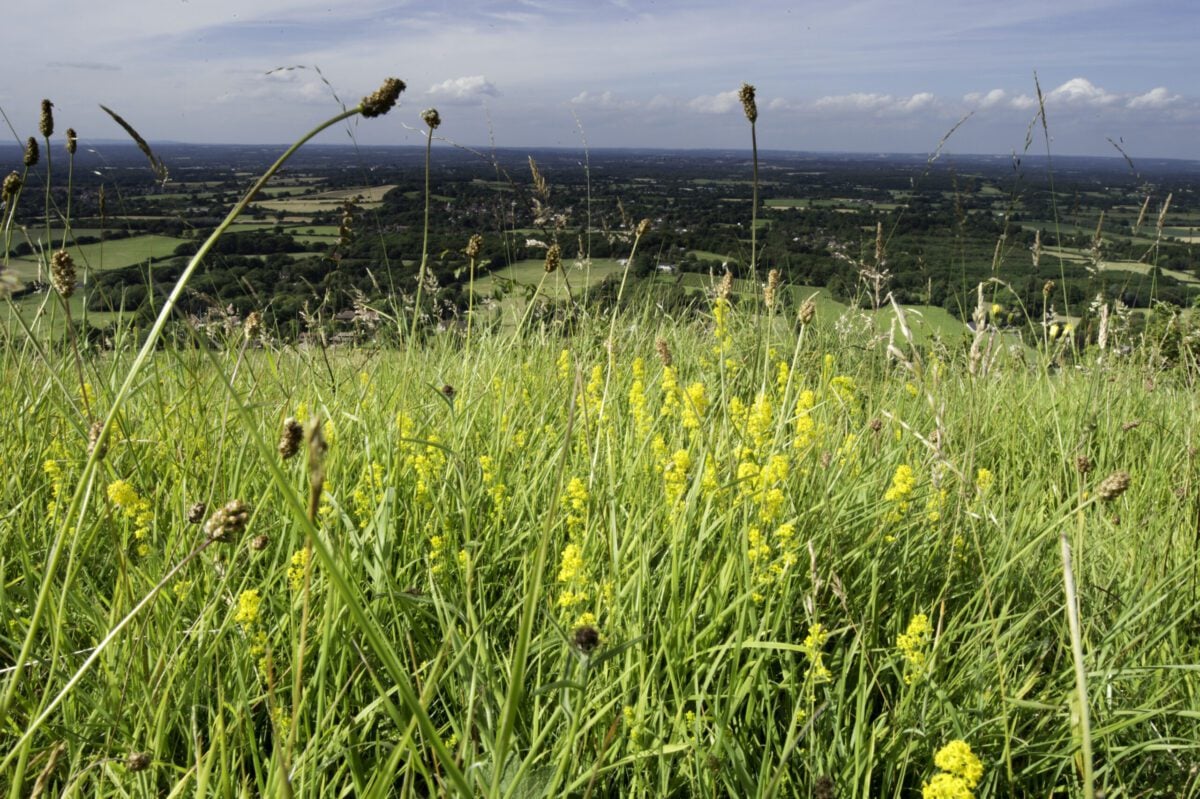
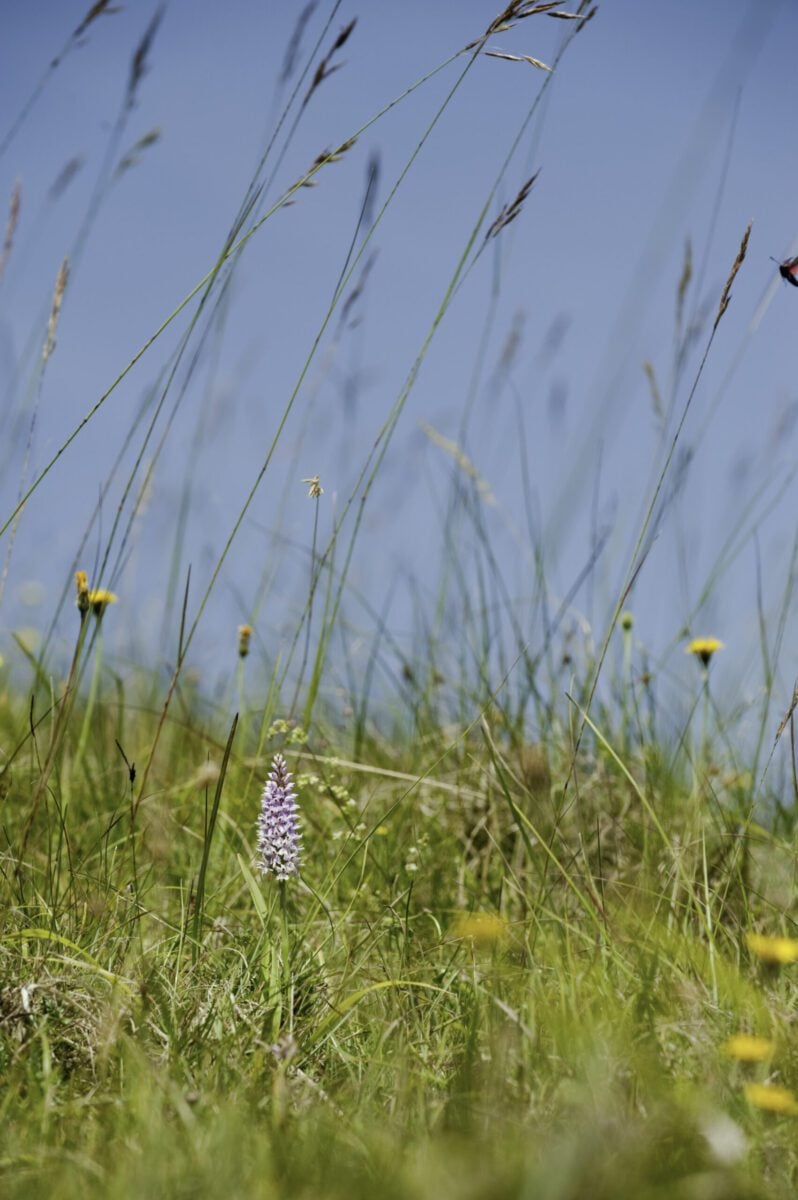
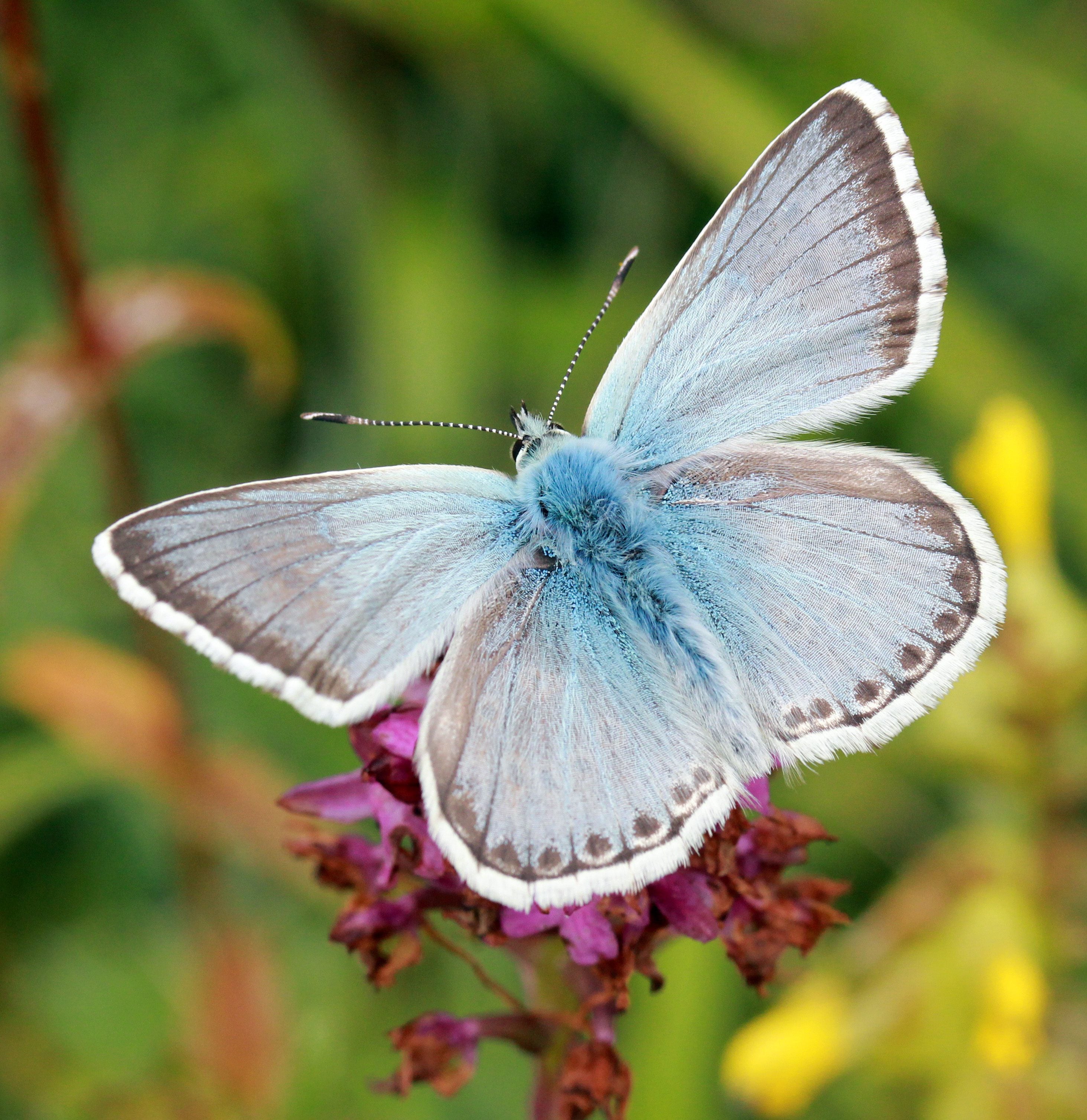
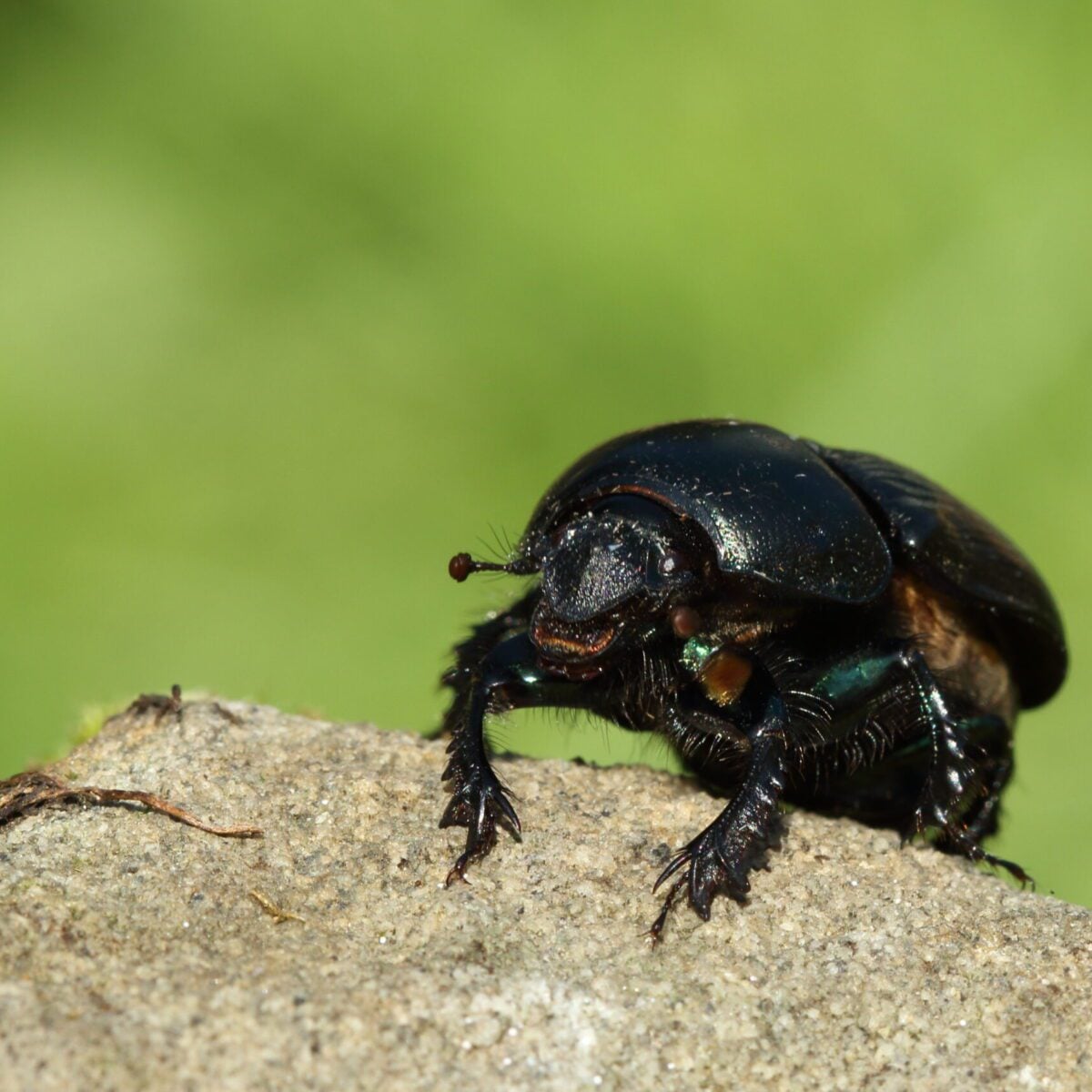

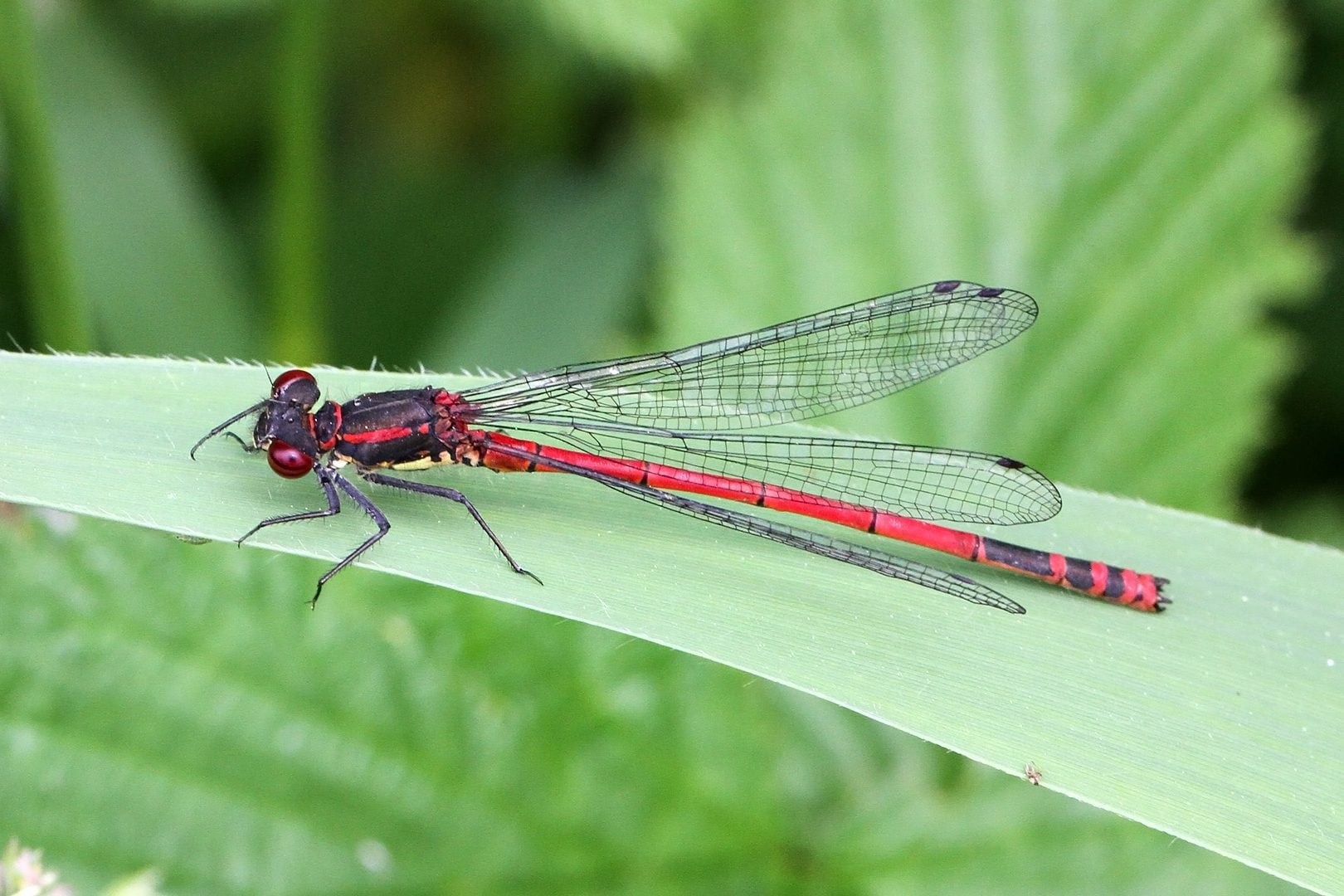
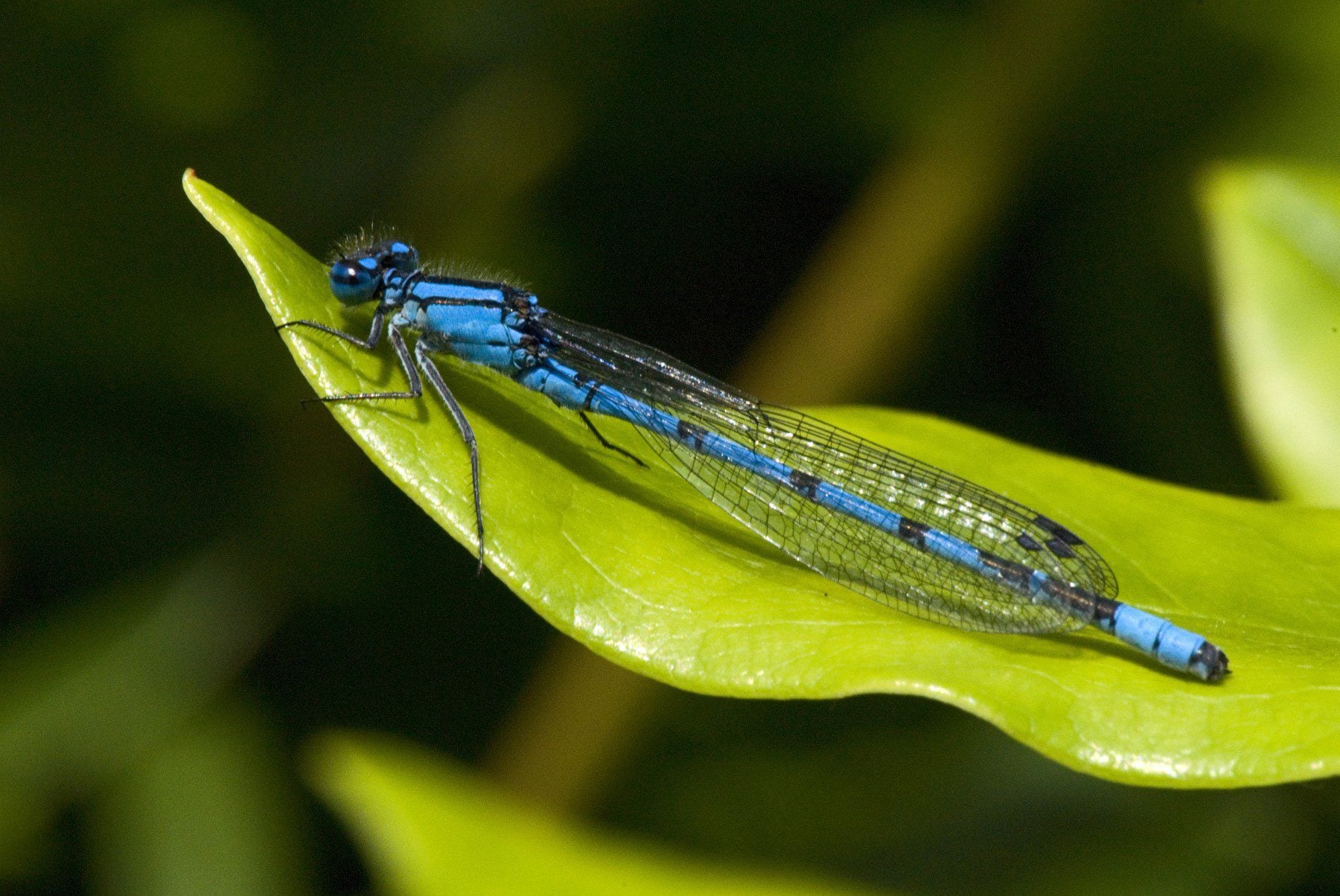
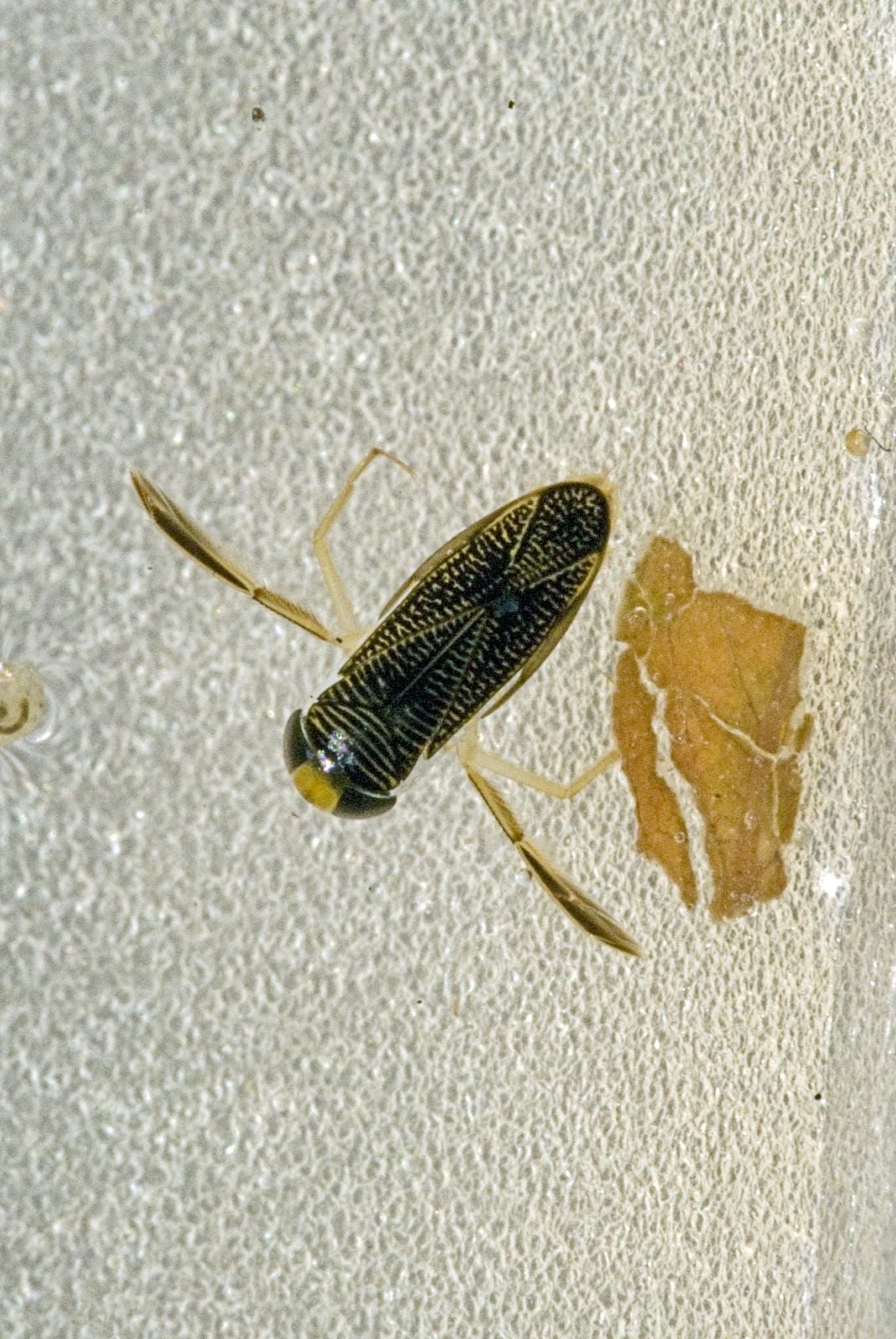
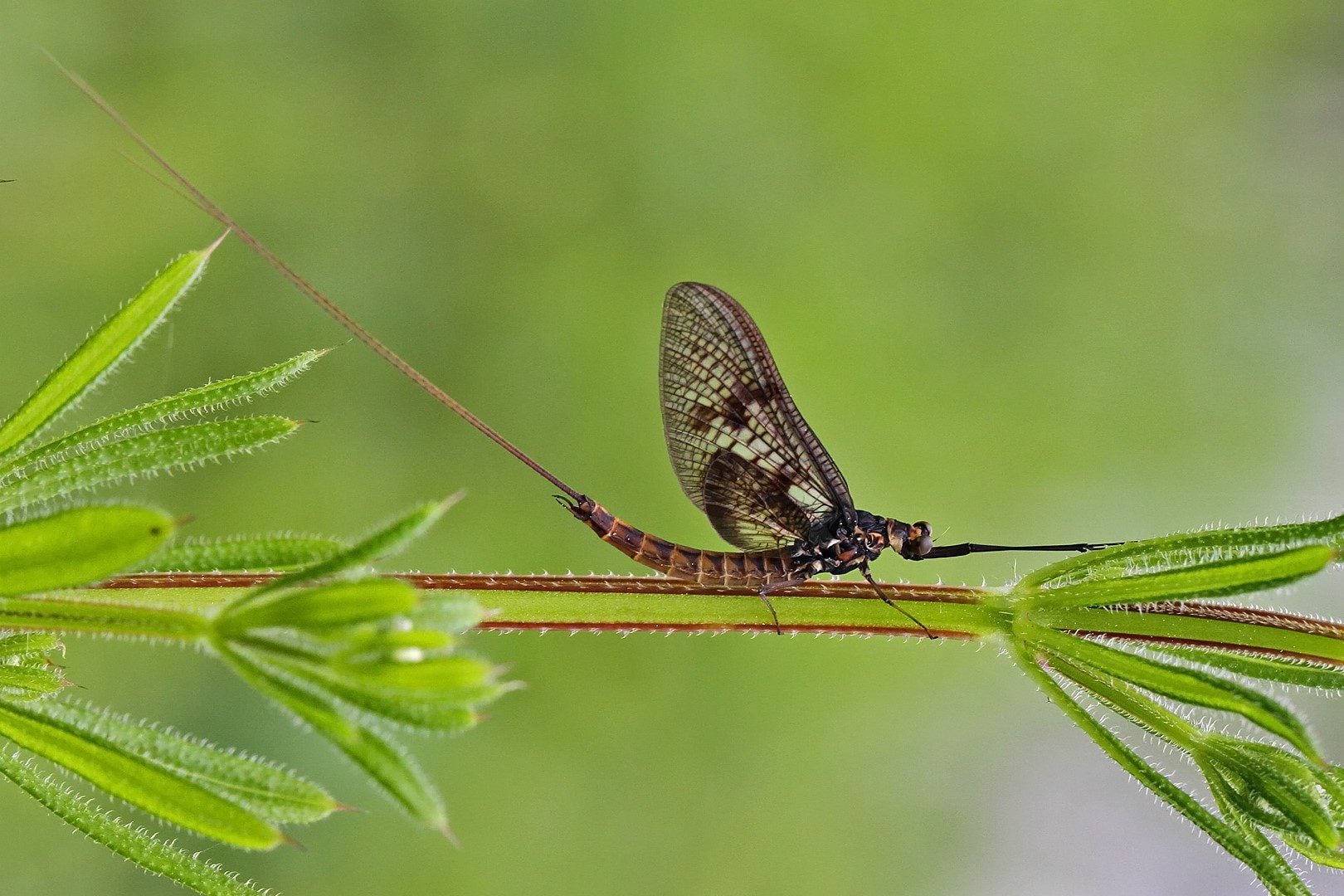
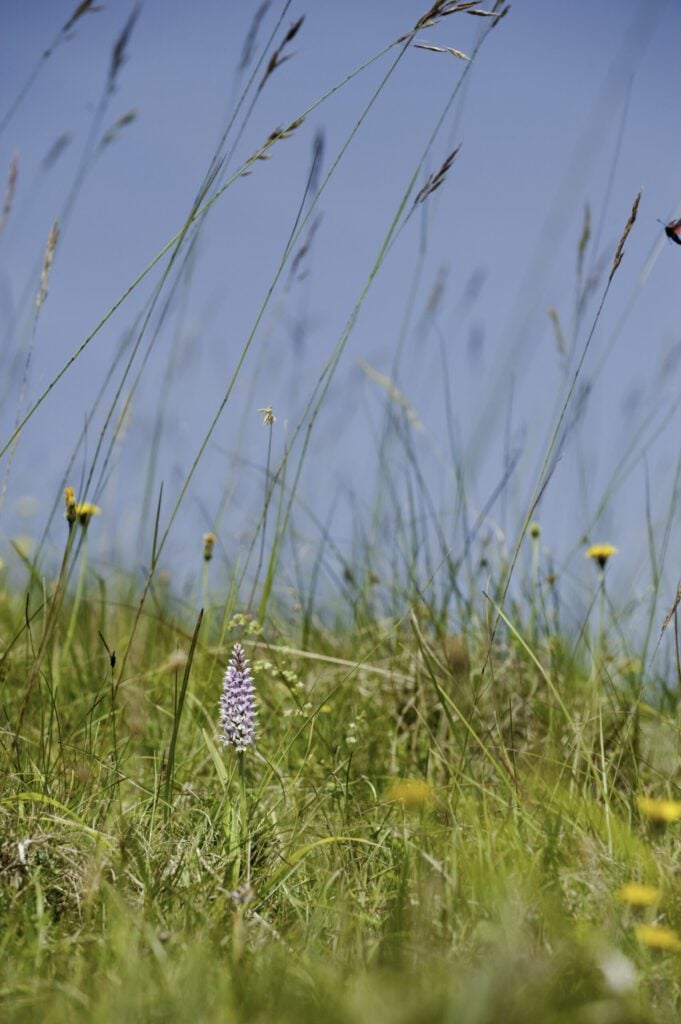 Common Spotted Orchid on Ditchling Beacon © Nigel Symington
The story of the reserve
Ditchling Beacon is a registered Common, owned by the original commoners, the Ditchling Beacon and Commons charitable trust, who acquired all the Ditchling Parish commons in the 1950s to safeguard their future.
Over the past 70 years, the nature reserve has lost up to 60% of its chalk grassland to trees and scrub. Sussex Wildlife Trust took on the management of the nature reserve in 1976 and has spent the past 50 years reclaiming this challenging, north-facing steep scarp slope. Many volunteer hours have been spent clearing the trees and scrub, and traditional grazing methods have been introduced to manage the flower-rich grassland.
The Trust manages this nature reserve on behalf of Ditchling Common and Tenantry Down Ltd, who are made up of the registered Commoners.
Did you know?
Meet the ancestors
There are a lot of earthworks associated with the site. It has an iron age hillfort with related ancient trackways running downs its scarp slope. These hillforts connect with those on other local sites too.
The 100-mile trail
It’s our only site on the South Downs Way.
Predator deterrent
Look out in long grasses for the Lesser Bloody-nosed Beetle, named because, if startled, a foul-tasting red liquid flows from its mouth to deter predators!
Did you know?
It’s known as Tenantry Down to people living locally.
Chalk carpet
In areas with exposed chalk, you might spot the Chalk Carpet moth.