Take action
Become a member
Memberships builds our community and gives us a predictable income, which lets us plan and sustain longer projects that can have a greater impact. The more members we have, the more we can do to protect the Sussex countryside and coast.
Make a donation
Membership builds our community and gives us a predictable income, which lets us plan and sustain longer projects that can have a greater impact. The more members we have, the more we can do to protect the Sussex countryside and coast.
Overview
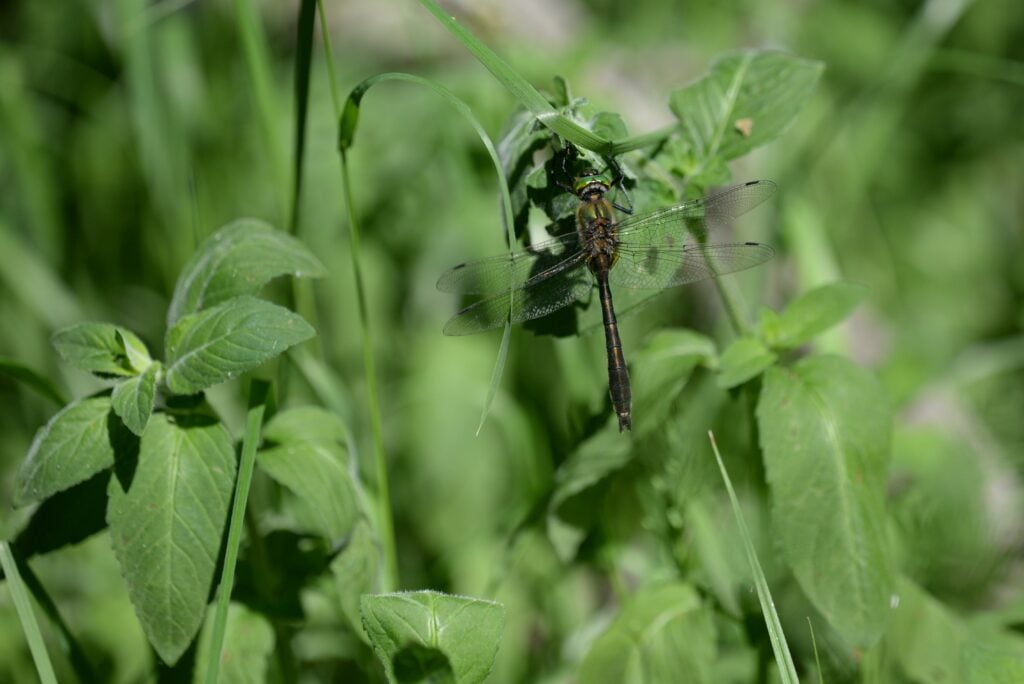
Downy Emeralds are usually encountered around ponds and lakes close to woodland, with some overhanging trees. Their peak flight season is between May and July, and they will take to the wing in cooler, windier conditions more than many other dragonflies. Males patrol the edges of their chosen waterbody, flying fast and low as they search for females. They rarely settle on perches, but often hover for a short while.
Key Facts
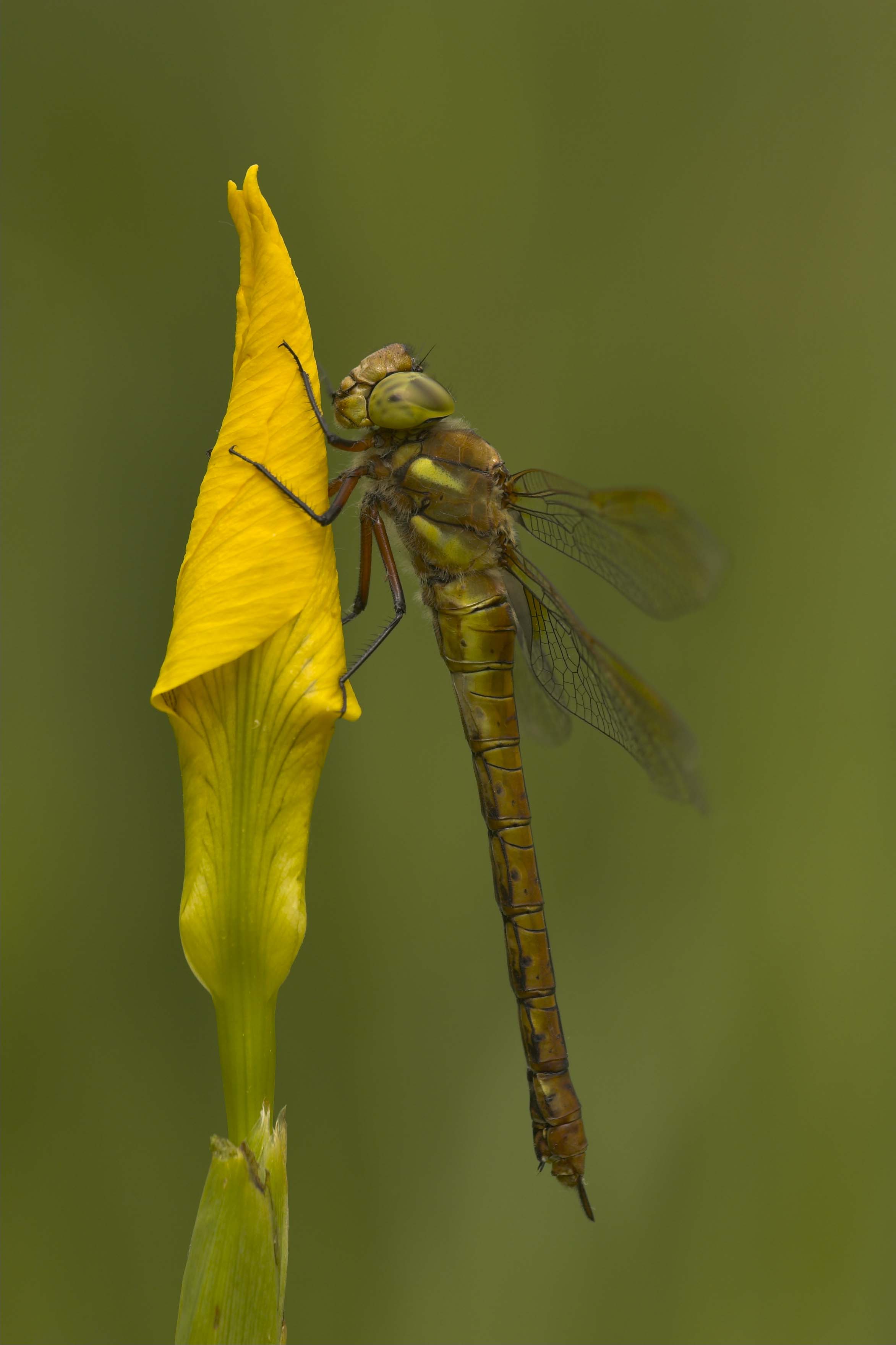
- A medium-sized, metallic greenish-bronze dragonfly with bright, apple-green eyes. The thorax (the body section behind the head) is covered in dense orange hairs. Males have a thin waist bulging into a club-shaped abdomen, whilst females have a more uniformly chunky abdomen. The two other emerald species look very similar, but aren’t as hairy as the Downy Emerald and have more yellow on their face.
- After first emerging as dragonflies, they fly up into the treetops to mature.
- They are highly territorial and will regularly clash with other dragonflies that come too close, attacking different species as well as other Downy Emeralds. After patrolling for a while, they dart off into the trees to feed, returning to the water later on to patrol again.
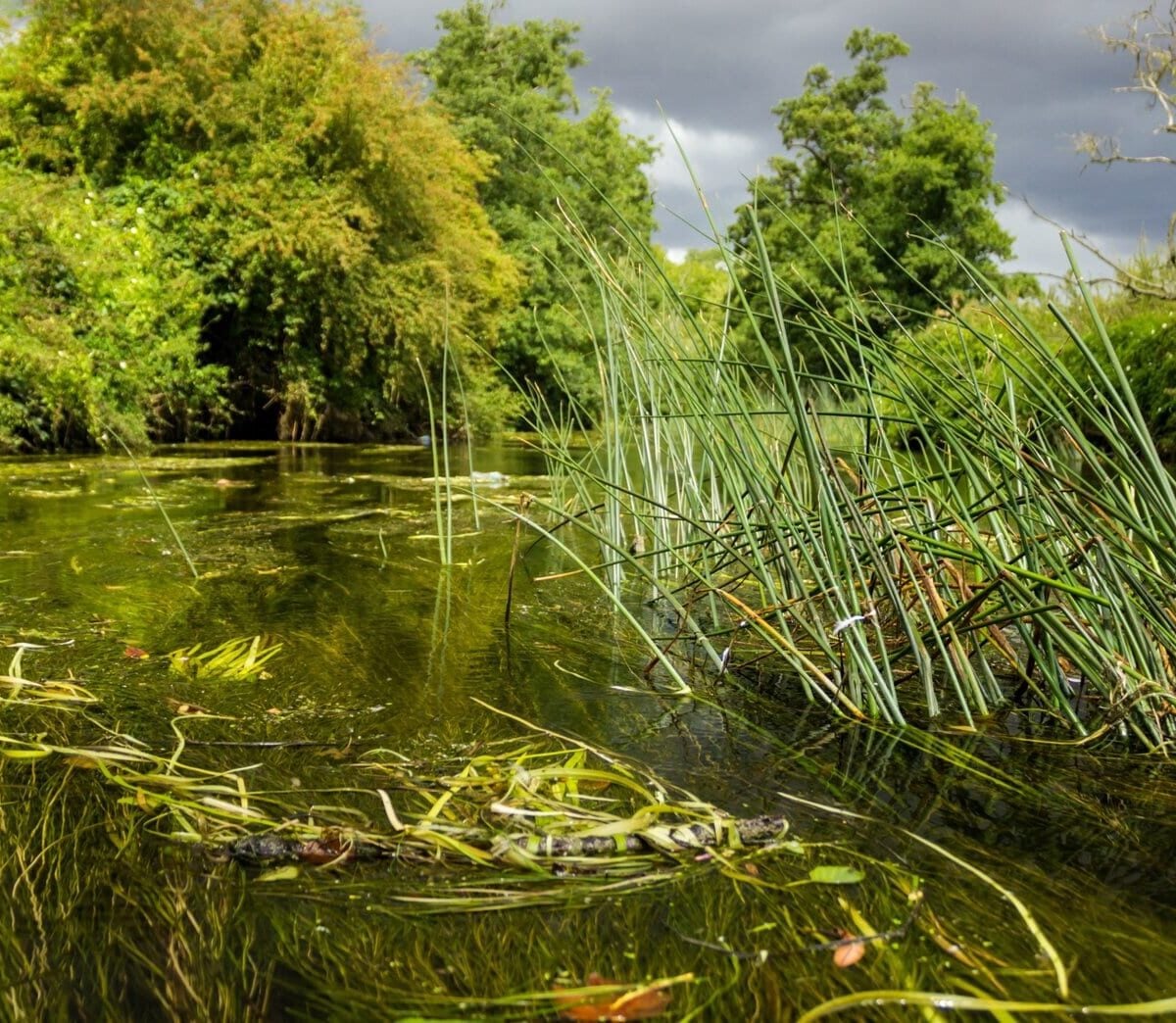
- After mating, females lay their eggs in areas of shallow water with a few submerged plants. They hover above the surface, dipping the end of their body into the water to wash off eggs. Once they’ve hatched, the spider-like larvae live amongst the fallen leaves at the bottom of the pond. They’re ferocious hunters that prey on other aquatic creatures like midge larvae, doing most of their hunting at night. It can take two or three years for them to develop and be ready to emerge as dragonflies.
- Length: 4.8cm
Status
Scarce and local
Seasonality
April to August (mainly May to July)