account arrow-down-select arrow-down arrow-left arrow-right arrow-small bluesky book calendar close email eventbriteexternalfacebook instagram linkedin locationphone pinterest plus quote search tiktok time twitter video-icon

Norfolk Hawker

(Anaciaeschna isoceles)

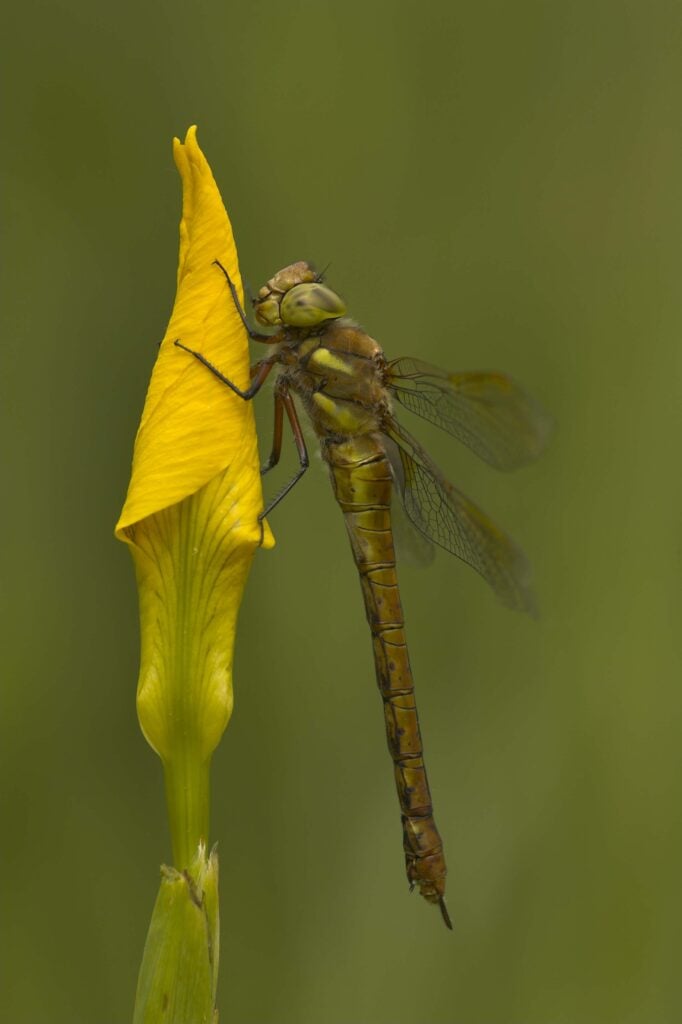
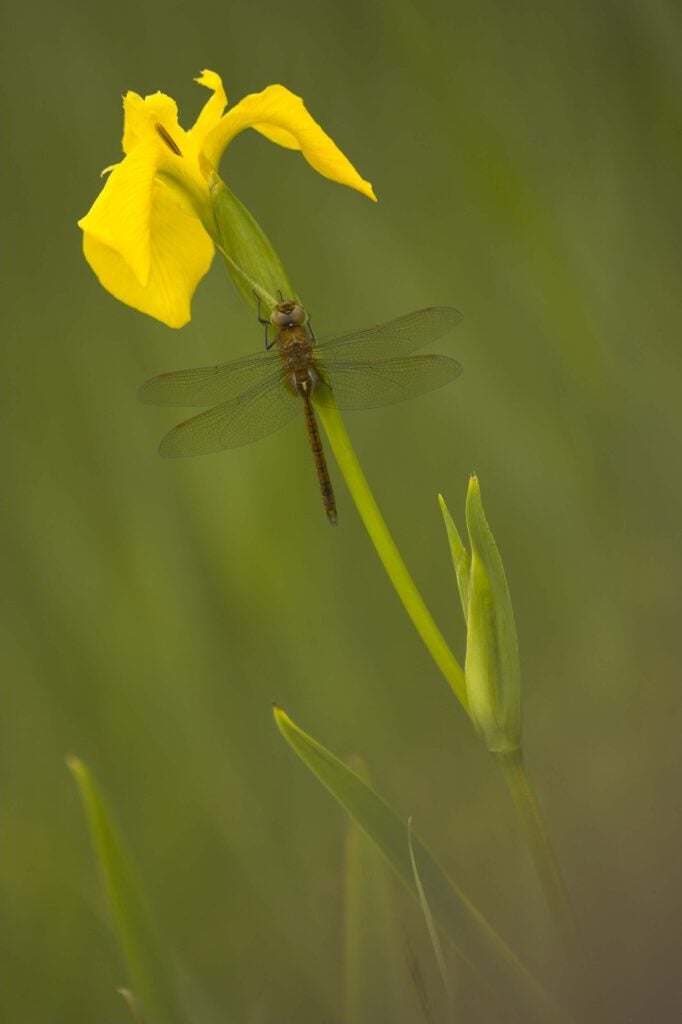
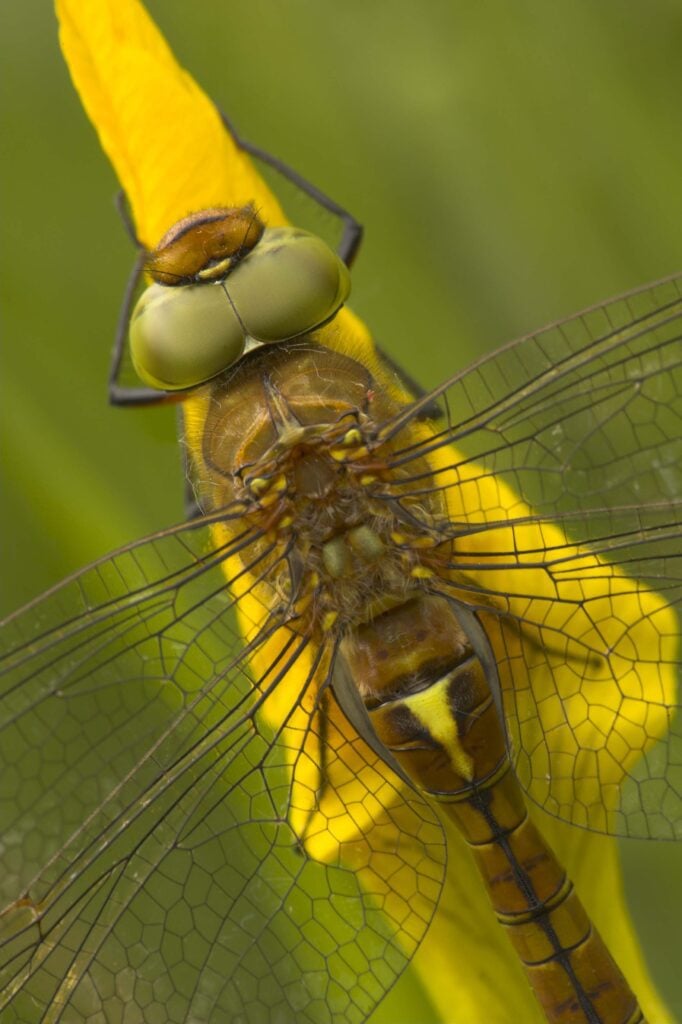
The rare Norfolk Hawker is a pale brown dragonfly, with a distinctive yellow triangle on its body. Until recently, it was only found in Norfolk and Suffolk, although its range has started to expand and it is rapidly colonising Sussex.

©Danny Green/2020VISION
Norfolk Hawker
©Danny Green/2020VISION
Norfolk Hawker
©Danny Green/2020VISION
Norfolk Hawker

Take action

Become a member

Memberships builds our community and gives us a predictable income, which lets us plan and sustain longer projects that can have a greater impact. The more members we have, the more we can do to protect the Sussex countryside and coast.

Make a donation

Membership builds our community and gives us a predictable income, which lets us plan and sustain longer projects that can have a greater impact. The more members we have, the more we can do to protect the Sussex countryside and coast.

Overview

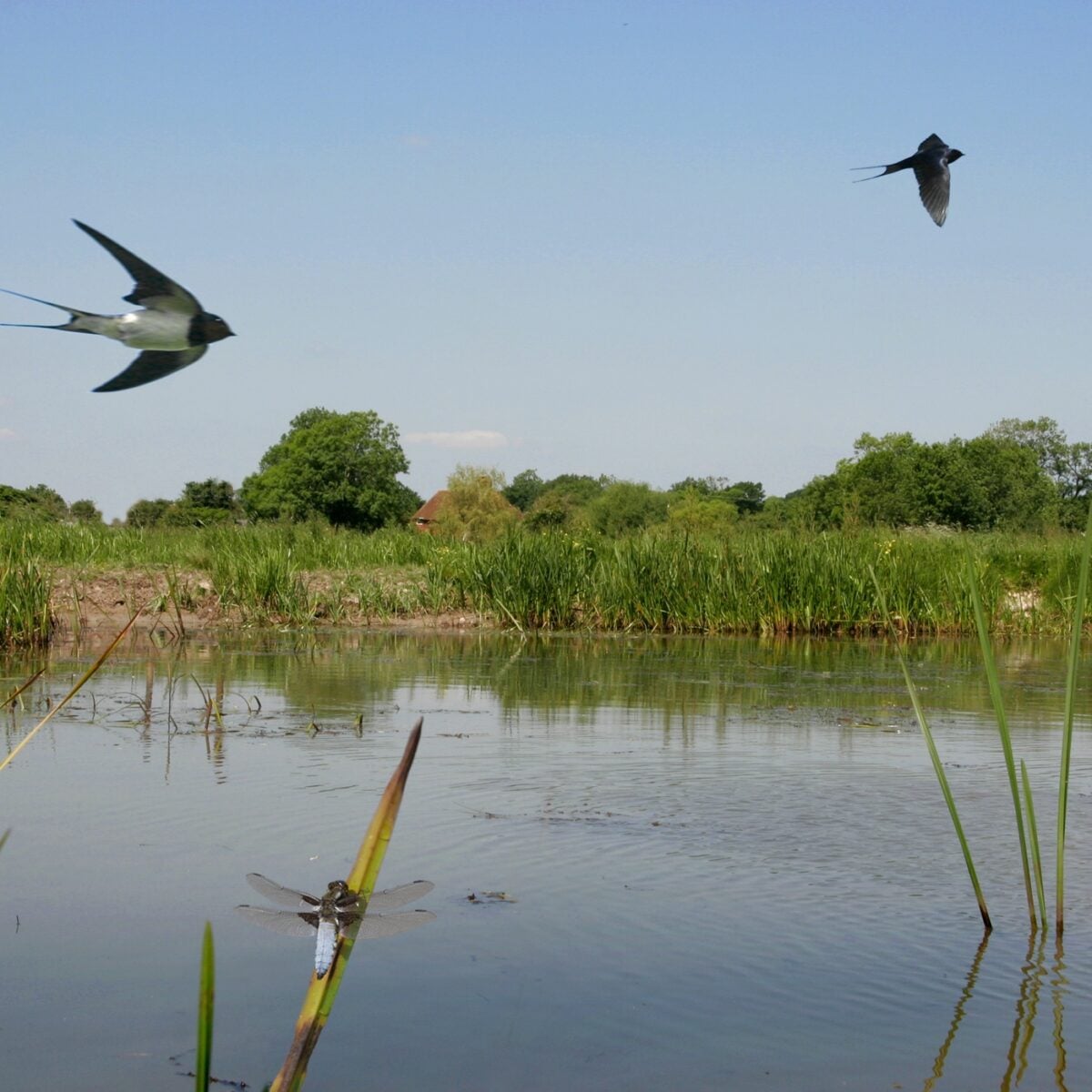
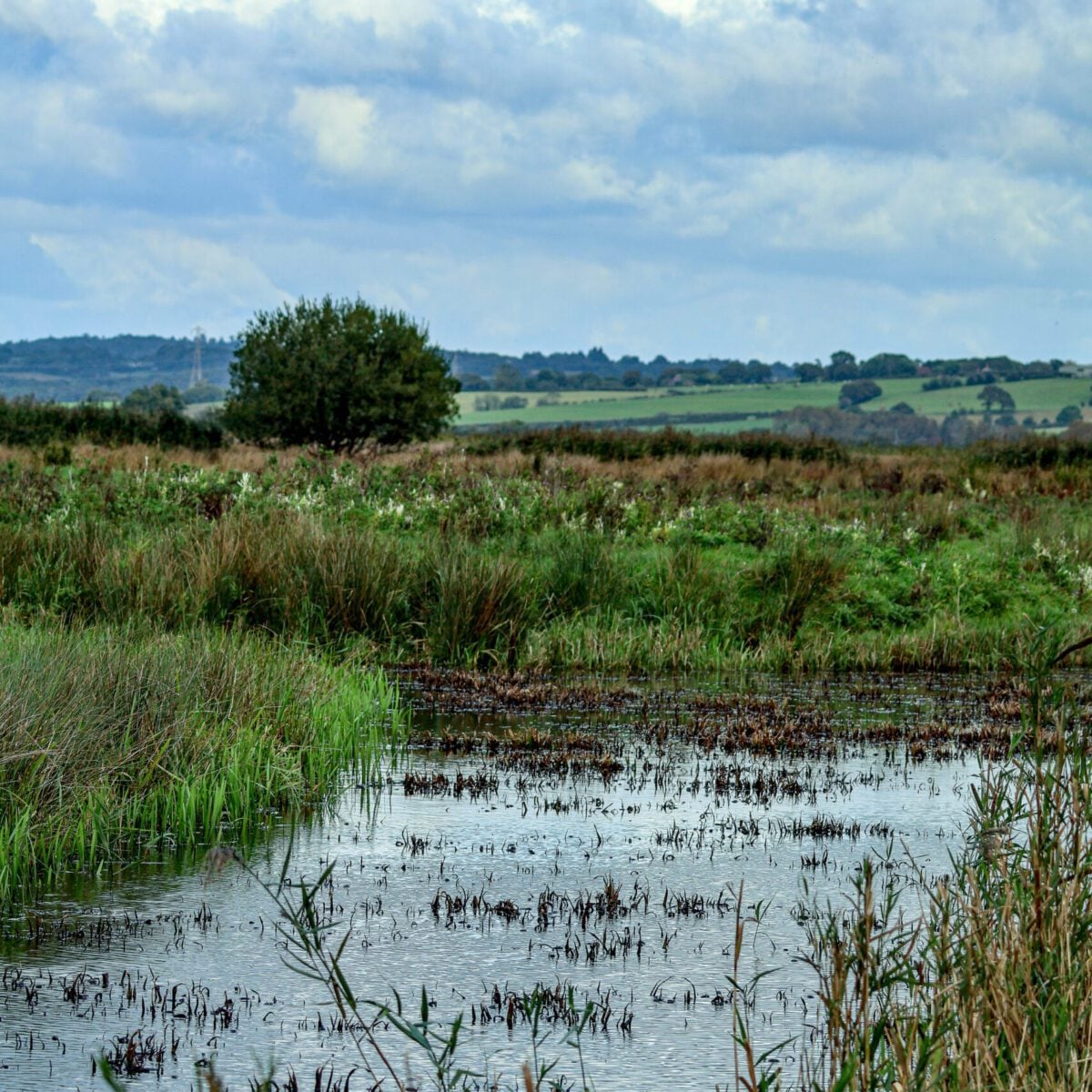
Norfolk Hawkers need unspoilt grazing marsh with non-saline water to survive. Having spent up to two years in the water, mature dragonfly larvae climb on to emerging vegetation at night and moult into adult dragonflies, leaving behind a cast known as an ‘exuviae’. They take another two to three weeks to reach maturity.

Key Facts

  • The Norfolk Hawker is entirely pale brown apart from a yellow triangle at the base of the body. It is similar to the larger Brown Hawker, but paler in colour, with green eyes and clear wings.
  • Dragonflies are able to fly at speeds of up to 36km per hour, move their wings approximately 30 times a second, and fly forwards, sideways and backwards.
  • Length: 6.7cm

Status

Protected in the UK under the Wildlife and Countryside Act, 1981. Priority Species under the UK Post-2010 Biodiversity Framework.
Seasonality

June to July
Discover species that call Sussex home

More than 10,000 species of plants, animals, birds, insects and invertebrates call our nature reserves home. From bats to beetles, orchids to oaks, and butterflies to birds of prey, there’s an impressive diversity of life to discover and experience across the habitats of Sussex.

Join the Sussex Wildlife Trust community

Become a member today to protect nature for tomorrow

As a member, you get access to free guided nature walks, magazines about local wildlife, discounts on courses and events, and a guide to our reserves.

Not quite ready to join but want to help?

Donate to help create a wilder future for nature in Sussex

Choose to give money to a specific cause, or to our work to manage local reserves, defend nature, and create wonderfully wild spaces on land and beneath the waves.