Take action
Become a member
Memberships build our community and give us a predictable income, which lets us plan and sustain longer projects that can have a greater impact. The more members we have, the more we can do to protect the Sussex countryside and coast.
Make a donation
Nature in Sussex is struggling right now. Every pound counts when it comes to the critical work needed to help nature recover. No matter how big or small, your donation will help us make a difference together.
Overview
The 14-spot Ladybird is a medium-sized ladybird found in a wide variety of habitats, particularly grassland, woodland edges, towns and gardens. Both adults and larvae feed on aphids, making them a friend in the garden.
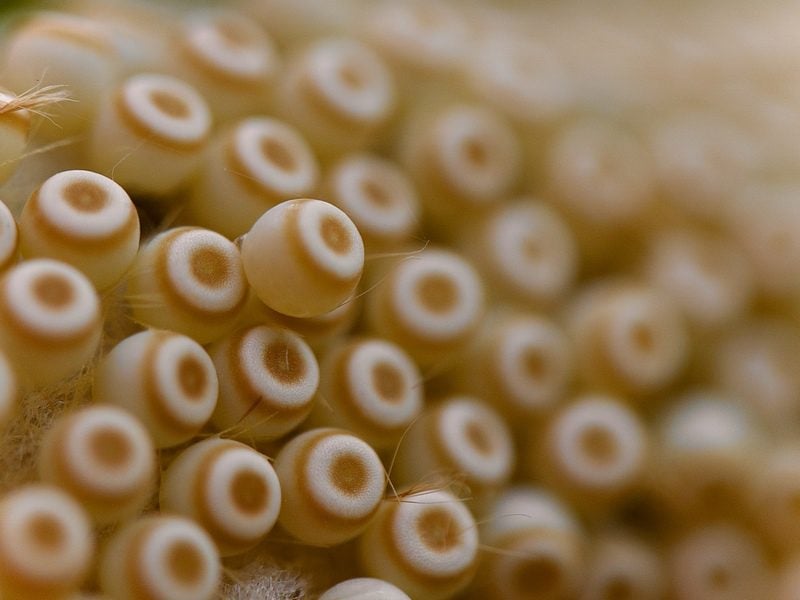
The 14-spot Ladybird has a long hibernation period, emerging as late as May to breed. The lifecycle of a ladybird consists of four phases: the egg; the larval stage, during which the larva undergoes a series of moults; the pupa, in which the larva develops into an adult; and the adult phase, during which the female lays eggs in batches of up to 40.
Key Facts
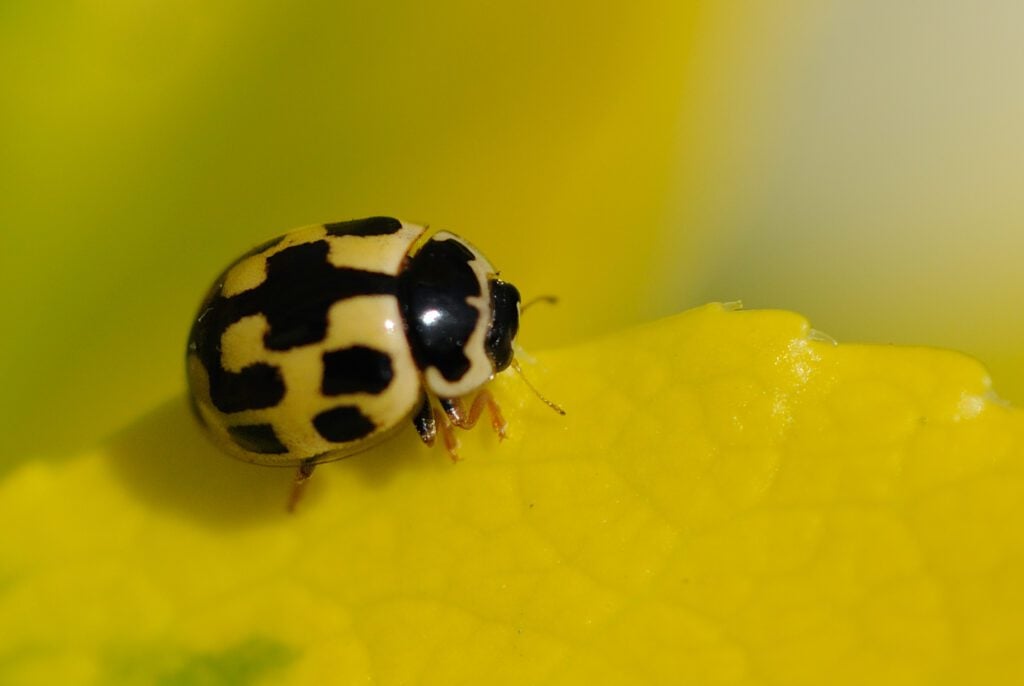
- The 14-spot Ladybird is bright yellow with up to 14 rectangular black spots on the wing cases; these spots are variable in shape and may become fused to create a chequered pattern. It can be distinguished from the smaller, but similar, 22-spot Ladybird by its more rectangular, merging spots.
- The 14-spot Ladybird is one of just three yellow ladybirds that inhabit the UK. Its bright colouration is a warning to predators that it is distasteful, although some birds may still have a go at eating it.
- Length: 4-5mm
Status
Common.

Seasonality
May to August