account arrow-down-select arrow-down arrow-left arrow-right arrow-small bluesky book calendar close email eventbriteexternalfacebook instagram linkedin locationphone pinterest plus quote search tiktok time twitter video-icon

Sussex Seasearch

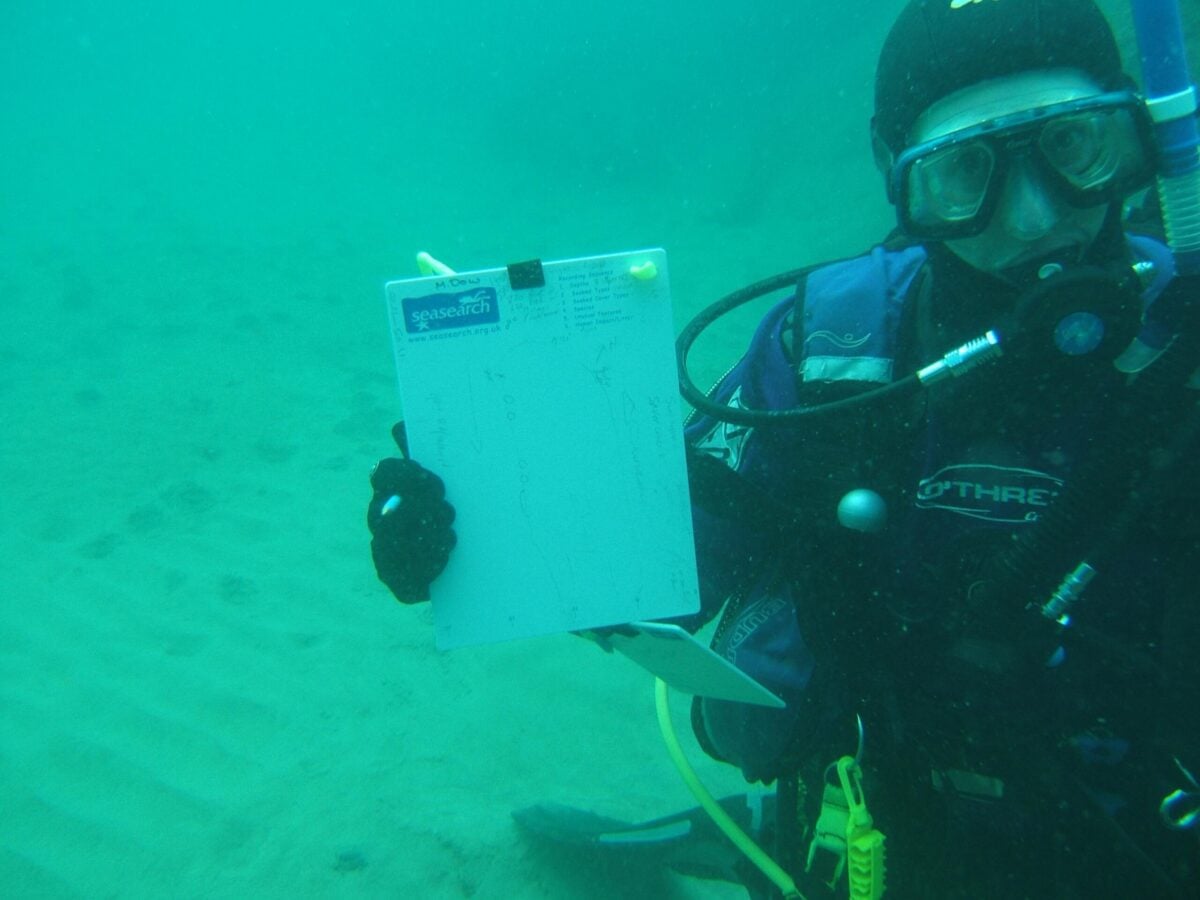
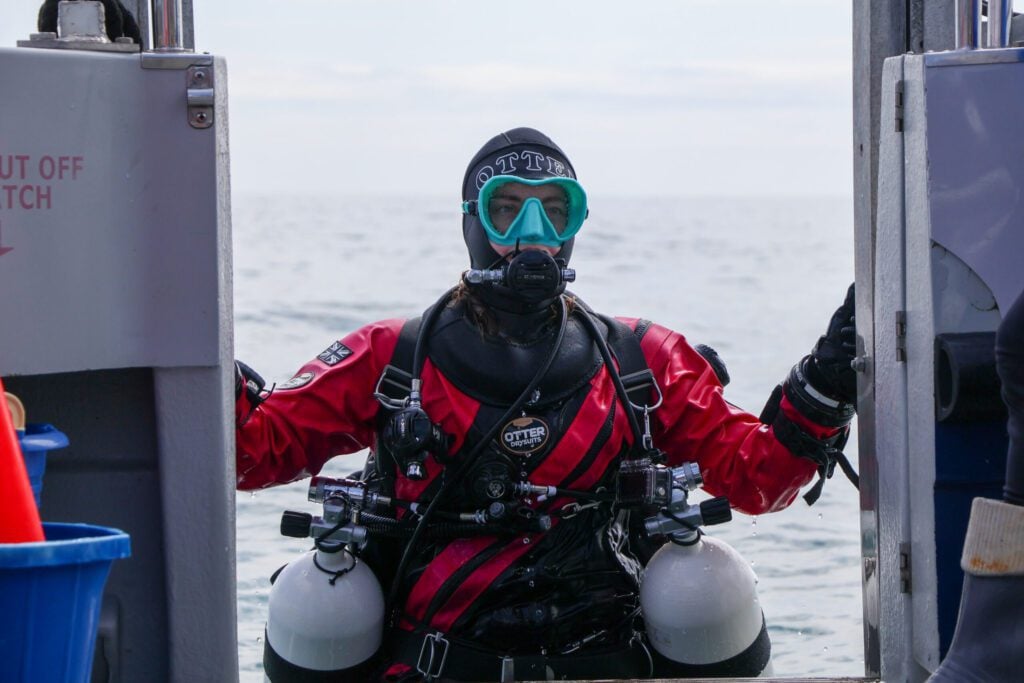
Seasearch is a project for volunteer divers and snorkelers who have an interest in underwater life, want to learn more, and want to help protect the marine environment around the coasts of the UK.

© Kai Hilton
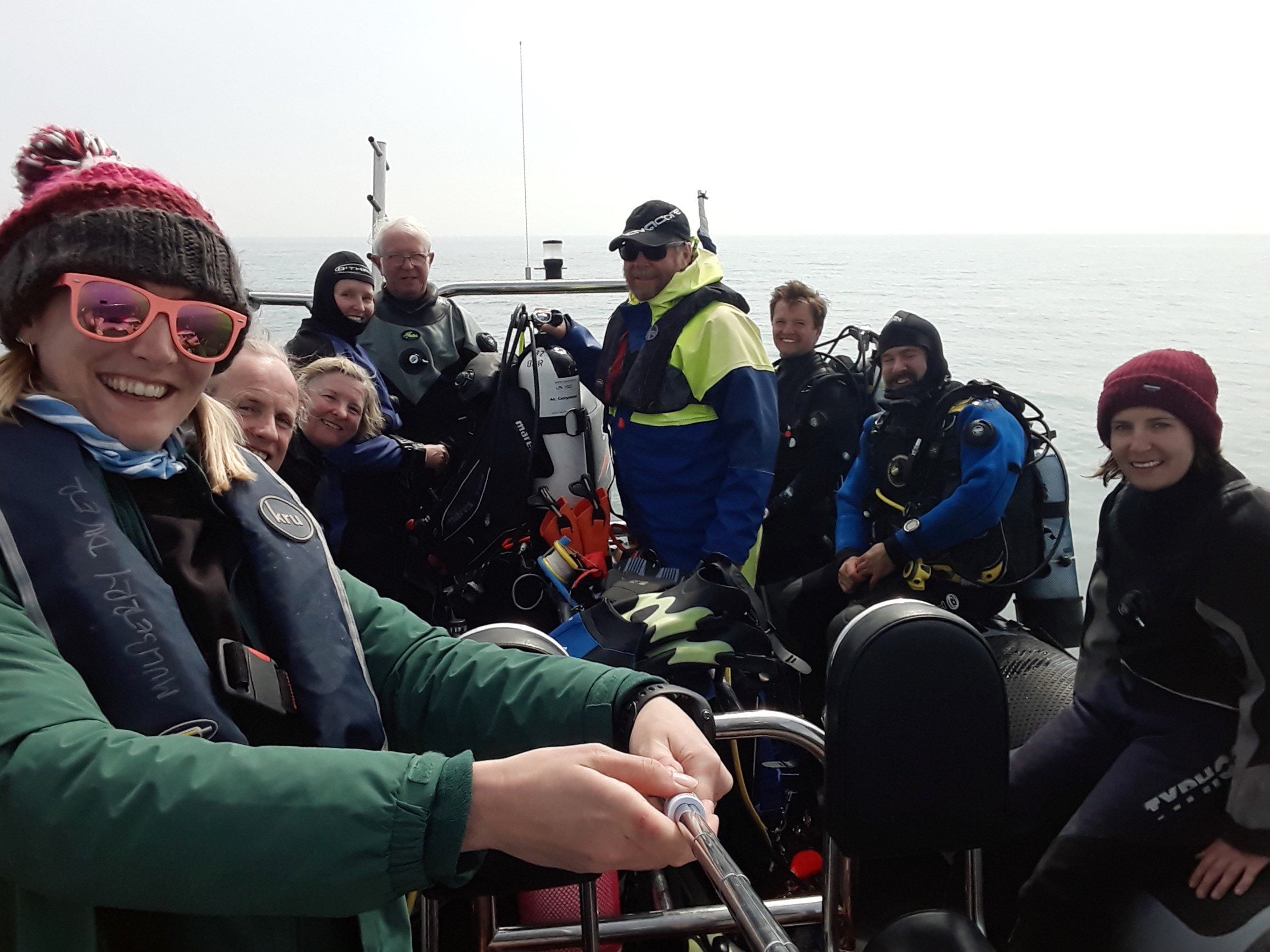
Sussex Seasearch Divers Selsey© Sarah Ward

What does Seasearch do?

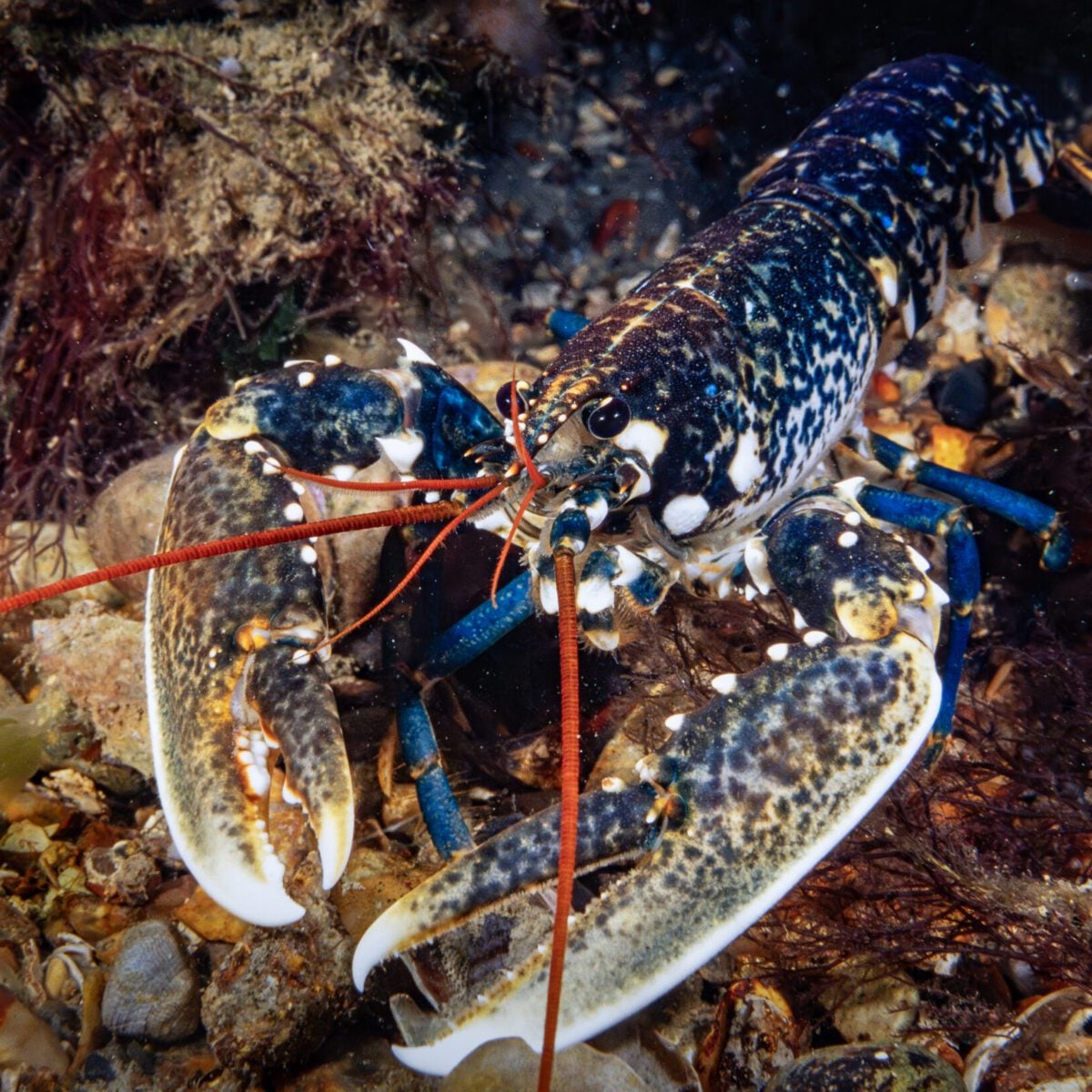
The broad aim of Seasearch is to map the sea bed found in the near-shore zone around the whole of the Britain and Ireland. Additionally, the species encountered on the dives are also recorded, building up a database of where marine life is found. 

Sussex Wildlife Trust coordinates Seasearch in Sussex. We aim to find out more about the marine wildlife of Sussex as well as to learn more about seabed types and identify important sites. Many of our dives are focused on Marine Protected Areas in Sussex.

Why does Seasearch matter?

The information collected by Seasearch divers helps those responsible for marine activities and marine nature conservation to develop strategies which protect our marine wildlife. It has been crucial in the fight for Marine Conservation Zones, and will continue to be so!

Seasearch records are entered into the Marine Recorder database which is sent through to JNCC annually.

Seasearch is a partnership between Seasearch CIC, Seasearch Scot, The Wildlife Trusts, statutory nature conservation bodies and others, and delivered locally in England by Wildlife Trusts and independent local co-ordinators.

Seasearch is collecting vital baseline data to support the regeneration of Sussex kelp forests through our Sussex Kelp Recovery Project.

Cheeky Tompot on the Far Mulberry Kirsty Harris© Kirsty Harris

Seasearch in numbers

In 2025…

22

sites surveyed

25

volunteers

307 hours

of formal volunteering (many more through informal Seasearch activities)

Want to get involved?

To get involved with Seasearch you will need:

We’re always keen to welcome new volunteers.

  • to be a scuba diver, snorkeler or free-diver
  • an interest in marine wildlife.
To join Sussex Wildlife Trust coordinated dives you will need:

  • all your own SCUBA equipment, including tanks and weights and appropriate exposure suit (or arrange hire)
  • a SCUBA diving qualification (minimum PADI Rescue Diver, BSAC Sports Diver or equivalent)
  • to have done at least 20 dives (10 of which should be in UK waters)
  • to be at least 18 years old
  • to be registered as a volunteer with Sussex Wildlife Trust
  • to be medically fit to dive and hold third-party diving insurance
Any dive can be a Seasearch dive

As the coordinator of Seasearch in Sussex, Sussex Wildlife Trust will organise a number of dives throughout the year for Seasearchers to join. However Seasearchers can survey on any dive they do; the Sussex Seasearch area covers anywhere east of Thorney Island in Chichester Harbour or west of Dungeness.

Seasearch forms can be downloaded from the Seasearch website. Please send your completed forms to the team at livingseas@sussexwt.org.uk.

Get in touch

Contact the team – livingseas@sussexwt.org.uk

Subscribe to our mailing list

Subscribe to our mailing list

* indicates required

Please select

Undulate Ray portrait Paul Parsons© Paul Parsons.

Get more from your dives

Learn about our marine wildlife and how to record it.

No prior specialist knowledge is required as training is provided.

There are three levels of Seasearch training available:

  • Seasearch Observer – one-day introductory course that everyone needs to take before coming out on a Seasearch dive
  • Seasearch Surveyor – two-day more advanced course that includes a dive
  • Special Interest courses – a range of more detailed identification courses (previous courses have include mollusc identification, seaweed identification, and underwater photography)

Each year we will run at least one Seasearch Observer course and generally a specialist course as well. Surveyor courses are run every few years, depending on interest.

You can find more information about training courses on the Seasearch Website.
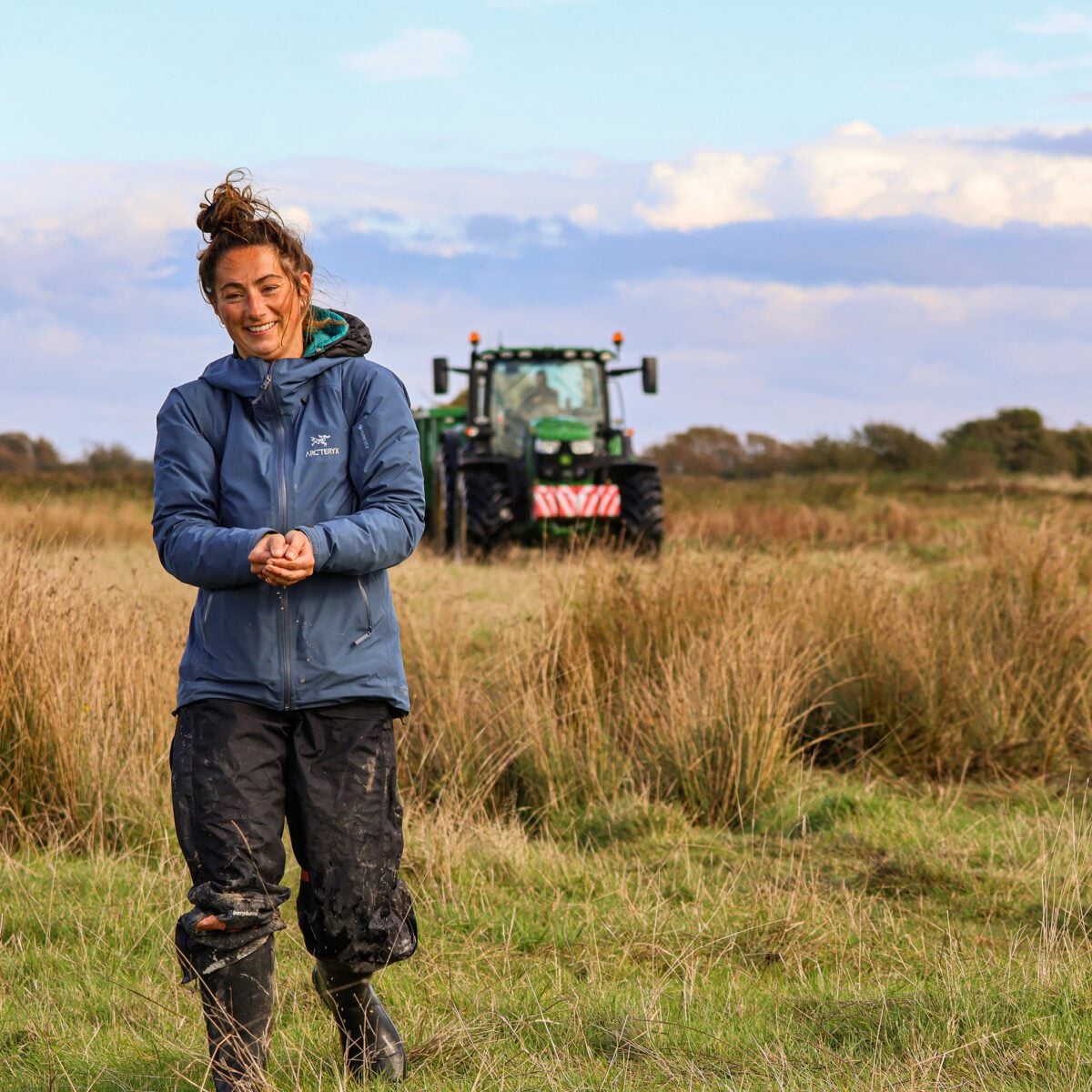
Here’s what our volunteers have to say…

Latest

Related news & resources

Join the Sussex Wildlife Trust community

Become a member today to protect nature for tomorrow

As a member, you get access to free guided nature walks, magazines about local wildlife, discounts on courses and events, and a guide to our reserves.

Not quite ready to join but want to help?

Donate to help create a wilder future for nature in Sussex

Choose to give money to a specific cause, or to our work to manage local reserves, defend nature, and create wonderfully wild spaces on land and beneath the waves.