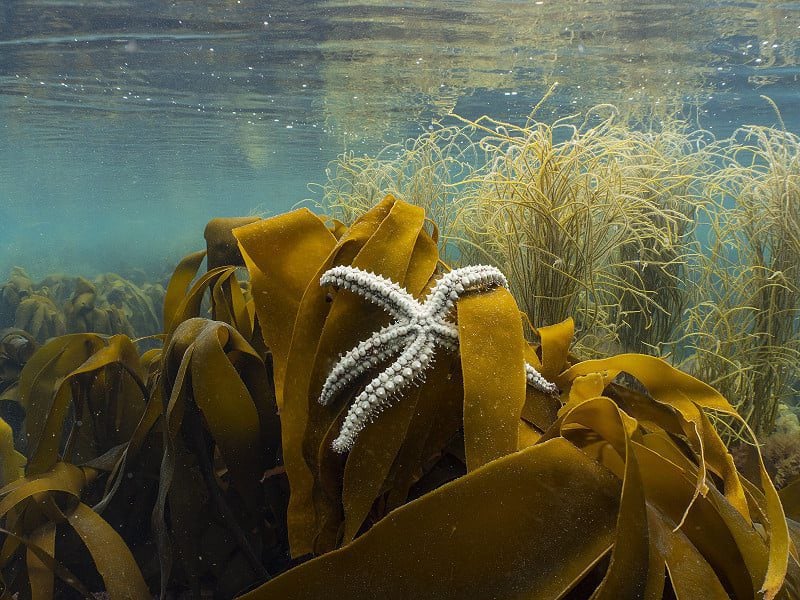
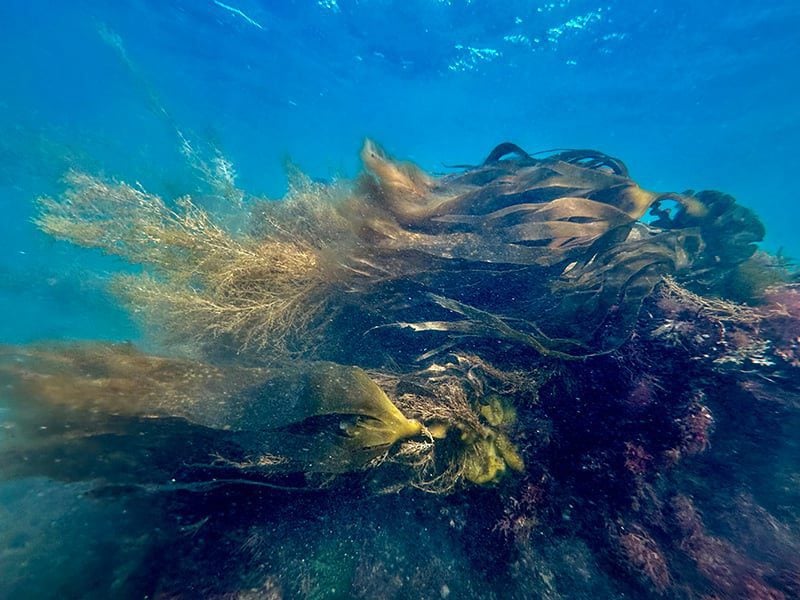
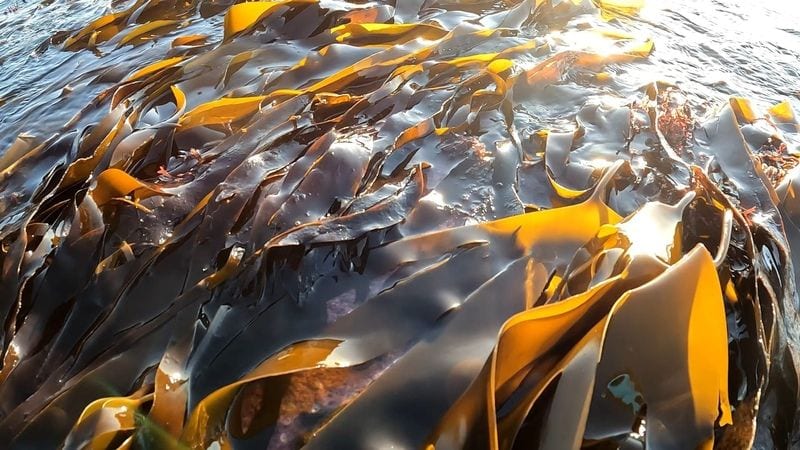
 Kelp at Bognor © Paul Boniface
A lost forest
Vast beds of kelp once stretched along the Sussex coastline from Selsey to Shoreham-by-Sea.
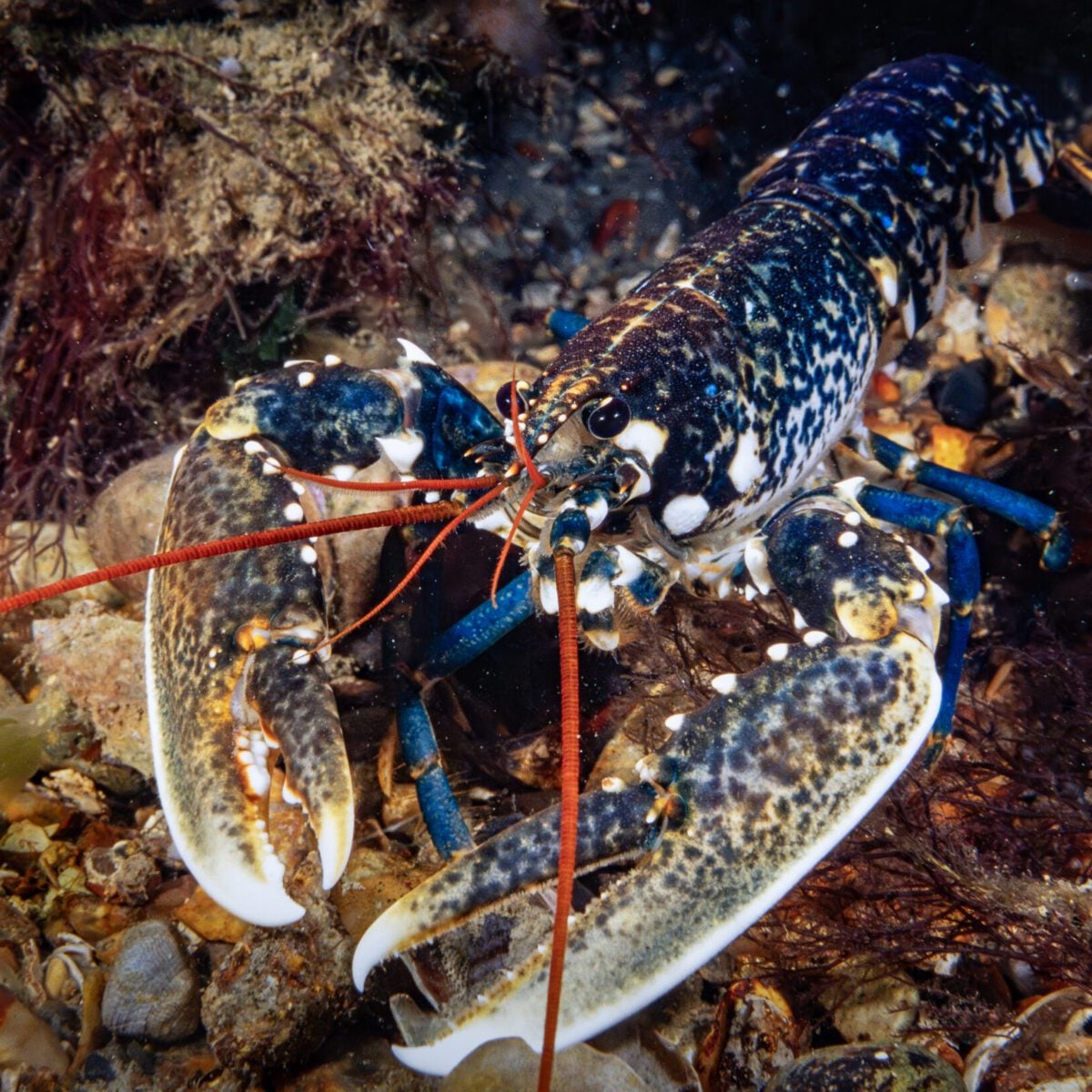
These marine habitats were teeming with life, including commercial species such as Sea Bass, Black Sea Bream, European Lobster and Common Cuttlefish.
But by the end of the century, 96% of the kelp had disappeared – along with the marine life it supported – due to a number of stressors, including destructive fishing practices.
In 2021, bottom-trawling was banned from over 300km2 of Sussex seabed, in an effort to allow life to recover below the waves, and the Sussex Kelp Recovery Project was born.
Video
Why does kelp matter?
Kelp beds are one of the most diverse habitats on earth. They support a vast number and variety of marine animals, from molluscs and crabs to fish and mammals. A single kelp can support up to 80,000 living organisms.
Kelp beds also help to protect our coast. They can absorb up to 70% of the waves’ energy, protecting beaches, cliffs and the rocky shores from the full impact of stormy seas.
But it’s not only kelp that matters. The natural recovery of our seabed may see other habitats recover, such as mussel beds and chalk reefs. These ‘biogenic’ reefs – or ‘ecosystem engineers’ – also provide shelter and habitat for a vast diversity of marine wildlife, creating a mosaic of essential fish habitats along our coastline.
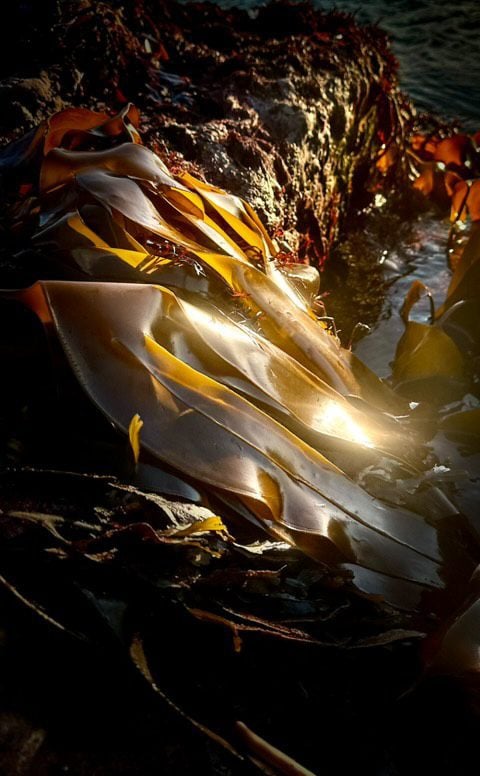 Sussex kelp © Paul Boniface / Sussex Underwater
Project timeline
1950s
Sussex coast is thick with rich, wild kelp forests stretching up to 4km out to sea.
1990s
Kelp beds decline rapidly, due to multiple stressors, including destructive fishing practices, eg bottom-trawling.
2018
Sussex Inshore Fisheries and Conservation Authority conducts research into safeguarding fish habitats and calls to restrict trawling close to shore.
2019
Just 4% of the original kelp forests remain compared to the 1980s.
2019
The Sussex Nearshore Trawling Byelaw 2019 is drafted and a campaign is initiated to ban fishing vessels from trawling along the seabed close to shore.
2019
Big Wave productions makes short film, Help Our Kelp with Sir David Attenborough calling for a ban on bottom-trawling close to the Sussex coast.
2021
The 2019 Byelaw becomes law: fishing with towed gear is prohibited in 300km2 off the Sussex coast.
2021
The Sussex Kelp Recovery Project partnership is formed with Sussex Wildlife Trust as one of the key partners to follow and champion the natural recovery – ‘rewilding’ – of the seabed.
2026
Five years on from the bottom-trawling ban, mussel beds are growing and local fish stocks are increasing.
Support for the Sussex Kelp Recovery Project
It seems that the local coastal communities of Sussex have taken their ghost forest to heart, and they want it resurrected.
The natural recovery of our seabed, and the associated benefits for marine life and communities, will take time. Rewilding is a long journey – it doesn’t happen overnight, but it is one where we hope to see the large-scale, natural recovery of a robust and resilient marine ecosystem.
Help the recovery of Sussex kelp
Kelp forests are vitally important habitats. Your support makes our work possible. Can you provide a donation to help the Sussex kelp recover?
All donations will be used to promote the exciting kelp recovery and its progress. Sussex Wildlife Trust, the recipient of these funds on behalf of the Sussex Kelp Recovery Project (SKRP), will direct these funds to delivering the aims and ambitions of the SKRP.




Get involved!
Kelp recovery relies on an enthusiastic community of volunteers and supporters.
Local people and coastal communities are at the heart of this project. They are involved in championing the underwater world, raising funds and awareness for the project, and collecting the critical data we need.
If you spend time on the shore, in the waves or under the ocean, get involved.
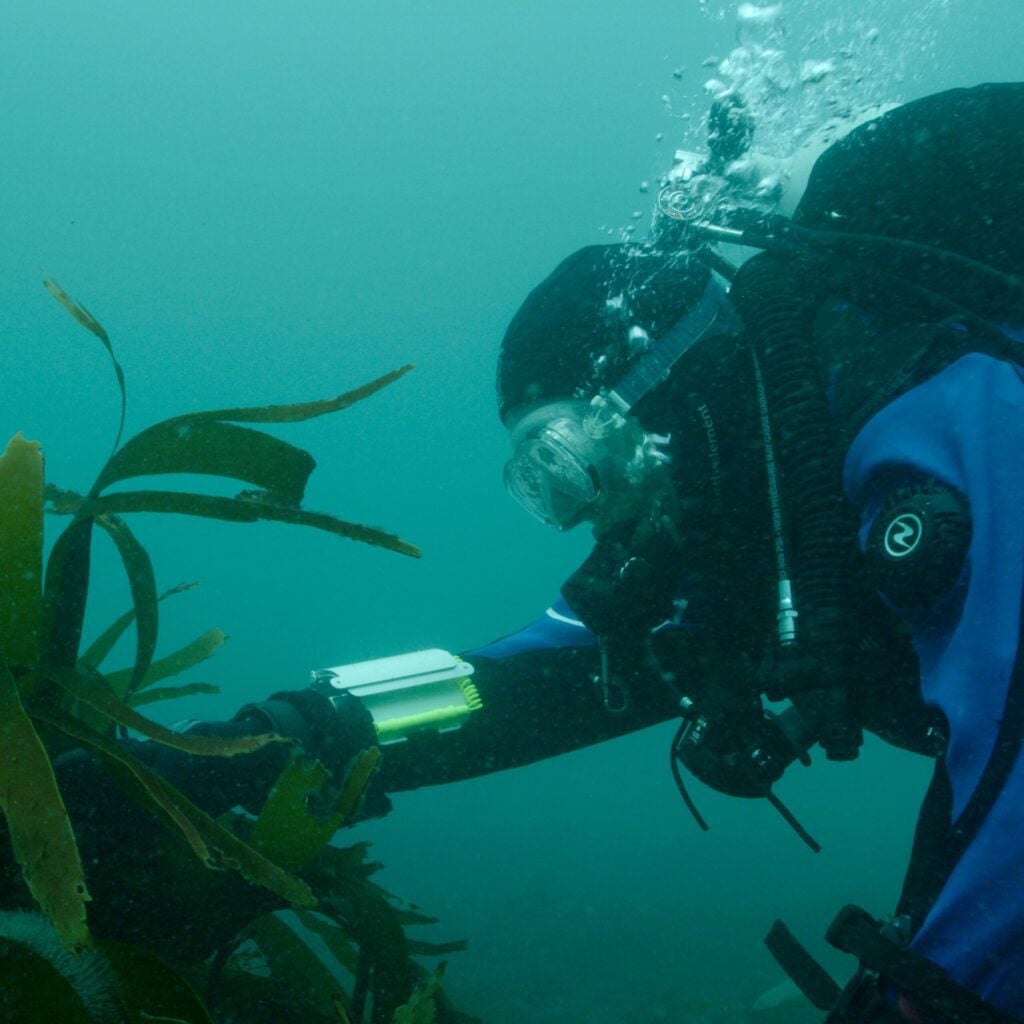 A SKRP scientist examines existing kelp in Sussex
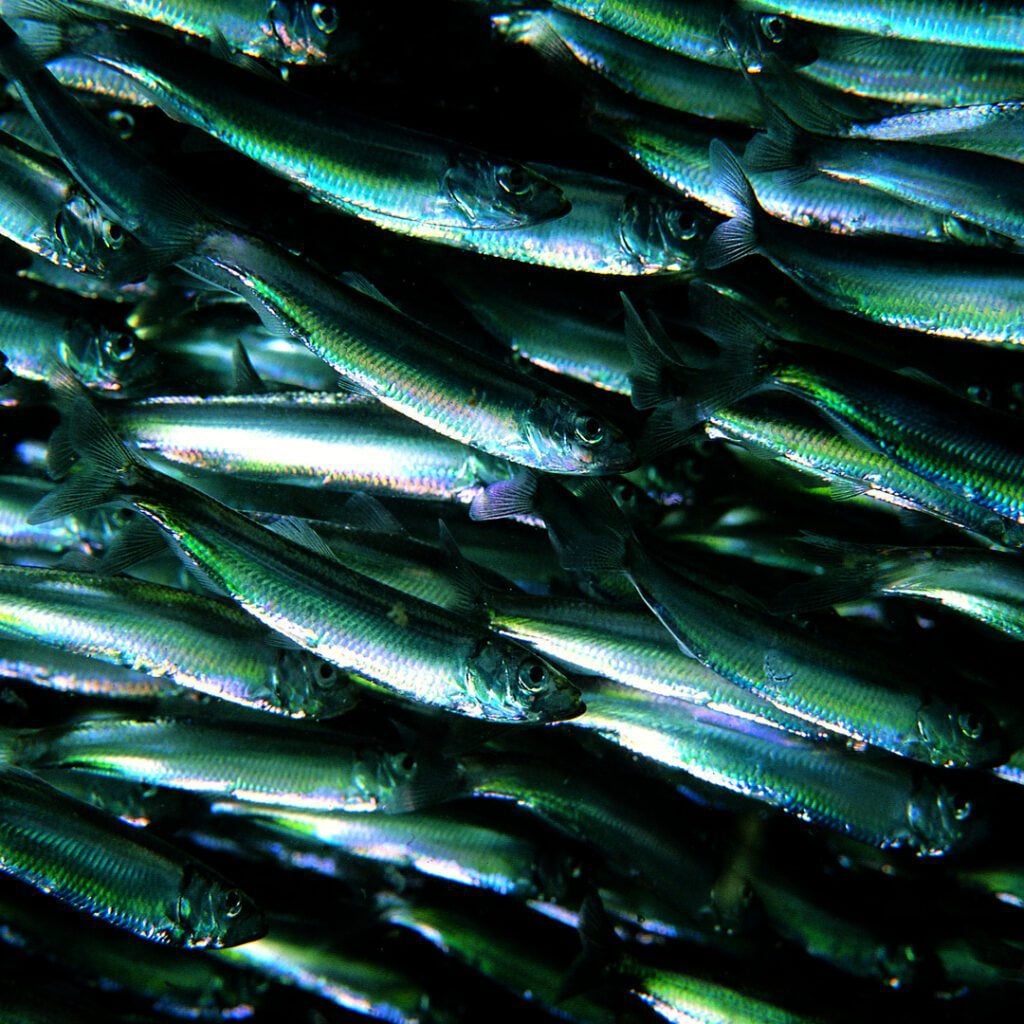 Sprat shoal © Paul Naylor
Follow the Sussex Kelp Recovery Project on social media
For underwater footage, ocean recovery news and project updates