Take action
Become a member
Memberships build our community and give us a predictable income, which lets us plan and sustain longer projects that can have a greater impact. The more members we have, the more we can do to protect the Sussex countryside and coast.
Make a donation
Membership builds our community and gives us a predictable income, which lets us plan and sustain longer projects that can have a greater impact. The more members we have, the more we can do to protect the Sussex countryside and coast.
Overview
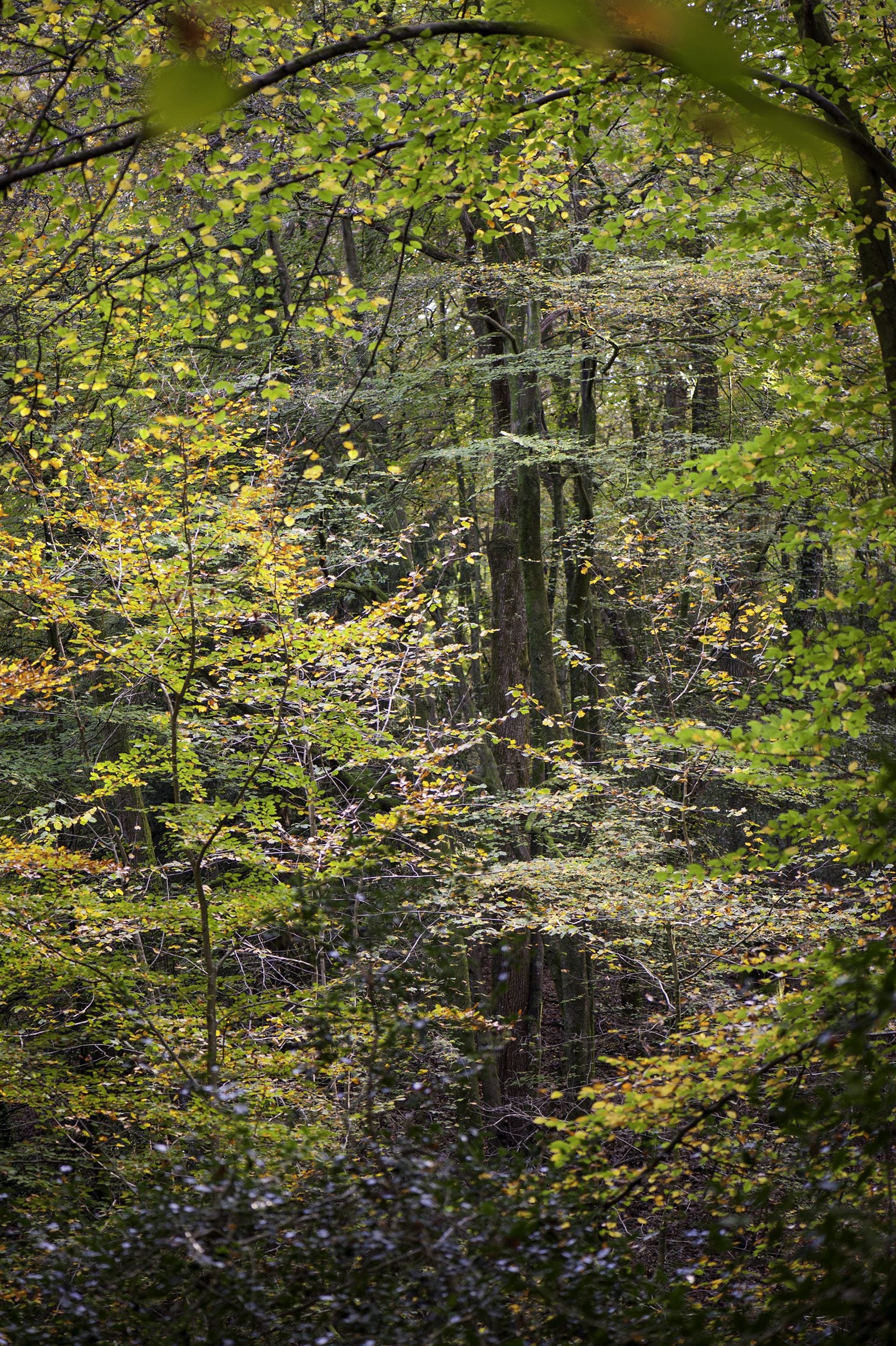
Stag Beetles prefer Oak woodlands, but can be found in gardens, hedgerows and parks. The larvae depend on old trees and rotting wood to live in and feed on, and can take up to six years to develop before they pupate and turn into adults.
Key Facts
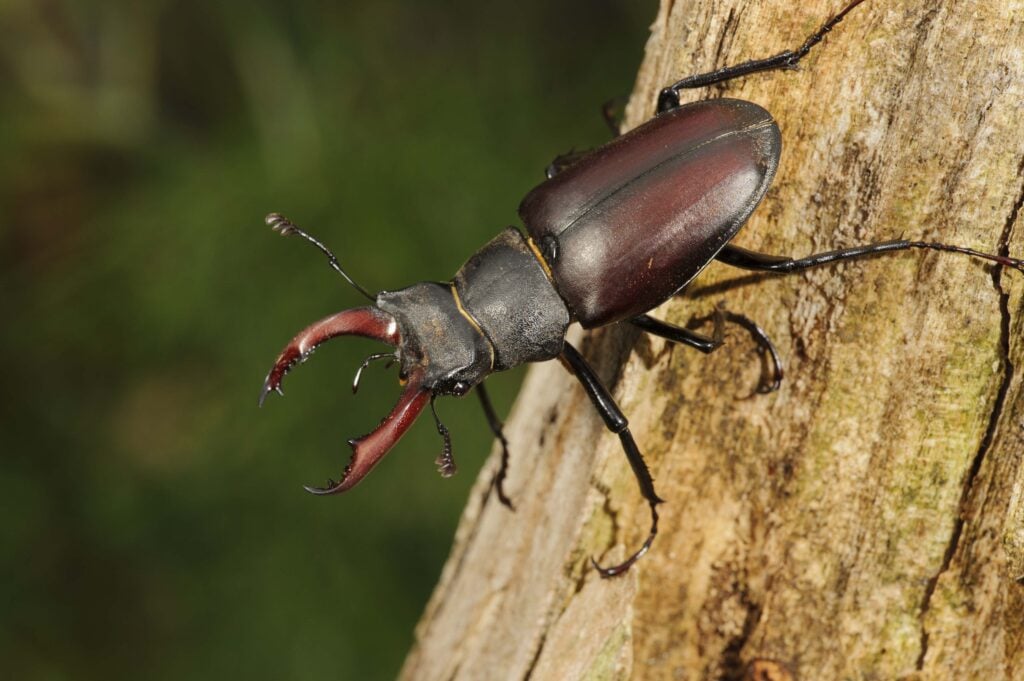
- With those magnificent mandibles, males Stag Beetles look like no other insect. Females, sporting much smaller jaws, can be mistaken for Lesser Stag Beetles – the difference is subtle, but the female Stag Beetle have shiny brown wing cases, in comparison to the Lesser Stag’s all matte-black look.
- The jaws of the male Stag Beetle look fearsome, but are actually quite weak, making this beetle pretty harmless to humans. In fact, it is possible that their jaws are so large that they prevent them from feeding. However, it is still unclear whether either sex actually feeds during their short adult life; if they do, it is likely that they eat tree sap.
- Look for the adults on balmy summer evenings, when the males fly in search of mates. Once the male has found a mate, he displays his famously massive, antler-like jaws to her, and uses them to fight off rival males, in a similar fashion to deer.
Status
Protected in the UK under the Wildlife and Countryside Act, 1981. Priority Species under the UK Post-2010 Biodiversity Framework. Although nationally scarce, in Sussex and the south east there are good populations.
Seasonality
Stag Beetle adults have a short lifespan: they emerge in May with the sole purpose of mating, and die in August once the eggs have been laid in a suitable piece of decaying wood. It’s a short life above ground, but they fulfil an important mission for next year’s larvae.
How we can help Stag Beetles
- Leave it wild – doing less tidying in your garden can not only help Stag Beetles, who rely on dead wood and fallen fruit, but lots of other wildlife too. Leaf piles, long, undisturbed areas and thick vegetation can all help to provide wildlife with vital shelter and food.
- Dead wood is vital habitat for Stag Beetles. It’s where the adults lay their eggs, and what the larvae eat. So, it’s important to leave any fallen tree branches, dead stumps, and log piles where they are and undisturbed, wherever possible.
- Record your sightings by iRecord – this data is shared with the Sussex Biodiversity Records Centre, who hold species records for the county.