
Take action
Become a member
Memberships build our community and give us a predictable income, which lets us plan and sustain longer projects that can have a greater impact. The more members we have, the more we can do to protect the Sussex countryside and coast.
Make a donation
Nature in Sussex is struggling right now. Every pound counts when it comes to the critical work needed to help nature recover. No matter how big or small, your donation will help us make a difference together.
Overview
The Chicken Of The Woods is an easy-to-spot bracket fungus due to its distinctive sulphur-yellow colour; in fact, it is also called the ‘Sulphur polypore’. It grows high up on the trunks of standing deciduous trees, such as Oak.
Key Facts
- The Chicken Of The Woods is a bright sulphur-yellow fungus comprising several thick, overlapping brackets. The individual brackets are soft and spongy when young and exude a yellow liquid if squeezed. They are fan-shaped with an undulating margin. The upper surface is velvety and yellow-orange with a zoned margin, while the underside is yellow and covered with pores.
- The Chicken Of The Woods gets its name from the texture of its flesh, which is said to resemble cooked chicken.
- Cap diameter: 10-40cm
Amazing mycelium
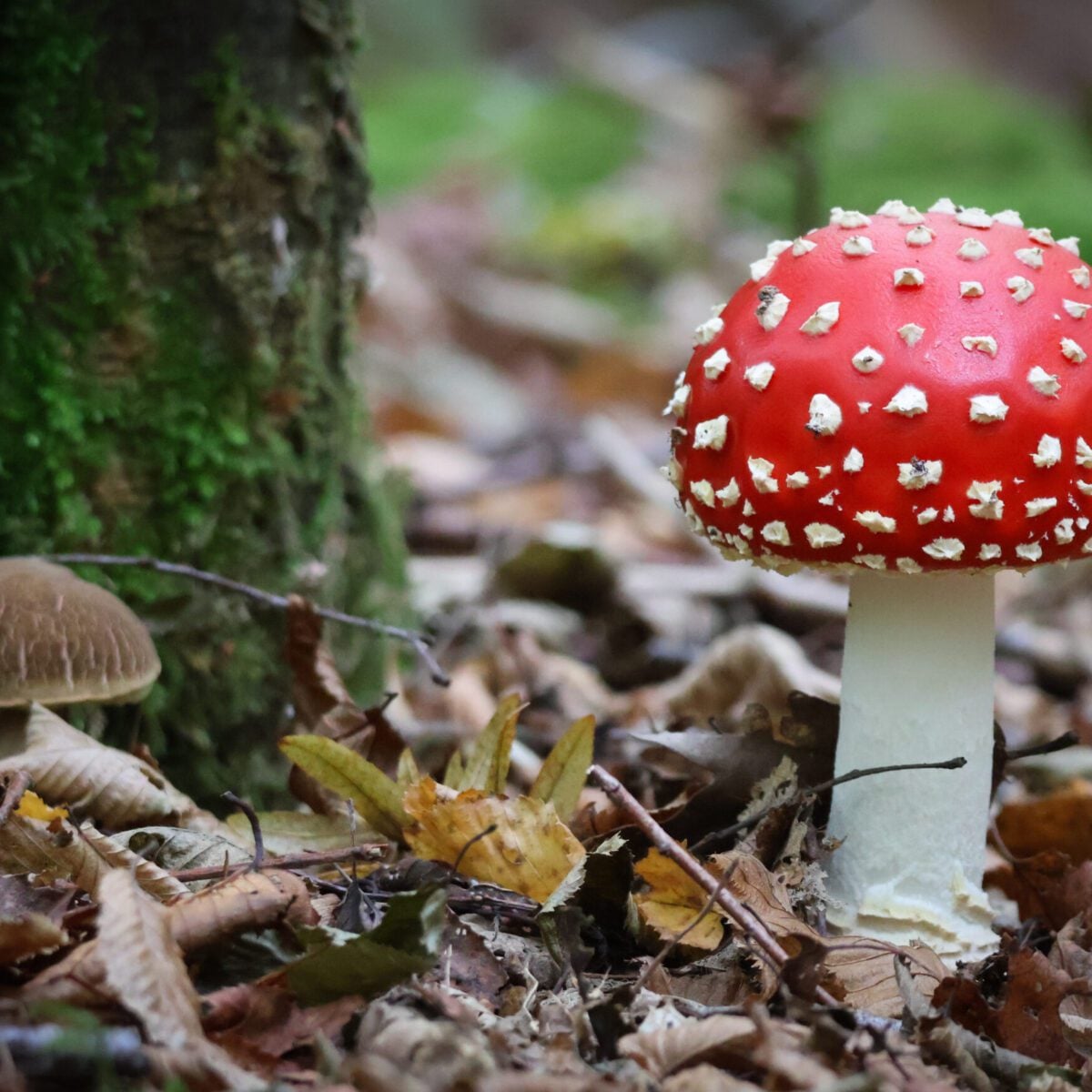
Mushrooms, the colourful fruiting bodies of fungi, can usually be seen between late summer and early winter. These grow up from an unseen network of tiny filaments called hyphae, which together form a structure known as the mycelium. The fruiting bodies produce spores for reproduction, although fungi can also reproduce asexually by fragmentation. The mycelium of many fungi often forms a symbiotic relationship with the trees around it, wrapping around the roots and supplying them with nutrients taken from the soil. In exchange, the fungus receives sugars produced by the trees.
Status
Common.
Seasonality
June to November