In brief


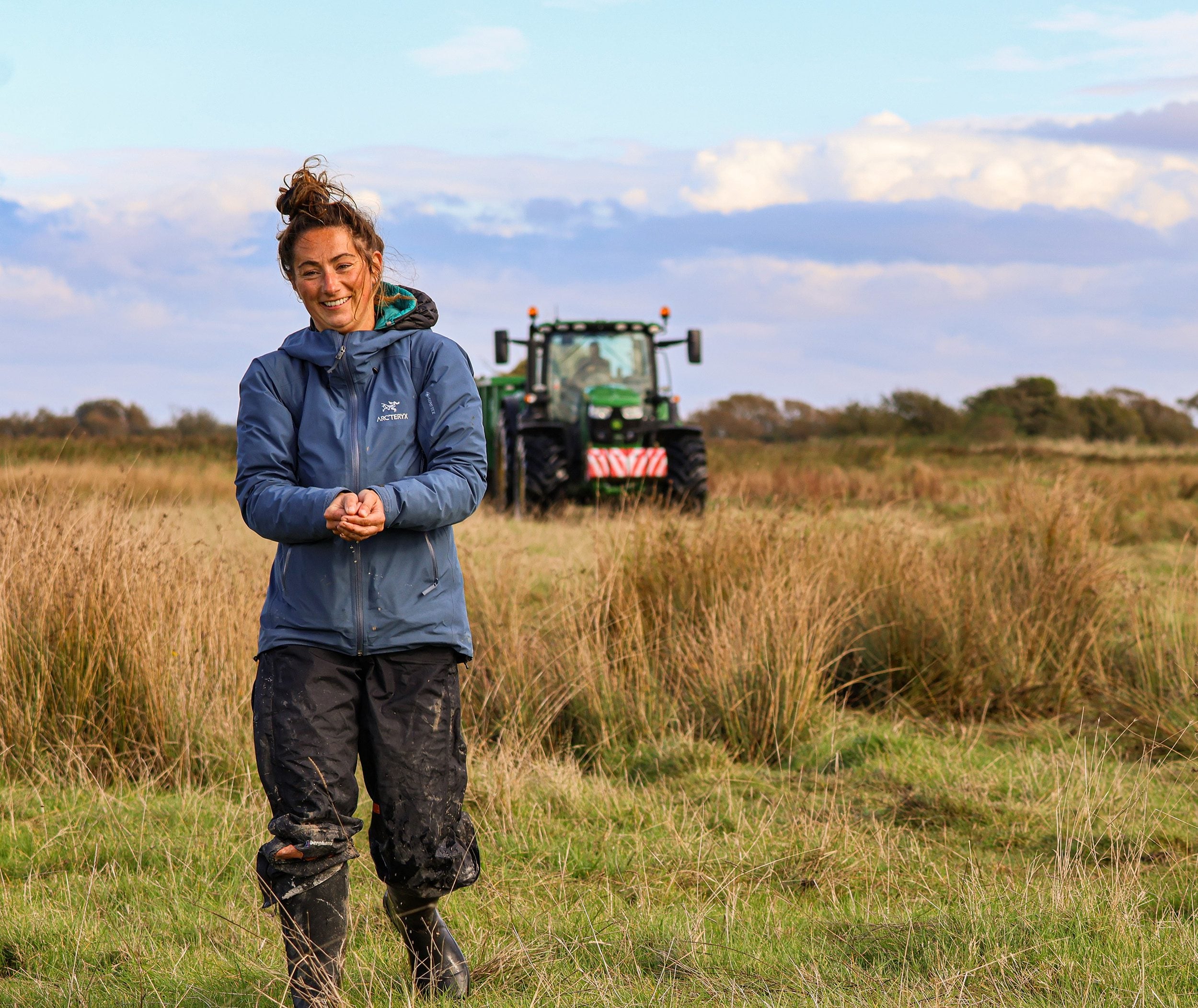
Charlotte Pestell Nature Recovery Project OfficerThis is a landscape that needs to ring to the cries of Redshanks and Wigeon and Bitterns to be whole again
Take action
Become a member
Memberships builds our community and gives us a predictable income, which lets us plan and sustain longer projects that can have a greater impact. The more members we have, the more we can do to protect the Sussex countryside and coast.
Make a donation
Membership builds our community and gives us a predictable income, which lets us plan and sustain longer projects that can have a greater impact. The more members we have, the more we can do to protect the Sussex countryside and coast.
Overview
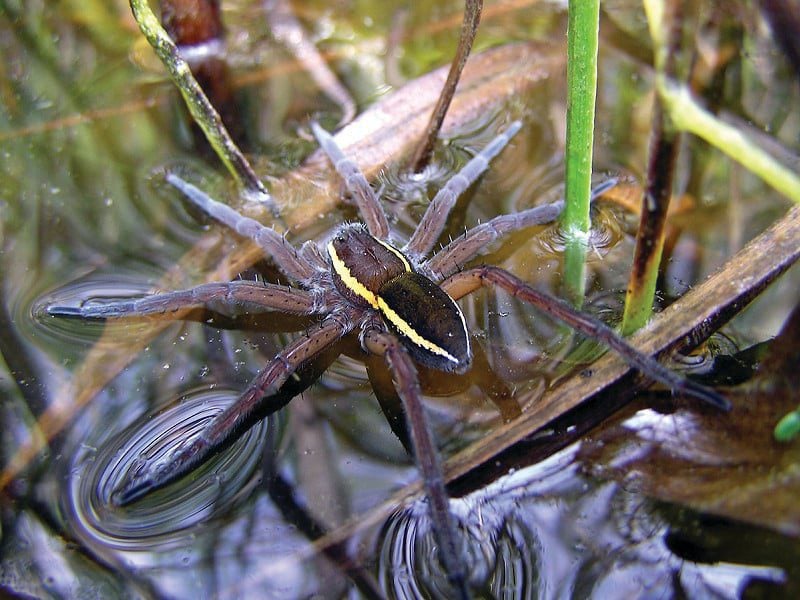
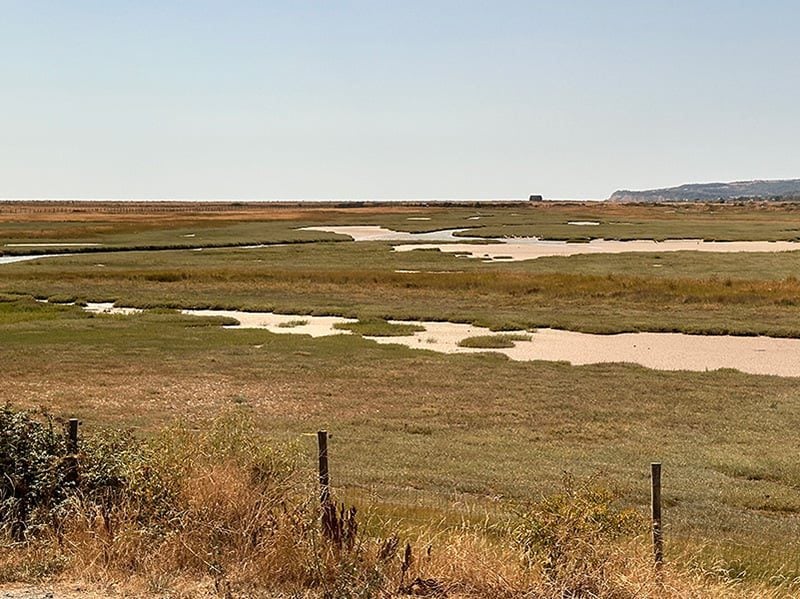
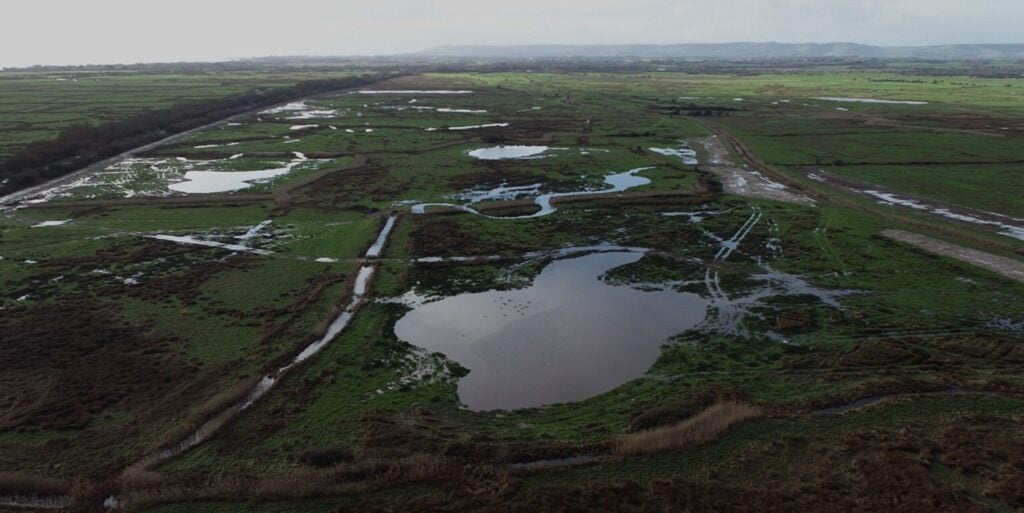
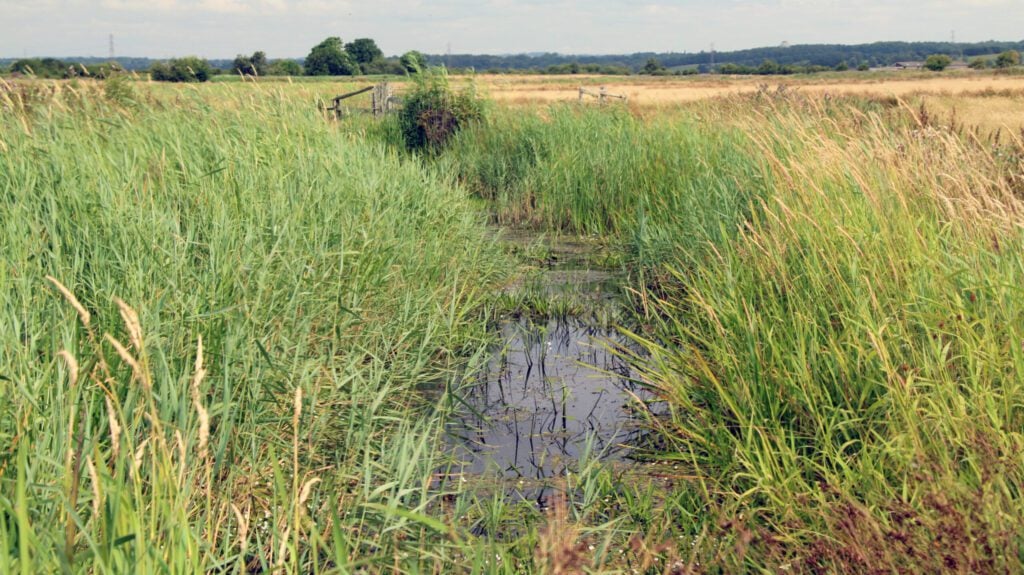
Not long ago, the Pevensey Levels were rich in wildlife. Spanning a large area of East Sussex between Bexhill, Hailsham and Eastbourne, they were a refuge for rare plants, spiders and beetles, and a magnet for vast numbers of wintering birds such as Lapwings, Snipe and Wigeon. It was so special it was designated as an internationally important wetland in the 1970s.
Challenge
As for much of our wetlands, the last fifty years have seen catastrophic declines in nature. Newer technology has allowed the levels to be drained of their winter floods more quickly. Agricultural practices have changed. The patterns of rainfall and drought are no longer as reliable because of climate change. Meanwhile new urban development on the edge of the levels has added new pressures, especially around traffic and noise pollution and wastewater treatment.
While still a refuge for some rare and wonderful wildlife, Pevensey Levels has become a shadow of its former self, and at risk of losing more species entirely.
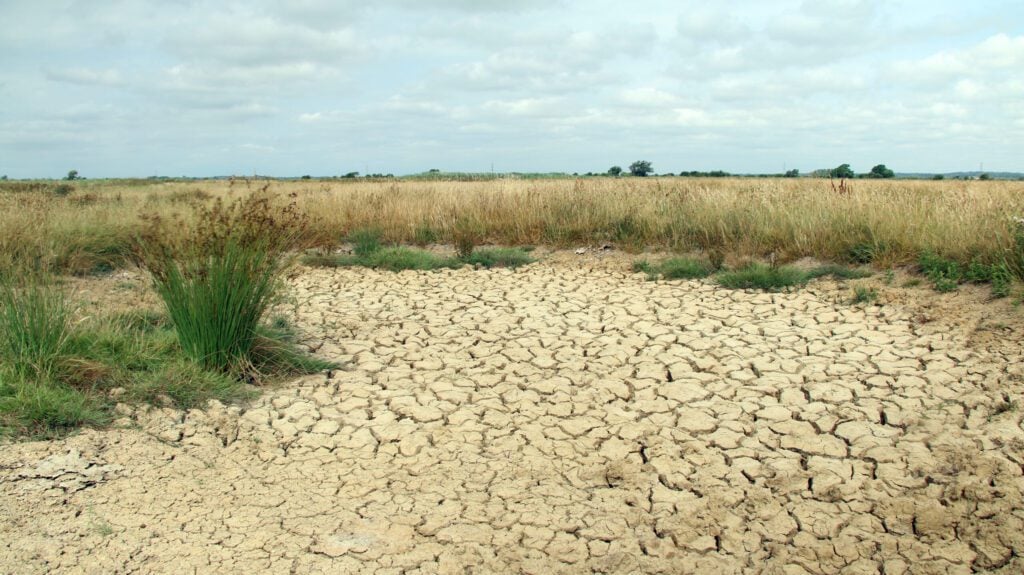
Pevensey Levels through time
1066
William the Conqueror’s army arrives at what we now know as Normans Bay. The area is largely still an intertidal estuary and saltmarsh.
1600s
Lower sea levels and extensive draining of the saltmarsh begins to create ‘grazing marsh’ – less salty, but still prone to extensive flooding in winter.
1971
Pevensey Levels is designated a RAMSAR site of International Importance for Wetland Birds
2022
Redshank, a formerly common summer bird on the Levels, are no longer found breeding across any of the SSSI
2024
Wetland restoration work commences at five sites to create an ‘archipelago’ of blue spaces
What we did
Since the 1970s, Sussex Wildlife Trust has owned a reserve near the centre of the Pevensey Levels. For years we have worked with neighbouring farmers to graze the land and keep the balance between vegetation and water.
But by the early 2020s it was clear that this alone would not be enough.
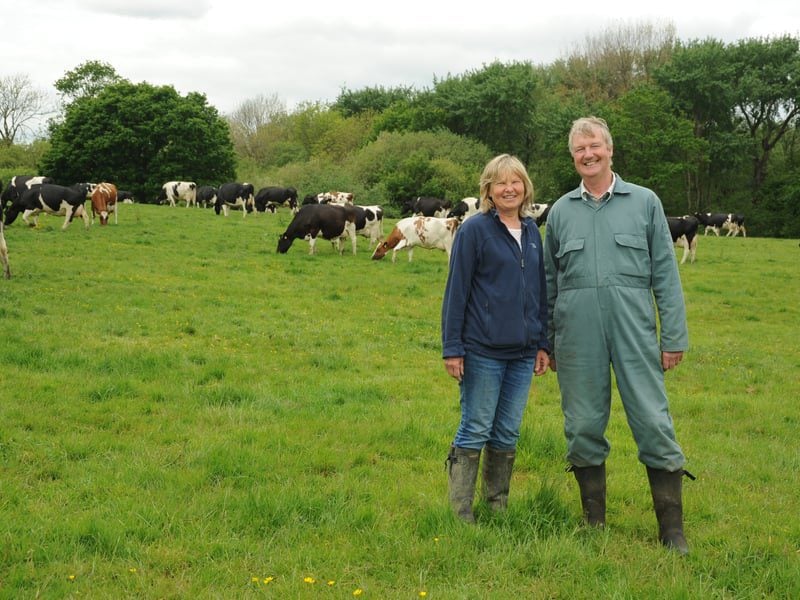
Teaming up with several neighbouring farmers and Natural England, we put in a bid for funding to radically increase the wetland habitats across five sites. including our Pevensey Marshes Nature Reserve.
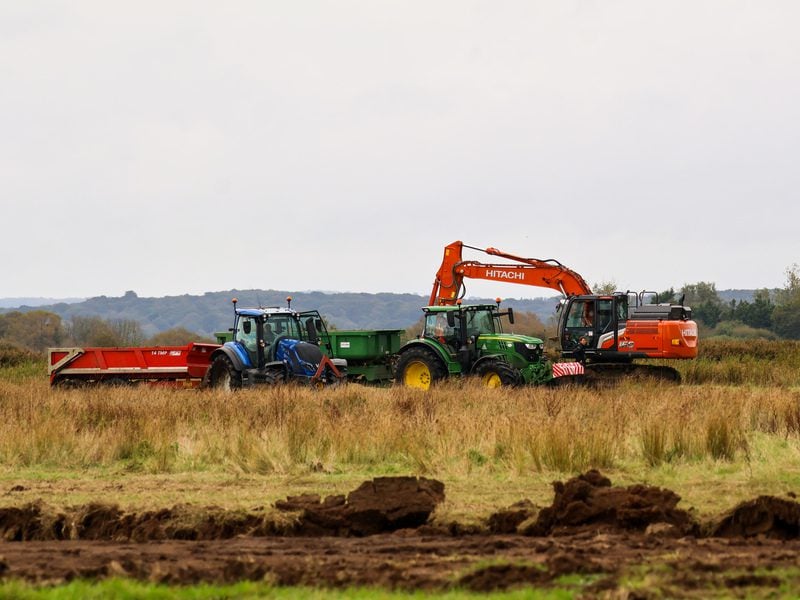 Machinery at Pevensey Levels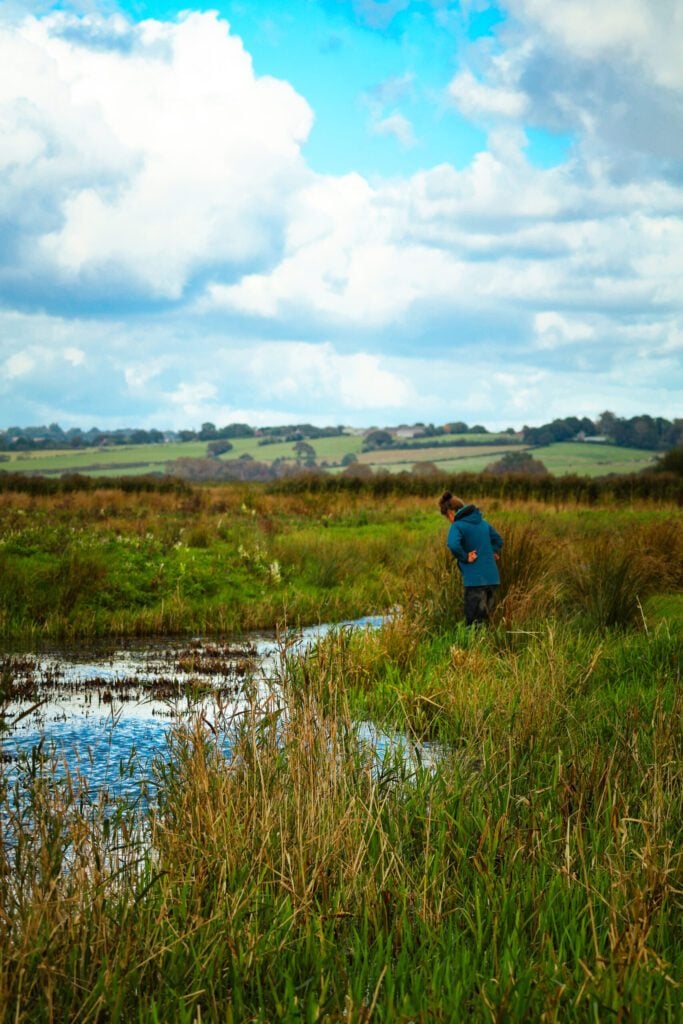
In 2024, this culminated in a major project that has ‘rewetted’ areas and created many new pools, shallow scrapes and ditches, designed to hold more water through the crucial drier seasons.
The impact
Early signs are very positive.
Water levels on our Pevensey Marshes Nature Reserve held up well during the extreme drought of summer 2026, enabling bird and insect populations to flourish during hard conditions.
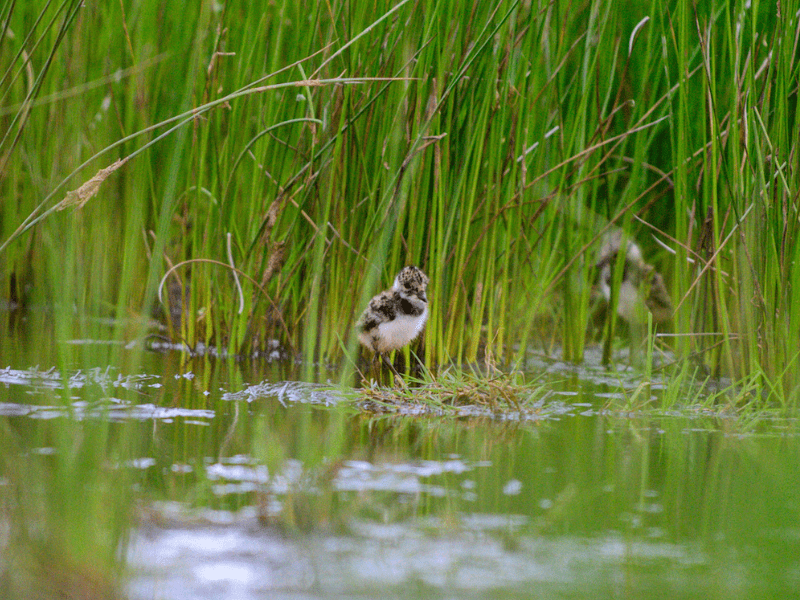
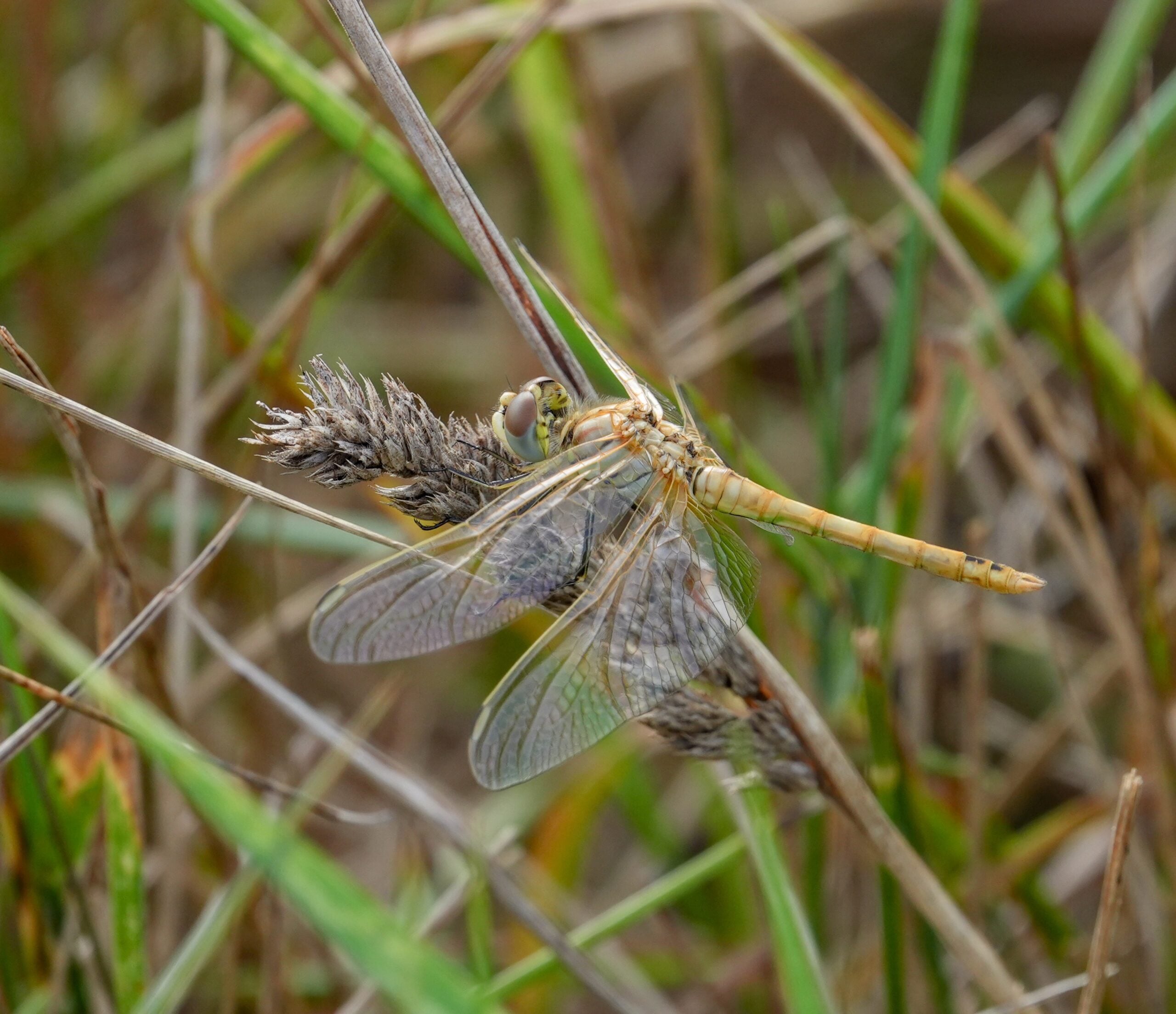
Lapwings successfully raised chicks in both years, with around ten pairs present in 2026, while Redshank were present through the summer months, along with multiple pairs of Little Ringed Plovers. The rare Red-veined Darter dragonfly was confirmed to have bred on the reserve in 2026, while potential avian colonists such as Bittern, Avocet and Spoonbill were recorded visiting the site.
In spring and summer, the shallow pools proved attractive to a wide variety of migrant waders, stopping off on their long journeys to and from northern Europe and the Arctic.
Away from the reserve, other areas restored as part of the project have recorded scarce visitors such as Garganey, Bewick’s Swan and White-tailed Eagle.
Video
Bringing wildlife back to the Pevensey Levels
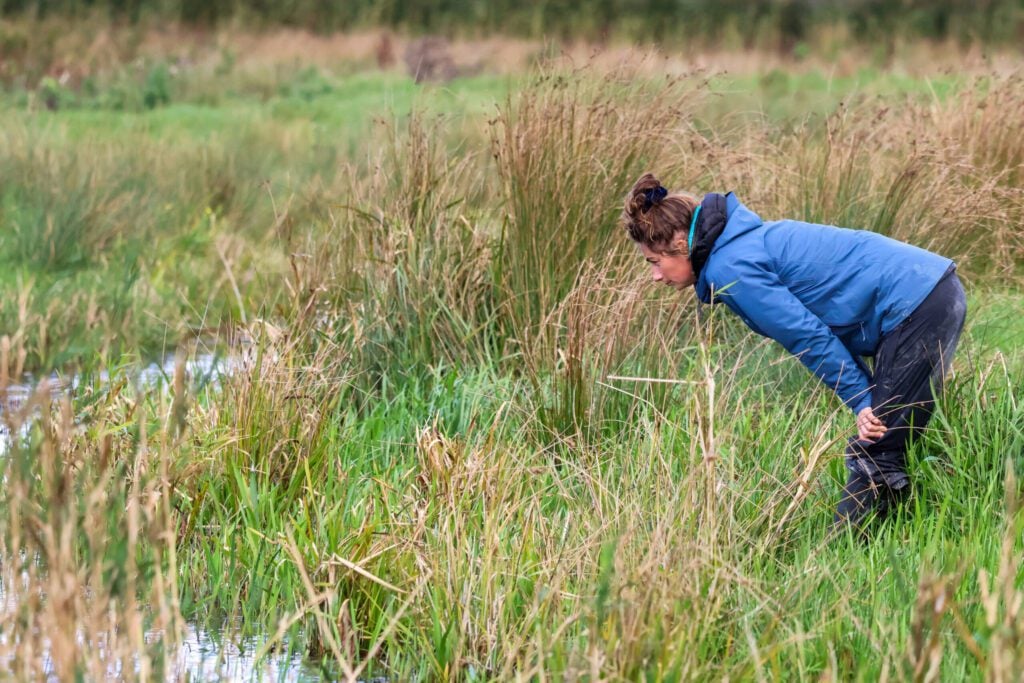
Find out from Species Recovery Project Officer Charlotte Pestell about the process of restoring wetlands to Pevensey Levels