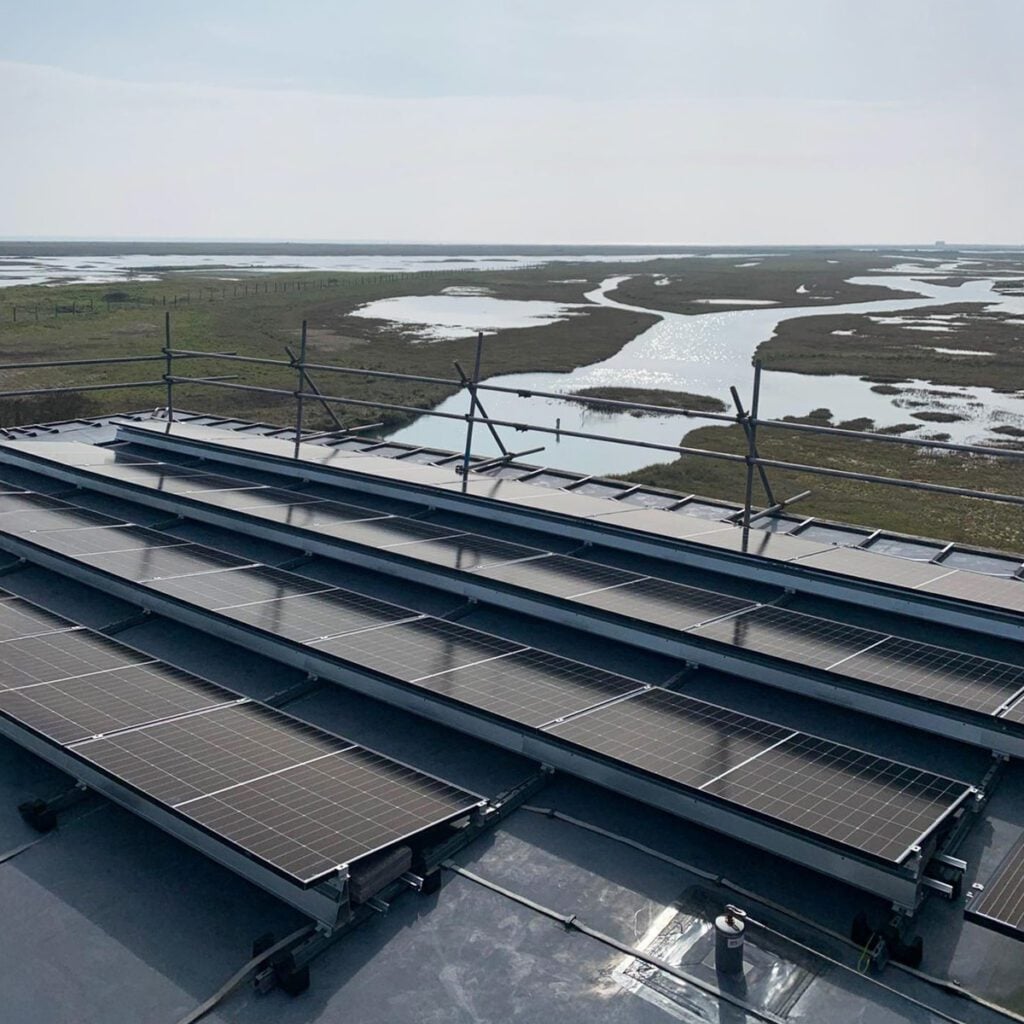
What it means to reach Net Zero
To become a Net Zero organisation by 2030 we are reducing our greenhouse gas emissions by 158t CO2e and will offset any residual emissions.
‘Net Zero’ refers to a state where the greenhouse gases going into the atmosphere are balanced by the gases being removed from it.
What we look at
In considering our strategy for cutting emissions, we looked at:


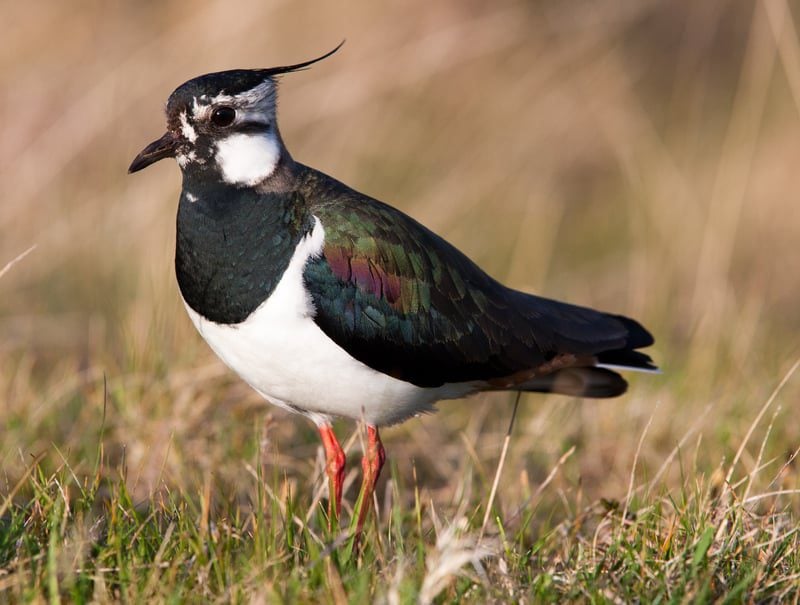
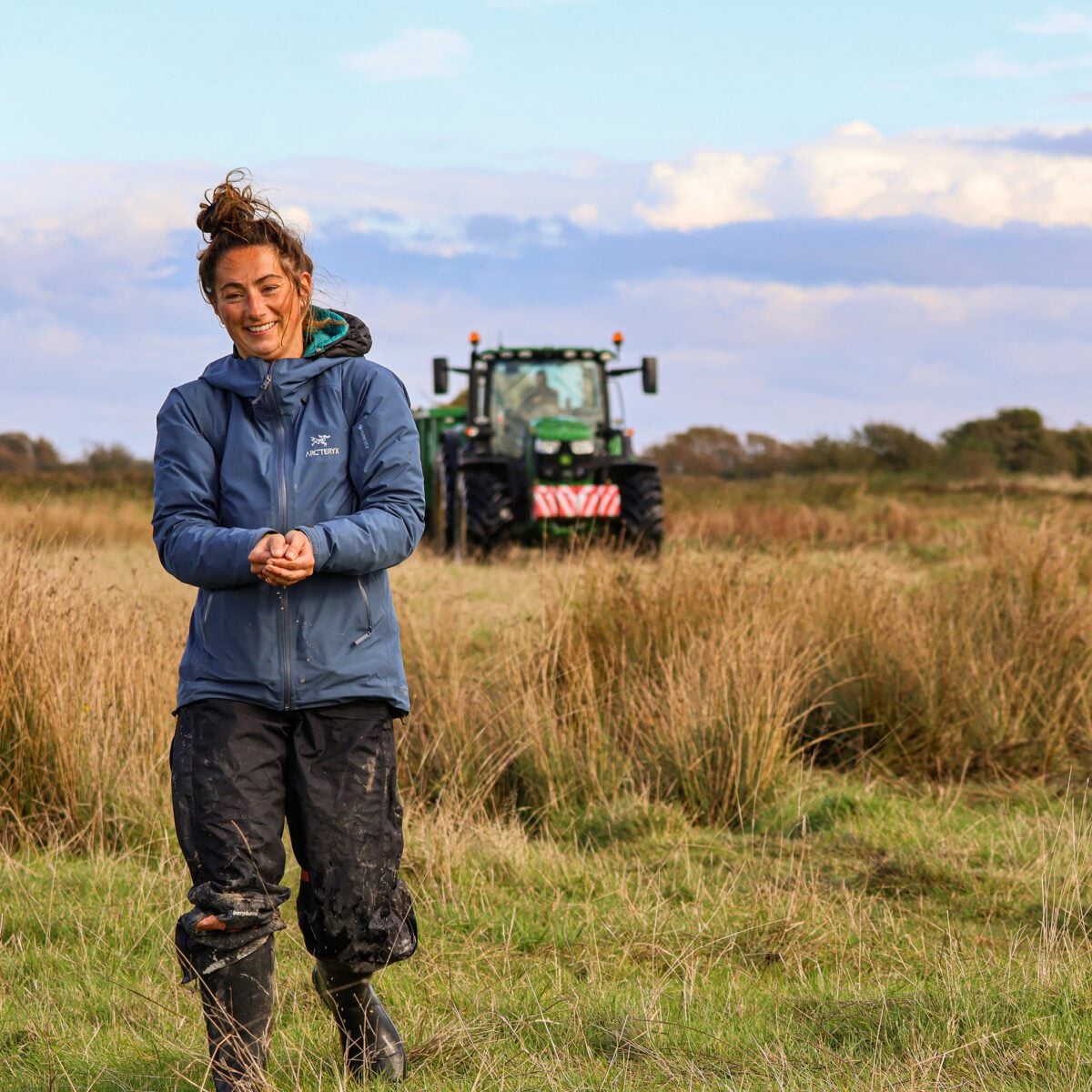
Habitat creation at Pevensey Levels nature reserve means, in time, the site will also store more carbon, helping to achieve our Net Zero target by optimising the ability of our nature reserves to mitigate the impacts of climate change.
 © Richard Cobden
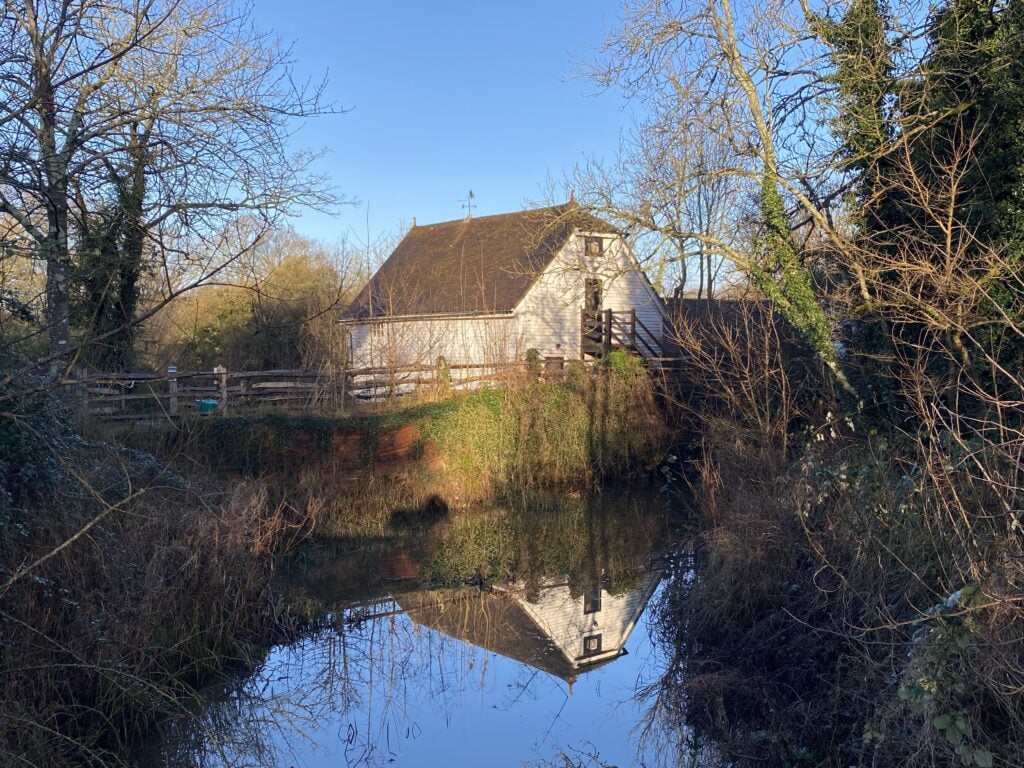
Moving our HQ from Woods Mill nature reserve to The Keep at Falmer
Although having our HQ on one of our reserves was ideal for our nature-loving staff, it was less ideal for carbon emissions. Commuting to Woods Mill was only really viable by car for most of our staff.
In late 2025, we moved our HQ to The Keep in Falmer, on the outskirts of Brighton. The move was a key part of our 2030 net zero strategy to reduce carbon emissions. This modern building has a BREEAM rating of ‘Excellent’ and is:
- Easily accessible by public transport
- Uses solar energy
- Harvests rainwater
Livestock emissions
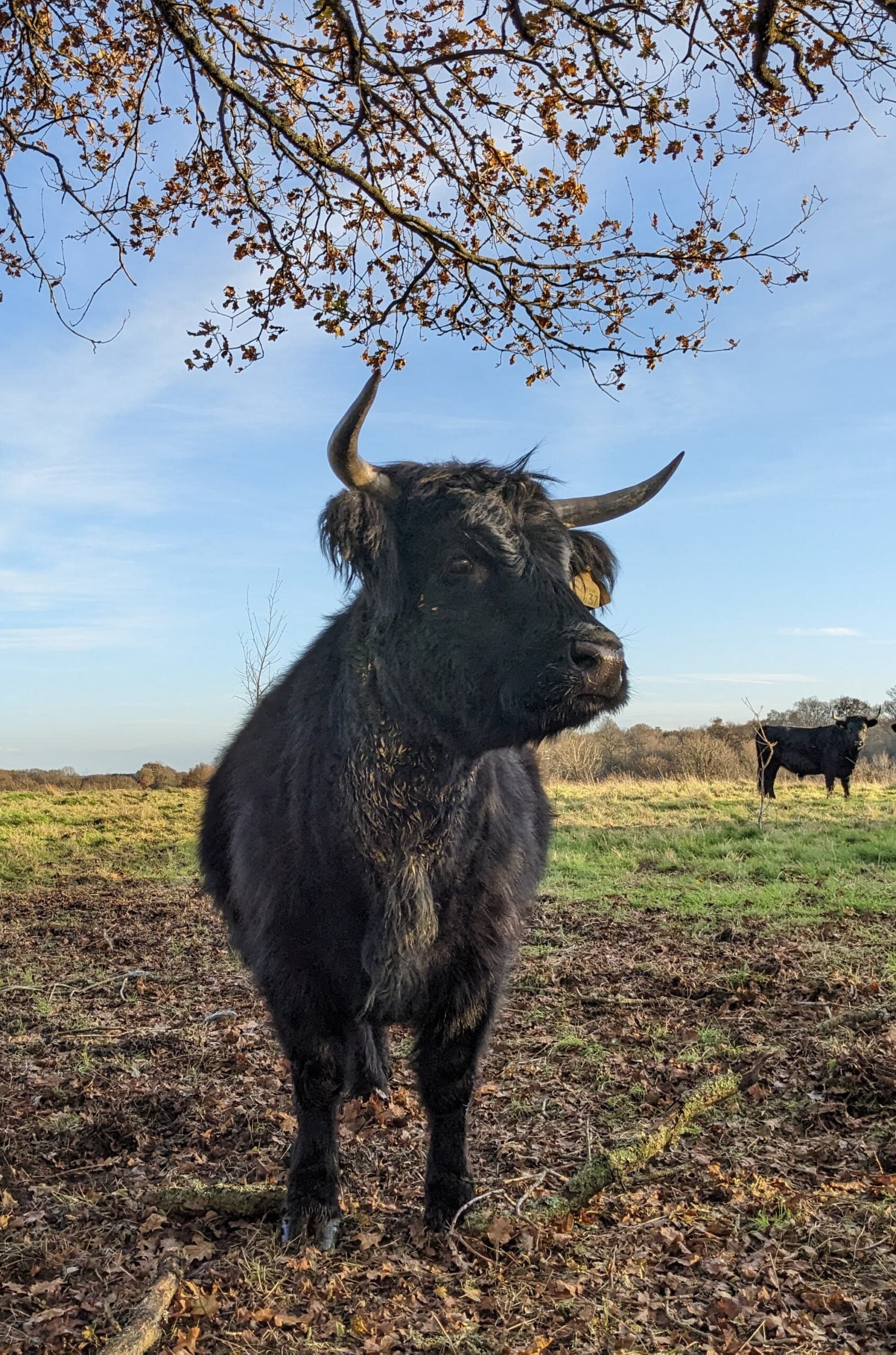
The cow in the room: or rather the cows and the sheep in our reserves
Grazing herds of sheep and cattle on our reserves is critical to how we manage and restore our nature reserves. In the past, natural wild herbivores, like deer, would have done their task: tearing up vegetation, fertilising soil with their dung, disturbing the soil, causing seeds to germinate and pools of water to form. All of this helps to sustain diverse thriving habitats and reinvigorate degraded land.
But we can’t ignore the environmental impact of animal agriculture, including carbon emissions. In our 2030 goal, we have included all aspects of the operation of herds in our calculations – such as emissions from vehicle fuel, water use and waste – but not the emissions of the animals themselves.
We’ve done this because at the moment, we don’t currently have a practical, viable alternative we can implement on our reserves that would achieve the same environmental goals as conservation grazing. Realistically, offsetting the residual emissions of the animals themselves would be more than the Trust can afford. We’ll keep working to find alternative nature-based solutions that could help us change things in the future.
 © Dav Bridger