By Kerry Williams
Communications Officer – Conservation
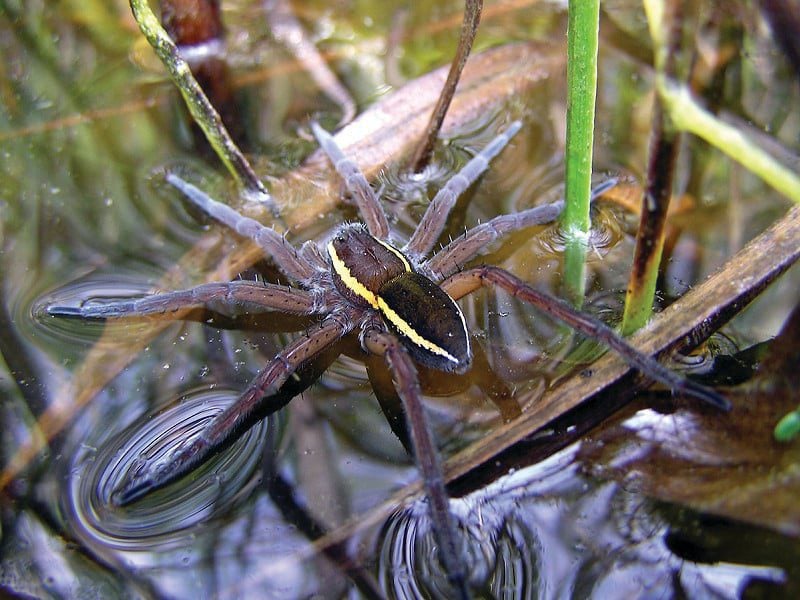
Fen Raft Spiders are totally badass. One of the UK’s biggest arachnids, adult females can reach body lengths of 23mm, and 7cm including their legs. And like many strong women, they get a hard time of it in the media. Despite their imposing image, these spiders are shy, gentle, and completely harmless to humans. To invertebrates, small fish, and amphibians, on the other hand, they are a force to be reckoned with.
Living a semi-aquatic lifestyle, the Fen Raft hunts on water. Although they do make webs as nurseries to house their spiderlings (yes, spiderlings, tell me that isn’t cute), they don’t use webs for capturing their prey. Instead, they exercise extraordinary ambush tactics.
Much like many of us at this time of year, the spider’s legs are covered in fine, water-repellent hairs. With its back legs on the water’s edge vegetation, the spider rests its forelegs on the surface of the water, sensing vibrations of oncoming prey. Distance, direction and strength of movement can all be calculated, and not just in the water; this finely tuned system can even sense motion through the air. Once the unsuspecting soul is in reach, the spider pounces, immobilising its quarry with a venomous bite.
Although spiderlings can be vulnerable, few predators exist for the adult spiders, aside from humans and the occasional daring Heron. However, if threatened, the water-resistant hairs allow the spider to literally run on water to escape. Alternatively, it can break the surface to hide or pursue prey by shimmying down underwater plant stems.
It’s not all action thriller power moves. The species has suffered significant historical decline due to a multitude of threats, including climate change, pollution, and loss of their precious wetland habitat, either through water abstraction (removal for human water supply), or destruction.
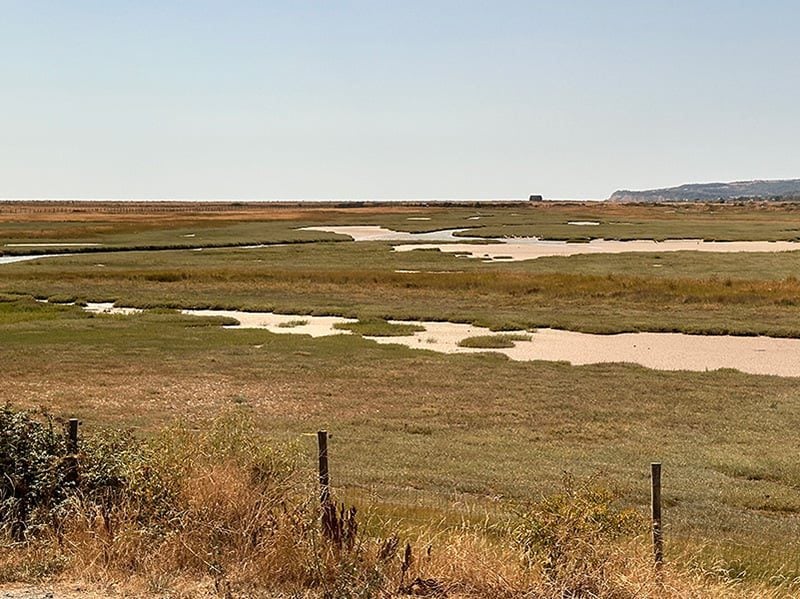
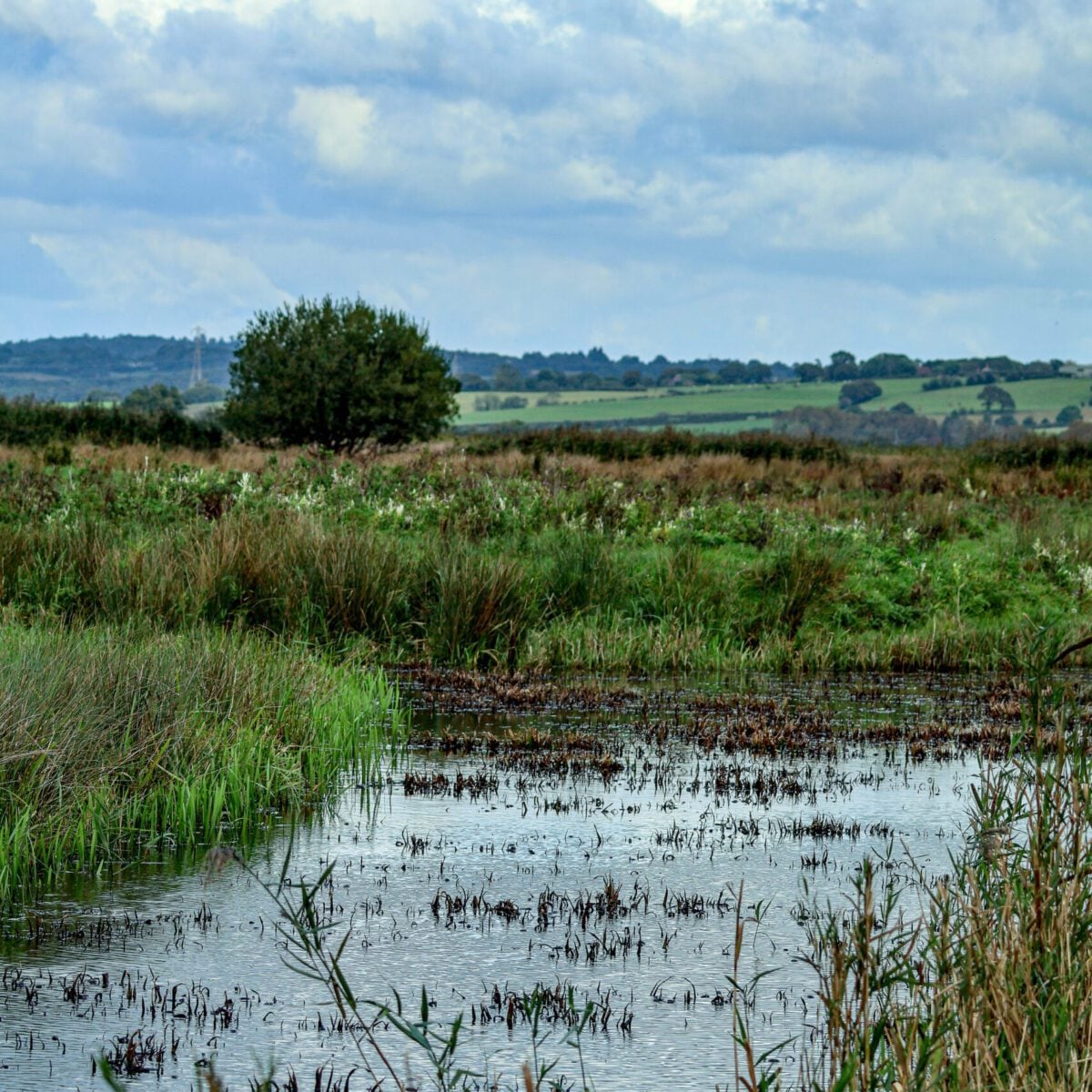
Enter Pevensey Marshes. With a myriad of wiggly ditches, strong-stemmed vegetation, and marsh for days, the wetland is a Fen Raft-ian paradise. As it has done in previous wetland projects, such as those of Suffolk Wildlife Trust, the spider is thriving here, and overall population numbers are on the up.
Working closely with local landowners, the project is one not just of nature recovery, but of collaboration, and this engagement is exactly what we need to benefit the Fen Raft Spider and its hopeful longevity. Increasing personal natural connections can help to alleviate the vilification of many of our amazing, yet maligned, UK species, including spiders. With our support, we hope the Fen Raft Spider continues to flourish as a vital player in this wetland ecosystem.