In brief
Why Black Poplars?
An important species of riverside woodland, the Black Poplar plays an unique part in Sussex’s cultural history. The tree’s timber made cartwheels, timber frames, bowls and matches.
The trees also support over 100 species of specialist insect and many other kinds of wildlife.
With the widespread drainage of Sussex wetlands, Black Poplars are threatened with extinction in the county.
Fran Southgate Species Recovery ManagerQuote from a team leader about what exacty needs to be done.
Take action
Become a member
Memberships builds our community and gives us a predictable income, which lets us plan and sustain longer projects that can have a greater impact. The more members we have, the more we can do to protect the Sussex countryside and coast.
Make a donation
Membership builds our community and gives us a predictable income, which lets us plan and sustain longer projects that can have a greater impact. The more members we have, the more we can do to protect the Sussex countryside and coast.
Overview
For more than 25 years, Sussex Wildlife Trust worked in partnership with Kew Wakehurst and the Sussex Black Poplar Working Group to conserve the native Black Poplar tree (ssp betulifolia) and to help prevent it from becoming extinct.
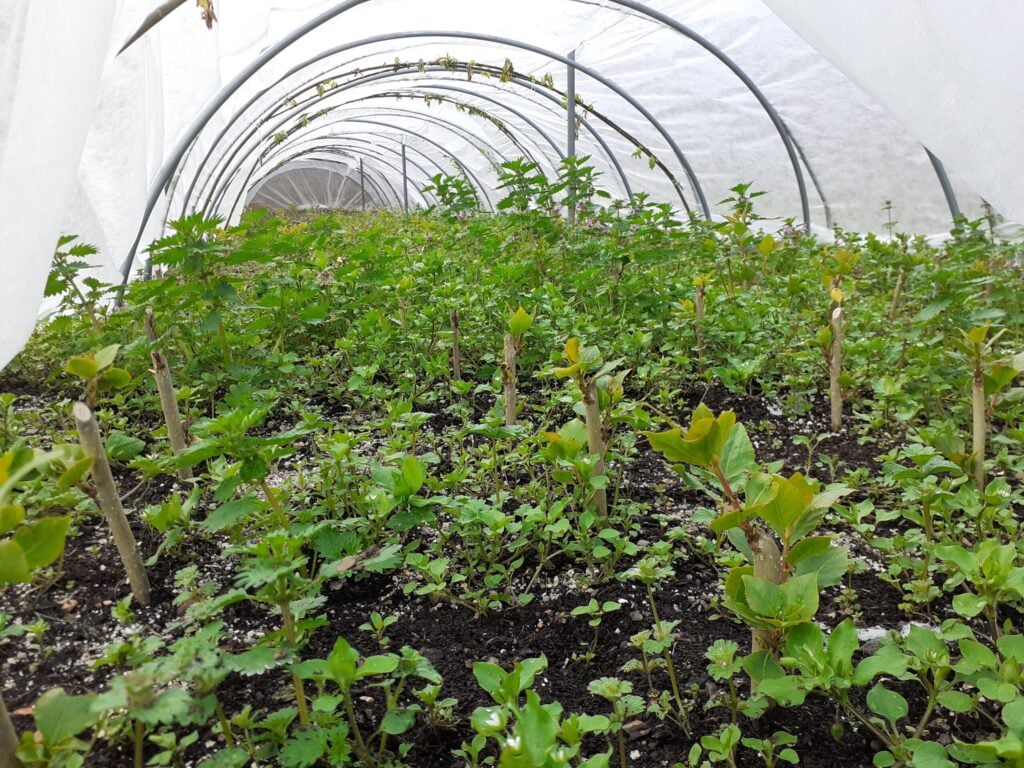
The partnership has gathered cuttings from the 38 remaining mature Black Poplar trees in Sussex. Each year, Kew staff at Wakehurst tend a nursery of young trees, which they grow to distribute amongst landowners who are creating and restoring wet woodland, the natural habitat of the Black Poplar.
We now know that our 38 Sussex trees only have five genetic clones (three males, two females), and the project has worked closely with Forest Research and the Millennium Seedbank to see if it is possible to assist the Black Poplar tree to reproduce naturally from seed, rather than through the propagation of clones taken as cuttings from parent trees.
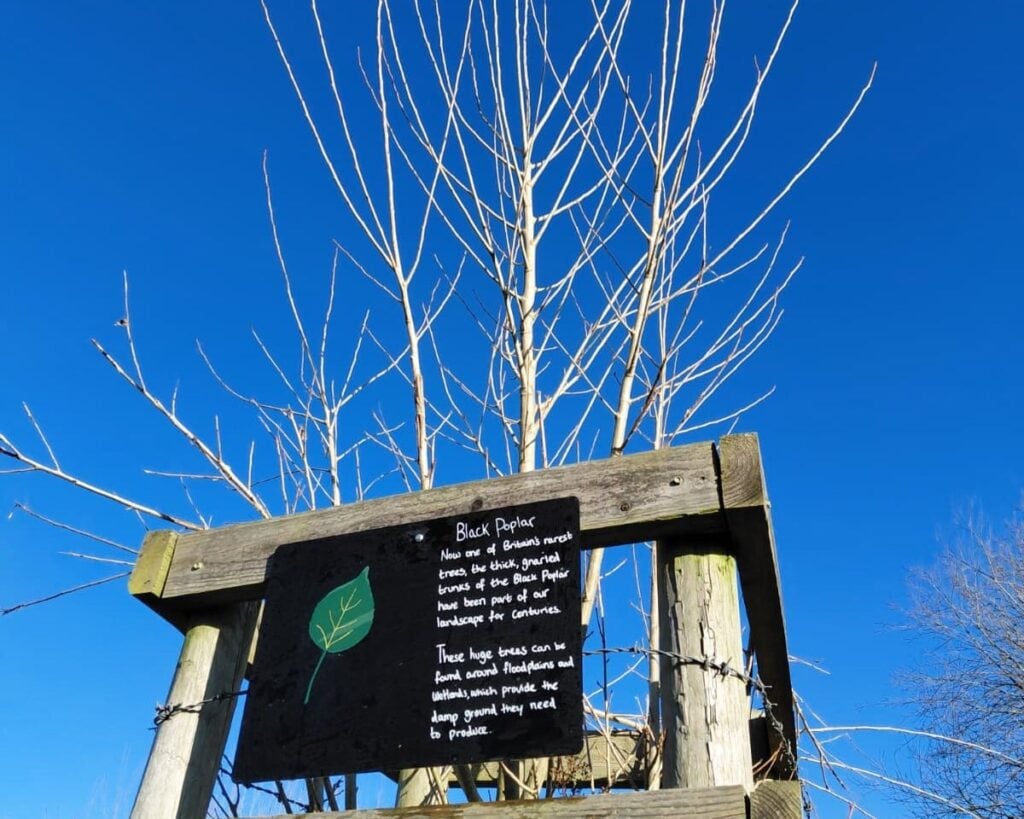 black-poplar
In community life
Historically, Black Poplar played a significant role in local communities. It was planted to mark field boundaries on floodplain land and the wood was often used commercially as the tree is fast growing and has many desirable properties. The Black Poplar can be coppiced or pollarded to provide a crop of wood for bean sticks, thatching spars, scaffolding poles and fruit baskets. Young shoots (which do not split easily) were used in Victorian times as clothes pegs. The wood is relatively fire resistant and was often used for flooring when paraffin lamps were still in use.
Black Poplar wood is naturally springy and was used to make cart wheels, wagon bottoms and clogs. The branches of mature trees grow in a natural curve and the timber can therefore be used to make the arched supports of timber framed buildings. Later, it was discovered that the wood absorbed paraffin so it was used to make matches. The wood turns well and the large burrs found on the trunk are still used today to make bowls. The Black Poplar tree is famously depicted in John Constable’s painting – ‘The Hay Wain’.
How to recognise Black Poplar
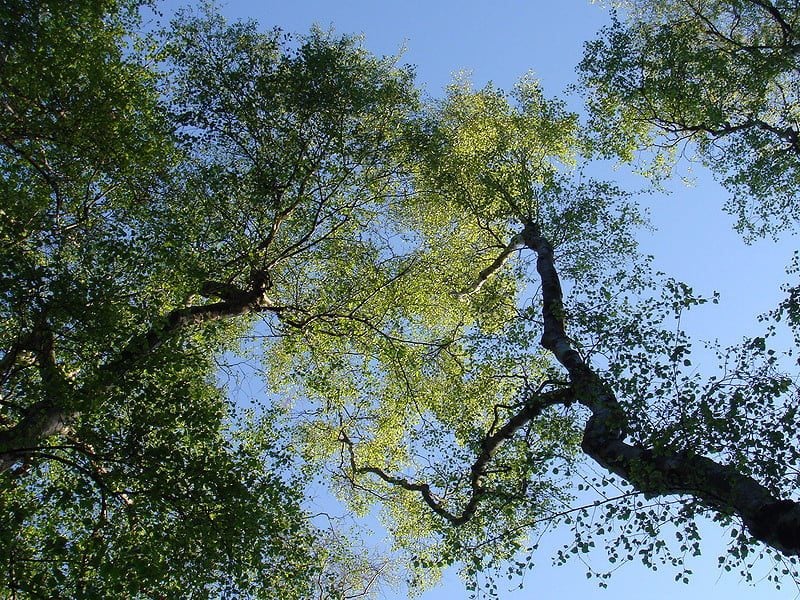
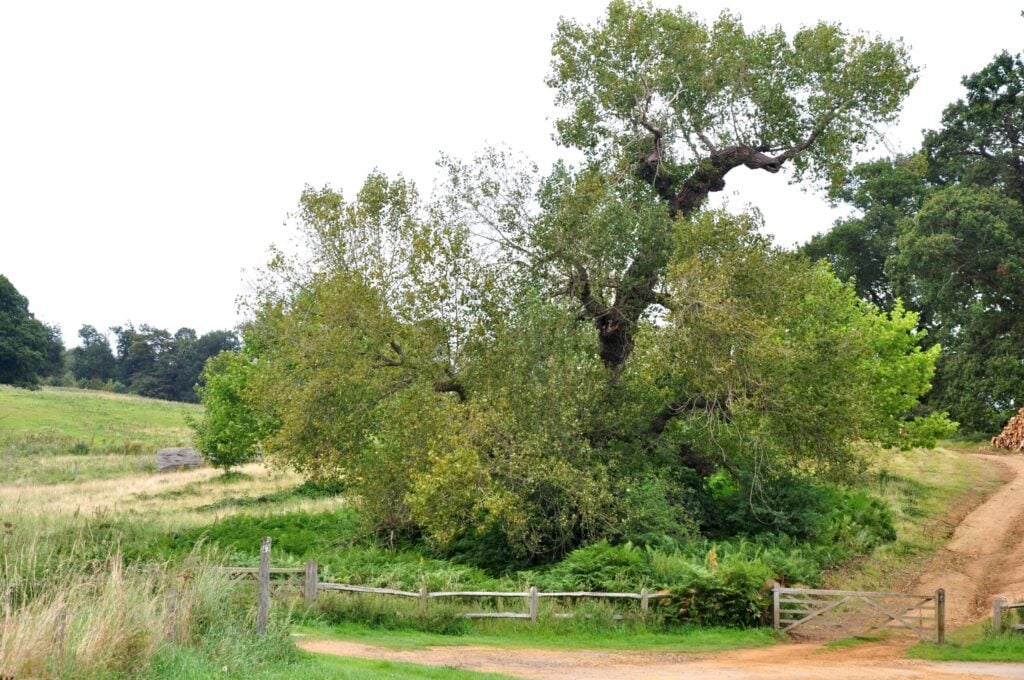
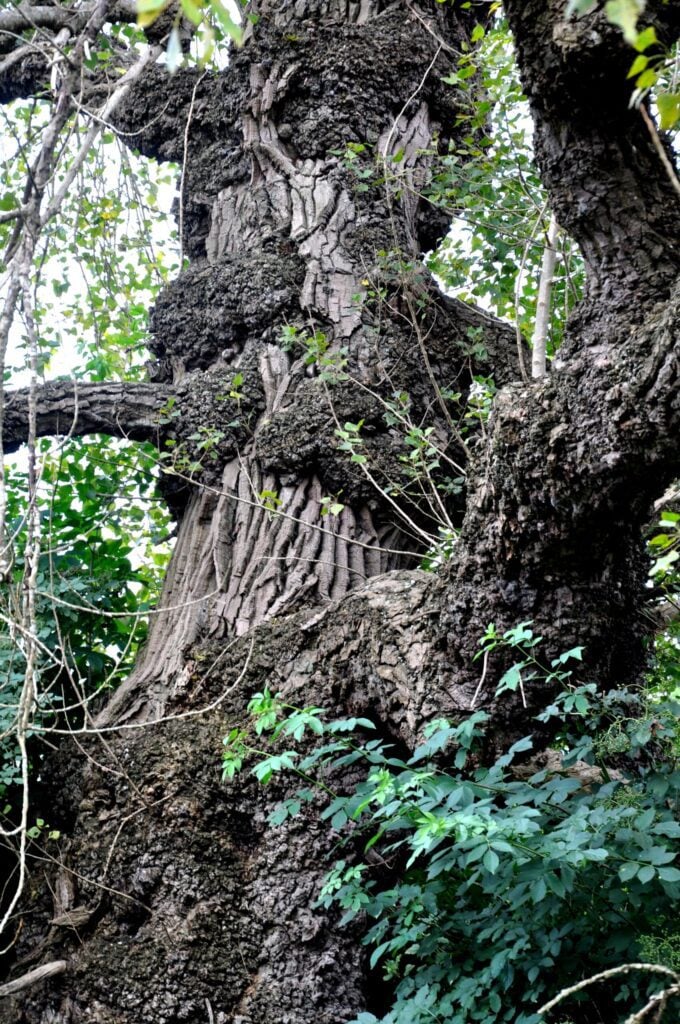
The Black Poplar is distinctive, and can grow up to a height of around 30 metres, with a trunk diameter (at chest height) of up to 2.5 metres. Mature trees often lean at an angle, and have dark grey, deeply furrowed bark interrupted by woody burrs or swellings. Older trees often have down-curving branches, upswept at the tips. Young shoots are pale yellow brown, with shiny brown alternate sticky buds. Catkins appear before the leaves. Male catkins are crimson and appear in late March or early April. Female catkins, which are yellow-green, appear shortly afterwards. Young leaves generally open in early spring (March-April) and are pale green, occasionally tinted bronze at first and have a distinct aroma. Leaves are triangular shaped with serrated edges.
Impact
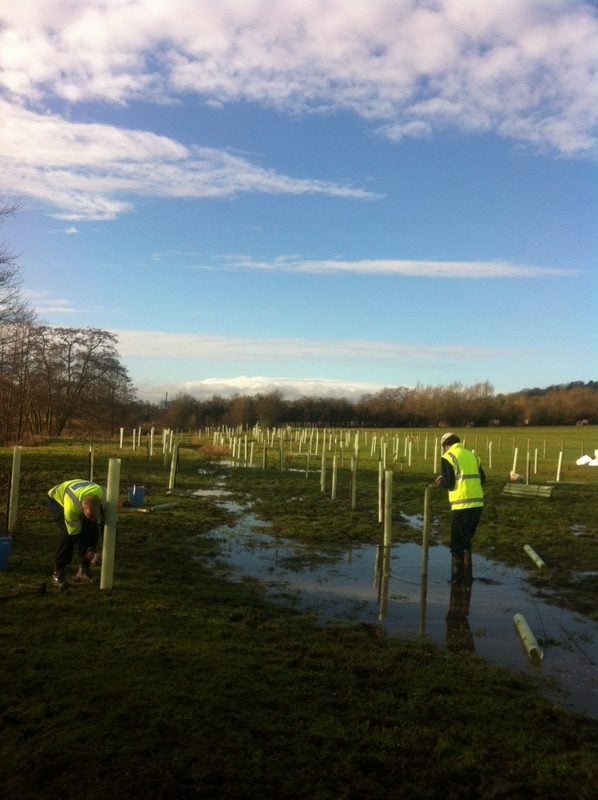
More than 6,000 young Black Poplar trees have now been planted across catchments in Sussex.
The work carries on, now led by the Western Sussex Rivers Trust and Kew Wakehurst.
For the latest information on the project, including how to get Black Poplar saplings, visit the website.