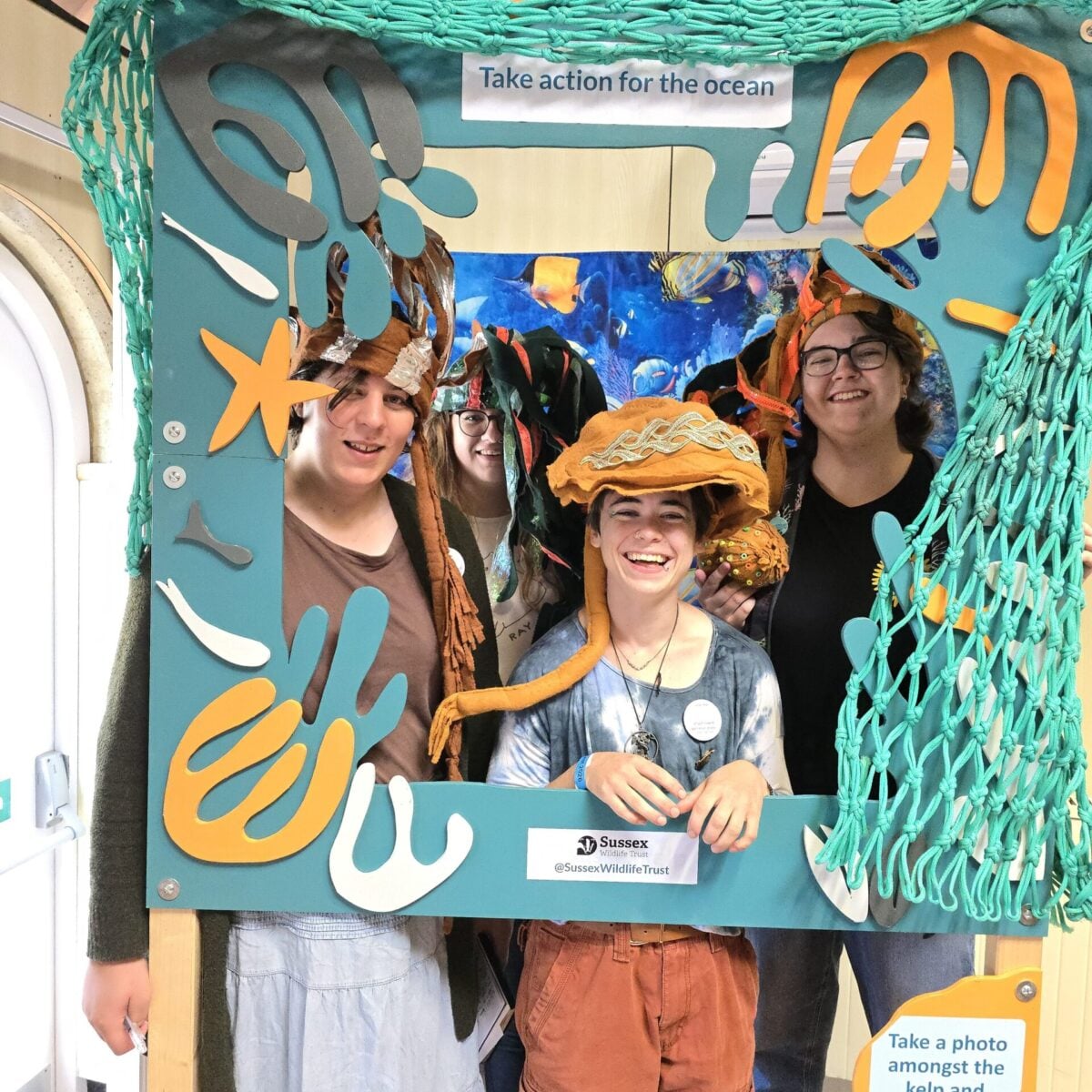
Volunteer with us
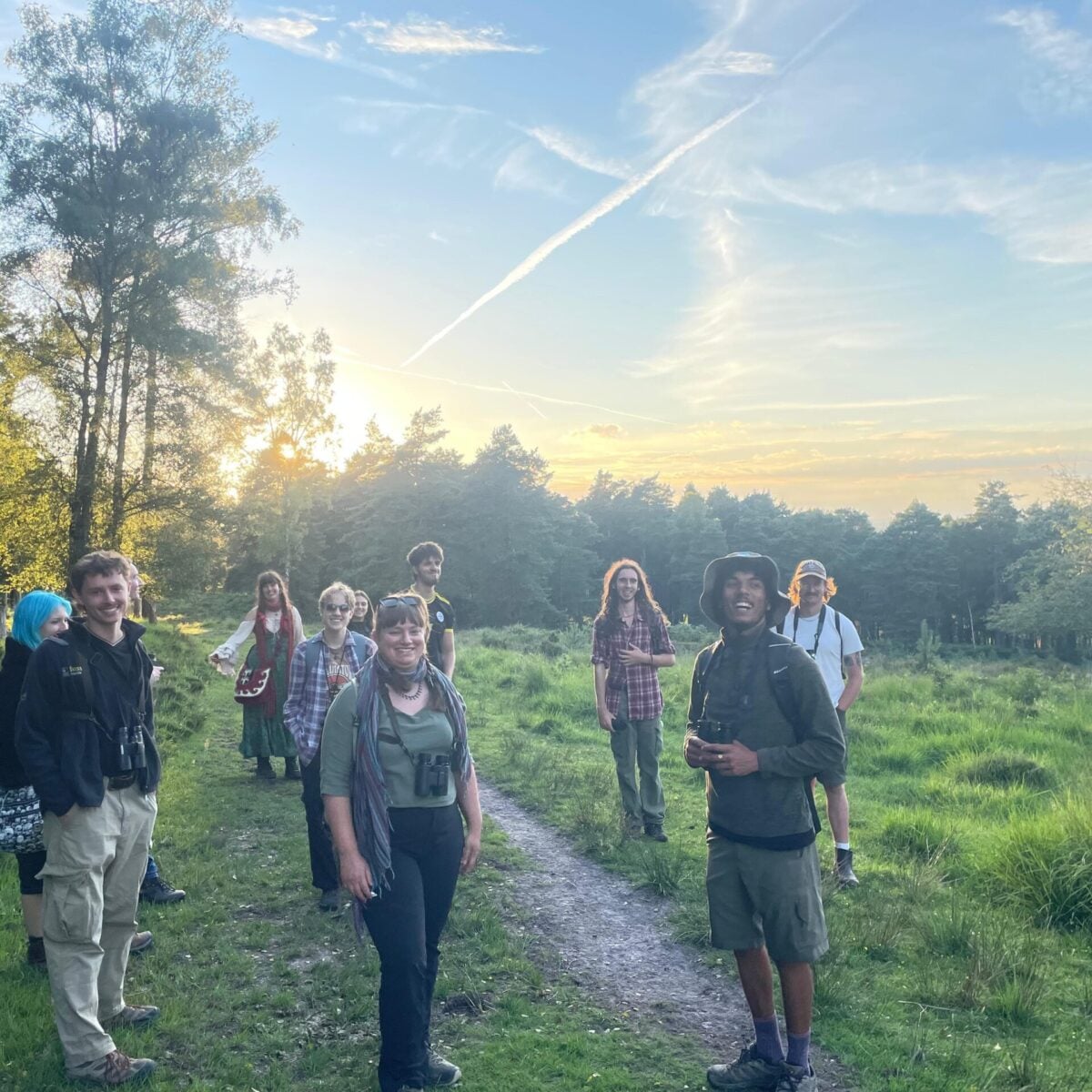
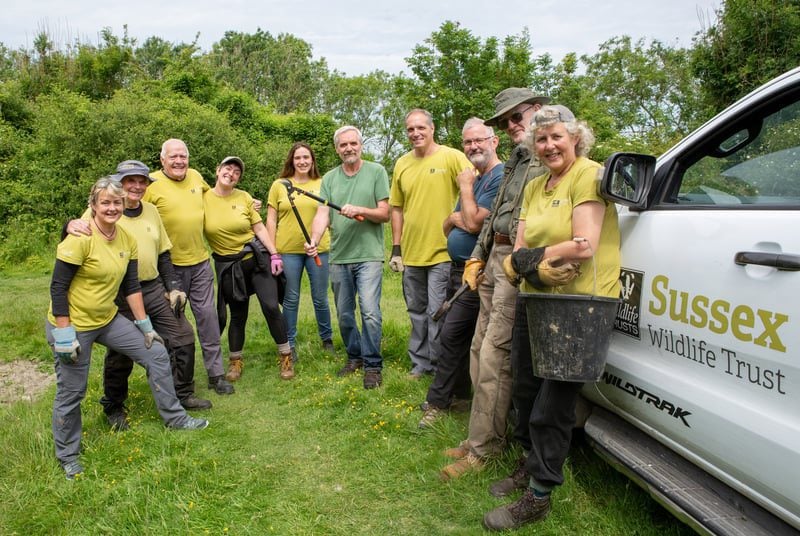
Gain new skills, make new friends and share or improve your knowledge of nature in Sussex. By volunteering, you can do all this while creating greener, wilder spaces for wildlife and people in your local community.
What our volunteers do
-
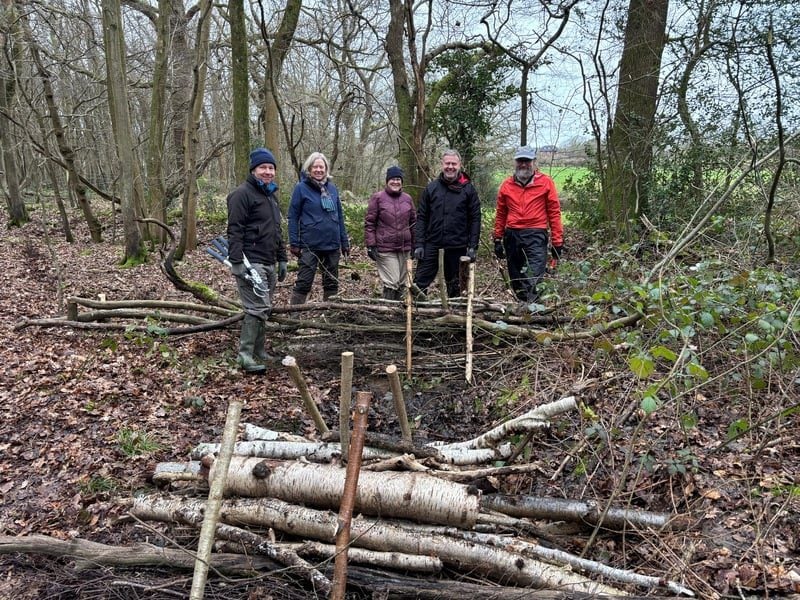
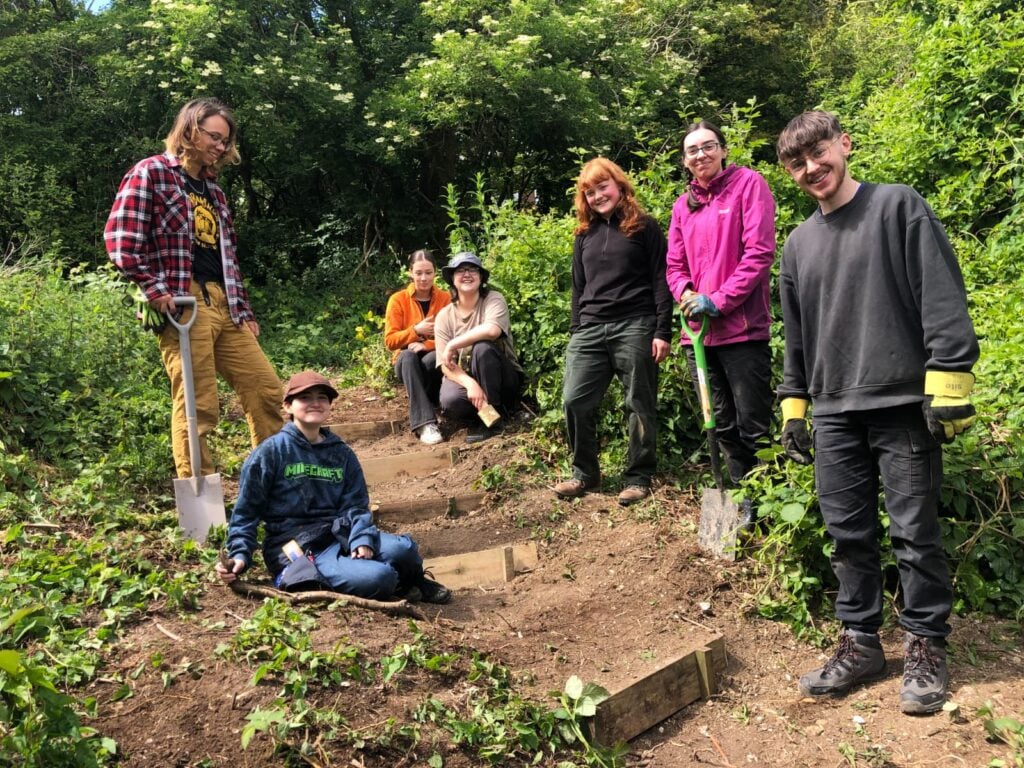
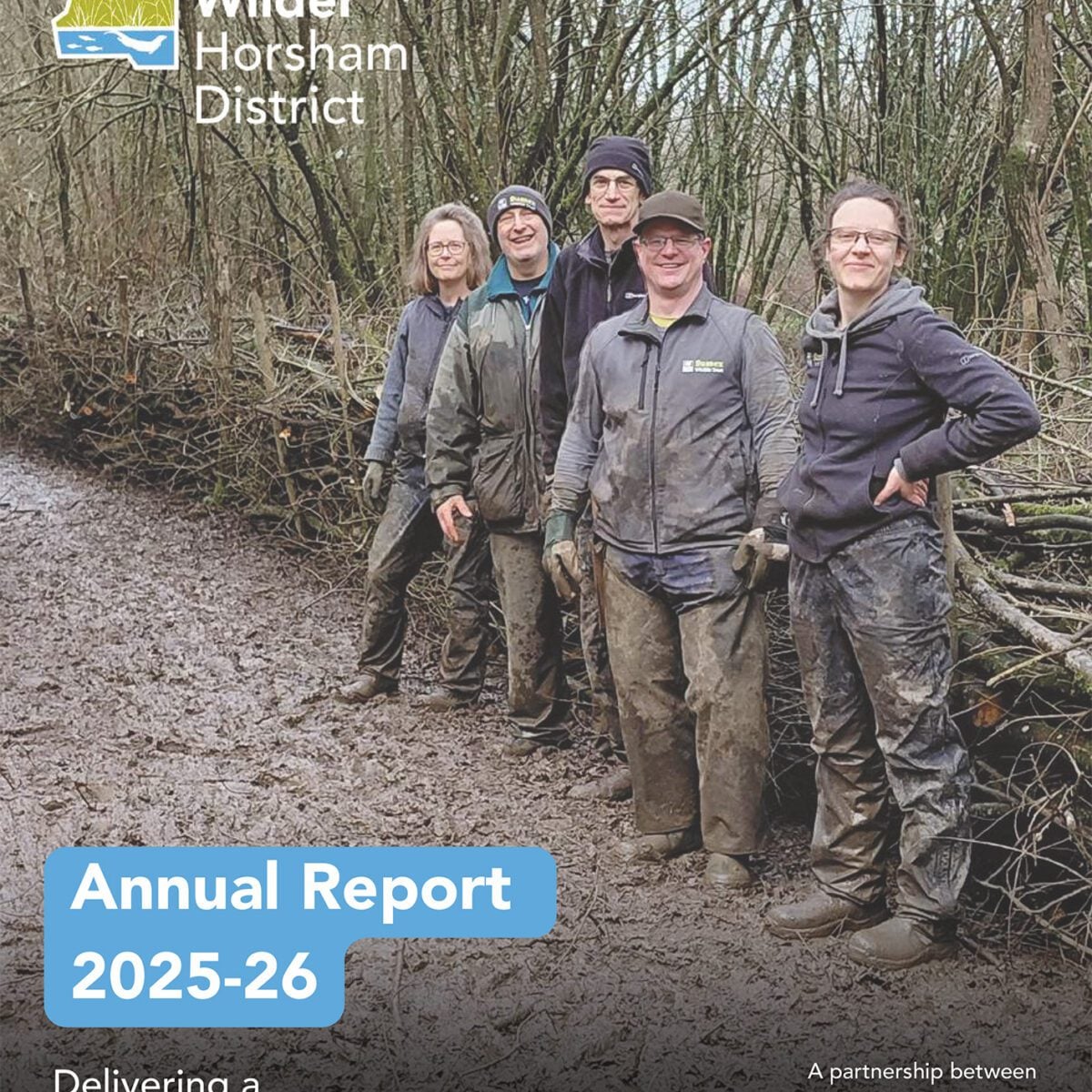
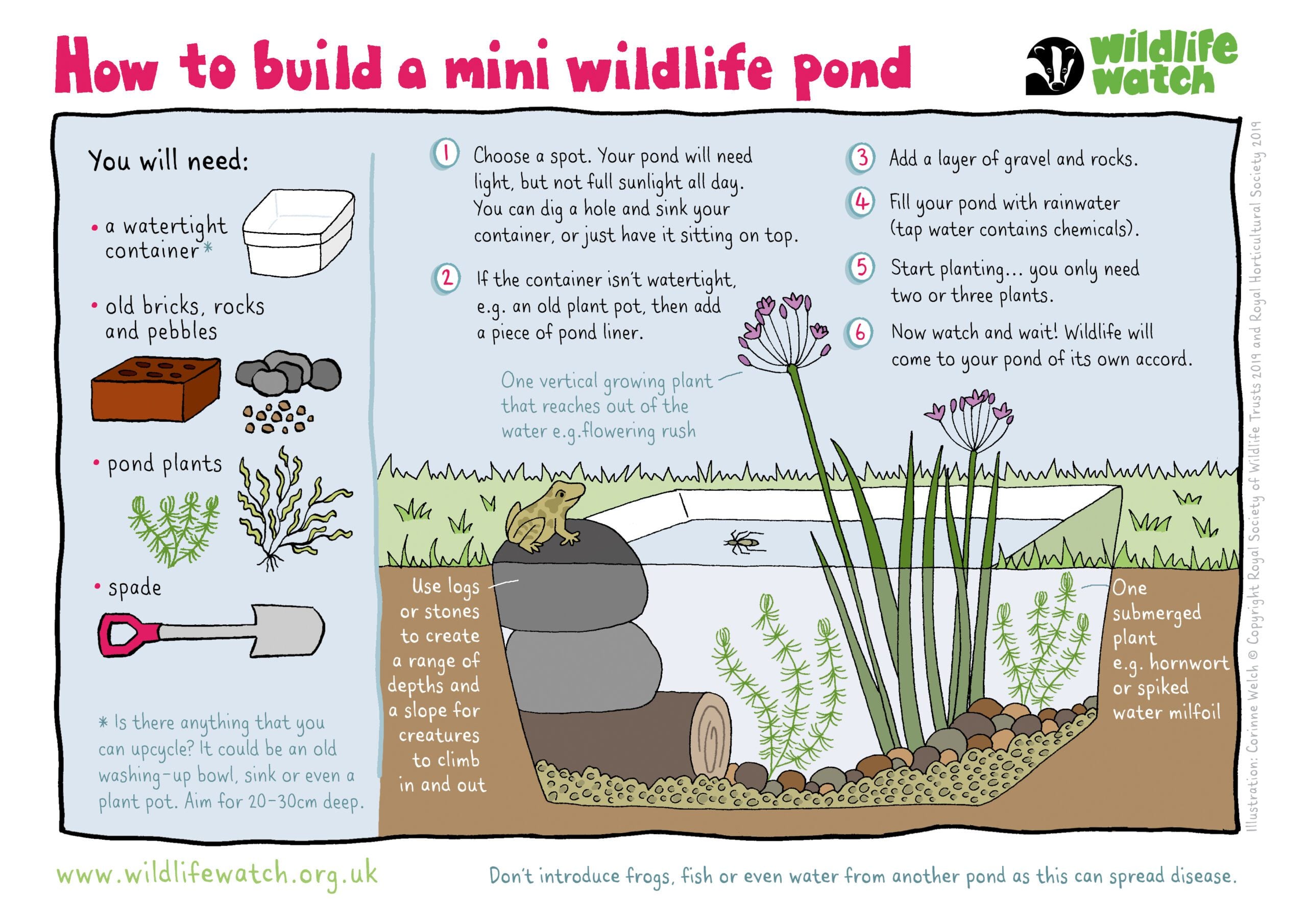
Practical conservation tasks like clearing pathways, building ponds or planting trees
-
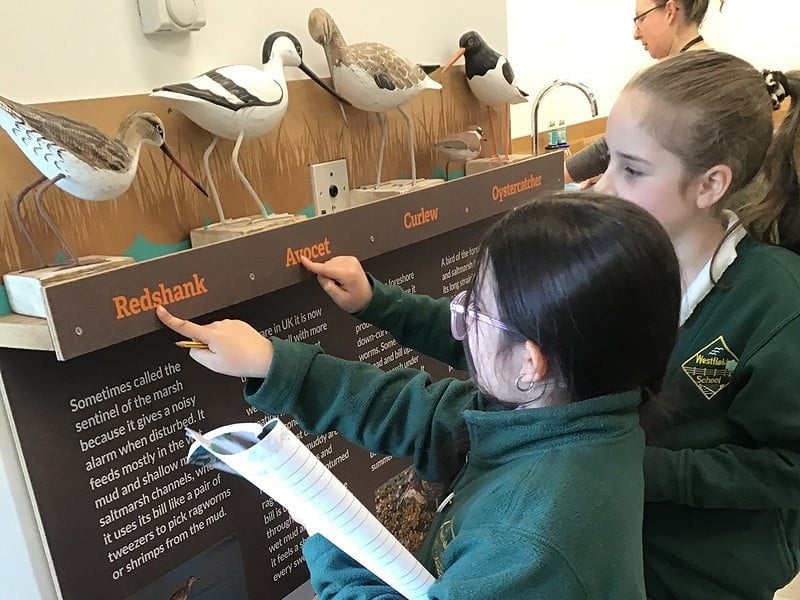
Supporting educational groups, community projects or events
-
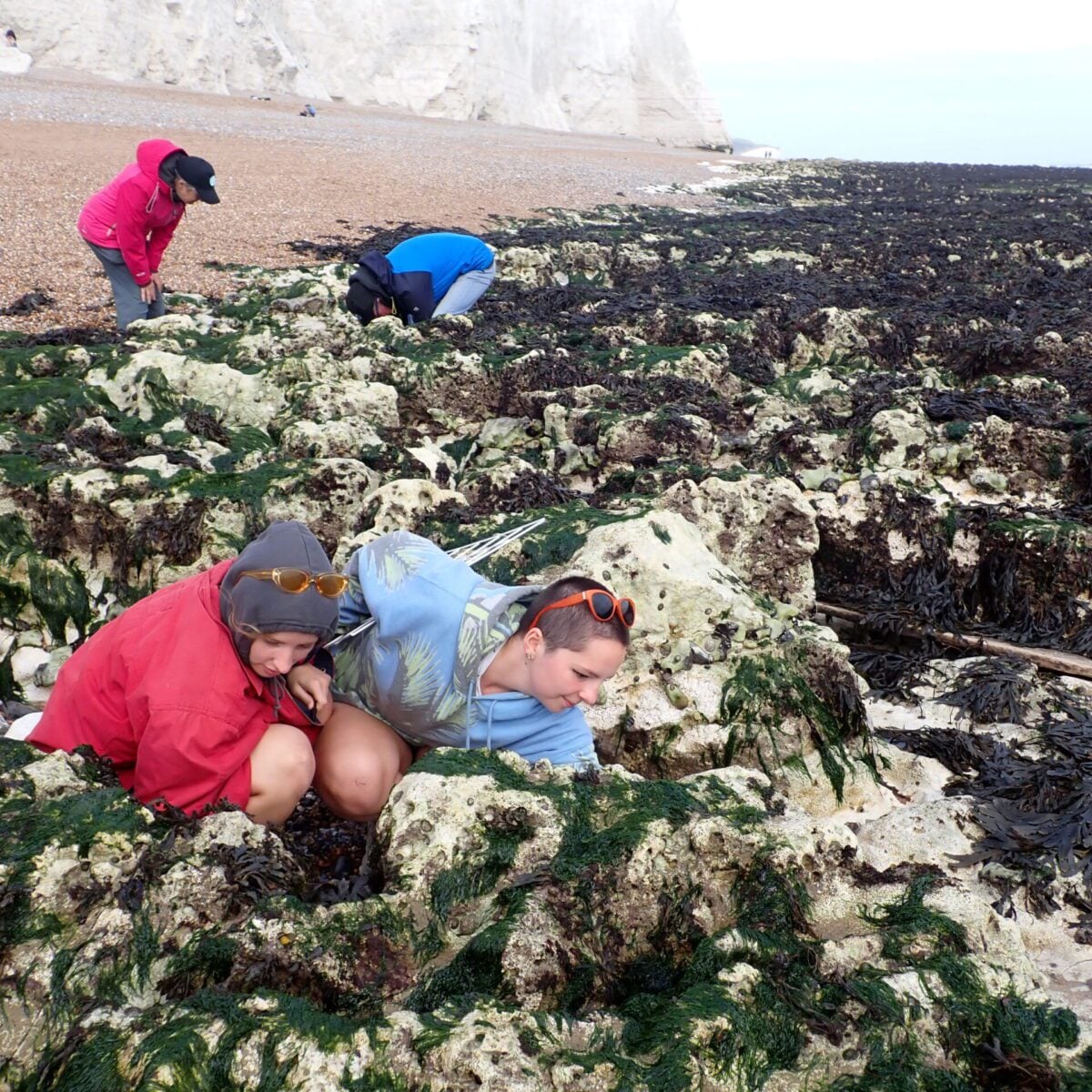
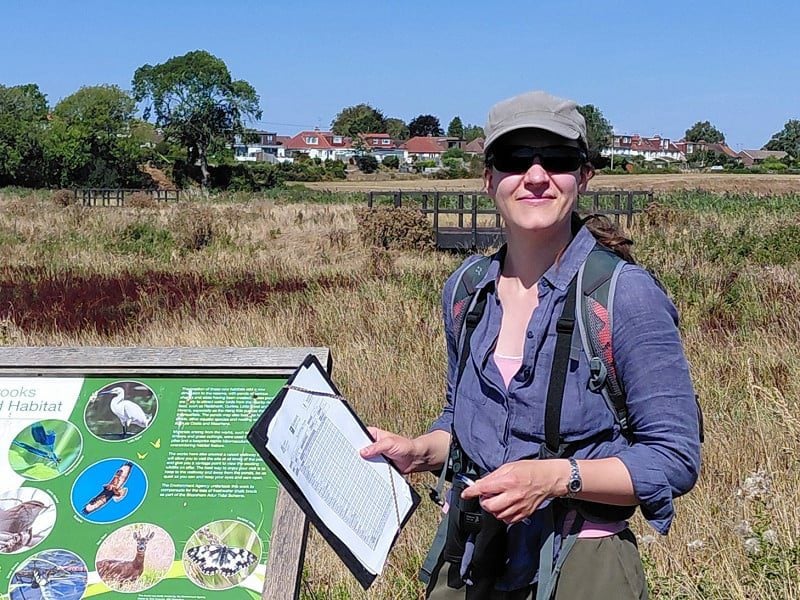
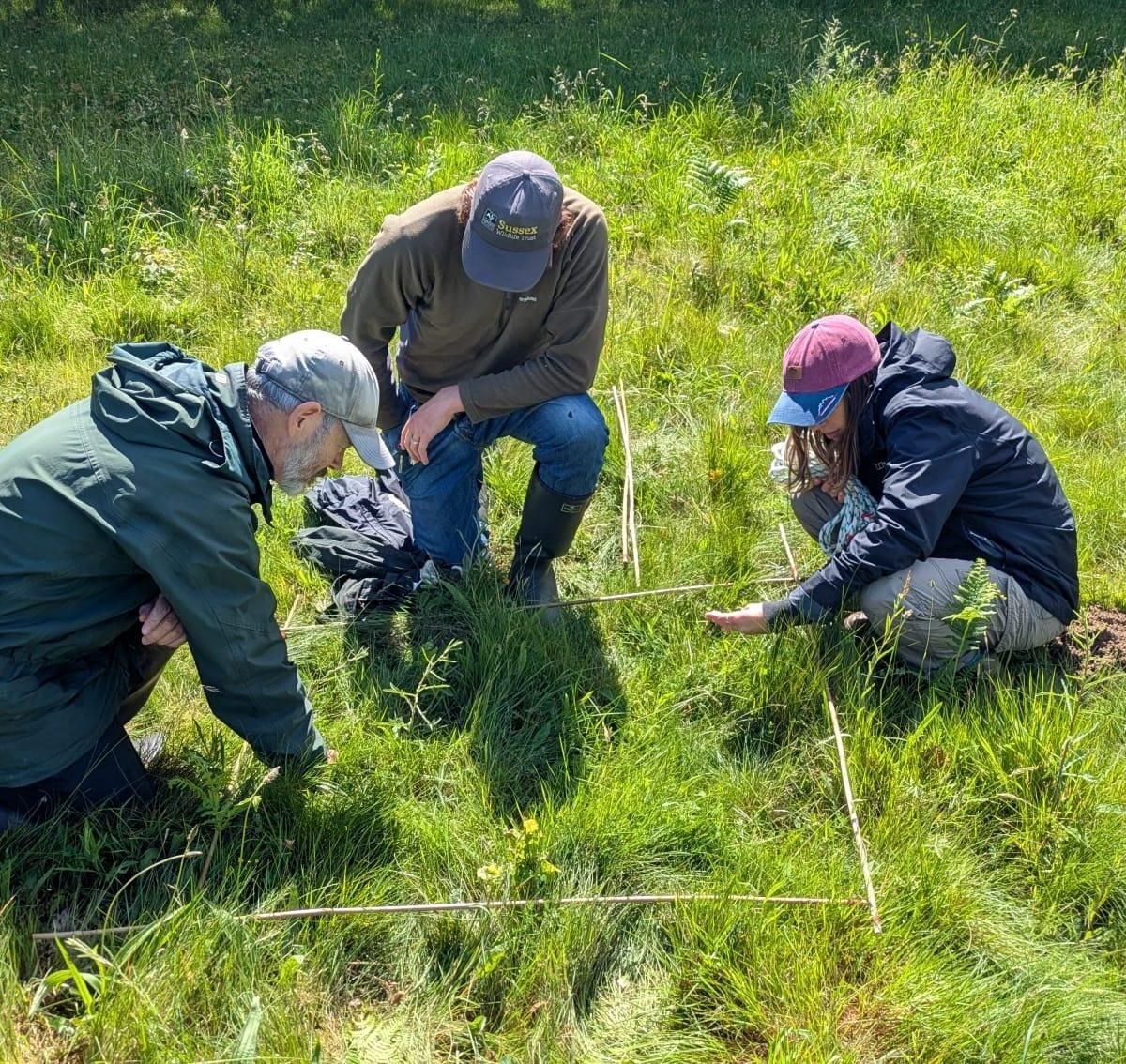
Monitoring changes in habitats and conducting surveys to understand how the number and kinds of species are changing
How to volunteer
Our volunteering opportunities are for people who can help out regularly. If that’s you, here’s what to do:
- Browse our list of volunteering opportunities
- Apply for the specific volunteer role or group you’re interested in
- Please note – recruitment is paused annually in December + January and July + August
- Due to the large number of applications recently, recruitment of new volunteers is paused for most roles until February 2027 – please check details on the links below
Corporate volunteering
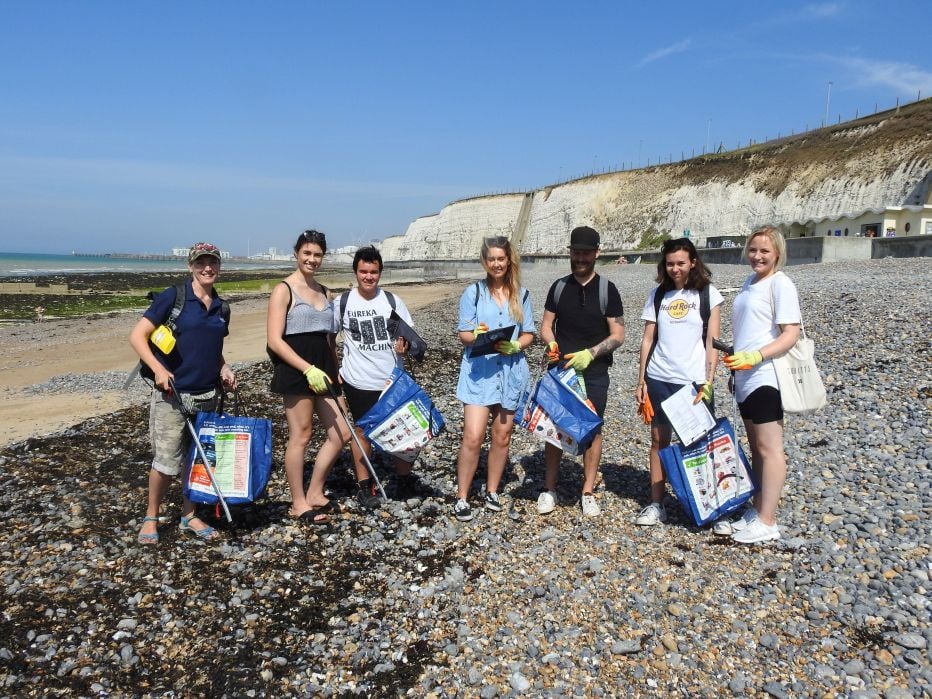
From beach cleans and species surveys to learning bush craft skills, our Wild Work Days let teams connect with nature to improve productivity, creativity and wellbeing.
Besides the satisfaction of taking part in vital practical conservation work, the members of your team will also learn about local wildlife and habitats. We take care of the health and safety, all tools required as well as catering.
Why volunteer with us?
Without our volunteers, a Sussex rich in wildlife would be just a dream. But together, we’re making it happen.
People of all ages volunteer with us for all kinds of reasons: to feel part of a group and a wider community, to make a difference, to learn about nature, to support a course of study, gain new skills, spend time outdoors, meet new people, or to feel healthier, happier and more connected.
Whatever your reason, when you volunteer with the Trust, our team will make sure you’re supported, safe and learn the skills you need to enjoy your time contributing to a wilder Sussex.
Current volunteering opportunities
© Archie TaplinJoin other Sussex youth volunteering for nature
Are you a young person interested in learning more about nature around you? Want to make a difference for local wildlife? You can join our Wildlife Ranger programmes from age 12. There are programmes for 12 to 16 year olds, and for 16 to 25 year olds.
of plants, animals, birds, insects and invertebrates are found across our nature reserves in Sussex.
are members of Sussex Wildlife Trust. That’s a powerful community for change.
of land are being restored and protected in our nature reserves across Sussex.
give their time and energy to nature in their community through projects and initiatives that we run.
Volunteering FAQs
Who can I contact about other volunteering questions?
If you can’t find the answers to your question please email swtvolunteering@sussexwt.org
For questions about volunteering at Rye Harbour Nature Reserve contact: ryeswtvolunteering@sussexwt.org.uk.
For corporate Wild Work Days, email: swtcorporatevolunteering@sussexwt.org.uk
Do you offer work placements?
No, unfortunately we don’t offer work placements.
If I work on my own (for example, surveying insects), where can I find guidance on how to do this safely?
You can find extra guidance in files on your MyImpact account. If you can’t find this information, please contact the volunteering team.
What about health and safety for volunteers?
We take the health and safety of everyone involved with the Trust very seriously and we’ll ensure that you are safe whilst volunteering. All our events follow health and safety procedures. We conduct risk assessments and make sure there’s first aid available. The member of staff running your group will go through health and safety before you start on any task.
When you register as a volunteer please take the time to read the Occupational Health and Safety Policy in your MyImpact portal.
How do I sign-up for opportunities once I’m a registered volunteer?
Once you’ve registered as a volunteer, you will be added to the group(s) or initiative(s) that you’re interested in on your MyImpact account.
- Log into your MyImpact account
- Click on Opportunities
- Sign up to the volunteering dates that suit you.
Please remember to remove yourself from any dates if you can’t make it. This means someone from the waiting list can attend instead. To cancel:
- Log into your MyImpact account
- Click on Schedule
- Select the event you can’t make
- Click on the Remove button.
What’s a MyImpact account and how do I get one?
When you apply to volunteer at Sussex Wildlife Trust you’ll need to set up a MyImpact account. You can then use it to:
- find guidance you might need
- track how many hours you’ve volunteered
- sign-up for new volunteering opportunities
MyImpact is software designed by Better Impact. If you are having issues with your account, please speak to your volunteer manager or email swtvolunteering@sussexwt.org
Can I claim expenses?
Yes, as a volunteer you can get your travel expenses reimbursed. Speak to your volunteer manager about how to do this. Just remember that expense claims should be agreed with us in advance and you’ll need to keep and submit any receipts.
Will I receive training?
Yes, all of our volunteers get training for the tasks they’re involved in. For some roles we offer extra training courses for volunteers who make a regular commitment.
What should I bring and wear?
Most of our volunteering is outside, so best to be prepared for any weather. Occasionally tasks are cancelled due to adverse weather conditions.
For land-based conservation tasks throughout the year we suggest you wear:
- Long trousers to protect against scratches and insect bites
- Long-sleeved tops to protect against scratches, bites and the sun
- Waterproof coat and warm layers for winter
- Sun hat or warm hat
- Gardening gloves if you have them
And remember to bring:
- Plenty of water
- Lunch
Most of our reserves don’t have shops or toilets.
What happens when I start volunteering?
You can expect a warm welcome at the Sussex Wildlife Trust when you start! You’ll be assigned a volunteer manager, who will:
- introduce you to the other volunteers and staff
- explain the role and let you know where everything is
- arrange training and support until you’re confident in doing your role
If you have any specific training requests please discuss them with the volunteer team.
How often do I have to volunteer?
This depends on the role and when you’re available. Some of our volunteer groups meet weekly, some monthly. Some are seasonal and may not have a set pattern.
Our aim is to make volunteering as flexible and inclusive as possible. That said, we don’t provide one-off volunteering opportunities, because the best way to provide meaningful opportunities, training and support is if volunteers make a regular and ongoing commitment.
How old must I be to volunteer?
There are opportunities from age 12 all the way up to 85. Most of our work parties are open to over 18s, but if you’re 16 to 25, please take a look at our Youth Volunteering programmes for extra volunteering opportunities.
Do I have to know a lot about nature to be a volunteer?
No, not at all! Our volunteers range from complete beginners to experts. While you need specific knowledge and skills for some roles, for most you just need enthusiasm and a desire to make a difference. There are lots of opportunities to learn more as you go.
Meet our volunteers
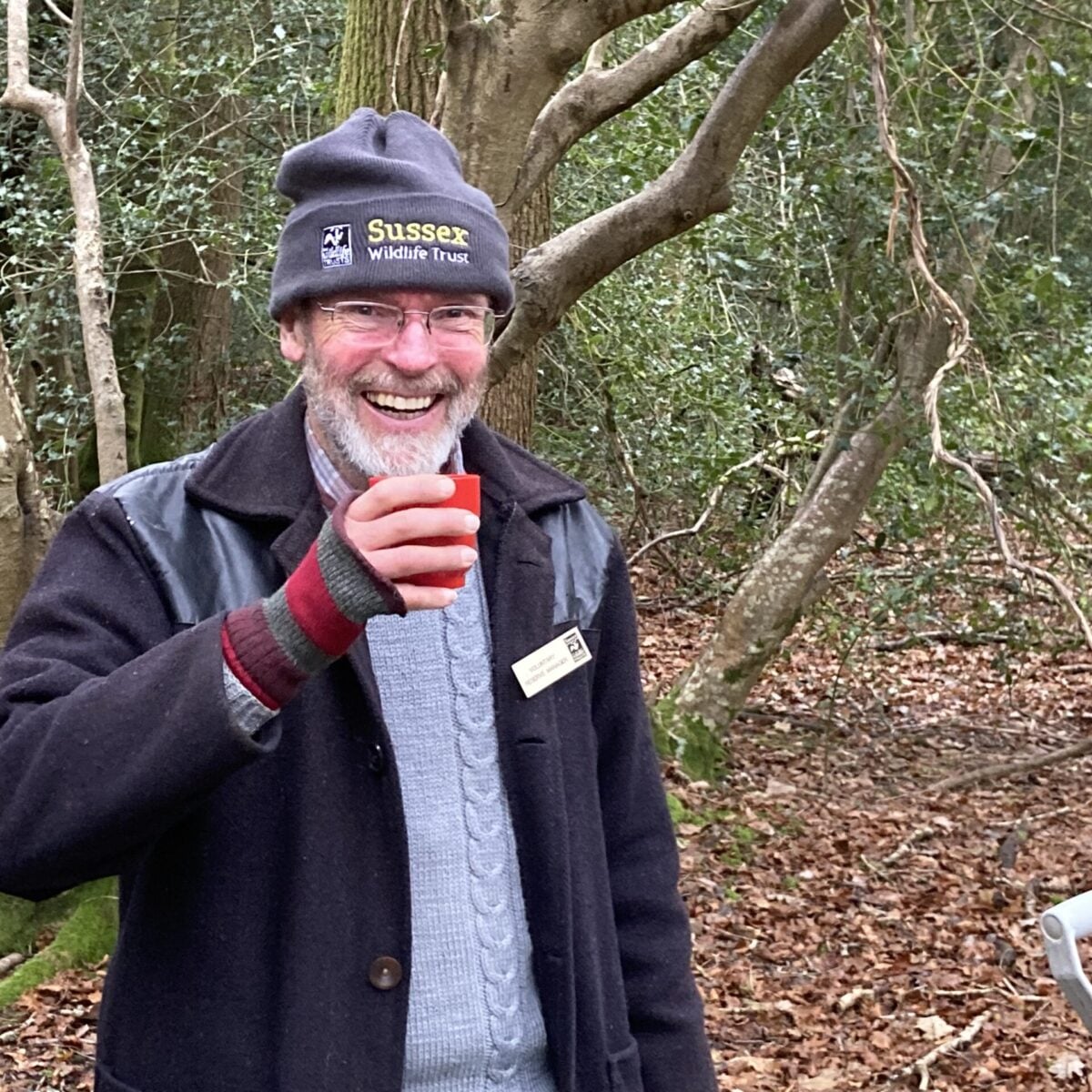
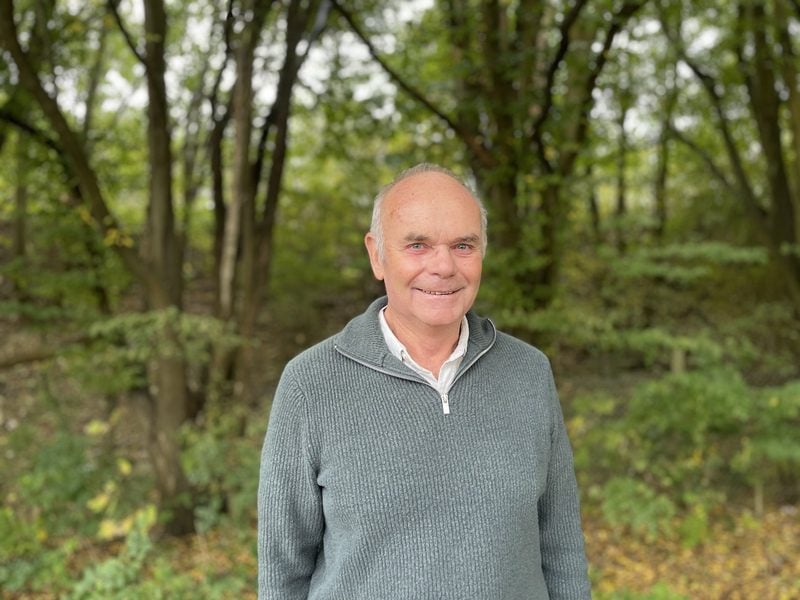
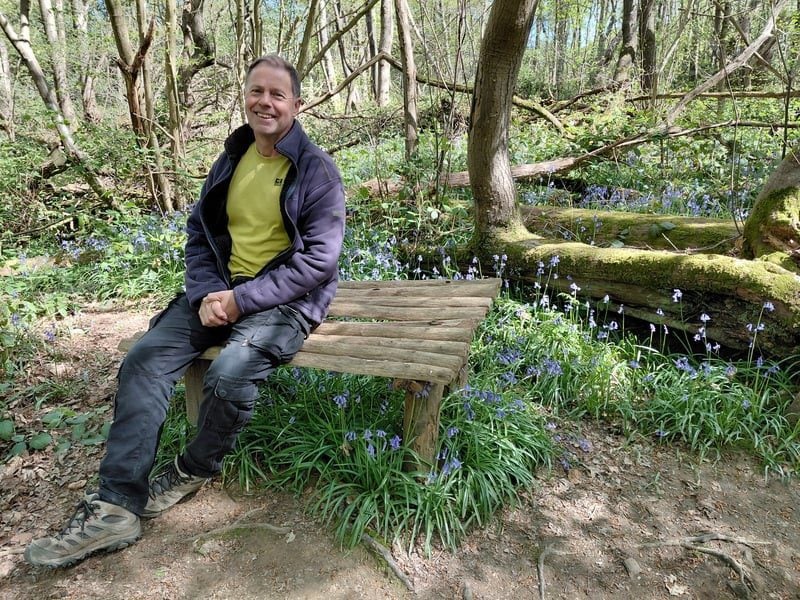
Dennis Harding: voluntary reserve manager at Selwyn Wood
“My interest in wildlife started when, as a child, my big brother kept bringing back to our kitchen, animals that were the overflow from a rescue centre. I never knew what I was going to share my cornflakes with; deer, ducks, rabbits. I moved on to do two degrees in conservation, but it is the practical experience which is most important.”
© Emma ChaplinGet involved in your regional Sussex Wildlife Trust community group
Our invaluable volunteers run Sussex Wildlife Trust’s local and regional groups. They organise local events (such as guided walks and talks), practical projects, and campaigns. They also raise awareness and valuable funds to help protect and restore nature locally.
Joining one of these groups is a great way to get involved, learn more about local wildlife and meet like-minded people.
Eastbourne Regional Group
Eastbourne Regional Group offers members (and visitors) the opportunity to meet others in the area with an interest in natural history and the environment. The Group also runs a full programme of events throughout the year.
Storrington and Arun Valley Regional Group
Storrington and Arun Valley Regional Group is a very friendly group run by volunteers with the aim of supporting Sussex Wildlife Trust in the local community.
Sussex Walking Group
Open to members of Sussex Wildlife Trust, this group meets once a month for a morning's walk, in interesting locations across the county.
News & resources
Latest updates
Join the conversation
Connect with wildlife
Thousands of people share their love of wildlife in Sussex via social media. From garden visitors and community campaigns to the latest rare finds on our reserves, we bring it all together. Join us on your preferred platform (and get our weekly news by email).

Nov 6
An extra helper turned up to our volunteer task at Old Lodge nature reserve last week!
A stunning Green Huntsman spider 🕷️💚
📷© Ellie Stradling
Nov 5
🔥⚠️STEP AWAY FROM THE BONFIRE ⚠️🔥
Have you checked for Hedgehogs, or any other wildlife that may have made a home in piles of leaves and logs?
🦔Move the pile before lighting – the longer it has been sat, the higher the risk of wildlife being inside
🦔Do not build bonfires on leaves – always on open ground
🦔Be especially diligent of fires being extinguished – wildfires are still a risk
📷© Tom Marshall
Nov 4
A third superb image from Kutub Uddin, winner of the Portfolio category of the Natural History Museum`s Wildlife Photographer of the Year Awards
Featured image: The Gathering
Kutub had to search for several weeks across different woodland areas in Sussex before finally spotting these fruiting bodies. It was windy and tiny insects kept moving through the frame, but the natural light worked perfectly to highlight their delicate structure.
@kutub_uddin_macro @natural_history_museum @nhm_wpy
Nov 3
Another incredible image from Kutub Uddin, winner of the Portfolio category of the Natural History Museum`s Wildlife Photographer of the Year Awards
Featured image: A World in Miniature
Kutub likens this fruiting body of a Didymium clavus slime mould – which is about the size of a mustard seed – to a miniature bonsai tree. Kutub used focus stacking to reveal the fine details of these tiny structures.
@kutub_uddin_macro @natural_history_museum @nhm_wpy
Nov 2
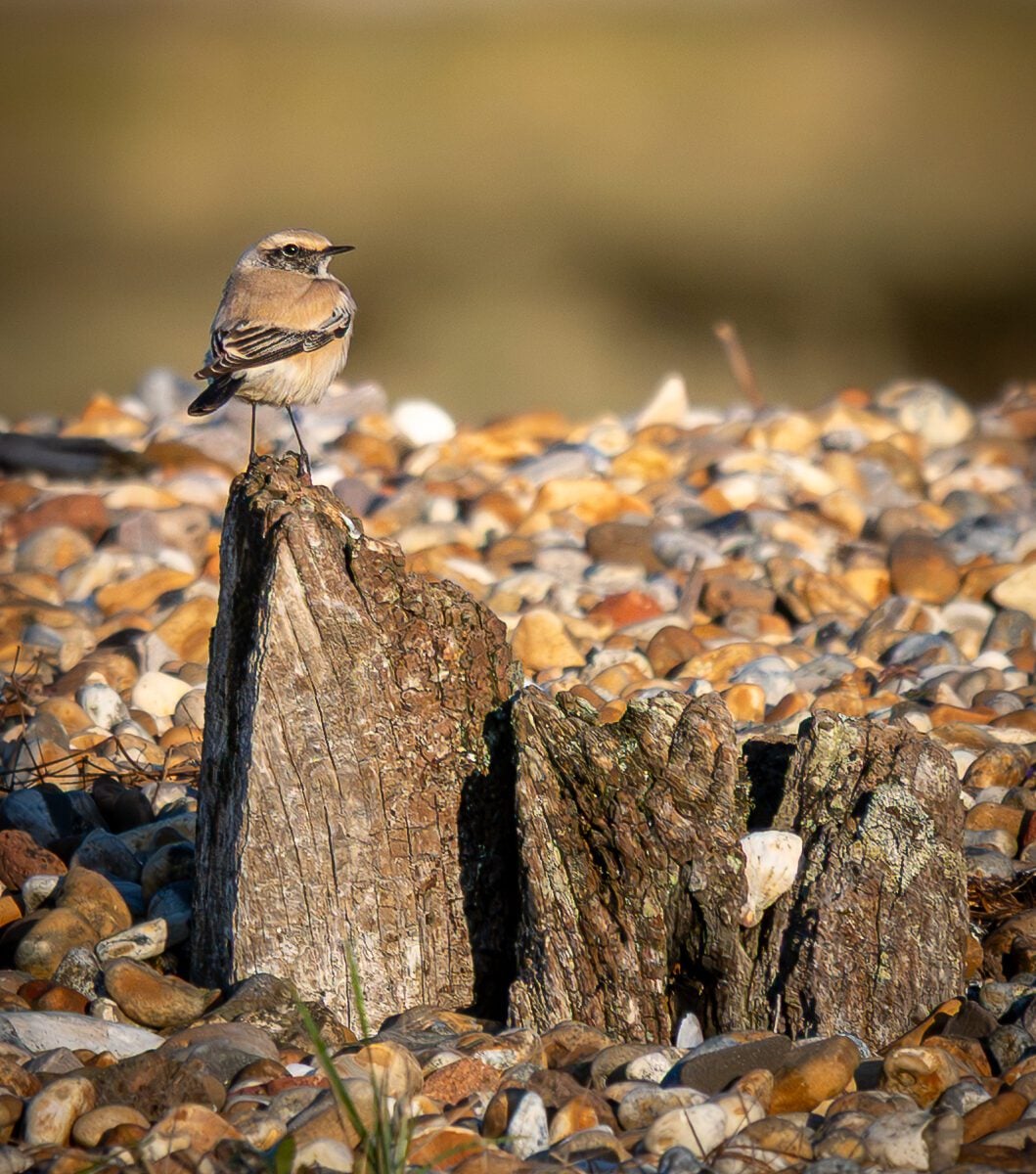
Alas, this beauty was a one-day wonder at @ryeharbournr – a Desert Wheatear, the first to be recorded on any of our reserves, and more usually found in Morocco, the Middle East or India.
#birdsofinstagram #Sussex #ryeharbournaturereserve
📷 © Tony Ham
Nov 2
Brilliant macro photographer & Trust member Kutub Uddin has just won the Portfolio Award of the Natural History Museum`s Wildlife Photographer of the Year competition – we will feature some of his photos this week.
Tickets for the exhibition are now on sale
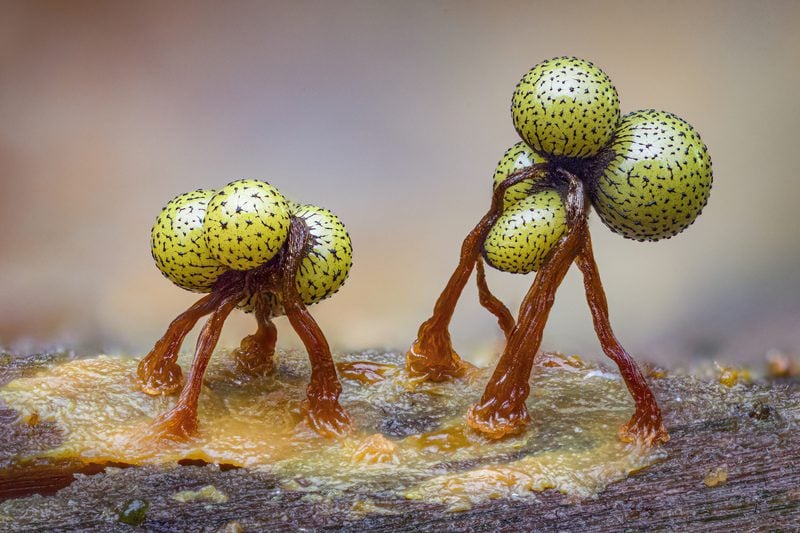
Featured image: `Tiny Dancers`
Fine threads, known as capillitium, emerge on the round, yellow-green bodies, which will eventually help disperse reproductive spores. Kutub says they appear like ‘tiny clusters or unusual textures on the wood, often appearing as minute pins, spheres or dust-like groupings’.
@kutub_uddin_macro @natural_history_museum @nhm_wpy
Nov 1
Every last petal is precious🪻
This Buff-Tailed Bumblebee queen was spotted in a Sussex garden last week, feeding on the very last Lavender flowers on the plant!
Resist over-tidying gardens at this time of year – they are a lifeline for wildlife, feeding up for winter.
📷© Kerry Williams
Oct 31
A slimy, brainless creature that stalks prey, navigates mazes & creates incredible transport networks that are more efficient than the ones that humans create. Who or what can it be? Slime moulds of course! We love these guys.
Happy Halloween! #halloween
📸 Kutub Uddin @kutub_uddin_macro
Oct 30
Spooky, smelly fungus. Meet creepy Devil`s Fingers, or Octopus Stinkhorn. Red tentacles splay out from the alien-looking `egg` into a starfish shape.
📷 Sue Robinson
Oct 30
Jay in flight with an acorn by Maria McGrath. Each Jay will bury & hide thousands of acorns over the winter, up to 10,000!
@bizz2018