

As its name suggests the nature reserve is a meadow and as such is an example of a habitat that while once common, is now particularly uncommon in Sussex and nationally as a consequence of the post war intensification of agriculture. Given its significant nature conservation value the site is designated as a LWS in recognition of this importance.
The reserve was last subject to a detailed vegetation survey in 2005, so the reserves team required an up-to-date survey of the site. In addition, a condition assessment of the habitat was also carried out, to identify any areas where the sites ecological interest could be declining. The data provided by the survey and condition assessment will help inform the future management of this important site.
The Sussex LWS Initiative reviews 20 to 30 LWS from across Sussex each year, with a rolling programme of surveys. The results of the vegetation survey will also be used to determine if Brickfield Meadow continues to meet the criteria for designation as an LWS.
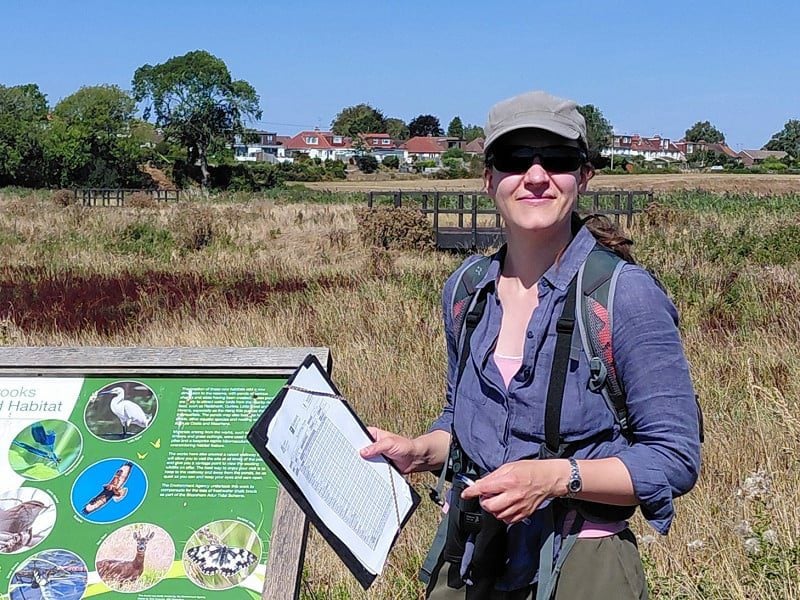
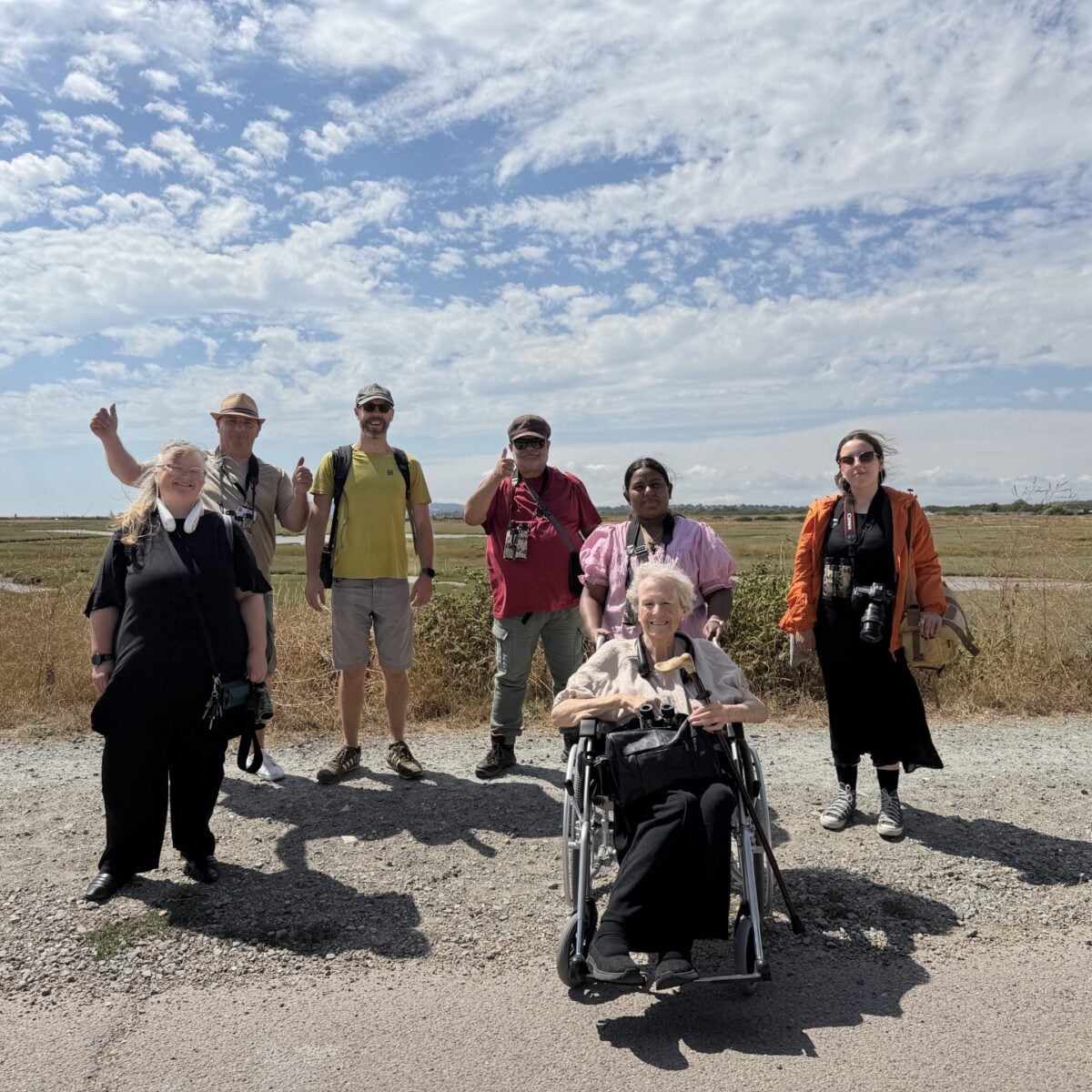
The survey provided the Leysdown Trainees with practical experience of carrying out vegetation surveys and getting to grips with plant identification, with much of the time spent telling the difference between grass species, such as the rather whimsically named Yorkshire-fog Holcus lanatus and the less poetic sounding Cock’s-foot Dactylis glomerata.
 Chimney Sweeper Bob Eade
The species rich sward contained a diversity of herbs including Bitter-vetch Lathyrus linifolius, Betony Betonica officinalis, Common Bird’s-foot-trefoil Lotus corniculatus, Yellow-rattle Rhinanthus minor and Pignut Conopodium majus. The latter is the foodplant of the Chimney Sweeper Odezia atrata, a moth species that is rare in Sussex and for which Brickfield Meadow is particularly renowned.
Published 21 September 2026.



Leave a Reply