Volunteer with us
Gain new skills, make new friends and share or improve your knowledge of nature in Sussex. By volunteering, you can do all this while creating greener, wilder spaces for wildlife and people in your local community.
What our volunteers do
-
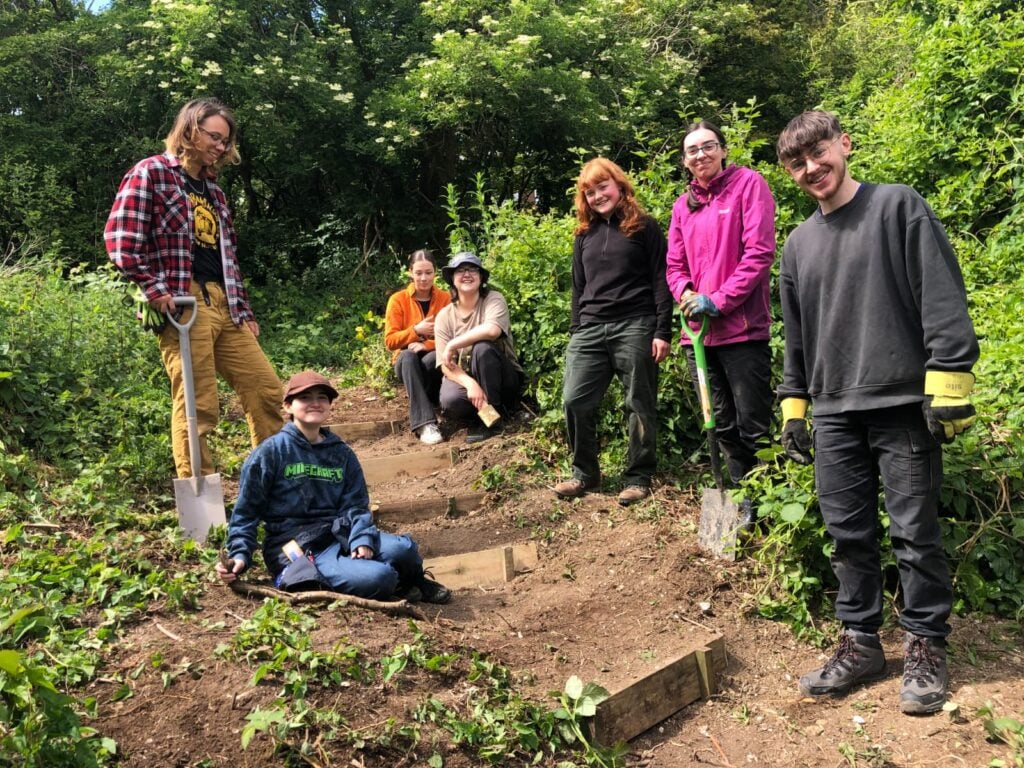
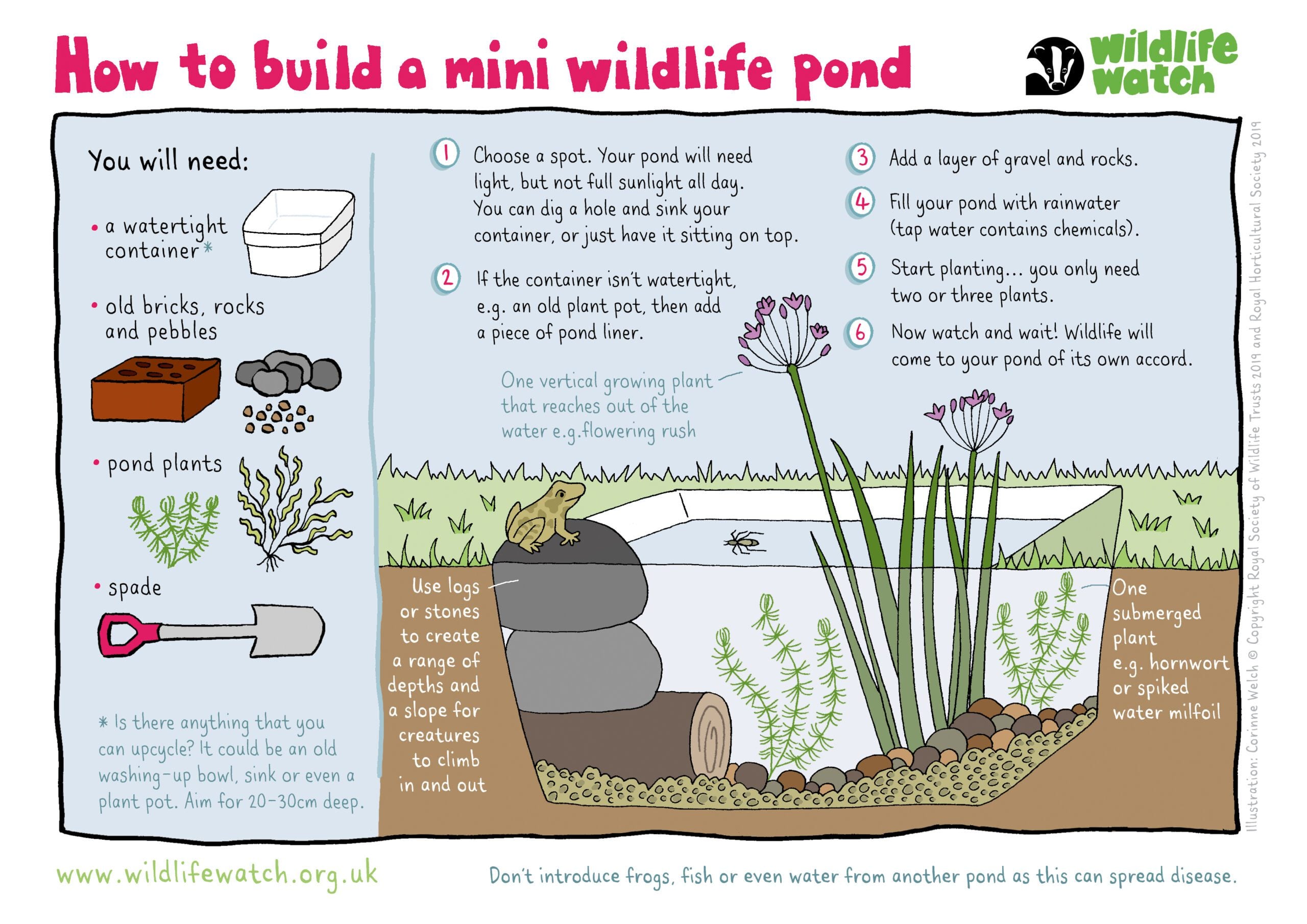
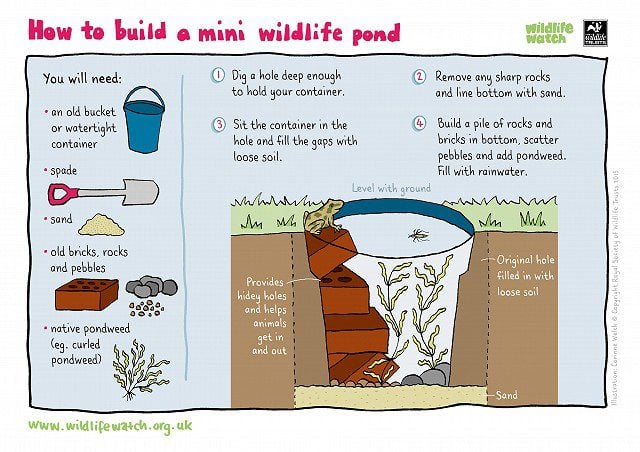
Practical conservation tasks like clearing pathways, building ponds or planting trees
-
Supporting educational groups, community projects or events
-
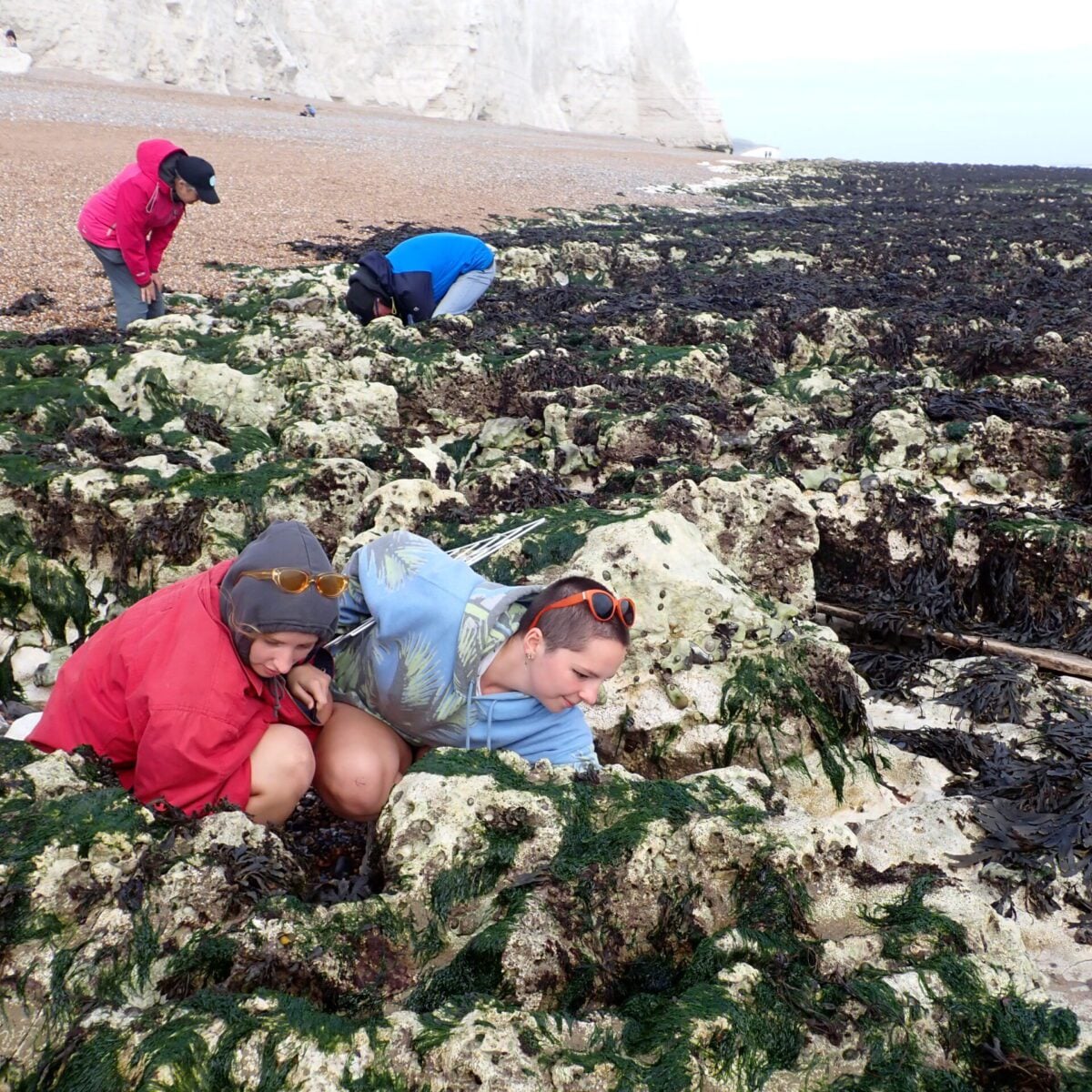
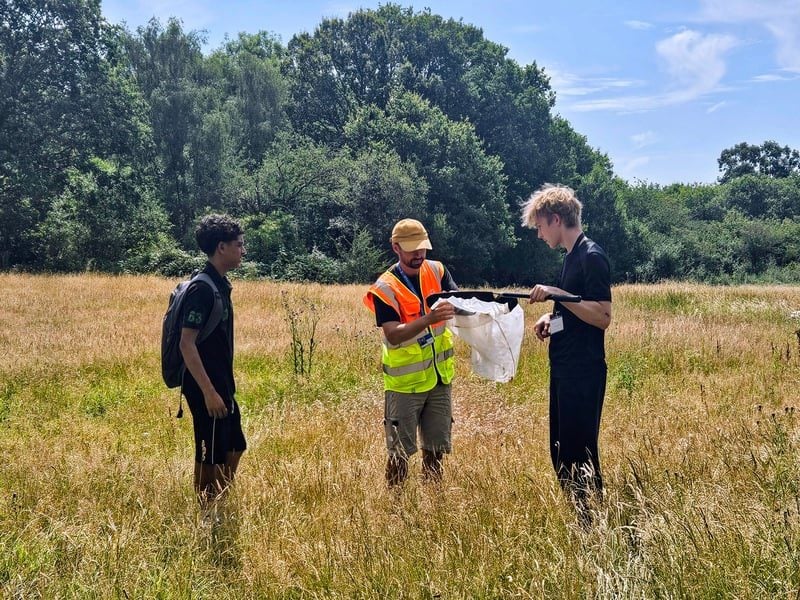
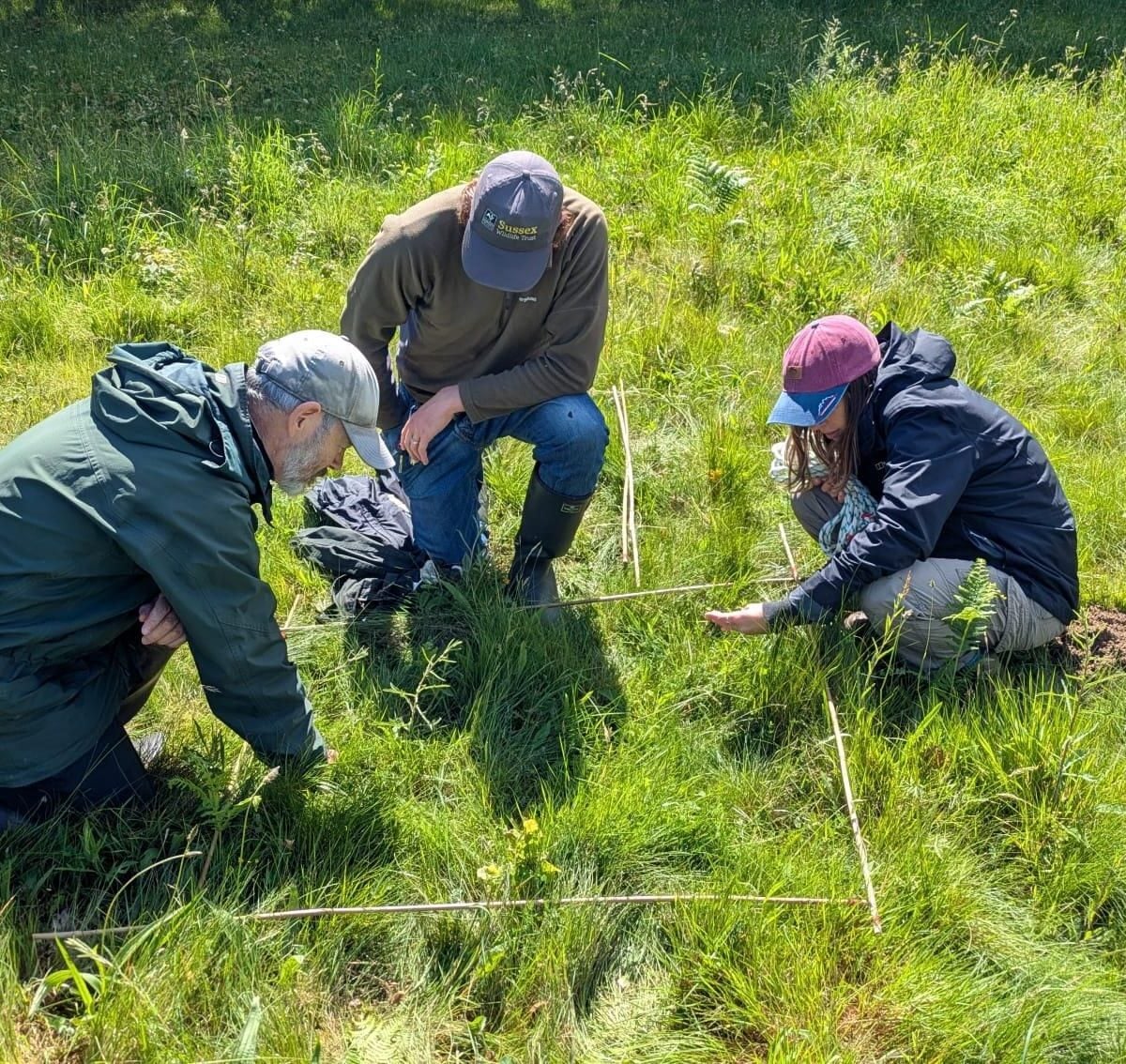
Monitoring changes in habitats and conducting surveys to understand how the number and kinds of species are changing
How to volunteer
Our volunteering opportunities are for people who can help out regularly. If thatβs you, hereβs what to do:
- Browse our list of volunteering opportunities
- Apply for the specific volunteer role or group youβre interested in
Corporate volunteering
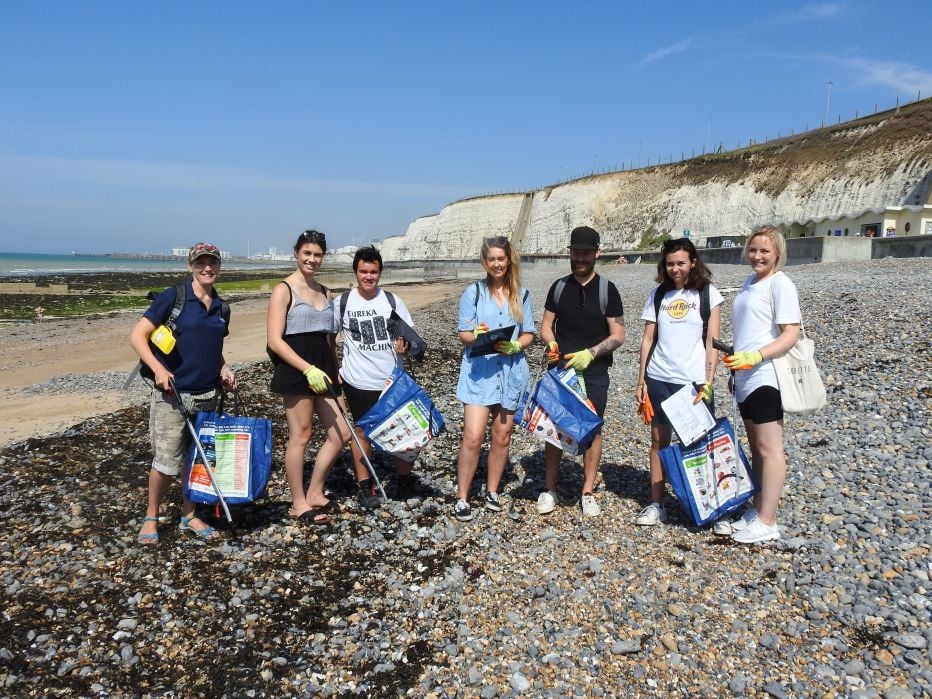
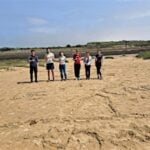
From beach cleans and species surveys to learning bush craft skills, our Wild Work Days let teams connect with nature to improve productivity, creativity and wellbeing.
Besides the satisfaction of taking part in vital practical conservation work, the members of your team will also learn about local wildlife and habitats. We take care of the health and safety, all tools required as well as catering.
Why volunteer with us?
Without our volunteers, a Sussex rich in wildlife would be just a dream. But together, weβre making it happen.
People of all ages volunteer with us for all kinds of reasons: to feel part of a group and a wider community, to make a difference, to learn about nature, gain new skills, spend time outdoors, meet new people, or to feel healthier, happier and more connected.
Whatever your reason, when you volunteer with the Trust, our team will make sure youβre supported, safe and learn the skills you need to enjoy your time contributing to a wilder Sussex.
Current volunteering opportunities
Β© Archie TaplinJoin other Sussex youth volunteering for nature
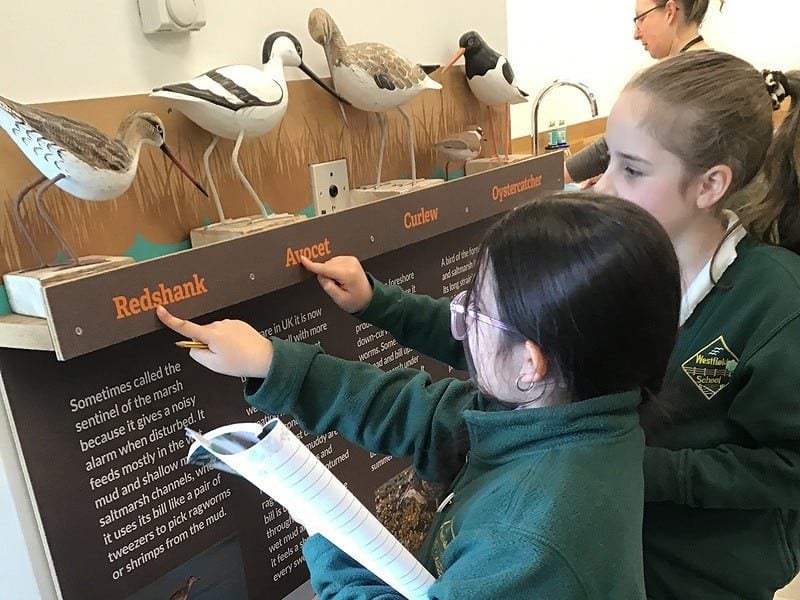
Are you a young person interested in learning more about nature around you? Want to make a difference for local wildlife? You can join our Wildlife Ranger programmes from age 12. There are programmes for 12 to 16 year olds, and for 16 to 25 year olds.
of plants, animals, birds, insects and invertebrates are found across our nature reserves in Sussex.
are members of Sussex Wildlife Trust. That’s a powerful community for change.
of land are being restored and protected in our nature reserves across Sussex.
give their time and energy to nature in their community through projects and initiatives that we run.
Volunteering FAQs
If I work on my own (for example, surveying insects), where can I find guidance on how to do this safely?
You can find extra guidance in files on your MyImpact account. If you canβt find this information, please contact the volunteering team.
What about health and safety for volunteers?
We take the health and safety of everyone involved with the Trust very seriously and weβll ensure that you are safe whilst volunteering. All our events follow health and safety procedures. We conduct risk assessments and make sure thereβs first aid available. The member of staff running your group will go through health and safety before you start on any task.Β
When you register as a volunteer please take the time to read the Occupational Health and Safety Policy in your MyImpact portal.
How do I sign-up for opportunities once Iβm a registered volunteer?
Once youβve registered as a volunteer, you will be added to the group(s) or initiative(s) that youβre interested in on your MyImpact account.Β
- Log into your MyImpact accountΒ
- Click on OpportunitiesΒ
- Sign up to the volunteering dates that suit you.Β
Please remember to remove yourself from any dates if you canβt make it. This means someone from the waiting list can attend instead. To cancel:
- Log into your MyImpact accountΒ
- Click on Schedule
- Select the event you canβt make
- Click on the Remove button.
Whatβs a MyImpact account and how do I get one?
When you apply to volunteer at Sussex Wildlife Trust youβll need to set up a MyImpact account. You can then use it to:
- find guidance you might need
- track how many hours youβve volunteered
- sign-up for new volunteering opportunities
MyImpact is software designed by Better Impact. If you are having issues with your account, please speak to your volunteer manager or email swtvolunteering@sussexwt.org
Can I claim expenses?
Yes, as a volunteer you can get your travel expenses reimbursed. Speak to your volunteer manager about how to do this. Just remember that expense claims should be agreed with us in advance and youβll need to keep and submit any receipts.
Will I receive training?
Yes, all of our volunteers get training for the tasks theyβre involved in. For some roles we offer extra training courses for volunteers who make a regular commitment.
What should I bring and wear?
Most of our volunteering is outside, so best to be prepared for any weather. Occasionally tasks are cancelled due to adverse weather conditions.Β
For land-based conservation tasks throughout the year we suggest you wear:Β
- Long trousers to protect against scratches and insect bites
- Long-sleeved tops to protect against scratches, bites and the sun
- Waterproof coat and warm layers for winter
- Sun hat or warm hat
- Gardening gloves if you have them
And remember to bring:
- Plenty of water
- Lunch
Most of our reserves donβt have shops or toilets.
What happens when I start volunteering?
You can expect a warm welcome at the Sussex Wildlife Trust when you start! Youβll be assigned a volunteer manager, who will:
- introduce you to the other volunteers and staff
- explain the role and let you know where everything is
- arrange training and support until youβre confident in doing your role
If you have any specific training requests please discuss them with the volunteer team.
How often do I have to volunteer?
This depends on the role and when youβre available. Some of our volunteer groups meet weekly, some monthly. Some are seasonal and may not have a set pattern.Β
Our aim is to make volunteering as flexible and inclusive as possible. That said, we donβt provide one-off volunteering opportunities, because the best way to provide meaningful opportunities, training and support is if volunteers make a regular and ongoing commitment.Β
How old must I be to volunteer?
There are opportunities from age 12 all the way up to 85. Most of our work parties are open to over 18s, but if youβre 16 to 25, please take a look at our Youth Volunteering programmes for extra volunteering opportunities.
Do I have to know a lot about nature to be a volunteer?
No, not at all! Our volunteers range from complete beginners to experts. While you need specific knowledge and skills for some roles, for most you just need enthusiasm and a desire to make a difference. There are lots of opportunities to learn more as you go.
Who can I contact about other volunteering questions?
If you canβt find the answers to your question please emailΒ swtvolunteering@sussexwt.org
For questions about volunteering at Rye Harbour Nature Reserve contact: ryeswtvolunteering@sussexwt.org.uk.
For corporate Wild Work Days, email: swtcorporatevolunteering@sussexwt.org.ukΒ
Do you offer work placements?
No, unfortunately we donβt offer work placements.
Meet our volunteers
Dennis Harding: voluntary reserve manager at Selwyn Wood
βMy interest in wildlife started when, as a child, my big brother kept bringing back to our kitchen, animals that were the overflow from a rescue centre. I never knew what I was going to share my cornflakes with; deer, ducks, rabbits. I moved on to do two degrees in conservation, but it is the practical experience which is most important.β
Β© Emma ChaplinGet involved in your regional Sussex Wildlife Trust community group
Our invaluable volunteers run Sussex Wildlife Trust’s local and regional groups. They organise local events (such as guided walks and talks), practical projects, and campaigns. They also raise awareness and valuable funds to help protect and restore nature locally.
Joining one of these groups is a great way to get involved, learn more about local wildlife and meet like-minded people.
Eastbourne Regional Group
Eastbourne Regional Group offers members (and visitors) the opportunity to meet others in the area with an interest in natural history and the environment. The Group also runs a full programme of events throughout the year.
Storrington and Arun Valley Regional Group
Storrington and Arun Valley Regional Group is a very friendly group run by volunteers with the aim of supporting Sussex Wildlife Trust in the local community.
Sussex Walking Group
Open to members of Sussex Wildlife Trust, this group meets once a month for a morning's walk, in interesting locations across the county.
News & resources
Latest updates
Join the conversation
Connect with wildlife
Thousands of people share their love of wildlife in Sussex via social media. From garden visitors and community campaigns to the latest rare finds on our reserves, we bring it all together. Join us on your preferred platform (and get our weekly news by email).
Sep 23
The #AutumnEquinox, when day & night are of equal length, is today. This is a time that offers a hedgerow harvest of blackberries, rose hips, crab apples, hazelnuts & seeds. Many creatures take advantage of this wild harvest to build up reserves of fat for migration or hibernation.
Yellow-necked Mouse Β© Alan Price
Sep 22
A Robins Pincushion Wasp Gall on a Dog Rose…. quite a sentence to process π€
Gall Wasps lay their eggs on their host plants, which causes the plants to swell up into these shapes, or galls. The larvae feed on the plant tissue inside the galls.
#NatureIsWeird
π·Β© Senior Ranger – Adam Taylor
Sep 21
Smol but stretchy. 13/10 Weasel. π
π·Β© Kara Lynsdale
#Nature #Mammals
Sep 19
Trail cameras are a great way to see what happens on our reserves after night fall ππ¦
This Barn Owl was captured at @ryeharbournr, hunting for small mammals around the reeds.
#TrailCam #Owl #BirdsOfInstagram
Sep 18
"Found in my veg patch on Saturday! Crawled out from under my pumpkin plants! Had to Google to find out it was a Deaths-head Hawk-moth! Never seen one before."
A fantastic find shared by Jackie Love on the Sussex Wildlife Trust Nature Table Facebook page.
The Deaths-head Hawk-moth is large moth with a distinctive skull-shaped mark on the back of its thorax.
"On the whole they are a very scarce immigrant, reported in very small numbers most years," says Bob Foreman, biodiversity data specialist at the Sussex Biodiversity Record Centre. "However, this year will go down as one of the best years for migrant moths, and itβs not surprising to hear reports of this species."
Bob says that they don`t normally breed in the UK. They have a long life cycle, from egg to caterpillar to pupa to adult moth, and UK winters are usually too cold for them to survive.
However, insect populations are changing rapidly, along with our climate.
"The larvae are occasionally reported feeding on potatoes and looking at the one in the photos, itβs so fresh, I wonder whether it may be a locally grown one?"
π· Β© Jackie Love
#ukmoths #ukwildlife #mothsofinstagram #teammoth
Sep 17
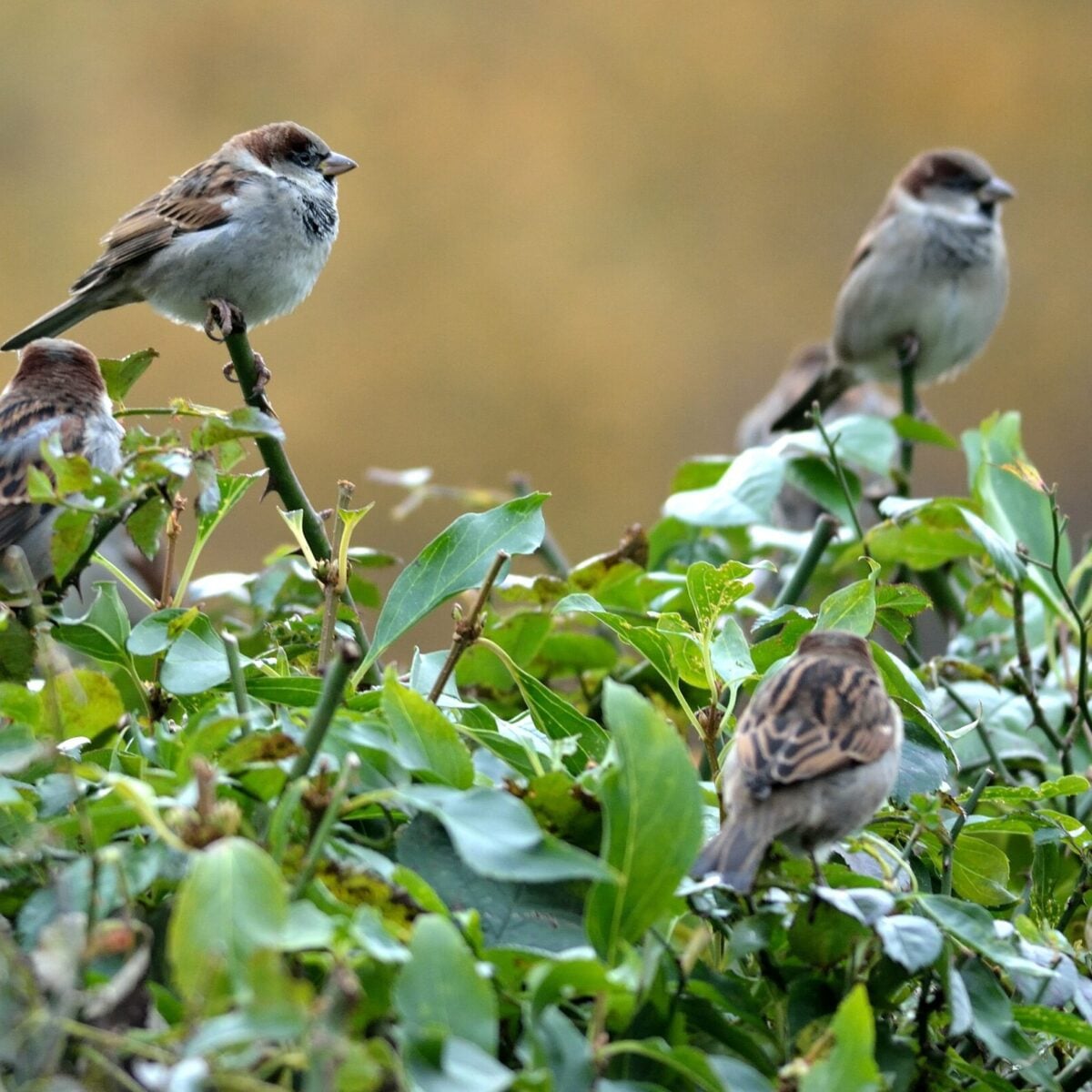
SQUAD GOALS π³π¦
House Sparrows have long been associated with humans and our homes, with the last part of their Latin name, `domesticus`, meaning `belonging to the house`.
Who has a little gang to window watch? π
#SquadGoals #Birding #BirdsOfInstagram
π· (in order) House Sparrows Β© Alan Price/Female Β© Nigel Symington/Male Β© Alan Price
Sep 16
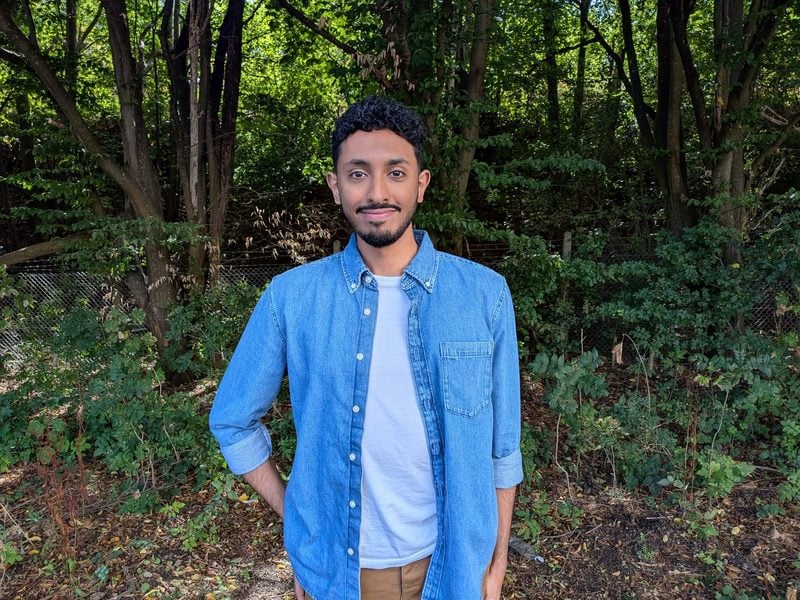
"Restoring our natural environment needs more people, more perspectives, different skills and experiences. We want to ensure that everyone has the opportunity to benefit from nature and have a voice in decisions about their local environment; our green spaces belong to all of us, and we want everyone to feel welcome in them."
Introducing our new Wild About Inclusion Lead, Anna Shamoon π
#NationalInclusionWeek #WildAboutInclusion
π·Anna Shamoon
Sep 15
βNominations are open for the David Streeter Award 2026 β
Do you know someone aged 16-25 who deserves to be recognised for taking action for nature? If this person is you, self-nominations are also accepted!
Information and how to apply in our bio.
π·Β© Katie Bell
Sep 14
Morning, internet. Which Monday vibes frog are you today? πΈ
#MondayMotivation #Amphibians #Frog
π·Β©Julia Hoare/Peter Brooks/Mark Hamblin2020VISION/Beverly Jones/Neil Fletcher/Dave Kilbey
Sep 9
Sea Fest has been designed and organised by the Sussex Wildlife Trust Youth Rangers, a group of volunteers aged 16-25 who are passionate about creating opportunities for young people to connect with nature.
The festival aims to help more young people discover the incredible marine environment around Sussex, learn about the wildlife living on our shores, and explore how we can all play a part in protecting it.
Come along, explore the coast, meet new people and discover the marine world around you.
What to expect…
π Guided Rock Pooling
π€ Talks and Q&As
π¨ Creative Activities
π¬ Film Screening
π€ Community and Conservation Stalls
π¦ Coastal Bird Walk
Poster: Millie Rudling
Sea Fest takes part on the 19th September at the Rottingdean Whiteway Centre. To book a FREE ticket, visit our Eventbrite page by searching `Sussex Wildlife Trust Eventbrite` in your browser.
#marine #sussex #brightonandhove