Take action
Become a member
Memberships build our community and give us a predictable income, which lets us plan and sustain longer projects that can have a greater impact. The more members we have, the more we can do to protect the Sussex countryside and coast.
Make a donation
Membership builds our community and gives us a predictable income, which lets us plan and sustain longer projects that can have a greater impact. The more members we have, the more we can do to protect the Sussex countryside and coast.
Overview
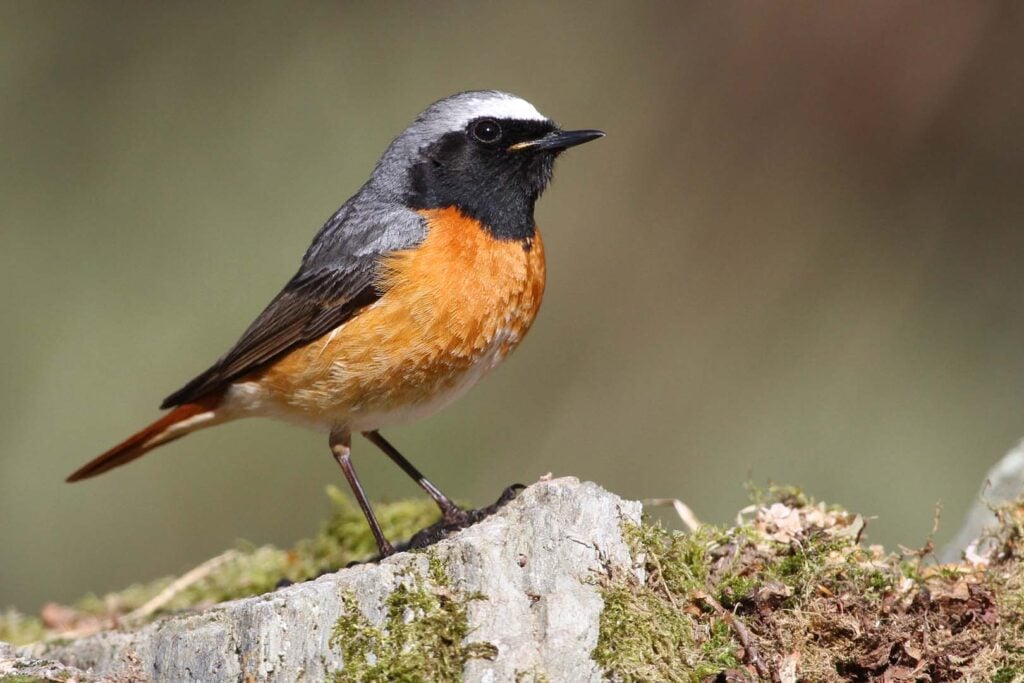
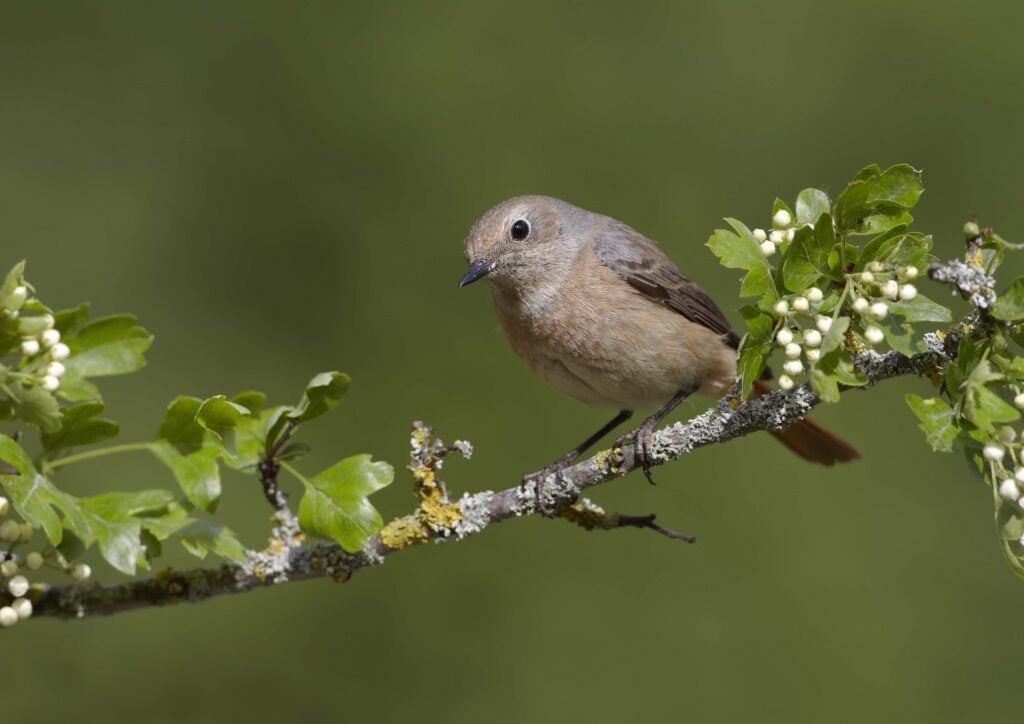
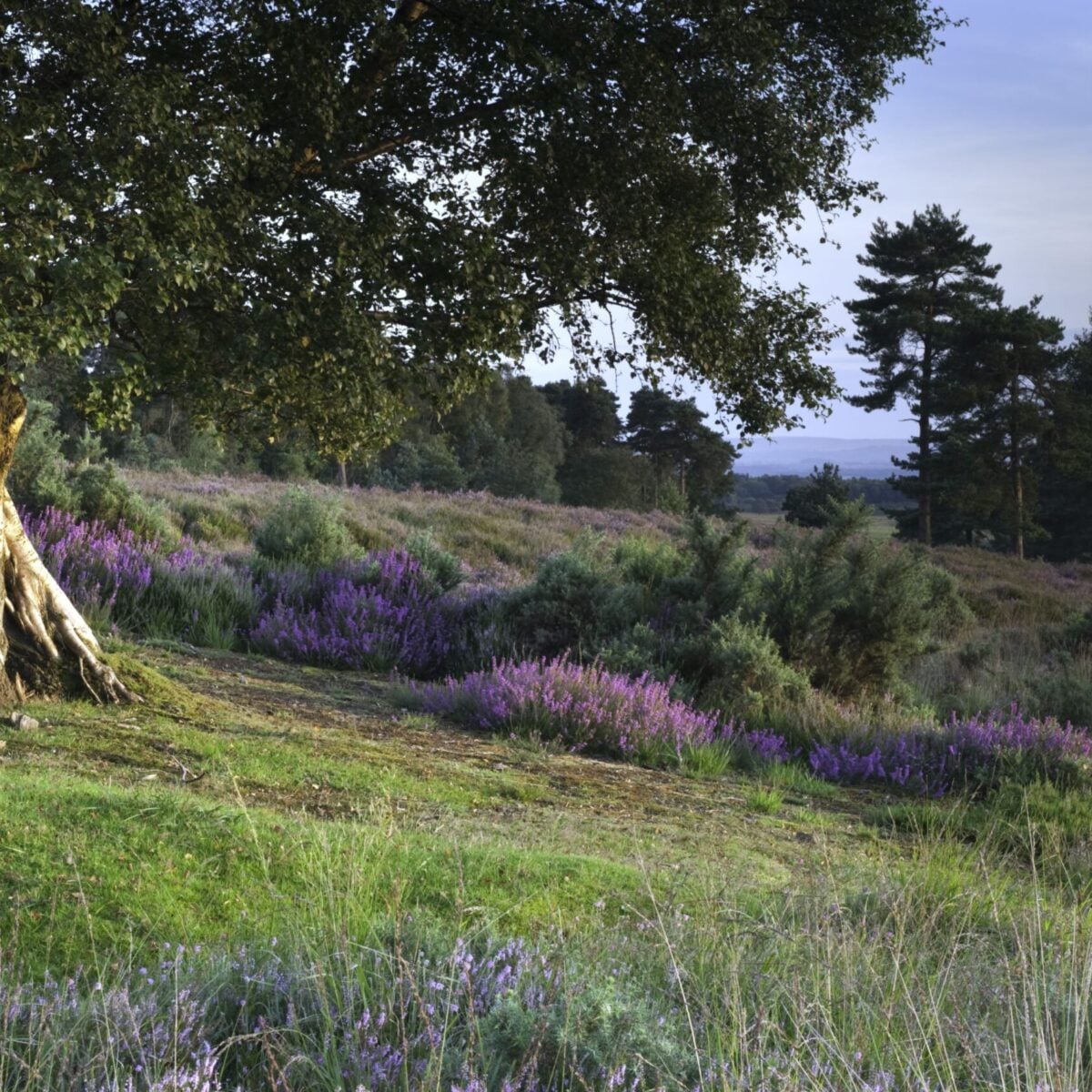
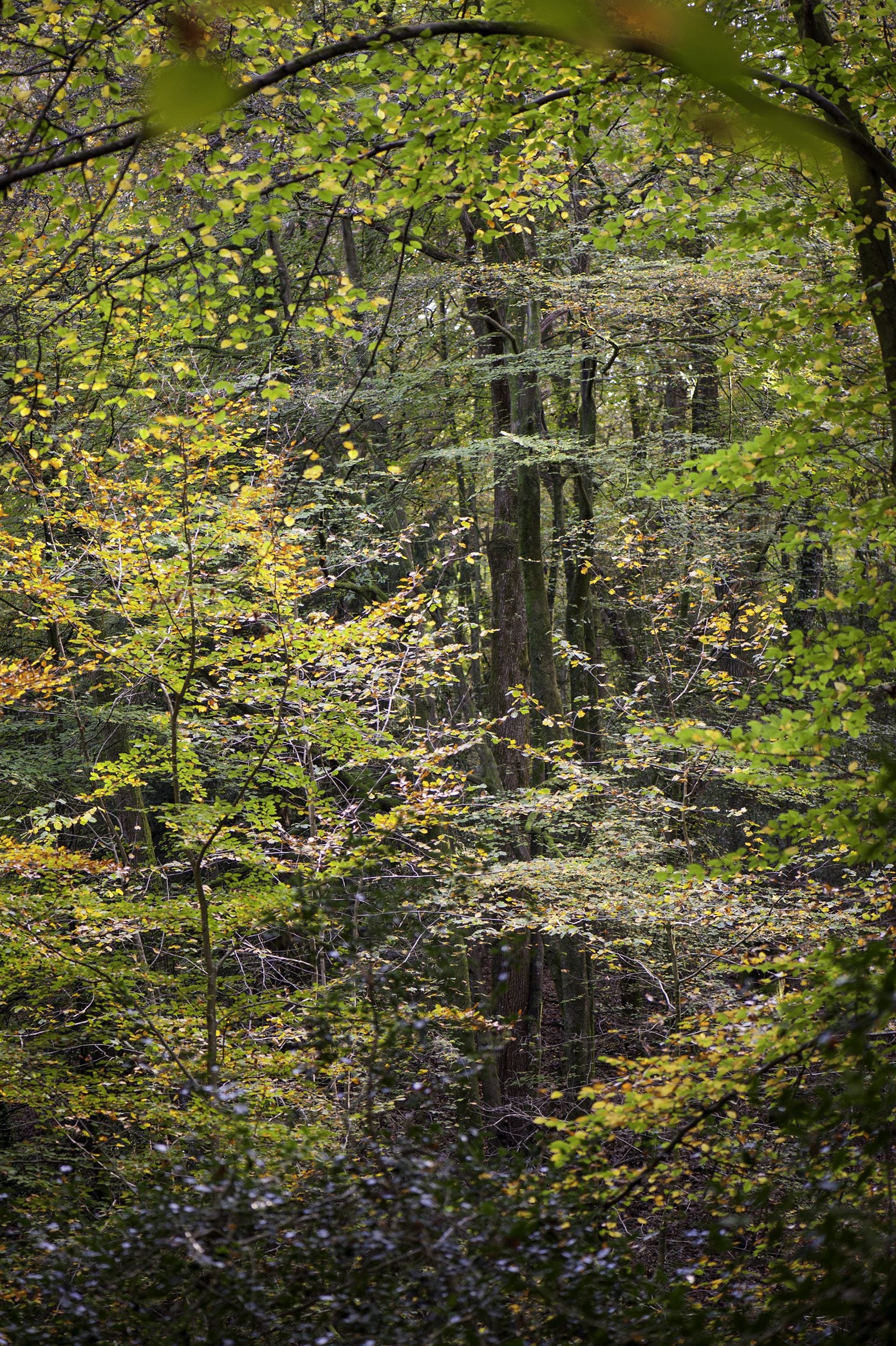
An elegant, robin-sized bird of the chat family. Redstarts feed on insects, especially butterfly and beetle larvae, and can be seen foraging in trees in open woodlands and heathland in the summer. In migration seasons, they might also be found around hedgerows and scrub on the South Downs or close to the coast. Redstarts have an upright stance and can be seen ‘bobbing’: moving in a similar fashion to Robins.
Along with other summer visiting woodland birds, such as Wood Warblers, Tree Pipits and Spotted Flycatchers, Redstarts have become much scarcer in Sussex in recent decades. It appears that hotter, drier summers linked to climate change are making our county less suitable for them.
Key Facts
- Male Redstarts are grey above, with a red breast, black throat, long, black legs, and a long, red tail. The similar-looking Black Redstart is darker, sooty grey and red tail, and is a rare nesting bird more likely found along undercliffs or in urban areas.
- Redstarts are named after their red tail, which they frequently ‘shiver’.
- Length: 14cm
Wingspan: 22cm
Weight: 15g
Average lifespan: 2 years
Status
Classified in the UK as Amber under the Birds of Conservation Concern 5: the Red List for Birds (2021).
Seasonality
April to September