

Take action
Become a member
Memberships build our community and give us a predictable income, which lets us plan and sustain longer projects that can have a greater impact. The more members we have, the more we can do to protect the Sussex countryside and coast.
Make a donation
Membership builds our community and gives us a predictable income, which lets us plan and sustain longer projects that can have a greater impact. The more members we have, the more we can do to protect the Sussex countryside and coast.
Overview
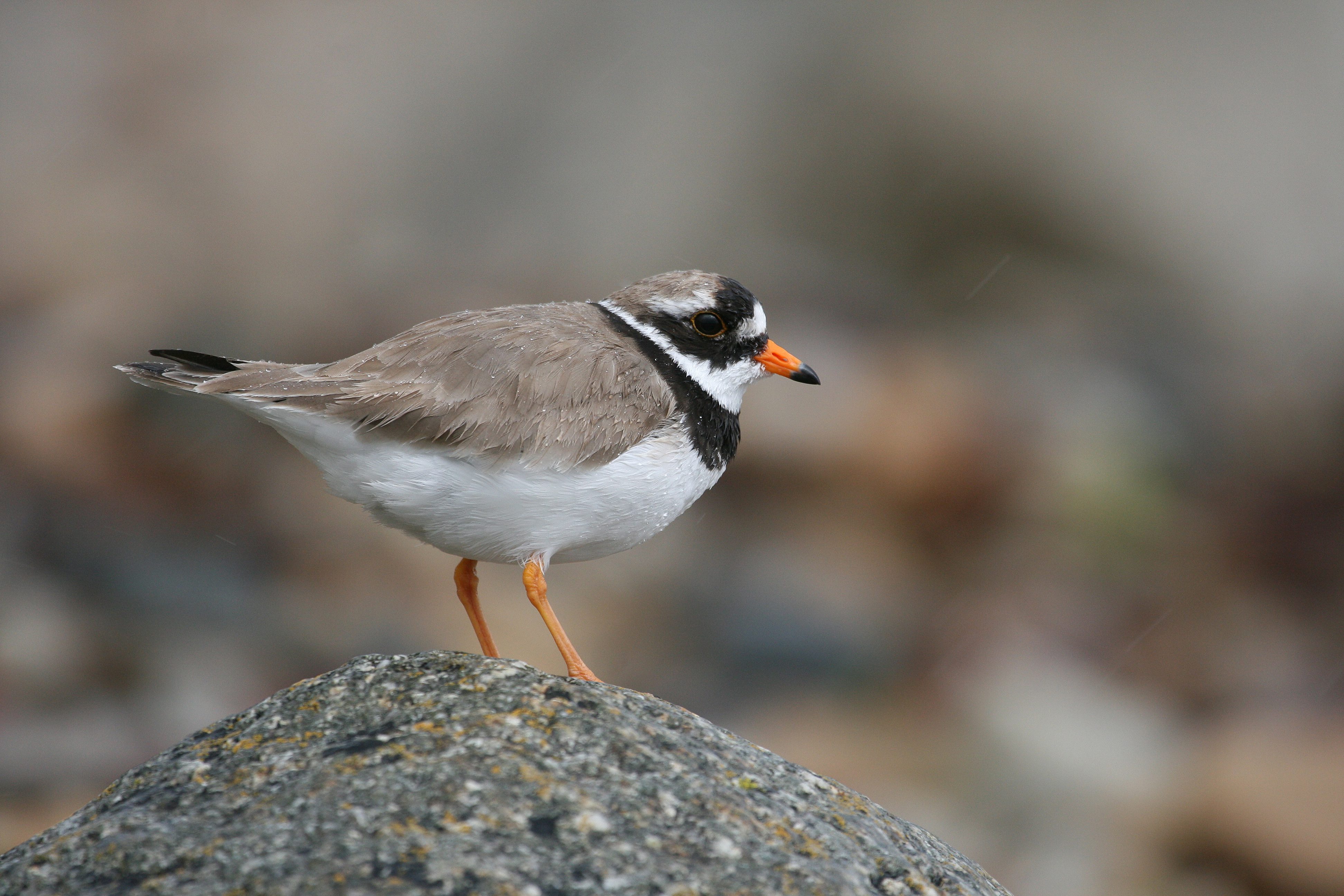
The Oystercatcher is very noisy wading bird with a loud ‘peep-ing’ call. On the coast, they specialise in eating shellfish, particularly cockles and mussels, which they either prise or hammer open with a strong, flattened bill.
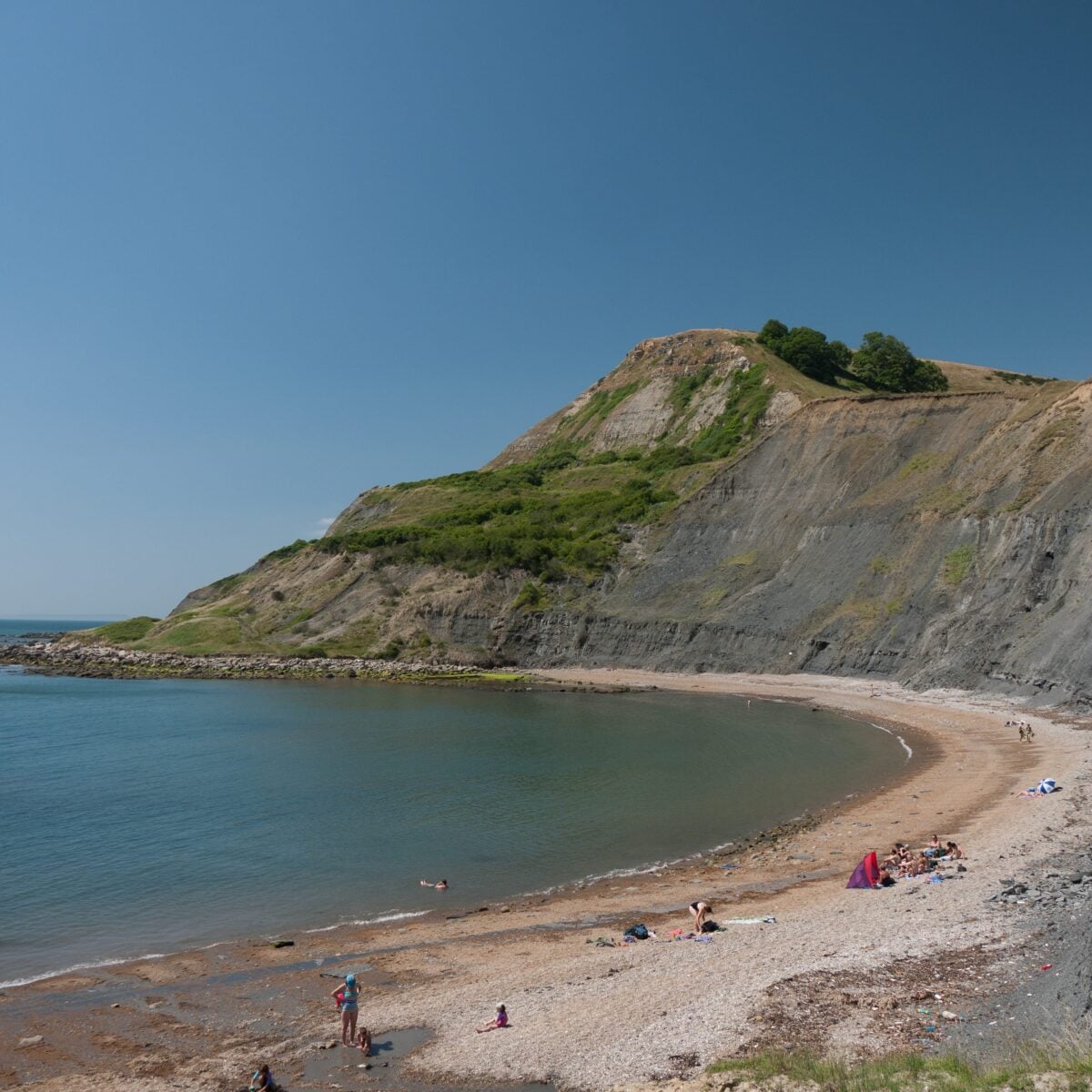
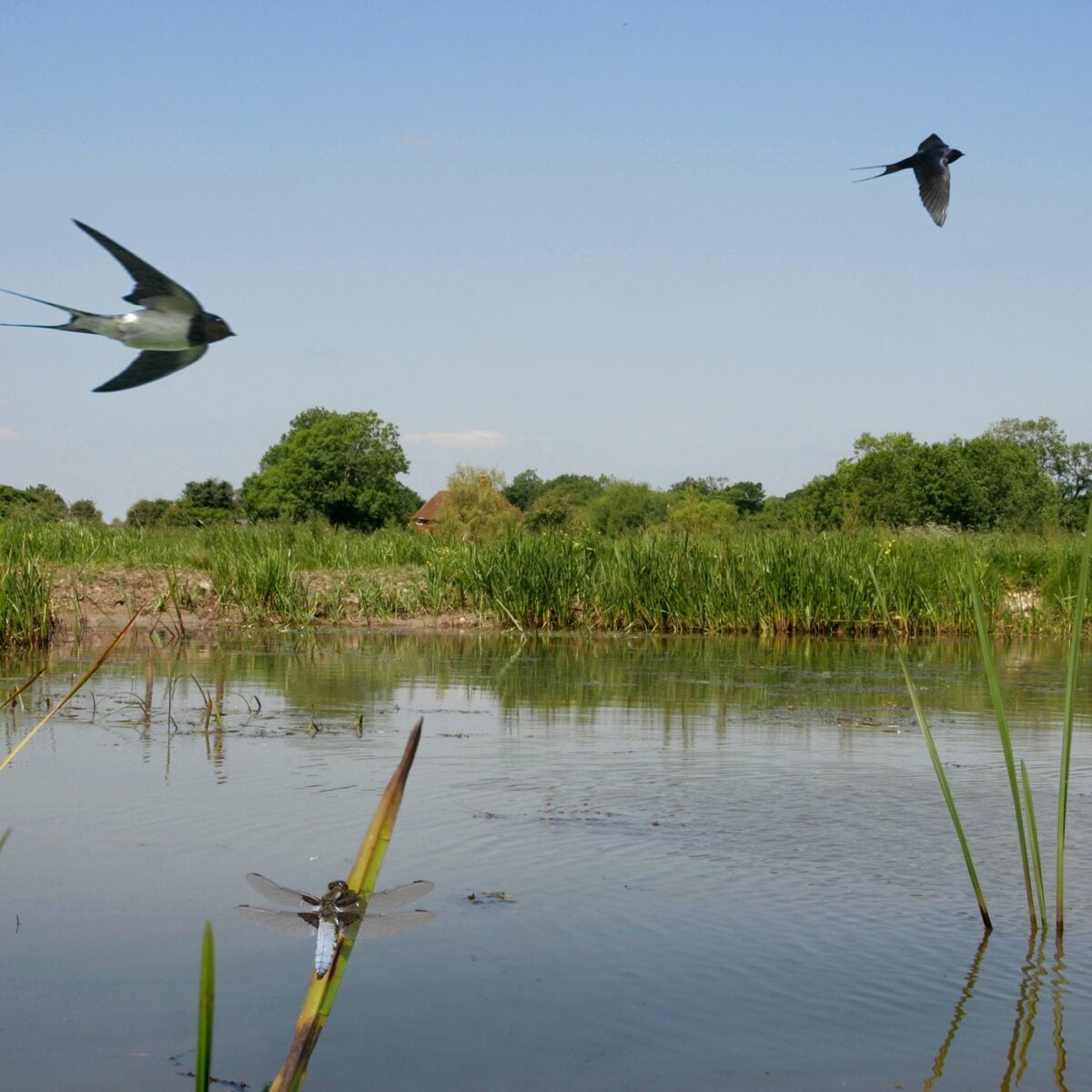
Originally a coastal species, the Oystercatcher has moved further inland over the last 50 years to breed on waterways and lakes. Most UK birds still spend their winters by the sea, however, and are joined by birds from Norway and Iceland.
Key Facts
- The Oystercatcher has a black head, back and wings, and a white underside. It has a long, red bill and pinky-red legs.
- There are 12 species of Oystercatcher in the world, all of which look very similar, being either pied or plain black, with a red bill and pink legs. A further species of Oystercatcher became extinct in the 20th century.
- Length: 40-45cm Wingspan: 83cm Weight: 540g Average lifespan: 12 years
Status
Classified in the UK as Amber under the Birds of Conservation Concern 5: the Red List for Birds (2021). Listed as Near Threatened on the global IUCN Red List of Threatened Species.
Seasonality
All year round