
Take action
Become a member
Memberships build our community and give us a predictable income, which lets us plan and sustain longer projects that can have a greater impact. The more members we have, the more we can do to protect the Sussex countryside and coast.
Make a donation
Membership builds our community and gives us a predictable income, which lets us plan and sustain longer projects that can have a greater impact. The more members we have, the more we can do to protect the Sussex countryside and coast.
Overview
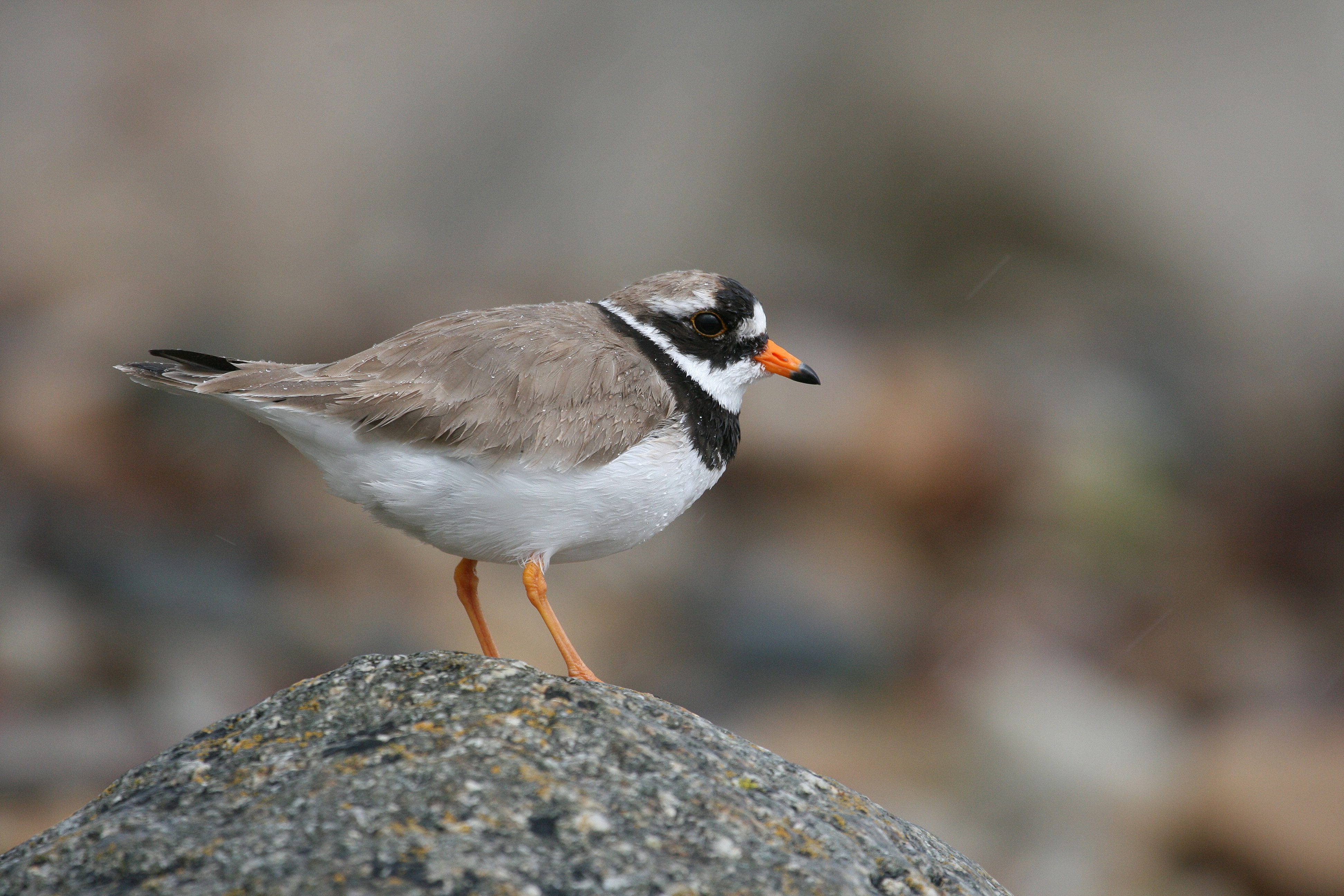
The Golden Plover is a little smaller than the Lapwing, with which they often gather in large numbers on farmland and coastal flats during the winter. Golden Plovers nest on open ground among heather and grass, and the female lays about 4 eggs. Both parents care for the chicks.
Key Facts
- The Golden Plover is smaller than its relative, the Grey Plover. In summer, adults have a black throat, chest and belly, surrounded by a band of white and topped with a distinctive, spotted gold-and-black back and cap. In winter, they lose their black and turn more buff in colour, with a pale throat, chest and belly. In mixed flocks, Golden Plovers can be distinguished from Lapwings by their sharp, pointed wings (Lapwings have bluntly rounded wings).
- There are two other species of Golden Plover: the American Golden Plover (which breeds in Canada and Alaska and winters in South America), and the Pacific Golden Plover (which breeds northern Asia and winters in South Asia and Australia). Both species are extremely rare visitors to the UK each year.
- Length: 26-29cm Wingspan: 72cm Weight: 220g Average lifespan: 4 years
Status
Classified in the UK as Green under the Birds of Conservation Concern 5: the Red List for Birds (2021). Protected in the UK under the Wildlife and Countryside Act, 1981.
Seasonality
All year round