Take action
Become a member
Memberships builds our community and gives us a predictable income, which lets us plan and sustain longer projects that can have a greater impact. The more members we have, the more we can do to protect the Sussex countryside and coast.
Make a donation
Membership builds our community and gives us a predictable income, which lets us plan and sustain longer projects that can have a greater impact. The more members we have, the more we can do to protect the Sussex countryside and coast.
Overview
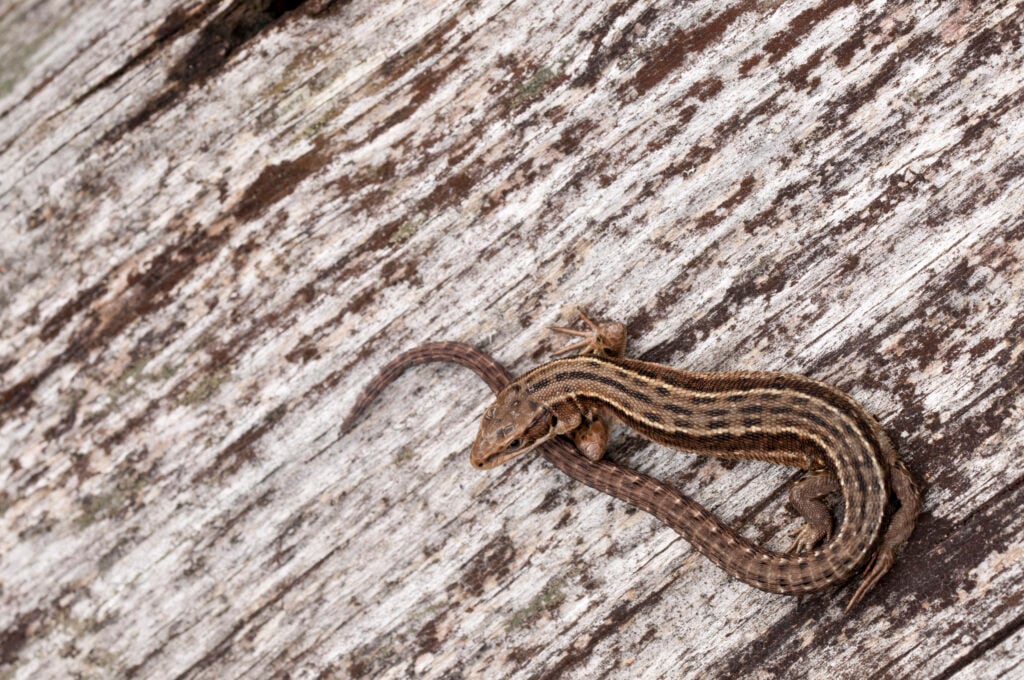
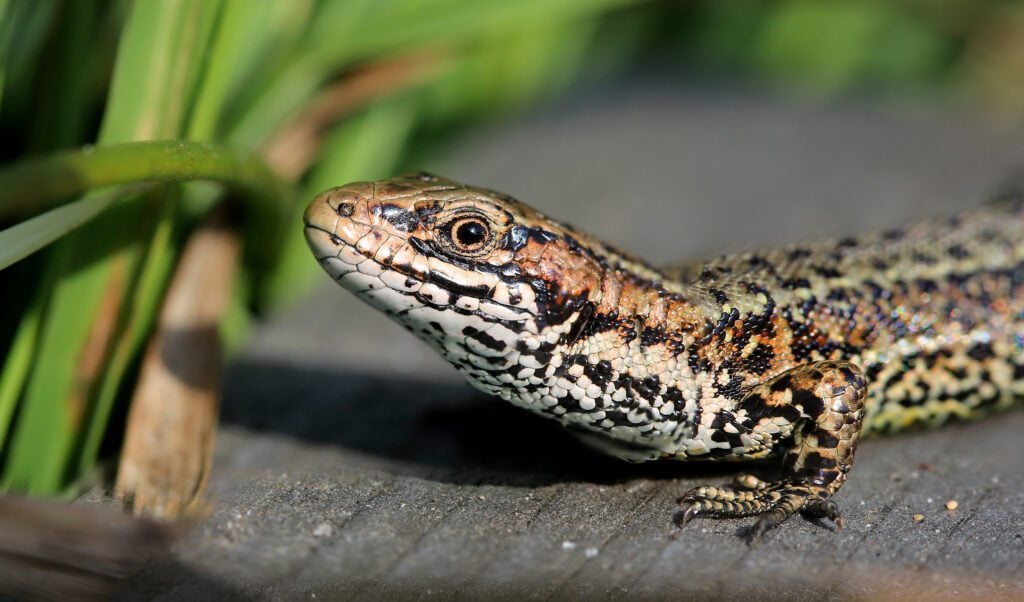
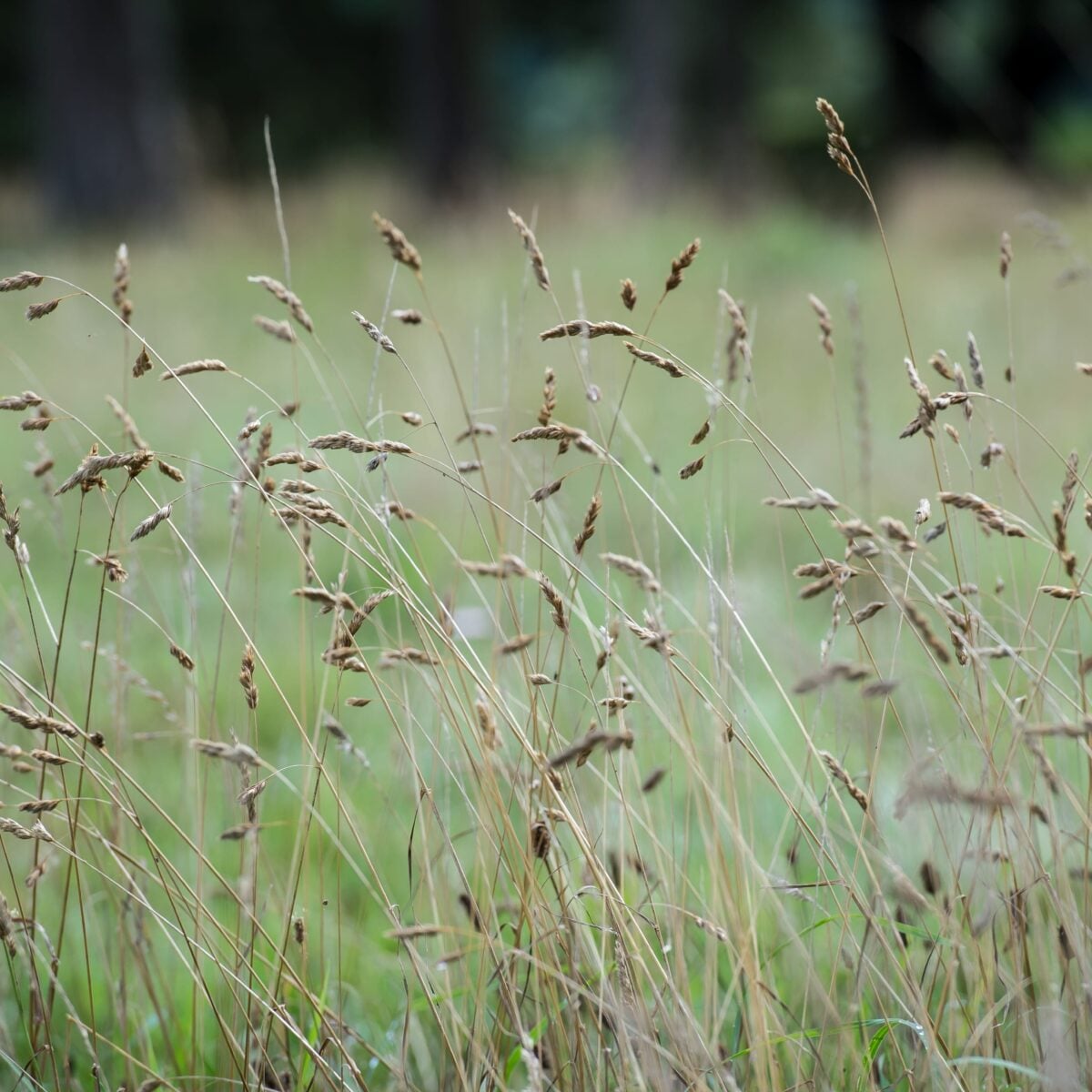
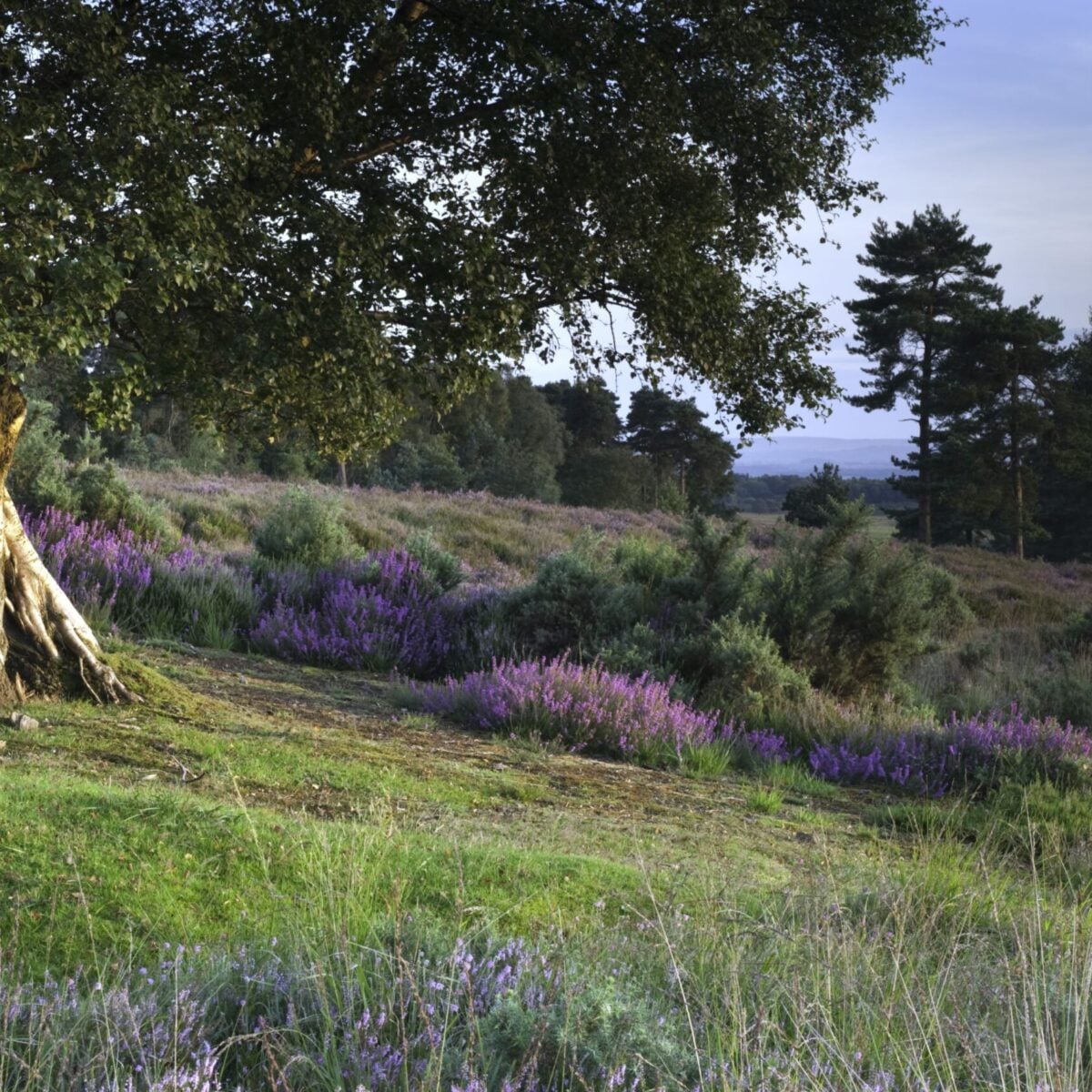
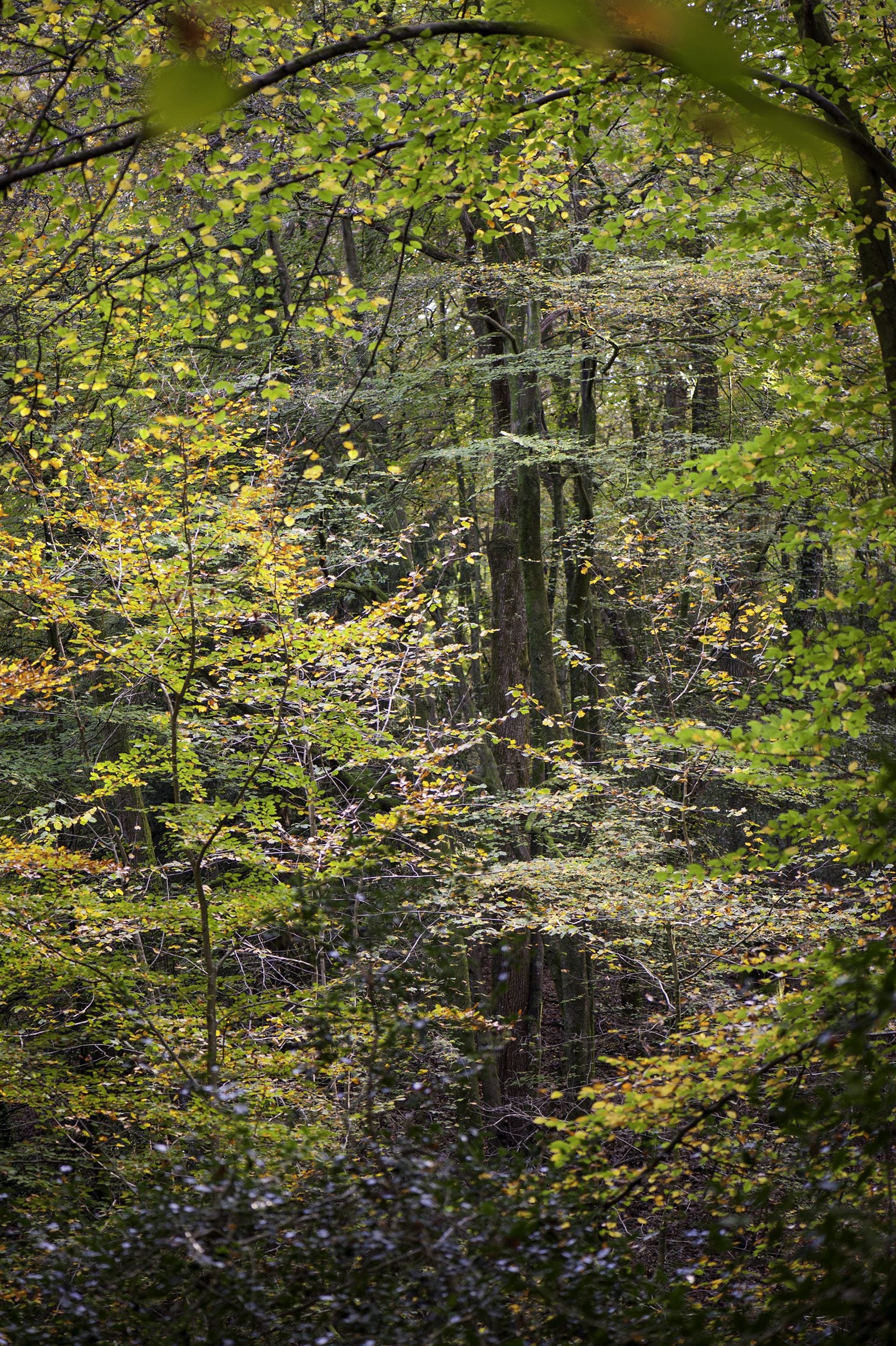
One of only three lizard species native to the UK. Living up to its name, the Common Lizard is the UK’s most common and widespread reptile. It is found across many habitats, including heathland, woodland and grassland, where it can be seen basking in sunny spots.
Also known as the ‘viviparous lizard’, the Common Lizard is unusual among reptiles as it incubates its eggs inside its body and ‘gives birth’ to live young rather than laying eggs. Adults emerge from hibernation in spring, mating in April and May, and producing three to eleven young in July.
Key Facts
- The Common Lizard is variable in colour, but is usually brownish-grey, often with rows of darker spots or stripes down the back and sides. Males have bright yellow or orange undersides with spots, while females have paler, plain bellies.
- If threatened by a predator, the Common Lizard will shed its still-moving tail in order to distract its attacker and make a quick getaway. This leaves a scar behind, but it can regrow its tail, although it is usually shorter than the original.
- Length: 10-15cm. Average lifespan: 5-6 years
Status
Protected in the UK under the Wildlife and Countryside Act, 1981. Priority Species under the UK Post-2010 Biodiversity Framework.
Seasonality
March to October