

Overview
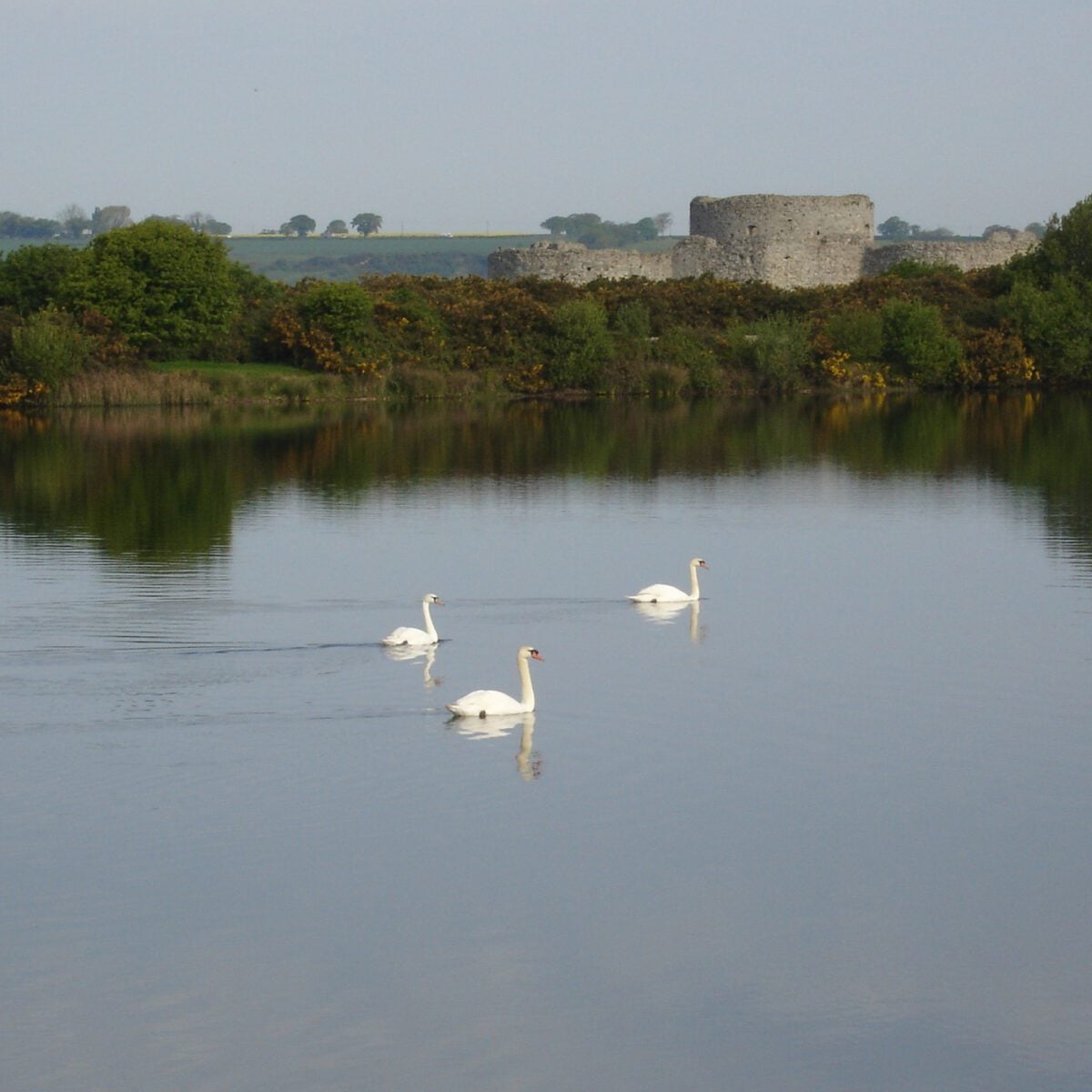
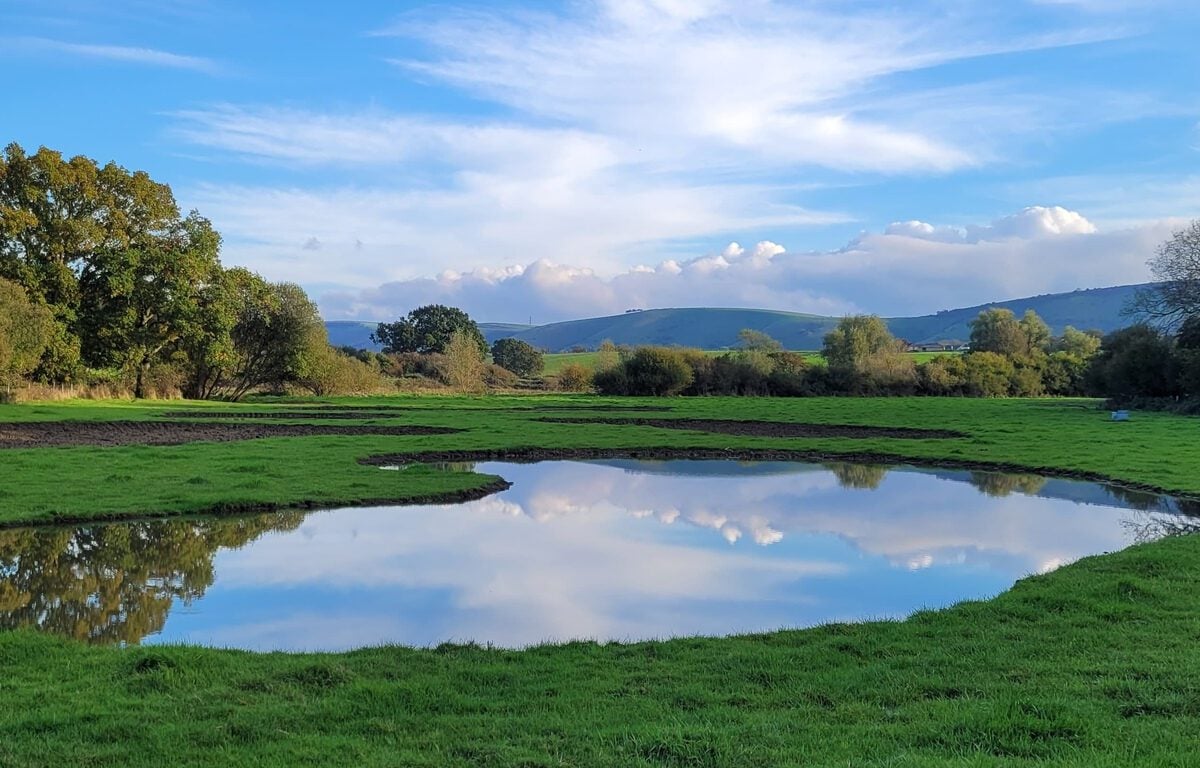
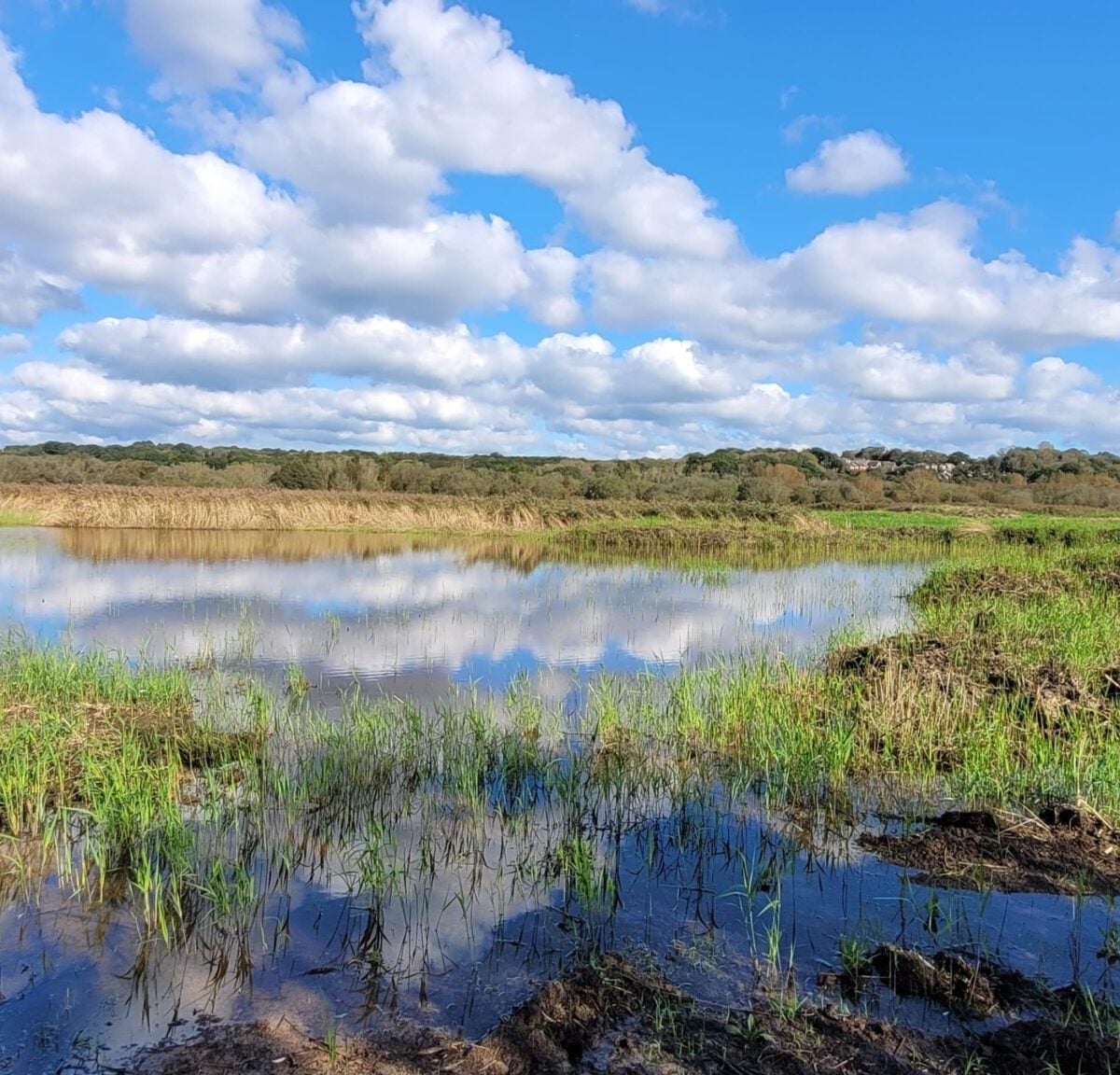
Three miles south of Petworth, an old water mill looks out over a tranquil 16th-century hammer pond. It’s a beautiful spot and just the start of one of the most richly varied nature reserves in Sussex.
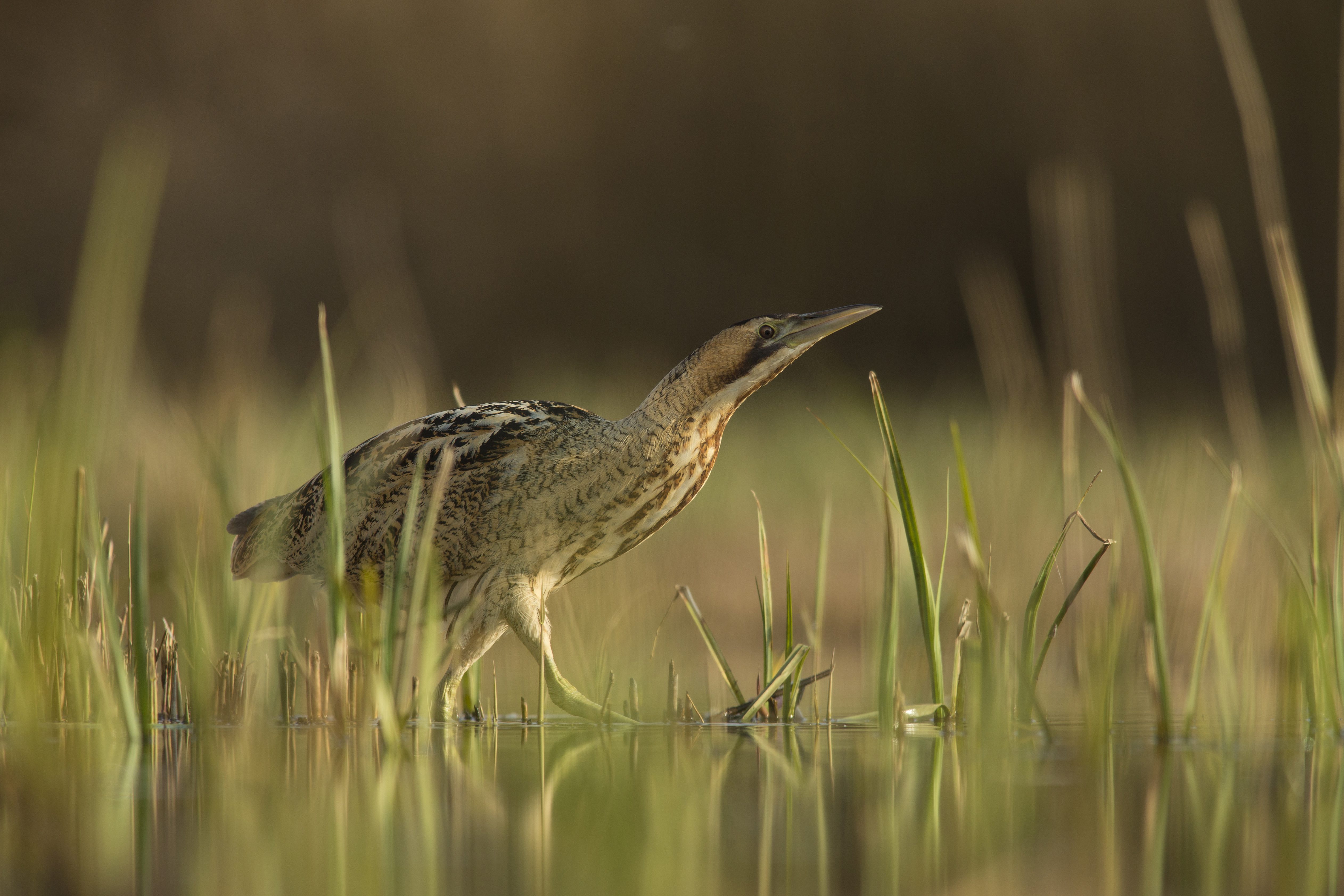
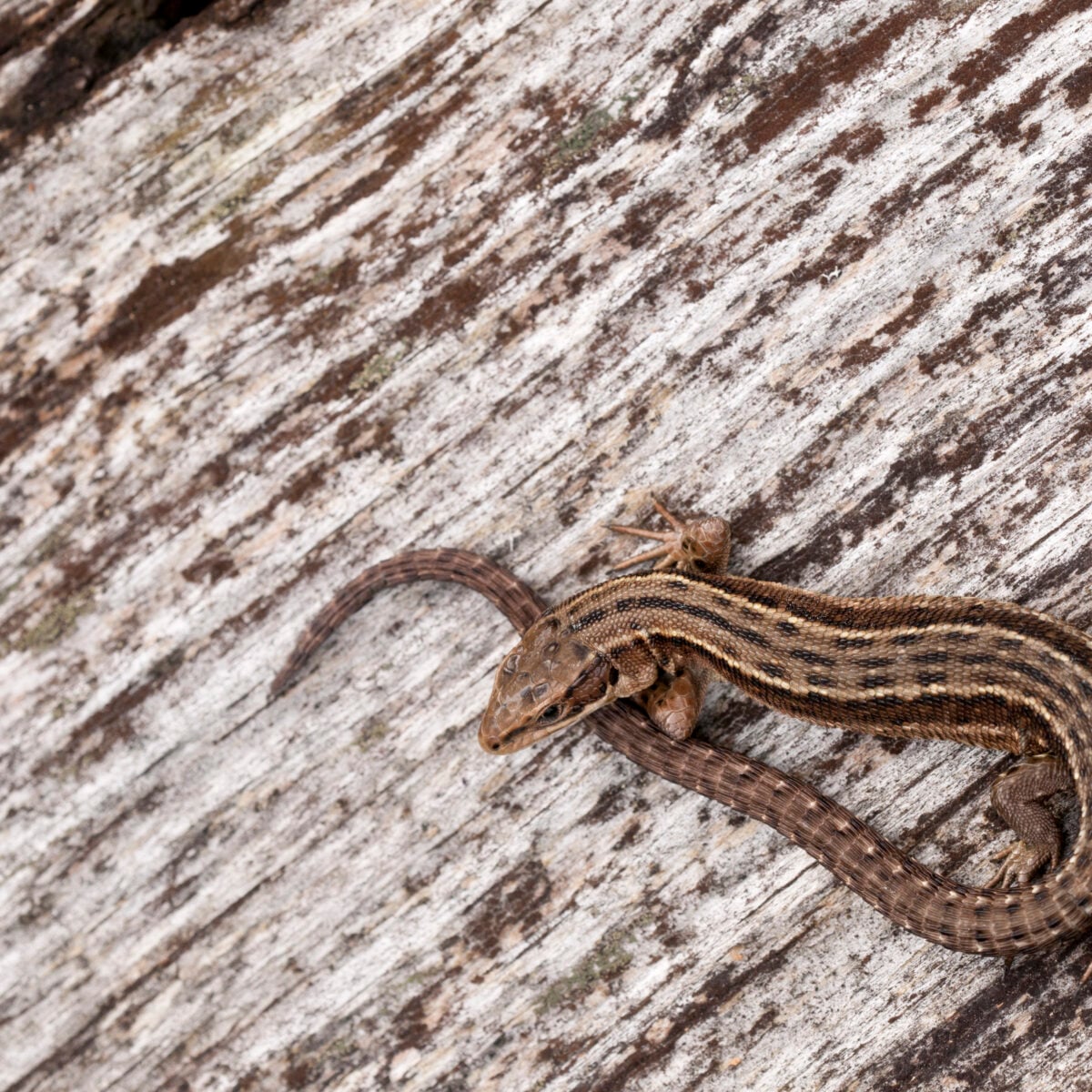
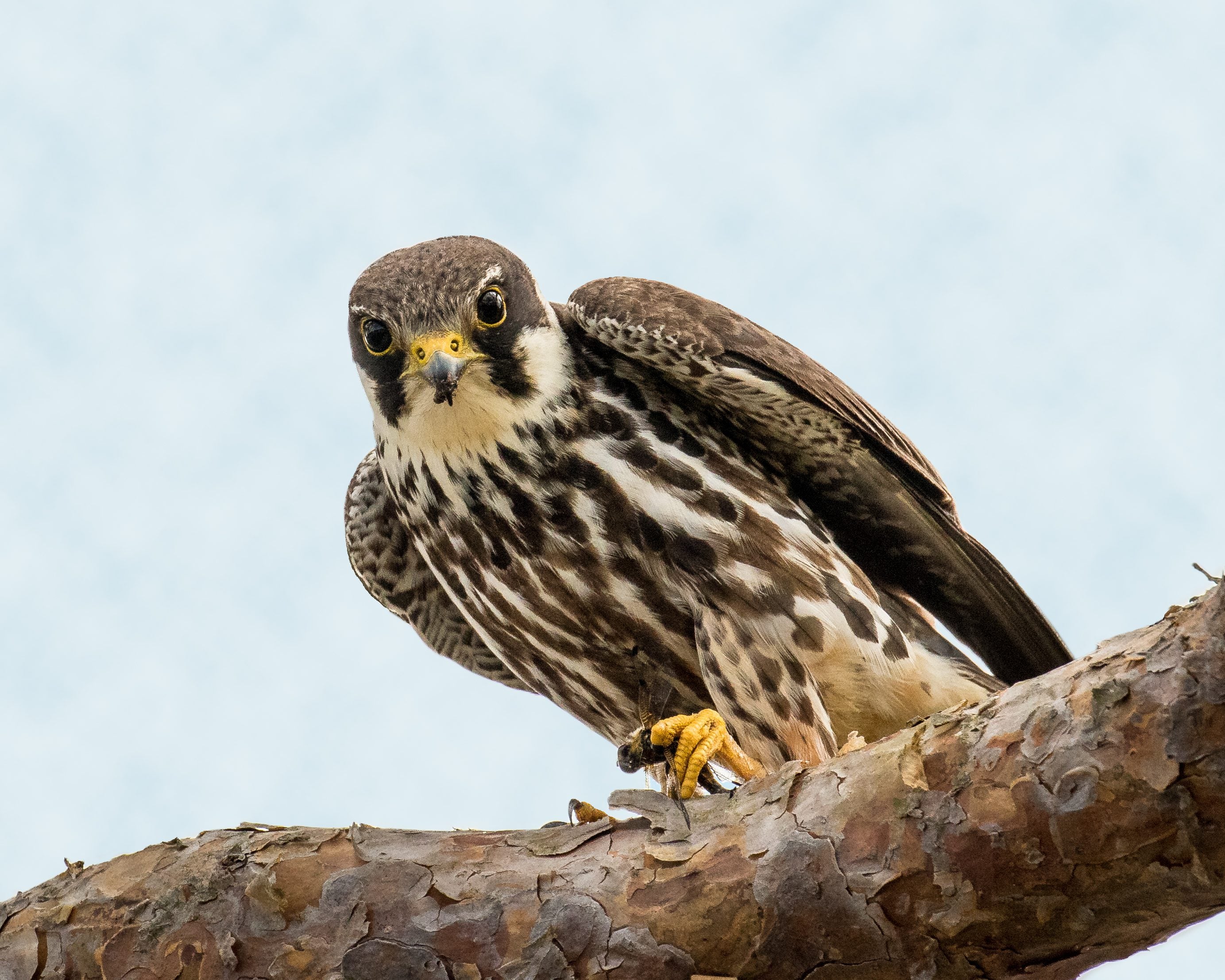
Watch as Great Crested Grebes catch Roach and Rudd with their dagger-like bills and Kingfishers flash past the reeds. Listen for Reed Warblers chattering in the fringes of the ponds and the rhythmic chirping of rare Field Crickets from the grassy heathland.
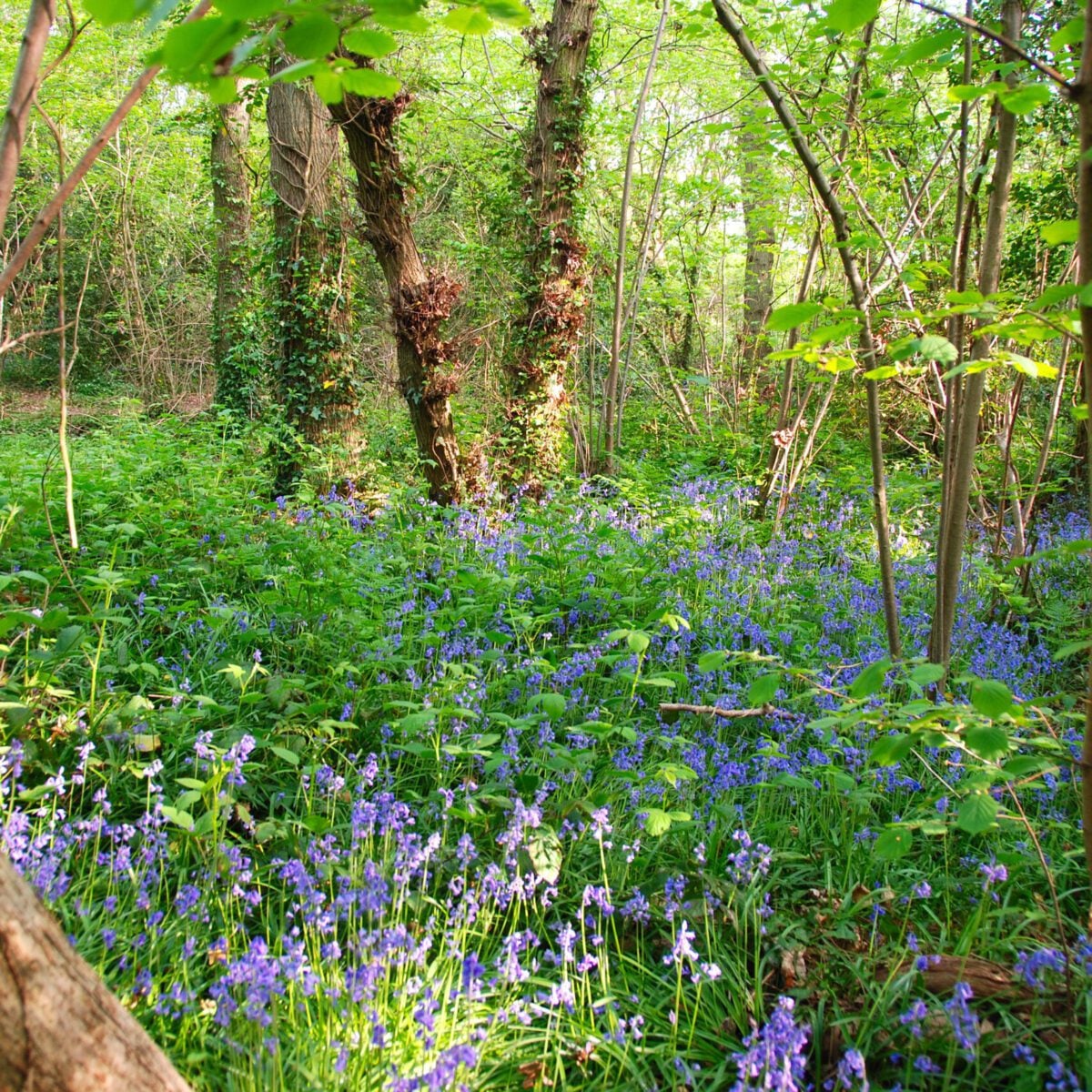
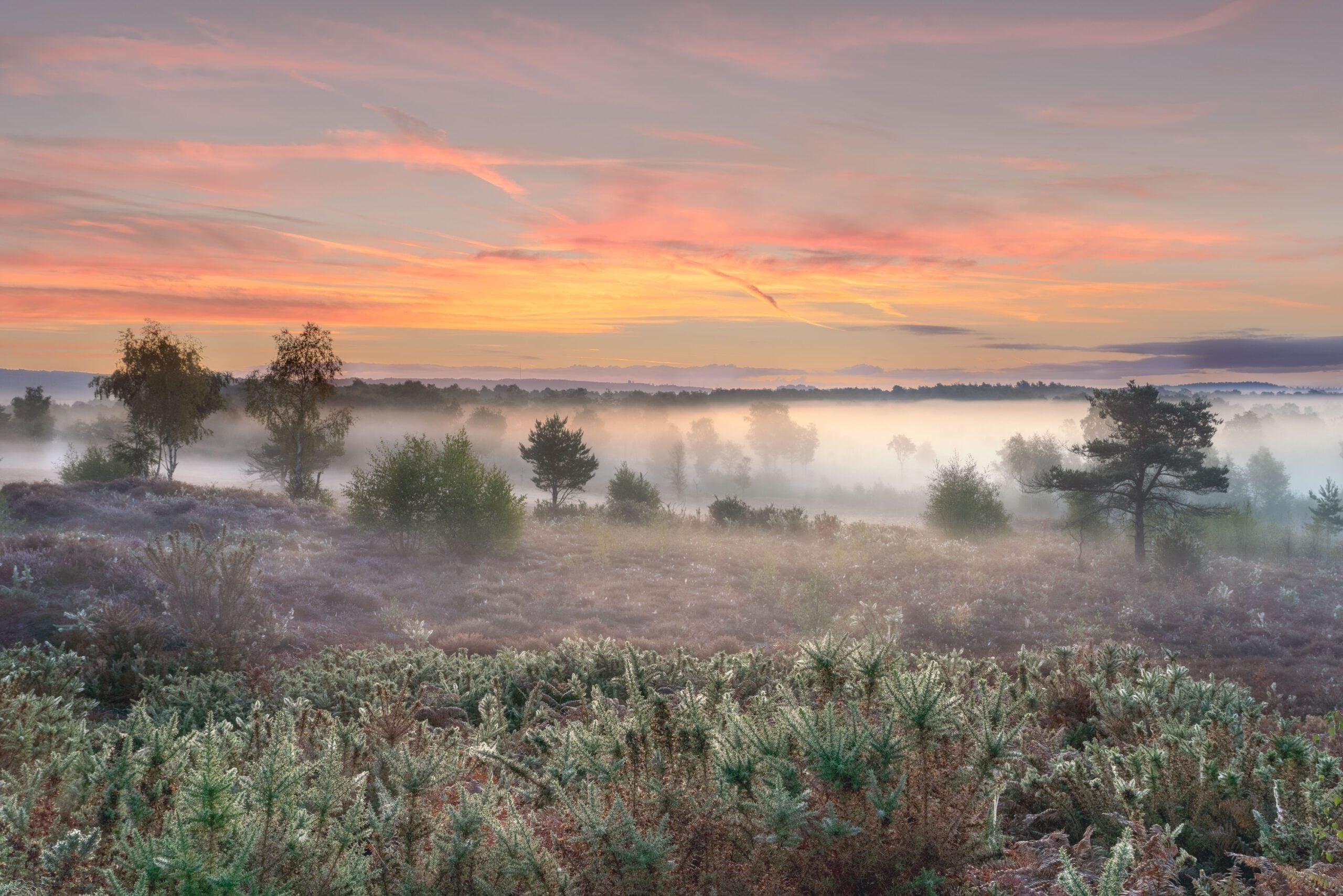
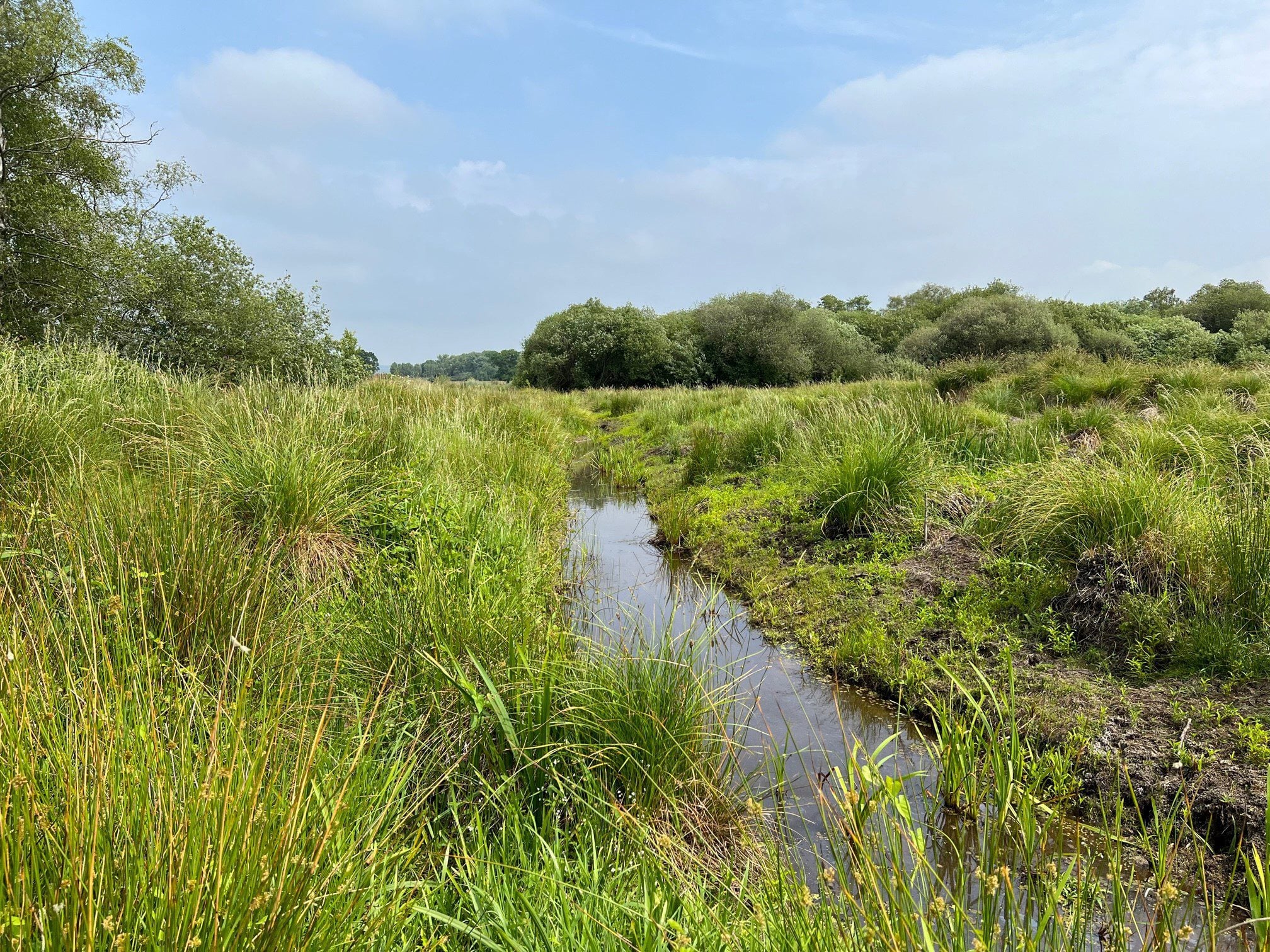
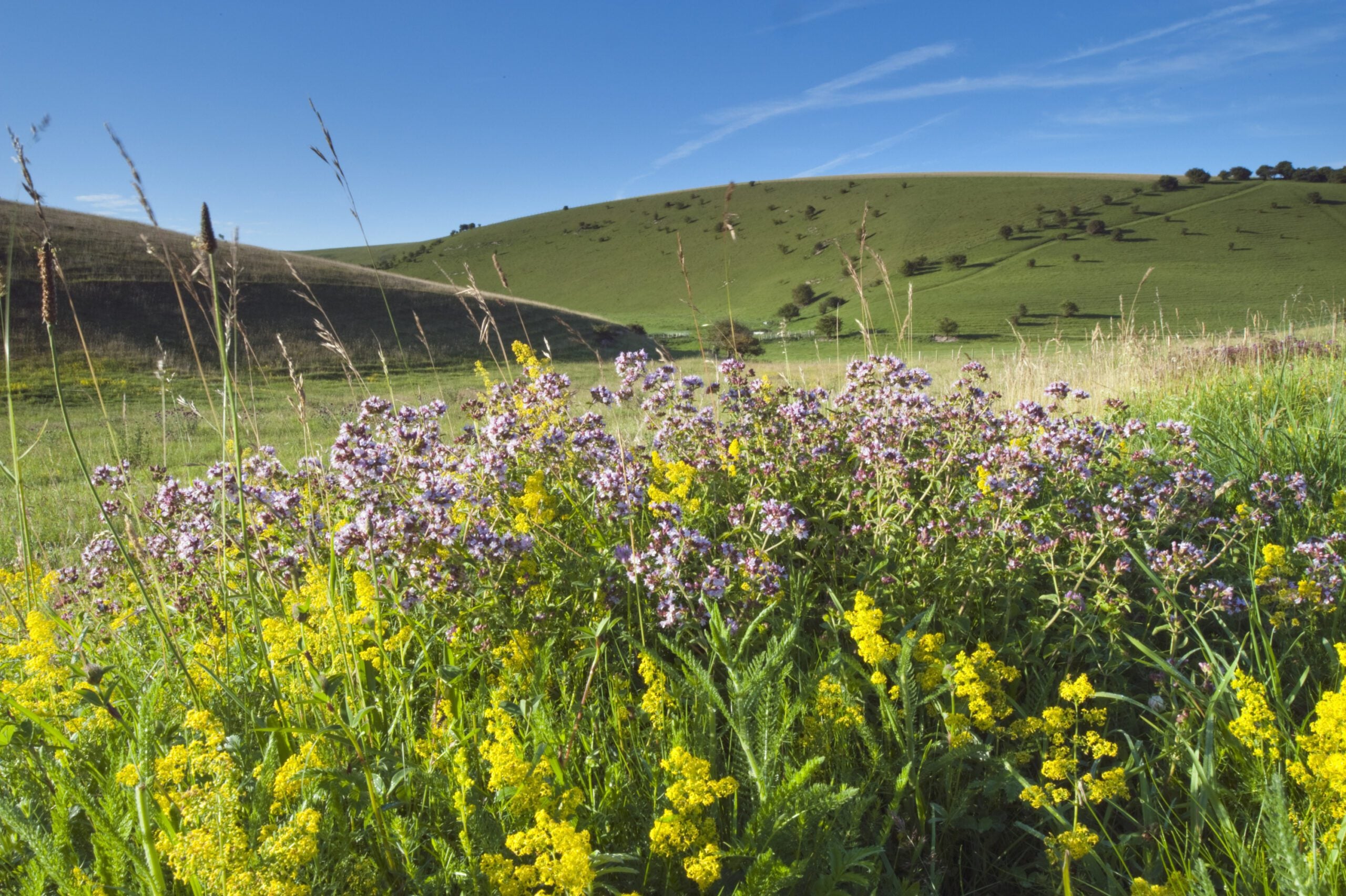
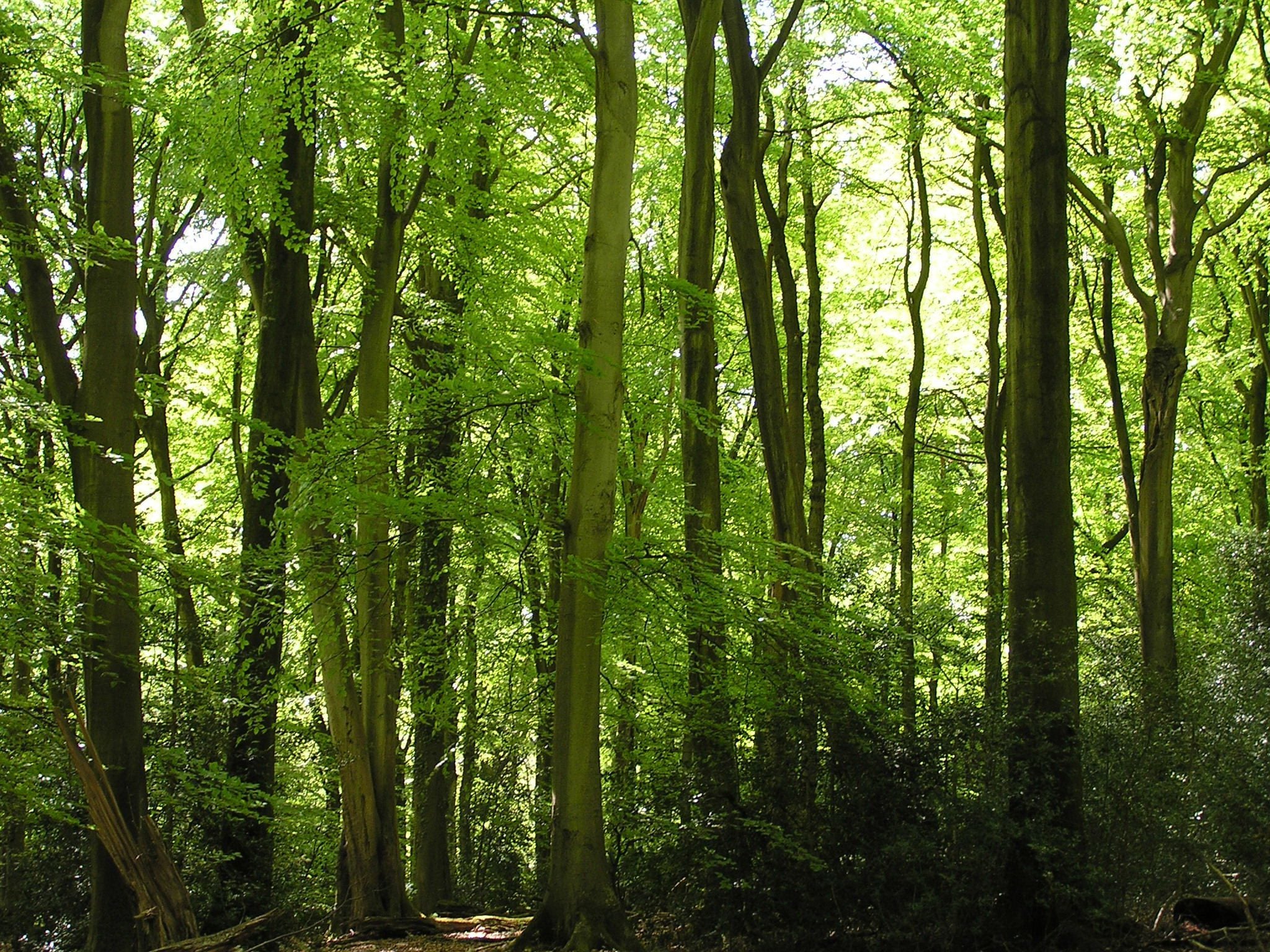
Follow the paths through wet woodland, dry heath, ancient parkland and The Black Hole bog, and you’ll find something new at every turn.


Emma Chaplin Communications OfficerThere is something timeless and profoundly calming about the beautiful lake and open skies you find here.
Know before you go
Opening times
The reserve is open at all times
Free to visit
All our open reserves our free to visit, but if you enjoy your visit please consider donating to Sussex Wildlife Trust to help us manage these special places
Reserve size – 56 hectares
How to get here
Postcode: GU28 0JR (start at the Mill)
Grid reference: SU 978180
The reserve can also be reached via the Serpent Trail and the West Sussex Literary Trail
Use Traveline to plan your journey to this nature reserve
The reserve is also connected to the surrounding area by footpaths and bridleways
Getting around
Largely level ground with one stile at Crouch Farm. The nature trail includes surfaced and unsurfaced footpaths and minor roads.
Dogs welcome on leads
Dogs are welcome, but so that they do not affect other people and our wildlife, please keep them under close control and clean up after your dog.
Toilets on site
Toilets are available in a number of nearby towns and villages, including Petworth, Amberley and Pulborough.
Check Toilet Map for a range of options.
Dos and don’ts
- Keep your dog on a lead around grazing animals
- No fires or barbecues
- No picking of flowers or foraging
- Take your litter home
- No camping


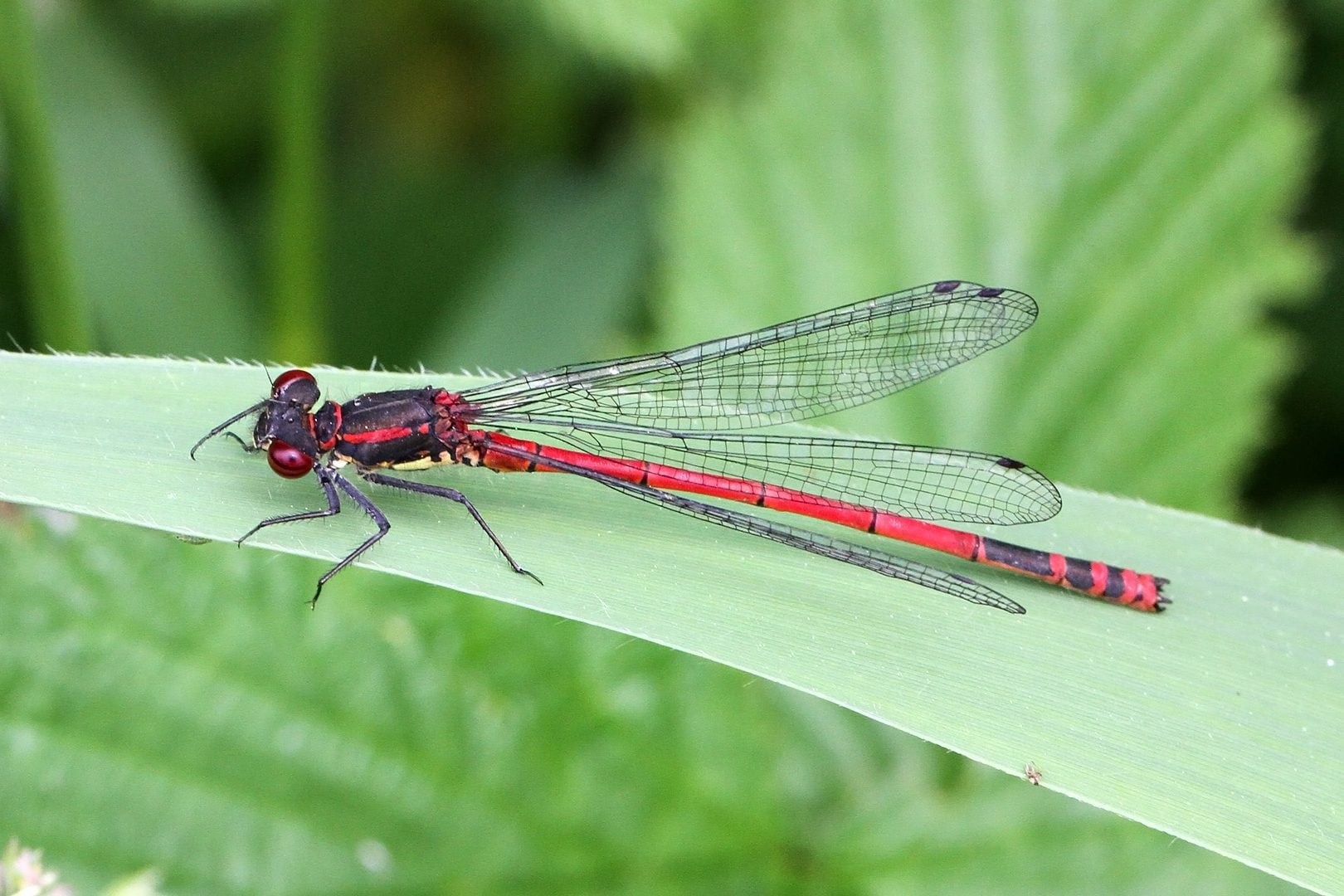
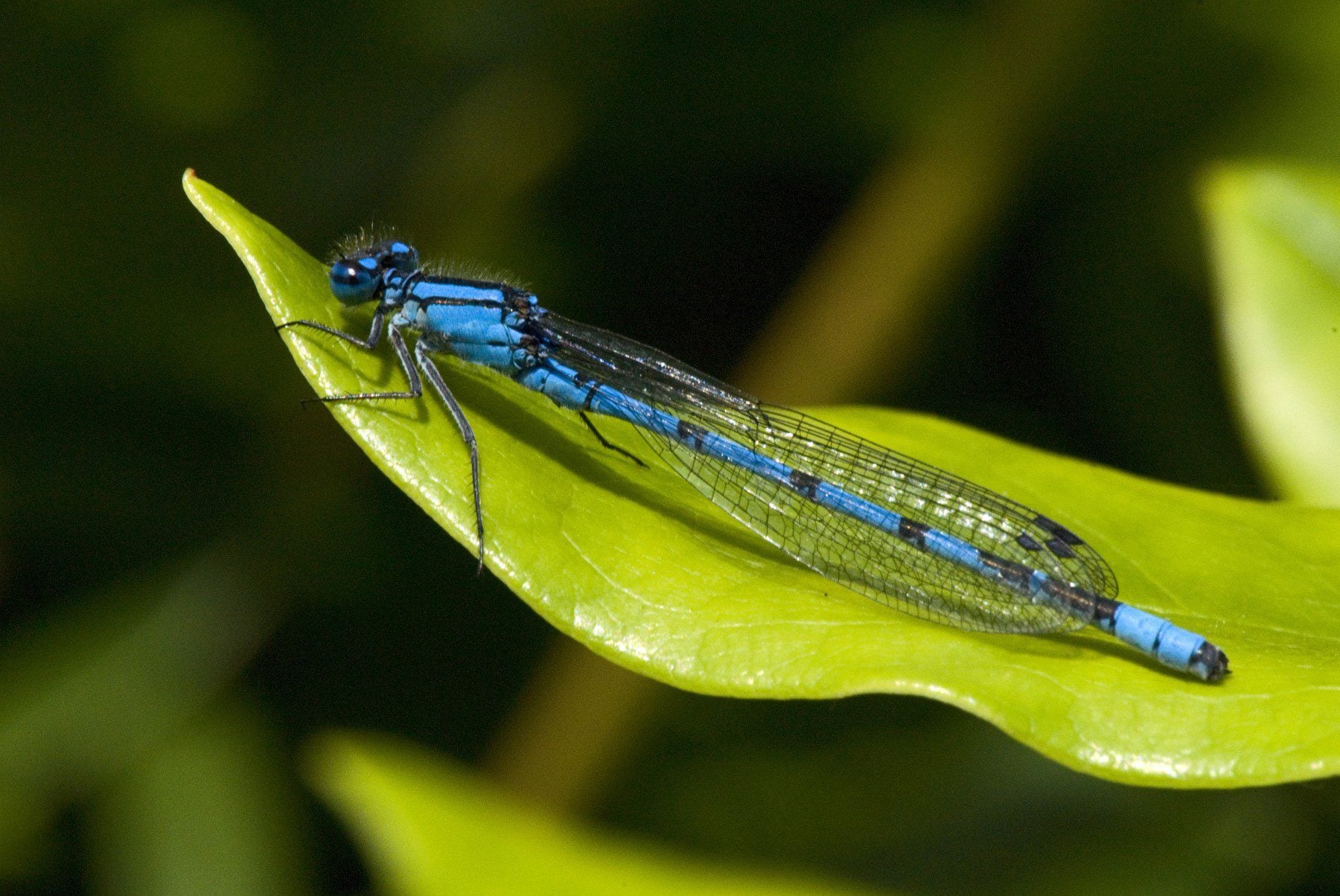
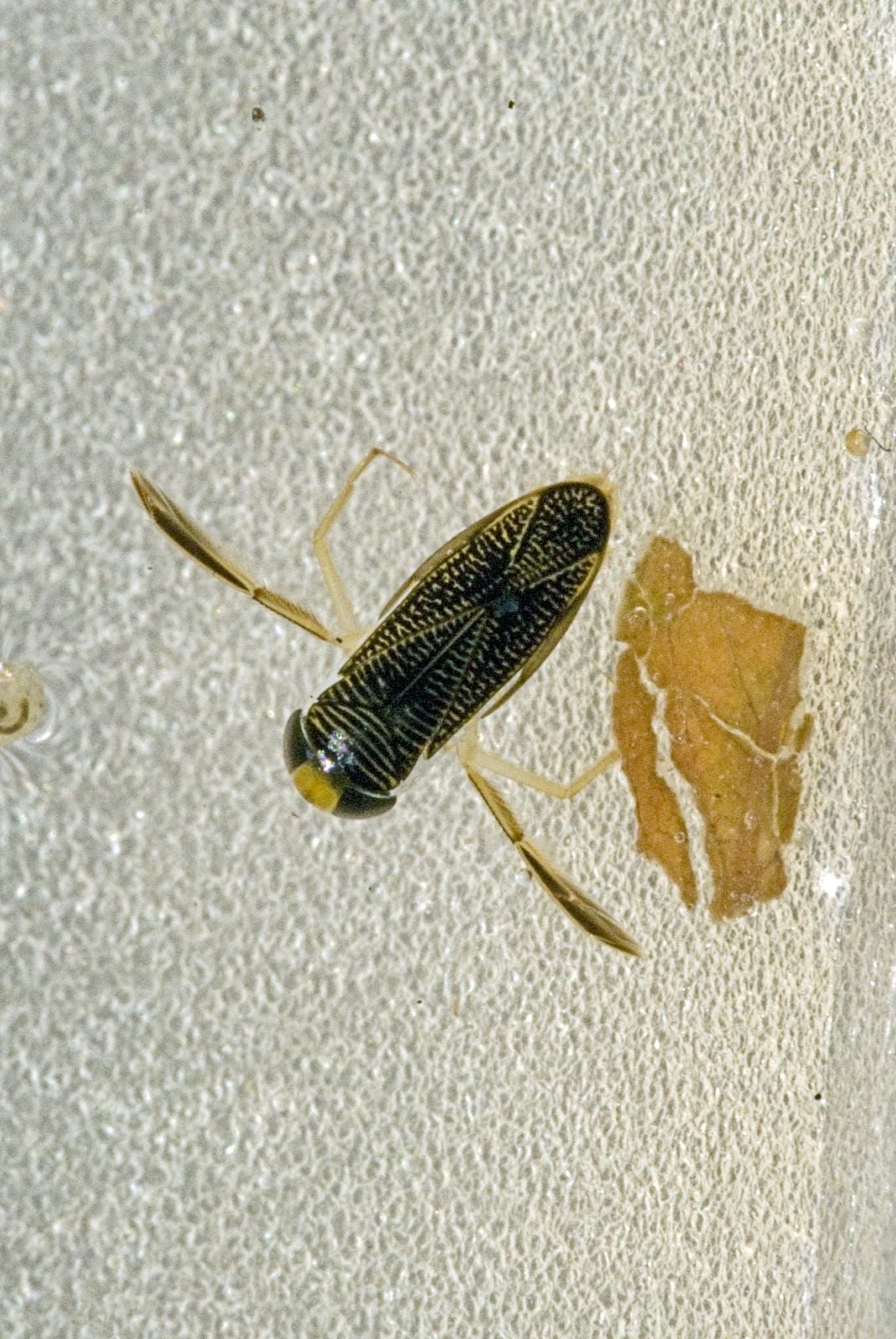
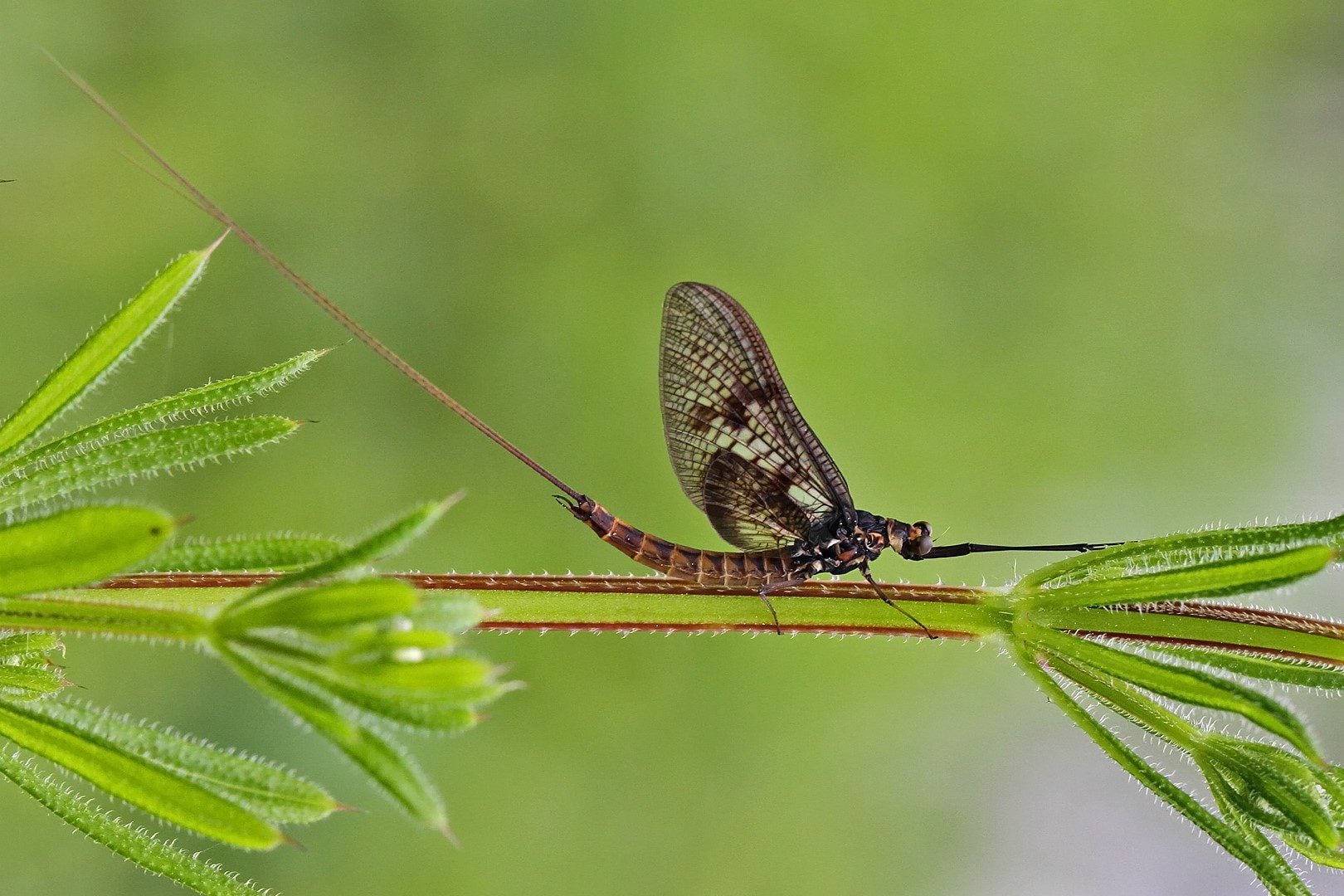
 © Arthur Hoare
The story of the reserve
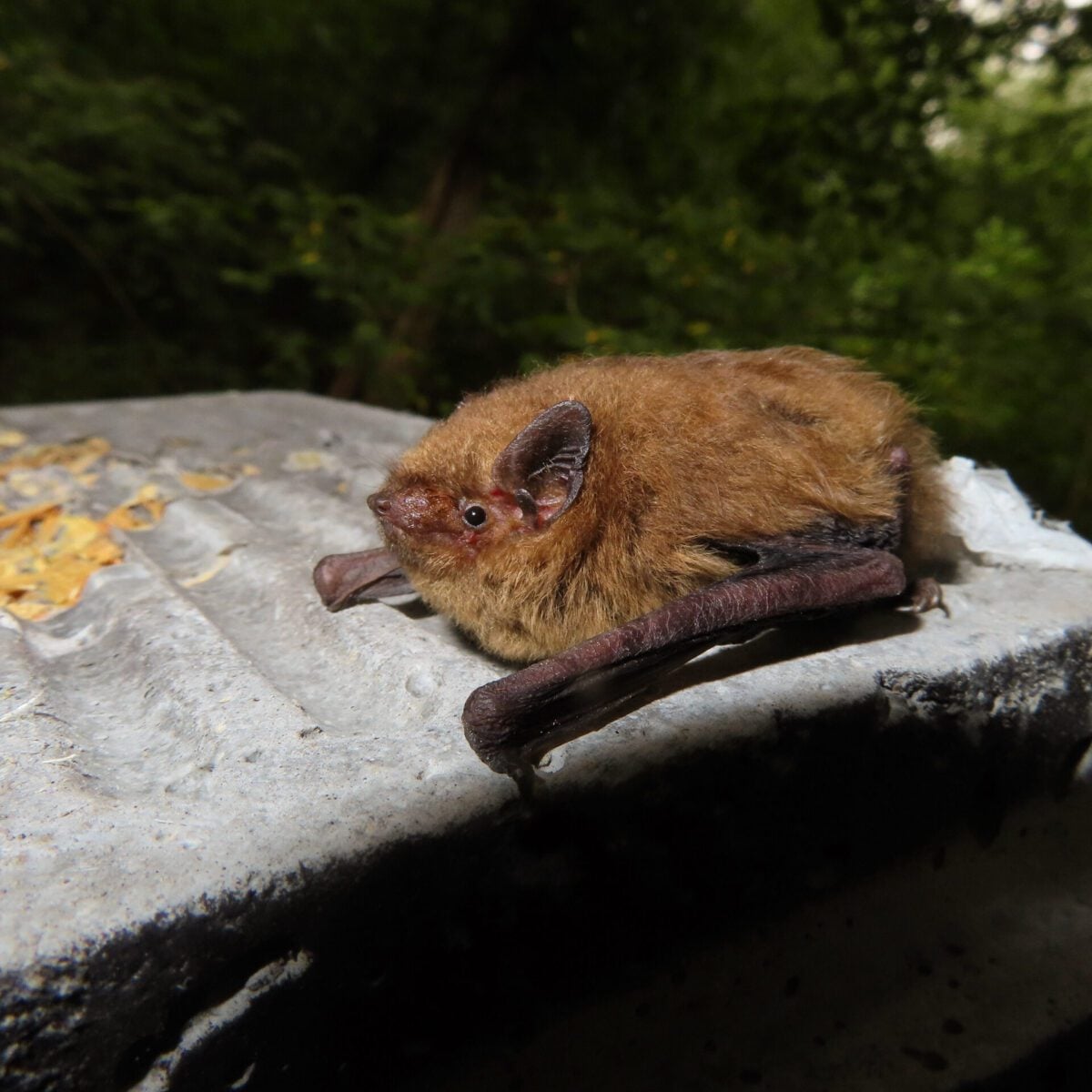
Five hundred years ago, Burton Mill Pond was built to power an iron forge and is one of the oldest surviving hammer ponds in Sussex. Later, the great landscape designer, Capability Brown, turned much of the surrounding land into the graceful parkland you can still see today. The ancient Sweet Chestnuts he planted are now slowly falling into beautiful decay, their hollows sheltering birds and bats. Recognised for its outstanding wildlife value, the site is now protected as a Local Nature Reserve and Site of Special Scientific Interest. A restoration project has brought nearby Chingford Pond back to its historic water level, reviving the Victorian cascades that once tumbled down into Burton Pond below.
Burton Pond is jointly managed by Sussex Wildlife Trust and West Sussex County Council.
Did you know?
Rare poison
Cowbane growing in the reedbeds here, is not found anywhere else in Sussex. It’s an extremely poisonous member of the carrot family, but definitely not one to take home for dinner!
Lowly singers
The male Field Cricket creates a burrow like an amphitheatre and uses it to sing its ‘lovesong’ to attract a female.
Iron and corn
Burton Mill Pond dates from the 16th century. The ‘Hammer Pond’ was originally created to power a water wheel for an iron forge. Later the mill was converted to grind corn.